
Review · LONDON
London: Brutalist Architecture & History Walking Tour
London: Brutalist Architecture & History Walking Tour
Concrete gets a bad press, but this 2.5-hour walk shows why London’s post-war buildings deserve a closer look. With guide Evan, you’ll connect bold forms such as the National Theatre and Institute of Education to politics, economics, social change, and the urgent need for new public buildings after the war.
I like the small groups, limited to six, and Evan’s ability to adjust the discussion to your level. I also like that the tour treats Brutalism as more than a photo backdrop. You’ll hear about the people, events, and arguments behind the buildings. The drawback is that interiors are not visited, and one short Tube journey adds a transport cost.
Key points to know
- Small groups of up to six: This gives you a better chance to ask questions and examine details without being lost in a crowd.
- National Theatre in the spotlight: You’ll look closely at one of London’s best-known Brutalist works and its place in the city’s cultural story.
- More than concrete and balconies: The tour links Modernist design to post-war rebuilding, politics, economics, and social policy.
- One Zone 1 Tube trip: Bring enough credit for a short journey, as public transport is not included.
- Outdoor architecture only: The buildings are viewed from outside, so this suits you if you care more about streets and facades than interiors.
- A specialist subject for curious adults: The tour is in English and is not suitable for children under 16 or people with mobility impairments.
Why London’s Brutalism is worth two and a half hours
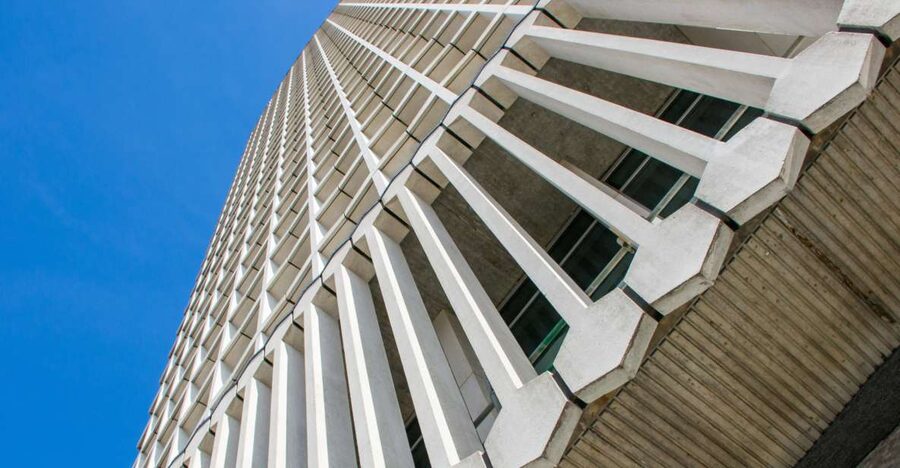
Brutalism is easy to reduce to a joke about grey concrete. That misses the point. The buildings from the 1960s and 1970s were often attempts to express public purpose in a direct, forceful way. Their architects worked with concrete as an engineering material, but also as a visual language.
You’ll see buildings that some people admire and others dislike. That tension is part of the appeal. A Brutalist structure can feel like an urban fortress, a civic monument, or an oversized machine. Your response may change as you learn why it was built and how people used it.
Evan’s approach is especially useful here. He does not present every building as perfect. The discussion includes design choices, social effects, environmental concerns, and the arguments over demolition, protection, and reuse. That balance makes the walk more useful than a simple list of famous facades.
More Bauhaus and Brutalist tours in the world:
- Le Corbusier’s Chandigarh : A Complete Architecture Tour
★ 4.7 · 25 reviews - Architecture of New Belgrade – Brutalism Decoded
★ 4.5 · 24 reviews - Secret Split: Socialist Architecture & brutalism – Urban Utopia
★ 5.0 · 17 reviews
Starting outside Russell Square Underground Station
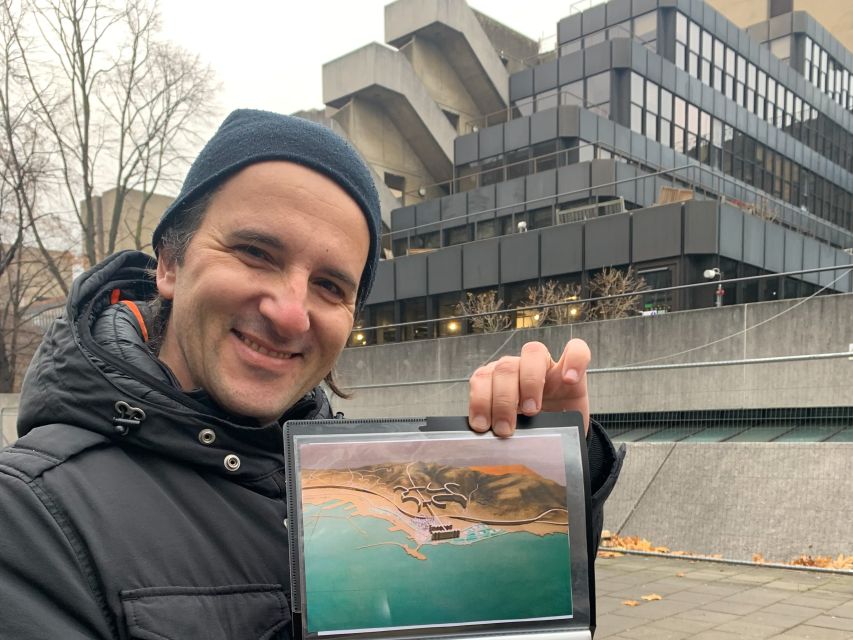
The meeting point is outside Russell Square Underground Station on the Piccadilly Line. This is a practical starting place, with a clear connection to Central London, but give yourself enough time to find the correct station exit and meet the group.
The tour uses the Tube once for a short journey. Your ticket or contactless credit is not included, so check that you have enough Zone 1 credit before arriving. This is a minor extra cost, but it matters because the activity price does not cover public transportation.
The small-group format changes the feel of the outing. With no more than six people, you can ask Evan to explain a feature again, compare two buildings, or focus on a particular interest such as construction, planning, politics, or photography.
The walk is conducted in English. It lasts 2.5 hours, so wear shoes suitable for city walking and bring clothing for changing weather. The tour may be postponed or canceled if conditions are unfavorable.
The Institute of Education and the modern city
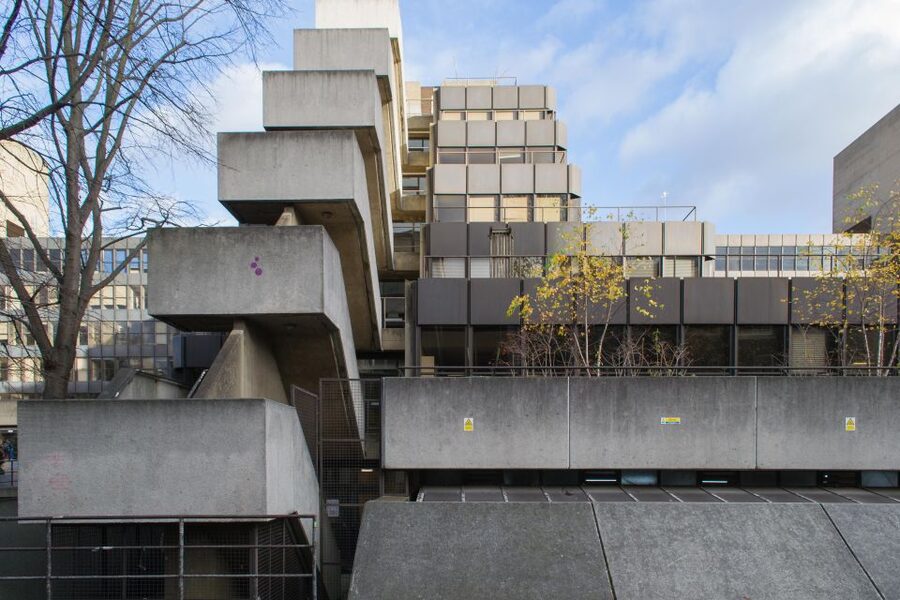
The Institute of Education is one of the important early stops named for this walk. It gives you a chance to consider how Brutalism entered everyday civic life. These were not only office blocks or private developments. Many were connected with education, government, culture, and public services.
This is where the tour’s wider subject becomes clear. The buildings were shaped by a belief that modern construction could support a more open and useful society. Concrete allowed architects to create large forms and dramatic structures, but the results could also be expensive to maintain and difficult to adapt.
You will look at the building from the outside, rather than entering it. That limits what you can learn about the interior, but it keeps the focus on the street, the facade, the mass of the structure, and its relationship with nearby buildings.
A good guide can make these details readable. Evan has been praised for spotting small design features, including particularly sharp observations around the Brunswick. That kind of attention helps you notice the practical choices hidden inside an apparently simple block of concrete.
The Brunswick and the details you might miss
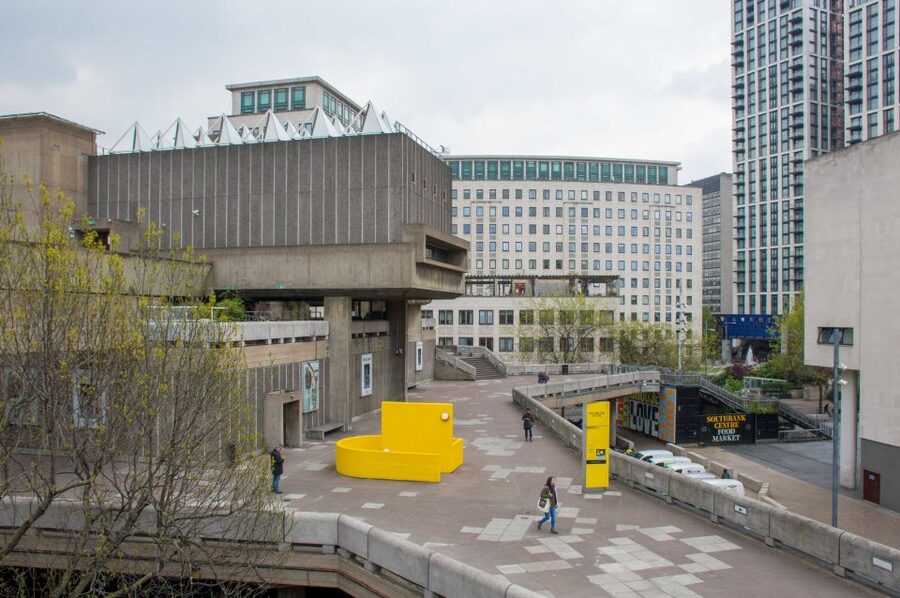
The Brunswick is a useful reminder that Brutalism is not one single look. It has a different character from the most severe concrete towers and fortress-like civic buildings. Its forms, layout, and relationship to shops and public space give you another way to think about Modernist planning.
This part of the walk can be especially rewarding if you normally pass such buildings without studying them. You may find yourself looking at proportions, repeated windows, pedestrian routes, and the way a large structure meets the pavement.
The tour is not only about naming architects. It asks how these places function and how people responded to them. That means you may hear about compromises in construction, the use of materials, and the gap between an architect’s aim and the way a building works in daily life.
One limitation is that the tour cannot show you private or restricted interiors. If you want a detailed account of rooms, finishes, or current tenants, this will not provide it. If you want to learn how to read the outside of a building, it is a stronger match.
More architecture walks in the world:
- Lecce: Baroque Architecture and Underground Walking Tour
★ 4.6 · 1,248 reviews - Chicago in a Day: Food, History & Architecture Walking Tour
★ 5.0 · 1,153 reviews - Ramblas, Old Town, Gothic and Gaudi Architecture Walking Tour
★ 5.0 · 723 reviews - Chicago’s Secret Interiors Architectural Walking Tour
★ 5.0 · 635 reviews
The National Theatre as the main photo stop
The National Theatre is the most obvious visual highlight. Its broad terraces, layered concrete forms, and strong horizontal lines make it one of London’s most recognizable examples of Brutalist architecture.
Bring a camera or phone. The building offers bold angles and repeating shapes, and it photographs well in a way that conventional historic buildings do not. You can focus on the texture of the concrete, the stepped arrangement, or the way the building occupies the riverfront setting.
The important point is that the National Theatre is not treated as an isolated object. You’ll hear how cultural needs, public funding, post-war ideals, and architectural ambition helped shape buildings of this scale. The story also includes the building’s reception, since major Brutalist projects were often criticized before gaining wider recognition.
This is where the walk becomes useful for anyone interested in architecture but not yet familiar with the subject. Evan explains the social, political, and economic setting rather than assuming you already know the names and movements.
You should not expect a performance, backstage access, or an interior visit. The value comes from seeing the exterior with someone who can explain why its design looks the way it does.
Concrete, engineering, and the post-war story
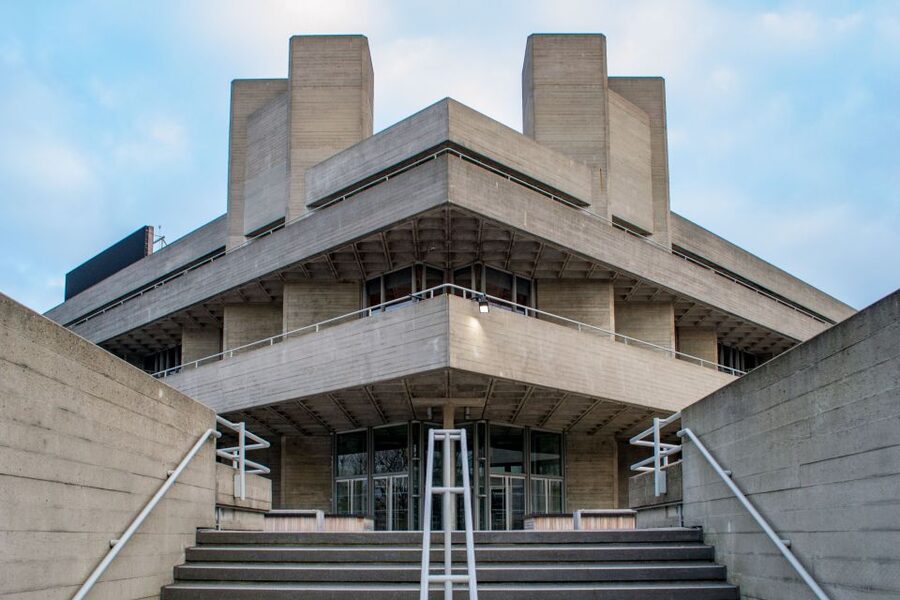
The tour gives concrete a central role. You’ll learn how it was used in modern engineering and architecture, and why it became so important after the war. The material offered strength, flexibility in form, and the ability to create large public structures.
Yet concrete was never a magic answer. Construction methods, budgets, maintenance, weathering, and public opinion all affected the final result. A building could look powerful but prove hard to repair or change. That helps explain why some Brutalist structures are protected while others face demolition or major redevelopment.
Global events also enter the story. The walk links London’s buildings to wider changes in European Modernism and to international forces that influenced the city after the war. You’ll hear about key figures in Modernist architecture and the changing ideas that informed public construction.
The strongest part of this approach is the connection between design and decision-making. A building is not only a collection of surfaces. It reflects who had power, what public authorities wanted to provide, how money was allocated, and what kind of city people hoped to create.
At times, the subject can feel more like an introduction to architectural Modernism than a close technical study of concrete. If you already read widely on Brutalism, you may want more detail about construction methods, structural engineering, and the compromises made on individual projects. For newcomers, the broader context is likely to be more useful.
Preservation, public opinion, and the next life of these buildings
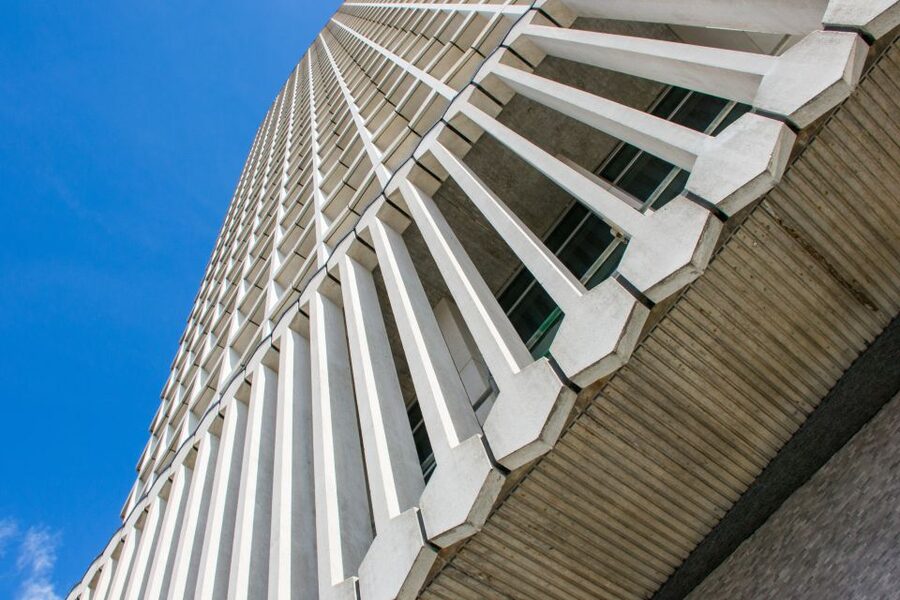
Brutalist buildings have had a difficult public life. Some were disliked when new, later reassessed as important works, and then placed under protection. Others remain controversial because of maintenance costs, changing needs, or the way they affect nearby streets.
The walk examines the continuing argument among local authorities, preservation groups, and residents. That discussion gives you a practical way to judge what you see. You can ask whether a building can be adapted, how much repair should cost, and whether architectural importance is enough to justify keeping it.
This is also where environmental concerns matter. Demolishing and rebuilding consumes materials, while retaining an existing structure may preserve embodied energy but create other challenges. The tour does not present one easy answer, which is helpful. Brutalism is full of trade-offs.
I appreciate that the discussion allows room for criticism. The tour is enthusiastic about the subject, but it does not require you to love every building. You can admire the National Theatre and still dislike another concrete block. You can understand the historical value of a structure while questioning how well it serves people today.
What the guide does well, and where you may want more
Evan is the central strength of the experience. He brings clear enthusiasm to the subject, explains architectural history in an informal way, and can adapt the discussion to the group’s existing knowledge. This matters on a specialist walk, since one participant may be a devoted Brutalism fan while another may simply want a fresh view of London.
The tour also benefits from material beyond standard guidebook facts. You’ll hear about the forces that encouraged post-war construction, the response to individual buildings, and the long fight over recognition and protection.
Still, this is a walking introduction rather than an academic seminar. One participant wanted more discussion of construction materials, technical workarounds, and direct interaction with the buildings. Another noted that some historical claims were too broad or needed more precision.
That is useful context when deciding. If you want a friendly, informed route through key examples, this should suit you. If you expect exact technical analysis of every structural feature or rigorous debate over every historical point, you may find the treatment less detailed than you hoped.
Is $47 good value for a small group?
At $47 per person, the price is reasonable if you value a specialist guide and a group capped at six. You are not paying for entrance tickets, since interiors are not included, but you are paying for interpretation that can change how you see central London.
The value is strongest for people who would otherwise walk past these buildings without understanding them. A standard sightseeing route tends to emphasize royal, religious, and older architectural landmarks. This tour gives you a different London, one shaped by rebuilding, public institutions, concrete, and changing ideas about city life.
The price feels less compelling if you only want photographs. You can see the National Theatre and other exteriors without booking a tour. The fee earns its keep through Evan’s explanations, the route planning, and the chance to ask questions in a small group.
Free cancellation up to 24 hours before the start and the option to reserve now and pay later reduce the risk of booking. Still, check the weather forecast and your transport credit before setting out.
Who should book this walk?
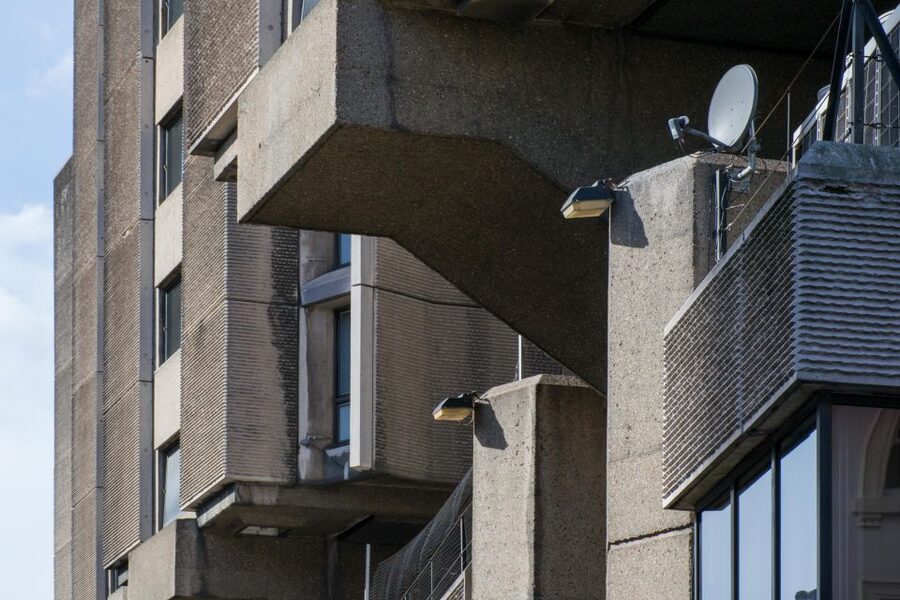
I would choose this for adults and older teenagers who already enjoy architecture, urban planning, photography, social history, or unusual city walks. It is also a good choice if you have visited London before and want something beyond the standard sights.
You do not need specialist training. Curiosity is enough. The tour works particularly well if you like to understand why a building exists, who paid for it, how people received it, and what might happen to it next.
It is not suitable for children under 16. It is also not suitable for people with mobility impairments, and you should expect an outdoor walking experience rather than a seated lecture.
Book it if you want to see Central London through its post-war buildings and are happy to spend time looking closely at concrete, scale, and urban form. Skip it if your main goal is to enter famous buildings or if technical construction detail is your top priority.
FAQ
Where does the Brutalist architecture tour meet?
The tour meets outside Russell Square Underground Station on the Piccadilly Line.
How long does the walking tour last?
The tour lasts 2.5 hours.
What language is the tour in?
The live tour guide conducts the experience in English.
How large is the group?
The group is limited to six participants.
Does the tour visit building interiors?
No. The tour views the buildings from outside, and interiors are not visited.
Is public transportation included?
No. The tour uses the Tube once for a short journey, so you need enough credit for one Zone 1 trip.
Which buildings will I see?
The named examples include the Institute of Education and the National Theatre. The route also includes the Brunswick.
Is the tour suitable for children?
No. The activity is not suitable for children under 16.
Can people with mobility impairments join?
The tour is not suitable for people with mobility impairments.
Can I cancel for a refund?
Yes. You can cancel up to 24 hours in advance for a full refund. You can also reserve now and pay later.
More History Tours in the world
- Kuala Lumpur: Batu Caves & Historic Buildings Tour
★ 4.7 · 539 reviews - Charleston’s Best Highlights: History, Culture & Architecture
★ 5.0 · 422 reviews - Palm Springs Modernism Architecture & History Bike Tour
★ 5.0 · 359 reviews - Charleston: History and Architecture Guided Walking Tour
★ 4.8 · 349 reviews
Just added around the world
- Wilmington History and Architecture Tour★ 4.8 · 18 reviews
- Washington, DC: Georgetown Architecture Walking Tour★ 5.0 · 8 reviews
- New Orleans : Garden District Architecture Walking tour★ 4.8 · 5 reviews
- Washington DC: Dupont Circle & Embassy Row Architecture Tour★ 5.0 · 6 reviews
- Vicenza: discovering the city of Palladio by e-bike★ 5.0 · 4 reviews
- Vicenza: Palladian Architecture Private Walking Tour★ 3.3 · 3 reviews
- Walk & Discover KL’s Architectural and Heritage Gems★ 5.0 · 7 reviews
- Unveiling Brno: History, Culture & Architectural Delights★ 5.0 · 2 reviews
Bauhaus and Brutalist Architecture Tours, compared.
Vienna: Tickets for Kunst Haus Wien: Museum Hundertwasser
Read our review →
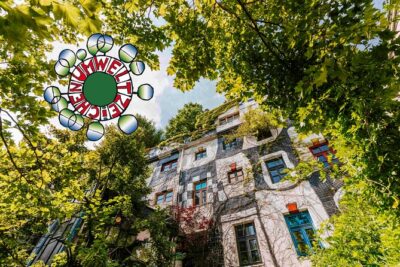
Entrance tickets for the KunstHausWien. Museum Hundertwasser
Read our review →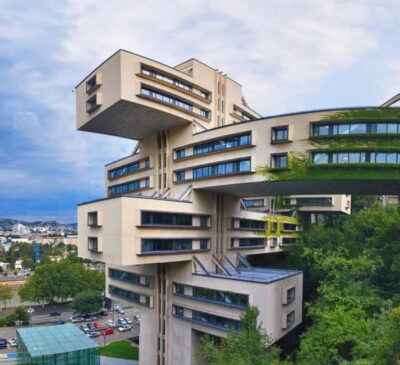
Brutalist Tbilisi: Urban exploration and untold stories
Read our review →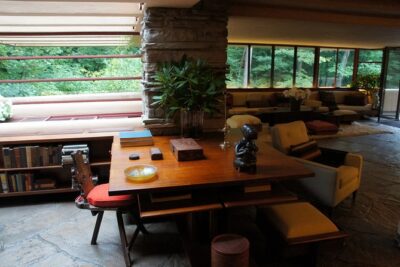
FALLINGWATER – America’s UNESCO World Heritage Masterpiece!
Read our review →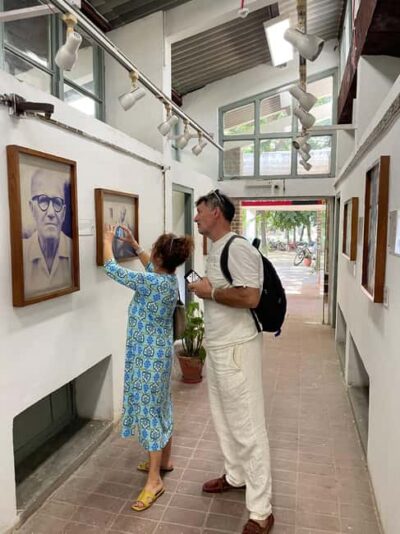
Le Corbusier’s Chandigarh : A Complete Architecture Tour
Read our review →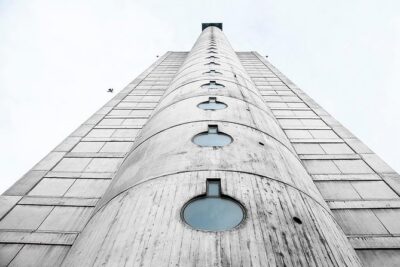
Architecture of New Belgrade – Brutalism Decoded
Read our review →Browse the lists this tour appears in