
Review · ARCHITECTURE TOURS
Brutalist Tbilisi: Urban exploration and untold stories
Tbilisi’s most revealing buildings are often far from the old town’s balconies and sulfur baths. This four-hour drive takes you to Soviet-era monuments, neglected modernist sites, and working neighborhoods, where concrete tells stories about ambition, daily life, and political change. I like the focus on real human experiences, not just architectural labels.
I also like the way the tour covers a wide area without wearing out your feet. The car-based route, small-group format, and guides such as Khatuna, Khato, Jonah, and Alex make it easier to ask questions and adjust the conversation to your interests.
The main drawback is that this is not a polished sightseeing loop. Some sites are abandoned or neglected, the schedule can shift with traffic and weather, and people who dislike heights or rough urban spaces may feel uncomfortable.
Key points at a glance
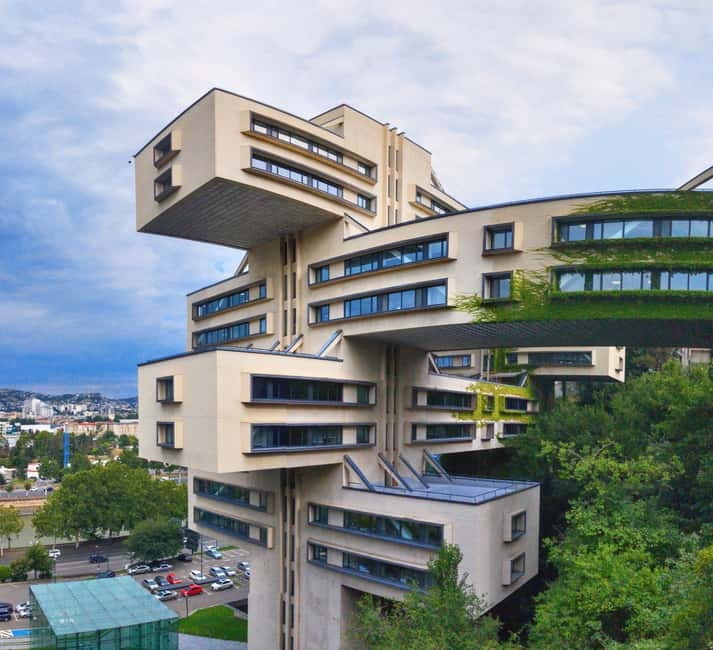
- Ministry of Highways: See one of Tbilisi’s most famous Brutalist buildings, a dramatic concrete structure with a story beyond its striking shape.
- Nutsubidze Skybridge: Enter a 1970s residential world where suspended walkways connect high-rise blocks above the city.
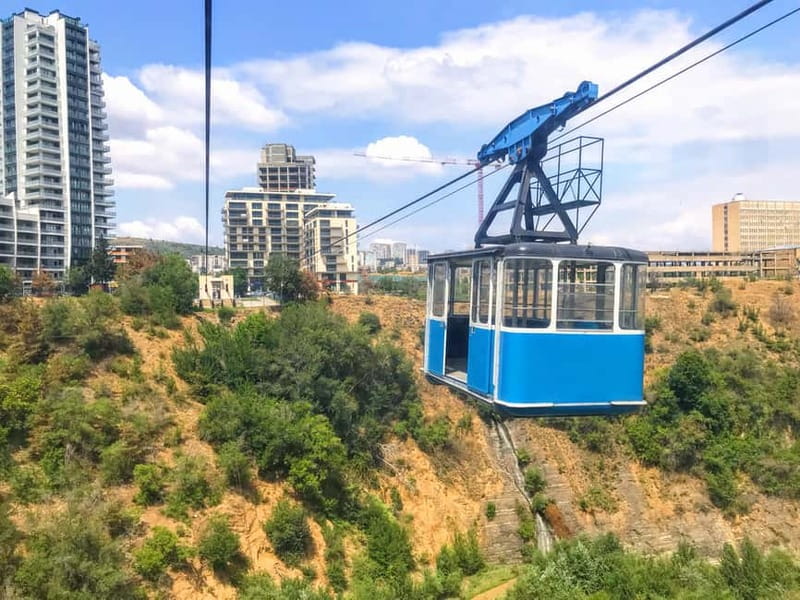
- Old cable road: Ride a surviving piece of Soviet-era transport at Bagebi, adding movement to the architectural tour.
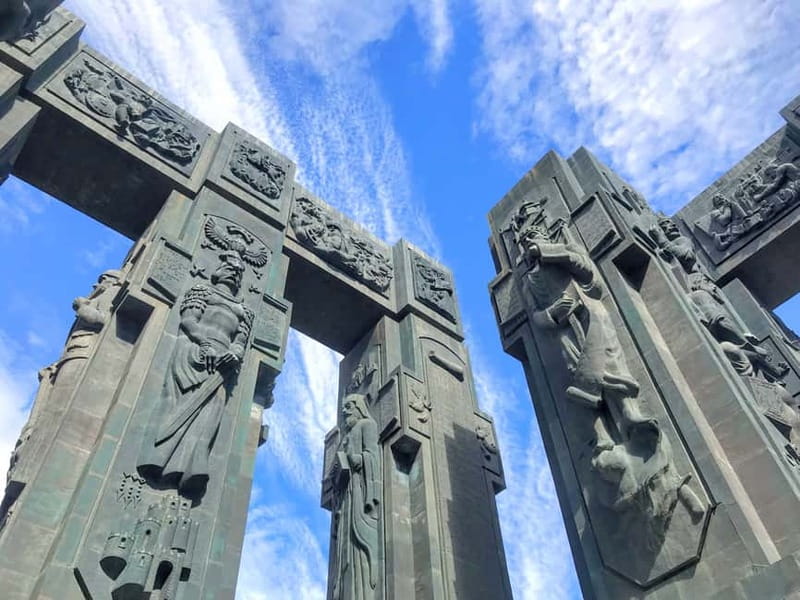
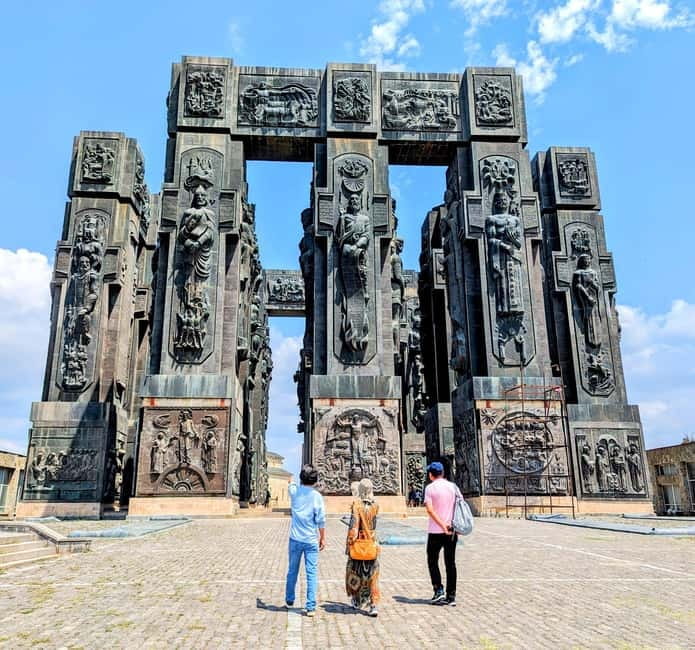
- Chronicle of Georgia: Reach the huge stone monument above the Tbilisi Sea for broad views and a lesson in national symbolism.
- Human stories: Learn how these buildings affected residents, workers, and families, not just the architects who designed them.
- Good value by car: At $75 per person, the price covers four hours, guiding, entrance fees, water, and transport, with private door-to-door service available on the private option.
Why this is a different Tbilisi tour
Classic Tbilisi sightseeing usually centers on the old town, its wooden balconies, churches, fortress, and narrow lanes. Those places matter, but they show only one layer of the city. This tour points the car toward broad avenues, university districts, housing estates, monumental sculpture, and buildings shaped by the Soviet period.
That shift in focus is the point. You see where people studied, lived, worked, traveled, and dealt with the long afterlife of Soviet planning. The architecture can look severe, strange, or even playful, but the guide connects it to ordinary life.
I especially value that the tour does not treat Brutalism as a parade of unusual photo backdrops. The guide explains how buildings functioned and what they meant to the people who used them. The best guides, including Khatuna, Khato, Jonah, and Alex, have been praised for answering questions, adding historical context, and keeping the mood warm rather than academic.
The tone is informal, with room for humor and unexpected stops. One group received a surprise activity, while another added the Palace of Rituals after asking the guide. These additions are not guaranteed, but they show that the experience can feel flexible rather than mechanically timed.
More Bauhaus and Brutalist tours in the world:
- London: Brutalist Architecture & History Walking Tour
★ 4.8 · 42 reviews - Le Corbusier’s Chandigarh : A Complete Architecture Tour
★ 4.7 · 25 reviews - Architecture of New Belgrade – Brutalism Decoded
★ 4.5 · 24 reviews
A four-hour route through student districts and Soviet transport
Pickup depends on the option you select. Central Tbilisi accommodation pickup is available, and private service includes door-to-door transport. The vehicle matters here because the route crosses different parts of the city and includes places that are awkward to connect by public transport.
The first stop is the City of Students, with about 45 minutes for a visit, guided talk, and photographs. The name points to Tbilisi’s educational and residential side, rather than its historic center. You can expect the guide to use the setting to explain how Soviet urban planning organized life around institutions and large housing areas.
This is not a quick pass-by from a tour bus. The stop gives you time to look at the scale of the buildings and ask how the city developed beyond its old core. Wear comfortable shoes, since the tour is car-based but not entirely walk-free.
Next comes the Bagebi Cable Road, where the schedule allows about 25 minutes for a visit, explanation, photographs, and a cable car ride. The old Soviet cable system is one of the tour’s most appealing details because it lets you experience infrastructure rather than simply view it.
The ride also changes the pace. After looking at concrete buildings from the street, you move through the city above ground. It is a small part of the day, not a long transport journey, but it gives the Soviet past a physical presence.
You should know that this activity is not suited to people afraid of heights. The route may also change if weather or other conditions make a planned stop impractical.
The Nutsubidze Skybridge and daily life in concrete
The Nutsubidze Skybridge gets around 40 minutes, making it one of the main stops. This 1970s residential complex is famous for suspended bridges connecting apartment blocks at an elevated level. It is an ideal place to see how ambitious Soviet housing design could be both practical and visually startling.
The bridge is not simply a sculpture placed in an empty plaza. It belongs to a residential setting, which makes the visit more interesting. You are looking at a place shaped around daily routines, access, and shared space. The guide’s interpretation helps turn an unusual structure into a story about how people lived.
The stop also offers scenic views along the way. Still, you should expect a working neighborhood rather than a restored monument. Conditions can feel plain, worn, or unfinished. That is part of the experience, but anyone seeking polished attractions and easy paths may prefer a conventional city tour.
The route includes another 25-minute visit and guided stop before reaching the Bank of Georgia. The exact sights can vary with traffic, weather, and local conditions, so the tour works best when you treat the order as flexible.
The Bank of Georgia, one of Tbilisi’s great concrete icons
The Bank of Georgia building is scheduled for about 20 minutes. It is among the city’s best-known examples of bold late-Soviet architecture, built from stacked and interlocking concrete forms that create an almost impossible-looking silhouette.
This is one of the places where a guide adds real value. A photograph can show the shape, but it cannot explain why this kind of architecture appeared, how the building was used, or how Tbilisi sees it today. You get a clearer sense of the design language and the political period behind it.
The visit is relatively short, so do not expect a long interior tour. Much of the interest is in seeing the building in its urban setting and hearing the explanation. For photographers, the strong geometry and changing angles make this a useful stop, but the tour is built around stories as much as pictures.
Same city, a completely different century:
- Chicago Architecture River Cruise
★ 5.0 · 15,756 reviews - Chicago River 90-Minute Architecture Tour
★ 4.5 · 9,629 reviews - Chicago River: 1.5-Hour Guided Architecture Cruise
★ 4.8 · 8,046 reviews - Chicago Architecture Center River Cruise aboard First Lady
★ 5.0 · 5,536 reviews
A local bakery break keeps the tour grounded
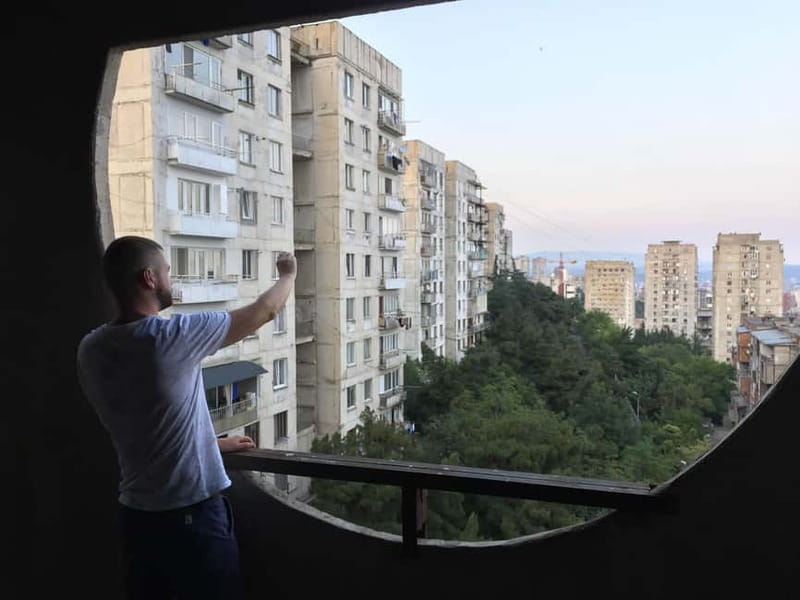
The bakery stop lasts about 15 minutes and includes local snacks. This is a modest pause, but it helps keep the route connected to everyday Tbilisi.
After several monumental sites, a bakery gives you something ordinary and immediate. You can try a local bite, have a short rest, and see a part of the city that is not designed for architectural admiration. Lunch is not included, so treat this as a snack rather than a meal.
The guide may also suggest other Georgian food places. Khatuna, for example, has helped visitors with ideas for local dishes and chimney cake. These recommendations can be useful if you are still deciding what to eat during the rest of your stay.
The darker side: Suicide Bridge and abandoned modernism
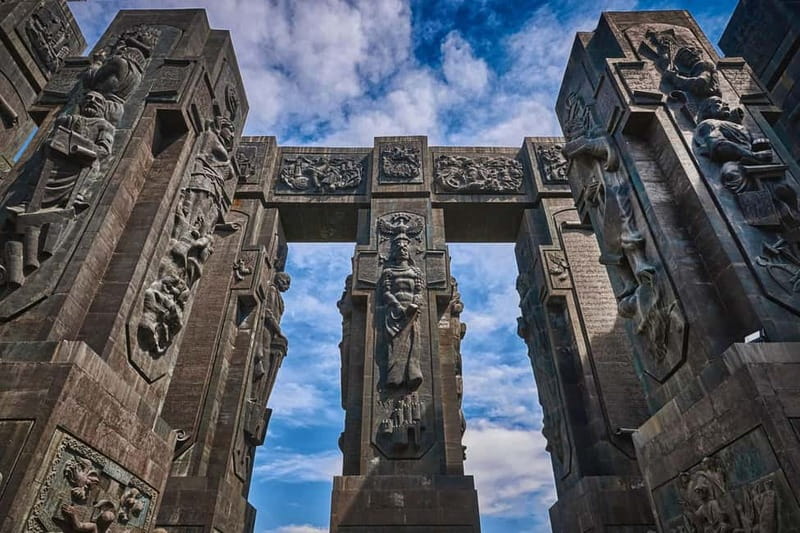
The tour includes a stop known as Suicide Bridge, along with a visit to the former Museum of Archaeology. The time allocated to this section is about 45 minutes, though the exact route and sequence can vary.
Suicide Bridge carries a difficult story, and it is not presented as a cheerful landmark. Its value is historical and human. The guide places the site within Tbilisi’s darker urban memory, giving you a more honest picture of the city than a route made only of attractive viewpoints.
The former Museum of Archaeology brings a different mood. This abandoned modernist building still has a forceful design, even without the activity and purpose it once held. You can see how a building can remain visually powerful after its original role has faded.
These stops require the right expectations. You might encounter neglected surroundings, restricted access, or rough conditions. Do not enter unsafe areas or assume that every abandoned structure is open for exploration. The tour is about seeing and understanding these places, not taking risks for a photograph.
This part also explains why the tour is not recommended for people with mobility impairments. The route is mainly by car, but some sites may involve uneven ground, steps, or awkward access.
The Chronicle of Georgia above the Tbilisi Sea
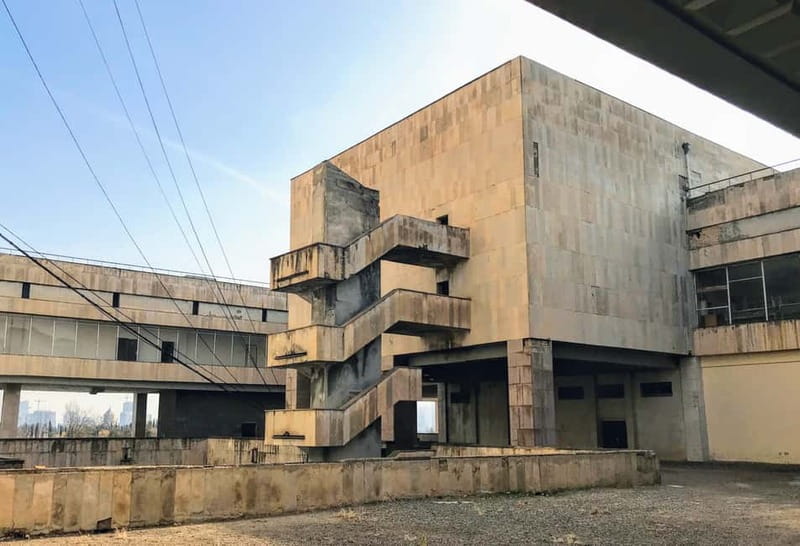
The final major stop is the Chronicle of Georgia, also called the Georgian Stonehenge. The tour allows about 45 minutes for photographs, a guided visit, free time, and views from above.
The enormous stone columns and reliefs sit high above the Tbilisi Sea. Their scale makes them impressive, but the meaning matters just as much. The monument presents episodes and figures from Georgian history and national identity through a grand, symbolic form.
Your guide helps explain what you are seeing rather than leaving you with a collection of oversized statues. You can take time to walk around, look closely at the carved panels, and enjoy the open view. This is likely to be one of the most immediately rewarding stops for anyone who likes photography.
Wind and weather can affect the experience, especially on an exposed hilltop. Bring comfortable shoes and dress for conditions rather than assuming the car will protect you from the elements at every stop.
What the $75 price includes
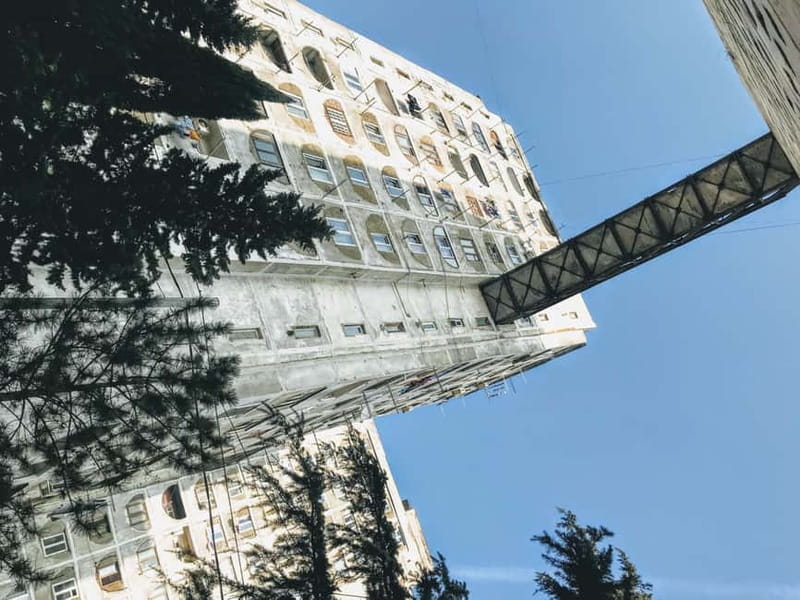
At $75 per person, this is not the cheapest way to see Tbilisi. It is also not a simple transfer between landmarks. The price includes a local guide, entrance fees, bottled water, and transport. The private option adds pickup at your accommodation or another central location.
The value comes from combining several distant sites in four hours. Hiring separate taxis, locating each building, arranging the cable ride, and finding the right context would take time and still might leave you without the human stories that connect the places.
A private or small-group format is especially useful here. The buildings are unusual enough to invite questions, and a big bus would make the experience less personal. You can ask about Soviet architecture, Georgian identity, urban planning, or the current life of a building without waiting for a whole crowd.
The timing can stretch beyond four hours because Tbilisi traffic is unpredictable. That is worth accepting before you book. The route covers a lot of ground, and traffic is part of city travel. If you have a tight appointment afterward, leave a generous buffer.
Free cancellation up to 24 hours before the tour and reserve-now, pay-later booking make the $75 commitment easier to manage. Those terms are useful when your schedule in Tbilisi is still changing.
Who will enjoy this, and who should skip it
I would choose this tour if you have already seen the old town or want a second view of Tbilisi. It suits people interested in architecture, Soviet history, urban planning, photography, and the way cities carry difficult memories.
It is also a good fit if you want to cover a lot of ground without spending half a day walking. The car provides comfort, and the transport score is very strong. The experience remains active enough to include viewpoints, a cable ride, and several short walks, but it is not a full walking tour.
Children under 12 are not permitted. People with mobility impairments may find access difficult, and anyone afraid of heights should avoid the cable road and elevated skybridge. Pets, large bags, oversize luggage, strollers, baby carriages, and electric wheelchairs are not allowed.
Bring comfortable shoes even though the tour is by car. Bring curiosity, too. The most rewarding parts are not always the prettiest ones.
Should you book Brutalist Tbilisi?
Book it if you want the city beyond the postcard version. You will see the Ministry of Highways, the Bank of Georgia, Nutsubidze Skybridge, the Chronicle of Georgia, the old cable road, and places tied to harder chapters of Tbilisi’s past.
The strongest reason to go is the guide. Choose this experience for the explanations, questions, and local stories as much as for the concrete shapes. Guides such as Khatuna, Khato, Jonah, Alex, Aleksi, and Oksana have brought warmth, humor, and clear historical detail to the route.
Skip it if you want only classic landmarks, polished interiors, or a fixed schedule. For everyone else, $75 is a fair price for four hours of transport, access, and interpretation, especially if you want to understand how Tbilisi lives with its Soviet inheritance today.
FAQ
How long does the Brutalist Tbilisi tour last?
The scheduled duration is four hours. Traffic, weather, and other conditions may make the tour take longer.
What is the price?
The price is $75 per person.
Is transport included?
Yes. The experience is conducted by car, and pickup at your accommodation or another central Tbilisi location is available when the private option is selected.
Which languages are available?
The tour is offered in English and Russian.
Is this a private tour?
The activity is described as a private group experience. The exact pickup and transport arrangement depends on the option selected.
What is included in the price?
A local guide, entrance fees, bottled water, and door-to-door service when the private option is selected are included.
Is lunch included?
No. Lunch is not included, although the route includes a short local bakery stop with snacks.
Can children join the tour?
The tour is not suitable for children under 12.
What should I bring, and what is not allowed?
Bring comfortable shoes. Pets, oversize luggage, large bags, strollers, baby carriages, electric wheelchairs, alcohol, drugs, and intoxication are not allowed.
Just added around the world
- Wilmington History and Architecture Tour★ 4.8 · 18 reviews
- Washington, DC: Georgetown Architecture Walking Tour★ 5.0 · 8 reviews
- New Orleans : Garden District Architecture Walking tour★ 4.8 · 5 reviews
- Washington DC: Dupont Circle & Embassy Row Architecture Tour★ 5.0 · 6 reviews
- Vicenza: discovering the city of Palladio by e-bike★ 5.0 · 4 reviews
- Vicenza: Palladian Architecture Private Walking Tour★ 3.3 · 3 reviews
- Walk & Discover KL’s Architectural and Heritage Gems★ 5.0 · 7 reviews
- Unveiling Brno: History, Culture & Architectural Delights★ 5.0 · 2 reviews
Bauhaus and Brutalist Architecture Tours, compared.
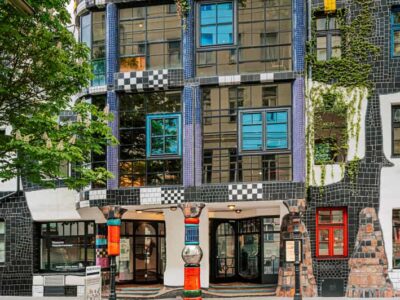
Vienna: Tickets for Kunst Haus Wien: Museum Hundertwasser
Read our review →
Entrance tickets for the KunstHausWien. Museum Hundertwasser
Read our review →
London: Brutalist Architecture & History Walking Tour
Read our review →
FALLINGWATER – America’s UNESCO World Heritage Masterpiece!
Read our review →
Le Corbusier’s Chandigarh : A Complete Architecture Tour
Read our review →
Architecture of New Belgrade – Brutalism Decoded
Read our review →Browse the lists this tour appears in