
Review · BELGIUM
Belgian Hidden Architectural Gem
Ghent’s medieval Gravensteen castle is the star of this walking tour, but the best part is the context around it. You won’t just point a camera at stone walls. You’ll hear why a pillar sits in front of the castle, how Flemish power shaped the city, and what Ghent’s architecture says about its past.
I like the small maximum of 12 people, which gives the guide room to answer questions. I also like the reasonable $17.80 price and the focus on central sights rather than a long list of far-flung stops. The main drawback is that this is an outdoor walking tour, so poor weather can cancel it, and the castle stop appears to focus on the exterior rather than included interior admission.
Key points to know before booking
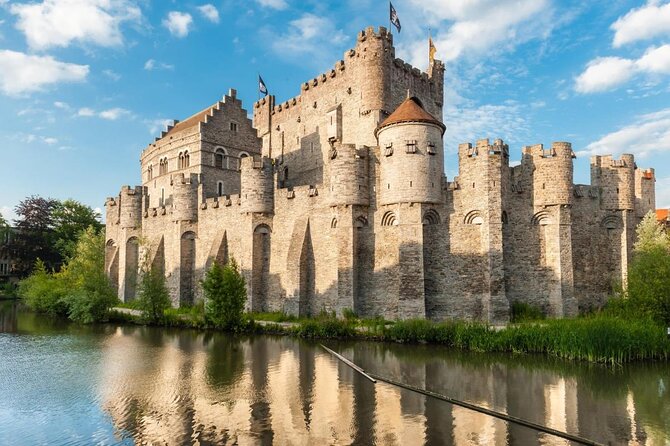
- Gravensteen is the main visual prize: See the Counts of Flanders castle and discuss its role in medieval Ghent.
- Vrijdagmarkt provides the historical opening: Spend about 20 minutes in one of central Ghent’s most notable squares.
- The guide adds the value: Stories about architecture, politics, art, and city development give the walk its purpose.
- Jamal receives especially warm praise: His humor, enthusiasm, and command of architecture, art, and history are singled out.
- The group is capped at 12 people: That is a useful size for a walking tour and questions.
- It costs $17.80 per person: For roughly two hours of guided sightseeing, the price is fair if you want interpretation rather than a self-guided stroll.
Why this short Ghent walk works
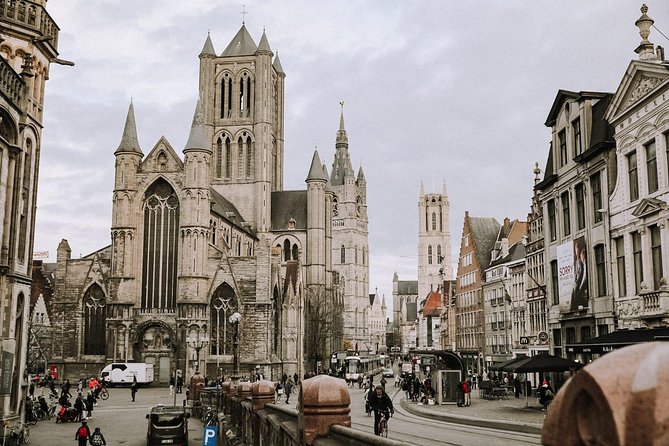
Ghent is easy to admire and surprisingly easy to misunderstand. You can walk along its handsome streets, photograph the castle, and still miss the political struggles and architectural changes that made the city what it is.
This tour gives you a basic framework. It links the medieval center with wider European events, including the fall of the Holy Roman Empire, then connects old Ghent with its present-day reputation as Belgium’s Silicon Valley. That range is useful because it keeps the walk from becoming a simple castle photo stop.
The format is also sensible for a first look. In about two hours, you cover a famous square, streets leading toward Gravensteen, and the castle area itself. You will not see every major church, museum, or canal in Ghent, but you will get a guided introduction to the city’s architecture and historical development.
I would treat this as an orientation walk, not a full tour of every sight. It works well early in a Ghent visit, especially if you want help deciding which buildings and neighborhoods deserve more of your own time afterward.
A few more architecture tours around the world worth a look
- Chicago Architecture River Cruise
★ 5.0 · 15,756 reviews - Chicago River 90-Minute Architecture Tour
★ 4.5 · 9,629 reviews - Chicago River: 1.5-Hour Guided Architecture Cruise
★ 4.8 · 8,046 reviews
Starting at the City Pavilion at 3:00 pm
The meeting point is the Stadshal, also called the City Pavilion, at Poeljemarkt in central Ghent. The tour begins at 3:00 pm and ends back at the same meeting point.
That arrangement is convenient. You do not need to find a second location at the end, and the central setting should make it practical to reach the start by public transportation. The tour is listed as being near public transportation, though exact directions and transit lines are not provided.
Arrive ready to walk outdoors for close to two hours. The schedule lists only about 20 minutes at each main stop, but the full experience includes the streets between them and the guide’s explanations along the way. Wear shoes you can comfortably use on city streets, and check the weather before setting out.
The mobile ticket is useful for a simple reason: you can keep the booking on your phone rather than deal with a printed voucher. Confirmation is provided when you book.
Vrijdagmarkt: a square built for stories
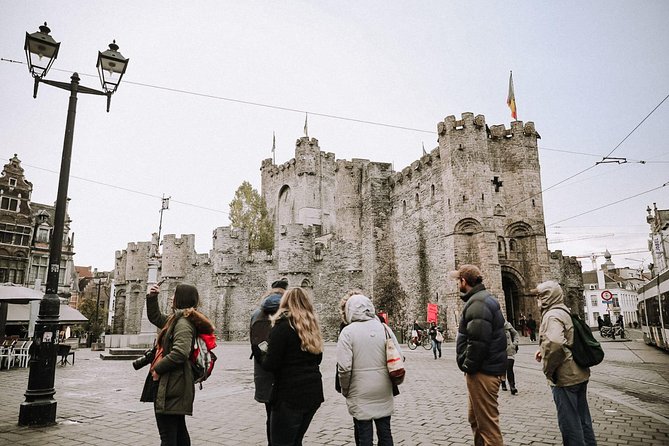
The first named stop is Vrijdagmarkt, a large and famous square in Ghent. You have about 20 minutes here, with time to look at the surrounding architecture and learn why this part of the city matters.
A square like this is a good place to begin because it lets you see several buildings and urban layers at once. Rather than rushing straight to Gravensteen, the guide can explain how public spaces, commerce, and political life shaped Ghent.
The attraction here is not a single entrance ticket or one isolated monument. It is the relationship between the square and the buildings around it. This is where a guide can point out details that are easy to pass without a second thought, then place them in the larger story of the city.
The stop may feel brief if you want extensive architectural analysis. Twenty minutes is enough for an introduction, not a detailed study of every facade. If you are particularly interested in architecture, take mental notes of the buildings the guide highlights and consider returning later at your own pace.
The experience also includes a street crossing on the way toward the castle. That sounds minor, but it signals the nature of the tour: this is a connected city walk, not a series of indoor attractions. You move through Ghent as a functioning city while the guide explains what you are seeing.
Walking toward Gravensteen
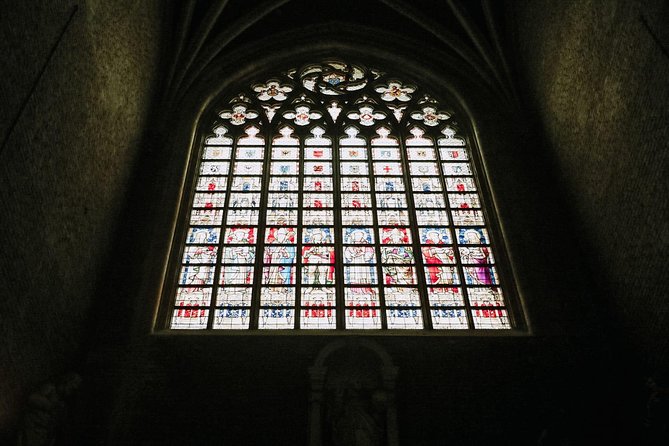
The route from Vrijdagmarkt to Gravensteen gives the guide a chance to connect the square with the castle district. The supplied schedule does not name the street or add another formal attraction, so you should not expect a long stop at a separate landmark.
That is not necessarily a weakness. A good walking tour uses the spaces between major sights. Streets show how the old center fits together, and the guide can keep the story moving while you change locations.
The route also helps you focus on the architecture instead of navigation. You do not have to keep checking a map or decide which turn leads toward the castle. That practical benefit matters in Ghent, where a self-guided walk can easily become a string of disconnected views.
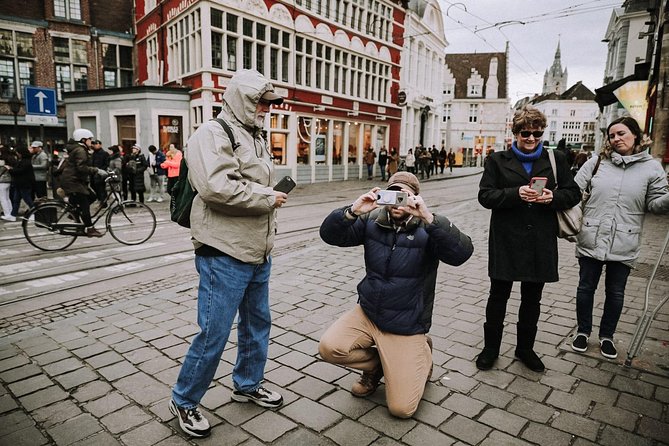
The tour is capped at 12 people. That is small enough for the guide to point toward a detail, answer a question, or adjust the pace without turning the walk into a large procession. It is not a private tour, but it should feel more personal than a big city group.
Same city, a completely different century:
- Chicago Architecture Center River Cruise aboard First Lady
★ 5.0 · 5,536 reviews - Chicago: Architecture River Cruise Skip-the-Ticket Line
★ 4.8 · 4,325 reviews - Chicago River 45-Minute Architecture Tour from Magnificent Mile
★ 4.5 · 2,924 reviews - Barcelona: Sant Pau Recinte Modernista Entry Ticket
★ 4.6 · 2,567 reviews
Gravensteen: a castle with political weight
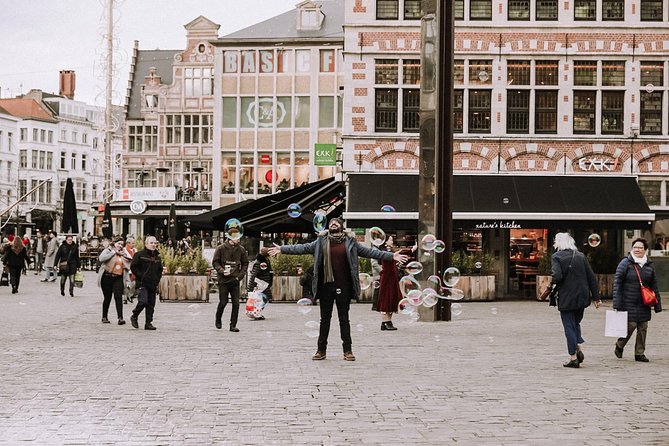
Gravensteen, the Counts of Flanders castle, is the main stop. It is one of Ghent’s oldest buildings and a visible reminder of the power held by the Flemish counts during the medieval period.
You will have about 20 minutes at the castle. The focus is on its importance, appearance, and the stories attached to the surrounding area. The guide plans to explain why there is a pillar in front of the castle and identify the building with what is described as the city’s most beautiful Baroque facade.
Those details give the stop more personality than a standard explanation of walls and towers. A pillar may look like a decorative object until someone explains its purpose or symbolism. A nearby Baroque facade can also change the way you read the castle, showing how different periods of architecture sit close together in Ghent.
Pay attention to the wording around admission. The stop is listed with free admission, and the experience includes a guide, but there is no separate castle entry listed as part of the tour. The supplied details describe seeing Gravensteen and discussing it, not a guided visit through the interior.
If entering the castle is important to you, ask the provider before booking about interior access and any separate ticket. That is the clearest practical point to settle in advance. You should book this experience for the guided exterior visit unless confirmed otherwise.
The 20-minute castle stop is enough for an introduction and photographs. It is not enough for a careful examination of every room, defensive feature, or museum display. If you want a long castle visit, plan to return independently and allow extra time beyond the tour.
Architecture explained without a guidebook

The strongest reason to choose this experience is the way it treats architecture as part of a story. You are not simply told that a building is old or attractive. The walk aims to connect form with power, religion, politics, and the changing fortunes of Ghent.
That matters in a city with several architectural periods close together. The guide can help you notice why a medieval fortress looks different from a Baroque facade, and why those styles ended up near one another.
The tour also covers the fall of the Holy Roman Empire. The information provided does not spell out the full lecture or specify how long that topic receives, so you should expect a concise explanation rather than a university course. Still, the subject adds useful European context to the local story.
I particularly like that the tour reaches beyond the medieval past. Ghent’s nickname, Belgium’s Silicon Valley, gives the guide a way to discuss the city’s modern identity. You get a glimpse of how a place known for castles and old squares also presents itself as a center of innovation and technology.
A guide who adds humor and enthusiasm
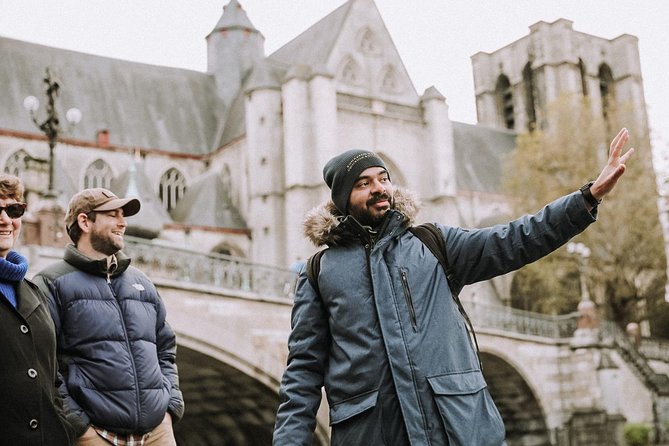
The guide can make or break a short city walk. Here, Jamal is specifically praised for his humor, enthusiasm, and command of architecture, art, and city history.
That combination is important. Facts alone can make a two-hour walk feel like a lecture. Humor helps keep the pace light, while enthusiasm can direct your attention toward details you might otherwise miss.
You should still keep expectations realistic. Only two published ratings are available, so there is not a large body of feedback to use for judging consistency across every departure. The strongest available comment focuses on Jamal, describing the walk as entertaining, informative, and humorous.
If Jamal leads your departure, his style may be a major part of the experience. If another guide leads it, the route and subject matter remain the same, but the tone could differ. A small group gives any guide a better chance to create conversation instead of delivering a fixed speech.
What $17.80 gets you
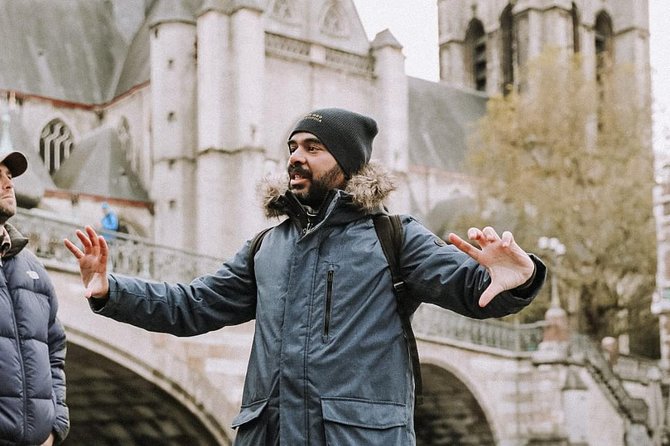
At $17.80 per person, this is priced as an affordable guided introduction rather than a major paid attraction. The fee covers the guide, and the tour lasts about two hours.
I consider that reasonable if you value interpretation. The price saves you from planning a route, reading up on the city before arrival, and trying to identify the meaning of architectural details on your own.
The value is weaker if you only want to see Gravensteen. You can view the castle from outside without paying for this walk, and the listed stop is short. The fee makes sense because of the explanations, the historical links, and the guided route through central Ghent.
Coffee and tea are not included. That is a small point, but it means you should not expect a cafe break built into the experience. If you want a drink afterward, the tour returns to the City Pavilion area, giving you a practical place to continue your afternoon, though no specific cafe is promised.
The tour is commonly booked about 16 days ahead. That suggests planning roughly two weeks in advance if your schedule is fixed, especially since the group limit is 12 people. It is not proof that every departure sells out, but last-minute availability should not be assumed.
Who should book this walk?
I would recommend it to a first-time visitor who wants a clear introduction to Ghent without committing half a day. It also suits anyone who likes architecture but wants a person to explain what makes the buildings important.
The tour is a good fit for:
- You visiting Ghent for the first time
- You who prefer a small group to a large sightseeing crowd
- You interested in medieval castles and European architecture
- You who want local stories rather than a guidebook checklist
- You with about two hours available at 3:00 pm
- You who are comfortable walking outdoors in changing weather
It may not suit you if you want a long interior visit at Gravensteen, a full architectural survey of Ghent, or a flexible start time. The schedule is fixed at 3:00 pm, and the experience can be canceled in poor weather.
Most people can participate, and service animals are allowed. The tour requires a minimum number of participants, so a departure can also be canceled if that number is not reached. In either case, the available remedy is a different date or experience, or a full refund.
The cancellation rule is strict for your own plans: the experience is non-refundable and cannot be changed for any reason. Book only when your schedule is firm and keep the weather requirement in mind.
Should you book the Belgian architectural walk?
Book it if you want meaning behind the sights, not simply a route to the castle. The combination of Vrijdagmarkt, central streets, Gravensteen, and stories about art, politics, and Ghent’s modern identity makes good use of two hours.
The best reason to go is the guide-led interpretation, especially if Jamal is leading. His humor and enthusiasm are central strengths. The small group and $17.80 price add to the appeal.
Skip it if your priority is entering Gravensteen for an extended visit. In that case, confirm interior access separately or plan your own castle visit. For everyone else, this is a practical, fairly priced first look at Ghent, provided you can commit to the fixed afternoon time and accept the outdoor format.
FAQ
Where does the tour begin?
It begins at the Stadshal, also called the City Pavilion, at Poeljemarkt, 9000 Gent, Belgium.
What time does the tour start?
The tour starts at 3:00 pm.
How long does the experience last?
It lasts approximately two hours.
Where does the tour end?
The activity ends back at the meeting point at the City Pavilion.
What places are included?
The tour includes Vrijdagmarkt, the streets on the way toward Gravensteen, and Gravensteen castle.
Is admission to the tour’s stops included?
The listed stops show free admission, and the experience includes a guide. The provided details do not confirm interior admission to Gravensteen, so ask the provider if entering the castle matters to you.
How large is the group?
The tour has a maximum of 12 participants.
Can I cancel for a refund?
No. The experience is non-refundable and cannot be changed for any reason. If the provider cancels because of poor weather or an insufficient minimum number of participants, you will be offered another date or experience, or a full refund.
Just added around the world
- Wilmington History and Architecture Tour★ 4.8 · 18 reviews
- Washington, DC: Georgetown Architecture Walking Tour★ 5.0 · 8 reviews
- New Orleans : Garden District Architecture Walking tour★ 4.8 · 5 reviews
- Washington DC: Dupont Circle & Embassy Row Architecture Tour★ 5.0 · 6 reviews
- Vicenza: Palladian Architecture Private Walking Tour★ 3.3 · 3 reviews
- Walk & Discover KL’s Architectural and Heritage Gems★ 5.0 · 7 reviews
- Vicenza: discovering the city of Palladio by e-bike★ 5.0 · 4 reviews
- Unveiling Brno: History, Culture & Architectural Delights★ 5.0 · 2 reviews
Belgium Architecture Tours, compared.
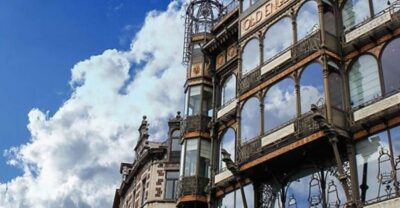
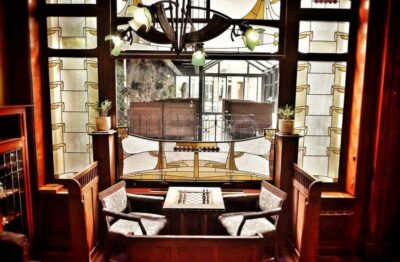
Brussels: Art Nouveau Pass – Entry to Three Locations
Read our review →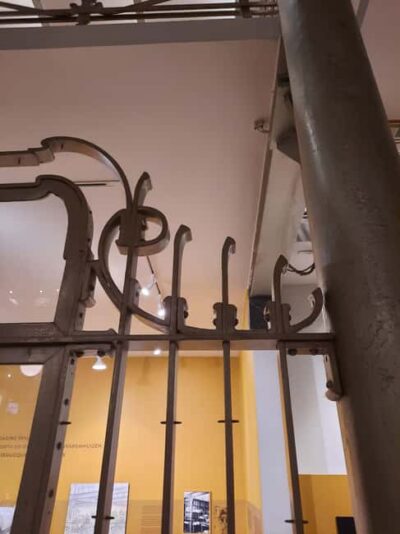
Brussels: 3h Art Nouveau Private Tour with a Local Guide
Read our review →
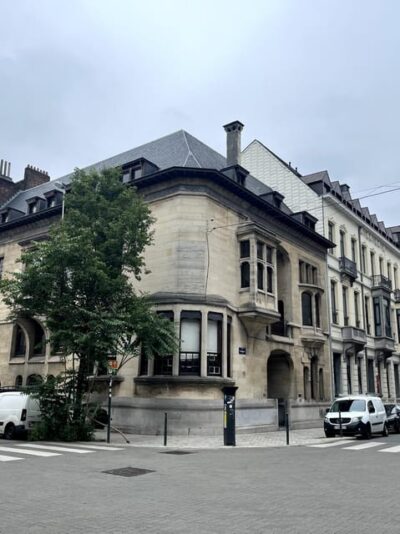
Brussels: Art Nouveau Private Walking Tour with Horta Museum
Read our review →
Browse the lists this tour appears in