Review · BARCELONA
Barcelona: Sant Pau Recinte Modernista Entry Ticket
Sant Pau Recinte Modernista is a former hospital designed as a healing garden city, not simply a pretty building. Lluís Domènech i Montaner created a complete medical world of pavilions, tiled decoration, sculpture, gardens, and underground links. I like the thoughtful hospital design, and I like that you can examine the complex at your own pace rather than follow a packed group. The main drawback is that no guide is included, so visitors who want a lively explanation should add an audio guide if available or plan to read carefully as they go.
- A hospital built for healing: Gardens, light, fresh air, and separate pavilions were part of the medical plan.
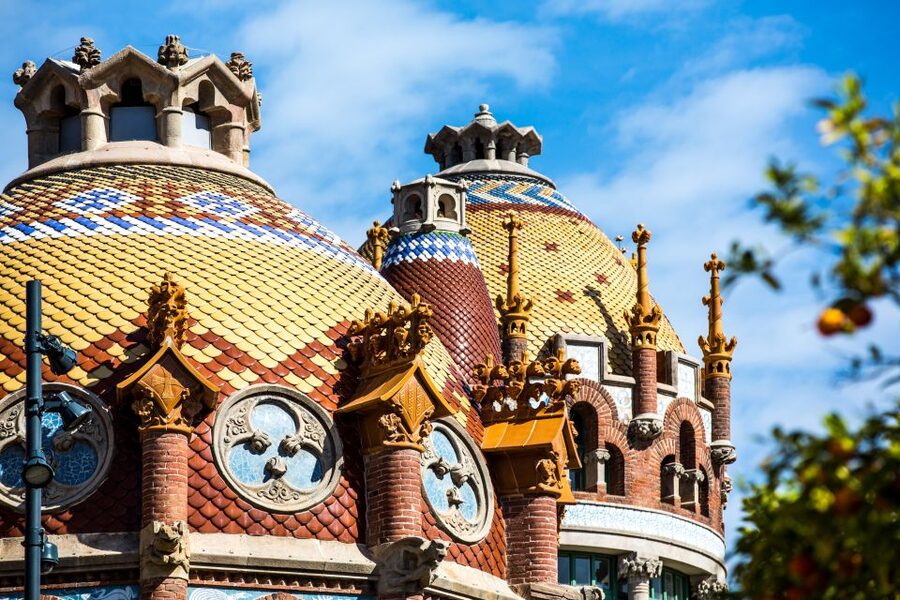
- Barcelona Modernisme at full scale: Look for mosaics, stained glass, sculpture, colorful tiles, and carved details.
- Underground passages: Tunnels connect the pavilions and give you a glimpse of how the hospital functioned.
- A working hospital until recently: Medical rooms, instruments, and displays help connect the art to real patients and staff.
- Easy to pair with Sagrada Família: Sant Pau is a short distance away and has a nearby metro station.
- Good value for curious visitors: The $21 ticket allows a full day of access, though most people spend about 1.5 to 2 hours.
Why Sant Pau Is More Than a Beautiful Facade
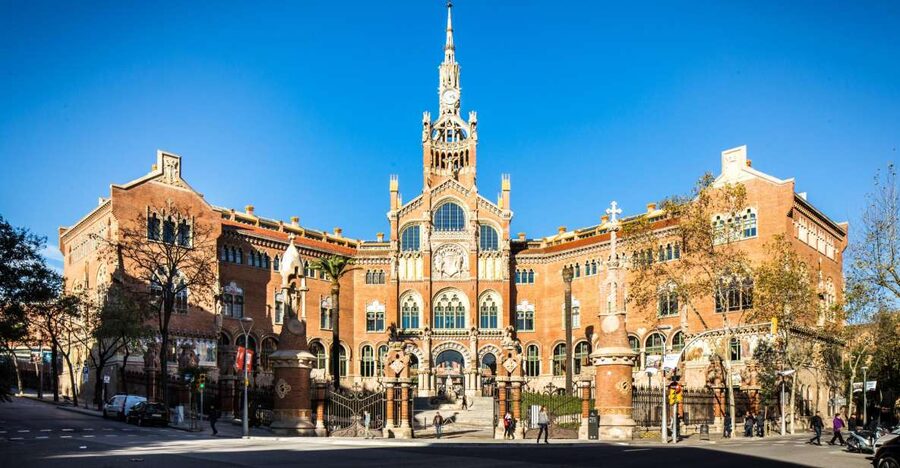
Barcelona is famous for Gaudí, but Sant Pau gives you a broader view of Modernisme, the Catalan version of Art Nouveau. It is the work of Lluís Domènech i Montaner, the architect also associated with Barcelona’s Palau de la Música Catalana. Here, he had room to think on an enormous scale.
Construction took place from 1905 to 1930. The goal was not to create one grand hospital block. Instead, the complex was planned as a garden city for patients. Separate pavilions were linked by underground passages, with gardens and open space between them.
That arrangement reflected new ideas about health and hygiene. Light, air, greenery, cleanliness, and calm surroundings were considered part of treatment. The decorative work was not merely added for show. It helped create a more humane setting for people who were poor or seriously ill.
I find that idea important when judging the visit. Sant Pau is not just an architectural stop where you point your camera at a colorful ceiling. It lets you see how early 20th-century designers connected medicine, public welfare, art, and urban planning.
The old Hospital de la Santa Creu in Barcelona’s El Raval district had become too small by the late 19th century. Sant Pau was the ambitious answer. The hospital served the public for about a century before being restored and opened as a cultural and institutional site.
Entering the Garden City
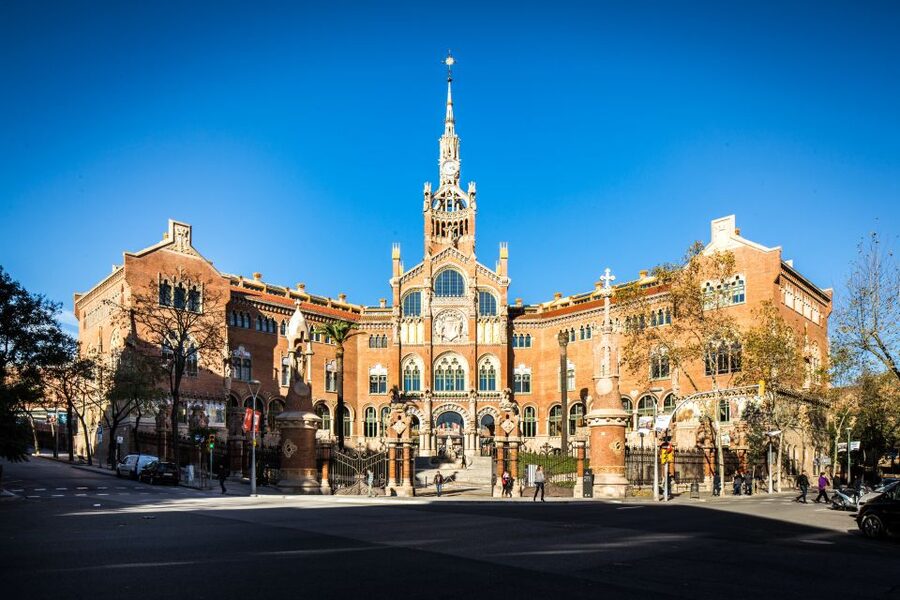
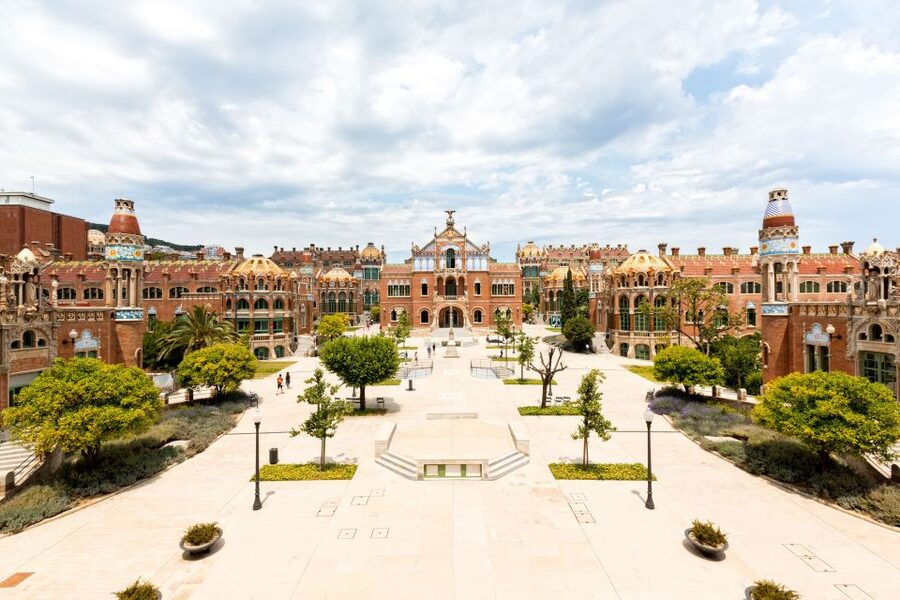
The first impression comes from the scale. Sant Pau is a complex, not a single room or monument. The restored pavilions sit among gardens, and the broad layout gives you time to notice how different it is from Barcelona’s tighter streets.
Take a moment before rushing inside. Look across the courtyard and study the relationship between the main buildings, the planted areas, and the decorative surfaces. This is where the garden-city idea becomes clear. Patients were not meant to be shut into one massive structure. The plan gave them light, air, views, and a less grim setting.
The entrance ticket costs about $21 per person. That is not a throwaway admission fee, but it is fair if you are interested in architecture, medicine, social history, or design. You receive access for one day, so you are not forced to finish within a strict 90-minute slot.
The advertised visit lasts about 1.5 hours. In practice, I would allow closer to two hours if you like reading displays, examining details, and walking around the exterior of the pavilions. The complex is also a good choice when you want a quieter stop between busier Barcelona attractions.
More entry tickets in Barcelona:
- Barcelona: Sagrada Familia Entry Ticket with Audio Guide
★ 4.6 · 105,312 reviews - Barcelona: Sagrada Familia Skip-the-Line Entry Ticket & Tour
★ 4.8 · 12,789 reviews - Park Guell and Sagrada Familia Tour with Skip the Line Tickets
★ 5.0 · 6,384 reviews
The Pavilions and Their Small Details
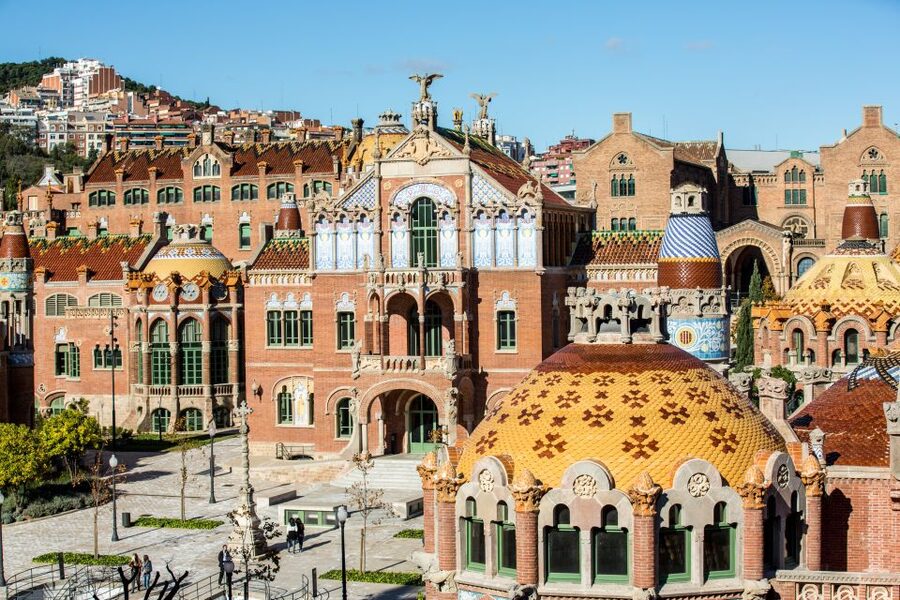
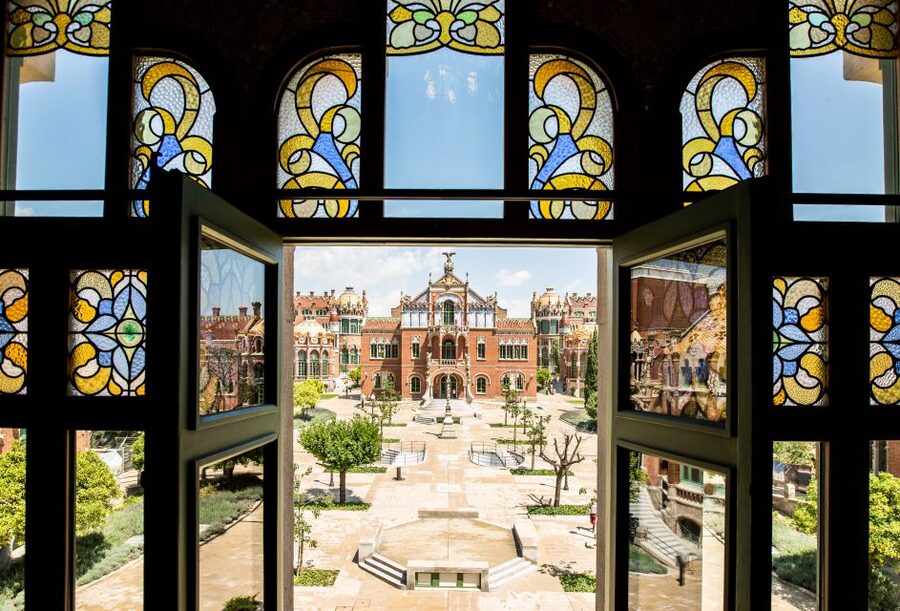
The buildings reward slow looking. Sant Pau’s design uses ceramic decoration, stained glass, mosaics, sculpture, and carved motifs to give each section character. You will want to look up often, then look down and to the sides, since decoration is spread across walls, ceilings, windows, and surfaces that are easy to miss from the central approach.
A useful tip is to walk around the sides of the front buildings. Decorative mural mosaics are not always visible when you remain in the main courtyard. The best details may be around a corner rather than directly in front of you.
The restored rooms help explain how the complex operated. You can see a hospital room arranged as it was in 1932, along with medical instruments and displays about healthcare of the period. These rooms give the architecture a human scale. A grand pavilion is one thing. Seeing where patients stayed, and imagining the staff working there, gives the visit more weight.
The former hospital setting also makes Sant Pau different from a purpose-built museum. It was only recently converted into a cultural site, so the medical past remains central. You are looking at a real institution that treated people, not a decorative fantasy made to resemble one.
The Tunnels Beneath the Hospital
The underground passages are one of the most memorable parts of the visit. They connected the separate hospital pavilions and allowed movement through the complex without relying only on outdoor paths.
These tunnels make the plan easier to understand. Above ground, Sant Pau feels like a collection of elegant buildings in a garden. Below ground, the passages reveal the practical system that held the hospital together.
Pay attention to the contrast. The pavilions are filled with color and ornament, while the underground routes explain the daily mechanics of care. This combination of beauty and function is central to Sant Pau.
The amount of tunnel and pavilion access can vary with the areas open during your visit. Not every building may be available, so do not expect to inspect the entire original hospital. Still, the sections open to the public provide enough to understand the design and purpose.
Seeing Medicine Behind the Decoration
Sant Pau works best when you connect its artistic details with its medical purpose. The original institution was tied to charitable work, welfare, and healthcare for people who could not easily afford care. That context matters.
The hospital’s design shows an attempt to make public healthcare more humane. The garden setting, separate wards, natural surroundings, and careful circulation were linked to ideas about recovery. You can also see how medical practice changed over time through the instruments, room displays, and historical explanations.
If you work in healthcare, science, nursing, or hospital administration, you may find extra layers here. The site presents medical development as well as architecture, and the former hospital rooms can bring back memories for anyone familiar with older clinical settings.
I would not describe the visit as light entertainment from start to finish. Some of the historical material is moving, especially when you remember that these beautiful rooms were working spaces for sick people. The complex asks you to look beyond the ornament and consider the patients, doctors, nurses, and administrators who used it.
A few more architecture tours around Barcelona worth a look
- Barcelona: Sagrada Familia, Modernism, and Old Town Tour
★ 4.7 · 1,621 reviews - Ramblas, Old Town, Gothic and Gaudi Architecture Walking Tour
★ 5.0 · 723 reviews - Historical and Modernist Bike Tour Barcelona
★ 5.0 · 262 reviews - Sant Pau Recinte Modernista Entrance Ticket in Barcelona
★ 4.5 · 230 reviews
How to Visit Without a Guide
The ticket includes entry but not a guided tour. This gives you freedom, but it also puts more responsibility on you. You can set your own pace, stop for photographs, and spend extra time in the rooms that interest you.
A self-guided visit suits you if you prefer independence or if you do not want to wait for a group. The site is large enough that a fixed tour may feel rushed, especially if you want to examine mosaics and stained glass.
The tradeoff is context. Several people have wished they had used an audio guide, and that is sensible advice if you want the architect’s ideas, the hospital’s history, and the symbolism explained as you go. Without one, printed information and displays may be enough for a visitor who enjoys reading, but less satisfying for someone who wants a continuous story.
Signage has not always been perfectly clear, especially outdoors and at points where you need to decide which direction to take next. I would keep the site map or visitor information with you and resist the urge to rush from one building to another.
Pairing Sant Pau With Sagrada Família
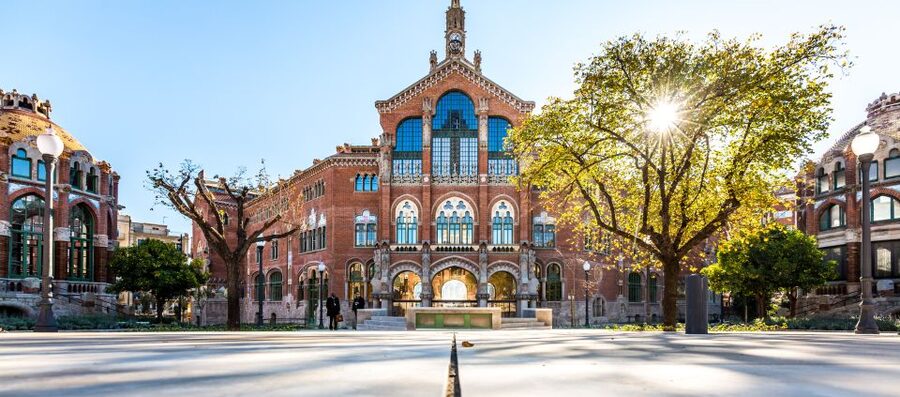
Sant Pau is only a short distance from Sagrada Família, making the two easy to combine in one Barcelona outing. The contrast is useful. Sagrada Família is a single monumental church with a huge international profile. Sant Pau is a working urban complex, spread across gardens and linked by service passages.
I prefer not to treat Sant Pau as a quick add-on after the basilica. Give it enough time to breathe. The courtyard and gardens provide a calmer change of pace after Barcelona’s more crowded sights.
A metro station is nearby, and the location is also practical if you are heading toward the airport by metro. One visitor found it useful as a final stop before leaving Barcelona. Lockers are available, and carry-on-sized luggage can fit, though you should not plan on storing large bags.
There are cafés outside the complex, but you should not count on an on-site café. Bring water or plan a break nearby, particularly in hot weather.
When to Go and How Long to Stay
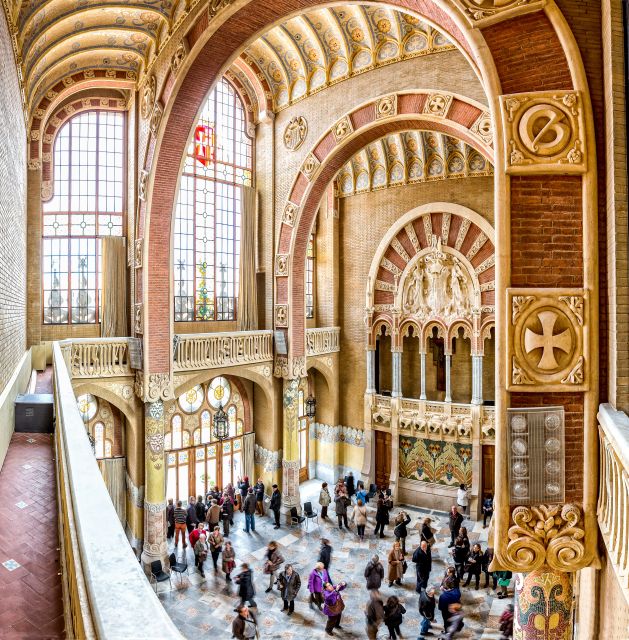
Early morning is a smart choice if you want a quieter visit. Arriving around 9:30 a.m. can give you time to see the courtyard and buildings before the site feels busier. Late September and other less crowded periods may also make it easier to take in the details.
The ticket is valid for one day, but that does not mean you need to spend the whole day there. Most visitors should plan for 1.5 to 2 hours. Add time if you read every panel, use an audio guide, or take a careful walk around the exterior.
Because the attraction is mainly outdoors and spread among several buildings, comfortable shoes are useful. The complex is wheelchair accessible, although individual routes and temporary closures can affect exactly what you see.
Children aged 11 and under may enter free, but a parent or guardian must accompany them. This can be a good family stop if your children enjoy colorful buildings and tunnels, though the historical and medical displays may appeal more to older children.
On the first Sunday of each month, visitors over 65 can enter free. That makes the timing especially useful for eligible visitors planning a Barcelona sightseeing day.
Who Will Enjoy Sant Pau Most
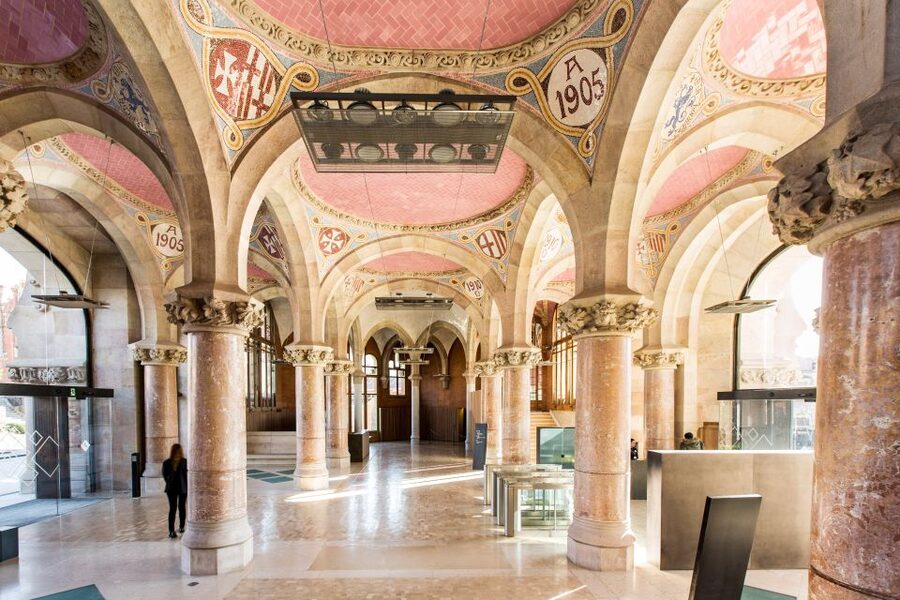
I would put Sant Pau high on the list for:
- Architecture lovers who want more than the usual Gaudí circuit.
- Medical and nursing professionals interested in older hospital design and treatment.
- History-minded visitors who want to see how public healthcare developed.
- Photographers drawn to tiles, stained glass, mosaics, courtyards, and sculptural details.
- Families with older children who enjoy exploring tunnels and unusual buildings.
- Repeat visitors to Barcelona looking for a major site that can feel less hectic than the city’s headline attractions.
You may enjoy it less if you want a guide to explain every room, dislike reading signs, or have only a very short stop in Barcelona. It is also not the best choice if you expect every original pavilion to be open. Access is focused on the restored and publicly available sections.
Is the $21 Ticket Worth It?
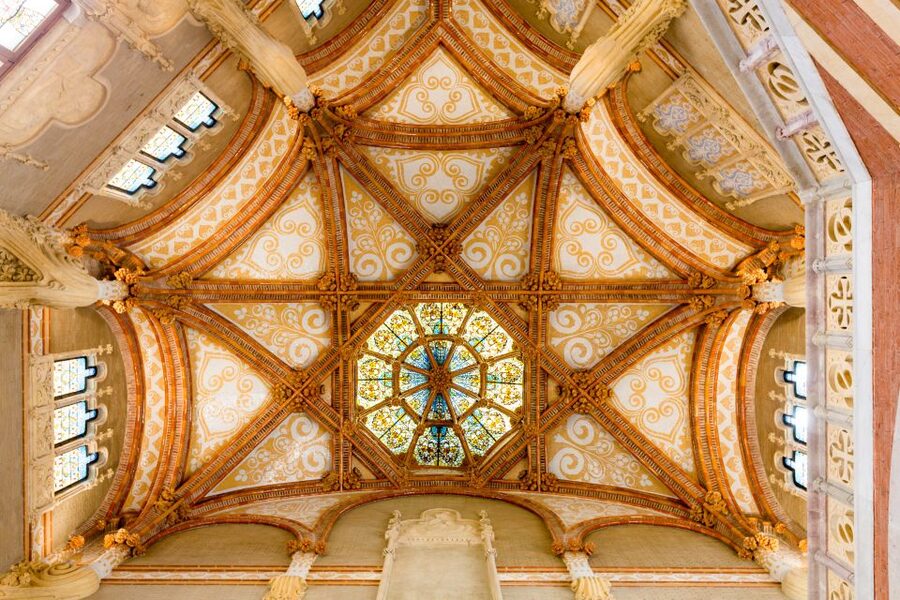
For $21, Sant Pau is a solid purchase if you appreciate architecture and want a visit that combines beauty with substance. You are paying for access to a large historic complex, not just one decorated room. The restored pavilions, gardens, underground passages, medical displays, and hospital rooms give you several different ways to spend your time.
The value is strongest when you allow at least 90 minutes and take the time to walk around the sides of the buildings. If you only glance at the main facade, the price may feel high. If you study the design and connect it with the hospital’s social purpose, it earns its place in your schedule.
Free cancellation up to 24 hours in advance and the option to reserve now and pay later make planning easier. The ticket is straightforward, with no guided tour included and no special group program to complicate the visit.
Should You Book Sant Pau?
Yes, if you want to see Barcelona’s Modernisme beyond Gaudí. Sant Pau offers exceptional architecture with a real public purpose, and the combination of gardens, tunnels, hospital rooms, and medical history gives it more substance than a standard photo stop.
Book it early in the day, allow two hours, and consider an audio guide if you prefer more explanation. Pair it with Sagrada Família, but do not rush through Sant Pau. For visitors interested in design, healthcare, history, or thoughtful urban planning, this is one of Barcelona’s most rewarding admissions.
FAQ
Where is Sant Pau Recinte Modernista?
Sant Pau Recinte Modernista is at Calle Sant Antoni Maria Claret, 167, 08025 Barcelona, in Catalonia, Spain.
How long does the visit take?
The planned visit is about 1.5 hours. Allowing up to two hours gives you more time for the gardens, pavilions, tunnels, displays, and decorative details.
Is a guided tour included?
No. The ticket includes entrance to Sant Pau Recinte Modernista, but it does not include a guided tour.
Is the ticket valid for more than one day?
The ticket is valid for one day. Check availability for the applicable starting times when booking.
How much does admission cost?
The listed price is $21 per person.
Is Sant Pau wheelchair accessible?
Yes, the experience is listed as wheelchair accessible.
Can children visit for free?
Children aged 11 and under may enter free. A parent or guardian must be present.
Can visitors over 65 enter free?
Visitors over 65 can receive free access on the first Sunday of each month.
Can I cancel my booking?
Yes. You can cancel up to 24 hours in advance for a full refund. A reserve now and pay later option is also available.
Just added around Barcelona
- Love in the Gothic Quarter Barcelona: Self-Guided Romantic Walk★ 4.5 · 9 reviews
- Walking tour of the Gothic Quarter of Barcelona + Cathedral★ 5.0 · 8 reviews
- Wine tasting with a view of the Sagrada Familia★ 4.5 · 13 reviews
- Visit to the Modernist houses of the Americans★ 5.0 · 2 reviews
- Barcelona Jewish & Gothic Tour★ 5.0 · 18 reviews
- Roman & Gotic & Gaudi in Barcelona: private walking tour★ 4.5 · 2 reviews
- Self-Guided Audio Tour-The Surrealist Barcelona of Dalí and Gaudí★ 3.5 · 8 reviews
- Barcelona Gaudi Tour: Sagrada Familia, Casa Batllo & Casa Mila★ 5.0 · 4 reviews
Tickets, compared.
Barcelona: Sagrada Familia Entry Ticket with Audio Guide
Read our review →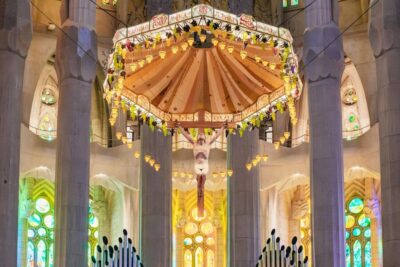
Barcelona: Sagrada Familia Skip-the-Line Entry Ticket & Tour
Read our review →
Florence: Cathedral & Brunelleschi’s Dome Ticket & Audio App
Read our review →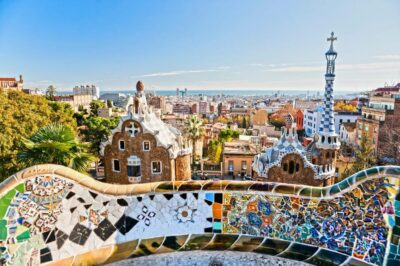
Barcelona: Park Güell and Gaudí House Museum Entry Ticket
Read our review →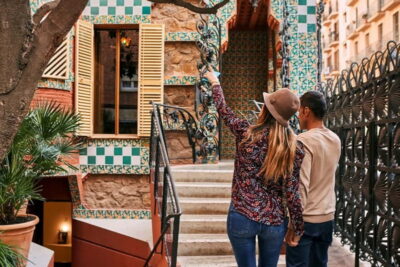
Barcelona: Gaudi’s Casa Vicens Skip-the-Line Entrance Ticket
Read our review →
Chicago: Architecture River Cruise Skip-the-Ticket Line
Read our review →
Florence: Brunelleschi’s Dome Climb Entry Ticket & Duomo
Read our review →