
Review · BUDAPEST
Art Nouveau Tour in Budapest: 3-Hour Private Tour
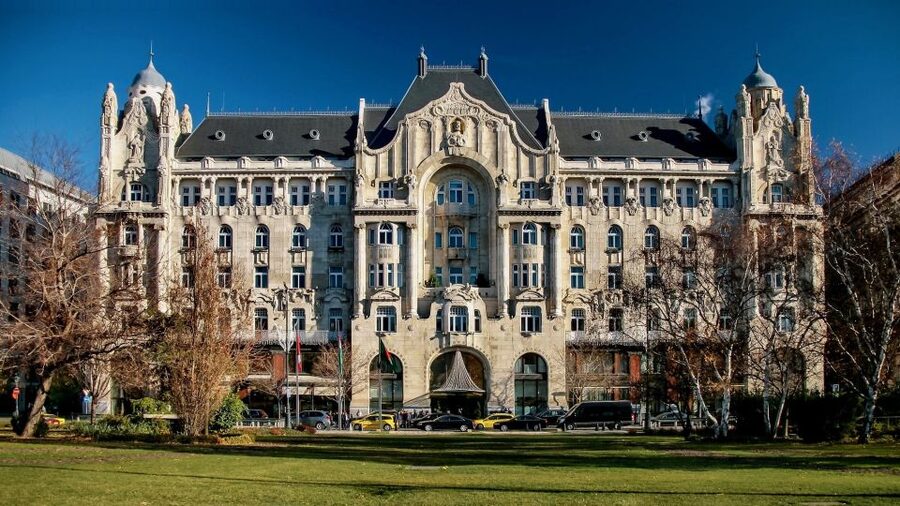
Budapest’s Art Nouveau is not just a collection of pretty facades. It tells the story of a young, ambitious city at the turn of the 20th century, when architects were searching for a Hungarian style of their own. This private tour explains that change while leading you to buildings you could easily miss on your own.
I like the private format, since you can stop and ask detailed questions instead of keeping pace with a large group. I also like the focus on Hungarian folk motifs, beehive symbols, and the reason Budapest has so few skyscrapers. The main drawback is that this is a walking-based architecture tour, so it may not suit anyone with mobility limits. I would also confirm the pickup details carefully, since one booking had a serious meeting-point problem.
Key points to know before booking
- Three hours of Art Nouveau: Follow Budapest’s architectural changes from the late 1890s into the early 20th century.
- Private guide and flexible questions: The format lets you shape the conversation around architecture, history, culture, or daily life in Hungary.
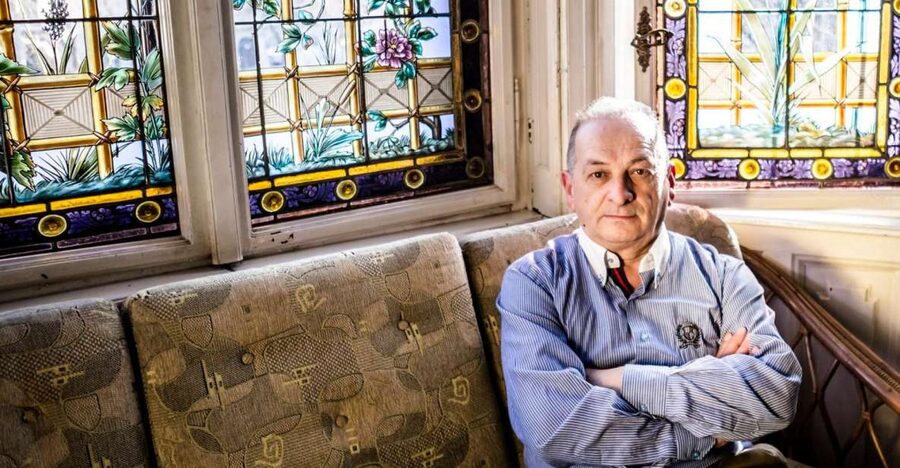
- Miklos is a popular guide: He is known for clear explanations, warmth, and help with the city’s tram and underground systems.
- Look for Hungarian details: Folk patterns, local symbols, and beehives on public buildings give the architecture a distinctly Hungarian character.
- Accommodation pickup is included: Tell the local partner where you are staying in Budapest, then walk or use public transport together to the first stop.
- Plan for comfortable walking: Wear good shoes and bring weather-appropriate clothing. Food, drinks, and transport costs are not included.
Why Budapest Art Nouveau deserves three hours
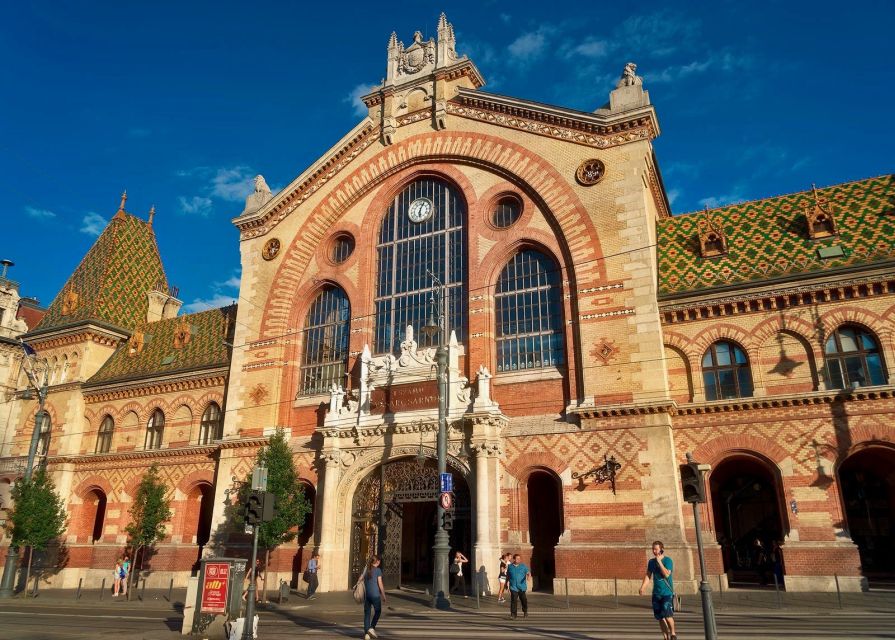
The late 1890s and early 1900s were a turning point for Budapest. Pest was growing quickly, public buildings were becoming more decorative, and architects were testing new ways to use ceramics, color, curves, and ornament.
This movement is often called Art Nouveau in English, but in Hungary you will hear szecesszió, or Secession. The name points to a break from older architectural rules. Instead of copying classical forms without question, architects began looking for fresh designs and local character.
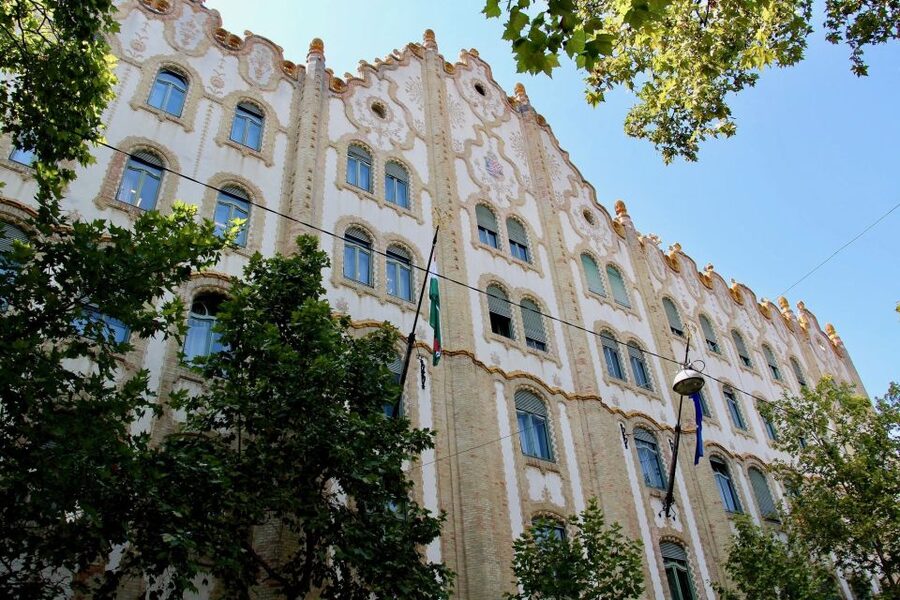
That local character matters. Budapest’s Art Nouveau is not simply a Hungarian version of styles seen in Paris, Brussels, or Vienna. Designers also drew on Hungarian folk art, plants, animals, and traditional patterns. During the tour, you learn how those motifs became part of building facades and why they helped create a stronger national identity.
I find this approach more useful than simply walking past attractive buildings and hearing their dates. You learn why a facade looks the way it does, what its decoration was meant to suggest, and how architecture reflected Hungary’s place in Europe at the time.
More Art Nouveau tours in the world:
- Walking Tour of Riga’s Beautiful Art Nouveau Architecture
★ 4.8 · 20 reviews - Riga’s Architecture: A self-guided audio tour of the city’s art nouveau history
★ 5.0 · 3 reviews - Mexico City origins and architecture: Art Nouveau, Deco,Eclectic
★ 3.0 · 2 reviews
Starting from your accommodation in Budapest
The guide meets you at your accommodation in Budapest, which makes the first step easy if the pickup is arranged correctly. You need to tell the local partner where you want to be collected. From there, you make your way together to the first part of the tour.
The included transport orientation can be especially useful. One guide, Miklos, has been praised for introducing the tram and underground system during the experience. That is a practical bonus, since Budapest’s public transport network is one of the easiest ways to reach different parts of the city, but it can take a little confidence to use at first.
Transportation itself is not included in the price, so you should be prepared for any tram or underground fares. The supplied information does not promise a set transport route or name every stop, so do not book this expecting a fixed list of famous interiors. The value is in having a guide explain the city as you move between examples.
I would confirm the pickup location and time before the day of the tour. One booking went badly because the group was not collected at the agreed place and could not reach the provider by phone. That appears to be an exception rather than the normal experience, but it is an avoidable risk.
Reading the decorative facades of Pest
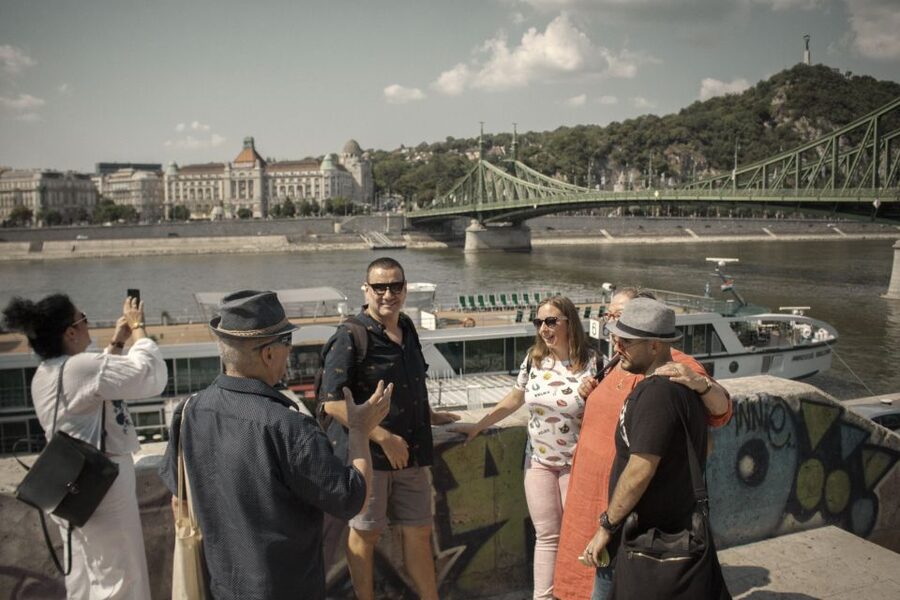
The tour focuses on Pest during its period of rapid growth. You will look closely at late 19th-century buildings and learn why so many facades from that era are covered with ornament.
That decoration was not added at random. The tour explains how Art Nouveau changed architecture and how architects used new shapes and materials to move away from strict historical imitation. A building could still serve a practical purpose, but its exterior might include flowing lines, plant forms, patterned tiles, sculpted figures, or symbols connected to trade and prosperity.
You also learn why Budapest has no skyscrapers. The answer is tied to the city’s architectural character and development, and it gives useful context for the low, continuous streetscapes you see in central Budapest. Instead of treating the skyline as an accident, the guide connects it to the city’s planning and building traditions.
This is where a private guide makes a real difference. If you want to know why a certain ornament appears above a doorway, or how a building fits into Hungarian history, you can ask on the spot. The tour is not limited to a memorized speech. Previous participants have especially valued the chance to ask broad questions about Hungary, its people, and its past.
Finding buildings you might miss alone
One strong reason to book this experience is its attention to less obvious examples. Budapest has famous Art Nouveau landmarks, but the city also has decorative details tucked along ordinary streets. A guide can point out buildings that are easy to pass without recognizing their importance.
The supplied route does not provide a full stop-by-stop list, so you should not expect to know every address before booking. That is a minor inconvenience if you want to plan your own route in exact detail. On the other hand, it allows the tour to feel more like a guided city walk than a checklist of named monuments.
You may spend time looking at entrances, upper floors, rooflines, ceramic work, and public symbols. These details can be difficult to see without someone directing your attention. A building that first seems merely ornate may reveal a message about commerce, civic pride, nature, or Hungarian identity.
The guide also shares stories about the architects. Those personal details help keep the tour from becoming a lesson in dates and styles. You hear about the people who shaped the city and the ideas behind their work.
A few more architecture tours around the world worth a look
- Munich 3-Hour Segway Tour: Nazi Munich & Royal Architecture
★ 4.9 · 194 reviews - 3 Hour Midtown Manhattan Architectural Tour
★ 5.0 · 81 reviews - Prague 3-Hour Architectural Tour
★ 4.7 · 18 reviews - Porto Tour: Street Art & Architecture Experience 3h
★ 5.0 · 4 reviews
Hungarian folk motifs and the meaning of beehives
The Hungarian influence is one of the most interesting parts of the experience. Art Nouveau often borrowed from nature, but Budapest’s architects also used Hungarian folk designs to create something that felt local rather than imported.
The tour explains how these motifs were placed into Art Nouveau designs. You may begin noticing repeated shapes, patterns, or decorative forms that connect modern architecture with traditional Hungarian culture. This gives you a better way to look at the buildings for the rest of your stay.
The mention of beehives is another distinctive detail. You learn what beehives symbolize on Budapest’s public buildings and why that image was useful in the city’s visual language. It is the kind of small clue that can change how you see a facade. Instead of admiring decoration as surface beauty, you begin asking what a symbol says about work, prosperity, community, or public purpose.
This makes the tour useful even if you are not an architecture specialist. You do not need to know architectural terms in advance. The guide provides the framework, then shows you how to apply it as you walk.
What the private format adds
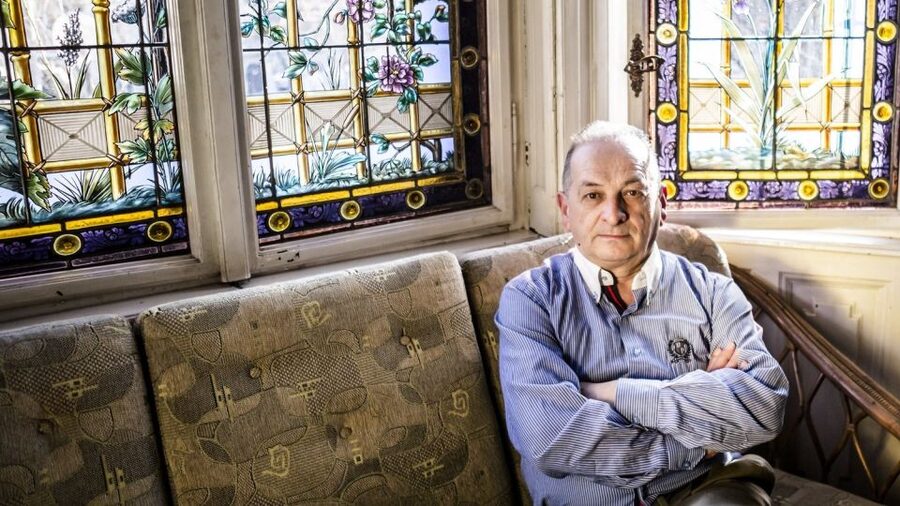
This is a private group experience, not a large scheduled walk. That affects the pace and the tone. You can spend more time on a building that interests you, ask about Hungarian culture, or shift the conversation toward architecture if that is your main reason for booking.
The guide languages are English, German, and Albanian. Miklos has received particular praise for being friendly, responsive, and clear, with several people describing him as a natural teacher. That combination matters on a topic that can become dry if the explanations are too technical.
A private tour also works well for travelers with mixed interests. One person may care about design, while another wants to understand Budapest’s history or learn how to use the tram. The guide can connect those subjects rather than forcing everyone through the same broad overview.
There is a tradeoff. Private guiding costs more than joining a larger group. At $127 per person, the price is significant, especially for a three-hour activity. The value improves if you are traveling with family or friends who will share the experience and make use of the private attention.
Is $127 per person good value?
At this price, you are paying for more than a walk past buildings. You are paying for a private guide, accommodation pickup, printed material, a notebook, a pen, and a conversation shaped around your questions.
The notebook and printed material are modest extras, but they can help you remember names and ideas after the tour. They are useful if you plan to keep exploring Budapest’s architecture independently.
The bigger question is how much you value interpretation. If you only want to photograph attractive facades, you can see parts of Budapest for free. If you want to understand why the buildings look different, how Art Nouveau affected the city, and how Hungarian culture appears in the design, the private format offers more.
I would consider the price reasonable for architecture fans, students, design professionals, and visitors who prefer a tailored introduction to Budapest. It is less convincing for someone who has only a short time in the city and wants to cover every major sight. The experience is focused rather than broad.
Food and drinks are not included, and transportation costs are separate. The tour lasts three hours, so you can easily fit a meal before or afterward, but plan for those costs yourself.
Comfort, weather, and walking pace
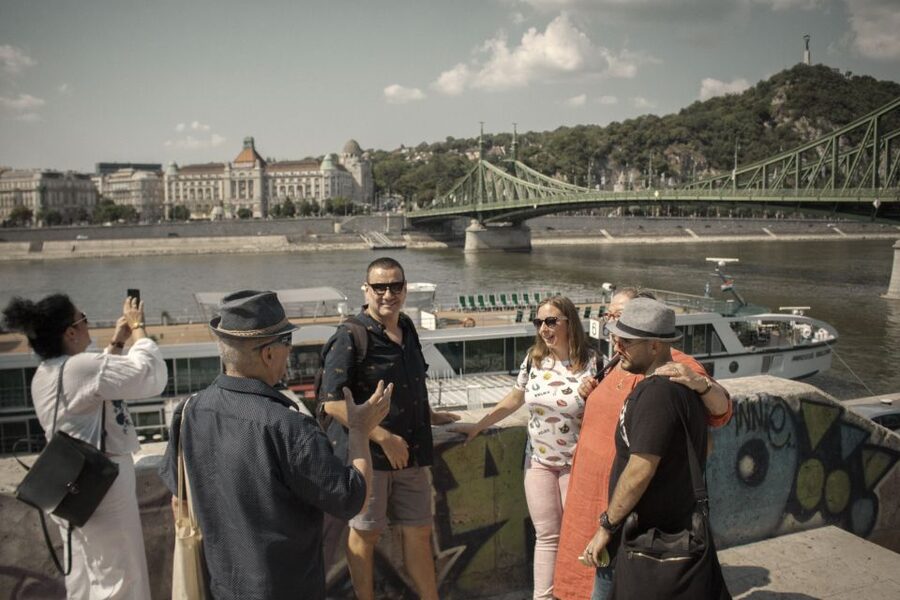
You should wear comfortable shoes and clothes. The tour is not suitable for people with mobility impairments, and the information provided does not promise an accessible route.
A cold day does not necessarily ruin the experience, since the subject keeps your attention moving from one building to the next. Still, you will be outdoors for much of the tour, so dress for Budapest’s weather. In warm conditions, bring water because food and drinks are not part of the activity.
The walking demands are worth considering before you book. The tour may also include public transport as you reach the first stop or move around the city, but the exact route is not specified. If you need frequent rests or step-free access, ask the provider for details before paying.
Who should book this Budapest tour?
I would recommend it most strongly if you fit one of these profiles:
- You care about architecture but want history and culture explained in plain language.
- You have already seen Budapest’s main sights and want a more focused subject.
- You prefer a private guide who can answer specific questions.
- You want help understanding Hungarian Art Nouveau rather than just photographing it.
- You are traveling with a small group that values a flexible pace.
- You want a practical introduction to using Budapest’s tram and underground system.
It may not be the right pick if you dislike walking, need a fully accessible route, or want a tour built around famous interiors and a fixed list of landmarks. The exact buildings can vary, and the experience is best approached as a guided exploration of the city’s Art Nouveau character.
Booking advice for the best experience
When you reserve, provide a clear accommodation address and confirm the pickup arrangement. I would also ask about the expected walking distance and whether public transport will be used, especially if anyone in your group has mobility concerns.
Bring your booking details, comfortable shoes, and clothing suited to the forecast. A notebook and pen are supplied, but you may still want your phone ready for photos and notes. Since the tour is private, prepare a few questions in advance. Ask about a building you noticed, Hungarian folk design, or the city’s lack of skyscrapers.
The cancellation policy is flexible: you can cancel up to 24 hours ahead for a full refund. You can also reserve now and pay later, which helps if you are still arranging your Budapest schedule.
Should you book this Art Nouveau tour?
Book it if you want Budapest to make more sense, not just look attractive. The strongest part is the link between architecture, Hungarian identity, and the city’s great period of growth. The private setting and guides such as Miklos also give you room to ask questions that a standard group walk might skip.
At $127 per person, it is not a bargain sightseeing stroll. The cost makes sense when you value personal attention, detailed explanation, and buildings you might not find alone. Confirm the pickup carefully, plan for walking, and choose it for insight rather than a long list of major attractions.
FAQ
How long does the Art Nouveau tour last?
The tour lasts three hours.
Where does the tour begin?
The guide meets you at your accommodation in Budapest. You must tell the local partner where you would like to be picked up, then you travel together to the first stop.
Which languages are available?
The live tour guide is available in English, German, and Albanian.
Is this a private tour?
Yes. The activity is arranged for a private group.
Are transportation, food, and drinks included?
No. Food and drinks are not included, and transportation costs are also separate.
Is the tour suitable for people with mobility impairments?
No. The activity is listed as unsuitable for people with mobility impairments. Comfortable shoes and comfortable clothes are recommended.
Just added around the world
- Wilmington History and Architecture Tour★ 4.8 · 18 reviews
- Washington, DC: Georgetown Architecture Walking Tour★ 5.0 · 8 reviews
- New Orleans : Garden District Architecture Walking tour★ 4.8 · 5 reviews
- Washington DC: Dupont Circle & Embassy Row Architecture Tour★ 5.0 · 6 reviews
- Vicenza: discovering the city of Palladio by e-bike★ 5.0 · 4 reviews
- Vicenza: Palladian Architecture Private Walking Tour★ 3.3 · 3 reviews
- Walk & Discover KL’s Architectural and Heritage Gems★ 5.0 · 7 reviews
- Unveiling Brno: History, Culture & Architectural Delights★ 5.0 · 2 reviews
Art Nouveau Tours, compared.
Riga: Old Town Walking Tour with Art Nouveau Highlights
Read our review →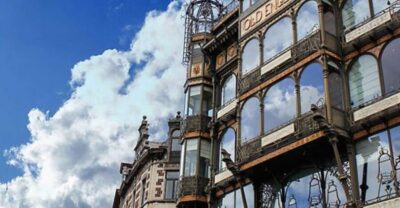
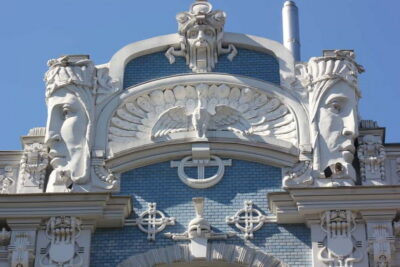
Riga: 2-Hour History of Art Nouveau Walking Tour
Read our review →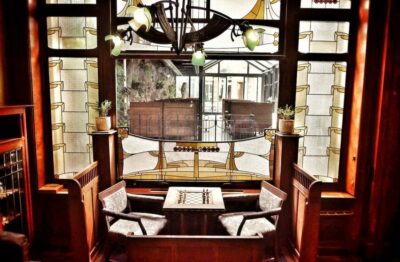
Brussels: Art Nouveau Pass – Entry to Three Locations
Read our review →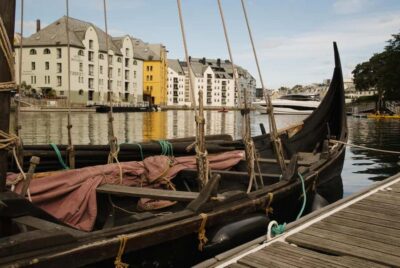
Small Group Tour in Ålesund: Art Nouveau, Sea Views & Insider Tips
Read our review →
Browse the lists this tour appears in