
Review · LATVIA
Riga: Old Town Walking Tour with Art Nouveau Highlights
Riga’s best introduction comes on foot, where medieval lanes, ornate Art Nouveau facades, church towers, and quiet courtyards appear within a compact area. This two-hour tour begins at the House of the Black Heads and threads through the city’s key sights with stories about former residents, architecture, and Latvian history.
I like the local storytelling, especially the way guides such as Tatiana, Gunta, and Inara connect buildings with personal memories and city life. I also like the useful route: Town Hall Square, St. Peter’s Church, the Three Brothers, Riga Cathedral, and several smaller courtyards give you a strong first look at Old Riga.
The main trade-off is time. Two hours is enough for an excellent orientation, but not enough to cover every major Riga sight in depth. One visitor wished the route had included closer stops at the Freedom Monument and Riga Castle, so you should see this as a focused Old Town walk rather than a complete city tour.
Key points to know before you book
- The tour starts at the House of the Black Heads: Meet at the Smile Line office in Town Hall Square, 7.
- The route combines medieval Riga with Art Nouveau: You will see churches, old residential buildings, courtyards, and decorative early twentieth-century architecture.
- The guides make the difference: Tatiana, Gunta, Inara, Nelly, and others are praised for clear explanations, humor, personal stories, and helpful suggestions for the rest of your stay.
- It is a small-group walk: The group can range from 3 to 20 people. An audio guide system is provided if more than 12 people join.
- Cobblestones call for sensible shoes: Wet stones can be slippery, and much of the experience takes place outdoors.
- The price is reasonable for a first look at Riga: At $35 per person, you are paying mainly for a local guide and a well-planned orientation, not entry to attractions.
Starting at Riga’s House of the Black Heads
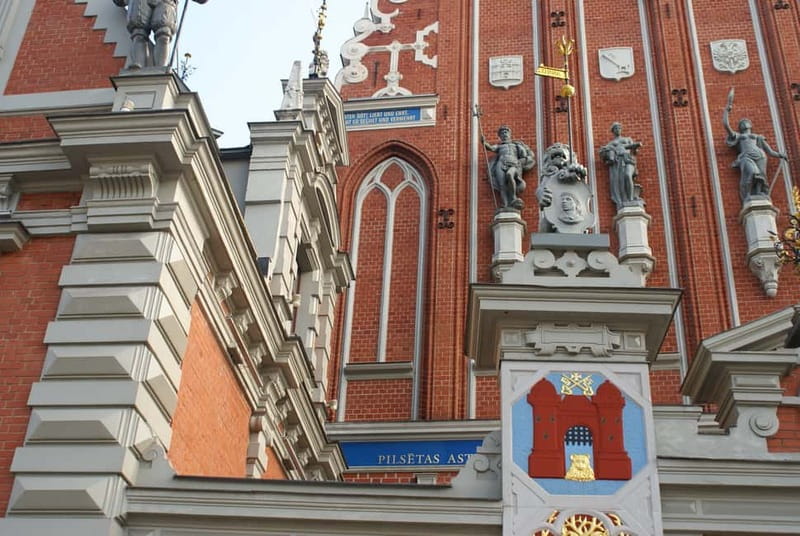
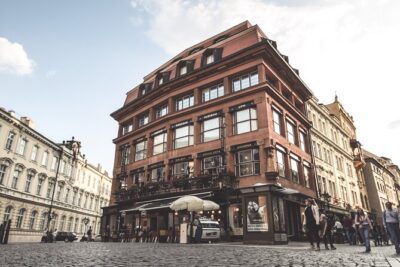
The meeting point is easy to identify: the Smile Line office at the House of the Black Heads, Town Hall Square, 7. This grand building gives the tour a fitting start, since Town Hall Square places you among Riga’s most important civic and historic landmarks from the first minute.
You will meet your guide in the city center and begin on foot. The walking format matters here. Old Riga is compact, and many of its best details are easy to miss from a vehicle. A guide can point out carved figures, unusual windows, small courtyards, and architectural features that blend into the streetscape when you are walking alone.
The group size is listed as a minimum of three and a maximum of 20 participants. That is small enough for a personal feel in most departures, though a full group will naturally feel less intimate than the near-private outing one person enjoyed when they were the only participant.
If more than 12 people join, an audio tour guide system is provided. That is a useful practical detail, especially in a busy square or on a noisy street. Still, if you prefer constant back-and-forth conversation, a smaller departure will suit you best.
More Art Nouveau tours in Riga:
- Riga: 2-Hour History of Art Nouveau Walking Tour
★ 4.8 · 118 reviews - Riga Art Nouveau walking tour
★ 4.0 · 27 reviews - Walking Tour of Riga’s Beautiful Art Nouveau Architecture
★ 4.8 · 20 reviews
Town Hall Square and the first view of Old Riga
Town Hall Square gives you an immediate lesson in Riga’s layered past. The tour uses this central space to set the scene before leading you into the older lanes and religious landmarks nearby.
You will stop for photographs and hear about the buildings that shaped Riga’s civic life. The House of the Black Heads itself is one of the most memorable facades in the square, with a highly decorated exterior that rewards a close look.
I like beginning here because you get your bearings quickly. If Riga is new to you, the square provides a clear reference point for the rest of your stay. The guide can also suggest places to return to later, a service several participants appreciated.
Do not expect a long interior visit at every landmark. Entry tickets are not included, and this is an exterior walking tour. The value comes from seeing the buildings in context and understanding how the streets fit together.
St. Peter’s Church and Riga’s old religious center
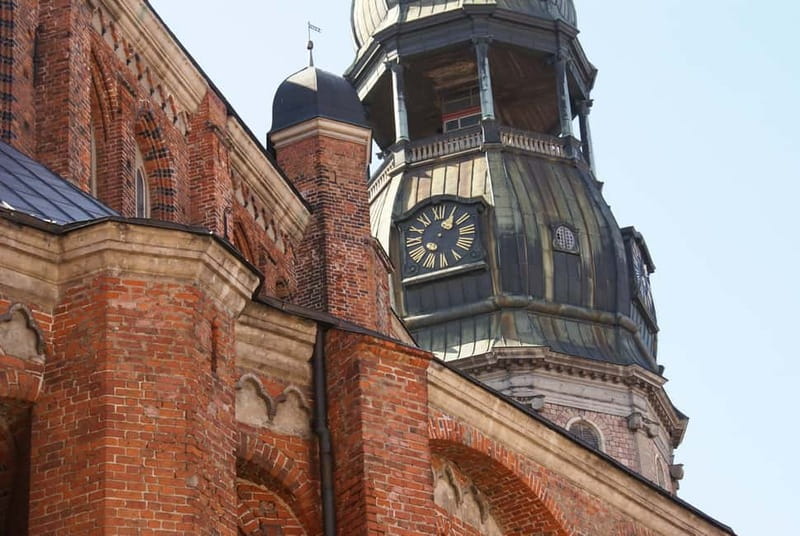
St. Peter’s Church is one of the major stops on the route. Its tower helps define Riga’s skyline, and the church gives the guide a chance to explain the role of religion, civic power, and architecture in the city’s past.
The tour does not include entry, so your time here focuses on the outside and the surrounding streets. That can be an advantage if you want to keep moving and see more of Old Riga within two hours. If the church interior is a priority, you will need to arrange that separately.
From this point, the route continues through some of the city’s most atmospheric passages. Guides have been praised for pointing out small details on buildings that are easy to overlook, as well as for leading groups down quieter streets that many people would not choose on their own.
That is one of the tour’s strongest features. You are not simply being taken from one famous building to the next. You are being taught how to look at the city.
Convent Yard and St. John’s Church
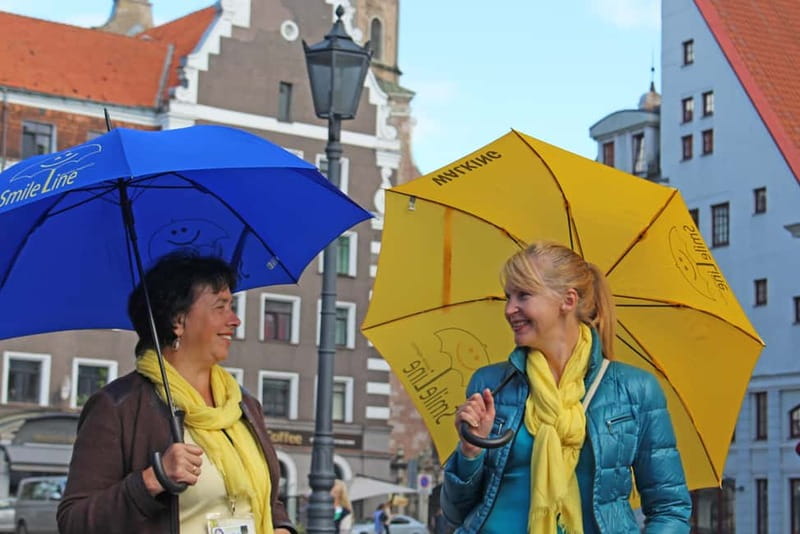
The Convent Yard brings a change of mood. Its enclosed setting feels removed from the wider streets, and it offers a good chance to pause while the guide explains more about Old Riga’s buildings and former residents.
St. John’s Church and St. John’s Yard follow as part of the same Old Town circuit. These stops add variety to the route, moving you beyond the largest landmarks and into smaller spaces with a more local feel.
The guide’s commentary is important here. Without context, a courtyard can look like a pleasant shortcut. With an explanation of how the area developed and who used it, the same space becomes part of Riga’s wider story.
You should also keep your camera ready. The tour is paced for walking and listening, but there are regular chances to stop for photographs. One participant particularly valued having time to ask questions and take pictures, while another found the route easy to walk even in cold weather.
More old town architecture walks in Riga:
- Old Town And Art Nouveau Walking Tour Of Riga
★ 4.0 · 15 reviews - Big Riga: Old Town & Art Nouveau quarter
★ 5.0 · 15 reviews - Riga Old Town, C Market & Art Nouveau Guided Walking Tour
★ 5.0 · 2 reviews - Riga Old Town, C Market & Art Nouveau Guided Walking Tour
★ 5.0 · 2 reviews
Liv Square and the Three Brothers
Liv Square is another lively point on the route. It gives you a sense of how Old Riga changes from quiet lanes to open public spaces, with historic buildings gathered around a more social setting.
The colorful Three Brothers residential complex is one of the tour’s signature photo stops. These three adjoining houses show different stages of Riga’s domestic architecture and are especially useful for understanding how ordinary residential buildings can reveal the city’s past.
Your guide will help you notice the details rather than simply snap a picture and move on. Look for differences in the facades, proportions, and decorative treatment. The Three Brothers are a good example of why a guided walk is useful: the buildings are striking, but the comparison becomes more meaningful when someone explains what you are seeing.
This stop also makes the tour friendly for mixed-age groups. One participant found the explanations suitable for adults and children alike. Very young children may not have the patience for the full walk, and children under two are not considered suitable for the excursion, but families with older children can gain a solid introduction to the city.
Riga Cathedral and St. Jacob’s Church
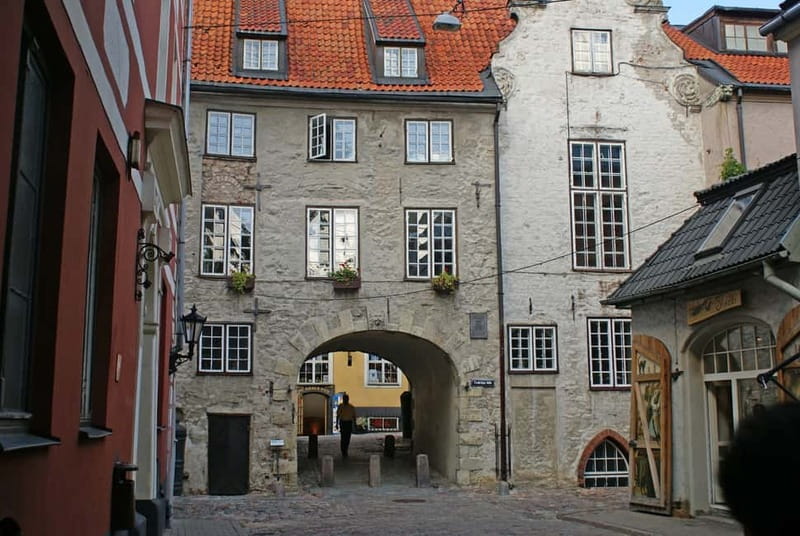
The route also includes Riga Cathedral and St. Jacob’s Church. Together, they add another layer to the city’s religious and architectural story.
The cathedral is one of Old Riga’s essential sights, while St. Jacob’s Church gives you a different scale and setting. Moving between them helps you see how closely the city’s major churches sit within the medieval core.
This portion of the walk is less about rushing inside and more about placing the buildings within the streets around them. You will hear about influential residents and the role that wealth played in shaping Riga’s grander buildings.
That connection between people and architecture is central to the tour. The guide does not treat facades as isolated objects. You learn about former inhabitants, social standing, and the ways homes and public buildings reflected status.
Art Nouveau details and Riga’s influential residents
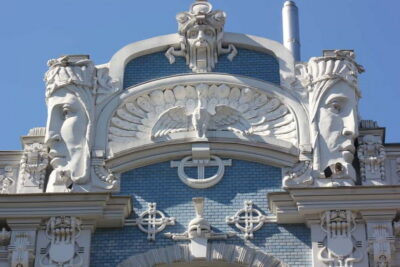
The Art Nouveau focus is the tour’s distinguishing feature. Riga is known for its highly decorative buildings, and the guide explains the features that make this style so recognizable.
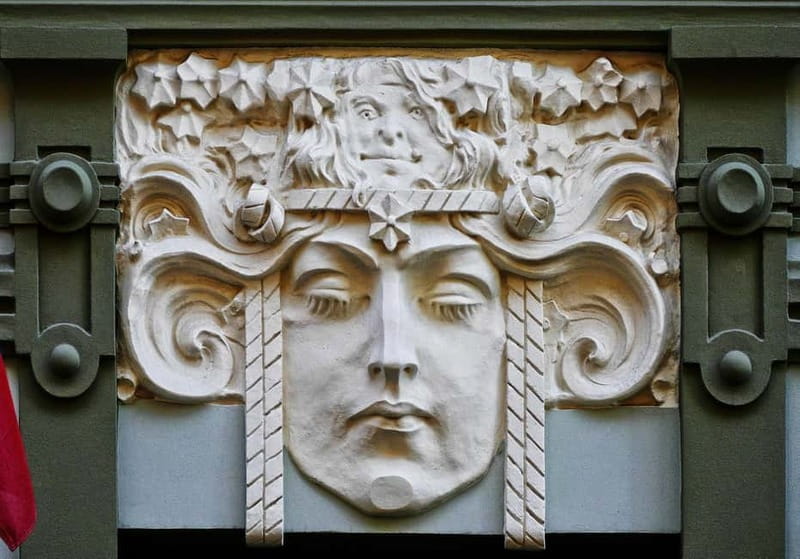
You can expect discussion of ornate facades, sculptural details, elaborate entrances, and the intellectual ideas behind the style. The tour also considers the people who lived in these handsome buildings, including some of Riga’s wealthiest and most influential residents.
That personal angle makes the architecture easier to remember. Instead of collecting a list of styles, you begin to connect buildings with people, ambition, and daily life.
Several guides have been praised for explaining architectural features clearly. Tatiana was noted for her detailed account of different houses and mansions, while other guides added personal stories and local memories. Inara, for example, was appreciated for linking older events with present-day Riga and for welcoming detailed questions.
The experience will suit you if you enjoy architecture but do not want a technical lecture. It also works well if you want a broader introduction to Riga, since the Art Nouveau material is woven into a walk through the Old Town rather than treated as a separate specialist outing.
What the two-hour pace feels like
Two hours is a sensible length for this route. You get enough time to see the principal Old Riga landmarks without committing half a day to a single activity.
The walking is steady but not described as strenuous. The main physical issue is the ground underfoot. Old Riga has cobbled streets, and wet stones can become slippery. Wear shoes with a secure sole, particularly in cool or rainy weather.
Weather can affect the experience. This is an outdoor tour, so fog, rain, and cold will not disappear simply because you have booked a guide. One wet-weather participant still found the route worthwhile, but you should bring suitable clothing and allow extra care on slick paving.
The tour may also experience route changes. That is normal for a city walking route, where events, access, or street conditions can require a different sequence.
Most departures are available in English or German. The actual guide may be Tatiana, Gunta, Inara, Nelly, or another member of the agency team. Their style will vary, but the strongest feedback points to clear explanations, humor, warmth, and a willingness to answer questions.
Is $35 a good value?
At $35 per person, this is a fair price for a two-hour guided orientation in central Riga. You are paying for a live guide, not for admission to churches or museums, so the value depends on how much you want interpretation rather than independent sightseeing.
I think the price works best if you take the tour early in your visit. You will learn the layout of Old Riga, identify places worth returning to, and receive suggestions for the rest of your stay. One participant specifically recommended doing it on the first day to get oriented.
The value is also stronger for solo visitors and short-stay visitors. If you have only a day or two, a well-planned walk prevents you from spending precious time wandering without context. If you already know Riga well, the tour may feel less necessary unless you want a closer look at Art Nouveau design.
Because entry tickets are not included, budget separately if you plan to go inside any attraction. The tour itself remains focused on streets, squares, exteriors, and guided explanation.
You can reserve now and pay later, which helps if your plans may shift. Free cancellation is available up to 24 hours before the start for a full refund. If too few people book, the tour may be cancelled and a full refund issued.
Who should book this Riga walk?
I would choose this tour if you want:
- A first look at Old Riga without arranging your own route
- Clear background on churches, courtyards, and civic buildings
- A stronger understanding of Riga’s Art Nouveau architecture
- A local guide who can suggest places to visit afterward
- A manageable two-hour activity for a short city break
- Time for photographs and questions along the way
I would think twice if your main goal is to visit interiors, see the Freedom Monument up close, or reach Riga Castle. Those sights are not the focus of this route, and one participant felt more of the wider city could have been included.
The tour is not suitable for children under two or for people over 95. Children under six can join excursions free, but the cobbles, weather, and steady walking still make comfortable shoes and realistic expectations important.
Should you book it?
Yes, if you are new to Riga and want an easy, story-filled introduction to Old Town with a serious look at Art Nouveau. The guides appear to be the main strength, particularly names such as Tatiana, Gunta, and Inara, whose clear explanations and personal touches make the buildings easier to understand.
Book it near the start of your stay, bring a camera, and wear shoes made for cobblestones. If you want a full city tour or several interior visits, choose something broader. For a focused walk through Riga’s central streets, this offers solid value at $35.
FAQ
Where does the Riga walking tour begin?
Meet your guide at the Smile Line office in the House of the Black Heads at Town Hall Square, 7.
How long does the tour last?
The tour lasts two hours, although individual outings may finish somewhat earlier depending on the group and route.
Which languages are available?
The live tour guide is available in English or German.
What places will I see?
The route includes Town Hall Square, St. Peter’s Church, Convent Yard, St. John’s Church, St. John’s Yard, Liv Square, the Three Brothers, Riga Cathedral, and St. Jacob’s Church. It also includes Art Nouveau buildings and related commentary.
Are entry tickets included?
No. The price includes the professional guide and walking tour, but entry tickets are not included.
Is the tour suitable for children?
Children under six can join free. Children under two are not considered suitable for the excursion.
Can I cancel the booking?
Yes. You can cancel up to 24 hours in advance for a full refund. You can also reserve now and pay later.
More Architecture Walks in Riga
- Riga Art Nouveau Secrets: Self-Guided Puzzle Walk
★ 5.0 · 6 reviews - Riga: Art Nouveau Walking Tour with Welcome Drink
★ 5.0 · 2 reviews - The Official Art Deco Walking Tour by The Miami Design Preservation League
★ 5.0 · 1,580 reviews - Barcelona: Gothic Quarter Ghosts and Legends Walking Tour
★ 4.7 · 1,443 reviews
Just added around Riga
- Riga Old Town, C Market & Art Nouveau Guided Walking Tour★ 5.0 · 2 reviews
- Ultimate Art Nouveau Experience in Riga – Private Tour★ 5.0 · 4 reviews
- Explore Riga’s Art Nouveau district with a Local★ 3.0 · 2 reviews
- Private Riga Art Nouveau Tour★ 5.0 · 5 reviews
- Riga’s Architecture: A self-guided audio tour of the city’s art nouveau history★ 5.0 · 3 reviews
- Riga Art Nouveau Secrets: Self-Guided Puzzle Walk★ 5.0 · 6 reviews
- Old Town And Art Nouveau Walking Tour Of Riga★ 4.0 · 15 reviews
- Riga’s Old Center and Art Nouveau Tour★ 4.9 · 11 reviews
Art Nouveau Tours, compared.
Riga: 2-Hour History of Art Nouveau Walking Tour
Read our review →
Brussels: Art Nouveau Pass – Entry to Three Locations
Read our review →
Small Group Tour in Ålesund: Art Nouveau, Sea Views & Insider Tips
Read our review →
Browse the lists this tour appears in