
Review · NEW ORLEANS
New Orleans Garden District Architecture Tour
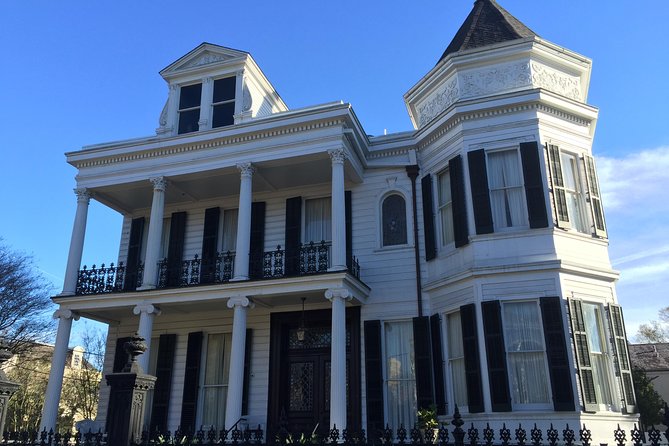
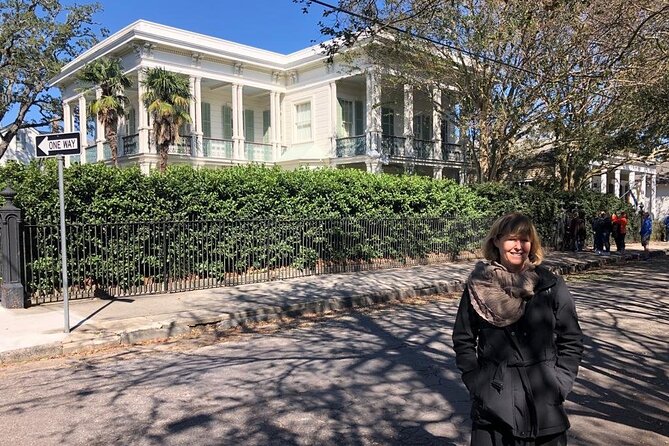
The best part of this tour is the way it teaches you to read the Garden District. Instead of simply admiring grand homes, you learn to spot Italianate details, tell two building eras apart, and connect each house with the people who commissioned and occupied it. The visit to Lafayette Cemetery No. 1 adds a quick look at New Orleans burial customs.
I like the small maximum of 14 people, which makes it easier to ask questions and hear the guide. I also like the local flavor: guides such as Angela, a tenth-generation New Orleanian, and Pauline, who researched how buildings changed over time, bring more than a list of dates. The main drawback is the heat and the amount of walking. This is an outdoor tour, and shade or a breeze cannot be counted on.
Key points to know before you book
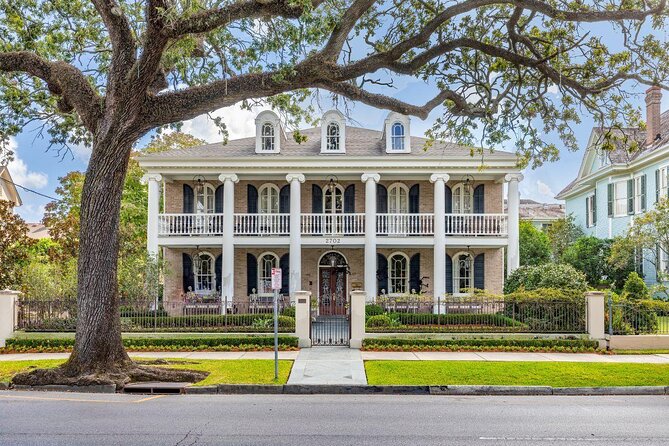
- The tour teaches architecture, not just celebrity trivia: You compare Italianate homes, mixed-era buildings, and late nineteenth-century commercial design.
- Lafayette Cemetery No. 1 is a brief stop: City rules can close it during services, so cemetery access is not guaranteed.
- You walk for about two hours: Comfortable shoes matter, especially on hot days.
- The group is capped at 14 people: That is a useful middle ground between a private tour and a large crowd.
- Commander’s Palace is viewed from the outside: The restaurant discussion covers architecture, ownership, and food, but dining is not included.
- The price is $40 per person: For a focused local walk with a licensed and insured guide, the value is strongest if you want context rather than a self-guided stroll.
Why the Garden District works so well as a walking tour

New Orleans can be hard to understand from a car window. The Garden District makes more sense on foot because the details are close together: ironwork, columns, rooflines, gardens, porches, and old commercial buildings all sit along a compact route.
The neighborhood is also a useful counterpoint to the French Quarter. The Quarter is built around narrow streets, courtyards, and dense Creole architecture. The Garden District gives you wider streets, large lots, grand residences, and a more open feel. Pauline’s approach, according to the tour description, places buildings in their time and explains how their appearance changed over the decades. That is precisely the sort of context that helps you see more than pretty façades.
Your guide may be Angela, Doug, Pauline, Lee, Gary, Eva, Chelsea, Kelsey, John, Caroline, or another member of the local team. The strongest guide comments point to a shared style: clear explanations, good humor, room for questions, and plenty of stories about former residents. Gary uses photographs to clarify points, while Doug is especially good at mixing architecture with famous names and local anecdotes.
The format is more personal than a large group walk, but it is not a private tour. With up to 14 people, you should have a reasonable chance to hear the guide and ask questions. If you want a silent stroll or a fast-paced checklist, this may feel too talkative. If you want to understand what you are looking at for the rest of your New Orleans stay, the format makes sense.
A few more architecture tours around the USA worth a look
- Chicago Architecture River Cruise
★ 5.0 · 15,756 reviews - Chicago River 90-Minute Architecture Tour
★ 4.5 · 9,629 reviews - Chicago River: 1.5-Hour Guided Architecture Cruise
★ 4.8 · 8,046 reviews
Lafayette Cemetery No. 1 and the city’s burial customs
The tour begins at 2727 Prytania Street and includes a short stop at Lafayette Cemetery No. 1. The cemetery portion is listed at about five minutes, so set your expectations correctly. This is an introduction to New Orleans burial customs, not a long cemetery lecture.
The cemetery is one of the city’s famous Cities of the Dead, and its above-ground tombs provide an important piece of local context. The guide can explain why burial practices in New Orleans developed differently from those in many other American cities. The stop also gives the rest of the walk a useful starting point: the tour is not only about architecture as decoration, but architecture shaped by climate, custom, wealth, and urban life.
There is one practical catch. Entrance is permitted by the City of New Orleans, but the cemetery may close when services are being performed. If that happens, you should expect the tour to continue without the interior visit. Since this stop is short, its absence does not remove the main value of the experience, which is the Garden District walk itself.
Commander’s Palace connects buildings with food
The stop at Commander’s Palace lasts about three minutes and focuses on the building, its owners, and the culinary experience associated with the restaurant. Admission and dining are not included, so think of this as an exterior orientation and a restaurant recommendation, not a meal stop.
I like this addition because it connects architecture with daily life. The Garden District is not simply a collection of private mansions. Places such as Commander’s Palace show how the neighborhood functions as part of New Orleans culture, dining, and social life.
You may want to note the restaurant for a separate meal, but do not plan on eating during the tour. The short stop keeps the walk moving and gives the guide a chance to explain why the building matters without turning the outing into a restaurant visit.
Morris-Israel House shows Italianate style clearly
At the Morris-Israel House, the guide discusses a building designed by Samuel Jameson in 1869. The stop lasts about five minutes and uses the house to explain New Orleans’ Italianate architecture.
This is one of the more useful stops for anyone who wants to learn a visual skill. Rather than hearing only that a house is Italianate, you can begin comparing its proportions and decorative details with nearby structures. The guide also relates the style to other designs in the neighborhood, helping you see that the Garden District is not one uniform architectural set.
Samuel Jameson appears again later at the Carroll-Crawford House. That repetition is helpful. You get to recognize an architect’s work across more than one building, rather than treating every house as an isolated curiosity.
Same city, a completely different century:
- Chicago Architecture Center River Cruise aboard First Lady
★ 5.0 · 5,536 reviews - Chicago: Architecture River Cruise Skip-the-Ticket Line
★ 4.8 · 4,325 reviews - Chicago River 45-Minute Architecture Tour from Magnificent Mile
★ 4.5 · 2,924 reviews - Chicago Lake and River Architecture Tour
★ 4.5 · 2,308 reviews
The Women’s Opera Guild House reveals two building eras
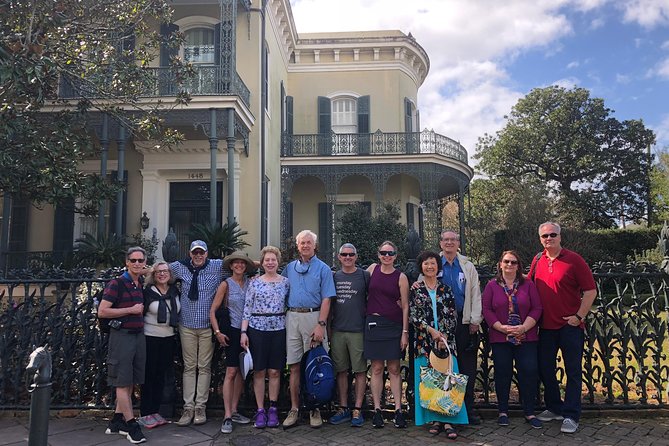
The Women’s Guild of the New Orleans Opera, also called the Women’s Opera Guild House, offers a compact lesson in architectural change. The house was built in two different eras and two different styles, and the guide explains how to tell them apart.
This is the kind of detail you might miss on your own. A large home can look like one complete design, even when additions or alterations came from another period. The three-minute stop is brief, but its purpose is practical: it gives you a visual comparison you can use on the rest of the walk.
If you are especially interested in architecture, ask the guide to point out the exact transition between the styles. The small group should make that sort of question easier than it would be on a crowded group outing.
Louise S. McGehee School adds a change of use
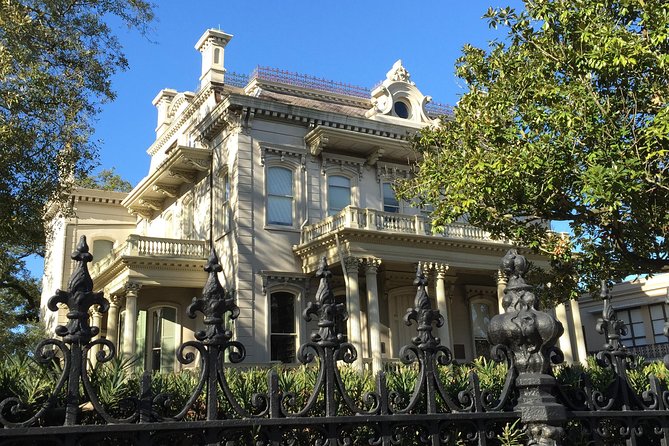
The Louise S. McGehee School receives the longest individual stop, about ten minutes. Here, you learn how a late nineteenth-century building changed from a single-family residence into a library for the school.
That shift in use adds needed depth to the tour. Grand houses are often presented as frozen snapshots of wealthy families, but buildings can change purpose as neighborhoods and institutions evolve. This stop shows how a residence can continue to matter even after its original domestic role ends.
I find this sort of story more useful than a simple list of famous occupants. It explains how the building fits into the neighborhood today, while still preserving its earlier identity. For families, this may also be one of the easier stops to discuss with teenagers because it connects the old structure to a working school and library.
Carroll-Crawford House returns to Samuel Jameson
The Carroll-Crawford House is another Samuel Jameson design and another strong example of Italianate architecture. The stop lasts about five minutes.
Seeing two Jameson houses in one outing helps you compare rather than memorize. You can consider how the same architect handled separate commissions and how both buildings fit the broader Garden District setting. The guide’s job here is to make those comparisons clear, especially for people who do not normally study architecture.
This is also a good moment to ask about the difference between an architect’s work and a homeowner’s changes. The supplied tour details do not promise a full answer for every house, but the subject fits the tour’s emphasis on design, owners, and later changes.
The Rink explains old-fashioned recreation
The Rink Shopping Center breaks up the mansion sequence with a simpler building and a very different story. Built in 1884, it once housed what was described as the largest skating rink in the country at the time.
The seven-minute stop explains what local recreation looked like around the turn of the century. That matters because it puts the Garden District’s residents into a social setting. You are not just looking at where people lived. You are also learning where they spent leisure time and how the neighborhood served them.
The building gives the tour a welcome change of scale. After several grand homes, a former skating rink reminds you that New Orleans history includes entertainment, commerce, and ordinary routines alongside wealthy residences.
The final Garden District walk brings the pieces together
The full Garden District portion takes about two hours, though the listed stop times overlap with the overall tour duration. Expect a continuous walking route with pauses at selected buildings, rather than long interior visits.
You will admire antebellum mansions, hear about the people who designed and lived in them, and compare styles across the neighborhood. The experience works best when you pay attention to the guide’s method. Notice how a building’s appearance reflects its date, purpose, owner, and later changes.
Celebrity stories are part of the mix. One guide, Doug, is praised for including information about famous residents, and the Anne Rice house is a particular highlight for some visitors. That can add fun color, but the tour is not built only around celebrity homes. Its main focus remains architecture and local history.
The guides also seem to vary in personality. Angela is described as warm, humorous, and deeply tied to New Orleans. Lee brings an educated, witty style. Kelsey stayed in contact with a delayed participant and puts effort into researching the area. These details suggest that your guide may shape the tone of the walk, but the core subject remains consistent.
What $40 buys you
At $40 per person, this is not the cheapest way to see the Garden District. You can walk Prytania Street on your own for free, and many façades are visible without a ticket.
The difference is interpretation. A self-guided walk shows you houses. This tour explains why they look the way they do, who commissioned them, how styles differ, and how the neighborhood changed. A licensed, insured local guide also gives you a chance to ask about restaurants, famous residents, and other places to visit during your stay.
I consider the price fair if you value explanation and local stories. It is less compelling if you only want photographs or already know New Orleans architecture well. The small group improves the value because you are not paying for a large, impersonal procession.
Transportation is not included. You need to reach the meeting point at 2727 Prytania Street yourself, and the walk returns there at the end. The meeting point is near public transportation, which helps, but the tour does not provide rides between stops.
Heat, timing, and what to bring
Comfortable walking shoes are the obvious choice. The Garden District is attractive, but two hours outdoors can be tiring, especially in warm weather. A four-star rating specifically noted enjoying the tree-lined streets despite a hot day, and another comment pointed out that September can be surprisingly hot.
I would schedule this walk when you can handle the heat and avoid rushing to another appointment afterward. Wear clothing suited to outdoor walking and bring what you normally need for a warm New Orleans day. The tour requires favorable weather. If poor conditions cancel it, you receive the choice of another date or a full refund.
Most people can participate, and service animals are allowed. The supplied information does not promise interior access to every building, so plan on seeing the architecture primarily from the street.
Who will get the most from this tour
I would choose this tour for a first visit to New Orleans, especially if you want a framework for understanding buildings during the rest of your trip. One family with a 17-year-old found the architecture interesting and useful for recognizing what they saw later.
It also suits solo visitors and couples who want a relaxed walk with room for questions. The pace is described as leisurely, and the guide can offer suggestions about where to eat afterward. That makes the tour a good early activity, since you can use the advice during the rest of your stay.
I would think twice if you dislike outdoor walking, need guaranteed cemetery access, or want to enter several mansions. This is a street-level architecture tour. Its strength is the guide’s explanation, not private access to historic interiors.
You can cancel for a full refund up to 24 hours before the start time. Cancellations or changes inside that window are not refunded or accepted. Since the experience depends on good weather, a weather cancellation is handled separately with another date or a full refund.
Should you book the Garden District Architecture Tour?
Book it if you want the Garden District to become more than a pretty street. The combination of Lafayette Cemetery No. 1, Italianate houses, mixed-era design, Commander’s Palace, the former skating rink, and stories of residents gives you a clear introduction to the neighborhood.
The strongest reason to go is the guide. Angela, Doug, Pauline, Lee, and the other guides bring different personalities, but the best accounts describe an engaging walk with useful explanations, photos, humor, and room for questions. At $40, that is good value for a two-hour small-group lesson in New Orleans architecture.
Skip it if you prefer to wander alone, want substantial time inside buildings, or are visiting during weather that makes outdoor walking unpleasant. For most first-time visitors, though, this is a smart way to get your bearings in the Garden District and see the neighborhood with a sharper eye.
FAQ
How long does the New Orleans Garden District Architecture Tour last?
The tour lasts approximately two hours.
What is the price?
The price is $40 per person.
Where does the tour begin?
The meeting point is 2727 Prytania Street, New Orleans, Louisiana 70130.
Where does the tour end?
The activity ends back at the meeting point.
Is Lafayette Cemetery No. 1 always open during the tour?
No. City permission allows access, but the cemetery may close when services are being performed.
Is admission to Commander’s Palace included?
No. The tour discusses Commander’s Palace, but admission and dining are not included.
How large is the group?
The tour has a maximum of 14 travelers.
What language is the tour offered in?
The tour is offered in English.
What happens if bad weather cancels the tour?
You will be offered an alternative date or a full refund. You can also cancel at least 24 hours before the start time for a full refund. Cancellations within 24 hours are not refunded.
Just added around the USA
- Wilmington History and Architecture Tour★ 4.8 · 18 reviews
- Washington, DC: Georgetown Architecture Walking Tour★ 5.0 · 8 reviews
- New Orleans : Garden District Architecture Walking tour★ 4.8 · 5 reviews
- Washington DC: Dupont Circle & Embassy Row Architecture Tour★ 5.0 · 6 reviews
- Tulsa: Art Deco Walking Tour of Tulsa★ 5.0 · 8 reviews
- Castle to Capitol: Museums of the National Mall Architecture Tour★ 4.5 · 9 reviews
- Private Colonial Williamsburg Architectural Tour★ 5.0 · 5 reviews
- Embassy Row: Architecture, Mansions & International Intrigue★ 4.5 · 27 reviews
New Orleans Architecture Tours, compared.

New Orleans French Quarter Architecture Walking Tour
Read our review →

New Orleans: History, Culture & Architecture Guided Tour
Read our review →
New Orleans : Garden District Architecture Walking tour
Read our review →
Garden District Architecture Walking Tour in New Orleans
Read our review →Browse the lists this tour appears in