
Review · NEW ORLEANS
New Orleans French Quarter Architecture Walking Tour
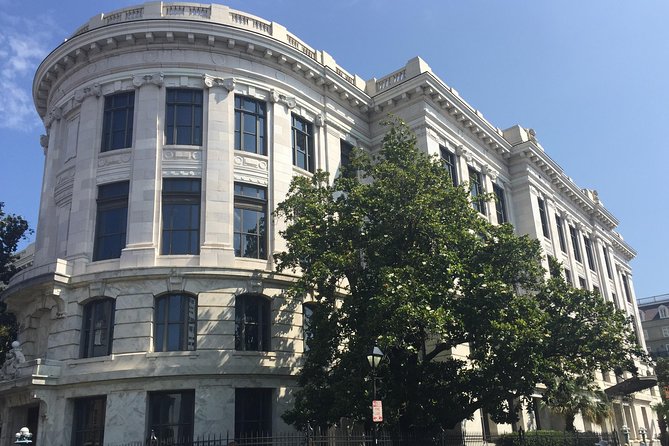
New Orleans reveals its past through shutters, balconies, courtyards, ironwork, and painted walls. This two-hour French Quarter walk connects those details to the city’s French, Spanish, Creole, and American periods, with stops at St. Louis Cathedral, the Cabildo, the Presbytere, and the Pontalba Buildings.
I like the small maximum group of 14, which gives you room to ask questions, and I like the way the guides connect architecture with people, climate, culture, and daily life. Caroline often brings stories of influential Creole women, while guides such as Janet, Doug, Angela, Guy, and Eva bring their own local perspective.
The main thing to consider is the tour’s depth. It is a friendly introduction with real architectural content, but some people may find it more like a French Quarter history and neighborhood walk than a technical architecture seminar. Street noise can also make it hard to hear at times.
Key points to know before you book
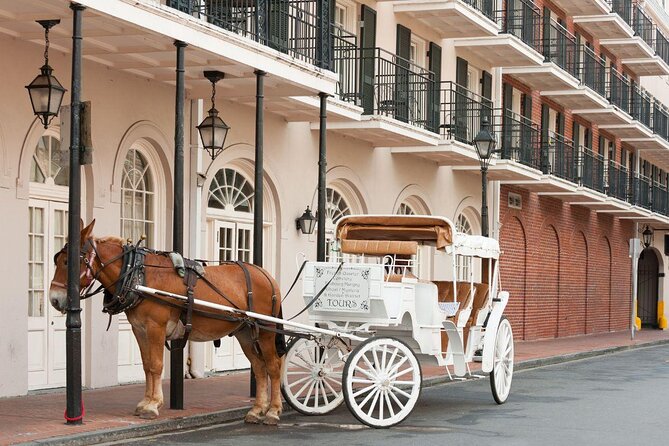
- See the French Quarter’s essential landmarks: Jackson Square, St. Louis Cathedral, the Cabildo, the Presbytere, and the Pontalba Buildings all fit into the route.
- Learn to read the buildings: Your guide explains styles, materials, periods, and the influence of France, Spain, and the United States.
- Keep the pace manageable: The walk lasts about two hours and includes plenty of discussion, but it is not described as a strenuous hike.
- Expect a personal guide: Caroline, Janet, Doug, Angela, Guy, and Eva have all led this experience, with guides bringing their own stories and teaching styles.
- Plan for New Orleans weather: Comfortable walking shoes, sunscreen, and an umbrella are recommended.
- Get advice for the rest of your stay: Time is set aside for questions and suggestions about further exploring the city.
Why this walk helps you see the French Quarter differently
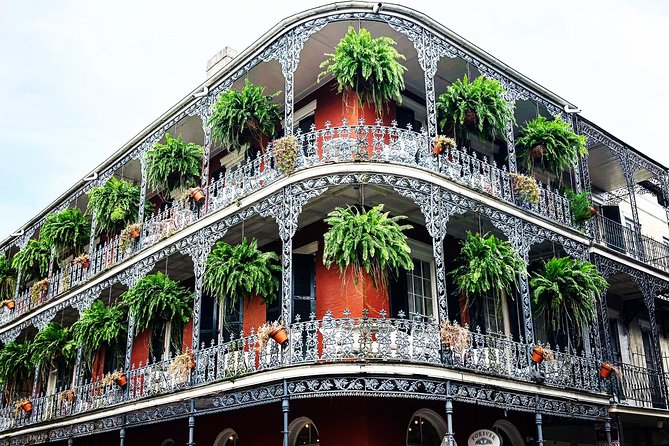
You can stroll through the French Quarter on your own and still enjoy its color and charm. But without some context, it is easy to treat every balcony, courtyard, and shutter as decoration. This tour gives you a system for looking.
You learn that the Quarter is not built in one single style. French and Spanish periods left different marks, and the later American period added its own changes. The guides also connect architecture to heat, rain, social customs, construction materials, and the people who shaped the neighborhood.
That last part matters. The tour is not only a parade of buildings. Several guides are especially good at bringing people into the story. Caroline, known on some tours as Phant, often highlights strong Creole women and their role in New Orleans society and architecture. One guide, Caroline, also has family ties to New Orleans reaching back more than two centuries, which gives her stories a personal edge.
The experience is recommended by 98 percent of customers and has a 4.9 rating from 290 reviews. Those numbers suggest a reliable experience, but they should not make you expect the same guide every time. The names that come up most often include Caroline, Janet, Doug, Guy, Angela, and Eva, and each appears to bring a slightly different balance of history, humor, architecture, and personal storytelling.
More architecture walks in the USA:
- The Official Art Deco Walking Tour by The Miami Design Preservation League
★ 5.0 · 1,580 reviews - Chicago in a Day: Food, History & Architecture Walking Tour
★ 5.0 · 1,153 reviews - Miami South Beach Art Deco Walking Tour
★ 5.0 · 1,039 reviews
Starting at 523 St. Ann Street
The tour begins at 523 St. Ann Street and ends back at the same meeting point. That makes the walk easy to fit into a morning or afternoon, and you do not need to arrange transportation between stops.
Your guide opens with an introduction to New Orleans history. This first five-minute stop is brief, but it gives you the basic timeline needed for the buildings ahead. Expect the opening to frame the French Quarter as a place shaped by several political and cultural periods, rather than as a neighborhood with one simple identity.
The meeting point is near public transportation, though transportation to and from the tour is not included. You will need to make your own way to St. Ann Street. Mobile tickets are accepted, and confirmation is provided when you book.
Jackson Square and the buildings around it
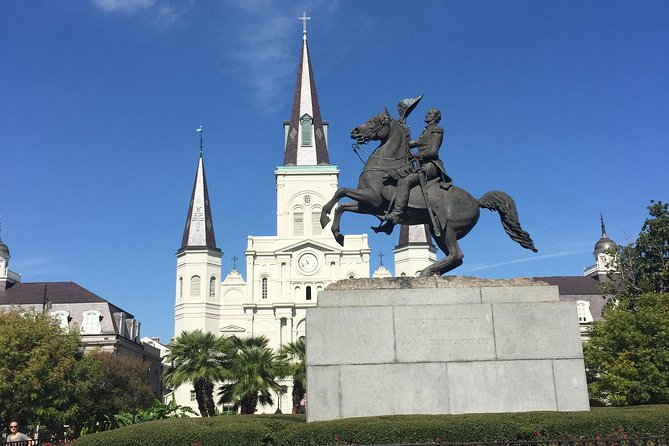
Jackson Square is the first major stop, and it is a good place to understand how New Orleans presents its past. The guide discusses the buildings lining the park, including St. Louis Cathedral, the Cabildo, and the Presbytere. You also hear about the Pontalba Buildings, which frame two sides of the square.
This is a compact section, listed at about ten minutes, but it brings several major subjects together. You can look across the square and compare religious, civic, and museum buildings while your guide explains their roles in the city.
The Pontalba Buildings are especially useful for learning how the edges of a public square can function as part of the city’s identity. You are not simply looking at facades. You are learning how a planned urban setting, important institutions, and private residences work together.
Jackson Square can be active and noisy. If your guide is speaking while people, cars, or street performers are nearby, you may need to move closer or ask for a point to be repeated. One customer specifically found it difficult to hear at times, so staying near the guide is practical.
St. Louis Cathedral, from parish church to landmark
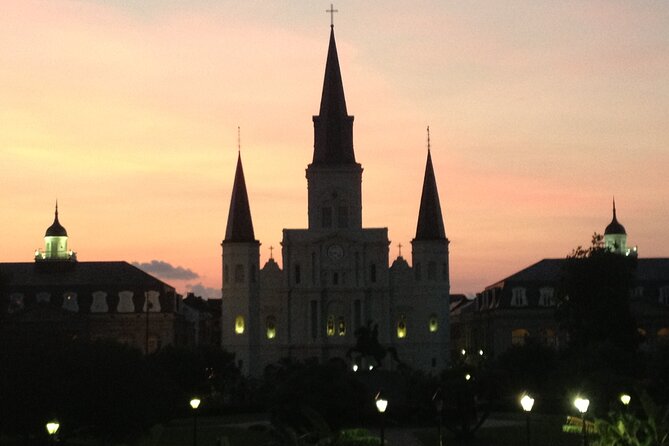
At St. Louis Cathedral, the guide traces the building from its early beginnings as a small wooden parish church to the cathedral you see today. The stop lasts about five minutes, so expect an exterior explanation rather than a long interior visit.
That short time can still be useful because the building gives you a clear example of how New Orleans developed over time. You learn to think about the cathedral as a changing structure, not a single object that appeared fully formed.
The setting also makes this stop memorable. From Jackson Square, the cathedral helps anchor the entire scene, and the guide’s explanation gives you a better sense of why it became such an important part of New Orleans.
If you want a detailed examination of every architectural feature, five minutes will feel quick. The tour’s strength is its overall sequence, with each stop adding another piece to the city’s story.
A few more architecture tours around the USA worth a look
- Chicago Architecture River Cruise
★ 5.0 · 15,756 reviews - Chicago River 90-Minute Architecture Tour
★ 4.5 · 9,629 reviews - Chicago River: 1.5-Hour Guided Architecture Cruise
★ 4.8 · 8,046 reviews - Chicago Architecture Center River Cruise aboard First Lady
★ 5.0 · 5,536 reviews
The Cabildo and the Presbytere
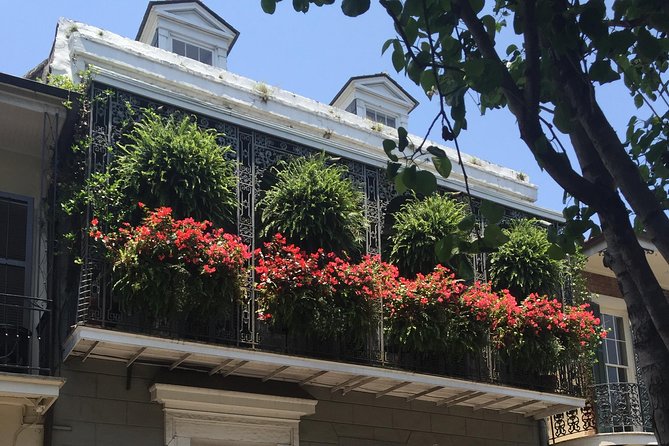
The Cabildo receives its own five-minute stop. Here your guide covers its historical period, public role, and building style. The discussion helps you compare civic architecture with the religious presence of the cathedral beside it.
The Presbytere follows, also for about five minutes. You hear about its history and current status, which links the building’s original purpose to its later life.
These stops are valuable because they keep the focus on function. A building’s style makes more sense when you know what it was built to do. The guide’s job is to connect appearance, use, and historical setting.
You should not expect extended museum time at either building. The tour is built around viewing the Quarter from the street, not entering every landmark. If you want to spend time inside the Cabildo or the Presbytere, plan a separate visit.
Chartres Street and layers of change
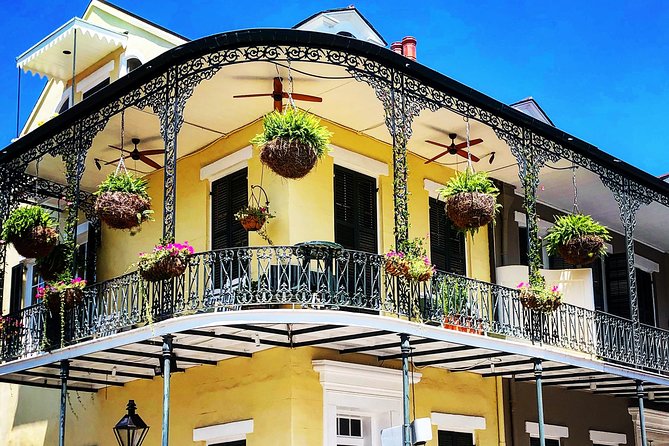
The Chartres Street section lasts about 20 minutes and gives the tour room to move beyond the most famous square. Here, the guide points out buildings with significance stretching from the Spanish period into the American period.
This is where the walk begins to feel especially useful for independent exploring. Instead of memorizing a few landmark names, you start comparing buildings across a longer stretch of street. You may notice how architectural features shift from one period to another, and how the neighborhood’s materials and design choices respond to local conditions.
The exact balance depends on your guide. Some people will want more terminology and closer analysis of the architecture. Others will appreciate the way the buildings are tied to residents, customs, and city life. The experience tries to do both, but the human stories often receive as much attention as the technical details.
That is not a weakness for most first-time visitors. New Orleans architecture is easier to remember when you know the people and events connected to it. Still, if you are an architecture student or a serious preservation enthusiast, you may want to ask questions early and tell your guide that you want more detail on materials, construction, and stylistic differences.
Royal Street and learning how to look
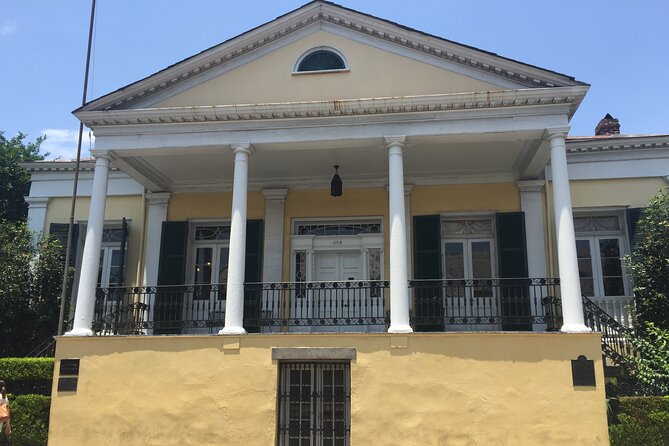
Royal Street is the longest listed stop, at about 25 minutes. It is known for shops and restaurants, but the tour uses it as an outdoor classroom. Your guide explains how to identify different kinds of buildings and points out details you might otherwise pass without noticing.
This is one of the most practical parts of the walk. Once you understand what to look for, you can continue exploring on your own with sharper eyes. The goal is not simply to name a style. It is to understand why the building looks the way it does and what its design tells you about the city.
Royal Street also gives you a chance to ask questions. The group size helps here. With no more than 14 people, the guide can usually keep the discussion conversational rather than delivering a speech to a large crowd.
The street is also a working commercial area, so there may be distractions. Shops, restaurants, pedestrians, and traffic can compete with the guide’s voice. Keep close, and do not hesitate to ask for clarification.
The guides make the difference
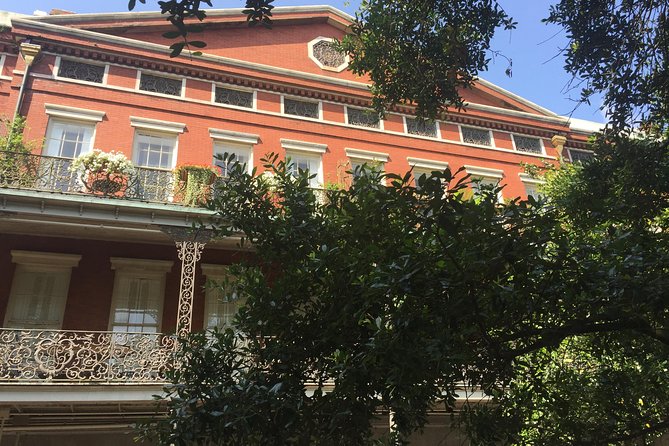
The strongest part of this experience is the person leading it. Caroline is frequently praised for her energy, family connection to New Orleans, and stories about women who influenced the city. She is also described as helpful before the tour, sending useful meeting information and updates.
Janet brings a relaxed, gentle pace and has been known to follow up with notes and book recommendations. Doug is attentive to the heat and tries to keep the group in the shade. Angela combines historical detail with humor, including the occasional dad joke.
Guy has used a binder with photographs and historical material to support his explanations. That can be particularly helpful when a building has changed over time or when you need to picture an earlier version of the Quarter. Eva, a native New Orleanian, has been praised for combining facts, stories, and a strong sense of local connection.
You cannot select a particular guide from the information provided, so book this as a small-group tour with a range of possible teaching styles. The consistent thread is a strong affection for New Orleans and an effort to make the past understandable.
How much walking and how much value for $40
The price is $40 per person for about two hours. Transportation, hotel pickup, and drop-off are not included, but the route begins and ends at the same French Quarter meeting point.
I consider that a fair price if you want more than a general stroll. You are paying for a licensed and insured local guide, a small group, a planned route through major sites, and the chance to ask questions. The value is highest when you take the tour early in your stay, then use what you learned while walking the Quarter on your own.
The walk is described as manageable rather than strenuous. One family found it suitable even for a teenager, and another person noted that there was not an excessive amount of walking. Still, you will be outdoors for roughly two hours. Wear comfortable shoes and prepare for sun, rain, heat, or cold. Guides have adjusted for weather by keeping groups in shade or on the sunny side of the street, but conditions can still affect your comfort.
The tour requires good weather. If poor weather cancels it, you can receive a full refund or move to another date. You can cancel for a full refund up to 24 hours before the start time. Cancellations or changes inside that 24-hour window are not refunded or accepted.
Who will get the most from this experience
This tour suits you if you want a clear introduction to the French Quarter before exploring it independently. It is particularly useful for first-time visitors, families, couples, solo explorers, and anyone who enjoys stories about the people behind historic places.
It also works for repeat visitors. The route focuses on familiar landmarks, but the architectural explanations can change the way you see streets you thought you already knew.
You may want another type of tour if your main goal is a highly technical study of building conservation, floor plans, structural systems, or detailed architectural classification. The experience includes those ideas at an accessible level, but it also spends substantial time on culture, social history, and the neighborhood itself.
Children as young as one may participate, and service animals are allowed. Most people can take part, but you should be comfortable standing and walking outdoors for the duration.
Should you book the French Quarter Architecture Walking Tour?
Book it if you want to understand why the French Quarter looks the way it does, not just photograph it. The small group, central route, local guides, and blend of architecture with personal stories make this a useful first activity in New Orleans.
I would especially recommend taking it near the start of your visit. Afterward, you will recognize more of the details on Chartres and Royal streets, and the guide’s suggestions may help shape the rest of your time in the city.
Skip it only if you want a purely technical architecture course or if you dislike outdoor walking in changeable weather. For most people seeking an engaging, moderately paced introduction at $40, it offers solid value.
FAQ
How long is the New Orleans French Quarter Architecture Walking Tour?
The tour lasts approximately two hours.
Where does the tour begin?
It begins at 523 St. Ann St., New Orleans, Louisiana 70116.
Where does the tour end?
The activity ends back at the meeting point on St. Ann Street.
How many people can join the tour?
The maximum group size is 14 people.
What landmarks are included?
The route includes the French Quarter, Jackson Square, St. Louis Cathedral, the Cabildo, the Presbytere, Chartres Street, and Royal Street. The guide also discusses the Pontalba Buildings.
What language is the tour offered in?
The tour is offered in English.
What should I bring?
Comfortable walking shoes, sunscreen, and an umbrella are recommended.
Can I cancel for a full refund?
Yes. You can cancel at least 24 hours before the start time for a full refund. Cancellations made less than 24 hours before the experience are not refunded. If poor weather cancels the tour, you will be offered another date or a full refund.
Just added around the USA
- Wilmington History and Architecture Tour★ 4.8 · 18 reviews
- Washington, DC: Georgetown Architecture Walking Tour★ 5.0 · 8 reviews
- New Orleans : Garden District Architecture Walking tour★ 4.8 · 5 reviews
- Washington DC: Dupont Circle & Embassy Row Architecture Tour★ 5.0 · 6 reviews
- Tulsa: Art Deco Walking Tour of Tulsa★ 5.0 · 8 reviews
- Castle to Capitol: Museums of the National Mall Architecture Tour★ 4.5 · 9 reviews
- Private Colonial Williamsburg Architectural Tour★ 5.0 · 5 reviews
- Iconic Capitol Hill Architectural Walking Tour★ 5.0 · 21 reviews
Walking Tours, compared.

The Official Art Deco Walking Tour by The Miami Design Preservation League
Read our review →
Barcelona: Gothic Quarter Ghosts and Legends Walking Tour
Read our review →
Barcelona: Old Town and Gothic Quarter Walking Tour
Read our review →
Lecce: Baroque Architecture and Underground Walking Tour
Read our review →
Chicago in a Day: Food, History & Architecture Walking Tour
Read our review →

Ramblas, Old Town, Gothic and Gaudi Architecture Walking Tour
Read our review →
Chicago’s Secret Interiors Architectural Walking Tour
Read our review →Browse the lists this tour appears in