
Review · ARCHITECTURE TOURS
Hidden Tbilisi: A Journey Through Modernism & Brutalism
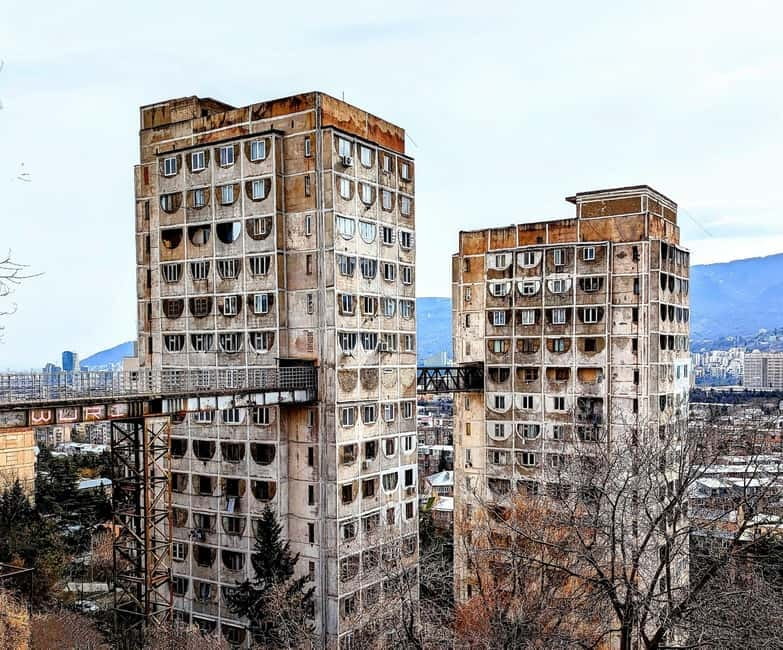
Tbilisi’s best architectural stories are often far from the old town. This six-hour private tour takes you to Soviet-era buildings that feel bold, strange, and sometimes almost impossible to explain. You’ll see the Skybridge, Ministry of Roads, crematorium, archaeological museum, and the Wedding Palace from outside, while guides such as Alex, Khato, and Khatuna connect concrete forms with daily life and local memory.
I like the private format, which lets you ask questions and spend more time on buildings that catch your eye. I also like the local focus: this is not just a parade of unusual structures, but a look at the Georgian architects and personal stories behind them. The main drawback is practical: several sites may be inaccessible, and the Wedding Palace interior is not part of the tour.
Key points to know before booking
- Six hours by private vehicle: Hotel pickup and drop-off from a Tbilisi address make a spread-out route much easier.
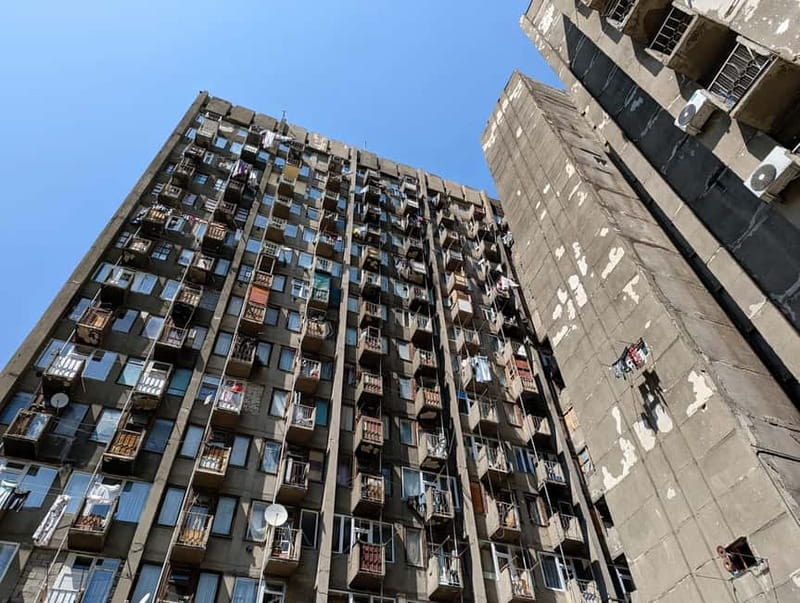
- Architecture beyond the old town: Expect Soviet modernism, brutalism, bold concrete forms, and buildings that many visitors never see.
- Strong guide-led storytelling: Alex, Khato, and Khatuna have led tours with a mix of architecture, city planning, and everyday Georgian history.
- The Wedding Palace is exterior only: You can study its design and hear its story, but you cannot enter the grounds or interior on this tour.
- A bakery stop may be included: One itinerary included a local bakery and khachapuri, adding a welcome food break to the architectural route.
- Best for curious adults: The tour is not suitable for children under 12, wheelchair users, people with mobility impairments, or anyone looking for a relaxed sightseeing loop.
Why Tbilisi’s Soviet buildings are worth your time
Tbilisi is often reduced to its old town, sulfur baths, balconies, and hilltop views. Those sights deserve attention, but they show only one part of the city. This tour shifts your focus to the grand public buildings and experimental structures created during the Soviet period.
The appeal is not simply that the buildings look unusual. Their shapes reflect ideas about progress, public life, technology, ceremony, and state power. Some were designed to impress. Others were built to solve practical problems in striking ways. A few now seem vulnerable to neglect or removal, which gives the route a sense of urgency without turning it into a gloomy memorial walk.
I find this kind of tour most useful when a guide explains what you are seeing in plain language. A stack of concrete forms can look like an alien machine until you understand its purpose, its architect, and the political climate in which it was built. Alex is praised for his passion for Tbilisi and its urban development, while Khato and Khatuna are noted for adding humor, personal stories, and local context.
That combination matters. You are not asked to admire raw concrete simply because it is fashionable. You are encouraged to consider how buildings shaped the city and how the city has treated them since.
More Bauhaus and Brutalist tours in the world:
- London: Brutalist Architecture & History Walking Tour
★ 4.8 · 42 reviews - Le Corbusier’s Chandigarh : A Complete Architecture Tour
★ 4.7 · 25 reviews - Architecture of New Belgrade – Brutalism Decoded
★ 4.5 · 24 reviews
The Skybridge and Tbilisi’s bold ideas
The Skybridge is one of the route’s signature sights. Its name hints at the basic idea: a structure that links parts of the city while making movement itself part of the design. You will hear why it mattered as a symbol of aspiration and connection, not just as an unusual piece of engineering.
This is the sort of stop where scale matters. Photographs can show the outline, but they rarely explain how the bridge fits into its setting or how ambitious it must have seemed when it was created. Your guide can direct your attention to the relationship between structure, terrain, and urban planning.
The route also gives you a chance to think about how Soviet public architecture often aimed to make ordinary activities feel monumental. A crossing, a ceremony, or a visit to a public office could be framed by dramatic geometry. That grand approach is part of the charm, but it can also feel heavy-handed.
Bring a camera, but do not spend the whole visit looking through it. The useful part of the stop is hearing how the building was intended to work and what it says about the period that produced it.
The Wedding Palace, admired from outside
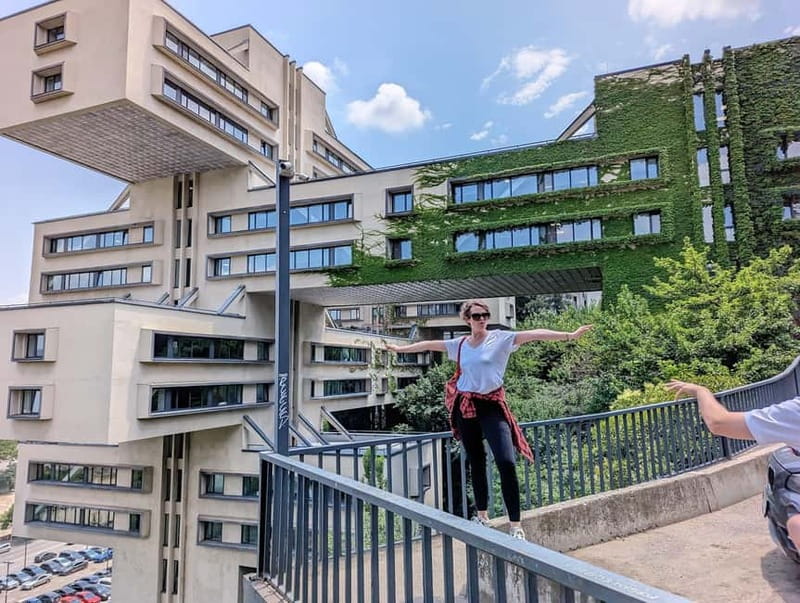
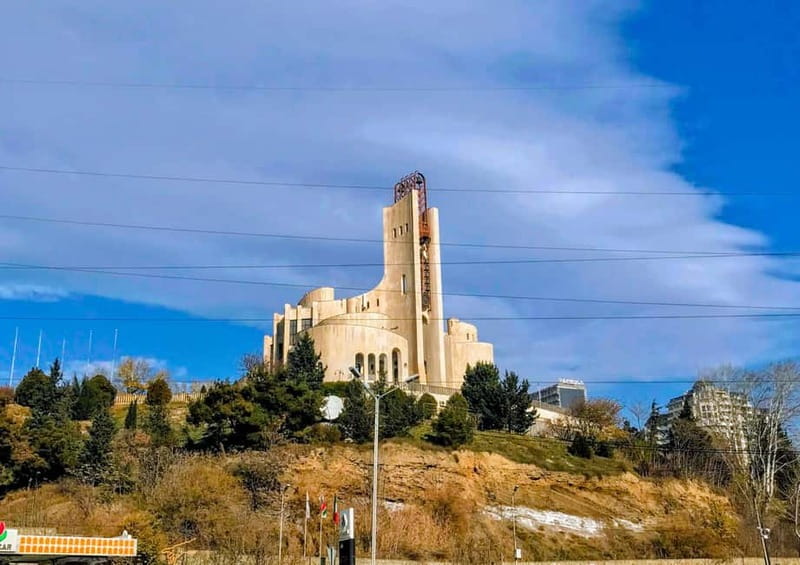
The Wedding Palace is one of the most talked-about buildings on the route. Its form challenges the usual idea of what a ceremonial building should look like. Rather than relying on a familiar classical facade, it uses bold shapes and a futuristic approach to mark an important public event.
You cannot enter the Wedding Palace grounds or interior during this tour. That limitation should be clear before you book. The guide will discuss its architectural importance from outside, so this stop works best for people who care about design and context rather than those hoping to see the rooms inside.
The building is linked in the tour material to Georgia’s own Le Corbusier, a phrase that points to the originality and influence of Georgian modernist design. Your guide can help explain why local architects deserve more attention and how their work fits into the wider story of modern architecture.
I would treat this as a visual and analytical stop, not an interior visit. You will likely spend time studying the silhouette, materials, and relationship between the building and its surroundings. If the Wedding Palace is the one site you most want to enter, this tour may leave you wanting more. If you are happy to understand it from the outside, it remains one of the strongest parts of the day.
The crematorium and the cemetery setting
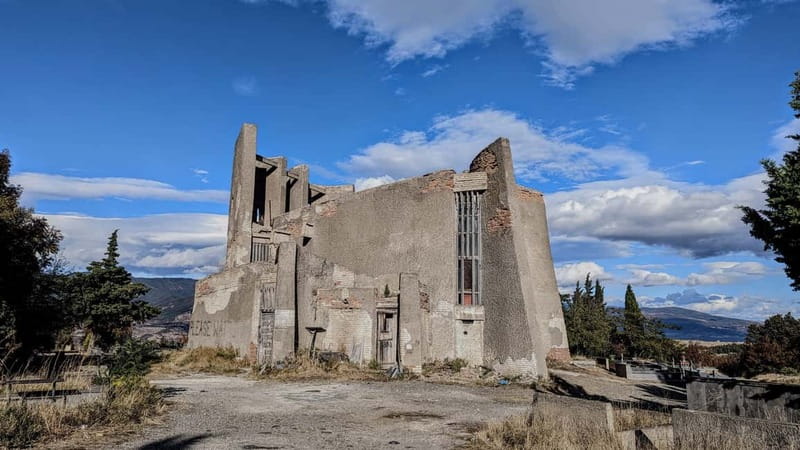
The crematorium offers a more surprising stop. Located in a cemetery setting, it brings together architecture, ceremony, and mortality in a way that can feel stark. Its unusual design is not there for decoration alone. The building’s purpose gives its forms a serious emotional weight.
This is also where the tour moves beyond easy photo opportunities. A crematorium may not be the first place you would choose on a city sightseeing day, but that is exactly why it adds value. It shows how public architecture once handled subjects that are often kept out of view.
The cemetery setting also changes how you read the building. The surrounding context matters as much as the concrete itself. Your guide can point out how the structure fits its function and why its design remains memorable.
You should know that the subject may feel uncomfortable for some people, especially if you prefer light, conventional sightseeing. The tour is built around architecture, tragedy, memory, and the lives connected to these places. That makes the crematorium important, but not necessarily easy.
A few more architecture tours around the world worth a look
- Chicago Architecture River Cruise
★ 5.0 · 15,756 reviews - Chicago River 90-Minute Architecture Tour
★ 4.5 · 9,629 reviews - Chicago River: 1.5-Hour Guided Architecture Cruise
★ 4.8 · 8,046 reviews - Chicago Architecture Center River Cruise aboard First Lady
★ 5.0 · 5,536 reviews
The Ministry of Roads and futuristic state design
The Ministry of Roads is another major stop. Its futuristic appearance reflects the ambition of an earlier era, when public buildings were expected to express confidence in engineering and government. The design is less about blending in than about making an unmistakable statement.
I like this stop because it helps explain the difference between modernism and brutalism in simple terms. Modernist buildings often focus on function, new materials, clean lines, and a break from older styles. Brutalist work pushes exposed structure and heavy materials more forcefully. Tbilisi offers examples where those ideas overlap.
The building also raises a useful question: who were these spaces designed to impress? A government office can be practical inside, yet its exterior may project authority, order, or progress. Your guide can connect that visual language to the larger Soviet system without reducing every building to propaganda.
Do not expect a long interior visit here. The value comes from seeing the exterior, hearing the story, and comparing it with the other structures on the route. The private vehicle helps because these sites are spread across the city rather than gathered in one easy walking district.
The archaeological museum and its enigmatic dungeon
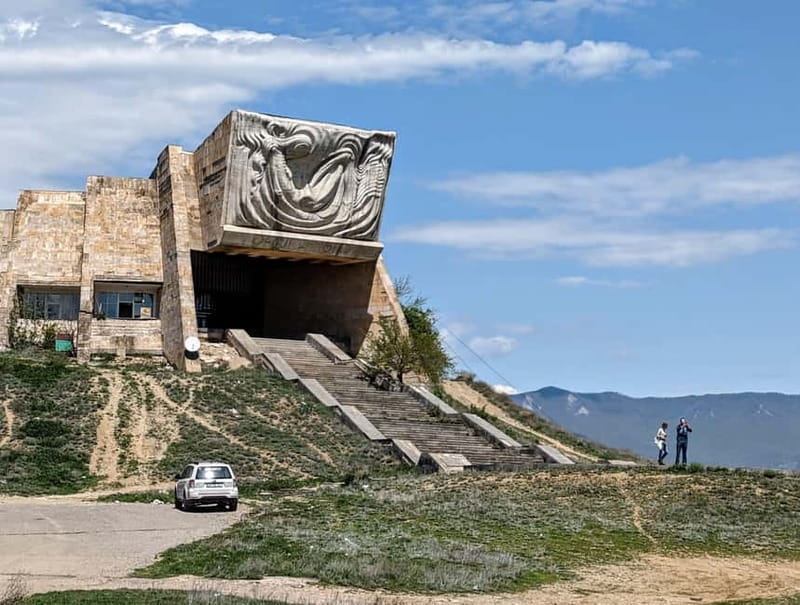
The archaeological museum adds another layer to the day. Unlike the more openly futuristic buildings, this stop brings you closer to older traces of Georgian history and to the less obvious spaces beneath or within a public institution.
The mention of an enigmatic dungeon gives the stop a darker edge. Exact access can depend on conditions at the time, so you should not assume every interior space will be open. Still, the contrast is valuable: the tour is not only about concrete shapes from the Soviet period, but about the layers of history that modern Tbilisi was built over.
This is where a good guide can make a real difference. Alex, Khato, and Khatuna have been praised for answering questions about local life as well as architecture. That wider conversation helps you connect a museum, a government building, a cemetery, and a bridge as parts of one changing city.
The stop may appeal most to you if you like places with imperfect, slightly mysterious edges. It is less suitable if you want a polished museum visit with a fixed display route and plenty of free time.
A bakery break with khachapuri
One especially appealing detail from the route is a possible snack break at a local bakery. A guide introduced khachapuri, Georgia’s famous cheese-filled bread, during one tour. It is a small addition, but it gives the day a useful pause and brings food into the picture.
A bakery stop also keeps the tour connected to ordinary Tbilisi life. After examining monumental state architecture, you get a taste of something familiar and local. That contrast helps prevent the day from becoming a long string of facts about concrete.
Do not treat the bakery visit as a guaranteed meal or a full food tour. The central subject remains architecture, and the exact route can change. If you have dietary needs, ask before booking rather than assuming the snack will suit you.
What the private format adds
The price is $176 per group of up to two people. For two people, that works out to $88 each for six hours, including transportation and pickup and drop-off from your Tbilisi address. Compared with a standard walking tour, it is a serious spend. Compared with arranging taxis, finding scattered buildings, and learning the context on your own, the value becomes easier to see.
The vehicle matters because the route covers sites across Tbilisi. You avoid piecing together several rides and can keep your attention on the city rather than on directions. Pickup also saves time at the start and end of a long day.
The private group is the bigger advantage. You can ask why a building looks the way it does, request more detail about Soviet planning, or focus on the subjects that interest you most. That flexibility is especially useful because modernist architecture can split opinion. One person may want to discuss structure and materials, while another may care more about the people and political events linked to a site.
The tradeoff is that private tours depend heavily on the guide. The strongest feedback points to Alex, Khato, and Khatuna as warm, humorous, and highly informed hosts. Guides can vary, so I would confirm the language and ask who is scheduled if a particular style of guiding matters to you.
Clothing, access, and the right pace
Wear comfortable shoes and clothes that can get dirty. The tour may involve uneven surroundings or locations that are not polished visitor attractions. Weather-appropriate clothing is also important because some of the architectural discussion takes place outdoors.
Bring a camera, but also bring patience. These buildings may not reveal their purpose at first glance, and you will get more from the day if you listen before rushing to the next photo.
The tour is not suitable for wheelchair users or people with mobility impairments. It is also not intended for children under 12, people with a cold, or those without experience for this type of outing. Large bags and luggage are not allowed, and smoking is not permitted in the vehicle. Pets, alcohol, drugs, intoxication, and party groups are also excluded.
Some locations may be closed or inaccessible because of circumstances beyond the operator’s control. In that case, an alternative site of similar interest is included. I would accept this as part of the nature of the route, since several locations are not standard tourist attractions.
Who will enjoy this unusual Tbilisi day
You should book this tour if you like architecture, urban planning, photography, Soviet history, or places that require explanation. It is especially useful if you have already seen Tbilisi’s old town and want to understand how the wider city developed.
It also suits you if you prefer conversation to a fixed script. The guides bring in local and personal stories, and the private format gives you room to ask about daily life in Georgia as well as buildings.
You may want to skip it if you need guaranteed interior access, dislike cemeteries, have limited mobility, or want a gentle sightseeing day with frequent cafés and familiar landmarks. This is an intellectual outing with concrete, history, odd shapes, and some difficult subjects.
Should you book Hidden Tbilisi?
I would book it if the words modernism and brutalism make you curious rather than sleepy. The tour offers a rare look at Tbilisi’s Soviet-era architecture, and the private vehicle, hotel pickup, and six-hour schedule make a spread-out route practical.
The strongest reason to go is the guide-led context. You are not simply shown the Skybridge, Ministry of Roads, crematorium, museum, and Wedding Palace. You are asked to read them as evidence of changing ideas, political power, local talent, and ordinary life.
Book with realistic expectations. The Wedding Palace is exterior only, access to some sites can change, and the day is not designed for children or visitors with mobility limits. For the right audience, though, $176 for up to two people buys an unusual and thoughtful view of Tbilisi, well beyond the usual postcard route.
FAQ
How long does the tour last?
The tour lasts six hours.
How much does the tour cost?
The price is $176 for a private group of up to two people.
Is transportation included?
Yes. Transportation, hotel pickup, and hotel drop-off from an address in Tbilisi are included.
Is the tour private?
Yes. This is a private group experience.
What language is the tour conducted in?
The live tour guide speaks English.
Can I enter the Wedding Palace?
No. The Wedding Palace grounds and interior are not accessible on this tour. You will view and discuss its architecture from outside.
Can the itinerary change?
Yes. Some locations may not be accessible because of various circumstances. If that happens, an alternative site of equal interest is included.
Just added around the world
- Wilmington History and Architecture Tour★ 4.8 · 18 reviews
- Washington, DC: Georgetown Architecture Walking Tour★ 5.0 · 8 reviews
- New Orleans : Garden District Architecture Walking tour★ 4.8 · 5 reviews
- Washington DC: Dupont Circle & Embassy Row Architecture Tour★ 5.0 · 6 reviews
- Vicenza: discovering the city of Palladio by e-bike★ 5.0 · 4 reviews
- Vicenza: Palladian Architecture Private Walking Tour★ 3.3 · 3 reviews
- Walk & Discover KL’s Architectural and Heritage Gems★ 5.0 · 7 reviews
- Unveiling Brno: History, Culture & Architectural Delights★ 5.0 · 2 reviews
Bauhaus and Brutalist Architecture Tours, compared.
Vienna: Tickets for Kunst Haus Wien: Museum Hundertwasser
Read our review →
Entrance tickets for the KunstHausWien. Museum Hundertwasser
Read our review →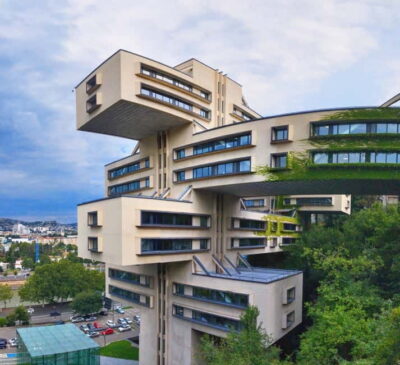
Brutalist Tbilisi: Urban exploration and untold stories
Read our review →
London: Brutalist Architecture & History Walking Tour
Read our review →
FALLINGWATER – America’s UNESCO World Heritage Masterpiece!
Read our review →
Le Corbusier’s Chandigarh : A Complete Architecture Tour
Read our review →Browse the lists this tour appears in