
Review · ARCHITECTURE TOURS
Brutalist Skopje Architecture Tour
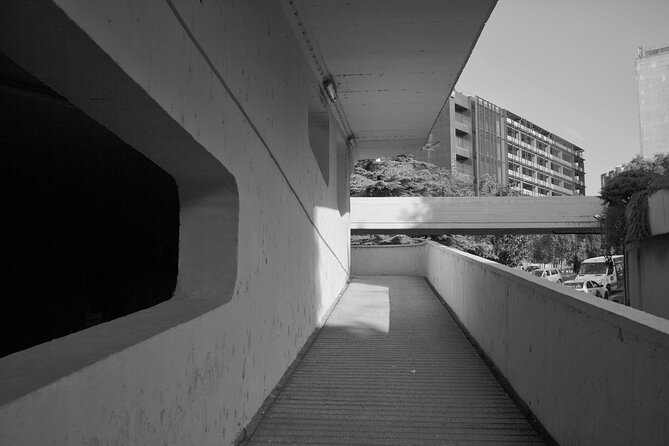
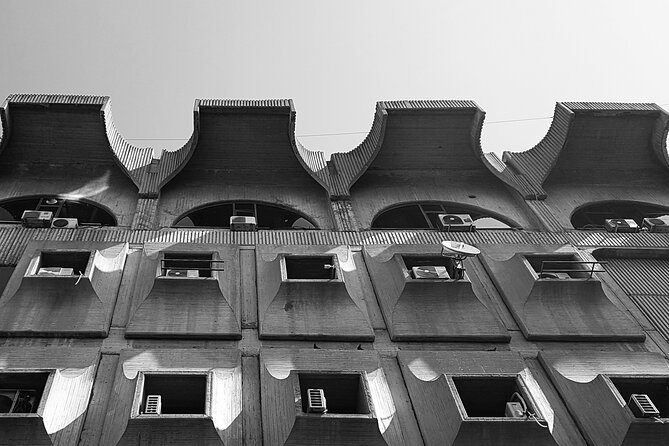
Skopje’s Brutalist architecture gives the city a look unlike almost anywhere else in Europe, and this private tour brings that story into focus one building at a time. In three hours, you visit shopping, civic, university, transport, and performing-arts buildings rather than simply ticking off monuments.
I like the small private format, which keeps the tour personal and lets you ask questions. I also like that guide Elena connects the buildings to her own life, including the university she attended. The main consideration is price: at $169.38 for up to three people, this makes the most sense when shared by a small group.
Key points at a glance
- Seven buildings in about three hours: The route covers GTC City Shopping Centre, Macedonia Square, the student dormitory, Post Office, Central Train Station, UKIM, and the Opera and Ballet.
- A private tour for up to three people: You get the guide’s attention rather than joining a large group.
- A personal connection to Skopje: Elena studied at the university included on the route and can relate the city to her own experience.
- Free admission at every listed stop: The price covers the guided experience, with no separate entry fees stated for the sites.
- A useful look at earthquake-era Skopje: Macedonia Square includes buildings that survived the earthquake, while the rest of the route shows different parts of the rebuilt city.
- An easy morning schedule: The tour begins at 9:30 a.m. and ends at the Macedonian Opera and Ballet.
Why Skopje’s Brutalist buildings deserve your morning
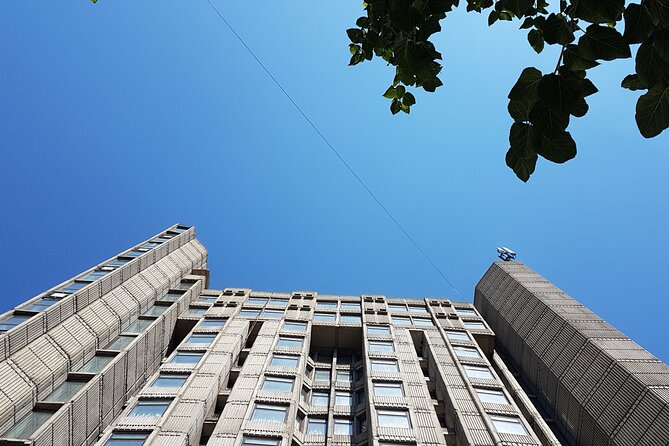
Skopje is often introduced through its old bazaar, stone bridge, and central square. Those sights matter, but they do not explain the whole city. To understand modern Skopje, you need to look at the large public buildings shaped by reconstruction and postwar planning.
This tour focuses on that less familiar side of town. The route includes a shopping centre, student housing, a post office, a railway station, a university department, and an opera building. That range is useful because it shows how architectural ideas reached daily life, not just grand civic spaces.
I would choose this experience if you like buildings with strong forms, unusual concrete details, and a clear connection to city planning. You do not need formal architecture training. A good guide can help you notice why a building matters, how it fits its surroundings, and what it tells you about Skopje.
The three-hour length also feels well judged. The listed visits add up to about 90 minutes, leaving time for movement and explanation between stops. You get a focused introduction without giving up an entire day of sightseeing.
More Bauhaus and Brutalist tours in the world:
- London: Brutalist Architecture & History Walking Tour
★ 4.8 · 42 reviews - Le Corbusier’s Chandigarh : A Complete Architecture Tour
★ 4.7 · 25 reviews - Architecture of New Belgrade – Brutalism Decoded
★ 4.5 · 24 reviews
Starting at GTC City Shopping Centre
The tour begins at GTC City Shopping Centre, one of the oldest shopping malls in Skopje. This is a smart first stop because it places Brutalist design in an ordinary setting. You are not looking at a monument set apart from city life. You are looking at a place made for shopping and everyday use.
The visit lasts about 10 minutes, with no admission fee. That short stop should be enough for an introduction to the building and its role in the city, though it is not a long architectural study.
For you, the main value is orientation. The shopping centre helps set up the larger question behind the tour: how can a building used by thousands of people each day express a city’s identity? Elena’s role matters here because she can keep the discussion grounded in local life rather than turning it into a list of technical terms.
Macedonia Square and the buildings that survived
Macedonia Square is the next stop, also scheduled for about 10 minutes. Here, the focus shifts to buildings that survived the earthquake. That detail gives the square a useful layer of contrast, since you are not only looking at what was built later but also at what remained.
This is one of the most important stops for understanding Skopje as a city shaped by disaster and rebuilding. The visit is brief, so you should expect a concise explanation rather than a full historical lecture. Still, the stop gives you a reference point for comparing older survivors with the later structures on the route.
I would pay attention to the relationship between the square and its surrounding buildings. The tour is strongest when it helps you compare different periods and purposes, not when it treats every building as an isolated object.
Goce Delcev State Student Dormitory
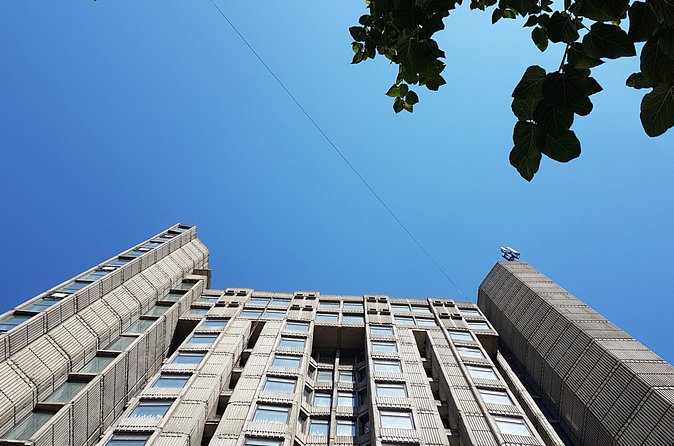
The Goce Delcev State Student Dormitory receives about 20 minutes, the longest stop on the route. That extra time suggests that the building has more to explain than a quick exterior view.
Student housing is an especially useful part of an architecture tour. It shows how design affects ordinary routines, shared living, and the needs of young people. Instead of focusing only on government buildings or cultural institutions, this stop brings the discussion into residential life.
You should expect to visit the dormitory as part of the tour, but the provided information does not specify whether interior areas are open throughout the visit. Plan on following Elena’s guidance and do not assume that every part of the building will be accessible.
The stop also helps break up the route. After the square and shopping centre, student housing adds a different scale and purpose. It gives you another way to judge how practical or imposing a building feels.
A few more architecture tours around the world worth a look
- Chicago Architecture River Cruise
★ 5.0 · 15,756 reviews - Chicago River 90-Minute Architecture Tour
★ 4.5 · 9,629 reviews - Chicago River: 1.5-Hour Guided Architecture Cruise
★ 4.8 · 8,046 reviews - Chicago Architecture Center River Cruise aboard First Lady
★ 5.0 · 5,536 reviews
The Post Office of Macedonia
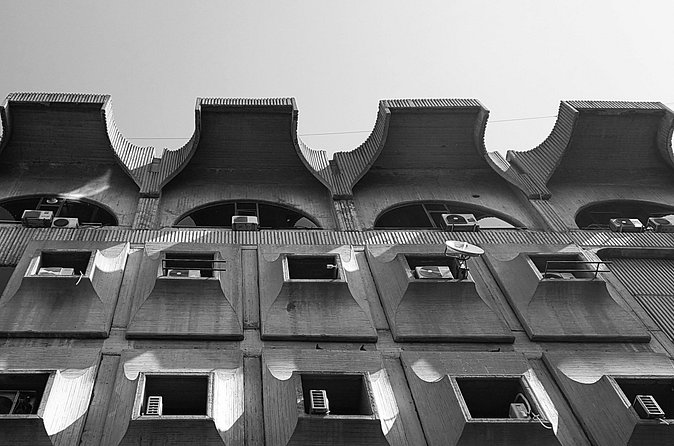
The Post Office is scheduled for about 10 minutes and is described as a unique building. That makes it one of the route’s most distinctive architectural stops, especially if you enjoy public buildings that give a familiar service an unusual setting.
A post office is part of daily life, so it offers a useful contrast with the Opera and Ballet later in the tour. You can consider how architecture handles a practical public function compared with a cultural one.
The stop is free, like the others listed. The available information does not promise an interior tour, so you should treat this as a guided visit to the building rather than assume you will see every internal space. Elena’s explanations are likely to be most useful here, since the building’s importance may not be obvious from a quick glance.
Skopje Central Train Station
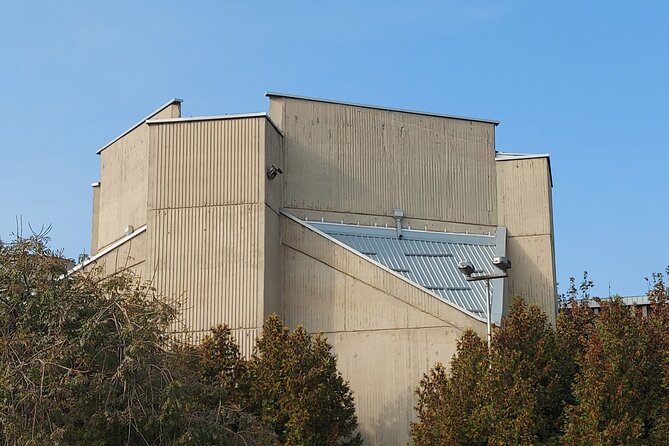
The Central Train Station gets about 15 minutes. Transport buildings often reveal how a city connects itself to the wider country, and this stop gives the route a strong civic and practical element.
The station also broadens the tour beyond central shopping and culture. You see how Skopje presents movement, arrival, and departure through architecture. With only 15 minutes scheduled, the visit is concise, but it should give you enough time to take in the building and ask focused questions.
The route does not state that train travel is included, nor does it list a ride on public transport. You are visiting the station as an architectural site. Since the tour is near public transportation, the area may also be useful for continuing your own sightseeing afterward, though no specific onward route is provided.
UKIM and Elena’s personal connection
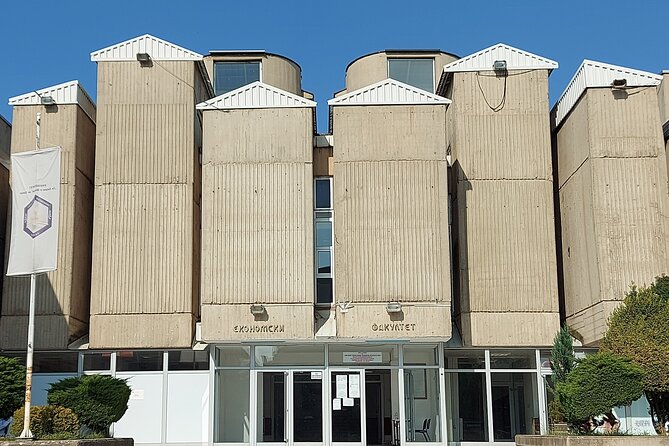
The stop at Ss. Cyril and Methodius University in Skopje, commonly called UKIM, lasts about 15 minutes. The tour visits a university department, adding an educational building to the route.
This is the point where Elena’s personal connection becomes especially valuable. She studied at the university included in the tour, so she can connect the architecture with her own experience rather than speaking only in general terms. That kind of local perspective can make a short stop feel more grounded.
For you, this is also a chance to ask about how the building is used. The supplied details do not identify the particular department or guarantee access inside all university areas, so listen for the guide’s directions and expect the visit to follow the access available that day.
The university stop works well beside the student dormitory. One shows an institutional learning space, while the other relates to student living. Together, they make the route feel like a look at a functioning city rather than a parade of impressive facades.
Finishing at the Macedonian Opera and Ballet
The final stop is the Macedonian Opera and Ballet, also identified as MOB. The tour ends in front of the building on Boulevard Goce Delcev, and the visit lasts about 10 minutes.
Ending here gives the route a clear finish. You move from shopping and public services through education and transport to a major cultural institution. The building completes the tour’s broad view of how architecture serves different parts of urban life.
The tour does not state that you enter for a performance or receive a ticket. This is an architectural visit, and admission is listed as free. Afterward, you are already in a central location with the rest of the day available for your own plans.
A final stop at the Opera and Ballet is also practical. If you prefer a tour that leaves you near another major sight rather than returning you to the start, this one has a simple point-to-point ending.
What the three-hour schedule feels like
The tour starts at 9:30 a.m. and lasts about three hours. The listed stop times total roughly 90 minutes, so the remaining time is likely used for walking or travel between sites, explanations, and questions. The exact movement method is not specified, so you should confirm any special mobility needs before booking.
The morning timing is useful in a hot city, and it leaves your afternoon open. You can continue exploring Skopje, have lunch, or visit another part of town after finishing at the Opera and Ballet.
The pace should suit you if you prefer a focused introduction. It may feel too short if you want long interior visits or detailed architectural sketches at every stop. Seven locations in three hours means each building gets a clear introduction, not an extended study.
Since the tour is private, you can use the time well by asking about the buildings that interest you most. If the Post Office catches your eye, for example, you can ask for more context there instead of waiting for a large group to move on.
Is $169.38 a fair price?
The listed price is $169.38 per group of up to three people. That works out to about $56.46 each if three people share the booking. The value depends heavily on your group size.
For three people, the cost buys a private guide, a three-hour route, and a subject that is difficult to explore with the same focus on a standard city highlights tour. You also avoid separate admission charges at the listed stops, since each is marked free.
For one person, the price is much harder to justify unless Brutalist architecture is a major reason for your visit or you place a high value on private guiding. For two or three people, the cost becomes more reasonable, especially if you want to ask plenty of questions.
The price is not simply paying for seven building exteriors. You are paying for the connections between them, the guide’s explanation, and Elena’s local perspective. The strongest value comes when you take an active interest in how Skopje was rebuilt and how these buildings fit into present-day life.
Elena’s guiding style and the private format
Elena is the named guide associated with this experience. The available feedback describes her as passionate about Skopje, attentive to questions, and able to explain the city in detail. It also notes that she makes the tour interesting and shares personal experience connected to the university stop.
That is important for an architecture tour. Concrete and large public buildings can feel cold if you only receive dates and names. A guide who relates them to local life can help you see why they matter.
The private format gives you the best chance to shape the conversation. You can ask about the earthquake survivors, the role of the dormitory, or the purpose of a particular university building. With a maximum of three people, you are not competing with a crowd for every answer.
The experience is offered in English. Confirmation is provided within 48 hours of booking, subject to availability, so do not treat the booking as final until that confirmation arrives.
Who should book this Skopje architecture tour?
I would recommend it to you if you enjoy:
- Modern architecture and unusual public buildings
- City planning and post-earthquake reconstruction
- Private tours with room for questions
- Local stories linked to everyday places
- Short morning activities that leave the afternoon free
It also suits repeat visitors who have already seen Skopje’s best-known historic sights. The route offers a different view of the city and gives you a reason to look carefully at places you might otherwise pass without a thought.
I would hesitate if your main goal is old architecture, religious monuments, or long interior visits. This tour is centered on modern Brutalist buildings and public institutions. It also may not suit you if you are booking alone and find the group price too high.
Good weather is required, and the tour may be canceled if the weather is poor or if the minimum number of participants is not met. In either case, you are offered another date or experience, or a full refund. You can cancel for a full refund up to 24 hours before the start time, but changes or cancellations inside that window are not accepted.
Should you book it?
Book this tour if you want to understand Skopje beyond its postcard sights and can share the $169.38 group price with one or two companions. The route is well chosen, the private setting is a real advantage, and Elena’s connection to UKIM adds a human touch to the architecture.
If you are traveling alone or want extensive access inside each building, think carefully before booking. For the right audience, though, this is a compact and useful way to see how Skopje’s public life is expressed through concrete, commerce, education, transport, and culture.
FAQ
Where does the Brutalist Skopje Architecture Tour start?
The tour starts at XCVJ+QXM, 11th October St. 1000, Skopje 1000, North Macedonia.
Where does the tour end?
The tour ends in front of the Macedonian Opera and Ballet building at Boulevard Goce Delcev 4, Skopje 1000, North Macedonia.
What time does the tour start?
The scheduled start time is 9:30 a.m.
How long does the tour last?
The tour lasts approximately three hours.
How many people can join the private tour?
The booking is for a private group of up to three people.
What language is the tour offered in?
The tour is offered in English.
Are admission tickets included?
Admission is listed as free at all seven stops.
Which buildings are included?
The stops are GTC City Shopping Centre, Macedonia Square, Goce Delcev State Student Dormitory, the Post Office of Macedonia, Skopje Central Train Station, Ss. Cyril and Methodius University in Skopje, and the Macedonian Opera and Ballet.
Can I cancel for a full refund?
Yes. You can cancel at least 24 hours before the experience starts for a full refund.
What happens if the tour is canceled?
If poor weather or an insufficient minimum number of participants causes cancellation, you are offered another date or experience, or a full refund.
Just added around the world
- Wilmington History and Architecture Tour★ 4.8 · 18 reviews
- Washington, DC: Georgetown Architecture Walking Tour★ 5.0 · 8 reviews
- New Orleans : Garden District Architecture Walking tour★ 4.8 · 5 reviews
- Washington DC: Dupont Circle & Embassy Row Architecture Tour★ 5.0 · 6 reviews
- Vicenza: discovering the city of Palladio by e-bike★ 5.0 · 4 reviews
- Vicenza: Palladian Architecture Private Walking Tour★ 3.3 · 3 reviews
- Walk & Discover KL’s Architectural and Heritage Gems★ 5.0 · 7 reviews
- Unveiling Brno: History, Culture & Architectural Delights★ 5.0 · 2 reviews
Bauhaus and Brutalist Architecture Tours, compared.
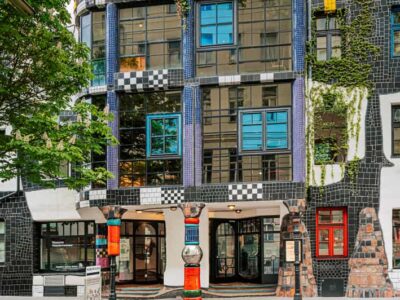
Vienna: Tickets for Kunst Haus Wien: Museum Hundertwasser
Read our review →
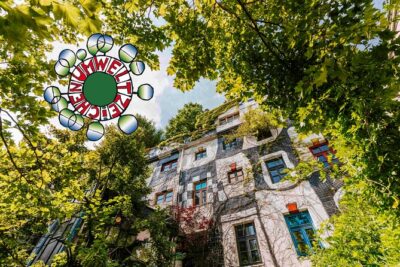
Entrance tickets for the KunstHausWien. Museum Hundertwasser
Read our review →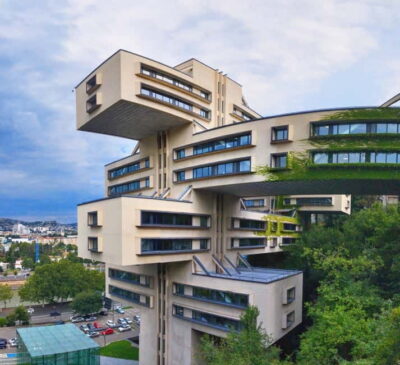
Brutalist Tbilisi: Urban exploration and untold stories
Read our review →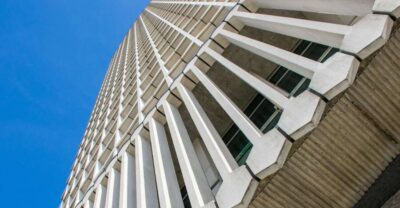
London: Brutalist Architecture & History Walking Tour
Read our review →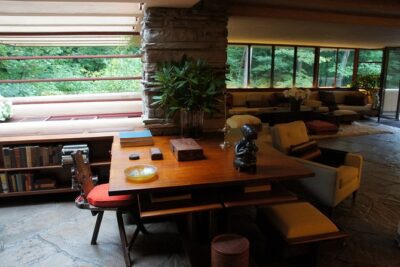
FALLINGWATER – America’s UNESCO World Heritage Masterpiece!
Read our review →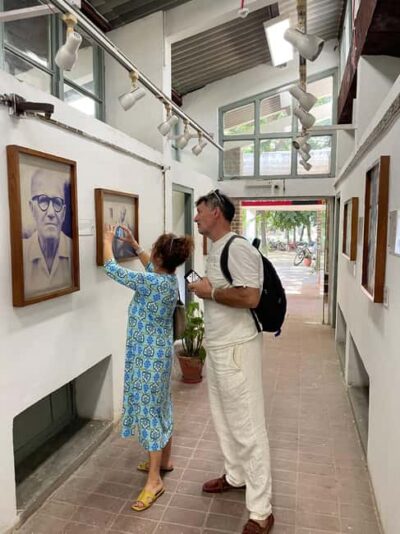
Le Corbusier’s Chandigarh : A Complete Architecture Tour
Read our review →Browse the lists this tour appears in