
Review · NEW ORLEANS
Creole Architecture of the Marigny Tour
The most interesting part of this two-hour walk is the way architecture becomes a map of New Orleans society. You move from the Old Mint to Esplanade Avenue and into Faubourg Marigny, seeing how Creoles, Irish, Germans, and Haitians shaped one compact neighborhood.
I like the small maximum of 14 people, which should make it easier to hear the guide and ask questions. I also like the mix of history and practical local color: guides such as Kelsey, Karen, and Guy have used visual aids, personal stories, architecture lessons, and even bakery suggestions to make the walk useful beyond the route.
The main drawback is simple: this is an outdoor walking tour, and New Orleans weather can be tough. You’ll need comfortable shoes, and poor weather can lead to a rescheduled tour or refund.
Key Points
- The Old Mint starts the story: See Greek Revival architecture and connect the building to New Orleans history.
- Esplanade Avenue brings grand homes: Study early and mid-19th-century mansions built along the ridge.
- Faubourg Marigny is the main event: Spend about 80 minutes examining local houses, cultures, and building styles.
- The group stays small: A maximum of 14 people allows for a more personal walking tour.
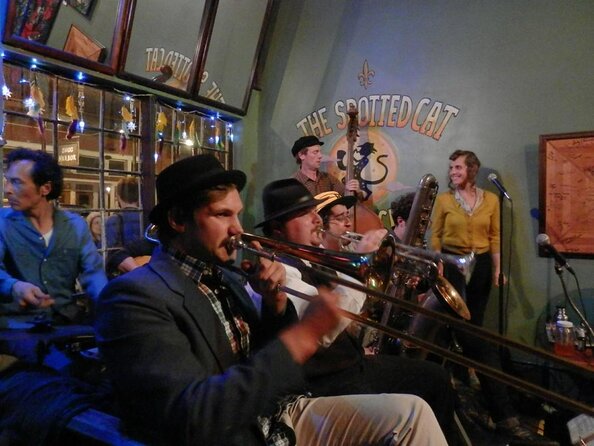
- Frenchmen Street ends the route: Get an introduction to clubs, dance halls, restaurants, and the neighborhood’s evening life.
- The tour earns strong marks for its guides: Kelsey, Karen, and Guy are noted for clear explanations, visual aids, local stories, and an easy manner.
Why This Marigny Walk Is More Than a House-Spotting Tour
New Orleans architecture can look decorative at first glance, but this walk helps you read it. A porch, roofline, floor plan, or building material can point to climate, social class, migration, and family background.
That is the real value here. You are not simply walking past attractive homes and taking photographs. You are learning why this part of the city developed the way it did, and why Marigny feels different from the French Quarter even though the two areas sit next to each other.
The tour begins in the French Quarter and returns to the same meeting point. From there, it follows a route into the downriver neighborhood, with stops at the Old Mint, Esplanade Avenue, Faubourg Marigny, and Frenchmen Street.
I would choose this tour early in a New Orleans visit. It gives you a useful sense of direction and helps you notice details later when you explore on your own.
A few more architecture tours around the USA worth a look
- Chicago Architecture River Cruise
★ 5.0 · 15,756 reviews - Chicago River 90-Minute Architecture Tour
★ 4.5 · 9,629 reviews - Chicago River: 1.5-Hour Guided Architecture Cruise
★ 4.8 · 8,046 reviews
The Old Mint Sets Up New Orleans History
The first stop is the New Orleans Jazz Museum, housed in the Old Mint. You spend about 10 minutes here, and admission to the stop is included.
The building itself is the focus. The Old Mint offers a clear example of Greek Revival architecture in New Orleans, giving your guide a place to explain the style before the tour moves into residential streets.
This opening also connects the building to the history of the downriver part of the city. That matters because the rest of the walk is not presented as a collection of unrelated houses. The guide uses the Old Mint to establish the broader story, then shows how that story appears in Marigny’s streets and buildings.
Do not expect a long museum visit during this tour. The stop is brief, and the experience is mainly an exterior and neighborhood walk rather than a full museum program. If you want extensive time inside the Jazz Museum, plan that separately.
Still, it is a smart first stop. Architecture can be hard to understand when you only hear style names. Seeing Greek Revival design at the start gives you something concrete to compare with the homes ahead.
Esplanade Avenue and Its Early Mansions
The walk continues along Esplanade Avenue for about 20 minutes. Here, the subject shifts from public architecture to the large homes built during the early and mid-19th century.
Your guide explains the people who built these houses and why they chose this ridge. That human detail keeps the stop from becoming a dry parade of façades. You get a sense of who lived here, what the avenue represented, and how the setting helped shape the neighborhood.
Esplanade Avenue is also a useful transition. The Old Mint introduces a formal public building, while the avenue shows how architectural ideas worked in private homes. You can compare scale, decoration, and placement as the tour moves toward Marigny.
I would pay close attention to how your guide uses the street itself. The point is not only to admire grand houses. It is to understand how wealth, family life, and the city’s growth left marks on the built environment.
The stop lasts only 20 minutes, so it will not cover every home or architectural detail. That is a reasonable tradeoff in a two-hour walk. You get enough explanation to understand the avenue, then spend the bulk of your time in Faubourg Marigny.
Eighty Minutes in Faubourg Marigny
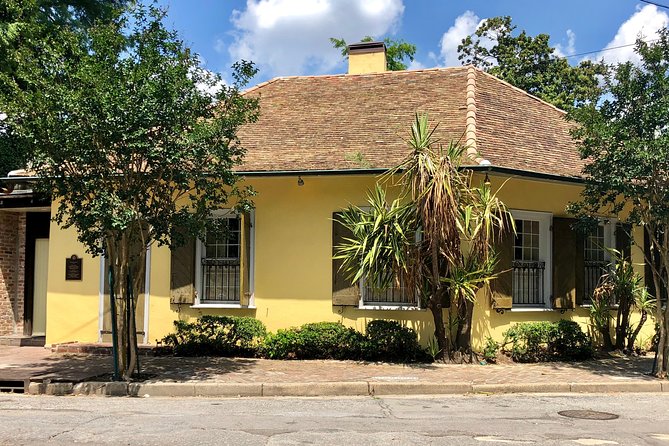
Faubourg Marigny receives the longest portion of the tour, about 1 hour and 20 minutes. This is where the experience earns its title and where you get the clearest look at the neighborhood’s architecture.
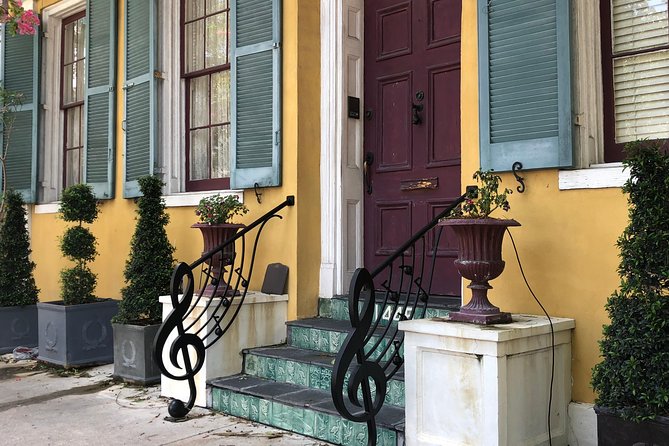
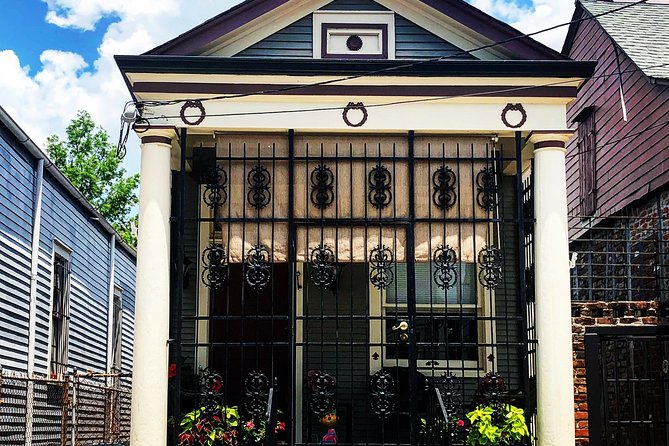
The area was shaped by several cultures, including Creoles, Irish, Germans, and Haitians. Local architects and builders produced many types of homes and styles, creating a streetscape that feels different from the more familiar French Quarter.
Your guide’s job here is to help you sort those differences. You might find it useful to bring a camera, but do not spend the whole walk looking through it. The best details are often small: the arrangement of a home, the relationship between the house and street, or a feature that looks decorative but serves a practical purpose.
Karen, one of the guides associated with this experience, is noted for explaining architectural styles and periods with visual aids and other information. That approach can help if you are new to architecture. Instead of asking you to remember a long list of terms, the guide can give you a way to compare what you see.
Guy brings another useful angle, with years of local experience and personal stories about the area. A guide with that kind of connection can make the history feel less like a classroom lecture and more like a conversation about a place where people actually live.
Kelsey is also noted for a large store of information and a friendly style. Her local suggestions, including a bakery recommendation for lunch, show the practical side of taking a neighborhood tour. You are not limited to dates and building styles. You can also leave with an idea for what to do next.
Guide assignments can vary, so you should not book on the assumption that one specific person will lead your walk. The useful point is that the guides are prepared to explain both architecture and local life.
Same city, a completely different century:
- Chicago Architecture Center River Cruise aboard First Lady
★ 5.0 · 5,536 reviews - Chicago: Architecture River Cruise Skip-the-Ticket Line
★ 4.8 · 4,325 reviews - Chicago River 45-Minute Architecture Tour from Magnificent Mile
★ 4.5 · 2,924 reviews - Chicago Lake and River Architecture Tour
★ 4.5 · 2,308 reviews
How the Culture of Marigny Appears in the Buildings
Marigny is worth seeing because its architecture reflects movement and settlement. Creoles, Irish, Germans, and Haitians all contributed to the area’s identity, and the neighborhood’s homes show that local building traditions did not come from one source.
The guide’s explanations help connect people to place. You learn about the cultures that made up the neighborhood while looking at the homes and streets where that history took shape.
This is where the tour can be especially useful for first-time visitors. New Orleans is full of strong visual impressions, and it is easy to remember only the most famous streets. A walk through Marigny gives you another part of the city to understand, one shaped by everyday residences as much as by grand landmarks.
The tour also suits repeat visitors who have already seen the French Quarter. You do not need to be an architecture student. Curiosity is enough, especially if you enjoy learning why a neighborhood looks the way it does.
Because the walk is focused on the area, the experience is not designed to cover every major New Orleans attraction. That is a strength if you want a neighborhood study, but a limitation if you want a general city tour.
A Short Look at Frenchmen Street
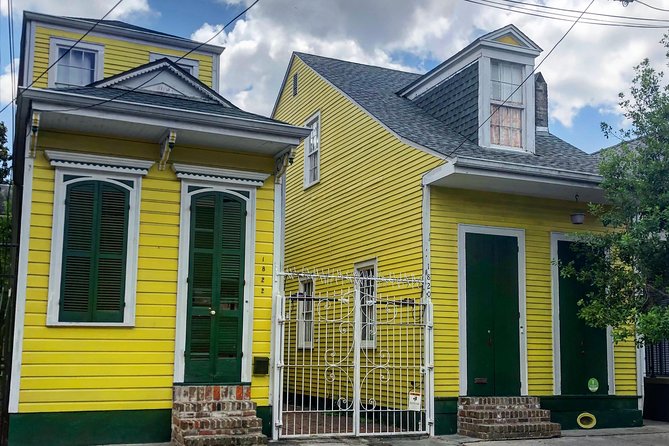
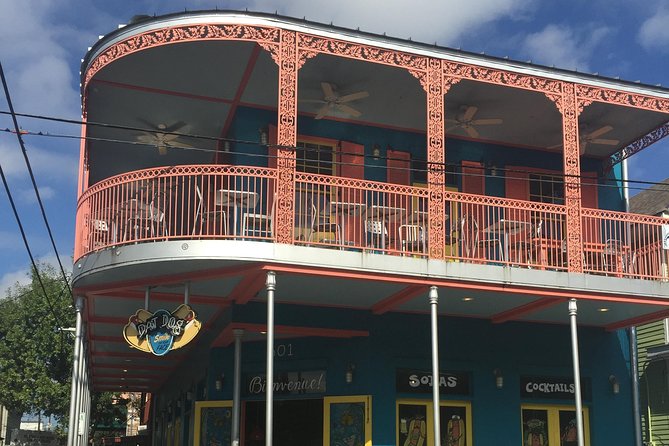
The final stop is Frenchmen Street, with about 10 minutes devoted to a quick stroll. Clubs, dance halls, and restaurants line the street, making it an important evening entertainment corridor.
The stop is brief, so you will not get a full night out here during the tour. Instead, the guide gives you a sense of the street and points you toward a place worth returning to later.
That timing is useful. You can see where Frenchmen Street fits into the Marigny route, then decide if you want to come back after dark. The tour does not replace an evening visit, but it can make that later outing easier to plan.
I like this ending because it links the neighborhood’s past with its current social life. After spending most of the walk studying buildings and settlement, you finish by seeing how the area functions as an entertainment district today.
Is $40 a Fair Price?
At $40 per person, this tour costs about $20 per hour. That is a reasonable price for a small-group walking experience led by a local guide, especially since the group is capped at 14 people and the route covers several distinct parts of the city.
There are no major admission costs built into the walk. The value comes from the guide’s interpretation, not from entry to a paid attraction. If you prefer to wander without explanations, $40 may feel unnecessary. If you want help seeing architectural details and understanding the neighborhood’s cultural background, the price makes more sense.
The small group matters here. Architecture tours work better when you can hear the guide, stop without blocking a large crowd, and ask about a particular house or style. A maximum of 14 is not a private tour, but it is much more manageable than a large group.
The tour is booked about 10 days ahead on average. That suggests you should not leave it until the last minute if your New Orleans schedule is tight.
Timing, Shoes, and Weather
The experience lasts about two hours and begins in the French Quarter at New Orleans, Louisiana 70116. It returns to the same meeting point, so you do not need to arrange a separate pickup at the end.
Wear comfortable walking shoes. The route includes several neighborhood sections, and the main activity is walking and standing while the guide explains the buildings.
The tour requires favorable weather. If poor weather causes a cancellation, you can choose another date or receive a full refund. You can also cancel for a full refund if you do so at least 24 hours before the start time. Changes or cancellations made less than 24 hours ahead are not accepted for a refund.
The activity is offered in English. Service animals are allowed, public transportation is nearby, and most people can participate.
Who Will Get the Most From This Tour?
I would recommend this walk to you if you enjoy architecture, local history, neighborhood life, or photography. It is also a good choice if you want to step beyond the most familiar French Quarter streets without committing to a full-day excursion.
Families with older children may find the visual side easier to follow than a lecture-heavy history tour. The group size and short stops can also help keep the pace manageable.
This is less suitable if you dislike walking, need frequent indoor breaks, or want a tour centered on food, music performances, or museum interiors. Frenchmen Street appears only briefly, and the Old Mint stop is short. The main focus remains Marigny’s buildings and cultural background.
You should also consider the heat and humidity that can affect a New Orleans walk. Comfortable shoes are essential, and a favorable forecast will make a real difference.
Should You Book the Creole Architecture of the Marigny Tour?
Book it if you want a focused, local look at New Orleans rather than another pass through the city’s headline sights. The strongest part is the long Faubourg Marigny section, where architecture, migration, and neighborhood identity come together.
I especially like the balance between formal buildings, grand Esplanade homes, residential Marigny streets, and Frenchmen Street’s evening life. The guide’s visual aids, personal stories, and local recommendations add value that you would be unlikely to get from a self-guided stroll.
Skip it if you want a broad overview of all New Orleans attractions or a mostly indoor activity. For everyone else, the $40 price, two-hour format, and 14-person limit make this a sensible way to see a less familiar side of the city.
FAQ
How long is the Creole Architecture of the Marigny Tour?
The tour lasts approximately two hours.
Where does the tour begin and end?
It begins in the French Quarter in New Orleans, Louisiana 70116, and ends back at the meeting point.
What language is the tour offered in?
The tour is offered in English.
How many people can join the tour?
The group has a maximum of 14 people.
What are the main stops?
The route includes the New Orleans Jazz Museum and Old Mint, Esplanade Avenue, Faubourg Marigny, and Frenchmen Street.
Are admission tickets included?
Admission tickets at the listed stops are free.
What happens if the weather is poor?
The tour is subject to favorable weather. If it is canceled because of poor weather, you can choose another date or receive a full refund.
Just added around the USA
- Wilmington History and Architecture Tour★ 4.8 · 18 reviews
- Washington, DC: Georgetown Architecture Walking Tour★ 5.0 · 8 reviews
- New Orleans : Garden District Architecture Walking tour★ 4.8 · 5 reviews
- Washington DC: Dupont Circle & Embassy Row Architecture Tour★ 5.0 · 6 reviews
- Tulsa: Art Deco Walking Tour of Tulsa★ 5.0 · 8 reviews
- Castle to Capitol: Museums of the National Mall Architecture Tour★ 4.5 · 9 reviews
- Private Colonial Williamsburg Architectural Tour★ 5.0 · 5 reviews
- Monuments and Memorials Architectural Walking Tour★ 5.0 · 17 reviews
New Orleans Architecture Tours, compared.

New Orleans French Quarter Architecture Walking Tour
Read our review →
New Orleans: History, Culture & Architecture Guided Tour
Read our review →
New Orleans : Garden District Architecture Walking tour
Read our review →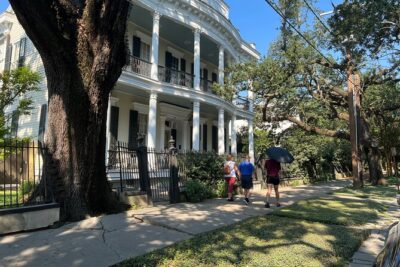
Garden District Architecture Walking Tour in New Orleans
Read our review →Browse the lists this tour appears in