
Review · MEXICO
Tlaquepaque Magic Town: Artisans, Traditions, Architecture
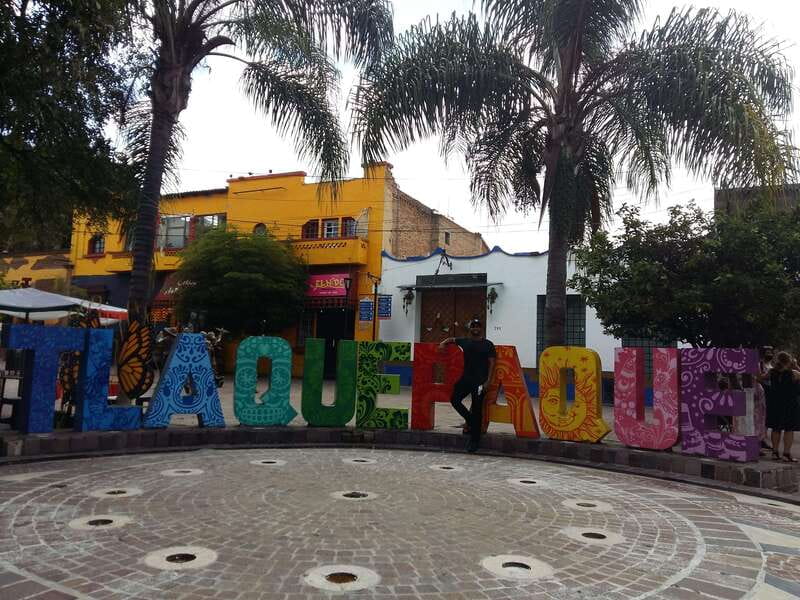
Tlaquepaque is at its best when you get beyond the pretty storefronts. This walking tour leads you through artisan galleries, old churches, grand houses, and local food traditions, with enough history to explain why this Jalisco town earned its Magic Town title. You’ll also have time for a photo beside the huge Tlaquepaque letters.
I like the way the tour links everyday pleasures, such as candy, rompope, Mariachi, and typical food, with more serious history. I also like the personal touch from Mayra, whose calm, friendly English and Spanish guiding has earned strong praise. The main consideration is time: 90 minutes goes quickly, and the supplied itinerary also describes the walk as lasting two hours, so confirm the exact schedule when booking.
Key points to know before you go
- Start beside the colorful Tlaquepaque letters: Meet at Plazoleta Springfield, a central square with statues connected to Mexico’s Independence struggle.
- See both sides of old Tlaquepaque: Visit two churches historically associated with poorer and wealthier residents.
- Enter traditional homes: Look inside large houses with patios, fountains, and folkloric architectural details.
- Taste local specialties: Learn how traditional candies and rompope are made, with a tasting at a candy factory.
- Follow the town’s art trail: Visit galleries, artisan shops, and the main pedestrian street where you can continue shopping or eating.
- Go with Mayra: The guide leads in English or Spanish and can give extra attention to the art, food, history, or architecture that interests you most.
Why Tlaquepaque works best on foot
Tlaquepaque is not a place you understand by checking off one major monument. Its appeal comes from the way architecture, crafts, food, music, and public art fit together along the streets.
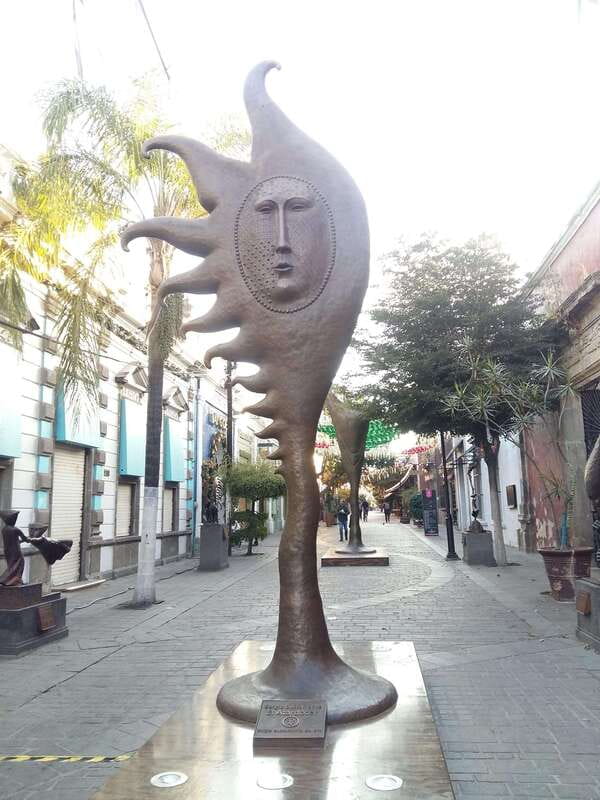
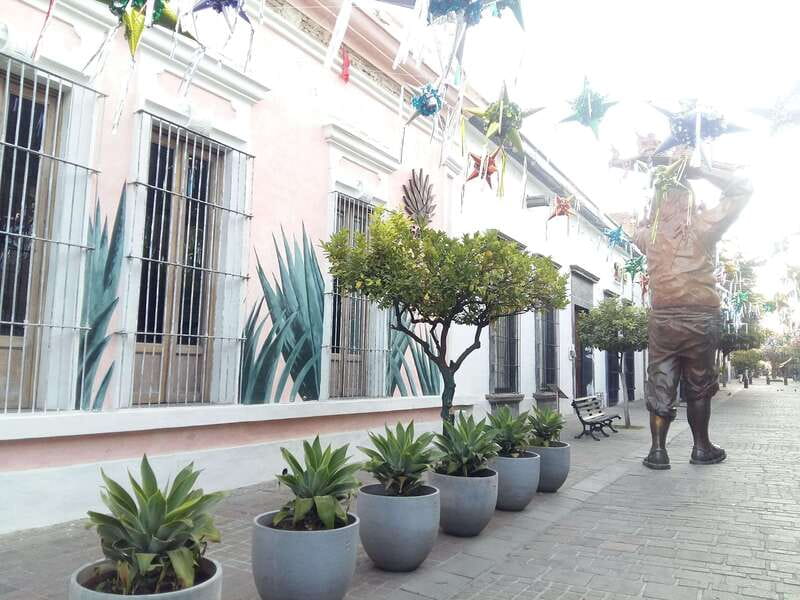
A guide helps you notice the details. Colorful decoration is not just scenery here. Papel picado, painted signs, tiled surfaces, courtyards, statues, and artisan displays all help explain the town’s identity. On your own, you could certainly walk the same streets, but you might pass by a gallery or historic doorway without knowing why it matters.
The walk begins at Del Ejército 42, with the meeting point described more specifically as the big Tlaquepaque letters in Plazoleta Springfield. Arrive with a little time to find the square and take your picture before the group sets off. The same plaza includes statues of Miguel Hidalgo and figures representing people who fought for independence from Spain, giving you an early introduction to the town’s connection with national history.
The format is simple: walk, listen, look inside selected places, and finish where you can keep exploring. There is no separate transportation segment, so comfortable shoes matter more than elaborate planning.
A few more architecture tours around the world worth a look
- Chicago Architecture River Cruise
★ 5.0 · 15,756 reviews - Chicago River 90-Minute Architecture Tour
★ 4.5 · 9,629 reviews - Chicago River: 1.5-Hour Guided Architecture Cruise
★ 4.8 · 8,046 reviews
Plazoleta Springfield and the big Tlaquepaque letters
The giant colorful letters are an easy meeting point and a natural first photo stop. They also give the tour a cheerful beginning before the focus shifts to churches, historic homes, and craft traditions.
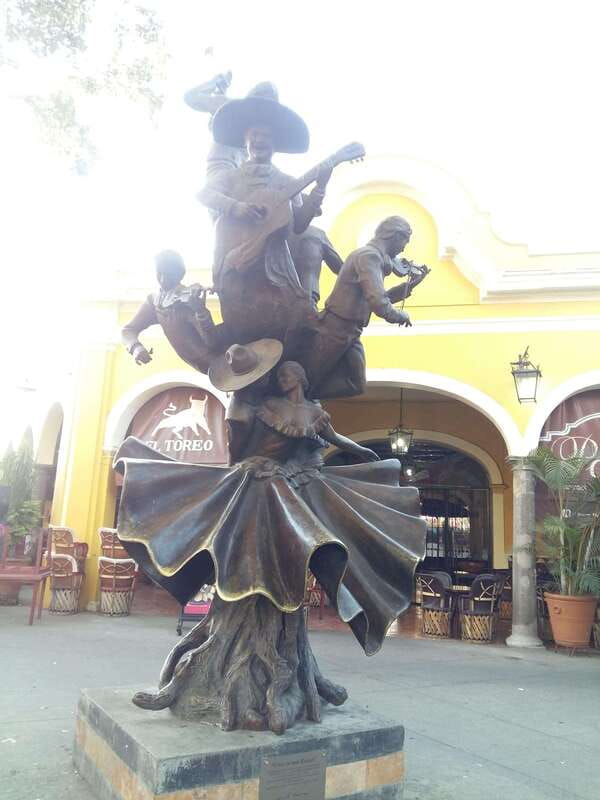
The plaza is named Plazoleta Springfield. Beside the letters, you’ll find statues of Miguel Hidalgo and representations of the people who helped win Mexican independence from Spain. These figures are more than decoration. They set up one of the tour’s historical threads: Tlaquepaque’s place in the story of Mexico.
This is also where you should make sure you have water, sun protection, and comfortable footwear. The walk is short by sightseeing standards, but the experience depends on moving through streets and standing at several stops. The price is listed at $32 per person, so the value depends largely on how much context you want rather than on the number of attractions alone.
Two churches and two sides of local society
One of the more useful parts of the walk is the visit to two churches connected with different social groups. The tour explains where poorer and wealthier residents traditionally attended services.
That contrast gives you a better way to read Tlaquepaque. Churches are not only religious buildings. They can also show how a town was organized, who lived where, and how social divisions shaped daily life. The tour does not treat the buildings as isolated photo stops. Instead, it places them within the town’s customs and community life.
Expect this section to appeal most if you enjoy architecture and local history. If you are mainly looking for shopping, it may feel like a pause before the galleries and stores. Still, it adds meaning to the streets you’ll walk later, especially when the guide points out how old traditions continue beside modern craft businesses.
Grand houses, courtyards, and fountains
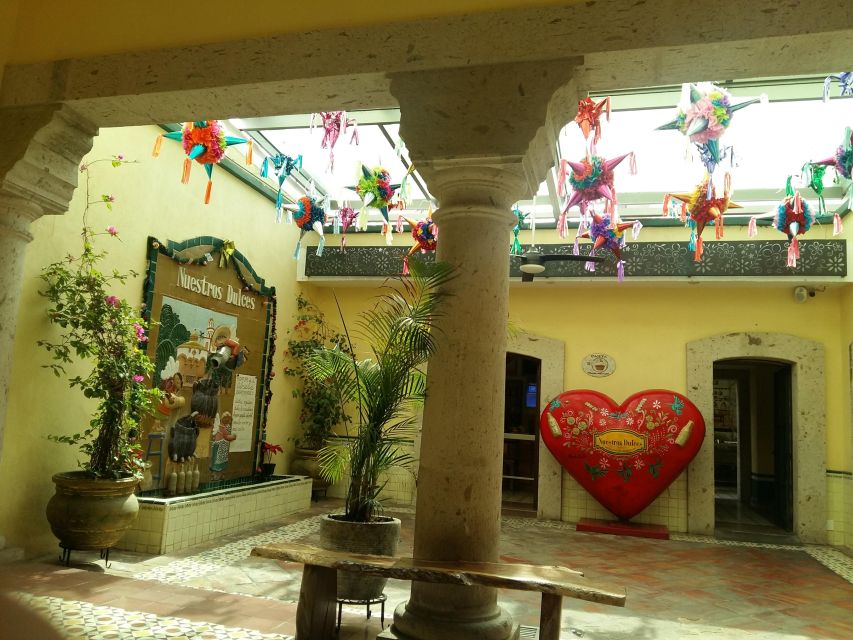
The chance to go inside large historic houses is a strong reason to book this walk. From the street, old buildings can look attractive but closed off. Inside, patios and fountains reveal how the homes were designed and used.
The tour focuses on folkloric architectural details, so pay attention to the layout as much as the decoration. A patio changes the feel of a house. It creates an open center within the building and helps explain why fountains and interior courtyards are such familiar features in traditional Mexican architecture.
This stop also gives the tour a welcome change of pace. You are not only looking at façades or listening to dates. You are seeing the spaces behind them. The exact homes open during each tour are not specified, so do not expect a fixed museum-style house visit with a published room-by-room route. Think of it as guided access to selected historic interiors.
Same city, a completely different century:
- Chicago Architecture Center River Cruise aboard First Lady
★ 5.0 · 5,536 reviews - Chicago: Architecture River Cruise Skip-the-Ticket Line
★ 4.8 · 4,325 reviews - Chicago River 45-Minute Architecture Tour from Magnificent Mile
★ 4.5 · 2,924 reviews - Barcelona: Sant Pau Recinte Modernista Entry Ticket
★ 4.6 · 2,567 reviews
An Independence hero’s night in Tlaquepaque
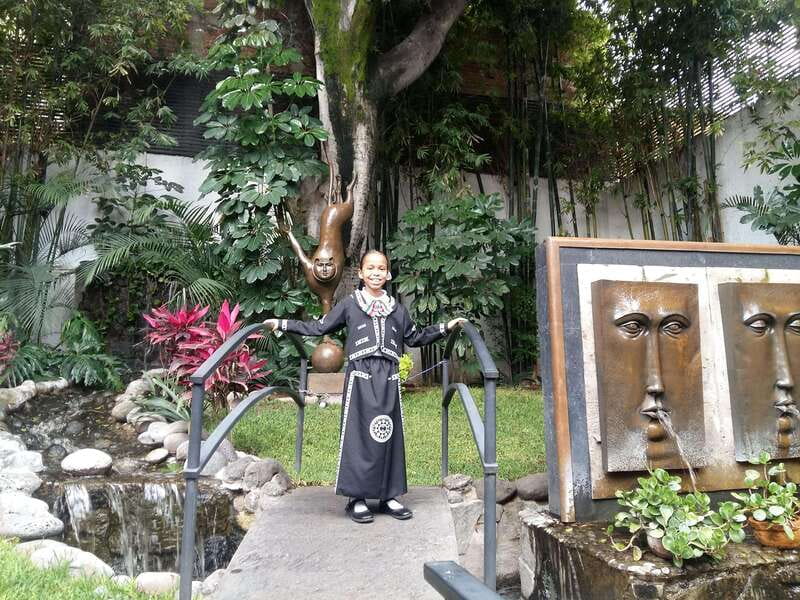
The walk includes a stop connected with a national hero of Mexican Independence who spent one night in Tlaquepaque. That detail is small, but it makes national history feel local.
You’ll get more from this story if you ask the guide to connect the overnight stay with the statues at the starting plaza. The point is not simply that a famous figure passed through. It is that Tlaquepaque has a place in the wider movement that shaped Mexico.
Because the tour is only 90 minutes according to the activity details, the historical explanation will be selective rather than a full lecture. That is a good fit for you if you want a clear introduction before exploring further on your own. It may feel too brief if you want extended historical discussion at every stop.
Candy, rompope, and a taste of Jalisco
Food makes this more than an architecture walk. At a candy factory, you can see how some traditional sweets and rompope are made, followed by a tasting.
This is one of the most practical parts of the experience because it connects local culture with something you can taste and remember. Traditional candy is easy to overlook when you are focused on churches and galleries, yet food often gives you a more direct sense of regional identity.
Rompope is a traditional drink, and the tasting adds a distinctly local note to the route. The supplied details do not specify the exact candies offered or whether the tasting includes a full meal, so plan to treat it as a sample rather than lunch. You’ll also see where to find typical Jalisco food, snacks, and restaurants, but the tour itself is not described as a restaurant meal.
If you have a sweet tooth, this stop may be a highlight. If you prefer savory food, use the final pedestrian-street stop to choose your own meal after the guided portion ends.
Mariachi, papel picado, and public celebration
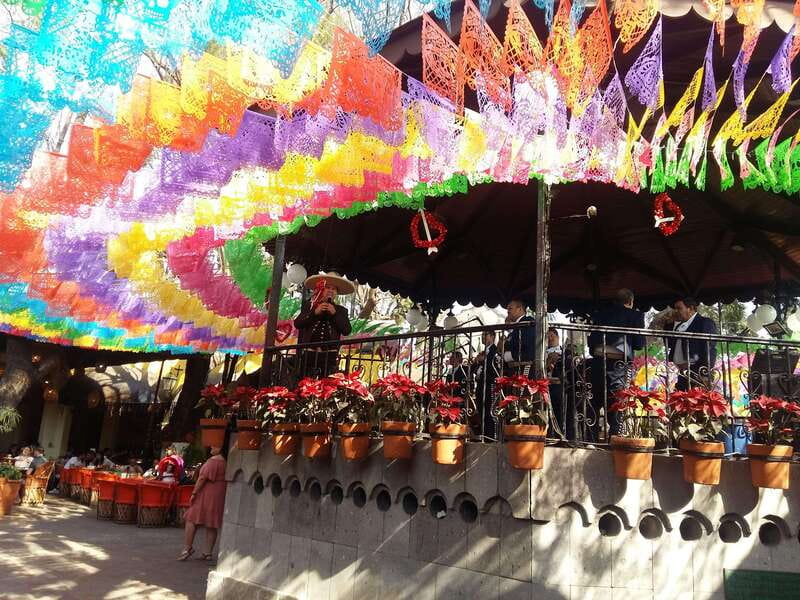
The tour shows you where to enjoy Mariachi, folkloric dancers, papel picado, snacks, and typical Jalisco food. These are presented as part of the town’s traditions and public culture, not as a promise of a private performance during every departure.
That distinction matters. You may see places associated with music and dance, and the guide can explain how they fit into Tlaquepaque’s character. Exact performances can depend on timing and what is happening in town. If live Mariachi or folkloric dancing is your main reason for booking, ask about the schedule before you pay.
Papel picado adds another visual layer. Its cut-paper designs are often used for celebrations, and here they help create the colorful setting that draws people to Tlaquepaque. The tour works well for photographers because you get several kinds of subjects: big public letters, statues, decorative streets, house interiors, craft displays, and colorful shopfronts.
Galleries and artisan stores worth your attention
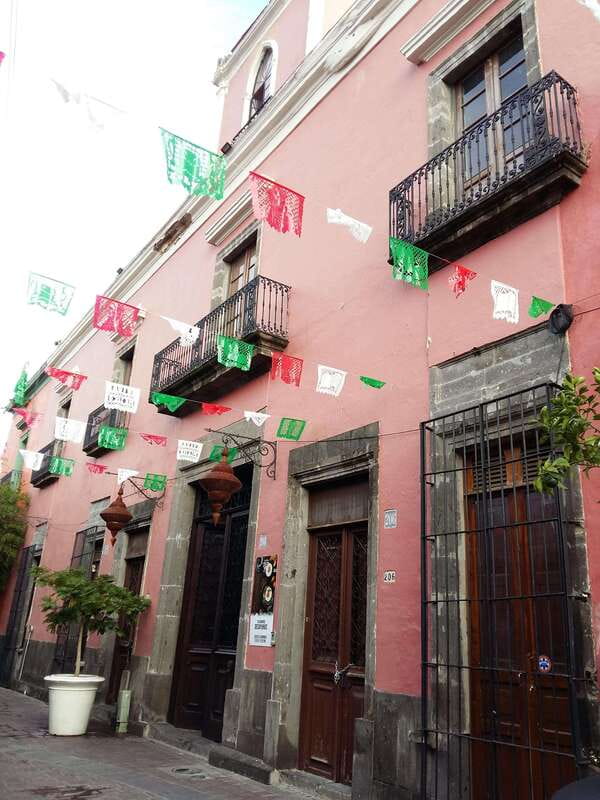
Tlaquepaque is known for art and crafts, and the walking route gives you an introduction to its galleries and artisan shops. The useful part is not simply being led past stores. The guide explains what you are seeing and helps you understand the role of handmade work in the town.
This is where Mayra’s guiding style matters. Feedback about her repeatedly points to a friendly, calm manner and excellent English. One particularly useful detail is that she can shape the time around what interests you most. If you want to linger over art, ask for more gallery context. If history or food matters more, say so early.
Do not expect a dedicated shopping tour with a long list of shops or guaranteed purchases. The route introduces the craft scene and leaves you on the main walking street, where you can return to stores at your own pace. That arrangement is helpful because you do not need to carry purchases while the guided walk continues.
The tour is especially well suited to art lovers who might otherwise miss smaller galleries or fail to understand the difference between a decorative shop and a place with a stronger craft focus. It also suits first-time visitors who want an overview before deciding where to spend their money.
The world record stop
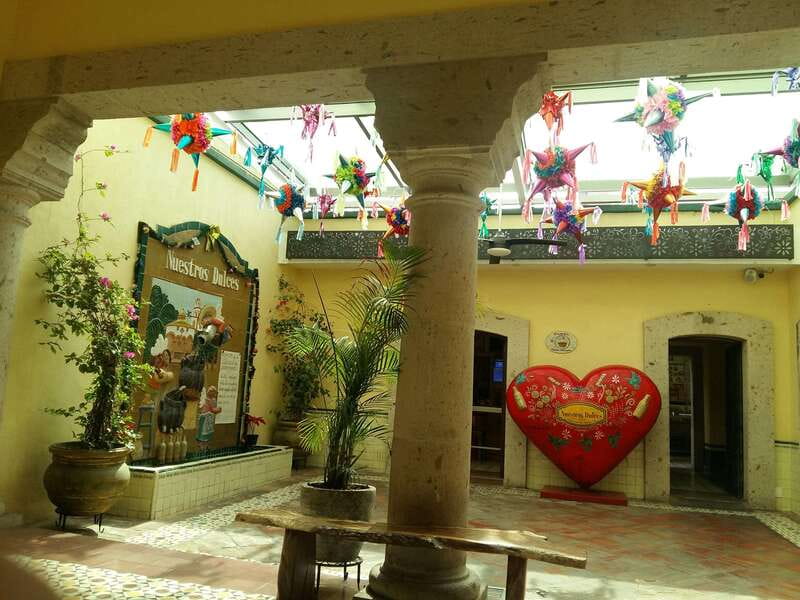
Tlaquepaque has a Guinness World Record, and the tour includes a stop to see it. The supplied details do not identify the specific record, so you should ask the guide for the full story during the walk.
That uncertainty is worth noting because the record may be a fun extra rather than the central reason to book. It adds a memorable talking point, but the tour’s real value comes from the combination of architecture, history, art, and food.
If unusual local facts appeal to you, this stop should add character to the route. If you prefer major landmarks with extensive interpretation, you may find this portion brief.
Finishing on Tlaquepaque’s main walking street
The tour ends on the main pedestrian street, surrounded by restaurants and art stores. This is a smart finish because you can continue your day without having to return to the starting point.
Use the final stop as a decision point. You can choose a restaurant for typical food, browse galleries, shop for crafts, or simply walk the route again at a slower pace. Since the guided experience does not include a full meal, this is where you can fill that gap.
The end point also makes the $32 price easier to judge. You are paying for a live guide who connects several parts of town into one story, plus the candy and rompope tasting. You are not paying for transportation, an elaborate meal, or a long museum admission package. The value is strongest if you would otherwise wander without context and want help finding art, historic interiors, and cultural details.
Timing, language, and practical planning
The activity information lists a 90-minute duration, live guiding in English and Spanish, and a meeting point beside the Tlaquepaque letters. The itinerary description also uses the phrase two hours for the guided walk and arts market visit, so confirm the start and finish times when you reserve.
The walk begins at Del Ejército 42, with the meeting point in Plazoleta Springfield. Since both the street address and the square are given, use the colorful letters as your visual landmark.
You can reserve now and pay later, and cancellation is available up to 24 hours before the activity for a full refund. Those terms are useful if your Jalisco plans are still shifting.
Mayra is the named guide associated with the strongest feedback, and her English is described as excellent. The tour is also offered in Spanish. If you have a specific interest, such as folk art, architecture, candy, or Independence history, tell the guide at the beginning so the limited time works harder for you.
Who should book this Tlaquepaque walk?
I would choose this tour if you want a friendly introduction to Tlaquepaque’s art and traditions without spending half a day on a formal museum route. It is a good match for first-time visitors, art lovers, photographers, and anyone who likes to understand the story behind colorful streets and shop windows.
Families and mixed-interest groups may also find it useful because the route changes often: photos, statues, churches, house patios, candy, galleries, and food suggestions. The variety helps keep a short walk from feeling repetitive.
I would think twice if you want a guaranteed Mariachi performance, a full meal, or a detailed tour of every church and museum. The experience is an overview, and 90 minutes leaves little room for long stops.
Should you book it?
Book this tour if you want someone to connect the visible and edible parts of Tlaquepaque: its craft shops, historic houses, churches, candy, rompope, Mariachi traditions, and colorful public spaces. At $32, it offers good value when you want orientation and local context, especially with an English-speaking guide such as Mayra.
Skip it if you prefer to shop alone or already know the town well. For most first visits, though, the walk gives you a useful starting point and leaves you in the right place to keep exploring, eating, and buying art afterward.
FAQ
Where does the Tlaquepaque tour meet?
The meeting point is beside the large colorful Tlaquepaque letters in Plazoleta Springfield. The listed starting address is Del Ejército 42.
How long does the tour last?
The activity details list a duration of 90 minutes. The itinerary description also refers to a two-hour guided walk and arts market visit, so confirm the exact timing when booking.
What languages are available?
The live guide is available in English and Spanish.
Who is the guide?
The named guide is Mayra. The activity information identifies her as the guide associated with the tour, and the available feedback specifically praises her English and friendly manner.
How much does the experience cost?
The listed price is $32 per person.
What will I see during the walk?
You’ll see Tlaquepaque’s colorful letters, two churches, large historic houses with patios and fountains, galleries, artisan stores, statues connected with Mexican Independence, and the town’s Guinness World Record site.
Is food included?
The experience includes a tasting at a candy factory, where you can learn how traditional candies and rompope are made. It also points you toward typical Jalisco food, snacks, restaurants, and food areas, but a full meal is not listed.
Does the tour include Mariachi and folkloric dancing?
The tour shows you where to enjoy Mariachi and folkloric dancers, along with papel picado and local food traditions. A specific live performance is not listed as guaranteed for every departure.
Can I cancel the booking?
You can cancel up to 24 hours in advance for a full refund. The activity also offers a reserve-now, pay-later option.
Just added around the world
- Wilmington History and Architecture Tour★ 4.8 · 18 reviews
- Washington, DC: Georgetown Architecture Walking Tour★ 5.0 · 8 reviews
- New Orleans : Garden District Architecture Walking tour★ 4.8 · 5 reviews
- Washington DC: Dupont Circle & Embassy Row Architecture Tour★ 5.0 · 6 reviews
- Vicenza: discovering the city of Palladio by e-bike★ 5.0 · 4 reviews
- Vicenza: Palladian Architecture Private Walking Tour★ 3.3 · 3 reviews
- Walk & Discover KL’s Architectural and Heritage Gems★ 5.0 · 7 reviews
- Unveiling Brno: History, Culture & Architectural Delights★ 5.0 · 2 reviews
Mexico Architecture Tours, compared.
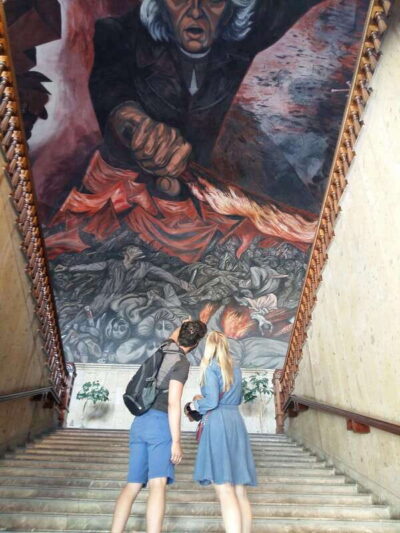
Guadalajara: Culture, Architecture, and Market Walking Tour
Read our review →
Architecture and History of Mexico City – Small Groups
Read our review →
Mexico City: 1960s &1970s Mexican Architecture Walking Tour
Read our review →
Guadalajara: Private Food Tour and Architecture Sightseeing
Read our review →
Browse the lists this tour appears in