
Review · MEXICO
Architecture and History of Mexico City – Small Groups
Mexico City’s center reads like a stack of different cities placed on top of one another. This walk helps you see the layers, from Mexica remains and Spanish colonial buildings to grand early-20th-century architecture and later artistic movements. Raul’s storytelling links those pieces instead of treating each building as an isolated photo stop.
I like the small maximum of six people, which gives you room to ask questions and keeps the walk more personal. I also like the route’s range: the House of Tiles, Palacio Postal, Bellas Artes, and Templo Mayor each show a different side of the city. The main drawback is that this is a fairly brisk three-hour walk, with no private transportation and only limited time at each stop.
Key points to know before you book
- Raul makes the city’s layers easier to read: His approach connects architecture with politics, art, sociology, and Mexico’s pre-Hispanic and Spanish past.
- The group is capped at six people: That is a useful size for questions and conversation without the feel of a large walking tour.
- The route covers eight major sights: You move from Torre Latinoamericana to the Zócalo, passing colonial, eclectic, modern, and archaeological sites.
- The House of Tiles is more than a quick exterior stop: You may see artwork inside, use balconies for views, and trace the building’s development across almost 300 years.
- The tour is strongest as a first-day orientation: The route gives you background that can make later visits to central Mexico City and the Anthropology Museum easier to understand.
- Plan for walking and changing conditions: The tour lasts about three to three and a half hours, requires moderate fitness, and depends on good weather.
Why this walk is useful on your first day
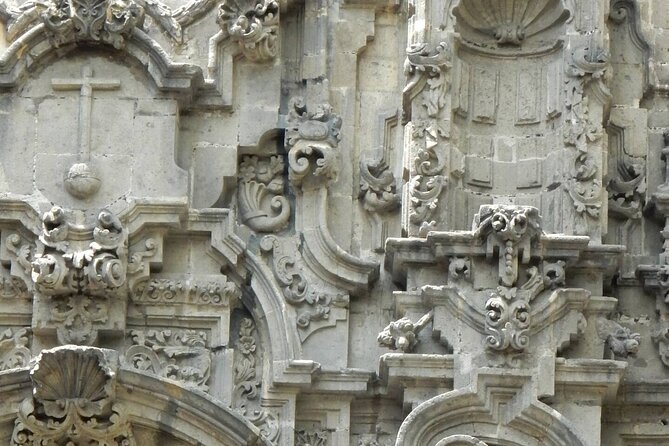
Mexico City can feel confusing at first because its historic center has so many periods packed into a small area. A colonial church may sit near a grand French-influenced building, while archaeological remains point to a much older city beneath the modern streets.
That is where this experience earns its price. At $83.59 per person, it is not the cheapest way to stroll through Centro Histórico, but you are paying for a guide-led explanation of how the pieces fit together. With a maximum of six people, the cost is easier to justify if you want context rather than a simple list of names and dates.
I would schedule it early in your stay. The guide’s background on pre-Hispanic Mexico, Spanish rule, later political change, murals, and architectural styles can give you a useful framework for the rest of your visit. One particularly practical benefit is that the walk can prepare you for a later museum visit, including the National Museum of Anthropology, by giving you some historical bearings first.
The route is offered in English and includes bottled water. You receive a mobile ticket, and public transportation is nearby. Private transportation is not included, so you need to reach the Torre Latinoamericana meeting point on your own.
More history tours in the world:
- Chicago in a Day: Food, History & Architecture Walking Tour
★ 5.0 · 1,153 reviews - Kuala Lumpur: Batu Caves & Historic Buildings Tour
★ 4.7 · 539 reviews - Charleston’s Best Highlights: History, Culture & Architecture
★ 5.0 · 422 reviews
Starting at Torre Latinoamericana
The walk begins at Mirador Torre Latino, beside the Torre Latinoamericana in the Centro Histórico. The first stop lasts about 30 minutes and uses this corner as a way to read Mexico City’s growth.
You are not simply looking at one tower. The point is to see how several periods of construction and urban change appear together. From here, Raul sets up the main idea of the tour: Mexico City is a place where old foundations, colonial structures, modern buildings, and later artistic styles share the same streets.
This is a smart opening because it gives you a visual map before the route becomes more detailed. You can begin to recognize the city as a layered place rather than a single historic district with a uniform style.
There is no admission charge listed for this stop. Since the experience begins outdoors, bring comfortable shoes and be ready to remain on your feet while listening.
San Francisco and the materials of the city
The next stop is the Atrium of the Temple of San Francisco, with about 25 minutes set aside for it. Here, the discussion turns toward building materials and the major historical processes that shaped Mexico.
This stop matters because architecture is not only about decoration. Materials tell you about technology, resources, building traditions, and the changes brought by different ruling powers. Raul uses the church and its atrium to explain how Mexico City was physically built and rebuilt.
The shorter time here means you should expect a focused explanation rather than an extended church visit. Still, it is an important bridge between the broad opening view and the more detailed buildings ahead. The atrium also gives the walk a calmer historic setting before you move into the city’s grander civic and cultural spaces.
The House of Tiles and its unusual vantage points
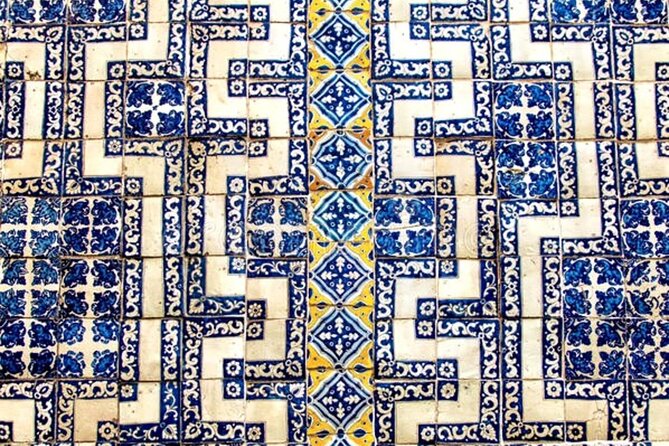
The House of Tiles receives another 25 minutes, and it is one of the route’s most distinctive stops. You examine an artwork inside, use the balconies to look toward other buildings, and follow the building’s changes over almost 300 years.
That combination is what makes the stop worthwhile. You are looking at the building itself, but also using it as a viewing point for the surrounding center. The balcony perspective can help you notice how nearby facades relate to one another, something that is easy to miss when you remain at street level.
The House of Tiles also gives Raul a chance to show how architecture changes with time. A building may begin with one purpose, acquire new decoration or uses, and gain a different meaning as the city around it changes. This is the kind of explanation that turns a famous facade into a historical document.
You should not assume this stop includes a long indoor visit. The description says the balconies and interior artwork are used as part of the discussion, so the exact access may depend on conditions at the time.
A few more architecture tours around the world worth a look
- Chicago Architecture River Cruise
★ 5.0 · 15,756 reviews - Chicago River 90-Minute Architecture Tour
★ 4.5 · 9,629 reviews - Chicago River: 1.5-Hour Guided Architecture Cruise
★ 4.8 · 8,046 reviews - Chicago Architecture Center River Cruise aboard First Lady
★ 5.0 · 5,536 reviews
Bellas Artes, politics, art, and the city around it
The Palacio de Bellas Artes is scheduled for about 20 minutes. The focus here is not only the building’s appearance, but the political, historical, and artistic setting in which it and its neighbors were created.
That wider view is useful. Bellas Artes is easy to treat as a grand concert hall and museum seen from the outside, yet its meaning is tied to the ambitions and conflicts of the period in which it was built. Raul’s approach places the building among nearby structures and connects architecture to national identity and artistic life.
Admission to Palacio de Bellas Artes is not included. The listed stop appears to be an exterior discussion rather than a full museum visit, so confirm your expectations if entering the building is especially important to you.
The 20-minute limit keeps the walk moving, but it also means you will need to return on your own if you want more time with the murals, galleries, or interior spaces.
Palacio Postal and a striking early-20th-century interior
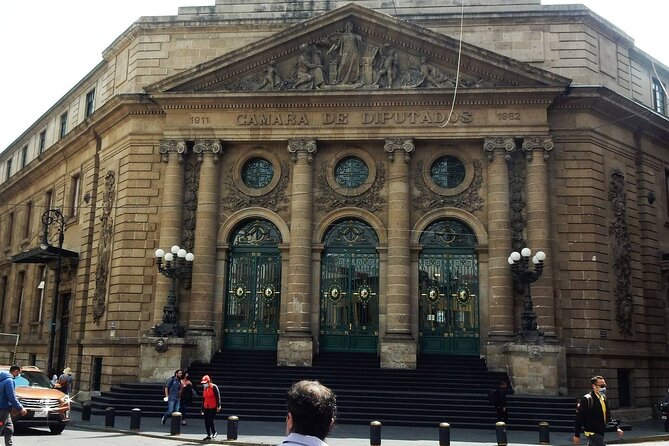
The Palacio Postal is another 20-minute stop. This early-20th-century post office is admired for its ornate design, and the tour may include a look inside depending on the time of day.
That qualification is worth noting. The interior visit is not guaranteed, so think of this as a chance to see the building and learn about it, not as a promised extended indoor tour. If the timing works, the interior adds another useful example of the city’s eclectic architectural taste.
This stop also breaks up the route nicely. After the broad historical discussion at Bellas Artes, Palacio Postal gives you a building where decorative detail becomes the main subject. You can compare it with the simpler colonial forms seen earlier and see how Mexico City adopted and adapted outside influences in the early 1900s.
Admission is listed as free. The tour does not promise extra time for photography or close inspection, so keep your attention on the guide’s explanation while you are there.
Plaza Tolsá and the city’s eclectic mix
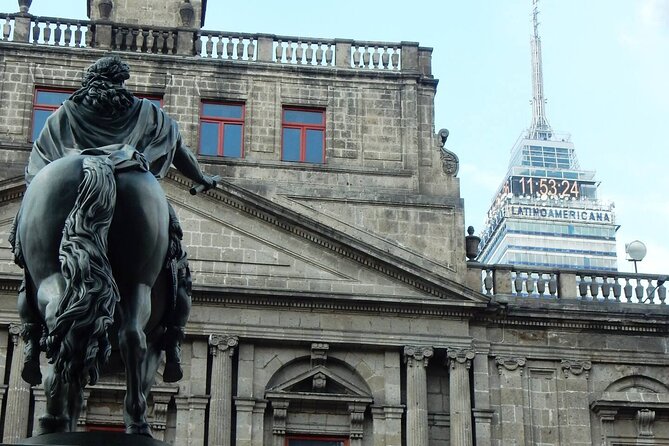
At Plaza Tolsá, the group spends about 20 minutes looking at the buildings around the statue of Charles IV of Spain. This is a useful place to discuss eclectic architecture, since several styles can be compared within one public square.
The value here comes from comparison. Rather than hearing a separate explanation for one building at a time, you can look across the plaza and see how different periods and design ideas share the same urban space. The statue also opens a conversation about Spain’s role in Mexico’s colonial past and the way public monuments shape a city’s memory.
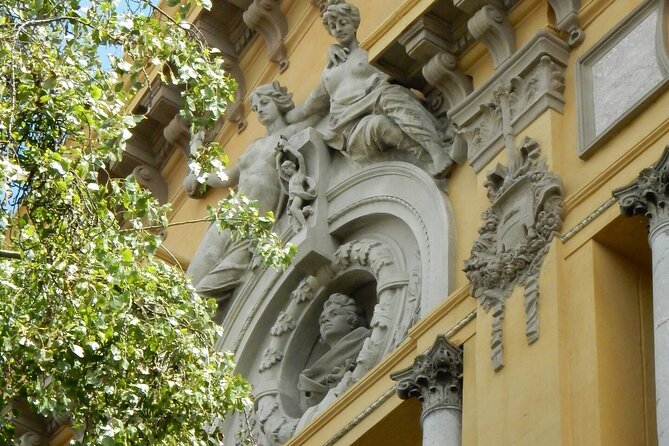
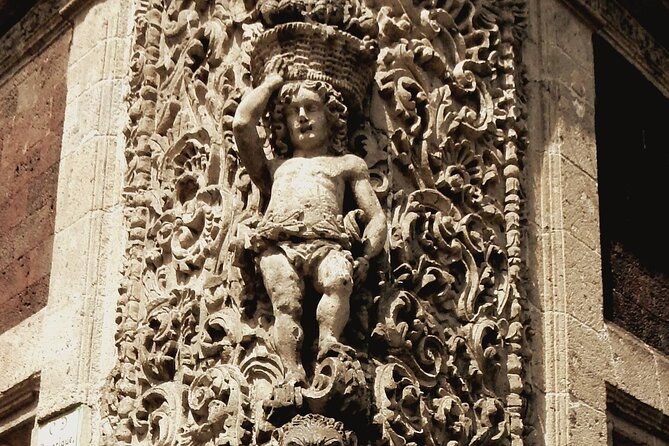
This may be one of the best stops for anyone who wants to learn how to observe architecture. Raul draws attention to details that you might otherwise walk past, including decorative forms and the symbols used on buildings. His discussion has also included mythical figures such as griffins and mermaids, which can make the facades easier to read after the tour ends.
Templo Mayor and the city beneath the city
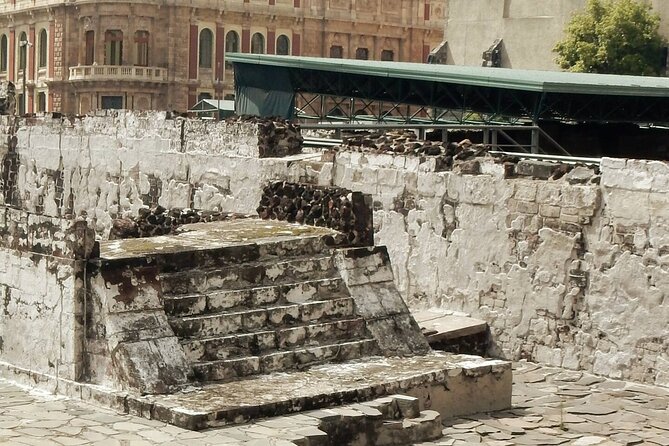
Near the end of the walk, you visit the archaeological site at the Museo del Templo Mayor for about 20 minutes. This is where the route’s earlier references to pre-Hispanic Mexico become more concrete.
The site is crucial to understanding why the center feels layered. Modern Mexico City occupies ground shaped by the Mexica capital and the Spanish city that followed. Seeing an archaeological site in the middle of the current capital makes that sequence easier to grasp than a museum label alone can do.
The listed admission is included for this stop. The time is short, so you should expect an introduction rather than a full museum visit. If archaeology is a major interest, you may want to return later with more time, but the guided stop gives you a strong reason to do so.
This is also a good point in the route to ask questions. Raul’s strength, based on the information available about his approach, is connecting architecture with social and political change rather than presenting facts in isolation.
Ending in the Zócalo
The walk ends in the Zócalo, Mexico City’s main square, after about 20 minutes there. This final stop brings together the themes introduced at the tower: pre-Hispanic foundations, Spanish colonial power, national politics, public art, and the modern city.
Ending here makes practical sense. The square is a central place to continue exploring, and Raul can answer questions and offer recommendations for the rest of your visit or a future return. You finish at Constitution Plaza rather than circling back to the starting point, so plan your next activity from the Zócalo area.
The Zócalo is also the right place for a final comparison of the route’s buildings. By this point, you have seen churches, civic buildings, an ornate post office, an archaeological site, and major cultural landmarks. The closing discussion helps turn those separate stops into one connected story.
The guide and the small-group format
Raul is the named guide associated with this experience, and his role is central to its appeal. The strongest praise focuses on his warm manner, preparation, passion for the city, and ability to connect architecture with history, art, and sociology.
That matters because this is not a tour built around admission to a major attraction. Much of its value comes from explanation. Raul has also helped with practical problems, including communicating before the tour and waiting when a group went to the wrong meeting location. You should still go carefully to Torre Latinoamericana, but that level of communication is reassuring.
The six-person limit is another real advantage. You can ask about a building, request clarification, or connect the discussion to your own plans without trying to speak over a large crowd. A small group also makes it easier to keep together on city streets.
The tradeoff is that the experience depends heavily on the guide’s presentation. If you prefer to explore independently, take long photo breaks, or spend an hour inside each attraction, this route may feel too structured and quick.
Timing, price, and practical planning
The walk lasts about three to three and a half hours, including travel time between stops. Each site receives roughly 20 to 30 minutes, so wear shoes you can comfortably use for several hours and bring the level of fitness expected for a moderate walking activity.
The meeting point is Torre Latinoamericana, Eje Central Lázaro Cárdenas 2, in Centro Histórico. The end point is Constitution Plaza, also called the Zócalo. Public transportation is nearby, but private transportation is not provided.
At $83.59 per person, the price makes the most sense for someone who values a detailed English-language explanation and a very small group. It is less attractive if you only want landmark photos or plan to visit every attraction at length. The route covers a lot, but its purpose is interpretation, not extended admission time.
Bottled water is included. A mobile ticket is provided, and confirmation arrives at booking. The activity depends on good weather. If poor weather causes cancellation, you are offered another date or a full refund, but the booking itself is non-refundable and cannot be changed for another reason, so choose your date carefully.
Who should book this experience?
I would recommend it to a first-time visitor who wants a clear introduction to central Mexico City. It suits you especially well if you enjoy architecture, urban history, art, and the way political events leave marks on buildings.
It is also a strong choice for anyone who likes asking questions. The group size gives you more access to the guide than a large city walk usually allows, and the final stop gives you time to ask for suggestions for the rest of your visit.
You may want a different plan if you need wheelchair-specific arrangements, although the available information only states that moderate physical fitness is required and does not provide accessibility details. You should also think twice if heavy rain or uncertain weather is expected, since the activity requires good conditions.
Should you book the architecture and history walk?
Book it if you want Mexico City’s historic center explained as one connected story. The route covers an impressive range in a short time, and Raul’s focus on architecture, art, politics, and social change gives the buildings more meaning.
I would place it near the start of your trip, then return later to the places that catch your attention. The three-hour pace will not satisfy someone seeking long museum visits, but for a small-group orientation with a strong guide and a broad route, $83.59 can be good value.
FAQ
How long does the experience last?
It lasts approximately three to three and a half hours, including travel time between stops.
Where does the tour begin?
It begins at Torre Latinoamericana, Eje Central Lázaro Cárdenas 2, in Mexico City’s Centro Histórico.
Where does the tour finish?
It finishes at Constitution Plaza, also known as the Zócalo, Mexico City’s main square.
Is the experience offered in English?
Yes. The experience is offered in English.
How many people can join the group?
The group has a maximum of six travelers.
Is transportation included?
Private transportation is not included. Public transportation is nearby, and the allotted travel time between stops is included in the total duration.
Is admission to Palacio de Bellas Artes included?
No. Admission to Palacio de Bellas Artes is not included.
Is admission to the Templo Mayor site included?
Yes. Admission to the Museo del Templo Mayor stop is included.
Is bottled water provided?
Yes. Bottled water is included.
Can the tour be canceled because of weather?
Yes. The experience requires good weather. If it is canceled because of poor weather, you are offered a different date or a full refund.
Just added around the world
- Wilmington History and Architecture Tour★ 4.8 · 18 reviews
- Washington, DC: Georgetown Architecture Walking Tour★ 5.0 · 8 reviews
- New Orleans : Garden District Architecture Walking tour★ 4.8 · 5 reviews
- Washington DC: Dupont Circle & Embassy Row Architecture Tour★ 5.0 · 6 reviews
- Vicenza: discovering the city of Palladio by e-bike★ 5.0 · 4 reviews
- Vicenza: Palladian Architecture Private Walking Tour★ 3.3 · 3 reviews
- Walk & Discover KL’s Architectural and Heritage Gems★ 5.0 · 7 reviews
- Unveiling Brno: History, Culture & Architectural Delights★ 5.0 · 2 reviews
Historical Tours, compared.
Chicago in a Day: Food, History & Architecture Walking Tour
Read our review →
Kuala Lumpur: Batu Caves & Historic Buildings Tour
Read our review →
Charleston’s Best Highlights: History, Culture & Architecture
Read our review →
Palm Springs Modernism Architecture & History Bike Tour
Read our review →
Charleston: History and Architecture Guided Walking Tour
Read our review →
Historic Georgetown: History, Gossip, & Architecture Walking Tour
Read our review →
Charleston History, Homes, and Architecture Guided Walking Tour
Read our review →
Browse the lists this tour appears in