
Review · MEXICO
Mexico City: 1960s &1970s Mexican Architecture Walking Tour
Mexico City’s 1960s architecture was not shy. It used huge forms, indigenous symbols, modern art, and bold ideas about the future. This three-hour walk through Chapultepec Park shows how those ideas took shape, starting at the National Museum of Anthropology and ending at Hotel Camino Real, a 1968 Olympic-era landmark with an art collection tucked inside.
I like the way the tour connects architecture with politics and society, rather than treating buildings as pretty objects. I also like the small-group format, the included museum tickets, and the chance to see several major works without spending your day crossing Mexico City.
The main drawback is the $192 price, which is high for a three-hour tour. One useful warning: the experience is described as wheelchair accessible, but it is also marked unsuitable for people with mobility impairments. Ask for clarification before booking if walking or uneven ground is a concern.
Key points to know before you book
- The National Museum of Anthropology sets the tone: You’ll see how pre-Hispanic ideas shaped one of Mexico’s most important modern buildings.
- Three museum entries are included: Your ticket covers the Anthropology Museum, Tamayo Museum, and Modern Art Museum.
- Natalia earns especially strong praise: She is noted for clear explanations, local insight, and tailoring the discussion to each group’s interests.
- The route stays in Chapultepec Park: You won’t spend the tour in taxis or traffic, and the sites are close enough to visit in one focused outing.
- The final stop is Hotel Camino Real: Built for VIPs during the 1968 Olympics, it combines a hotel interior with a substantial display of modern Mexican art.
- This is architecture with a history lesson attached: If you want only technical building analysis, the tour may feel broader than expected.
Why Mexico City’s 1960s architecture matters
The decades after the Mexican Revolution brought a strong interest in presenting Mexico as modern, confident, and rooted in its own culture. Architects were not simply copying European or North American styles. They were asking how new buildings could express Indigenous ideas, national identity, scientific optimism, and social change.
That tension gives this outing its purpose. You’ll see buildings from the 1960s through the early 1980s, a period when concrete, sculpture, public art, and large civic projects changed the look of Mexico City.
I find this more useful than a standard architecture walk that only names architects and dates. Here, the guide explains why a building looks the way it does and what its design says about Mexico at that time. You should expect discussion of politics, Mesoamerican culture, art, and the city’s public image.
The tour is led in Spanish or English by a guide with a graduate academic degree in art history, history, or architecture. Natalia is the guide most often named in the feedback, and her strengths are clear: she explains complex subjects in an engaging way, answers questions patiently, and adjusts the discussion to match your interests.
More architecture walks in the world:
- Lecce: Baroque Architecture and Underground Walking Tour
★ 4.6 · 1,248 reviews - Chicago in a Day: Food, History & Architecture Walking Tour
★ 5.0 · 1,153 reviews - Ramblas, Old Town, Gothic and Gaudi Architecture Walking Tour
★ 5.0 · 723 reviews
Starting at the National Museum of Anthropology
You meet at the Porrua Bookstore in Chapultepec Park, near the ticket booth. This detail matters because Mexico City has many Porrua bookstores. Go to the branch inside Chapultepec Park, where the guide waits with the Walk Mexico project logo.
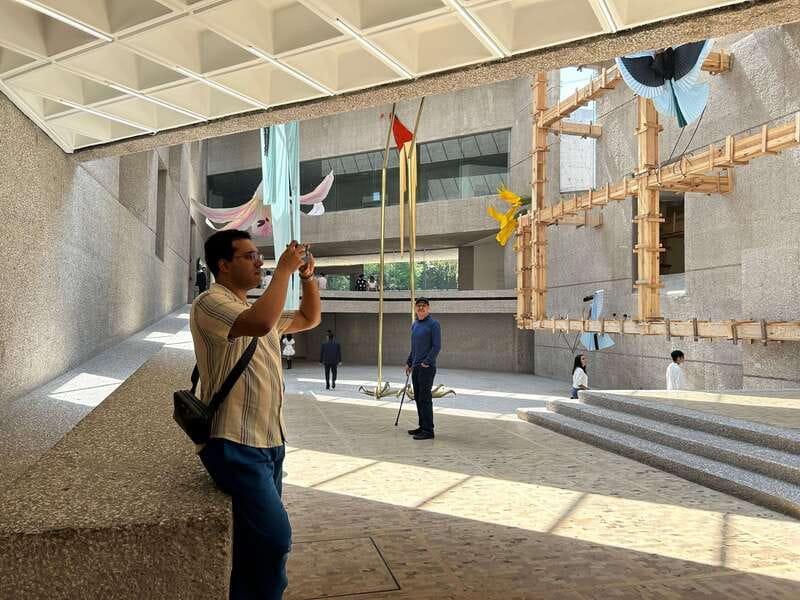
The National Museum of Anthropology is the first major stop, and it is the strongest part of the experience for anyone curious about how ancient cultures influenced modern design. The building is a major work of 1960s Mexican architecture, created by one of the country’s best-known architects from that period.
The focus is not just on the museum’s collections. You’ll study the building itself, including the way it reflects pre-Hispanic cosmology. The design was also shaped by a collaboration between the architect and well-known artists, who helped express Indigenous worldviews through sculpture and architectural details.
That collaboration is important. It shows that the museum was conceived as more than a container for archaeological objects. The structure, artwork, and displays were intended to work together. You’ll learn to look for connections between the building’s layout, its symbolic forms, and the cultural ideas it presents.
For me, this is where the tour offers the greatest value. You can walk through the museum on your own and admire its scale, but a good guide helps you notice why the architecture feels ceremonial and how modern materials were used to refer back to older traditions.
The museum is also a substantial institution, so three hours cannot cover every room or collection. The tour is better for understanding the building’s ideas than for seeing every archaeological object. If you want a full museum visit, plan extra time before or after the walk.
From ancient references to the Tamayo Museum
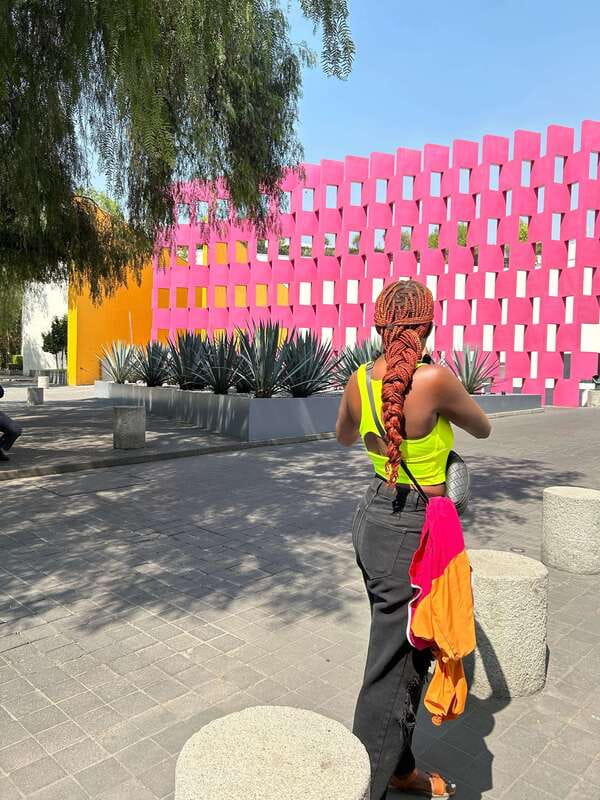
A short walk through the park brings you to the Tamayo Museum of Contemporary Art. The museum honors Rufino Tamayo, an influential Mexican artist, and its architecture shifts the conversation toward modern art and the natural setting around it.
The building was designed by two important architects in the early 1980s. Its modernist approach works with the surrounding park rather than treating the museum as a completely separate object. You’ll consider how its shape, materials, and placement relate to Mexico’s artistic tradition while still looking forward.
This stop helps balance the Anthropology Museum. The first building draws heavily on Mesoamerican ideas and national identity. The Tamayo Museum shows a later phase, when Mexican architecture could be modern and international without giving up its connection to local art.
The museum ticket is included, which is a real advantage at this price. You are not paying for a walk that only pauses outside buildings. You get access to the interiors of the Anthropology Museum, Tamayo Museum, and Modern Art Museum, subject to the tour’s timing.
Still, keep your expectations practical. A three-hour route has to move along. You’ll receive interpretation at each location, but you may not have unlimited time to study every gallery at your own pace. If a particular museum matters greatly to you, ask the guide how much time will be available there.
The Space Age building near the park museums
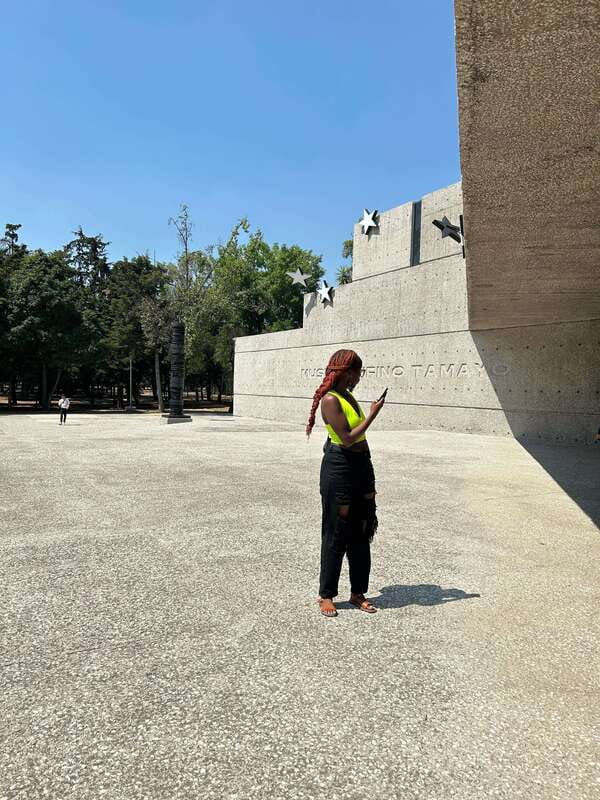
Not far from the Tamayo Museum, the route reaches a striking example of 1960s design inspired by the Space Age. The structure reflects the era’s faith in science, technology, and the future.
The supplied details do not name the building, so you should not book this tour expecting a specific famous landmark by name. The point is the design language: unusual form, practical function, and the futuristic optimism that shaped architecture during the period.
This stop gives the tour some variety. You move from Indigenous references and museum design to a building that looks toward space-age progress. That contrast makes the social context easier to understand. Mexico’s architects were working within a country with a long pre-Hispanic past, yet they were also responding to modern technology and international change.
It is a good example of why the tour may feel partly like a history walk. One person who rated the experience less highly felt that the history sometimes outweighed the architecture. I think that is a fair consideration. You’ll hear about buildings, but also about the ideas and events that made those buildings possible.
If you want detailed structural analysis, ask questions about materials, form, function, and the architect’s choices. Natalia, in particular, is described as willing to tailor the conversation to specific interests.
A few more architecture tours around the world worth a look
- Chicago Architecture River Cruise
★ 5.0 · 15,756 reviews - Chicago River 90-Minute Architecture Tour
★ 4.5 · 9,629 reviews - Chicago River: 1.5-Hour Guided Architecture Cruise
★ 4.8 · 8,046 reviews - Chicago Architecture Center River Cruise aboard First Lady
★ 5.0 · 5,536 reviews
Ending at Hotel Camino Real and its art-filled interior
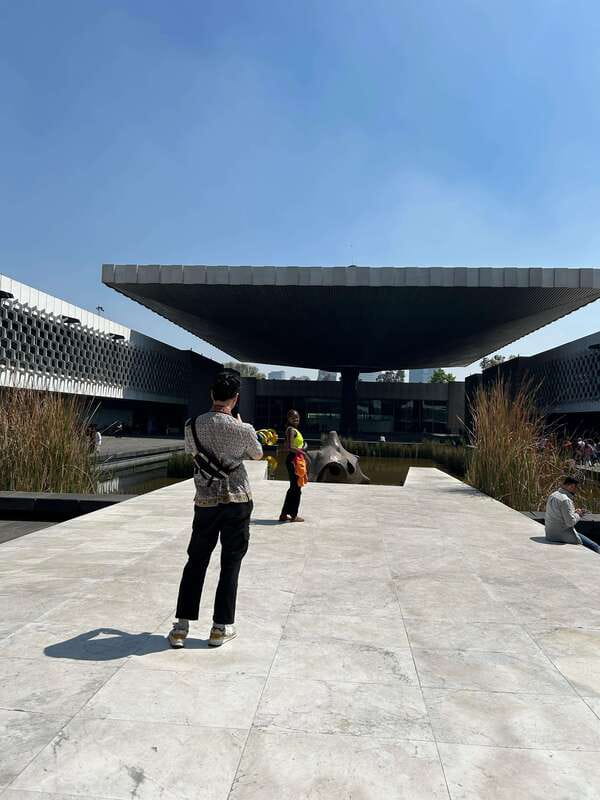
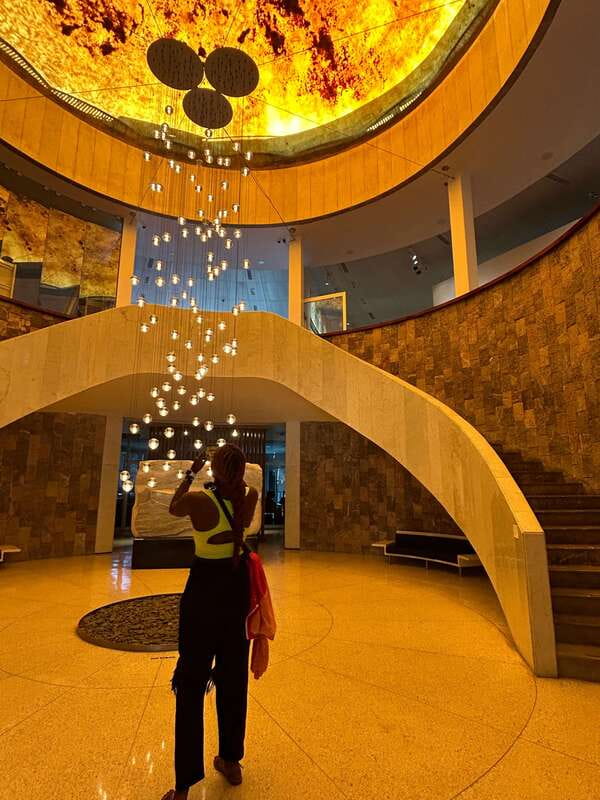
The final stop is Hotel Camino Real, built to receive VIPs during the 1968 Olympic Games. The hotel gives the tour a different mood from the public museums. It was created for hospitality and international attention, but it also contains a notable collection of modern Mexican art.
That combination is what makes the ending memorable. You are not simply looking at a hotel as a place to sleep. You are seeing how architecture, art, and national presentation came together during a major international event.
The hotel reflects the spirit of its era: modern, polished, and designed to show Mexico in a confident light. The art inside adds another layer, turning the building into a kind of art hotel. It is a fitting final stop because it brings together the themes from the rest of the route: modern design, Mexican identity, public image, and the role of art in architecture.
The hotel is also one reason the tour feels broader than a standard museum visit. You get to compare civic architecture, art museums, futuristic design, and commercial hospitality in one compact area.
What the $192 price includes
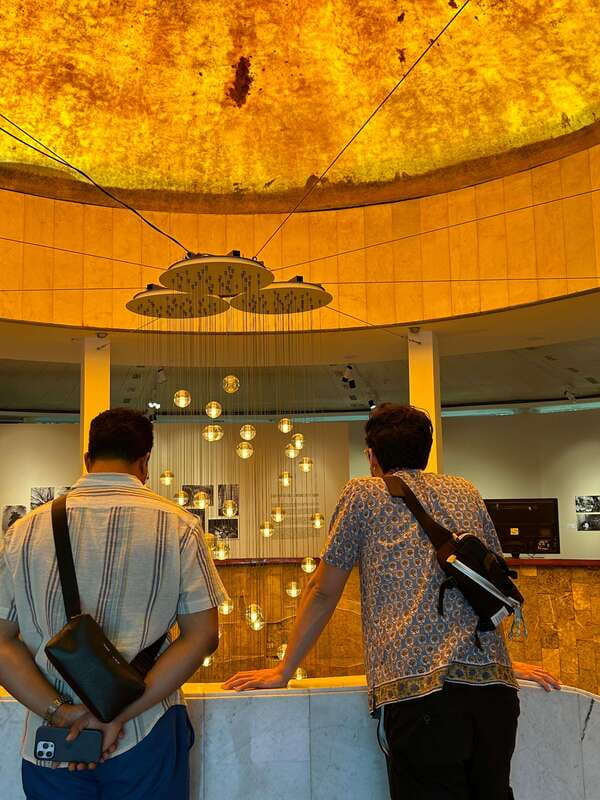
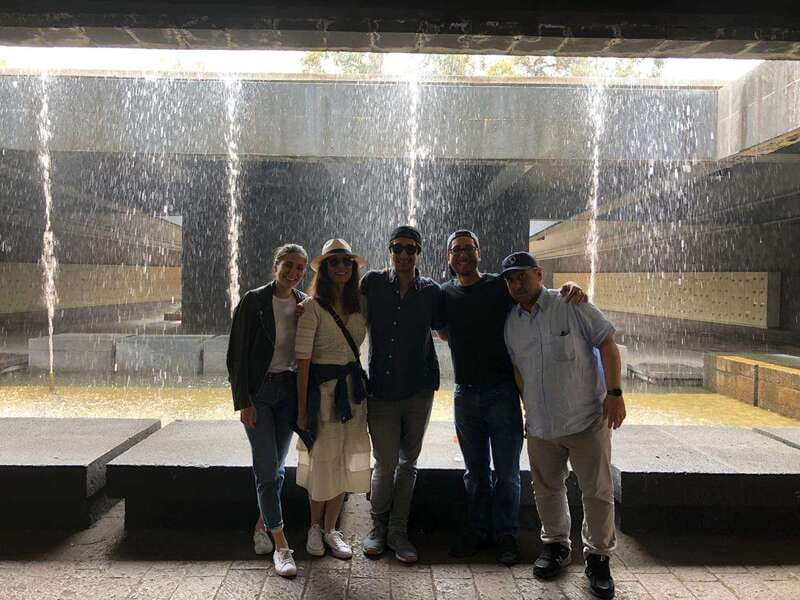
At $192 per person, this is not a budget walking tour. The price includes an expert guide, museum tickets for three institutions, and headsets for larger groups so you can hear clearly. The group is limited to 10 people, which should make it easier to ask questions and keep the discussion personal.
The strongest value comes when you want interpretation rather than simple entry. The tickets have a clear monetary value, but the real reason to book is access to an art historian, historian, or architect who can link the buildings together.
The price is harder to justify if you only want to see the museums. You could visit them independently and spend more time inside each one. You are paying for the explanation, the route, the connections between sites, and the guide’s local knowledge.
The feedback gives a useful picture of what you may receive. Natalia is praised for being friendly, engaging, and able to adapt the tour to personal interests. One couple received what became a private experience because the rest of the group did not arrive. Another participant said the guide’s Mesoamerican context at the Anthropology Museum was the favorite part of the day.
There is also evidence that the guide may offer helpful suggestions beyond the scheduled route. One participant received recommendations for future visits and help arranging a separate visit to a Luis Barragán-designed house. That kind of extra advice is not guaranteed, but it shows the potential value of booking with someone who knows Mexico City’s art and architecture scene well.
Walking, timing, and what to bring
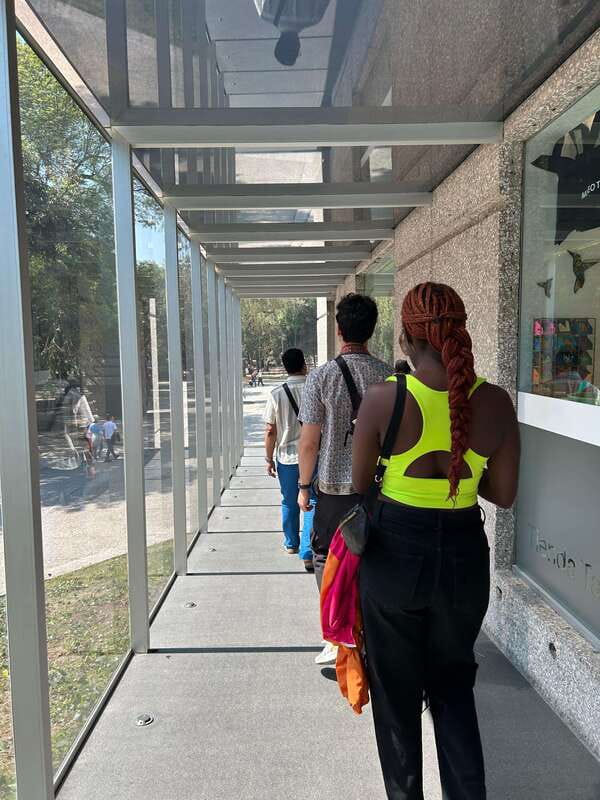
The tour lasts three hours and stays in Chapultepec Park, with the main sites close enough to connect on foot. The description says you will not have to walk much, but it is still a walking tour with several stops. Wear comfortable shoes.
Bring sunscreen and rain gear. The experience operates rain or shine, so a sudden shower will not automatically cancel the outing. A camera is welcome, and the sites are described as safe and enjoyable for photography.
Do not bring luggage or large bags. This is especially useful to know if you are arriving from another hotel or heading directly to the airport. Make other arrangements for large items before meeting the guide.
The tour is offered in English and Spanish. Larger groups receive headsets, while the small-group limit keeps the outing from feeling crowded. You can reserve now and pay later, and cancellation is free up to 24 hours before the start time.
There is one practical inconsistency in the information. The activity is marked wheelchair accessible, but it is also listed as unsuitable for people with mobility impairments. Since the route includes museums, park paths, and multiple stops, contact the provider before booking if you need step-free access or have trouble walking.
Who will get the most from this tour
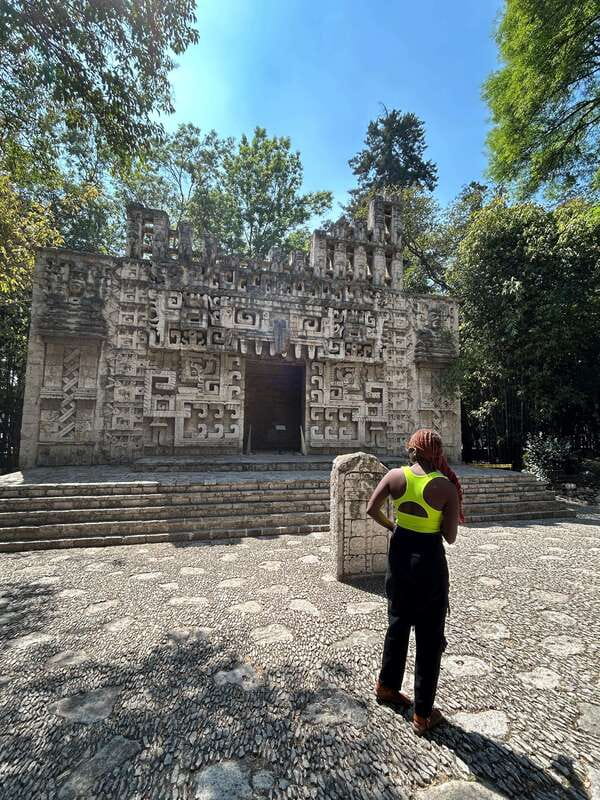
I would recommend this experience to you if you like architecture but want more than dates and architect names. It is especially suitable if you enjoy museums, modern Mexican art, Mesoamerican culture, and the social forces behind public buildings.
It also works well for a first or second visit to Mexico City. You’ll see three important cultural sites in one organized route, then leave with ideas for places to explore later. The guide’s recommendations can help shape the rest of your trip.
You may want to skip it if you prefer a relaxed museum day with plenty of independent time. You may also find the price too steep if your main goal is casual sightseeing. The tour makes the most sense for someone willing to pay for expert interpretation.
Should you book the 1960s and 1970s architecture walk?
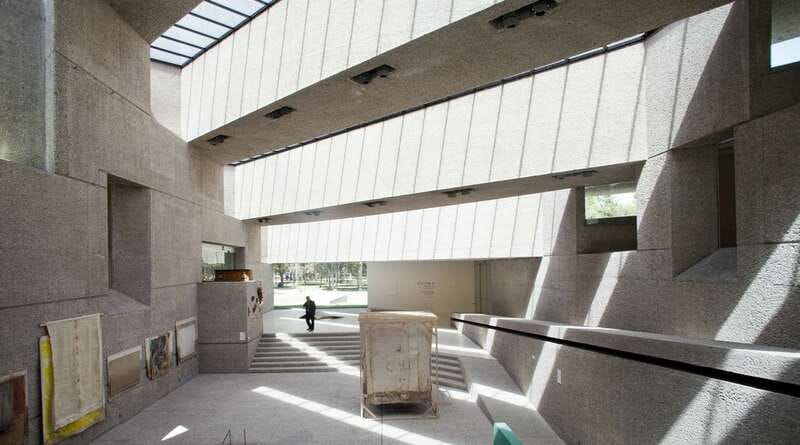
Book it if you want to understand how Mexico City used architecture and art to express a changing national identity. The Anthropology Museum is the standout stop, while the Tamayo Museum, Space Age design, and Hotel Camino Real create a useful progression from ancient references to modern ambition.
Natalia appears to be a particularly strong guide, with a talent for clear explanations and personal attention. Still, the tour is not a pure architecture class. It includes history, politics, art, and cultural context, which some people will find essential and others may find slightly off target.
At $192, I would choose it for a special-interest day, not as a casual filler activity. If the subject appeals to you and the museum tickets are useful, the small group and expert guide can make the cost worthwhile. If you want a cheap introduction to Chapultepec Park, choose another outing.
FAQ
How long does the architecture tour last?
The tour lasts three hours.
Where does the tour begin?
You meet inside the Porrua Bookstore in Chapultepec Park, near the ticket booth. Make sure you use the Chapultepec Park location, since Mexico City has several Porrua bookstores.
Which museums are included?
Admission is included for the National Museum of Anthropology, the Tamayo Museum of Contemporary Art, and the Modern Art Museum.
What languages are available?
The tour is offered in English and Spanish.
Who guides the tour?
The tour is led by an expert guide with a graduate academic degree in art history, history, or architecture. Natalia is one named guide associated with the experience.
Is this a private tour?
It is a small-group tour limited to 10 participants. A private experience may occur if other participants do not arrive, but it is not advertised as a private tour.
Is the tour wheelchair accessible?
The activity information marks it as wheelchair accessible, but it also says it is not suitable for people with mobility impairments. Contact the provider before booking if you need accessibility support.
What should I bring?
Bring comfortable shoes, sunscreen, rain gear, and a camera. Do not bring luggage or large bags.
Can I cancel the booking?
You can cancel up to 24 hours in advance for a full refund. You can also reserve now and pay later.
Just added around the world
- Wilmington History and Architecture Tour★ 4.8 · 18 reviews
- Washington, DC: Georgetown Architecture Walking Tour★ 5.0 · 8 reviews
- New Orleans : Garden District Architecture Walking tour★ 4.8 · 5 reviews
- Washington DC: Dupont Circle & Embassy Row Architecture Tour★ 5.0 · 6 reviews
- Vicenza: discovering the city of Palladio by e-bike★ 5.0 · 4 reviews
- Vicenza: Palladian Architecture Private Walking Tour★ 3.3 · 3 reviews
- Walk & Discover KL’s Architectural and Heritage Gems★ 5.0 · 7 reviews
- Unveiling Brno: History, Culture & Architectural Delights★ 5.0 · 2 reviews
Walking Tours, compared.
The Official Art Deco Walking Tour by The Miami Design Preservation League
Read our review →
Barcelona: Gothic Quarter Ghosts and Legends Walking Tour
Read our review →
Barcelona: Old Town and Gothic Quarter Walking Tour
Read our review →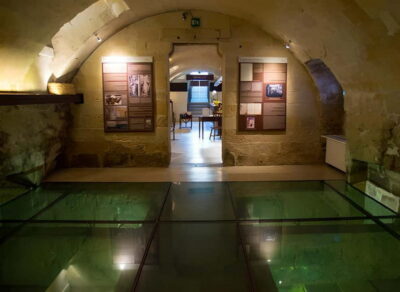
Lecce: Baroque Architecture and Underground Walking Tour
Read our review →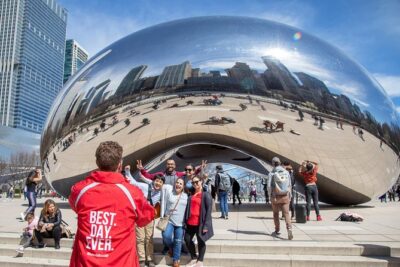
Chicago in a Day: Food, History & Architecture Walking Tour
Read our review →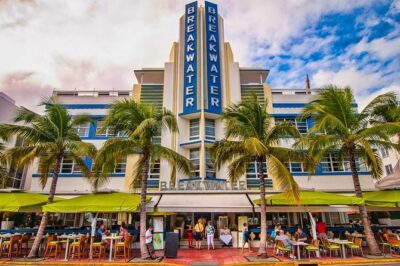
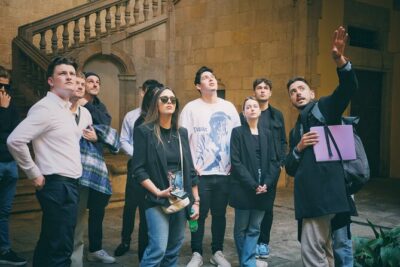
Ramblas, Old Town, Gothic and Gaudi Architecture Walking Tour
Read our review →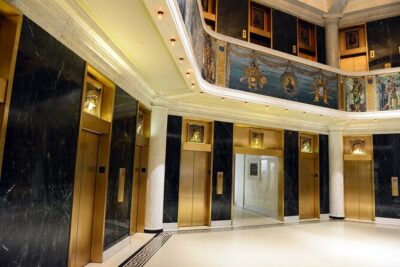
Chicago’s Secret Interiors Architectural Walking Tour
Read our review →Browse the lists this tour appears in