
Review · THE USA
Private Santa Barbara History and Architecture Walking Tour
Santa Barbara’s story is easiest to grasp on foot, where an 18th-century adobe can sit beside a Spanish Colonial Revival civic building and a quiet passage can reveal a forgotten piece of town history. This private tour links those layers with stories, old images, and close looks at details you could easily miss alone.
I especially like the custom route, which lets you spend more time on architecture, local families, California history, or whatever catches your eye. I also like guide Sullivan Israel’s habit of bringing historical images and unusual details into the conversation. The main consideration is pace: this is a serious history walk, and the full route can cover nearly three hours.
Key points to know
- Presidio and El Cuartel: Begin and end beside some of Santa Barbara’s oldest surviving buildings.
- Private and flexible: Sullivan Israel can adjust the focus and pace for your group.
- Architecture beyond the main sights: See adobes, courtyards, theaters, gardens, and small details that are easy to miss.
- A strong courthouse visit: Santa Barbara County Courthouse is the tour’s major architectural highlight.
- Easy downtown route: The walk links historic sites along streets, plazas, passageways, and parks.
- Plan for a long walk: Comfortable shoes, water, and a small snack are sensible, especially with children.
Why Santa Barbara Makes Such a Good Walking History Lesson
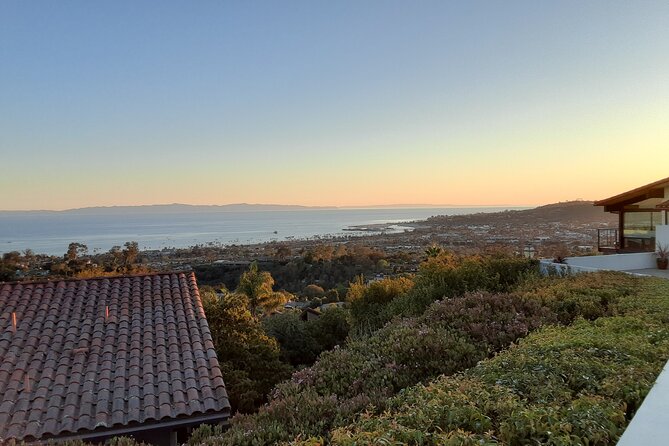
Santa Barbara is not simply a place with a few old buildings. Its downtown tells a story about Spanish military settlement, Mexican California, American civic growth, earthquake rebuilding, and a deliberate return to Spanish-inspired design.
You can see that story in the materials and shapes around you. Adobe walls recall the early settlement. Hand-painted tiles, arcades, courtyards, stucco, and carved stone belong to the city’s later Spanish Colonial Revival identity. The result is a town where the past is not confined to one museum.
That is why a private walking tour can work better here than a standard sightseeing loop. You are not just checking off landmarks. You are learning how the buildings relate to one another and why Santa Barbara looks the way it does.
The guide can also adjust the route. If you are drawn to military history, the Presidio and early adobes may take center stage. If architecture is your priority, the courthouse, City Hall, El Paseo, the theaters, and George Washington Smith’s work deserve more attention.
More architecture walks in the USA:
- The Official Art Deco Walking Tour by The Miami Design Preservation League
★ 5.0 · 1,580 reviews - Chicago in a Day: Food, History & Architecture Walking Tour
★ 5.0 · 1,153 reviews - Miami South Beach Art Deco Walking Tour
★ 5.0 · 1,039 reviews
Starting at El Presidio de Santa Barbara
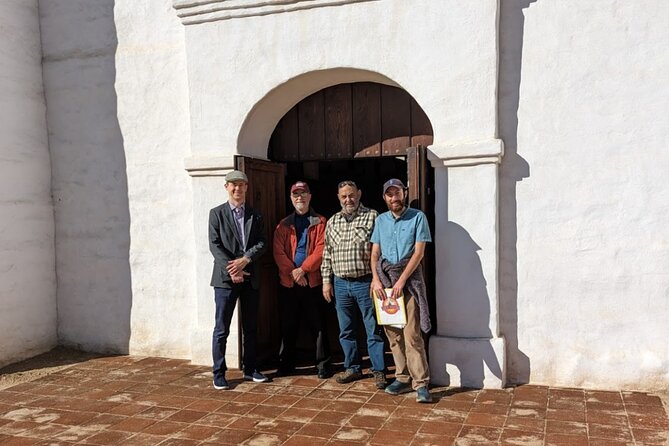
The tour begins at El Presidio de Santa Bárbara State Historic Park, at 123 East Canon Perdido Street. Built in 1782 from adobe brick, the Presidio is one of California’s oldest structures and gives the walk a proper sense of place.
You will see original rooms, soldiers’ gardens, a chapel, and reproductions of everyday objects from the 18th century. The useful lesson here is practical: the fort was built from materials found in the surrounding countryside. That fact makes the site feel less like a distant military outpost and more like a working settlement shaped by its immediate surroundings.
Allow about 20 minutes here, with admission included. Sullivan’s historical photographs and stories can help you picture the Presidio as a functioning post on the far edge of the Spanish Empire, rather than as a quiet historic site surrounded by modern streets.
Nearby, you pass the Rochin Adobe. Built in 1856 by a descendant of Captain Francisco Ortega, the Presidio’s first commandant, it used adobe bricks salvaged from the nearly ruined fort. Its later wooden clapboard covering shows how older buildings were altered to suit changing tastes and needs.
Adobes, Families, and the Mexican California Period
The Santa Barbara Historical Museum is the next major stop. Built in 1964 in an early California style, it contains exhibits on local history, including paintings and etchings. Its courtyard includes two adobe structures dating from 1817, making the setting useful even if you choose not to enter the museum.
Admission is not included, so you should ask Sullivan how much time your group wants to spend inside. The walk is designed to continue even if you prefer to focus on the streets and buildings.
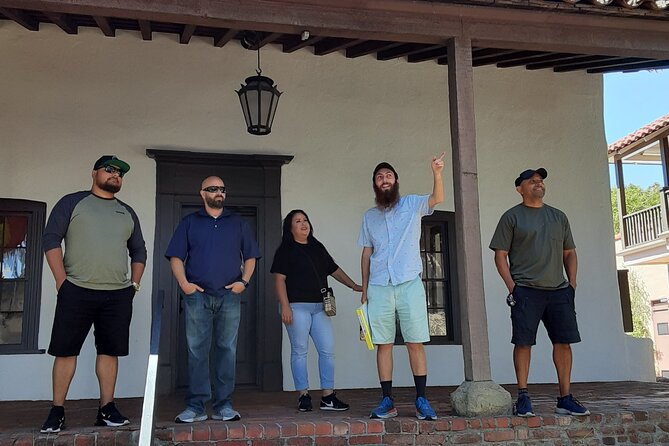
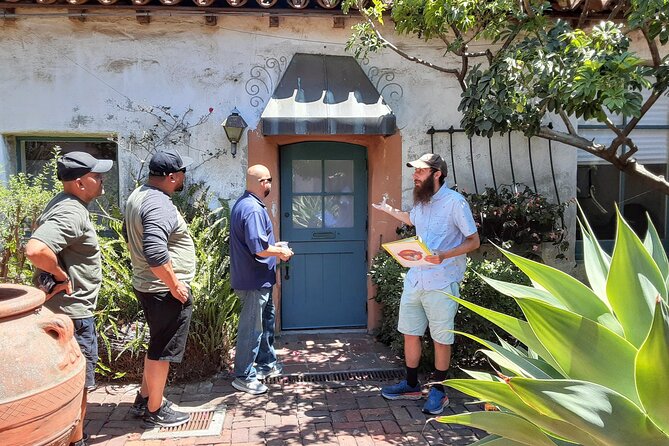
At 112 East De la Guerra Street, you see the Lugo Adobe and Meridian Studios. The pastel stucco studios were designed by George Washington Smith and completed in 1925. Their large windows and old wisteria vine make this a particularly attractive stop in spring, when the vine may be covered with purple flowers.
The Lugo Adobe sits behind the studios in a more secluded spot. Built in the early 19th century by a retired Presidio soldier, it has been preserved and remodeled over time. This is a good example of the tour’s less obvious appeal: you are not limited to the largest or most famous buildings.
At 802 Anacapa Street, a later building incorporates two Mexican-period adobes and the former Nardi Hotel from 1906. Behind it are a courtyard, a garden, and Presidio Street, which follows the route of an early path from the waterfront to the Presidio and Mission.
You also pass the adobes along East De la Guerra Street, built in 1849 by José de la Guerra, the Presidio’s fifth commandant. Their original Mexican-Californio form helps explain how Santa Barbara looked before the city adopted its later architectural style.
Plaza de la Guerra and Santa Barbara’s Civic Center
City Hall takes only about five minutes, but it is an important stop. Built in 1923, before the 1925 earthquake, it is an early example of the Spanish Colonial Revival movement. Hand-painted tiles, arches over the sidewalk, and the large California pepper tree in front give the building a strong civic presence.
City Hall faces Plaza de la Guerra along with Casa de la Guerra and the News-Press Building. The plaza is the ceremonial heart of the city, and this small cluster helps you see how Santa Barbara used architecture to express a shared public identity.
Casa de la Guerra was built in 1819 by José de la Guerra as a family home and business center. In its early years, it also served as a place for political and cultural activity. Today, it remains important to Santa Barbara’s annual Fiesta celebrations and is open to visitors on weekends.
The tour only allows about ten minutes here, so weekend visitors may want to ask about entering. Even from outside, the adobe’s size and position make clear that this was more than a private home. It was part residence, part office, and part public stage in a small settlement.
More history tours in the USA:
- Charleston’s Best Highlights: History, Culture & Architecture
★ 5.0 · 422 reviews - Palm Springs Modernism Architecture & History Bike Tour
★ 5.0 · 359 reviews - Charleston: History and Architecture Guided Walking Tour
★ 4.8 · 349 reviews - Historic Georgetown: History, Gossip, & Architecture Walking Tour
★ 5.0 · 321 reviews
El Paseo and La Arcada: Santa Barbara’s Walkable Core
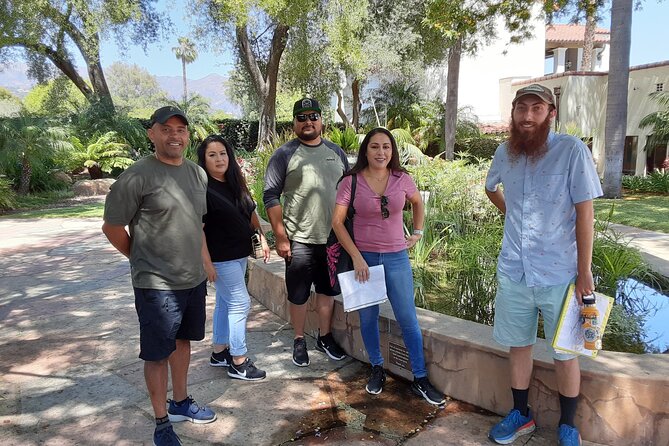
El Paseo marks a major change in the city’s appearance. Built between 1922 and 1929, it helped shift downtown Santa Barbara away from a conventional Eastern American main street and toward a Hispanic Pueblo style.
You walk through passageways and a romantic courtyard before reaching the Street in Spain. This is one of the most pleasant sections for photographs, but it is also useful as a design lesson. Santa Barbara’s Spanish character is not limited to individual facades. It continues through connected walkways, enclosed courtyards, tile, and shade.
From there, the route continues along State Street, the city’s main avenue, and into the La Arcada Courtyard. Shops and restaurants line the tiled passage, while small bridges, fountains, bronze figures, and live turtles add a lighter touch.
I like this part of the walk because it gives you time to look around without the solemn mood of a historic fort or courthouse. You can also use it to mark places you may want to revisit later for shopping or a meal.
The County Courthouse Is the Architectural High Point
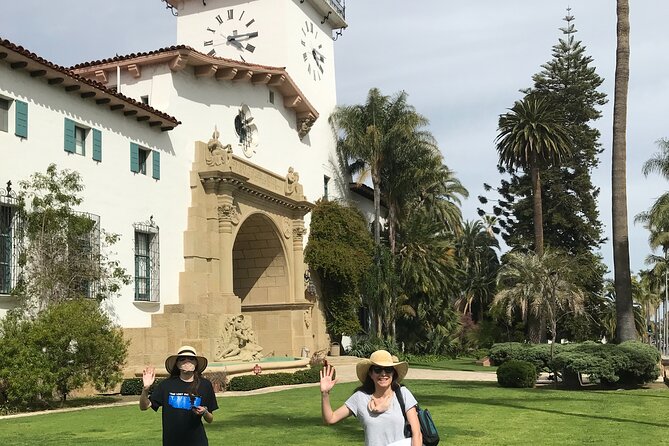
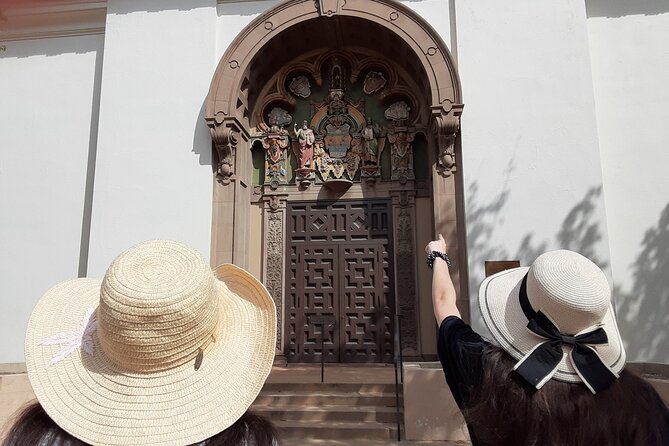
Santa Barbara County Courthouse deserves the longest stop, about 30 minutes. Built in stages in the early 20th century, it is widely regarded as one of the city’s most important buildings and one of the strongest public expressions of Spanish Colonial Revival design in the United States.
From the exterior, look for the Roman triumphal arch, stone figures, carved column capitals, and painted tiles. Inside, when access is available, the mural room adds color and scale. The clock tower provides a 360-degree view of Santa Barbara when open, either by stairs or elevator.
Access can change, so the indoor portions are not guaranteed. Still, the exterior alone gives you plenty to study. A Sunday visit may be quieter inside, making it a useful choice if you want a calmer look at the building.
This is also where Sullivan’s engineering background can add value. Architectural details make more sense when someone explains not just what they look like, but how the building was planned, built, and restored.
Libraries, Theaters, and the City’s 20th-Century Side
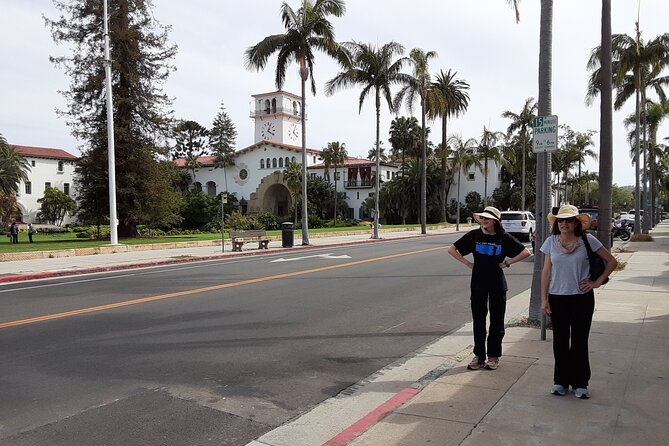
Across from the courthouse, the Santa Barbara Public Library combines sections built in 1917, 1925, and 1930. As you walk down Anapamu Street, look at the stone sculptures around the main doorways.
The Granada Theatre is another landmark. Built in 1924, it is the tallest building in Santa Barbara because it predates the city’s 60-foot height ordinance. Its upper floors use glazed terra cotta, and the interior may be accessible only when restrictions and operating conditions allow.
The Arlington Theatre provides a different kind of architectural experience. Its tower rises above nearby buildings, while an arched paseo offers a shaded place to pause. Inside, the theater is designed to feel like a Spanish village square, complete with three-dimensional building fronts and a vaulted ceiling painted with stars.
The scheduled visit here is short, about seven minutes, so treat it as a focused exterior stop unless interior access is available. These theaters show that Santa Barbara’s preferred style was not limited to government buildings and private homes. It shaped entertainment spaces too.
Alameda Park and Alice Keck Park Memorial Gardens
Alameda Park dates to 1850 and remains part of downtown life. Its trees include species brought from other parts of the world, and one block has an 1880s bandstand. Another includes Kids’ World, an extensive playground.
The park is useful for families because it breaks up the architecture with open space. If you are walking with children, this may be the place to slow down, let them stretch their legs, and have the snack that experienced walkers know to pack.
Alice Keck Park Memorial Gardens occupies the former site of the El Mirasol Hotel. After a fire damaged the hotel in 1966, the block became a botanical garden with a duck pond, rare flowering trees, a creek with stepping stones, and a butterfly meadow that attracts monarchs.
A large Australian fig tree provides shade near the pond, where you may also see live turtles. Admission is included, and the garden gives the tour a welcome change of pace after several blocks of buildings and detailed commentary.
Ending at El Cuartel and the Old Presidio Quarter
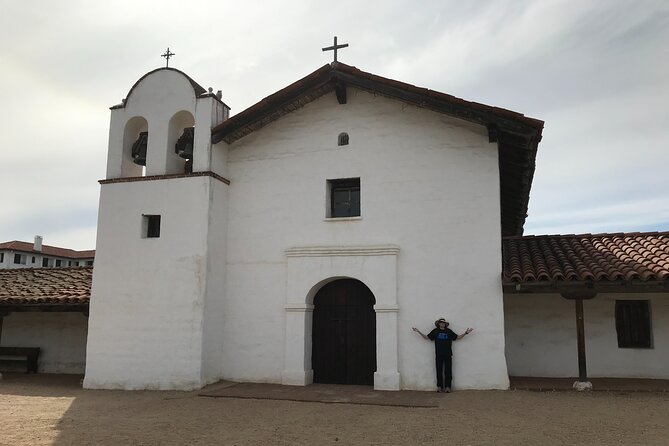
The tour ends at El Cuartel, across from the starting point at 122 East Canon Perdido Street. Built in 1788, this small structure was part of the Presidio complex and is considered the oldest building in town.
You can look inside its rooms and back garden, which retain a relatively unchanged 18th-century character. Ending here brings the walk back to its starting theme: how people lived, worked, and defended a settlement before Santa Barbara became the polished city you see today.
Nearby, you may also pass the Lobero Theatre. George Washington Smith designed the current 1924 building, but the site has been used for theater since 1873, when José Lobero opened Southern California’s first opera house there. Interior access may depend on current conditions.
How Much Time and Energy Should You Plan?
The stated duration is about two to three hours, and the listed stops add up to close to three hours if you spend the suggested time at each place. The route includes many short stops, but the total walking and standing still matter.
I would wear comfortable shoes and bring water. With children, pack a snack for the middle of the walk. The tour is described as suitable for most people, and service animals are allowed, but anyone who needs frequent seating or a slower pace should discuss that with Sullivan in advance.
The walk is offered Monday through Friday between 10 a.m. and 3 p.m. It begins and ends at the Presidio, and the meeting point is near public transportation. Parking fees and lunch are not included, so factor those into your day.
Is a Private Guide Worth the Cost?
No price is provided here, so I cannot judge the exact dollar value. The useful comparison is with a large group tour or a self-guided walk.
A private tour makes the most sense for families, couples, small groups, architecture fans, and repeat visitors who want more than the standard downtown sights. You are paying for flexibility and conversation, not just transportation or admission. Sullivan can adjust the route to your interests, answer questions as they arise, and change the pace if your group needs it.
The value is weaker if you prefer to move quickly, read signs independently, or spend most of your time inside museums. Some admissions are not included, and the tour does not include lunch or parking.
Sullivan’s strongest qualities are his enthusiasm, storytelling, and command of local detail. He has studied old books and collected historical photographs, and he connects buildings to the people who used them. He also gives restaurant and sightseeing suggestions, which can help you shape the rest of your Santa Barbara visit.
Who Should Book This Santa Barbara Walking Tour?
Book it if you want to understand how the Presidio, adobe homes, civic buildings, theaters, parks, and Spanish-inspired downtown fit together. It is also a strong choice if you have limited time and want a local guide to point out details you would likely miss.
Families can make it work, especially if children are old enough to listen to stories and you include a snack break. Teenagers may respond well to the theaters, courtyards, gardens, and unusual tales more than to a long museum visit.
I would be less likely to recommend it to someone seeking a purely visual architecture stroll with little historical explanation. One useful caution is that the route emphasizes historic buildings and stories, so you may need to tell Sullivan if you want extra time for Santa Barbara’s more colorful and whimsical modern details.
The free cancellation policy allows a full refund when you cancel at least 24 hours before the start time. Poor weather or failure to meet the minimum number of participants can also lead to a rescheduled experience or full refund.
Final Call: A Strong Choice for Curious First-Time Visitors
I would book this tour if Santa Barbara is new to you, or if you have visited before but still feel you are seeing only the polished surface. The Presidio, Casa de la Guerra, El Paseo, the courthouse, the theaters, and the gardens create a well-rounded route.
The best reason to go is the chance to ask questions while you walk. Sullivan Israel brings together military history, architecture, family stories, and modern city life in a way that makes the streets easier to read.
Choose it for personal attention and local context. Skip it only if you want a short, self-guided stroll with no fixed schedule.
FAQ
How long does the private Santa Barbara walking tour last?
The tour lasts approximately two to three hours. The full route includes many stops and can take close to three hours at the suggested pace.
Where does the tour begin and end?
It begins at El Presidio de Santa Bárbara State Historic Park at 123 East Canon Perdido Street. The activity ends back at the same meeting point.
Is the tour private?
Yes. Only your group participates in the activity, and the guide can adjust the itinerary to your interests.
Is admission included?
Admission is included at El Presidio de Santa Barbara State Historic Park and Alice Keck Park Memorial Gardens. The Santa Barbara Historical Museum does not include admission. Several other stops are listed as free.
Who leads the tour?
The experience provider and guide is Sullivan Israel.
What is not included?
Parking fees and lunch are not included. Admission to the Santa Barbara Historical Museum is also not included.
What happens if the weather is poor?
The experience requires good weather. If it is canceled because of poor weather, you will be offered another date or a full refund. You can also cancel for a full refund up to 24 hours before the start time.
Just added around the USA
- Wilmington History and Architecture Tour★ 4.8 · 18 reviews
- Washington, DC: Georgetown Architecture Walking Tour★ 5.0 · 8 reviews
- New Orleans : Garden District Architecture Walking tour★ 4.8 · 5 reviews
- Washington DC: Dupont Circle & Embassy Row Architecture Tour★ 5.0 · 6 reviews
- Tulsa: Art Deco Walking Tour of Tulsa★ 5.0 · 8 reviews
- Castle to Capitol: Museums of the National Mall Architecture Tour★ 4.5 · 9 reviews
- Private Colonial Williamsburg Architectural Tour★ 5.0 · 5 reviews
- Iconic Capitol Hill Architectural Walking Tour★ 5.0 · 21 reviews
Walking Tours, compared.
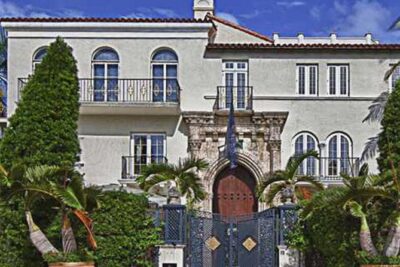
The Official Art Deco Walking Tour by The Miami Design Preservation League
Read our review →
Barcelona: Gothic Quarter Ghosts and Legends Walking Tour
Read our review →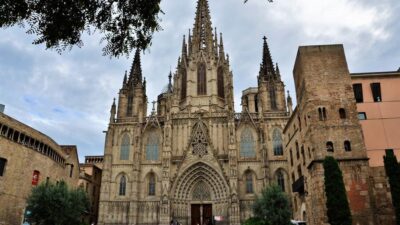
Barcelona: Old Town and Gothic Quarter Walking Tour
Read our review →
Lecce: Baroque Architecture and Underground Walking Tour
Read our review →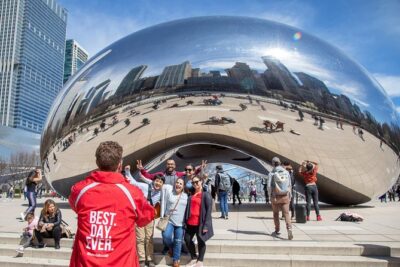
Chicago in a Day: Food, History & Architecture Walking Tour
Read our review →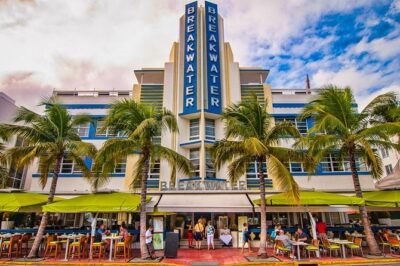
Ramblas, Old Town, Gothic and Gaudi Architecture Walking Tour
Read our review →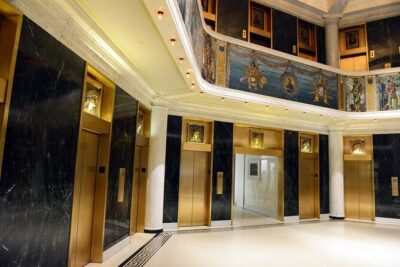
Chicago’s Secret Interiors Architectural Walking Tour
Read our review →Browse the lists this tour appears in