
Review · PARIS
Paris: Discover the hidden architecture gems of Le Marais
Le Marais keeps its best stories behind plain doors and quiet courtyards. On this 150-minute walk, you trace eight centuries of Parisian architecture, from medieval religious buildings to grand private mansions and the perfect symmetry of Place des Vosges, the city’s second-oldest square.
I like two things here. First, the tour focuses on buildings rather than a quick roll call of famous streets. Second, guide Louis Capion is described as warm, funny, and good with children, which can make a history walk feel less like a lecture. The main concern is reliability: one booking record reports that the guide did not appear, so I would confirm the meeting details shortly before the tour.
Key points
- Place des Vosges closes the walk: Spend time in Paris’s second-oldest square, with its balanced facades and royal connection.
- Eight centuries fit into 150 minutes: The route links medieval, Renaissance, and 18th-century architecture in one compact neighborhood.
- Private mansions tell the story: Hôtel Lamoignon and other hôtels particuliers reveal how wealthy families shaped Le Marais.
- Saint-Paul is the easy meeting point: Meet outside Saint-Paul Metro station on Line 1, which has a single exit.
- Louis Capion leads in English: His style is friendly, humorous, and suitable for families, based on the available booking comments.
- Check the access wording carefully: The activity information calls the tour wheelchair accessible, but also says it is not suitable for wheelchair users.
Why Le Marais works so well for an architecture walk
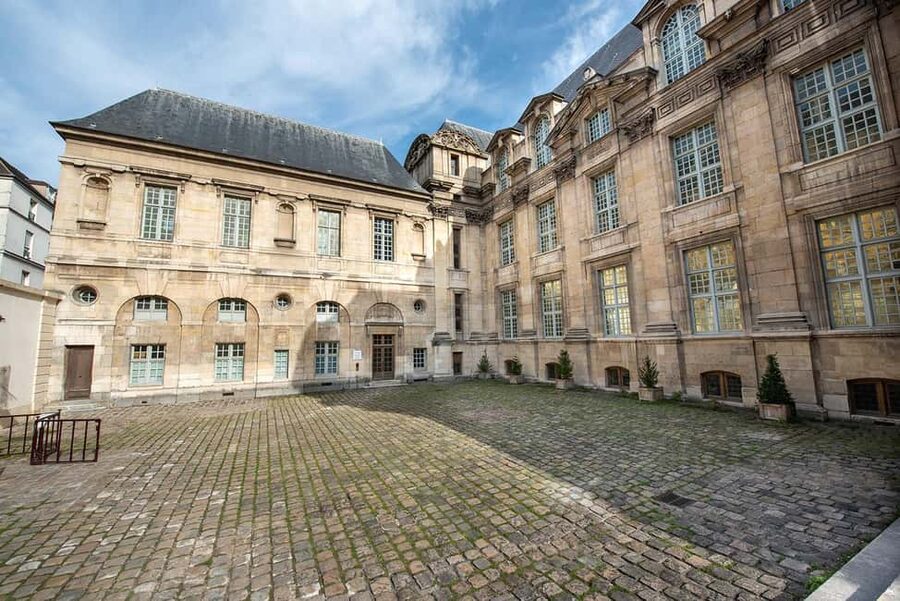
Le Marais is unusually good for understanding how Paris changed over time. Its streets preserve traces of a medieval quarter, a royal district, an aristocratic enclave, a Jewish neighborhood, and a modern cultural center. You do not need to know all those layers before you arrive. The guide’s job is to connect them as you walk.
The useful idea is that architecture here is not just decoration. A narrow street, a mansion courtyard, a church facade, or a formal square tells you who had money, who held power, and how Paris was organized at that moment.
The tour covers roughly eight centuries, but it does so in a concentrated area. That makes the $41 price easier to judge. You are paying for a local guide who can explain what you are seeing, not for admission to a museum or a large collection of ticketed monuments. If you enjoy looking closely at buildings, the cost is reasonable. If you prefer major interiors and long visits inside museums, you may get more value elsewhere.
The walk lasts two and a half hours. That is long enough to establish a clear sense of the neighborhood without taking up an entire day. You will still have time afterward for lunch, shopping, or a visit to one of Le Marais’s museums.
A few more architecture tours around France worth a look
- Bastille’s Architecture & Artisans Self-Guided Walking Tour
★ 4.5 · 18 reviews - Strasbourg : Neustadt Architecture Walking Tour
★ 5.0 · 14 reviews - Neoclassical Paris Architecture 2-Hour Private Walking Tour
★ 5.0 · 7 reviews
Meeting at Saint-Paul on Rue Saint-Antoine
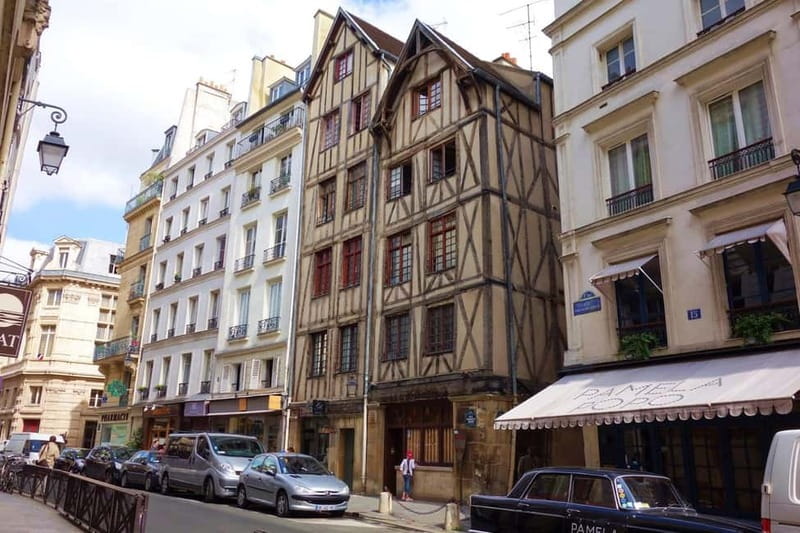
The meeting point is outside Saint-Paul Metro station on Line 1. The station has only one exit, a useful detail in a neighborhood where several nearby streets can look similar. Plan to arrive 10 minutes early, especially if you are coming by Metro or meeting a family group.
The starting area near Rue Saint-Antoine puts you in a historic part of Le Marais from the first minute. You will not begin with a long transfer to the neighborhood. Instead, the tour starts right where the district’s old streets meet one of Paris’s major east-west routes.
This is also a practical location for the rest of your day. Saint-Paul is on Line 1, so you can reach it easily from central Paris. At the end, the walk finishes at Place des Vosges, where you can continue on foot or make your own way to another part of the city.
Because the route includes historic streets and buildings, wear comfortable shoes. The supplied information gives no exact distance, group size, or details about indoor access, so you should not assume a private tour or regular entry into every building.
Medieval Paris and the Hôtel des Archevêques de Sens
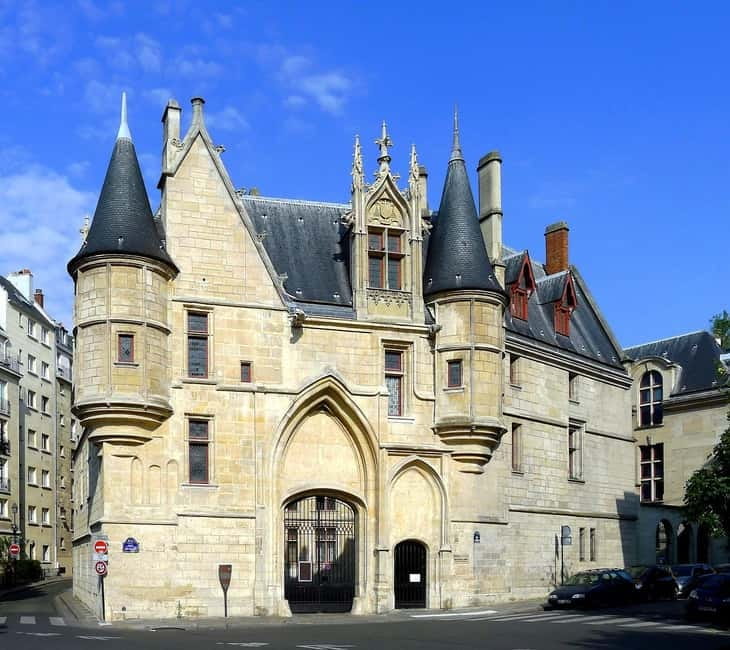
One of the most appealing stops is the medieval Hôtel des Archevêques de Sens. The word hôtel can confuse first-time visitors. In this context, it means a grand urban residence, not a hotel with rooms for tourists.
This building offers a glimpse of Paris before the city took on its more polished royal appearance. The architecture connects Le Marais to the period when powerful church figures and noble households maintained important residences inside the city.
The value of seeing a place like this with a guide is scale. From a photograph, an old mansion can look like a handsome facade. On site, you can better understand how such a residence fitted into the street and why its design differed from later aristocratic homes.
The stop is listed as one of the hidden architectural highlights, but the available details do not say whether you enter the building or view it from outside. Expect an explanation of its history and design rather than a guaranteed interior visit.
Hôtel Lamoignon and the private mansions of Le Marais
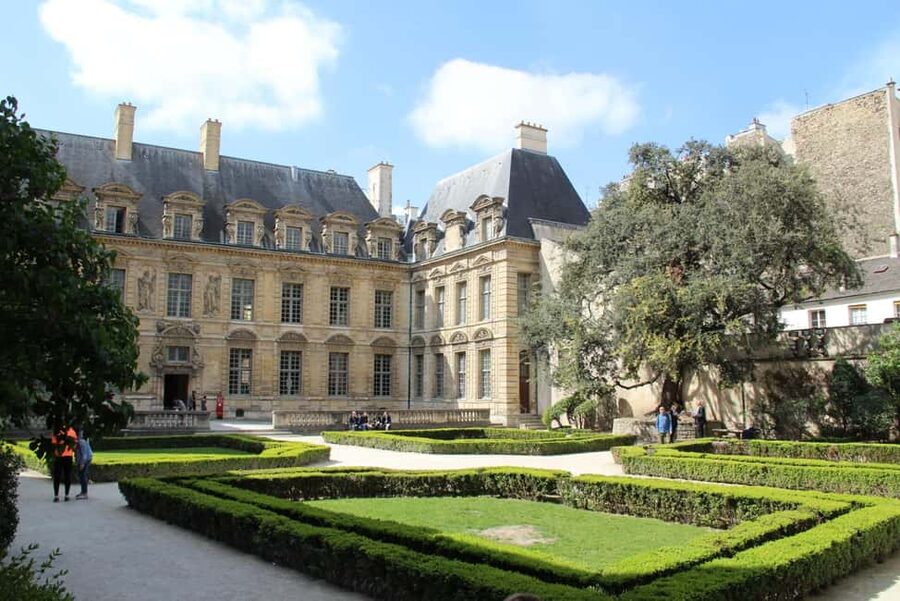
The tour also introduces Hôtel Lamoignon, described as one of the oldest hôtels particuliers in Paris. These private mansions are central to the character of Le Marais.
They were built for families with status, wealth, and political influence. Their scale and arrangement help explain how elite Paris lived. Rather than spreading out in suburban estates, important households created grand residences within the city, often behind more restrained street fronts.
Look for the contrast between public and private space. The street facade presented an image to Paris, while courtyards and interior wings gave the household room, privacy, and ceremony. A guide can point out details you might otherwise pass without noticing.
Hôtel Lamoignon is also useful for understanding the area’s changing fortunes. Le Marais did not remain a single kind of neighborhood. Its buildings passed through different owners and uses as Paris moved from royal power to revolution and then to new social and cultural roles.
Do not expect a long museum visit here. The supplied schedule gives about 20 minutes to several sightseeing stops, and the focus is on interpretation. That pace suits you if you want a broad picture of the district. It may feel brief if you want to study architectural details or take many photographs.
Same city, a completely different century:
- Train Exp. through the Alps (Royal Baroque Route from Nice)
★ 5.0 · 682 reviews - Paris: Splendors of the Baroque at the Jacquemart-André Museum – Entry Ticket
★ 4.5 · 99 reviews - Reims Art Deco guided tour
★ 4.5 · 26 reviews - Guided Tour of Nancy, French Capital of Art Nouveau
★ 5.0 · 18 reviews
Hôtel Carnavalet and the story of Paris
Hôtel Carnavalet receives its own 20-minute stop. It is one of the most important historical addresses in Le Marais, and it gives the tour a clear link between architecture and the wider story of Paris.
The building helps frame the neighborhood’s transition from private aristocratic quarter to a place tied to public memory, art, and culture. The guide explains how the styles of the buildings reflect political and social change, including the period of the French Revolution.
That context is one of the strongest reasons to choose a guided walk. You can admire an old facade on your own, but you may not know why it was built in that style, who used it, or how its role changed. The tour aims to answer those questions as you move through the streets.
The information provided does not promise admission to Hôtel Carnavalet. Treat this as an exterior or neighborhood sightseeing stop unless the guide tells you otherwise. If the museum is a priority, plan a separate visit and allow additional time.
Place des Vosges, the tour’s grand finish
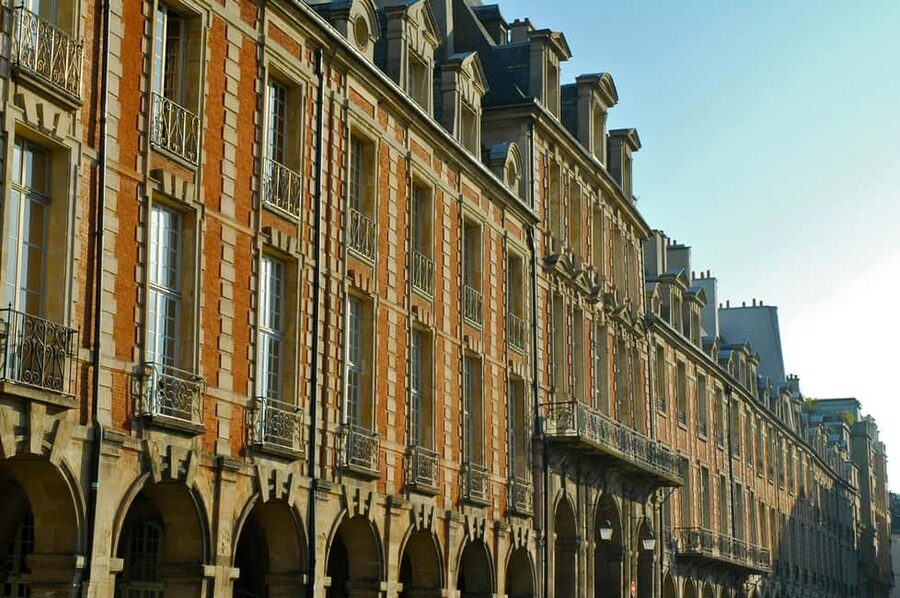
Place des Vosges is the natural centerpiece of the walk. It is Paris’s second-oldest square and one of the city’s most carefully planned urban spaces.
Its orderly layout provides a sharp contrast with the irregular medieval streets nearby. The square shows how royal planning could impose balance and ceremony on a dense city. Uniform facades surround the open space, creating one of the most pleasing architectural views in central Paris.
The tour allows about 20 minutes here. That is enough to hear the square’s story, take in the proportions, and orient yourself for a later return. I would not rush off when the guide finishes. This is a good place to pause, sit, take photographs, or choose a nearby cafe.
The square is also the finish point, which makes the tour easy to extend. You can remain in the area for food or continue exploring Le Marais on your own. The activity description refers to advice about the best dining places, so ask Louis for a practical recommendation before saying goodbye.
Saint-Paul-Saint-Louis and the neighborhood’s religious past
The walk includes Paroisse Saint-Paul-Saint-Louis, another useful stop for seeing how religious architecture shaped the district.
The church provides a different scale from the private mansions. Instead of a household’s power displayed through a courtyard and residence, the church reflects public worship, institutional authority, and the role of religion in daily Parisian life.
A 20-minute stop is enough for an explanation of the building and its place in Le Marais. The supplied details do not confirm an interior visit, service schedule, or guided access inside, so keep your expectations flexible.
This stop also helps prevent the walk from becoming a procession of elegant facades. Le Marais was not built only for aristocrats. Its churches, streets, homes, shops, and public spaces show a neighborhood used by many parts of Parisian society.
How Louis Capion shapes the experience
The guide named for this activity is Louis Capion. The available comments describe him as friendly, funny, passionate, and good with children. That combination matters on a tour where much of the value comes from spoken explanation.
Louis is also described as someone who knows small details about Paris and shares them with humor. That suggests a conversational style rather than a formal architectural seminar. Families may appreciate the lighter approach, especially during a two-and-a-half-hour walk.
The tour is offered in English. If you want a highly technical study of architectural terms, ask questions as you go. The description promises discussion of design, political change, social history, and important figures, but it does not give a fixed list of buildings or named historical characters for every stop.
There is one serious practical issue. A booking record reports that the guide failed to appear on one occasion. That does not tell you why it happened or whether it reflects a wider pattern, but it is enough reason to arrive early, keep your booking confirmation available, and confirm the meeting point before setting out.
Price, pace, and the real value of 150 minutes
At $41 per person, this is not the cheapest way to see Le Marais. You can walk through the neighborhood for free, and many buildings can be admired without a ticket.
The fee makes sense if you want someone to organize the route and explain what you are seeing. You receive a guided walk through several significant buildings, a clear historical sequence, and local suggestions for food. The experience is especially useful on a first Paris visit, when it is easy to pass remarkable architecture without understanding its purpose.
The pace is fairly brisk. Several stops are allocated about 20 minutes, so you will hear the main story rather than examine every doorway. That suits visitors with limited time. It may not suit a professional architecture student or a photographer who wants long pauses.
The free cancellation policy allows cancellation up to 24 hours before the start for a full refund. You can also reserve and pay later, which helps if your Paris schedule is still changing.
Who should book this Le Marais walk?
I would choose this tour if you like city history, building details, and stories about how ordinary streets changed over several centuries. It is also a good fit if you want a guided introduction before exploring Le Marais alone.
Families may like Louis’s reported humor and easy manner. The walk is also suitable for people who prefer a compact activity rather than a full-day tour.
You should think twice if you need guaranteed indoor access, a slow photography walk, or a very precise architectural lecture. The details do not confirm entry to every building, group size, or the exact walking distance.
The accessibility information needs special care. One part says the tour is wheelchair accessible, while another says it is not suitable for wheelchair users. Since those statements conflict, contact the provider before booking if you use a wheelchair or need step-free access.
Should you book it?
Book this walk if you want Le Marais explained through its buildings, not just shown as a pleasant shopping district. The combination of Hôtel des Archevêques de Sens, Hôtel Lamoignon, Hôtel Carnavalet, Place des Vosges, and Saint-Paul-Saint-Louis gives you a useful range of medieval, Renaissance, religious, and aristocratic architecture.
The best reason to go is the guide-led context, especially if Louis Capion is leading your date. The main caution is the reported no-show and the unclear access policy. Confirm the meeting details, arrive 10 minutes early, and clarify wheelchair access before paying.
For architecture lovers and first-time Paris visitors, $41 is fair for a focused 150-minute introduction. If you want a relaxed, self-guided stroll, save the money and use the route as a starting point for your own walk.
FAQ
Where does the tour meet?
Meet outside Saint-Paul Metro station on Line 1. The station has only one exit.
How early should I arrive?
Arrive 10 minutes before the scheduled start time.
How long does the tour last?
The walking tour lasts 150 minutes, or two and a half hours.
What language is the tour in?
The live tour is conducted in English.
Who is the guide?
The experience is provided by Louis Capion.
What is the price?
The listed price is $41 per person.
Does the tour visit Place des Vosges?
Yes. Place des Vosges is a major stop and the finishing point.
Which historic buildings are included?
The route includes Hôtel Lamoignon, Hôtel Carnavalet, Hôtel des Archevêques de Sens, and Paroisse Saint-Paul-Saint-Louis, along with other sightseeing stops in Le Marais.
Is the tour wheelchair accessible?
The activity information is conflicting. It describes the tour as wheelchair accessible but also says it is not suitable for wheelchair users. Contact the provider to confirm your specific access needs.
Can I cancel for a full refund?
Yes. You can cancel up to 24 hours in advance for a full refund. You can also reserve now and pay later.
Just added around France
- Architectural Strasbourg: Private Tour with a Local Expert★ 5.0 · 2 reviews
- Neoclassical Paris Architecture 2-Hour Private Walking Tour★ 5.0 · 7 reviews
- Gothic Paris – Castles & Cathedrals (Marais History Walk-Small Group Tour)★ 5.0 · 3 reviews
- Architectural Bourgeois Paris 19th Century★ 4.0 · 4 reviews
- Architectural Paris: Private Tour with a Local Expert★ 5.0 · 2 reviews
- Paris Art Nouveau Private Tour★ 5.0 · 7 reviews
- Art Nouveau visit to Nancy★ 5.0 · 13 reviews
- Dijon Signature Walk: Gothic Landmarks & Ducal Grandeur★ 4.5 · 9 reviews
Paris Architecture Tours, compared.
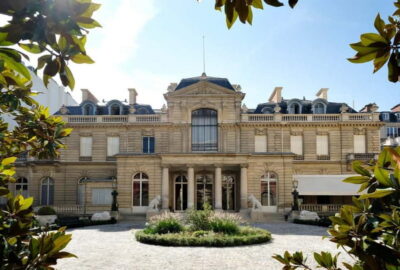
Paris: Splendors of the Baroque at the Jacquemart-André Museum – Entry Ticket
Read our review →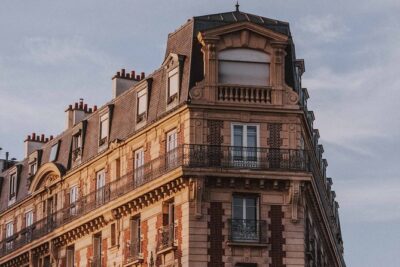
Bastille’s Architecture & Artisans Self-Guided Walking Tour
Read our review →
Private Art Nouveau and Art Deco tour near Opera
Read our review →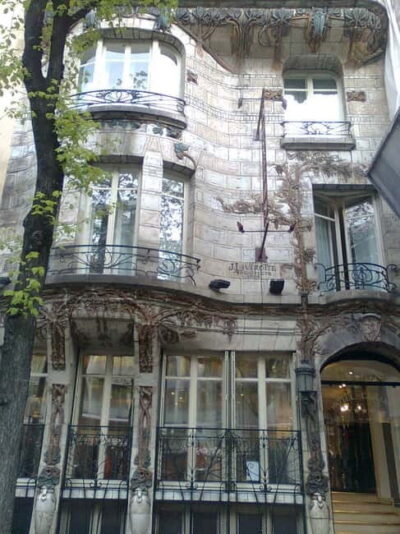
Paris – Private Guided Tour with Art nouveau Theme
Read our review →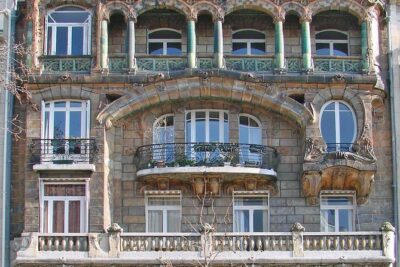

Neoclassical Paris Architecture 2-Hour Private Walking Tour
Read our review →
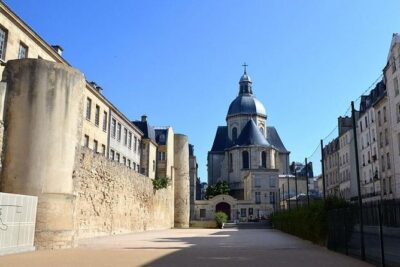
Gothic Paris – Castles & Cathedrals (Marais History Walk-Small Group Tour)
Read our review →Browse the lists this tour appears in