
Review · PARIS
Neoclassical Paris Architecture 2-Hour Private Walking Tour
Paris’s neoclassical story is not confined to one grand monument. It appears in a former stock exchange, a royal square, a covered shopping arcade, and the formal gardens leading toward the Louvre. This private walk connects those places and explains how art, politics, commerce, and classical design shaped the city.
I like the private format, especially for a subject that depends on questions and close looking. I also like the art historian guides, including Boris, Mila, Melissa, Dunya, and Milica, who bring architecture together with history, art, and culture. The main drawback is the short two-hour schedule: you get a focused introduction, not a complete study of Parisian neoclassicism.
Key Points
- Palais Brongniart opens the tour with a powerful neoclassical landmark: You begin at the former Paris stock exchange and examine the building as both architecture and a symbol of its era.
- The route links royal planning with modern commerce: Place des Victoires, Galerie Vivienne, Palais-Royal, and the Tuileries show how classical ideas served kings, shoppers, financiers, and the public.
- Your guide is an art historian: Expect discussion of design, politics, art, and culture rather than a simple list of dates and buildings.
- A private group of up to six keeps the experience personal: You can ask questions and request more attention to architecture, history, or art.
- The walk ends near the Louvre: The route finishes at the Arc de Triomphe du Carrousel, making it easy to continue sightseeing afterward.
- Plan for a steady urban walk: You should have moderate physical fitness, and food and drinks are not included.
Why This Two-Hour Walk Works
The best feature of this route is its shape. You do not simply look at one famous façade and hear a short explanation. You move through several parts of central Paris and watch neoclassical thinking change as it meets royal power, finance, shopping, and public space.
That matters because neoclassicism can feel abstract in a textbook. Columns, symmetry, orderly façades, and references to ancient Greece and Rome are easy to identify. The harder question is why those choices mattered. This walk gives you a chance to connect the style with the values of the period.
Your guide is there to interpret those connections. The experience is offered in English, though the guide may be multilingual. Past guides have included Boris, Mila, Melissa, Dunya, and Milica. Names may vary by date, so you should not book on the assumption that one particular guide will lead your walk unless the operator confirms it.
The private setup is useful here. With only your own group, you can stop to ask why one building feels more formal than another, how a royal square differed from a shopping arcade, or how architecture expressed public ideals. A larger group would make that kind of exchange harder.
More architecture walks in France:
- Bastille’s Architecture & Artisans Self-Guided Walking Tour
★ 4.5 · 18 reviews - Strasbourg : Neustadt Architecture Walking Tour
★ 5.0 · 14 reviews - Dijon Signature Walk: Gothic Landmarks & Ducal Grandeur
★ 4.5 · 9 reviews
Starting at Palais Brongniart
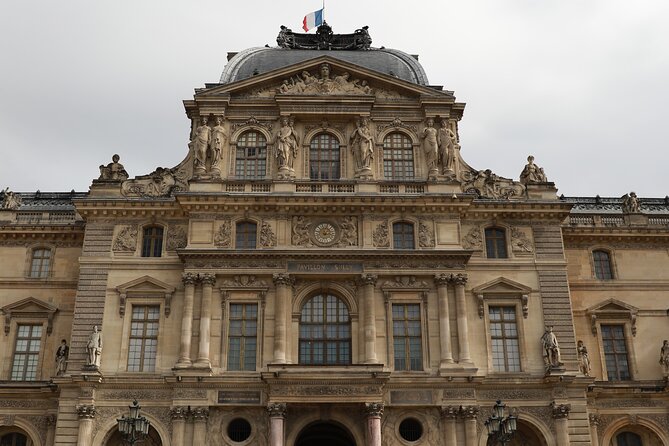
The walk begins at Bourse, outside Palais Brongniart. This former stock exchange building receives about 30 minutes, the longest stop on the route, and that is a sensible choice.
Palais Brongniart gives you a clear introduction to neoclassical architecture. It is not just an attractive old building. It is tied to finance, civic authority, and the values of the period in which it was built. Your guide uses it to explain how classical forms could project order, seriousness, and public importance.
This is a good place to pay attention to the relationship between appearance and function. A stock exchange needed to communicate trust and stability. The building’s classical language helped give that impression. You are looking at architecture, but you are also looking at a public statement about money and government.
The meeting point is in the 2nd arrondissement, near public transportation. Since the tour starts at Bourse and finishes near the Louvre, you are walking across a useful stretch of central Paris rather than returning to the starting point.
Admission to the listed stops is free. You are paying for the guide’s time and interpretation, not for entry into a paid monument.
Place des Victoires and the Royal Square
The next stop is Place des Victoires, one of Paris’s four royal squares. You spend about 15 minutes here, enough for a focused explanation of the square’s place in classical urban design.
A royal square is more than an open patch of pavement. Its proportions, surrounding buildings, and central monument were designed to express power and order. Place des Victoires helps explain the classical model that later neoclassical thinkers admired and reused.
I would listen closely here for the connection between urban planning and political messaging. The square shows how architecture can frame a ruler and organize public space around a central idea. Even if you are not an architecture specialist, the concept is easy to follow once you compare the square with the more commercial places later on the walk.
The 15-minute stop also tells you something about the tour’s pace. This is a survey walk. You will not spend a long time inside each site, and some locations receive only a concise explanation. If one square catches your interest, the private format gives you a chance to ask for more detail, but the clock still moves.
Galerie Vivienne and the Birth of Covered Shopping
Galerie Vivienne receives roughly 20 minutes and shifts the subject from royal display to private commerce. This covered arcade is part of a 19th-century phenomenon that eventually led toward the modern shopping mall.
That comparison makes the stop especially useful. You can look at the arcade as a piece of architecture, but you can also see it as a new kind of urban experience. Covered passages offered shoppers shelter, elegant surroundings, and a controlled route through commercial space.
The arcade adds welcome variety to the tour. Palais Brongniart is monumental and official. Place des Victoires is royal and formal. Galerie Vivienne is more intimate and commercial. Together, they show that classical ideas were not limited to government buildings or grand ceremonies.
You might find this stop particularly engaging if you enjoy the connection between architecture and everyday life. The building explains how design shaped shopping habits and how commercial spaces borrowed an air of refinement from grander civic and royal architecture.
A few more architecture tours around France worth a look
- Barcelona 2-Hour Gothic Walking Tour
★ 4.7 · 317 reviews - Guided Gaudí Trencadís Mosaic Workshop in Barcelona 2 Hours
★ 5.0 · 176 reviews - Miami: 2-Hour Art Deco Bike Tour
★ 4.6 · 155 reviews - Riga: 2-Hour History of Art Nouveau Walking Tour
★ 4.8 · 118 reviews
The Tuileries Through a Neoclassical Lens
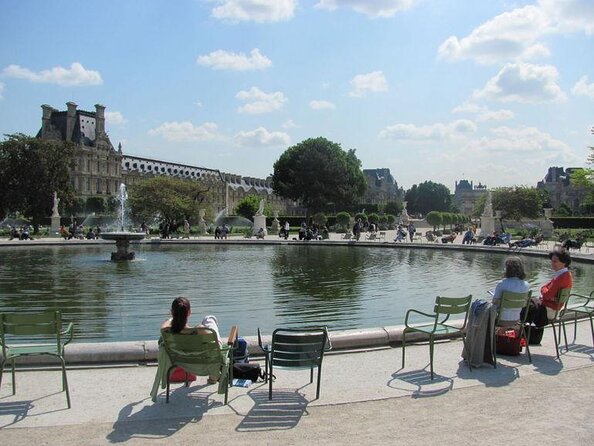
The walk then reaches the Jardin des Tuileries, the former royal garden. The visit lasts about 20 minutes and looks at the garden through neoclassical ideas and values.
Formal gardens can be read like buildings. Paths, axes, symmetry, open views, and carefully ordered spaces guide the eye and control movement. In the Tuileries, the setting gives your guide room to explain how design can organize nature rather than simply leave it wild.
This is also one of the route’s strongest transitions. You move from enclosed architecture and urban streets into a planned garden. The subject remains order and classical balance, but the materials change from stone and glass to trees, paths, water, and open space.
Do not expect a long garden visit with time to wander freely. The Tuileries is one stop within a two-hour walking tour. You will receive an architectural and historical reading of the garden, then continue toward Palais-Royal and the Louvre.
Palais-Royal as Architecture and Commercial Space
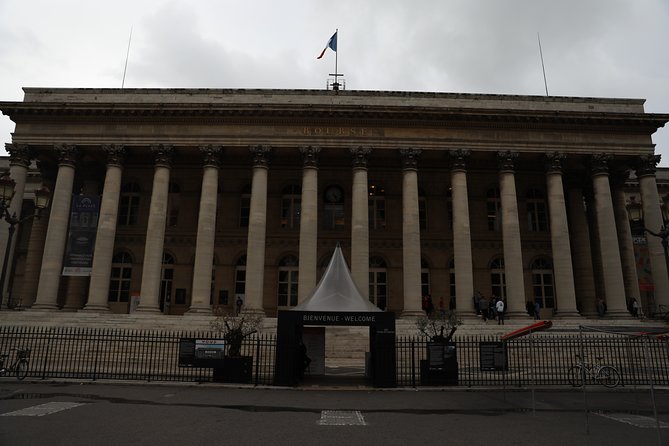
The Domaine National du Palais-Royal receives another 20 minutes. This complex is famous, but the tour approaches it from a specific angle: how a royal site became a commercial center.
That shift is central to the route. The Palais-Royal lets you consider how buildings change meaning over time. A place connected to royal life can later serve shops, public movement, and city commerce. The architecture remains, but its users and purpose change.
I like this part because it pulls the tour away from a simple style lesson. You are not only learning how to spot columns or symmetry. You are asking how a city adapts old spaces to new needs. That makes the architecture feel practical rather than frozen in the past.
The private group can be helpful here. Palais-Royal is the sort of place where you may want to compare the commercial arcade with the royal complex, or ask how the site fits with the earlier stops. Your guide can adjust the explanation to your interests, within the time available.
Ending at the Arc du Carrousel
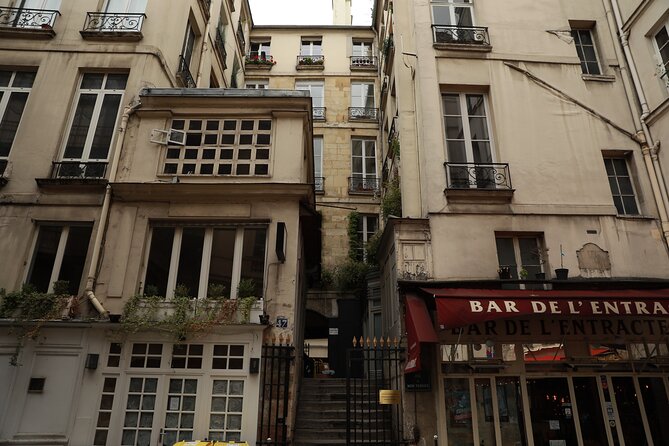
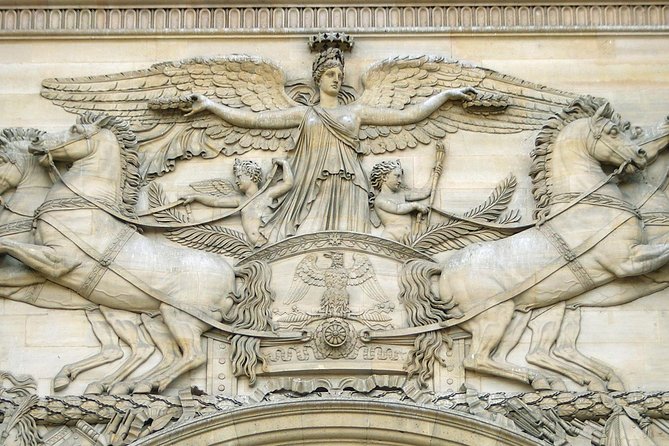
The walk finishes at the Arc de Triomphe du Carrousel on Place du Carrousel, in front of the Louvre area. This is a useful endpoint, especially if you plan to continue with museums, gardens, or central Paris sightseeing.
The end location also gives the route a sense of direction. You begin with finance at Bourse and finish among royal and national monuments near the Louvre. Along the way, you see how related classical ideas appear in different settings.
The tour does not include admission to the Louvre or any other paid attraction. That is not a flaw, but you should plan your next visit separately if you want museum time. The experience is built around outdoor interpretation and walking.
What the Private Format Adds
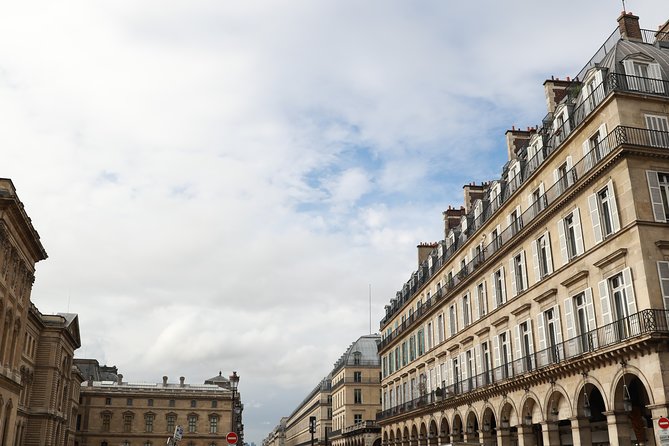
The advertised rate is $360.48 for a group of up to six people. For six participants, that works out to about $60.08 per person. For two people, the effective cost is about $180.24 each, so the value depends heavily on your group size.
For a full group, the price is easier to justify. You receive two hours with a professional art historian guide, and the whole group can shape the conversation. A couple paying the same group rate should be sure that this focused subject fits their interests.
I would choose this tour when I wanted explanation rather than a quick photo stop. The guides have been praised for making architecture understandable, asking questions, and connecting buildings with art and history. One account specifically describes Boris making the material easy to follow for a parent and daughter, while other guide names linked to the experience include Mila, Melissa, Dunya, and Milica.
The tour is booked, on average, 41 days ahead. That does not guarantee that every date fills early, but it is a useful sign that you should plan ahead if your Paris schedule is fixed. Confirmation is normally received at booking. If you book within seven days of the tour, confirmation can take up to 48 hours and remains subject to availability.
Who Will Get the Most From It
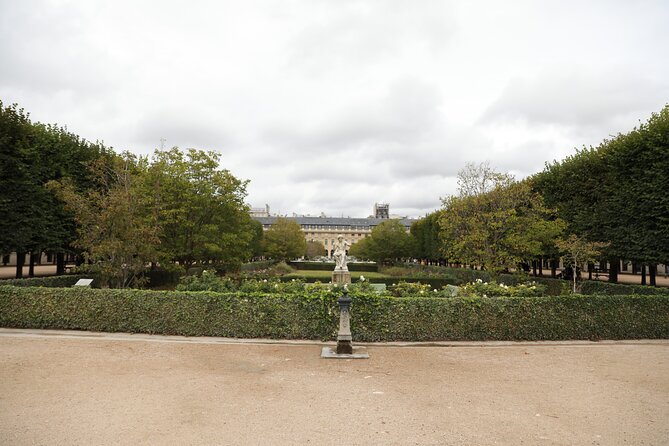
This walk suits you if you enjoy architecture, history, art, or the way cities express political ideas. You do not need specialist training. The guide’s job is to make the subject clear, and the feedback connected with the tour highlights explanations that bring art, architecture, history, and culture together.
It is also a good choice for families or small groups with different interests. A guide can pause to explain the broad story to a newcomer while answering more detailed questions from someone who already knows Paris.
I would be less likely to recommend it if your main goal is interior access, museum time, food, or a broad introduction to every major Paris sight. The tour does not include food or drinks, and the route is tightly focused on neoclassical architecture.
You should also be comfortable walking for two hours and have moderate physical fitness. Service animals are allowed, and the route is near public transportation, but the supplied details do not specify seating, step-free access, or the exact walking distance. If those points matter to you, ask before booking.
Practical Details Before You Book
The experience is offered in English, but it may be operated by a multilingual guide. The guide names associated with past tours include Boris, Mila, Melissa, Dunya, and Milica, but the specific assignment can vary.
The meeting point is Bourse, Paris 75002. The endpoint is the Arc de Triomphe du Carrousel at Place du Carrousel, Paris 75001. Since the tour does not return to Bourse, organize your next stop from the Louvre end of the route.
You can cancel for a full refund if you do so at least 24 hours before the local start time. Cancellations or changes made less than 24 hours ahead are not accepted for a refund.
Should You Book This Paris Architecture Walk?
Book it if you want to understand why central Paris looks the way it does, not simply identify famous places. The route makes a strong case for architecture as a record of power, commerce, public order, and changing urban life.
The best value comes with a group of four to six people who will ask questions and enjoy a focused subject. If you are traveling as a couple, the price is harder to defend unless neoclassical design is a major interest.
I would choose this tour for curious visitors who have already seen the obvious Paris landmarks and want a sharper way to read them. In two hours, you will not master the whole style, but you will leave with a useful set of ideas for seeing Palais-Royal, the Tuileries, and the Louvre area with more understanding.
FAQ
How long is the Neoclassical Paris Architecture tour?
The walking tour lasts approximately two hours.
Where does the tour begin?
It begins at Bourse, near Palais Brongniart, in Paris 75002.
Where does the tour end?
The tour ends at the Arc de Triomphe du Carrousel on Place du Carrousel, Paris 75001.
What places are visited?
The route includes Palais Brongniart, Place des Victoires, Galerie Vivienne, the Jardin des Tuileries, and the Domaine National du Palais-Royal.
Is this a private tour?
Yes. Only your group participates, and the booking covers up to six people.
Is an art historian guide included?
Yes. A professional art historian guide is included. The tour is offered in English, though it may be operated by a multilingual guide.
What is included in the price?
The professional art historian guide and private tour are included. Food and drinks are not included.
Just added around France
- Architectural Strasbourg: Private Tour with a Local Expert★ 5.0 · 2 reviews
- Architectural Bourgeois Paris 19th Century★ 4.0 · 4 reviews
- Gothic Paris – Castles & Cathedrals (Marais History Walk-Small Group Tour)★ 5.0 · 3 reviews
- Architectural Paris: Private Tour with a Local Expert★ 5.0 · 2 reviews
- Paris Art Nouveau Private Tour★ 5.0 · 7 reviews
- Art Nouveau visit to Nancy★ 5.0 · 13 reviews
- Dijon Signature Walk: Gothic Landmarks & Ducal Grandeur★ 4.5 · 9 reviews
- Strasbourg : Neustadt Architecture Walking Tour★ 5.0 · 14 reviews
Walking Tours, compared.
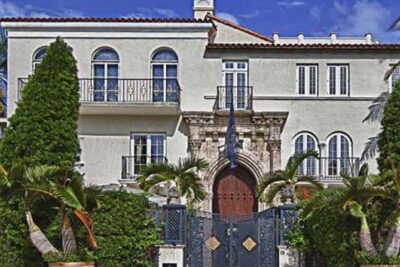
The Official Art Deco Walking Tour by The Miami Design Preservation League
Read our review →
Barcelona: Gothic Quarter Ghosts and Legends Walking Tour
Read our review →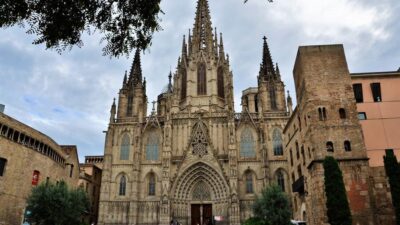
Barcelona: Old Town and Gothic Quarter Walking Tour
Read our review →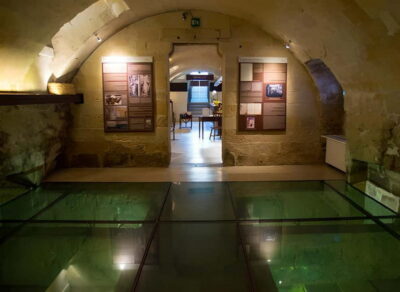
Lecce: Baroque Architecture and Underground Walking Tour
Read our review →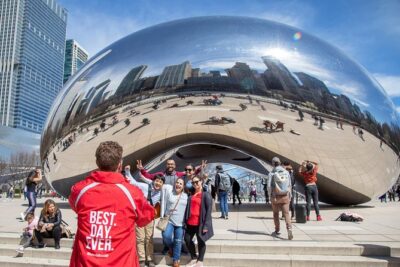
Chicago in a Day: Food, History & Architecture Walking Tour
Read our review →
Ramblas, Old Town, Gothic and Gaudi Architecture Walking Tour
Read our review →
Chicago’s Secret Interiors Architectural Walking Tour
Read our review →Browse the lists this tour appears in