
Review · PARIS
Paris: Splendors of the Baroque at the Jacquemart-André Museum – Entry Ticket
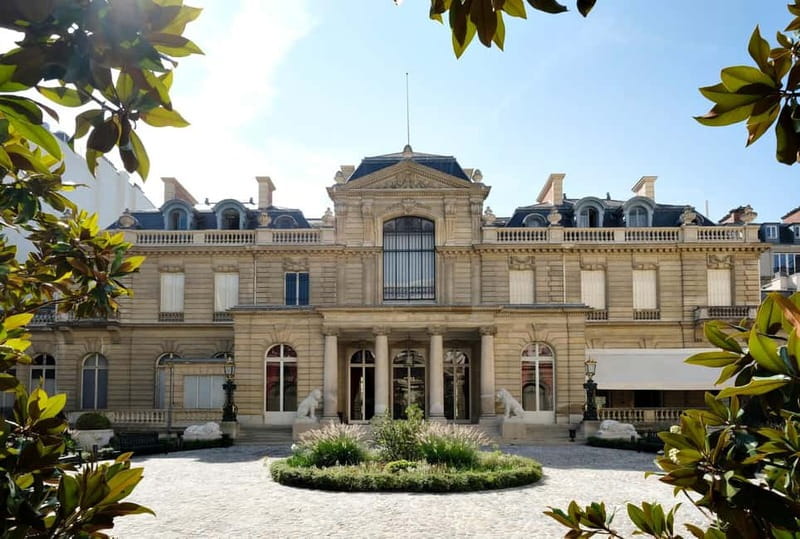
The Jacquemart-André Museum gives you two experiences in one: a polished 19th-century private mansion and a serious art collection gathered by Édouard André and Nélie Jacquemart. You move from grand rooms to paintings by Botticelli, Mantegna, Rembrandt, Van Dyck, Fragonard, Chardin, and Boucher.
I like the chance to see a preserved private home rather than a purpose-built gallery, and I like that the $22 ticket includes both the permanent collection and the temporary exhibition. The free French and English audio guide app also helps you make sense of what you are seeing without adding to the price.
The main drawback is space. A crowded temporary exhibition can make it hard to stop in front of the best paintings, and the museum’s café has received criticism for poor service and badly cleaned tables. Plan to treat Le Nélie as optional, not as the reason for your visit.
Key points to know before you go
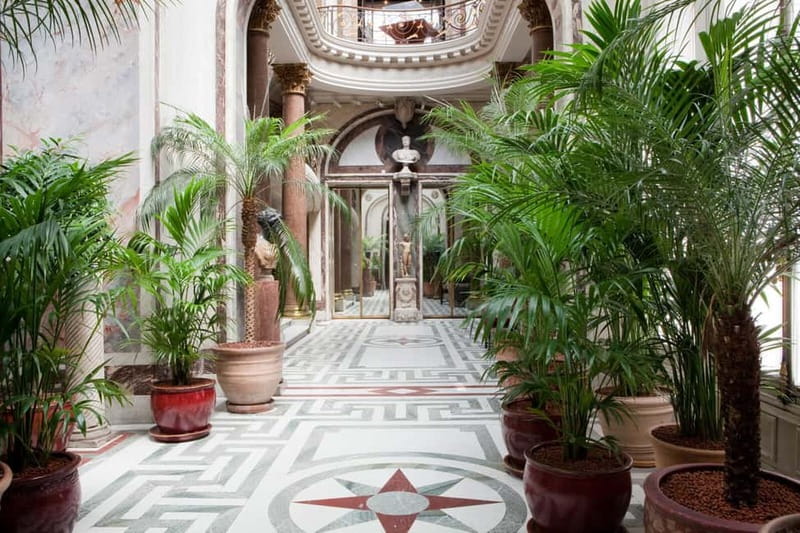
- A mansion as much as a museum: Walk through sumptuously decorated rooms created around the private life and taste of Édouard André and Nélie Jacquemart.
- Old Master highlights: Look for works linked to Botticelli, Mantegna, Bellini, Rembrandt, Van Dyck, Fragonard, Chardin, and Boucher.
- Temporary exhibition included: The ticket covers Splendors of the Baroque, paintings of the Hispanic Society of America, from March 26 to August 2, 2026.
- Useful free audio guide: The app is available in French and English, while the paid audio guide offers 10 languages.
- Easy one-day plan: The museum is open seven days a week, with express security access and wheelchair accessibility.
- Leave large items behind: Baby strollers, food, drinks, luggage, and large bags are not allowed.
Why the Jacquemart-André Museum feels different
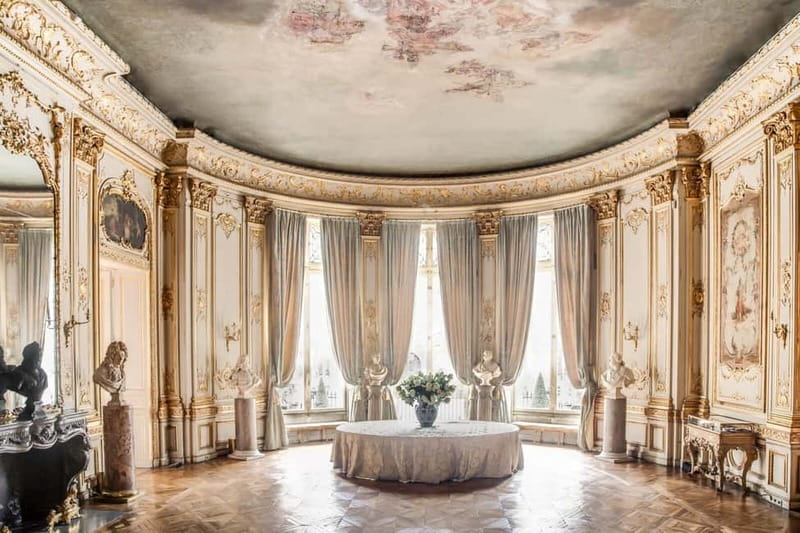
Many Paris museums ask you to cross a large public building before reaching the art. Here, the building itself is part of the visit. The Jacquemart-André Museum was a private mansion shaped by the tastes of Édouard André and Nélie Jacquemart, a wealthy couple who collected art with unusual ambition.
That changes how you read the paintings. Instead of seeing one canvas after another in plain gallery rooms, you see art placed within decorated interiors. The rooms give you a sense of how a powerful 19th-century household might have displayed paintings, furniture, and decorative objects.
I like this setting because it slows you down. You are not only asking who painted a picture or when it was made. You are also looking at the room around it, the scale of the decoration, and the way a private collector wanted the collection to be experienced.
The arrangement can also be a drawback. A historic mansion is not as easy to navigate as a modern gallery. Some rooms may feel tight when several groups arrive at once, especially during the temporary exhibition. If you want long, quiet stretches in front of every painting, choose an off-peak time if availability allows.
More Baroque architecture tours in France:
- Train Exp. through the Alps (Royal Baroque Route from Nice)
★ 5.0 · 682 reviews - Lecce: Baroque Architecture and Underground Walking Tour
★ 4.6 · 1,248 reviews - Dresden: Tour of the Baroque Quarter with a Night Watchman
★ 4.7 · 681 reviews
The permanent collection: Renaissance Italy first
The permanent collection covers several major European traditions, but Italian Renaissance painting is one of its strongest draws. The collection includes works associated with Andrea Mantegna, Sandro Botticelli, and Giovanni Bellini.
These names matter because they represent different stages and styles within Renaissance art. Mantegna is known for forceful drawing and a strong sense of structure. Botticelli brings the elegant line and graceful figures many people associate with Florence. Bellini is admired for his color and atmosphere.
You do not need a degree in art history to enjoy this section. Start by looking at the faces, hands, clothing, and backgrounds. Then compare how each painter handles space and light. The differences become clearer when the works are viewed close together.
The mansion setting adds a useful layer. The Italian works do not feel like isolated textbook examples. They form part of a collection assembled by people who wanted important European art in their home. That personal angle gives the permanent display more character than a random selection of famous names.
Dutch and Flemish paintings by Rembrandt and Van Dyck
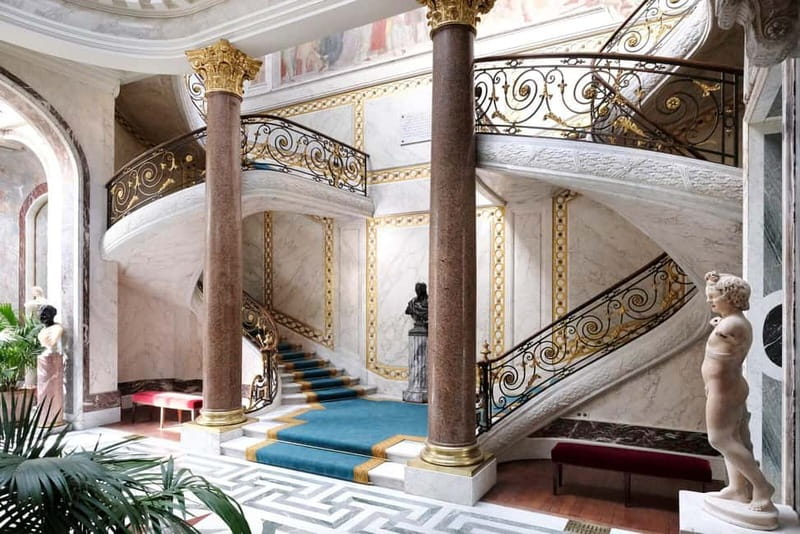
The collection also includes major works from Flemish and Dutch painting, with Rembrandt and Van Dyck among the names to watch for. This section gives you a shift in mood from the Italian Renaissance.
Dutch and Flemish painters often reward close looking. Notice the handling of faces, fabrics, gestures, and small objects. Rembrandt’s work can draw you toward expression and shadow, while Van Dyck is closely tied to portraiture and the appearance of status.
I recommend standing back first, then moving closer. From a distance, you see the full composition. Up close, the brushwork and small details become more important. If the room is crowded, do not feel you have failed by moving on. You can return to the strongest pictures later.
The collection is not presented as a single-school survey with every major painter represented. Think of it as a set of prized works inside a private collection. That makes the visit rewarding for people who already have favorite artists, but it may feel less methodical than a large national museum.
French painting from the 18th century
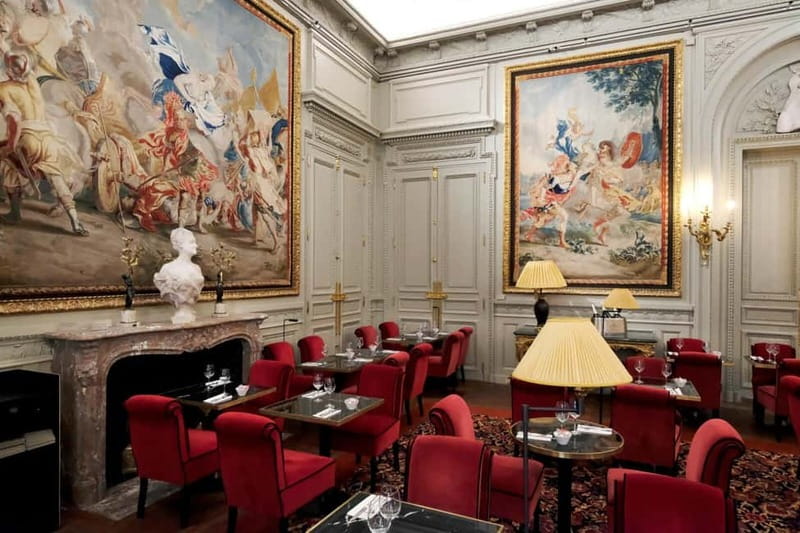
French art from the 18th century adds another important strand. The names listed for the collection include Jean-Honoré Fragonard, Jean-Baptiste-Siméon Chardin, and François Boucher.
Their work gives you three different reasons to pay attention. Fragonard is linked to lightness, movement, and decorative charm. Chardin is valued for quiet still-life scenes and domestic subjects. Boucher represents the polished, decorative taste associated with the French 18th century.
This is a good section for comparing public style with private life. One painting may draw you with theatrical elegance, while another asks you to notice humble objects and careful observation. The contrast helps explain why the collection feels broad even though it is housed in one building.
The rooms can make these paintings especially attractive, but the surroundings may compete for your attention. Give the art a few focused minutes before turning to the furniture and decoration. Otherwise, the mansion can become the star and the paintings can fade into the background.
More museum and gallery visits in France:
- Barcelona: Park Güell and Gaudí House Museum Entry Ticket
★ 4.5 · 6,326 reviews - Vienna: Tickets for Kunst Haus Wien: Museum Hundertwasser
★ 4.6 · 651 reviews - Borghese Gallery Max 6 People Tour: Baroque & Renaissance in Rome
★ 5.0 · 185 reviews - Barcelona: Casa Batlló Tour and Optional White Rabbit Museum
★ 3.8 · 158 reviews
Splendors of the Baroque from March 26 to August 2, 2026
The ticket includes Splendors of the Baroque, paintings of the Hispanic Society of America, during its run from March 26 to August 2, 2026. This temporary show is a major reason to book during those dates, especially if you are interested in Spanish and wider Hispanic art.
The word Baroque points you toward drama, strong contrasts, expressive figures, and theatrical presentation. A show built around paintings from the Hispanic Society of America gives the Jacquemart-André visit a different focus from its permanent collection.
Allow enough time for this section. The temporary exhibition has drawn criticism when too many people were admitted at once, making it difficult to stop in front of the paintings. That is a real practical issue, not a minor annoyance. Art that depends on expression and detail needs breathing room.
If you find the rooms crowded, avoid trying to see every work at the same pace. Pick a few paintings that catch your eye, read the audio guide material, and return to the pieces you want to study. A focused visit will serve you better than rushing from wall to wall.
The exhibition dates also matter for planning. This is not a year-round feature. If you are visiting before March 26 or after August 2, 2026, confirm what temporary display is scheduled instead. The permanent collection remains the core attraction, but this particular show is included only during its stated run.
Using the audio guide without losing the rooms
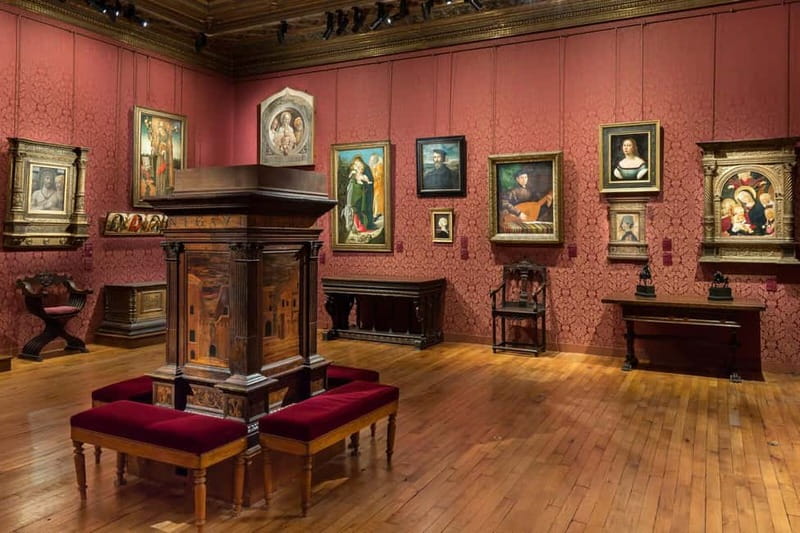
The free audio guide app is available in French and English. That is enough for many visitors, and it keeps the basic visit within the $22 admission price.
I suggest using the guide selectively. Listen to introductions for the mansion and the main collection, then choose individual works rather than playing every track. Too much audio can turn the visit into a checklist and distract you from the rooms.
A paid audio guide in 10 languages is not included. If you need another language, factor that into your budget before booking. The free app is a useful value for French and English speakers, but it is not the same as a full multilingual service.
Some content is presented in its original language. That may matter in the temporary exhibition or in written and recorded material. If you prefer translated explanations for everything, check the language options before you arrive.
A practical visit inside the mansion
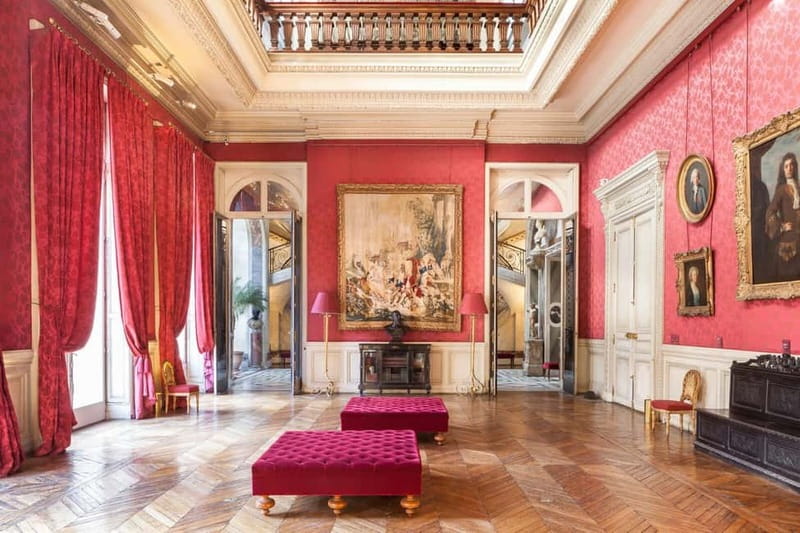
The ticket is valid for one day, and the museum is open seven days a week. You check availability for a starting time, so this works well as a fixed stop in a Paris day rather than a visit you squeeze in at the last minute.
Express security access helps reduce one layer of waiting, but it does not promise an empty museum. The temporary show can become crowded, and the narrow character of a private mansion means that busy periods are noticeable.
Bring as little as possible. Baby strollers, food, drinks, luggage, and large bags are not allowed. This is especially important if you are arriving from a train station or planning to visit with young children. You do not want to discover at the door that a large item cannot enter.
The museum is wheelchair accessible. That makes the experience possible for visitors with mobility needs, though the building’s historic design may still make the visit feel less straightforward than a modern museum. If you need detailed access information, confirm the current arrangements before setting out.
Is Le Nélie worth a stop?
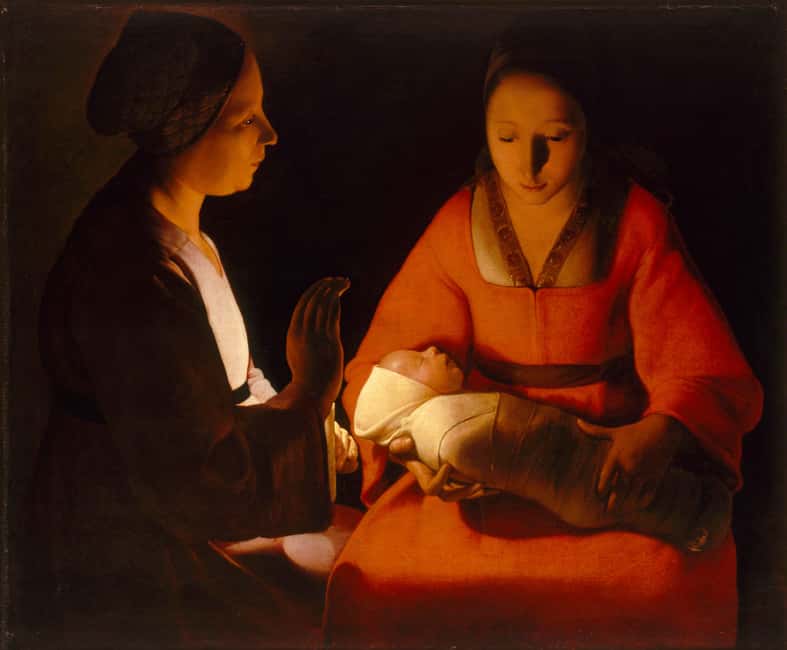
Admission includes free access to Le Nélie restaurant and tea room. The setting may look appealing after a museum visit, since the surroundings continue the mansion’s polished style.
I would treat the café as a convenience rather than a highlight. Service has been criticized, along with table cleanliness, so do not build a tight schedule around a meal there. If you mainly want tea or a short pause, it may still be useful. If you expect a smooth, memorable dining experience, keep your expectations modest.
The strongest part of the ticket is the art and the house. You can enjoy the museum without eating on site, and Paris gives you many other options for lunch or coffee.
How much value do you get for $22?
At $22 per person, this is not the cheapest museum admission in Paris, but the price covers a lot. You get the permanent collection, the temporary exhibition during its 2026 dates, express security access, and a free French or English audio guide app.
The value is strongest if you plan to see both displays. A visitor who only wants a quick look at the mansion may find the price less compelling, while someone interested in Old Masters and the Baroque show gets a fuller day from the same ticket.
The one-day validity also helps. You do not need to race through the building in a short timed slot, though you do need to follow the available starting time. If you like art but do not want to spend half a day in a huge museum, the Jacquemart-André can provide a more contained experience.
The ticket does not include the investigation game or the audio guide in 10 languages. Those are useful distinctions when comparing the total cost. French and English speakers get the better value from the included app.
Who should book this museum ticket?
I would recommend it to you if you enjoy architecture as much as paintings. The private mansion gives the visit a clear personality, and the collection includes enough major artists to satisfy people with a serious interest in European art.
It also suits a Paris visit built around smaller, focused museums rather than one exhausting day in a giant institution. You can spend time with the Renaissance, Dutch and Flemish, French 18th-century, and Baroque works without trying to cover an entire national collection.
Families should consider the restrictions carefully. Baby strollers are not allowed, and crowded exhibition rooms can make the visit harder with small children. Older children and teenagers who like grand rooms, portraits, or dramatic paintings may enjoy it more than very young visitors.
Wheelchair users can enter because the museum is wheelchair accessible. Anyone carrying a large bag or luggage should make another plan for those items before arriving.
My verdict on the Jacquemart-André ticket
Book this ticket if you want a beautiful historic interior paired with serious European painting, and if your Paris dates fall between March 26 and August 2, 2026 so you can see Splendors of the Baroque. The $22 price is fair when you use both parts of the admission and the included audio guide.
Go at a quieter available time if the exhibition is your main reason for visiting. Be ready for tight rooms, leave large bags behind, and skip the café if poor service would spoil your mood.
For art lovers, architecture fans, and visitors who prefer a focused museum over a huge one, this is a strong choice. If you want a fully guided tour, a stroller-friendly stop, or a relaxed museum café, this ticket may not fit your needs.
FAQ
What does the $22 ticket include?
The ticket includes access to the Jacquemart-André Museum’s permanent collections and the temporary exhibition Splendors of the Baroque, paintings of the Hispanic Society of America, from March 26 to August 2, 2026. It also includes express security access and the free French and English audio guide app.
How long is the ticket valid?
The ticket is valid for one day. You need to check availability for the starting time when booking.
Is the museum open every day?
Yes. The Jacquemart-André Museum is open seven days a week.
Is the museum wheelchair accessible?
Yes, the museum is wheelchair accessible.
Can I bring a stroller, food, drinks, or luggage?
No. Baby strollers, food, drinks, luggage, and large bags are not allowed inside.
Is the audio guide included in the ticket?
A free audio guide app is included in French and English. The audio guide offered in 10 languages is not included.
Just added around France
- Architectural Strasbourg: Private Tour with a Local Expert★ 5.0 · 2 reviews
- Neoclassical Paris Architecture 2-Hour Private Walking Tour★ 5.0 · 7 reviews
- Gothic Paris – Castles & Cathedrals (Marais History Walk-Small Group Tour)★ 5.0 · 3 reviews
- Architectural Bourgeois Paris 19th Century★ 4.0 · 4 reviews
- Architectural Paris: Private Tour with a Local Expert★ 5.0 · 2 reviews
- Paris Art Nouveau Private Tour★ 5.0 · 7 reviews
- Art Nouveau visit to Nancy★ 5.0 · 13 reviews
- Dijon Signature Walk: Gothic Landmarks & Ducal Grandeur★ 4.5 · 9 reviews
Baroque Architecture Tours, compared.
Lecce: Baroque Architecture and Underground Walking Tour
Read our review →
Train Exp. through the Alps (Royal Baroque Route from Nice)
Read our review →
Dresden: Tour of the Baroque Quarter with a Night Watchman
Read our review →
Interpreti Veneziani Ensemble Baroque Concert in Venice Ticket
Read our review →
Borghese Gallery Max 6 People Tour: Baroque & Renaissance in Rome
Read our review →
Concert at the Palais Schönborn-Batthyány by the Vienna Baroque Orchestra
Read our review →
Guided Walking Tour of Rome: Top Sights & Baroque Treasures
Read our review →
Noto, Modica and Ragusa: The Baroque Tour from Catania
Read our review →Browse the lists this tour appears in