
Review · PARIS
Architectural Paris: Private Tour with a Local Expert
Paris reveals its character through buildings. On this private walk, you move from the grand Champs-Élysées toward Notre Dame, tracing how Paris changed from a medieval city into the broad, ordered capital you see today. Along the way, you get more than postcard views: your guide points out architectural details hiding in plain sight and explains why the city looks the way it does.
I like the one-on-one format, since your guide can adjust the route to your interests instead of giving the same speech to a crowd. I also like the flexible pace and the mix of famous landmarks with less obvious design details. The main drawback is the price: $636.25 for up to two people is a serious outlay for about two hours, and entry fees or transport are not included.
Key points to know before booking
- A private route from the Champs-Élysées to Notre Dame: You finish in one of Paris’s most rewarding central areas.
- Architecture, not just sightseeing: Expect explanations of Gothic design, grand public buildings, bridges, city planning, and changing styles.
- A guide who adapts to you: The itinerary can shift with your interests, walking pace, and the weather.
- A compact two-hour introduction: It fits neatly into a busy Paris day, but it cannot cover every major building in depth.
- A high price for a small group: The value makes the most sense for two people who want private attention and tailored commentary.
- Anthony may be your guide: He is specifically associated with a warm, responsive approach and a strong mix of history and architecture.
From the Champs-Élysées into Parisian design
The walk begins at 152 Avenue des Champs-Élysées, a useful starting point for understanding modern Paris. This broad avenue is more than a shopping street. It reflects the grand scale of the city’s later planning, with long views, generous open space, and a formal connection between major monuments.
That change in scale matters. Paris was not always an orderly city of wide avenues and clear sightlines. Much of the city was reshaped during the major planning work of the 1800s, when broad roads, improved movement, and more consistent building patterns changed how people experienced the capital.
Your guide uses the streets themselves as part of the lesson. You are not simply walking from one famous place to another. You are learning to notice proportions, façades, public space, and the tension between old Paris and the city rebuilt for a newer age.
The start point is also convenient for travelers already exploring central Paris. It is near public transportation, and the tour ends at Notre Dame, so you are not returned to your starting point. That can be handy if you plan to continue through the historic center afterward.
More private architecture tours in France:
- Private Art Nouveau and Art Deco tour near Opera
★ 5.0 · 15 reviews - Paris – Private Guided Tour with Art nouveau Theme
★ 4.9 · 13 reviews - Neoclassical Paris Architecture 2-Hour Private Walking Tour
★ 5.0 · 7 reviews
Seeing famous buildings with an architectural eye
The first major part of the route focuses on world-renowned buildings and architectural grandeur in the historic heart of Paris. The description does not promise entry into every monument, and admission tickets are not included, so think of this as an outdoor architecture walk rather than a museum tour.
That distinction is important. You will spend your time looking closely at exteriors, urban settings, and the relationship between buildings. Your guide can explain what you are seeing without using the time for ticket lines or indoor visits.
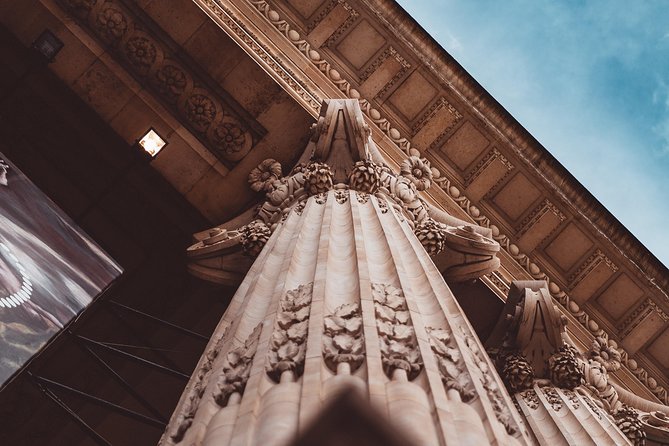
I find this format especially useful early in a Paris trip. A good guide can give you a visual vocabulary that helps for the rest of your stay. After hearing how styles changed, you may begin to notice the difference between medieval irregularity, Gothic vertical lines, formal classical design, and the grand public architecture of later Paris.
The route is tailored, so you should tell your guide what interests you at the start. If you care about churches, city planning, public buildings, or details that most people walk past, say so clearly. The more specific you are, the more useful a private tour becomes.
Notre Dame and the drama of French Gothic design
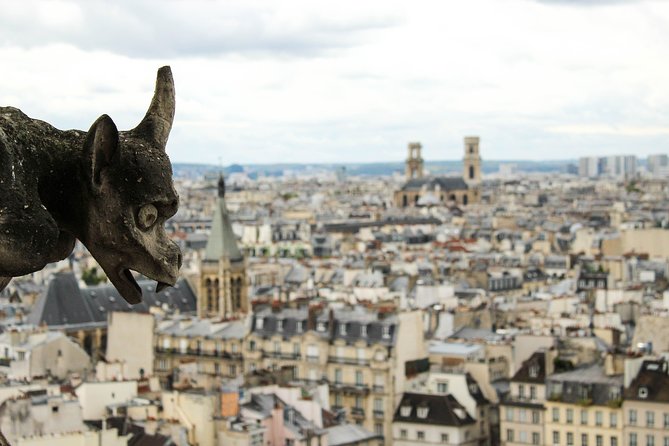
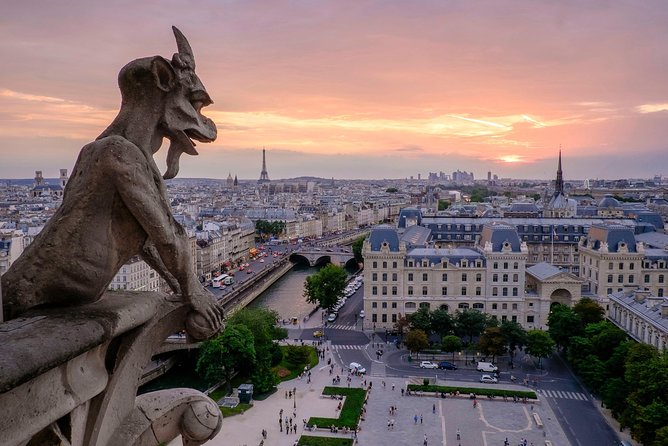
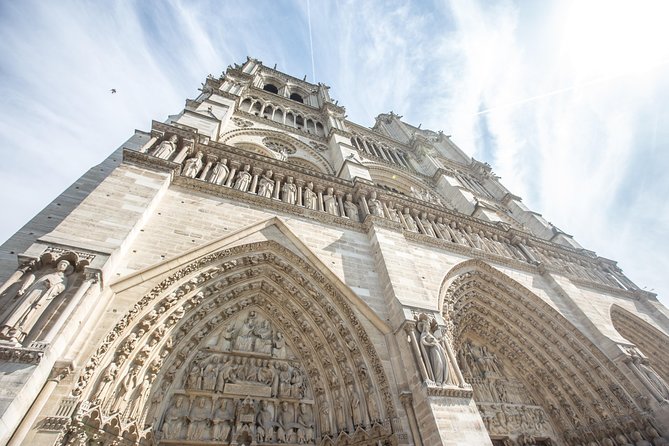
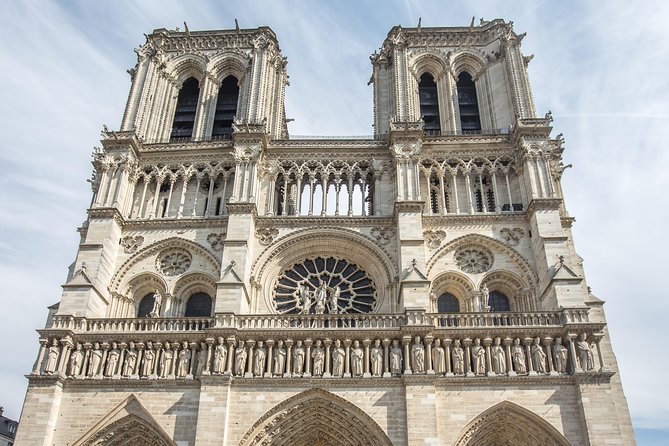
The walk ends at Notre Dame, the famous cathedral on the Île de la Cité. Even from the outside, it is one of the best places in Paris to talk about French Gothic architecture, with its strong vertical emphasis and carefully organized structural design.
A guide can help you look beyond the familiar outline. Gothic churches are built to draw the eye upward, and their design combines engineering, ceremony, decoration, and urban presence. Notre Dame also carries enormous historical weight, so the stop connects architecture with the long story of Paris.
Because the tour ends here, you can take your time afterward. The experience itself lasts about two hours, but Notre Dame is a useful place to continue exploring once the guide has finished. The end point also places you close to other central sights, though the tour does not include admission to monuments or museums.
One practical point: the cathedral is the fixed end of the route, but the exact order and selection of stops can change. Weather and your interests may affect the walk. That flexibility is helpful, though anyone hoping for a rigid checklist of every landmark should clarify priorities before setting out.
Grand exhibition architecture and Paris on a grand scale
Another stop takes you to a historic site known for major exhibitions and architectural splendor. The appeal here is the building as a public statement. Paris has long used large cultural structures to project ambition, confidence, and artistic taste, and exhibition halls make that especially clear.
You can expect the guide to connect the building with the city’s changing architectural style. These places were designed to handle crowds, display art, and create a sense of occasion. Their scale feels very different from the tight streets and older structures found elsewhere in central Paris.
This is one reason the private format can work well. A standard group tour may give you a quick label and a date. A local guide can instead relate the building to the street around it and explain how the site fits into the larger shape of Paris.
The drawback is that the tour is short. Two hours can give you a clear introduction, but it will not provide a full architectural study of each building. If you want detailed information on one major site, tell the guide before the walk so the itinerary can lean in that direction.
A few more architecture tours around France worth a look
- Bastille’s Architecture & Artisans Self-Guided Walking Tour
★ 4.5 · 18 reviews - Strasbourg : Neustadt Architecture Walking Tour
★ 5.0 · 14 reviews - Architectural Bourgeois Paris 19th Century
★ 4.0 · 4 reviews - Paris: Discover the hidden architecture gems of Le Marais
★ 3.8 · 4 reviews
Pont Neuf, Paris’s oldest standing bridge
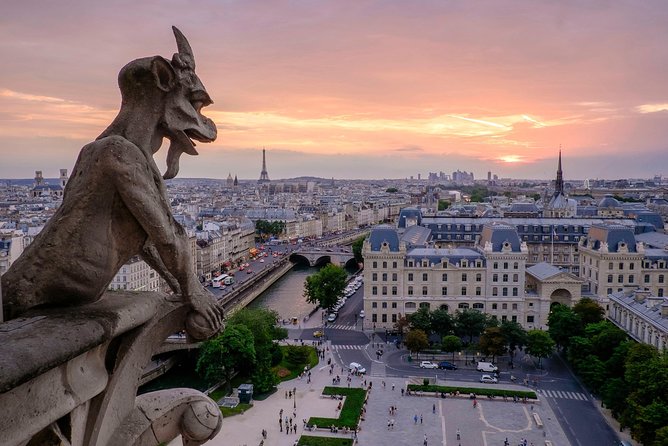
The route includes Pont Neuf, Paris’s oldest standing bridge. Despite its name, which means New Bridge, it is one of the city’s oldest surviving crossings. Its name and age offer a small reminder that Paris often layers old and new ideas on top of one another.
A bridge is a fine place to understand the city because it joins architecture with movement. You see the river, the banks, the island, and the way Paris is organized around the Seine. The views can also provide a welcome pause after walking through busy streets.
Pont Neuf has a romantic reputation, but its real value on this tour is practical and visual. It helps you see how the river shaped Paris and why the historic center developed where it did. Your guide may also use the bridge to point out how older structures remain part of the modern city.
The bridge is open-air, so weather matters. Stops may change if conditions are poor, and you should wear shoes suitable for a walking route. The experience is designed for most people, but anyone with impaired mobility should discuss needs before booking because the itinerary involves city streets and a walking pace.
The Champs-Élysées setting and a luxury shop stop
The walk also includes a luxury stationery and accessories store set against the backdrop of the Champs-Élysées. This is a more unusual stop than a cathedral or bridge, and that is part of its appeal.
It shows how architecture and commerce share the same Parisian stage. A grand avenue is not only lined with monuments. It also shapes the setting for shops, cafés, brands, and everyday city life. The stop gives you a glimpse of how the city’s famous public spaces continue to function as commercial places.
Do not treat this as a shopping tour. Personal expenses are not included, and the main purpose is to consider the setting and design rather than make purchases. Still, the stop adds variety and keeps the route from becoming a string of churches and civic buildings.
If shopping is not your interest, tell the guide. The itinerary is meant to adapt, and your guide may be able to give that part less time while focusing on architecture or history elsewhere.
What a private local guide changes
The strongest part of this experience is the guide’s ability to respond to you. The tour is exclusive to your group, and the route can adapt to your interests and walking pace. That makes a real difference when two people want something more focused than a large introductory tour.
One guide connected with this experience is Anthony. If he leads your walk, you can ask for a balanced mix of history and architecture. His approach is described as attentive to what you want to see, which is exactly the quality you should seek in a private tour.
You should arrive with a few questions. Ask about the 1800s city plan, the difference between Gothic and later styles, the purpose of a grand exhibition building, or the way the Seine shaped the historic center. A private guide is most useful when you treat the walk as a conversation rather than a moving lecture.
The guide is an independent local, not a museum employee or a dedicated transport service. That keeps the experience personal, but it also means the precise route and depth of information can vary. The tour promises a tailored itinerary, not a fixed academic program.
Is $636.25 a fair price for two hours?
At $636.25 per group of up to two, this is expensive. The cost is not mainly buying admission, transport, or a long day of sightseeing. It is buying private time with a local guide who can shape the walk around your interests.
For two people, that works out to a substantial per-person cost. The value improves if you want individual attention, have limited time in Paris, or care about architecture enough to ask detailed questions. It makes less sense if you simply want a quick introduction to the main sights, since less expensive group walks can cover that basic need.
The pricing structure also mentions larger private groups of four, eight, or 12 people. The supplied price is specifically $636.25 for up to two, so confirm the correct rate for your group before booking. Splitting a larger group price among several people may make the experience more reasonable, but the exact cost is not provided here.
The tour is booked far ahead on average, about 186 days in advance. That suggests you should not leave it until the last minute if the date matters to you. Morning and afternoon times are available, so you can fit the walk around museum visits, meals, or a train schedule.
Who will get the most from this walk?
I would choose this experience for someone who has already seen the standard Paris checklist and now wants help understanding what is in front of them. It is also a good fit for a first visit if you prefer a personal guide to a crowded group.
You will get the most from it if you enjoy asking questions and noticing details. Architecture students, design-minded visitors, photographers, and couples who want a private introduction to central Paris may find the format worthwhile.
Families and mixed-interest groups can also benefit because the guide can adjust the pace. The route is suitable for most participants, and service animals are allowed. Still, it is a walking tour, so anyone with reduced mobility should ask about the route in advance rather than assume every section will be easy.
You should skip it if you want extensive indoor access, a full-day tour, or a low-cost way to see the city. Tickets for transportation, museums, and monuments are not included, and the tour does not promise entry to the sights along the way.
Booking details that matter
You receive confirmation at booking, and the ticket is mobile, so you do not need a printed voucher. The meeting point is 152 Avenue des Champs-Élysées, and the tour finishes at Notre Dame.
Free cancellation is available if you cancel at least 24 hours before the local start time. Cancellations or changes made within 24 hours are not refunded or accepted, so check your schedule carefully before the cut-off.
The route may change with weather conditions. The itinerary also adapts to your walking pace and interests, which is useful but means you should not expect every stop to receive equal attention.
Should you book Architectural Paris?
Book this private walk if personal attention and architectural context matter more to you than keeping costs low. The route links the Champs-Élysées, major public buildings, Pont Neuf, and Notre Dame, giving you a compact way to understand how Paris developed from medieval streets into a grand planned capital.
The best reason to choose it is the flexibility. A guide such as Anthony can listen to what you care about and shape the discussion around it. The main reason to pass is the price, especially since the two-hour experience includes no entry tickets or transportation.
For two people with a strong interest in Parisian design, the cost may be justified. For everyone else, compare it with a less expensive group walk and save this kind of private guide for a longer or more specialized experience.
FAQ
How long does the Architectural Paris tour last?
The walking tour lasts approximately two hours.
Where does the tour start?
The tour starts at 152 Avenue des Champs-Élysées, 75008 Paris, France.
Where does the tour end?
The tour ends at Notre Dame in Paris.
Is the tour private?
Yes. Only your group participates, and the tour includes an exclusive private guide and a tailored itinerary.
Are entry tickets or transportation included?
No. Transportation, museum, and monument entry tickets are excluded. Personal expenses are also not included.
Can I cancel for a full refund?
Yes, if you cancel at least 24 hours before the experience starts. Cancellations or changes made less than 24 hours before the start time are not accepted, and no refund is provided.
Just added around France
- Architectural Strasbourg: Private Tour with a Local Expert★ 5.0 · 2 reviews
- Neoclassical Paris Architecture 2-Hour Private Walking Tour★ 5.0 · 7 reviews
- Gothic Paris – Castles & Cathedrals (Marais History Walk-Small Group Tour)★ 5.0 · 3 reviews
- Architectural Bourgeois Paris 19th Century★ 4.0 · 4 reviews
- Paris Art Nouveau Private Tour★ 5.0 · 7 reviews
- Art Nouveau visit to Nancy★ 5.0 · 13 reviews
- Dijon Signature Walk: Gothic Landmarks & Ducal Grandeur★ 4.5 · 9 reviews
- Strasbourg : Neustadt Architecture Walking Tour★ 5.0 · 14 reviews
Paris Architecture Tours, compared.
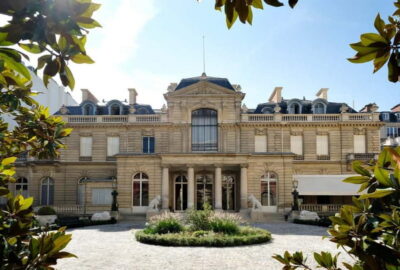
Paris: Splendors of the Baroque at the Jacquemart-André Museum – Entry Ticket
Read our review →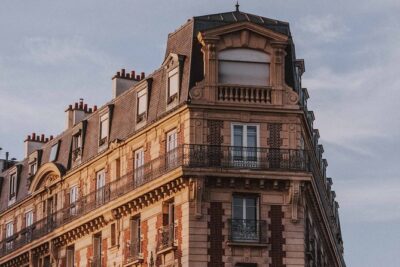
Bastille’s Architecture & Artisans Self-Guided Walking Tour
Read our review →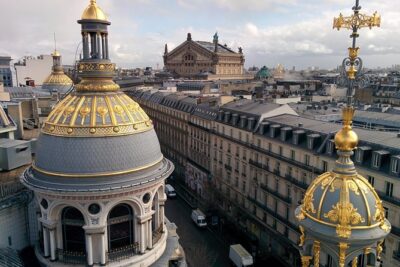
Private Art Nouveau and Art Deco tour near Opera
Read our review →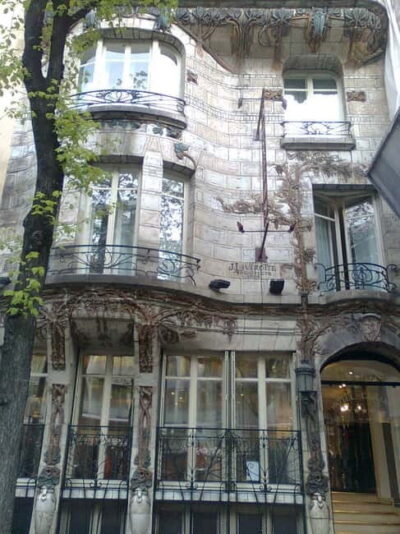
Paris – Private Guided Tour with Art nouveau Theme
Read our review →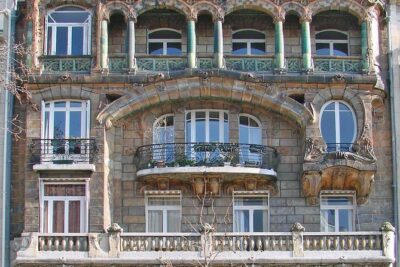

Neoclassical Paris Architecture 2-Hour Private Walking Tour
Read our review →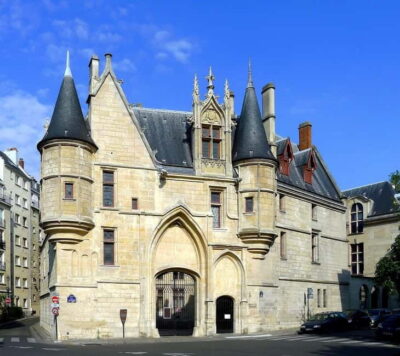
Paris: Discover the hidden architecture gems of Le Marais
Read our review →
Browse the lists this tour appears in