
Review · PARIS
Architectural Bourgeois Paris 19th Century
Paris changes character as you walk from Parc Monceau to Galeries Lafayette. This two-hour route follows the money, ambition, architecture, and new technology that reshaped the city during the 19th century and Belle Époque.
I like the mix of open-air sights and interiors, especially the park’s odd monuments and the chance to enter Saint-Augustin Church. I also like the clear story line: Haussmann’s boulevards, the railway boom, and the rise of grand department stores all connect.
The main drawback is the pace. You cover several neighborhoods in two hours, so some stops are brief rather than deeply explored. You should also be comfortable walking and standing, with no private transportation or coffee included.
Key points to know before booking
- A historian leads the walk: François specializes in 19th-century Paris and can guide in both French and English.
- The route links five major stops: Parc Monceau, the Haussmann statue, Saint-Augustin Church, Gare Saint-Lazare, and the department stores.
- The group is limited to 10 people: This gives you a better chance to hear explanations and ask questions.
- You see a less postcard-famous side of Paris: The focus is on bourgeois homes, urban planning, commerce, railways, and architecture.
- The walk ends at Galeries Lafayette: The interior visit gives the tour a strong final scene beneath the famous department store architecture.
- Plan for a moderate amount of walking: The tour lasts about two hours and moves between several locations.
Why this route explains modern Paris
Many Paris walks focus on medieval streets, royal monuments, or the Revolution. This one looks at the city after industrial growth and major urban rebuilding changed how people lived, shopped, traveled, and showed their wealth.
That makes the route useful if you want to understand why central Paris has its broad avenues, uniform apartment façades, grand railway stations, parks, private mansions, and department stores. These are not random attractions placed next to one another. They are pieces of the same 19th-century story.
Your guide is a historian specializing in this period. François brings the strongest personal connection to the 8th district and the surrounding area, and the route benefits from that focus. A guide with this specialty can explain more than dates and names. You get the social side of the period too, including the entrepreneurs who gained fortunes from industrialization and then built lives in this part of Paris.
The group size matters here. With no more than 10 people, the walk should feel more like a guided conversation than a moving lecture. You can ask about architecture, literature, urban planning, or the people who lived in the grand residences along the route.
A few more architecture tours around France worth a look
- Bastille’s Architecture & Artisans Self-Guided Walking Tour
★ 4.5 · 18 reviews - Strasbourg : Neustadt Architecture Walking Tour
★ 5.0 · 14 reviews - Neoclassical Paris Architecture 2-Hour Private Walking Tour
★ 5.0 · 7 reviews
Parc Monceau: a park built for spectacle
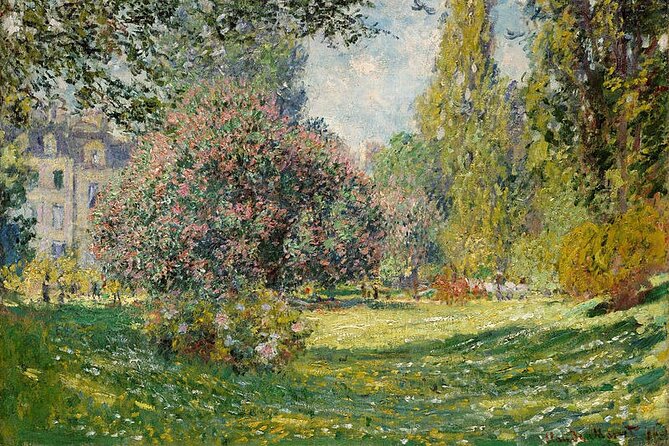
The walk begins at Parc Monceau in the 17th arrondissement. This is not just a pleasant patch of grass for a quick stroll. The park was designed with theatrical features that make it feel unlike Paris’s more formal gardens.
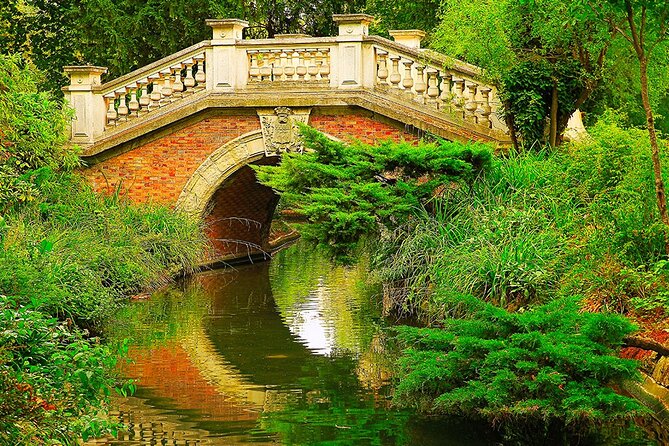
You’ll see an ancient colonnade, a bridge, a pyramid, and striking mature trees. The odd combination is part of the park’s appeal. Instead of one grand axis leading to a palace, Parc Monceau gives you a series of picturesque views as you move through it.
Allow yourself to look up and around. The trees, architectural fragments, and water features create good photo opportunities, but the guide’s explanation is what gives them meaning. The park provides an introduction to the taste of the wealthy classes, who valued gardens as settings for display, leisure, and conversation.
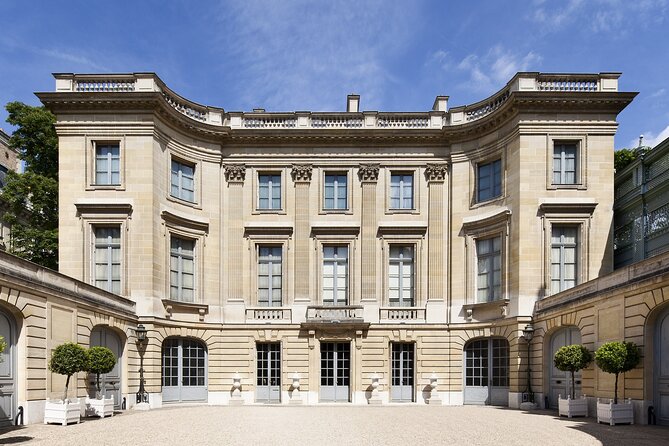
The walk also passes several notable private residences and buildings, including Hôtel Menier, the Pagoda of Mr. Loo, and the Hôtel particulier de Camondo. These names represent different chapters in the area’s architectural story.
A hôtel particulier is a private urban mansion, usually built for a wealthy family. Seeing these buildings around the park helps you understand the neighborhood as a place where rich industrialists and collectors wanted both privacy and prestige.
The Pagoda of Mr. Loo adds a different note to the route. It is an unusual sight in this part of Paris, and it helps show how 19th and early 20th-century wealth could express itself through collecting, travel, and imported artistic styles.
The scheduled stop lasts about 30 minutes. That is enough time for a guided circuit and photographs, but not enough for a leisurely park visit on your own. If you want to study every façade or sit beneath the trees, plan to return later.
Haussmann’s Paris at the statue of the city planner
From the park, the route turns to Baron Haussmann, the official most associated with Paris’s great 19th-century rebuilding. At his statue, you pause to consider how one person’s plans changed the city’s appearance.
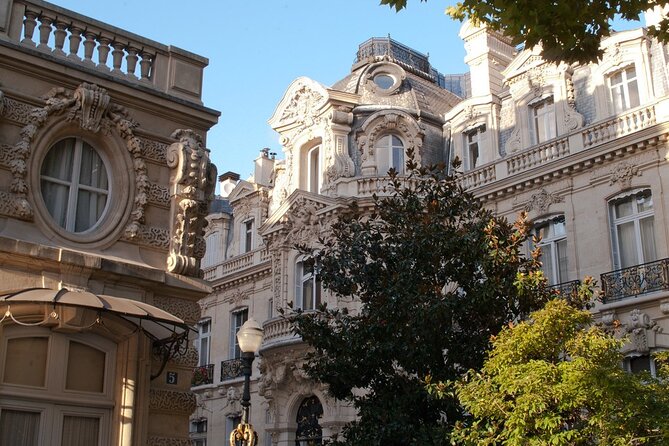
Haussmannian Paris is easy to recognize. You’ll see broad avenues, orderly apartment blocks, and façades that create long, unified views. The design was not only about beauty. Wider streets changed movement through the city and made room for a modern capital with more traffic, commerce, and public activity.
This stop is valuable because it connects the grand architecture to practical urban change. The apartment blocks were part of a new city pattern, not isolated monuments. As you walk, notice how the buildings relate to the boulevards and how the broad streets make the area feel more open than older parts of Paris.
The statue stop lasts about 20 minutes. That is a good amount of time for a focused explanation, though the subject is large enough to fill an entire lecture. If Haussmann’s planning is your main interest, you may want to ask François specific questions about the neighborhood and the effects of the rebuilding.
Saint-Augustin Church and the Paris of 1860
Saint-Augustin Church gives the walk an interior stop and a chance to see a building created during the period under discussion. The church was built around 1860, making it a direct example of the 19th-century city rather than an older monument repurposed by later generations.
Entering the church breaks up the outdoor walking and gives you a chance to study the architecture at a slower pace. It also shows how religious buildings fit into Haussmann’s expanding city. The church is part of the same period as the apartment blocks, boulevards, and new urban neighborhoods outside.
The scheduled visit lasts about 20 minutes. That is enough for an introduction and a look around, but not a full art-historical examination of the building. If you enjoy quiet interiors, take advantage of the pause and look carefully at the scale and design before the group moves on.
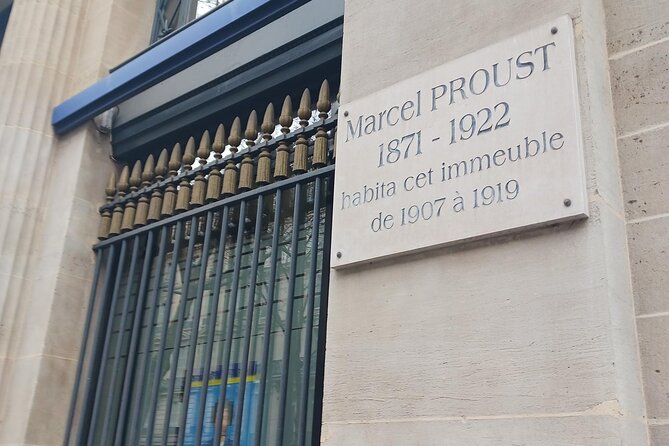
There is also an optional detour connected with Marcel Proust. By request, the route can pass the place where Proust lived and wrote À la recherche du temps perdu. This is an especially useful addition if literature interests you, though you should request it rather than assume it is automatically part of the standard walk.
The Proust connection also adds a reminder that this neighborhood was not only about businessmen and grand façades. It became part of the intellectual and literary life of Paris as well.
Same city, a completely different century:
- Train Exp. through the Alps (Royal Baroque Route from Nice)
★ 5.0 · 682 reviews - Paris: Splendors of the Baroque at the Jacquemart-André Museum – Entry Ticket
★ 4.5 · 99 reviews - Reims Art Deco guided tour
★ 4.5 · 26 reviews - Guided Tour of Nancy, French Capital of Art Nouveau
★ 5.0 · 18 reviews
Gare Saint-Lazare and the railway age
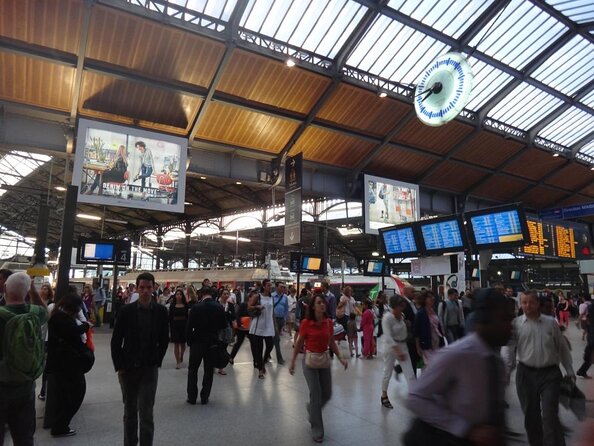
The next section passes the back side of Gare Saint-Lazare, one of Paris’s major railway stations. The station is an important clue to the period because rail travel helped reshape both the city and the fortunes of its residents.
Industrialization created new wealth. Entrepreneurs made money from factories, trade, transport, and related businesses, and many of them lived in or around the neighborhoods on this route. The station represents the wider network that connected Paris with other parts of France and helped speed up business and leisure travel.
This is a good place to think about cause and effect. The railway was not just a way to arrive in the city. It supported the rise of new commercial classes, changed the flow of goods and people, and helped create demand for the offices, apartments, restaurants, and shops that followed.
The stop lasts about 20 minutes and takes place around the rear of the station. That detail matters. You should not expect a full station tour or an extended look at the platforms. The point is the station’s role in the neighborhood and the period, not a railway museum experience.
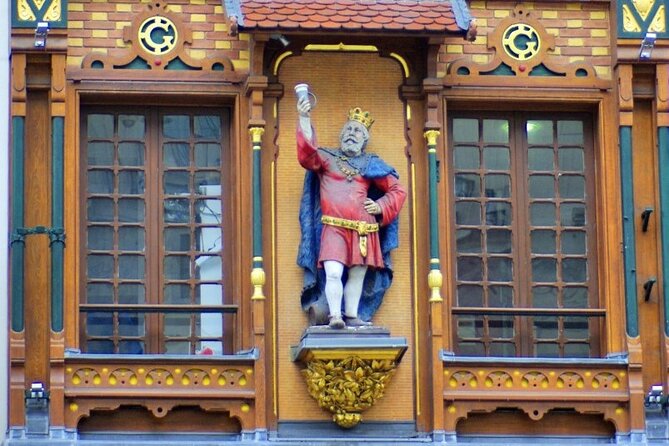
In front of the station, you’ll also see a remarkable building associated with Le Roi de la Bière. The route points out the building’s restaurant, which now includes a McDonald’s. That odd pairing is a small but amusing example of how Paris layers different eras on top of one another. A Belle Époque commercial building can remain part of daily modern life, even when its current use has changed.
Printemps and the rise of the grand department store
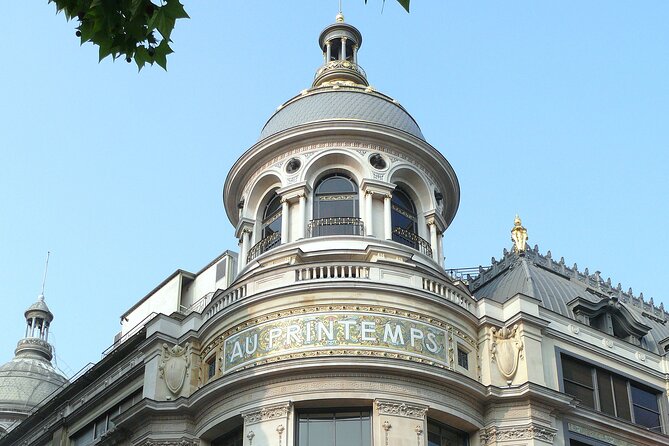
The route finishes near Printemps and continues inside Galeries Lafayette. This is a fitting ending because the great department stores were one of the defining commercial inventions of 19th-century Paris.
Before the rise of these stores, shopping was more divided among individual specialist shops. The grands magasins gathered many goods under one roof and turned shopping into a public experience. Their interiors, displays, and large-scale architecture made retail part commerce, part entertainment, and part social outing.
At Printemps, you see the exterior presence of this retail age. Then Galeries Lafayette provides the more dramatic finish. The tour includes entry during opening hours, and the guide invites you inside for a look at the building’s remarkable interior.
The final stop is scheduled for about 30 minutes. This gives you time to take in the architecture and photograph the interior, but opening hours are important. The included Galeries Lafayette visit applies during operating hours, so the exact experience depends on when the department store is open.
The ending also makes practical sense. You finish at 40 Boulevard Haussmann, near the center of the department-store district, rather than returning to the starting point. From there, you can continue shopping, visit another nearby sight, or stop for a meal.
What the two-hour schedule feels like
The route is organized into five sections of roughly 20 to 30 minutes each. That keeps the walk moving and prevents any one subject from taking over the entire experience.
You should expect a mix of walking, short pauses, outdoor commentary, photographs, and brief interior visits. The route is not designed for a long sit-down lecture or extended free time at each location.
A moderate level of physical fitness is recommended. The tour takes about two hours and covers several sites, so comfortable shoes are sensible. Since private transportation is not included, you move between the stops on foot with the group.
The 10:30 a.m. start is useful for seeing Galeries Lafayette during opening hours, but check the stated operating schedule when you book. The route begins at Monceau in Paris’s 17th arrondissement and finishes in the 9th arrondissement. It is not a loop.
The mobile ticket makes arrival simple. You receive confirmation at booking, and service animals are allowed. The route is near public transportation, which helps you reach the starting point and continue from the final stop.
The guide and the value of the experience
At $68.65 per person, this is not the cheapest way to spend two hours in Paris. You can walk through Parc Monceau or pass the department stores without paying for a guide.
The value comes from the connections. François, a historian who specializes in 19th-century Paris, provides a framework for understanding why these sites belong together. You are paying for interpretation, a planned route, a small group, and entry to Galeries Lafayette during opening hours.
The strongest personal feedback praises François for being friendly, informed, and comfortable speaking both French and English. The walking pace was also singled out positively. Those details matter because a history walk can become tiring if the guide talks too long or moves too fast.
I would not book this tour only to collect a long list of famous monuments. You might find the experience less satisfying if you want to enter many buildings, spend extensive time shopping, or cover a much larger stretch of Paris.
I would book it if you enjoy architecture, urban planning, literature, social history, or the story of Paris after industrialization. It is also a good choice if you have already seen the main medieval and royal sights and want a different side of the city.
The tour is typically booked about 32 days ahead, so advance planning is sensible if your schedule is fixed. Free cancellation is available until 24 hours before the start time. After that point, the amount paid is not refunded, and late changes are not accepted.
Who should book the Monceau to Haussmann walk
This experience suits you best if you want:
- A short history-focused walk rather than a full-day excursion
- A small group with no more than 10 people
- Architecture and city planning explained in context
- A route through the 17th, 8th, and 9th arrondissement area
- A guide who can speak French and English
- A mix of parks, church interiors, railway history, private residences, and department-store architecture
It may not suit you if walking is difficult, if you want private transportation, or if you prefer a tour built around major royal monuments. The pace is manageable, but the experience still requires you to walk between several stops and remain on your feet for much of the two hours.
Should you book it?
Book this tour if you want Paris explained through its 19th-century transformation. Parc Monceau, Haussmann’s boulevards, Saint-Augustin Church, Gare Saint-Lazare, and Galeries Lafayette form a clear story about wealth, design, technology, and modern city life.
The best reason to go is the guide’s period specialty and the small group size. The main caution is that each stop receives only a short visit. If you accept that tradeoff, the $68.65 price is reasonable for a focused history walk that ends with one of Paris’s most memorable department-store interiors.
FAQ
How long does the Architectural Bourgeois Paris 19th Century tour last?
The tour lasts approximately two hours.
Where does the tour begin?
The tour begins at Monceau, 75017 Paris, France.
Where does the tour end?
The tour ends at 40 Boulevard Haussmann, the address of Galeries Lafayette.
What time does the tour start?
The tour starts at 10:30 a.m.
How many people can join the tour?
The tour has a maximum of 10 participants.
Is entry to Galeries Lafayette included?
Yes. Entry to Galeries Lafayette is included during opening hours.
Can the tour include a Marcel Proust detour?
Yes. By request, the guide can make a detour to the place where Marcel Proust lived and wrote À la recherche du temps perdu.
Just added around France
- Architectural Strasbourg: Private Tour with a Local Expert★ 5.0 · 2 reviews
- Neoclassical Paris Architecture 2-Hour Private Walking Tour★ 5.0 · 7 reviews
- Gothic Paris – Castles & Cathedrals (Marais History Walk-Small Group Tour)★ 5.0 · 3 reviews
- Architectural Paris: Private Tour with a Local Expert★ 5.0 · 2 reviews
- Paris Art Nouveau Private Tour★ 5.0 · 7 reviews
- Art Nouveau visit to Nancy★ 5.0 · 13 reviews
- Dijon Signature Walk: Gothic Landmarks & Ducal Grandeur★ 4.5 · 9 reviews
- Strasbourg : Neustadt Architecture Walking Tour★ 5.0 · 14 reviews
Paris Architecture Tours, compared.
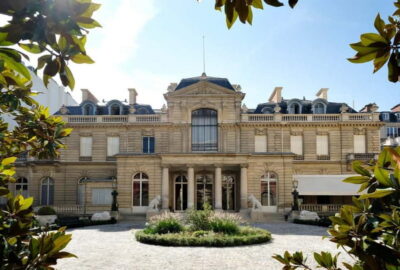
Paris: Splendors of the Baroque at the Jacquemart-André Museum – Entry Ticket
Read our review →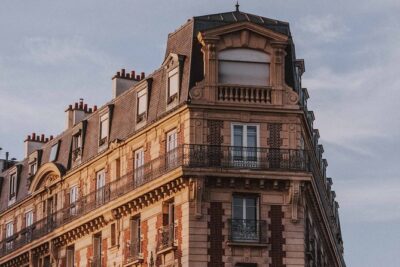
Bastille’s Architecture & Artisans Self-Guided Walking Tour
Read our review →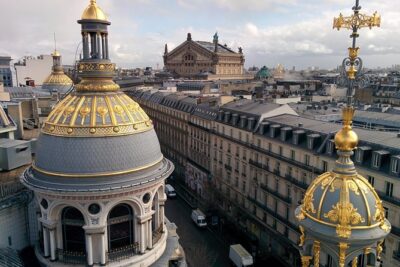
Private Art Nouveau and Art Deco tour near Opera
Read our review →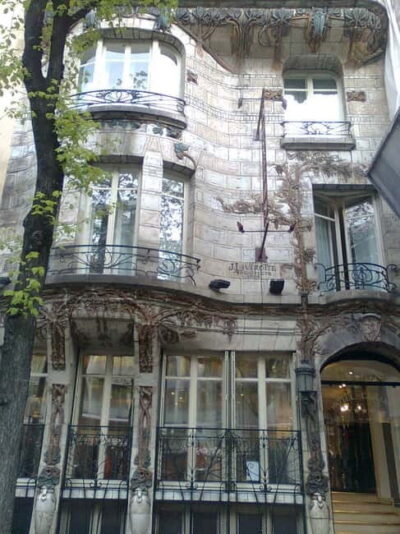
Paris – Private Guided Tour with Art nouveau Theme
Read our review →
Neoclassical Paris Architecture 2-Hour Private Walking Tour
Read our review →
Paris: Discover the hidden architecture gems of Le Marais
Read our review →
Gothic Paris – Castles & Cathedrals (Marais History Walk-Small Group Tour)
Read our review →Browse the lists this tour appears in