
Review · LONDON
London: Official Natural History Museum Tour – Architecture
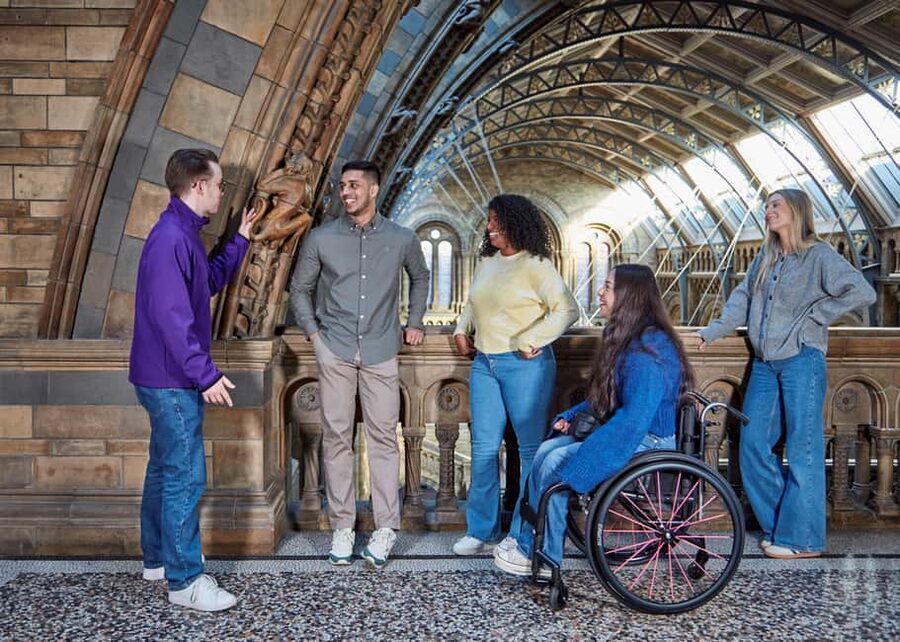
The Natural History Museum is much more than a shell for dinosaur bones and stuffed animals. Its late-1800s building is part cathedral, part field guide, with gargoyles, carved creatures, high ceilings, and terracotta details that turn a walk through the entrance into a lesson in Victorian design.
I like the small-group format, which gives your guide room to point out details that are easy to miss. I also like the tour’s tight one-hour plan, especially if you want a clear introduction before exploring the museum on your own.
The main limitation is simple: one hour is enough to understand the building, not enough to see the museum’s collections in depth. You’ll also need to find the correct meeting point on Exhibition Road, since this tour does not begin at the main Cromwell Road entrance.
Key points at a glance
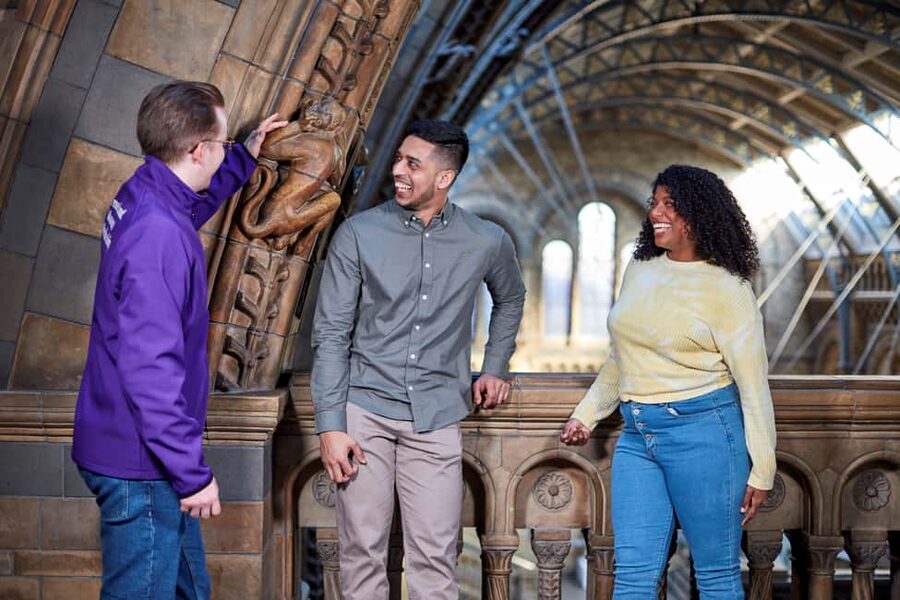
- Nature carved into the building: Look for terracotta animals, gargoyles, decorative stonework, and a monkey with a human face linked to Charles Darwin.
- Original plans made visible: Digital copies of early sketches, drawings, and building plans help explain how the museum took shape.
- A focused one-hour route: The tour covers the original building and ends in the modern Darwin Centre.
- Small group, English guide: The activity details list a group of up to seven people, while the tour highlights describe groups of up to ten, so check the exact size when booking.
- A useful choice for return visitors: The guide reveals architectural details you may have walked past on earlier museum visits.
- Good practical value: The $20 price includes general museum entry, skip-the-line access, and a live tour guide.
Why the Natural History Museum building deserves its own tour
Many people enter the Natural History Museum with one mission: find the dinosaurs. That is understandable. Yet the building itself is one of London’s great museum experiences, and this tour gives it the attention it rarely receives.
The museum was built in the late 1800s in a Romanesque style. That means heavy arches, strong stone forms, rounded shapes, and a sense of weight. But this is not a plain stone box. Its decoration is tied closely to the natural world, so the building works almost like a three-dimensional catalogue of plants and animals.
The best reason to take this tour is that a guide gives meaning to details you might otherwise treat as background decoration. A carved animal high above your head can be easy to miss. Once someone points it out, you start looking at the museum differently.
I especially like the idea behind the design. The collections are about nature, and nature appears on the walls, ceilings, entrances, and carved surfaces. The building is not simply a container for specimens. It is part of the museum’s story.
More museum and gallery visits in the world:
- Private Edo-Tokyo Open Air Architectural Museum Tour
★ 4.8 · 15 reviews - Chelsea Galleries and High Line; Art, Architecture and History
★ 5.0 · 14 reviews - Castle to Capitol: Museums of the National Mall Architecture Tour
★ 4.5 · 9 reviews
Meeting on Exhibition Road, not Cromwell Road
The tour begins outside the museum’s staff and Flett Theatre entrance on Exhibition Road, opposite the Victoria and Albert Museum. This entrance is next to the public entrance on Exhibition Road, but it is not the main entrance on Cromwell Road, which is reached through the gardens.
That distinction matters. The Natural History Museum has several visible approaches, and arriving at the wrong side could cost you valuable time on a one-hour tour. Give yourself enough time to identify the Exhibition Road meeting point before the starting time.
The listed what3words location is ///bunny.moment.seated. You can also use the Victoria and Albert Museum as a clear nearby reference point. Once you are at the correct entrance, the tour route takes you inside the museum and finishes in the Darwin Centre.
This is a particularly important detail for anyone who has visited the museum before. You may know the building well but still be used to entering through Cromwell Road. Follow the meeting instructions rather than relying on memory.
The opening story: sketches, plans, and Victorian ambition
The guide begins with the building’s origins in the late 1800s. You are shown digital copies of original sketches, detailed drawings, and plans. These materials give you a chance to see the museum before it became the grand institution you recognize today.
Architectural plans can sound dry, but here they serve a practical purpose. They help you connect the finished stonework with the decisions behind it. You can better understand how the building was arranged, how the decorative program developed, and why so much attention went into surfaces that many museum visitors pass without a glance.
This part also sets up the larger theme of the tour: the museum was designed as an expression of the natural world. The carvings are not random decoration added after the fact. They relate to the collections and to the purpose of the institution.
A good guide makes this section work by keeping the story connected to what you can see. Glenn Harper is one guide associated with the experience, and his approach has been praised for pointing out details that would be difficult to notice without help. The tour is strongest when the plans and drawings lead directly to the carved building around you.
The main building and its carved animal life
As you move through the museum, look above eye level. The building is filled with gargoyles, intricate carvings, and high decorative ceilings, but you will not catch every detail by simply walking from one gallery to another.
The terracotta animals are among the most memorable features. They give the architecture a playful edge, even when the overall building feels grand and serious. Instead of presenting nature only in glass cases, the museum places it directly into the structure.
One unusual detail is a carved monkey with a human face that bears a striking resemblance to Charles Darwin. It is exactly the kind of feature you might miss without a guide. It also connects the museum’s decoration to the scientists and thinkers associated with natural history.
That Darwin connection is more than a quick visual joke. It gives you a sense of how the museum’s subjects, personalities, and architecture overlap. A tour guide can explain why a particular figure or animal matters, then direct your attention to the precise carving.
The high ceilings and stonework also change the way the museum feels. You are not just moving between display rooms. You are passing through a carefully planned setting that asks you to look upward, outward, and along the walls.
More history tours in the world:
- Chicago in a Day: Food, History & Architecture Walking Tour
★ 5.0 · 1,153 reviews - Kuala Lumpur: Batu Caves & Historic Buildings Tour
★ 4.7 · 539 reviews - Charleston’s Best Highlights: History, Culture & Architecture
★ 5.0 · 422 reviews - Palm Springs Modernism Architecture & History Bike Tour
★ 5.0 · 359 reviews
Seeing what repeat visitors often miss
This tour makes sense even if you have already visited the Natural History Museum. In fact, repeat visitors may get more from it because they already know the general layout and can focus on the building.
The guide points out small details that are easy to overlook during a normal museum visit. That might be a carved animal, a decorative feature, or a connection between the museum’s design and its collections. The exact route and talking points may vary with the guide, but the purpose is clear: slow down and read the building.
The live commentary also helps in a busy public space. One guide, Glenn Harper, has been singled out for his passion and ability to make the tour engaging from one corner of the museum to the next. The guide is not merely leading you from door to door. You are being shown how to see.
Clear speech matters here. Museum entrances can have background noise, and groups often include people from several countries. The tour has been praised for being easy to hear, even with that surrounding noise. Headsets are provided during peak visitor hours, which should help when the building is crowded.
From Victorian design to the Darwin Centre
The tour does not stop with the original late-19th-century building. It finishes inside the newest part of the museum, the Darwin Centre. This creates a useful contrast between the old and the new.
At the beginning, you see the original plans and the ornate Romanesque structure. At the end, you reach a 21st-century addition designed for the museum’s continuing work. The contrast shows that the Natural History Museum is not frozen in its Victorian past.
The route therefore has a clear shape. It starts with the building’s origins, moves through its decorative language, and closes with its modern extension. You get a compact story of how the institution has changed while keeping its focus on the natural world.
Because the tour ends in the Darwin Centre, you can continue exploring the museum afterward if you wish. General museum entry is included, but paid temporary exhibitions are not. Plan your expectations accordingly: this tour explains the building, rather than serving as a ticket to every special show.
What the one-hour length means for your visit
One hour is a useful length for this particular subject. Architecture tours can become tiring when every room receives a long explanation. Here, the short format keeps the pace moving and makes it easier to fit the experience into a busy day in London.
You should think of the tour as an introduction, not a full museum visit. It will not give you time to study the collections, visit every gallery, or linger over the museum’s major specimens. Afterward, you may want to explore independently, especially if this is your first visit.
The short length also makes the tour suitable before another activity in South Kensington. You can use it to get your bearings, learn the building’s main ideas, and then decide which parts deserve more of your time.
I would not choose it if your only goal is to see the dinosaur displays. In that case, a guided architecture tour may feel like a detour. But if you appreciate design, historic buildings, or the stories behind familiar places, the hour is well spent.
Small groups and the guide’s role
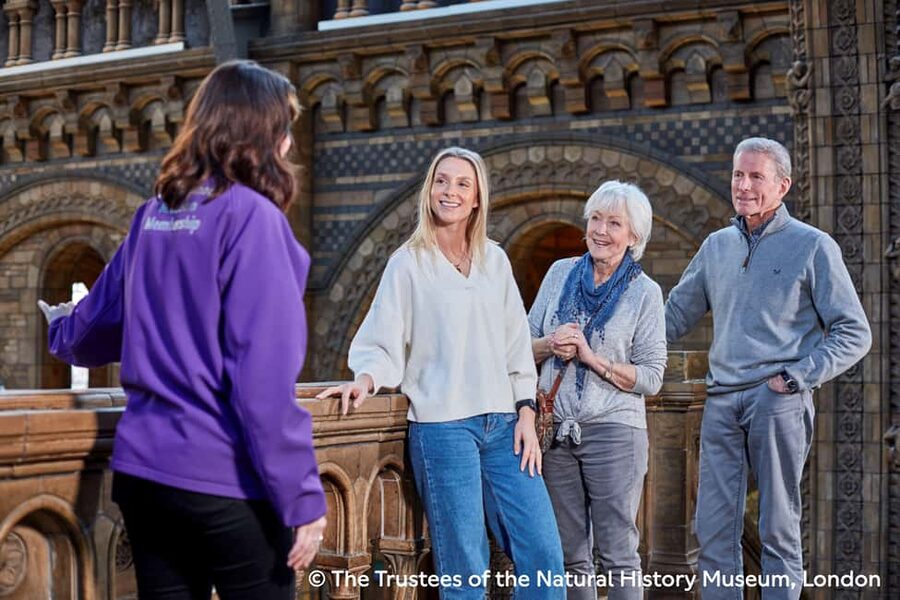
The activity is presented as a small-group experience. The detailed activity information lists a maximum of seven participants, while the highlights describe groups of up to ten. Check the group size shown for your chosen departure when booking.
Either way, this is intended to be a more personal experience than a large public talk. A smaller group gives the guide a better chance to keep everyone together and direct attention to small carvings or high architectural details.
The guide matters a great deal here. The tour depends on interpretation, not just movement through the museum. The most praised qualities are clear speaking, strong engagement, and a visible enthusiasm for the subject.
That makes the guide especially important for international visitors. The experience is in English, and the ability to follow the explanation in a noisy museum is part of its value. Headsets are supplied during peak visitor periods, but you should still expect a live spoken tour rather than an audio guide.
Is $20 a fair price?
At $20 per person, this is a reasonable price if you want more than a standard museum visit. The cost includes general museum entry, skip-the-line access, and an English-speaking guide. You are paying mainly for interpretation, since the building itself can be entered without joining this specialist tour.
The value improves if you have limited time. Instead of wandering through the museum and wondering what you are looking at, you get a clear architectural route in one hour. The guide helps you notice features that could otherwise remain invisible.
The value is also strong for repeat visitors. You may have already seen the galleries, but the tour offers a different reason to return. It shifts your attention from specimens to structure.
The price is less compelling if you plan to spend only a few minutes in the museum or if you want a full collections tour. It is also separate from entry to paid temporary exhibitions, so budget extra if one of those is part of your plan.
Free cancellation is available up to 24 hours before the tour for a full refund, and you can reserve now and pay later. Those options help if your London schedule is still changing.
Who should take this tour?
I would recommend it to:
- First-time visitors who want a clear introduction to the museum building
- Repeat visitors who have never studied the architecture
- Adults and older children interested in design, science, or Victorian institutions
- Visitors with only an hour to spare
- Anyone who enjoys small details, carved decoration, and stories linked to famous figures
- People who prefer a live guide to exploring entirely on their own
Children under four are not suitable for the activity. The tour is wheelchair accessible, which is useful for visitors who need an accessible route through the building.
I would be more cautious about booking it for very young children who mainly want dinosaurs. The architectural focus requires listening and looking closely. The museum itself may still appeal to them, but this particular hour is built around the building rather than the biggest specimens.
Practical tips before you go
Arrive at the Exhibition Road side, not Cromwell Road. Use the Victoria and Albert Museum opposite the meeting point as a landmark, and check the what3words location if you use that system.
Wear shoes you can comfortably use for an hour inside the museum. The experience is short, but you will be standing and moving through public spaces rather than sitting through a presentation.
Keep your eyes above the exhibits. Some of the best details are high on the walls and ceilings, and the guide may ask you to look in places you would normally ignore.
If you have a particular interest in Darwin, architecture, or museum design, mention it to the guide when appropriate. The route includes the Darwin-related carved monkey and finishes in the Darwin Centre, so those connections are central to the experience.
After the tour, use the included general entry to explore on your own. Do not assume paid temporary exhibitions are covered.
Should you book the Natural History Museum architecture tour?
Book it if you want to understand why the Natural History Museum feels so special before you even reach its collections. The carved animals, Romanesque design, original plans, Darwin reference, and modern Darwin Centre give the hour a clear story.
I especially recommend it if you have been to the museum before and never looked closely at the building. A skilled guide such as Glenn Harper can turn familiar corridors into a series of discoveries.
Skip it if your London schedule is extremely tight and your only aim is to see particular specimens. For everyone else, $20 buys a focused introduction, a small group, and a sharper way to see one of the city’s most recognizable museums.
FAQ
How long is the Natural History Museum architecture tour?
The tour lasts one hour.
What language is the tour in?
The live tour is conducted in English.
Where does the tour meet?
It meets outside the Natural History Museum staff and Flett Theatre entrance on Exhibition Road, opposite the Victoria and Albert Museum. This is next to the public Exhibition Road entrance, not the main Cromwell Road entrance.
Where does the tour finish?
The tour finishes inside the Darwin Centre, the newest part of the museum building.
Is general museum entry included?
Yes. General museum entry and skip-the-line access are included. Entry to paid temporary exhibitions is not included.
How many people are in the group?
The detailed activity information lists a small group of up to seven participants. The tour highlights refer to groups of up to ten, so check the group size for your selected booking.
Can I cancel or pay later?
You can cancel up to 24 hours in advance for a full refund. Reserve now and pay later is also available.
Just added around the world
- Wilmington History and Architecture Tour★ 4.8 · 18 reviews
- Washington, DC: Georgetown Architecture Walking Tour★ 5.0 · 8 reviews
- New Orleans : Garden District Architecture Walking tour★ 4.8 · 5 reviews
- Washington DC: Dupont Circle & Embassy Row Architecture Tour★ 5.0 · 6 reviews
- Vicenza: discovering the city of Palladio by e-bike★ 5.0 · 4 reviews
- Vicenza: Palladian Architecture Private Walking Tour★ 3.3 · 3 reviews
- Walk & Discover KL’s Architectural and Heritage Gems★ 5.0 · 7 reviews
- Unveiling Brno: History, Culture & Architectural Delights★ 5.0 · 2 reviews
Historical Tours, compared.
Chicago in a Day: Food, History & Architecture Walking Tour
Read our review →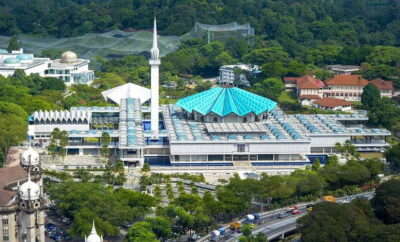
Kuala Lumpur: Batu Caves & Historic Buildings Tour
Read our review →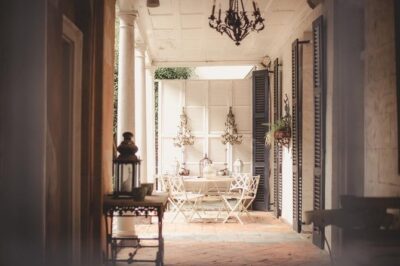
Charleston’s Best Highlights: History, Culture & Architecture
Read our review →
Palm Springs Modernism Architecture & History Bike Tour
Read our review →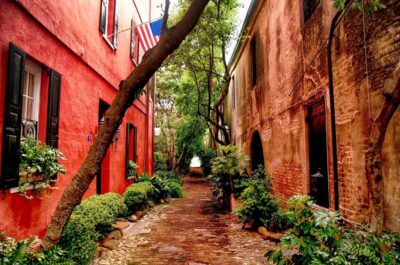
Charleston: History and Architecture Guided Walking Tour
Read our review →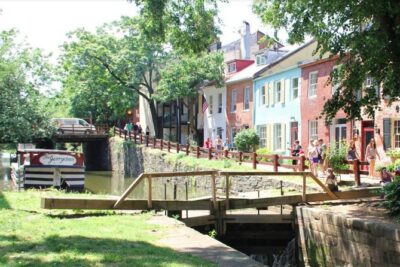
Historic Georgetown: History, Gossip, & Architecture Walking Tour
Read our review →
Charleston History, Homes, and Architecture Guided Walking Tour
Read our review →
Browse the lists this tour appears in