
Review · TOKYO
Private Edo-Tokyo Open Air Architectural Museum Tour
Tokyo’s past comes into focus inside the Edo-Tokyo Open Air Architectural Museum, where homes, shops, a bathhouse, and other buildings were moved from around the city and carefully preserved. You can trace the shift from samurai-era customs through the Meiji period and into modern Japan, all in one peaceful outdoor setting.
I like the way this tour connects Japanese rooms with European design, rather than treating architecture as a string of pretty façades. I also like the private format, which lets your guide shape the visit around your interests, as Yuichi did for guests keen on tea rooms and gardens. The main drawback is the journey: you travel by train and bus, and the $193 price is high if you only want a quick look at the museum.
Key points to know
- Kunio Maekawa’s wartime house: See how a leading Japanese modernist adapted sophisticated European ideas during the Second World War.
- Sutemi Horiguchi’s 1925 residence: Spot Dutch, Art Deco, and De Stijl influences within rooms that still follow Japanese traditions.
- A private English-speaking guide: Guides such as Yuichi and Yuki can explain both the buildings and the public transport needed to reach them.
- The Mitsui family home: Step into the polished world of one of Japan’s wealthiest families and see a more formal side of domestic life.
- A Ghibli-like Shitamachi setting: Walk past a bathhouse, an old train, and old Tokyo buildings, but do not confuse this tour with a visit to the Ghibli Museum.
- Slip-on shoes are a smart choice: Several buildings require you to remove your shoes before entering.
Why this museum explains Tokyo better than a single historic house
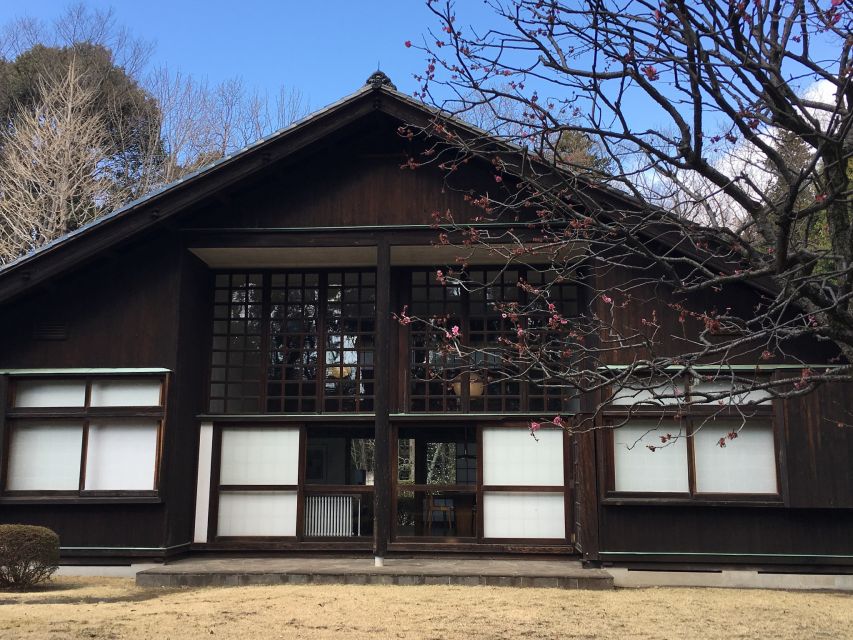
The Edo-Tokyo Open Air Architectural Museum is useful because it shows change side by side. Instead of seeing one preserved home and trying to place it in time, you move among buildings from different periods and social settings.
That range gives the tour its value. You can see how older Japanese rooms, tatami floors, gardens, and sliding doors continued to shape homes even as architects borrowed ideas from Europe. You can also see how wealth, occupation, and family status affected the way a house was planned.
I find this more revealing than a standard sightseeing stop. A temple can show you a long-standing religious tradition, but these homes show how ordinary and elite life adapted to political change, new materials, foreign influence, and the growth of Tokyo.
The museum is outdoors, so the visit has an easy walking rhythm. You move from one building to another rather than spending five hours in a single gallery. Still, this is an architecture tour first. If you want a fast list of Tokyo landmarks, you may find the pace too focused. If you like understanding why rooms look the way they do, the private guide makes a real difference.
More museum and gallery visits in Japan:
- Barcelona: Park Güell and Gaudí House Museum Entry Ticket
★ 4.5 · 6,326 reviews - Vienna: Tickets for Kunst Haus Wien: Museum Hundertwasser
★ 4.6 · 651 reviews - Borghese Gallery Max 6 People Tour: Baroque & Renaissance in Rome
★ 5.0 · 185 reviews
Starting with Kunio Maekawa’s modern Japanese home
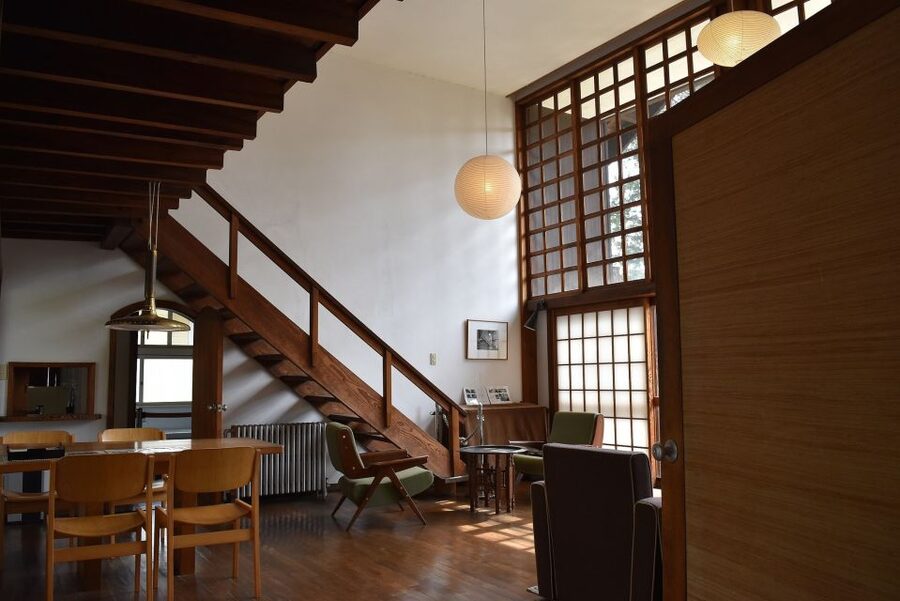
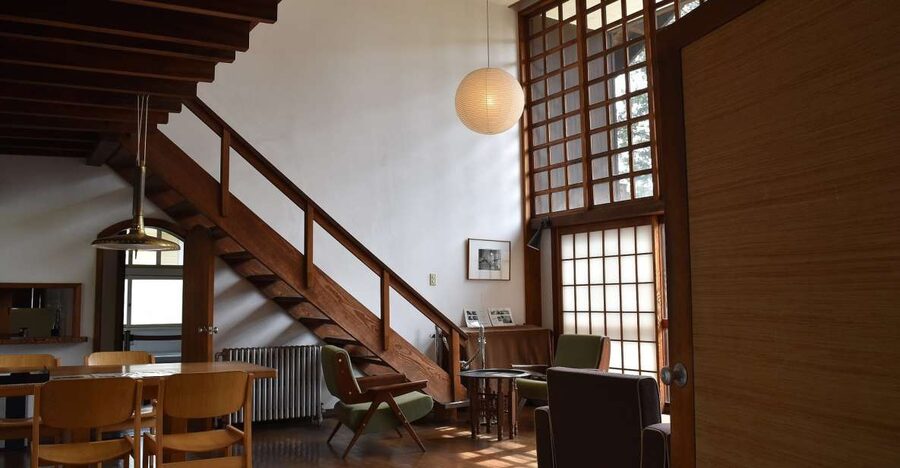
The first major stop is a house designed by Kunio Maekawa, a Japanese architect who worked under Le Corbusier and Antonin Raymond. Maekawa helped shape modern architecture in Japan, and this home shows how international ideas could be adapted rather than simply copied.
The house was built during the Second World War, which makes its design especially interesting. It was created in a difficult period, yet the architecture remains thoughtful and refined. You can look for the balance between practical needs and modern design principles, then compare it with the more traditional homes later in the visit.
This is a good place to ask your guide about Maekawa’s training and the role of European modernism in Japan. A guide can point out details that are easy to miss if you are walking through alone. The building is not just a famous architect’s work. It helps explain how Japanese architects developed their own modern language while studying figures from abroad.
The Maekawa house also sets the tone for the rest of the tour. You are not being asked to choose between Japanese and Western architecture. You are seeing the conversation between them.
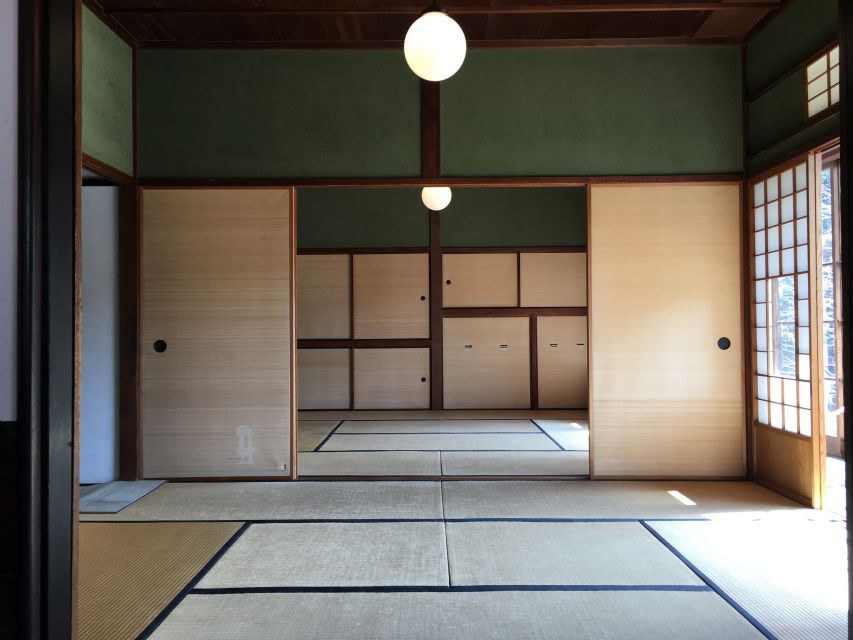
Finding Dutch design inside Horiguchi’s 1925 residence
Sutemi Horiguchi’s house offers a different kind of cultural exchange. Horiguchi introduced Dutch architecture to Japan after returning from Europe, and this residence was built in 1925.
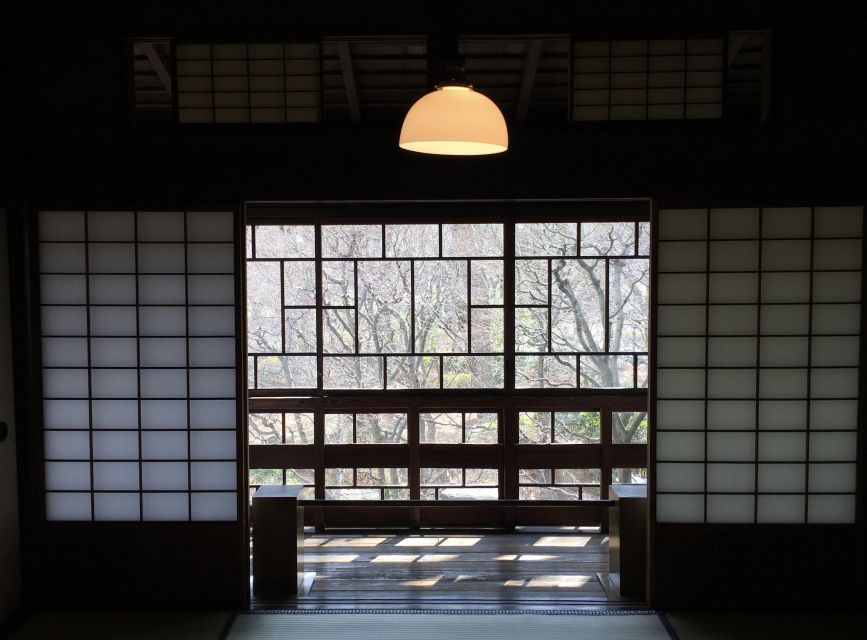
The home brings together Dutch ideas, Art Deco decoration, and De Stijl compositions with traditional Japanese rooms. That combination can sound strange on paper, but it is exactly what makes the house worth careful attention. You may see bold geometric thinking alongside tatami spaces and familiar Japanese room arrangements.
This house helps you understand that Western influence did not arrive as one neat package. Architects selected, adjusted, and mixed foreign ideas according to Japanese tastes and practical habits. The result is not a European home transplanted to Tokyo. It is a Japanese residence with an international vocabulary.
I would allow time here to look at the transitions between rooms. The contrast is the point. Notice how formal Japanese spaces sit beside more modern decorative choices, and ask your guide how Horiguchi’s European experience affected the plan.
Entering the Mitsui family’s luxurious residence
The Mitsui residence shifts the focus from architectural experiment to status and domestic life. The Mitsui family was one of the wealthiest in Japan, and the house reflects that position through its scale and interior decoration.
Here, you get a sense of how a powerful family presented itself at home. Luxury is not limited to expensive objects. It also appears in the way rooms are arranged, how visitors might be received, and how private and formal areas are separated.
This is an important contrast with the smaller homes elsewhere in the museum. You are not looking at one universal version of Japanese living. The museum lets you compare the spaces of a major business family with more modest residences and working areas.
A guide can also help connect the house to Tokyo’s wider development. The tour is not only about furniture or decoration. It shows how architecture reflected wealth, family structure, and social rank.
More private architecture tours in Japan:
- Private Harajuku Omotesando Architecture Walking Tour
★ 5.0 · 67 reviews - Private Ginza Architecture Walking Tour
★ 5.0 · 50 reviews - Private Harajuku Omotesando Architecture Tour
★ 4.9 · 18 reviews - Private Ueno Park Architecture Walking Tour
★ 5.0 · 8 reviews
Walking through Shitamachi, old Tokyo’s working side
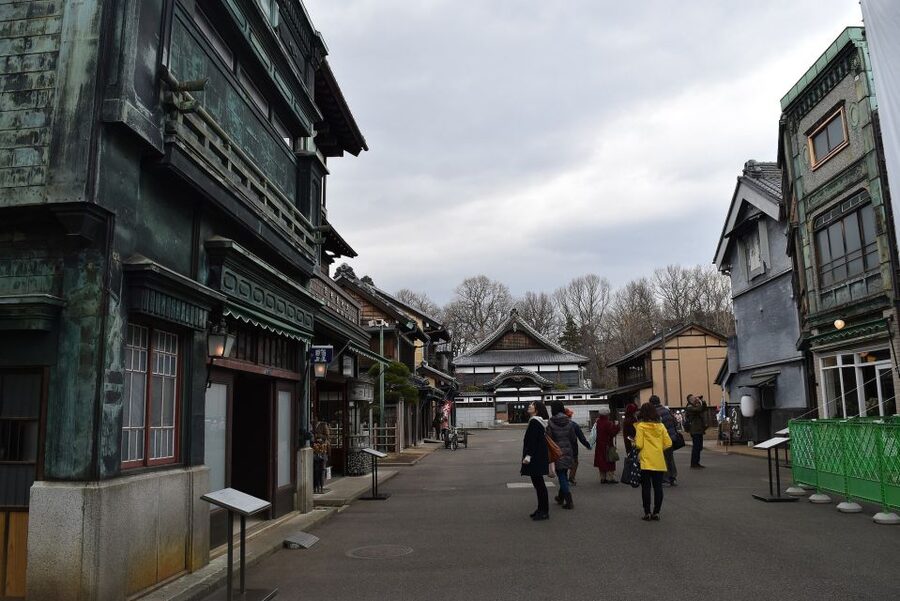
The latter part of the tour moves into Shitamachi, the East Tokyo area represented by older buildings with a more everyday feel. This section is especially appealing if you enjoy Studio Ghibli films, because the streets and structures can suggest the atmosphere of an animated Tokyo neighborhood.
That comparison should be kept in proportion. You are not visiting the Ghibli Museum, and the tour does not include admission there. Instead, you are seeing real historic buildings that may remind you of the animated worlds many people know from film.
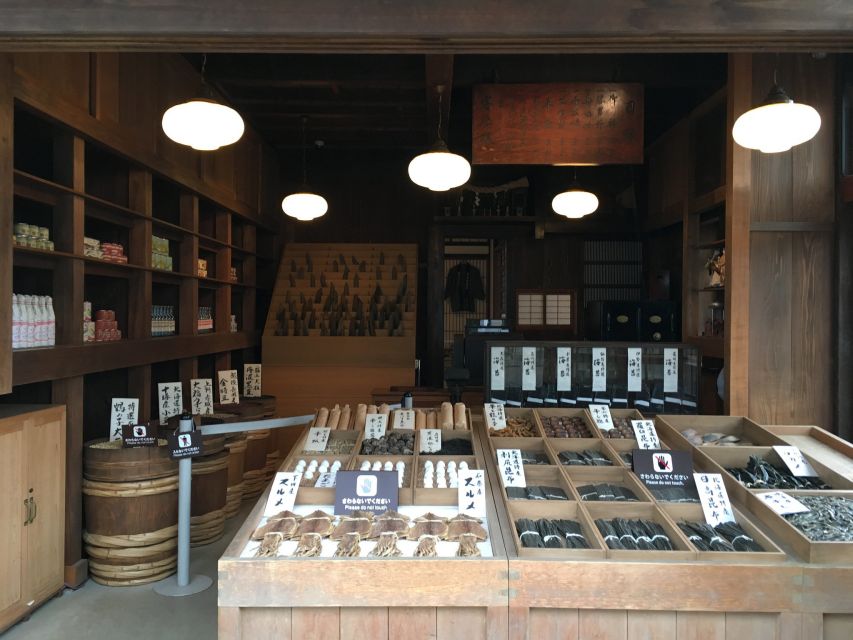
The appeal comes from the details: old shopfronts, narrow streets, traditional materials, and the sense of a neighborhood shaped by work and daily routines. The setting feels less formal than the grand Mitsui residence. It gives the visit a human scale.
You may find this section the most enjoyable part if you prefer atmosphere to architectural theory. It is also a useful counterpoint to the European influences seen in the earlier houses. Here, the museum brings you closer to the Tokyo of small businesses, public spaces, and ordinary movement through the city.
The bathhouse and the old Tokyo train
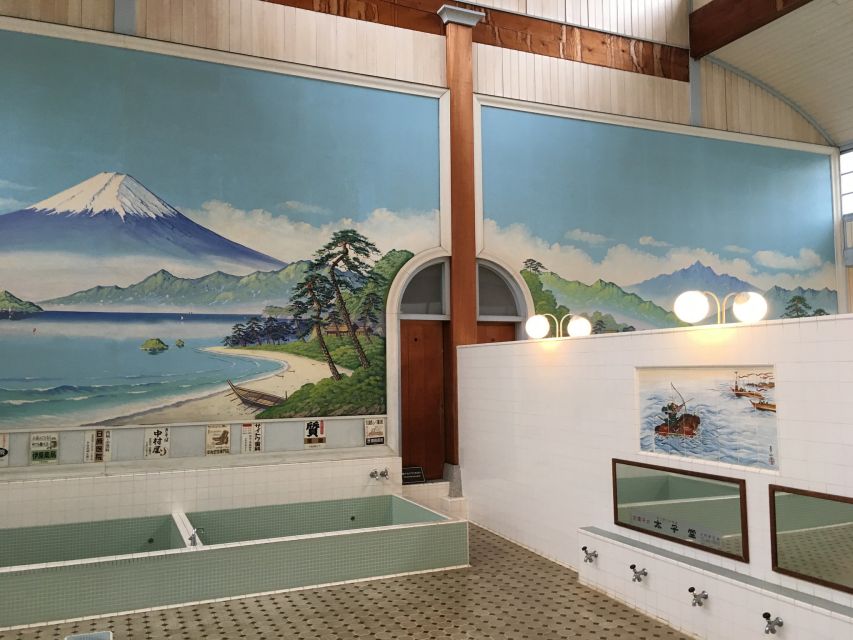
Two objects give this section extra character: a beautiful traditional bathhouse and an old train that once ran through Tokyo.
The bathhouse is more than a photogenic building. Public baths were social places as well as practical ones, and the design can tell you about shared life in the city. Look at the layout, decoration, and sense of entry. Your guide can help explain how a bathhouse fitted into the rhythm of an older neighborhood.
The old train adds another layer. It connects the buildings to Tokyo’s transport network and reminds you that a city’s history is not only found in homes. Trains helped people work, shop, and move between neighborhoods as Tokyo grew.
These stops are particularly useful for children or for anyone who finds a long architectural explanation tiring. The bathhouse and train give you clear, physical points of interest. They also help turn the museum from a collection of relocated structures into a picture of how a city functioned.
How the private guide changes the five-hour visit
A private tour is most valuable here because the museum contains more material than you can absorb at a glance. You might care about gardens and tea rooms, while someone else wants modern architecture or the social history of Tokyo.
Yuichi has been especially praised for matching explanations to those interests, speaking excellent English, and handling the journey with care. Yuki has also guided guests through the subway and buses while adding stories about the designers and the buildings. Those details matter because the museum is not in central Tokyo.
The guides do more than point at features. They can explain why a room has a certain arrangement, how European design entered Japan, and how each building fits into the city’s timeline. They can also adjust the route if you are more interested in traditional architecture than Art Deco, or modern design than family history.
The private format is not automatically better for every visitor. If you are happy to read signs and explore at your own pace, you may prefer to visit independently. But if you want context, translation, and help with transport, the guide addresses the main practical challenges.
One important point: the stated meeting point is Tokyo Station’s Marunouchi Front Plaza. After leaving the JR Tokyo Station Marunouchi Central Gates, go toward the center of the station building and look for the carriage porch with a Japanese flag on each side. The guide carries a bag with an illustration of the Nakagin Capsule Tower.
The tour information also refers to pickup at JR Tokyo Station or JR Shinjuku Station, so confirm your exact meeting arrangement when booking. Do not assume this means a private car or hotel transfer. The transport to Tatemono-en is by train and bus, and the fare is about 700 yen each way.
Is $193 a fair price?
At $193 per person, this is not a budget museum visit. You are paying for a five-hour private experience, an English-speaking licensed guide, admission, and help navigating Tokyo’s public transport.
The value depends on how much explanation you want. If you already know Japanese architectural history and are comfortable reaching the museum alone, the price may feel steep. You can save money by arranging your own transport and visiting independently.
I think the cost makes more sense for first-time visitors who want the museum placed in context. Tokyo transport can be challenging at first, and the train and bus journey becomes less stressful when someone guides you through it. You also get the chance to ask questions instead of relying only on written information.
The private format is another part of the calculation. You are not sharing the guide’s attention with a large group, and the route can respond to your interests. For a couple, family, or small private party with a serious interest in architecture, that can justify the premium.
The museum itself has enough variety to fill the five hours, but your satisfaction will depend on your pace. This is not a quick photo stop. You will spend time entering buildings, removing shoes, looking at rooms, and listening to explanations.
Practical tips for a smoother visit
Wear shoes that slip on and off easily. Several historic buildings require you to remove your shoes, and repeated lacing and unlacing will become tiresome.
Give yourself time to reach the meeting point. Tokyo Station is large, and the carriage porch near the Marunouchi Central Gates is a precise location. The guide will be holding the Nakagin Capsule Tower bag, which should help you identify the correct person.
Keep the transport cost in mind. The tour price does not include the train and bus fare to and from Tatemono-en, which is approximately 700 yen each way.
Do not book this tour expecting the Ghibli Museum. You will see a Shitamachi area with an atmosphere that may remind you of Studio Ghibli animation, but the Ghibli Museum is not part of the experience.
The cancellation terms are practical for a changing Tokyo schedule: you can cancel up to 24 hours in advance for a full refund, and you can reserve now and pay later.
Who should book this architecture tour?
I would recommend it to you if you want more than a collection of old buildings. It suits visitors curious about the meeting of Japanese and European design, the growth of Tokyo, and the way family wealth shaped domestic spaces.
It is also a strong choice if public transport makes you nervous. A guide can escort you through the trains and buses, explain the route, and keep the journey from becoming a puzzle.
Families and mixed-interest groups may appreciate the variety. The Maekawa and Horiguchi houses reward design fans, while the bathhouse, old train, and Ghibli-like streets give the visit a more visual and playful side.
You may want to skip it if your schedule is tight, your interest in architecture is low, or you are mainly looking for the Ghibli Museum. The five-hour duration and high price deserve a clear reason.
Should you book it?
Book this tour if you want a private, guided look at how Tokyo homes changed from traditional Japanese forms to modern designs influenced by Europe. The strongest reasons are the range of buildings, the chance to tailor the discussion, and the help with the journey from central Tokyo.
I would be less quick to book it for a solo budget visitor who enjoys independent museum visits. For that person, the transport and admission may be better handled alone. For everyone else, especially architecture fans and first-time visitors who want the city’s story explained clearly, this is a thoughtful and unusually varied half-day.
FAQ
How long does the private Edo-Tokyo architectural tour last?
The tour lasts five hours.
Where does the tour meet?
The stated meeting point is Tokyo Station Marunouchi Front Plaza. After leaving the JR Tokyo Station Marunouchi Central Gates, go toward the center of the station building and look for the carriage porch with a Japanese national flag on each side.
How do I identify the guide?
The guide will be holding a bag with an illustration of the Nakagin Capsule Tower.
Is transportation to the museum included?
No. The journey to Tatemono-en uses trains and buses, and transportation costs approximately 700 yen each way.
Is admission to the Edo-Tokyo Open Air Architectural Museum included?
Yes. The museum admission fee is included.
Is the Ghibli Museum included?
No. The tour visits the Edo-Tokyo Open Air Architectural Museum and does not include the Ghibli Museum.
What language is the tour conducted in?
The tour is conducted in English by a licensed English-speaking guide.
Is this a private group tour?
Yes. The activity is arranged for a private group.
What should I wear?
Comfortable shoes that are easy to slip on and off are strongly recommended because you must remove your shoes in several historic buildings.
Just added around Japan
- Small-Group Architecture Tour in Ginza, Tokyo★ 5.0 · 6 reviews
- Japanese Garden & Western Architecture: Akasaka exploration tour★ 5.0 · 9 reviews
- Tokyo Architecture and Contemporary Art Walking Tour with a local guide★ 5.0 · 15 reviews
- Private Ueno Park Architecture Walking Tour★ 5.0 · 8 reviews
- [Aomori Prefecture] Tour the history and architecture in Towada City, the art city★ 5.0 · 6 reviews
- Private Ueno Park Architecture Tour★ 5.0 · 5 reviews
- Private Ginza Architecture Tour★ 5.0 · 3 reviews
- Kyoto: Nijo Castle & Gardens 2-Hour Guided Tour★ 4.5 · 2 reviews
Tokyo Architecture Tours, compared.
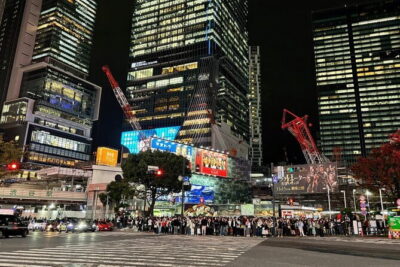
Tokyo: Shibuya Highlights Walking Tour & Secret View Spot
Read our review →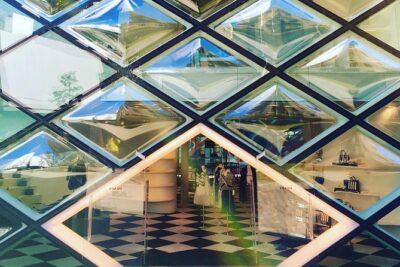
Private Harajuku Omotesando Architecture Walking Tour
Read our review →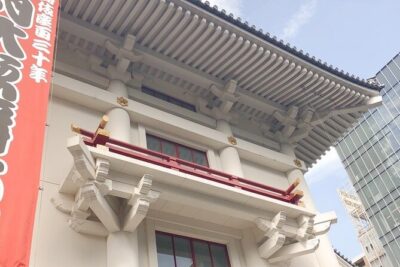
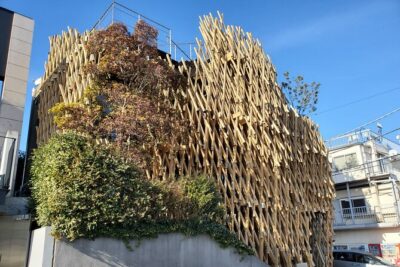
Tokyo Architecture and Contemporary Art Walking Tour with a local guide
Read our review →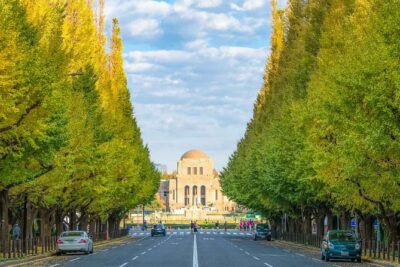
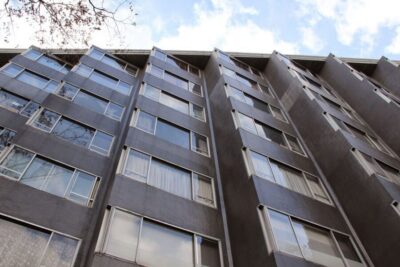
Japanese Garden & Western Architecture: Akasaka exploration tour
Read our review →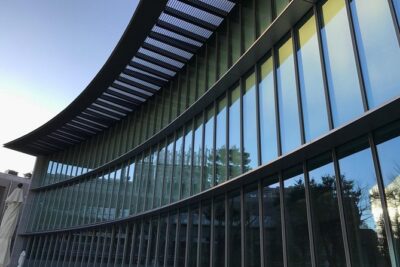
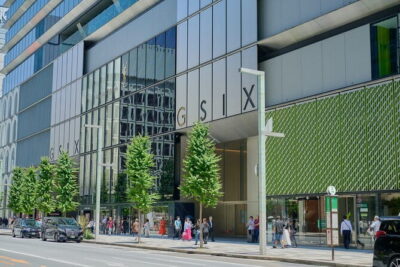
Browse the lists this tour appears in