
Review · THE USA
Savannah: History and Architecture Homes Walk
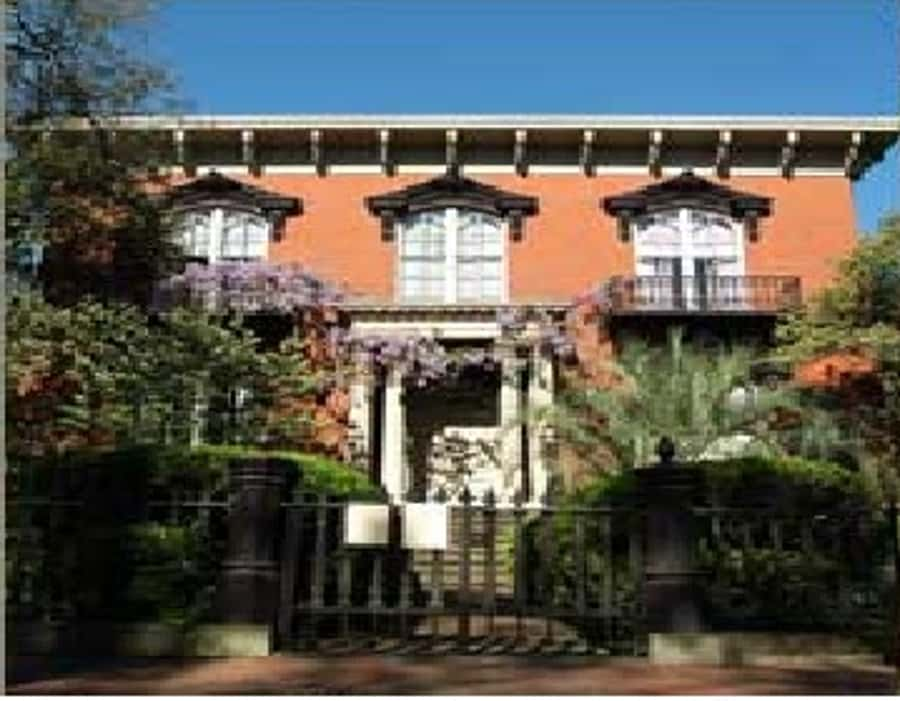
Savannah’s grandest homes are not just pretty backdrops. They show how the city’s wealthy families lived, how building styles changed, and how preservation saved the Historic District from the wrecking ball. This two-hour walk brings those details into focus, with stops near the Owens-Thomas House, Green-Meldrim House, and Juliette Gordon Low Birthplace.
I like the tour’s strong focus on domestic architecture rather than only battles and famous dates. I also like the chance to ask questions of a local guide, especially when the guide can explain materials, house design, and daily life in plain terms. The main caution is that guide quality and historical emphasis can vary. One past guide wandered between eras and presented an insensitive view of slavery, while others, including William and Brad, were praised for their local knowledge and entertaining delivery.
Key points to know before you go
- Two hours on foot: The walk covers Savannah’s Historic District at a steady sightseeing pace, so comfortable shoes matter.
- Homes are the main subject: You learn how Savannah’s residences developed from the 18th century through the early 20th century.
- Three important landmarks: Expect discussion of the Owens-Thomas House, Green-Meldrim House, and Juliette Gordon Low Birthplace area.
- Local guides shape the experience: Guides such as William and Brad have led the walk, but the tone and historical emphasis may differ.
- Warren Square is the meeting point: Meet between Congress Street and Habersham Street, and confirm the location before setting out.
- Summer heat is a real factor: Bring water, dress for humidity, and carry rain protection for light showers.
Why Savannah’s houses tell the real story
Savannah’s Historic District is easy to admire from a distance. Broad squares, shaded streets, ironwork, and old brick buildings create the postcard view. But the houses explain the city better than the scenery alone.
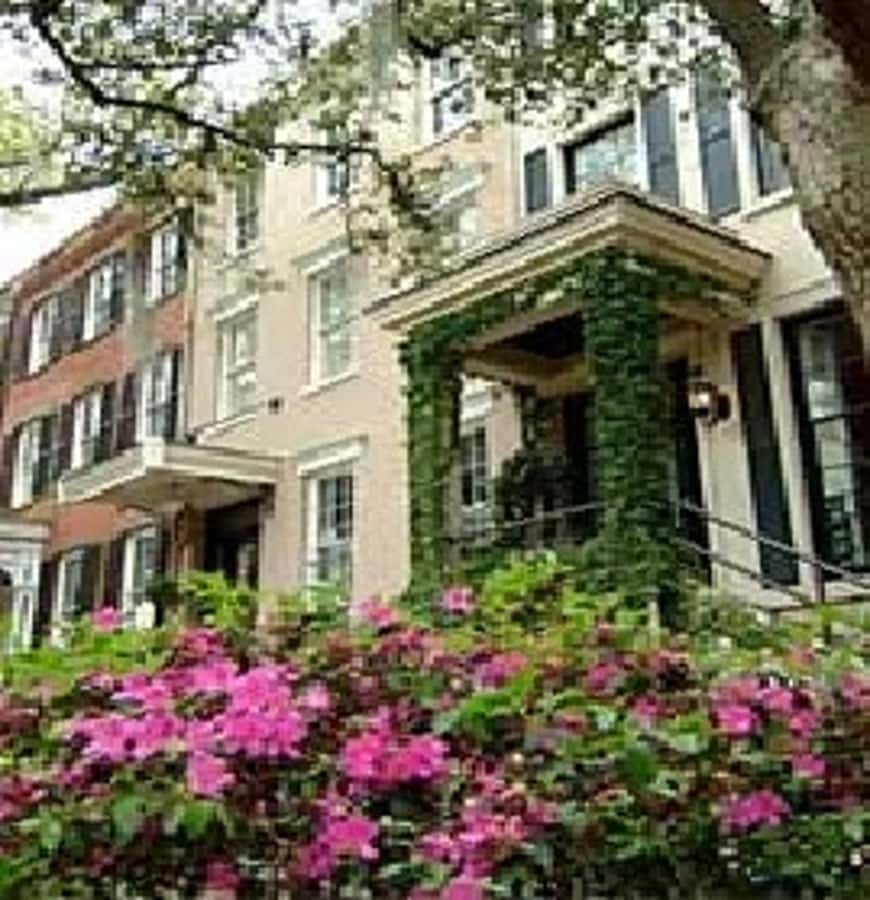
This walk focuses on domestic buildings, which means you spend your time looking at the places where people lived, entertained, worked, and displayed their social position. That is useful because grand homes reveal more than taste. Their floor plans, materials, windows, porches, and decorative details reflect money, climate, technology, and changing ideas about comfort.
The tour covers roughly two centuries of design. You might hear how early Savannah homes differed from later 19th century residences, or how building materials and construction methods changed into the early 1900s. One past participant particularly valued the discussion of materials used in historic houses, and that is the sort of detail that can make a familiar street feel new.
You are not simply collecting names of famous buildings. You are learning how to read them.
More architecture walks in the USA:
- The Official Art Deco Walking Tour by The Miami Design Preservation League
★ 5.0 · 1,580 reviews - Chicago in a Day: Food, History & Architecture Walking Tour
★ 5.0 · 1,153 reviews - Miami South Beach Art Deco Walking Tour
★ 5.0 · 1,039 reviews
Warren Square is the place to begin
The meeting point is Warren Square, between Congress Street and Habersham Street. The square gives you a fitting start, with the city’s traditional layout and historic residential streets close at hand.
Take care with this first step. An earlier version of the meeting information caused confusion, and one person waited about 20 minutes at the wrong place. The stated meeting point is Warren Square, but it is still smart to check your booking details shortly before the walk. Savannah’s squares are close together, and a small mistake can send you to the wrong patch of trees.
Arrive ready to walk. Transportation is not included, and this is not a ride between sights. Comfortable shoes are essential. In summer, Savannah’s heat and humidity can make two hours feel longer than expected, especially if you are not used to the climate.
The Owens-Thomas House and Regency design
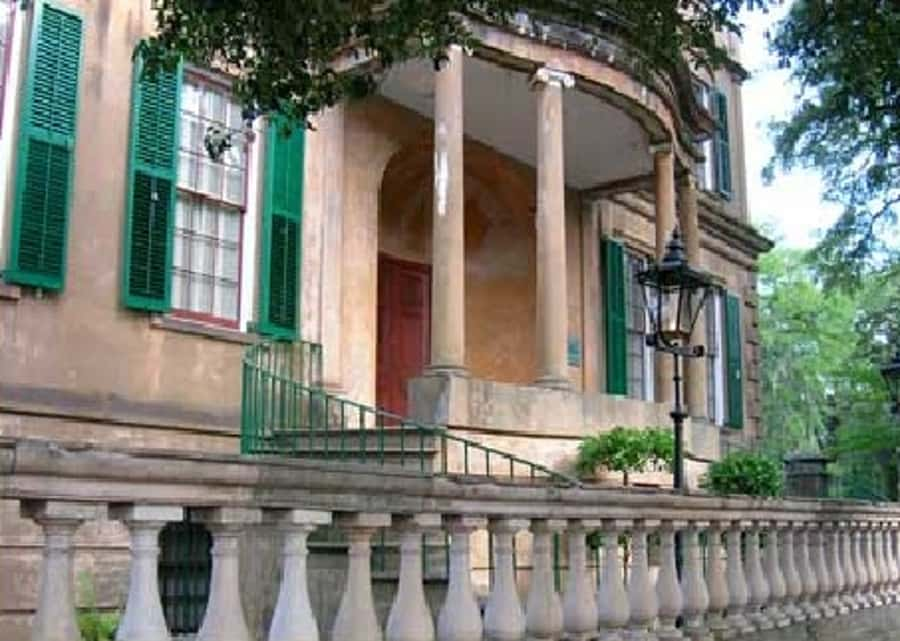
One of the key architectural subjects is the Owens-Thomas House, often described as one of the finest examples of Regency architecture in the United States. Even if you do not enter the house, seeing it as part of a guided architectural walk helps you notice its proportion, ornament, and place within the surrounding neighborhood.
The value here is context. A guide can explain why the building looks different from a simpler early residence and how its design reflected the tastes of its era. You may also hear about the people who lived there and the social world connected to such a home.
Keep in mind that this experience is primarily an exterior walking tour. The information provided does not promise interior admission to the Owens-Thomas House. If you want a room-by-room visit, you would need to arrange that separately.
This is also where the tour’s theme of gentility can feel most apparent. The houses suggest leisure, status, and formal hospitality, but a good guide should also connect that polished image to the labor and inequality that supported it. Savannah’s architecture is attractive, yet it was built within a society shaped by slavery and class divisions. That context matters.
Green-Meldrim House and Civil War connections
The Green-Meldrim House adds a political and military layer to the walk. General William T. Sherman used the house as his headquarters during the Civil War, and the tour connects the building with that period.
This stop helps break up the purely architectural story. You see how a private residence could become part of a major national event, and how Savannah’s houses carried different meanings over time. A home designed for domestic life could later serve a military purpose, then become a preserved landmark.
The tour’s historical range can be a strength, but it requires clear storytelling. One past participant found the movement between the Revolutionary era and the Civil War confusing. If your guide jumps between dates, do not hesitate to ask for the timeline again. The best way to understand Savannah is to keep the sequence straight: early settlement, changing domestic design, antebellum society, Civil War disruption, and later preservation.
The walk can also include ghost or haunted-house tidbits. For some people, these stories add local flavor. For others, they distract from the architecture. The balance may depend on the interests of the group and the guide. If you prefer documented history, ask questions that bring the discussion back to dates, buildings, owners, and preservation.
More history tours in the USA:
- Charleston’s Best Highlights: History, Culture & Architecture
★ 5.0 · 422 reviews - Palm Springs Modernism Architecture & History Bike Tour
★ 5.0 · 359 reviews - Charleston: History and Architecture Guided Walking Tour
★ 4.8 · 349 reviews - Historic Georgetown: History, Gossip, & Architecture Walking Tour
★ 5.0 · 321 reviews
Juliette Gordon Low Birthplace marks the finish
The walk ends near the Juliette Gordon Low Birthplace. Built in 1818, the house is associated with the founder of the Girl Scouts and was the first National Historic Landmark in Savannah to honor her.
This is a useful final stop because it brings the tour back to a private home and its later public meaning. A residence can preserve the story of one family, but it can also become part of a much larger civic and cultural story.
The tour does not state that admission to the birthplace is included. You should treat the ending as a nearby landmark and plan a separate visit if you want to go inside.
The location is also practical. You finish in an area where you can continue exploring the Historic District on foot. That makes the morning walk easy to pair with another house museum, a meal, or more time in the squares.
What the guide can add to the buildings
The guide is the heart of this experience. The tour includes a guide native to Savannah, which matters in a city where local stories and street-level details shape the visit.
Past guide names include William and Brad. William was praised for an entertaining presentation and strong command of the city’s dates and history. Brad received mixed feedback: one person found his approach contentious and confusing, especially around the Confederacy and slavery, while another account praised the tour’s overall historical content.
That difference is worth taking seriously. A local guide may know an enormous amount, but historical skill also requires balance and care. You should expect discussion of slavery, the Civil War, class, and Southern social life. If those subjects are handled well, they make the houses more meaningful. If they are softened into sentimental stories about everyone being treated like family, the result is misleading and painful.
I would judge this walk partly by how willing the guide is to answer direct questions. Ask who built a house, who worked there, what materials were used, how the building changed, and whose stories are missing. Those questions tend to bring the tour back to solid history.
Preservation is part of Savannah’s story
The tour includes an explanation of how Savannah helped pioneer historic preservation in the mid-1950s. This may be the most important theme beneath the elegant facades.
Historic districts do not survive by accident. Older buildings are often threatened by neglect, redevelopment, or pressure to replace them with newer structures. Savannah’s preservation movement helped protect the pattern of squares, streets, and houses that now defines the city.
That gives you a better way to look at the Historic District. You are not seeing an untouched old city. You are seeing a city whose historic character was recognized, defended, and maintained.
I like this part of the experience because it connects architecture with present-day choices. Preservation is not only about admiring the past. It is about deciding what deserves to remain and how a city can keep old buildings useful.
A relaxed morning, with weather to manage
The walk is usually offered in the morning and lasts two hours. Morning is a sensible time for Savannah’s climate, especially during the summer, when humidity and heat can build quickly.
Bring water. Wear light, comfortable clothing and shoes suited to sidewalks and steady walking. The tour operates in light rain, so pack an umbrella or raincoat if the forecast looks uncertain.
The walk takes place outdoors, with no included transportation. That makes it flexible and simple, but it also means you are exposed to sun, rain, and heat for the full two hours. If you are visiting during a hot spell, this may not be the best activity for the middle of your day.
The pace should suit most people who can walk comfortably for two hours, though the supplied information does not provide a specific accessibility statement or route details. If you have mobility concerns, ask before booking rather than guessing about sidewalk conditions or rest opportunities.
Is $30 a fair price?
At $30 per person, this is a reasonable way to get a guided introduction to Savannah’s historic homes. You are paying for two hours with a local guide, not for transportation or entry into the house museums named along the route.
The value depends on how much you want interpretation. You can walk past Savannah’s houses for free, but it is harder to understand why one building is considered an important example of Regency design, how materials changed over time, or why preservation transformed the city.
The price makes the most sense if you are new to Savannah and want a useful first look at the Historic District. It is less compelling if you have already taken several architecture tours or plan to spend the day paying separate admission fees at house museums.
I would think of this as an orientation walk. It gives you a framework for later visits rather than replacing them.
Who should take this walk?
I would recommend it most strongly to:
- First-time visitors who want to understand Savannah’s residential architecture
- People interested in historic preservation and urban design
- Travelers who prefer walking tours to trolley rides
- Visitors who enjoy asking questions and following a guide’s explanations
- Anyone curious about how Southern homes changed from the 1700s through the early 1900s
It may be less suitable if you want a tour focused only on ghosts, only on the Civil War, or only on entering historic interiors. Haunted stories may appear, but they are not the main subject. Civil War material appears through the Green-Meldrim House, but the focus remains broader. And interior access is not included in the stated tour details.
Families can consider it if children enjoy buildings and stories, though two hours of architecture talk may be a stretch for younger children. The walk is also not the best choice when the weather is very hot and humid.
How it compares with other Savannah tours
A trolley tour is better if you want to cover more ground with less walking. It can help you get a citywide overview, but it will not give you the same close look at house design.
A ghost tour is better if folklore and haunted stories are your main interest. This walk may include a few spooky details, but its center is architecture, domestic life, and preservation.
A riverboat cruise offers a different view of Savannah and works well when you want to rest your feet. It will not provide the same close reading of residential buildings.
The strongest companion to this walk is a house museum visit. The walk explains the neighborhood and architectural setting, while an interior visit lets you see rooms, furnishings, and household arrangements. Together, they give you a fuller picture of how these homes functioned.
Booking, cancellation, and practical details
You can cancel up to 24 hours in advance for a full refund, and the reserve-now, pay-later option keeps your plans flexible. These terms are useful if your Savannah schedule depends on weather or changing arrival times.
The stated price is $30 per person. The meeting point is Warren Square between Congress Street and Habersham Street. The experience lasts two hours, is usually available in the morning, and does not include transportation.
Bring water and weather protection. Most of all, confirm the meeting point before leaving your hotel, since outdated location information has caused confusion in the past.
Should you book the Savannah homes walk?
Book it if you want Savannah’s famous houses explained rather than simply photographed. The tour offers a useful mix of architecture, local history, Civil War context, and preservation, all within a manageable two-hour walk.
I would book it early in your visit, then use what you learn to choose which house museums deserve your time and admission money. Go with an open mind about the guide’s style, and ask direct questions if the timeline or historical framing becomes unclear.
Skip it if you need guaranteed interior entry, a tightly focused Civil War tour, or a purely spooky evening experience. For everyone else, $30 is a fair price for a thoughtful introduction to the homes that give Savannah its character, provided the guide handles the city’s difficult past with the same care given to its beautiful buildings.
FAQ
Where does the Savannah history and architecture walk meet?
The walk meets at Warren Square, between Congress Street and Habersham Street.
How long does the tour last?
The walking tour lasts two hours.
What buildings are discussed?
The tour includes discussion of the Owens-Thomas House, Green-Meldrim House, and the area around the Juliette Gordon Low Birthplace. It also examines how Savannah homes developed across two centuries.
Is transportation included?
No. This is a walking experience, and transportation is not included.
Is entry into the historic houses included?
The provided details do not list interior admission to the homes. The tour focuses on the buildings and their architectural and historical context.
What should I wear?
Wear comfortable walking shoes and dress for the weather. During summer, bring water and prepare for Southern heat and humidity.
What happens if it rains?
The walk departs in light rain. Bring an umbrella or raincoat if the forecast looks uncertain.
Can I cancel the booking?
Yes. You can cancel up to 24 hours in advance for a full refund. You can also reserve now and pay later.
Just added around the USA
- Wilmington History and Architecture Tour★ 4.8 · 18 reviews
- Washington, DC: Georgetown Architecture Walking Tour★ 5.0 · 8 reviews
- New Orleans : Garden District Architecture Walking tour★ 4.8 · 5 reviews
- Washington DC: Dupont Circle & Embassy Row Architecture Tour★ 5.0 · 6 reviews
- Tulsa: Art Deco Walking Tour of Tulsa★ 5.0 · 8 reviews
- Castle to Capitol: Museums of the National Mall Architecture Tour★ 4.5 · 9 reviews
- Private Colonial Williamsburg Architectural Tour★ 5.0 · 5 reviews
- Monuments and Memorials Architectural Walking Tour★ 5.0 · 17 reviews
Walking Tours, compared.

The Official Art Deco Walking Tour by The Miami Design Preservation League
Read our review →
Barcelona: Gothic Quarter Ghosts and Legends Walking Tour
Read our review →
Barcelona: Old Town and Gothic Quarter Walking Tour
Read our review →
Lecce: Baroque Architecture and Underground Walking Tour
Read our review →
Chicago in a Day: Food, History & Architecture Walking Tour
Read our review →

Ramblas, Old Town, Gothic and Gaudi Architecture Walking Tour
Read our review →
Chicago’s Secret Interiors Architectural Walking Tour
Read our review →Browse the lists this tour appears in