
Review · ARCHITECTURE TOURS
Private Reykjavik City & Icelandic Architecture Walking Tour
Reykjavik’s architecture tells a practical Icelandic story: homes first had to survive wind, snow, cold, and a shortage of trees. I like that this private walk connects old turf-covered houses with bold modern buildings such as Hallgrímskirkja and Harpa, instead of treating the city as a collection of pretty facades.
I also like the small-group format and the built-in drink, which gives you time to ask questions without the rush of a large tour. The main drawback is the price: $355 per person is a serious spend for three hours on foot, so this works best if architecture is a real interest, not just a side topic.
Key points to know before you book
- The tour covers Icelandic architecture from turf houses to modern glass and concrete.
- Hallgrímskirkja is included as a visit, not only an exterior photo stop.
- Harpa receives the longest scheduled stop, with 45 minutes for sightseeing and guiding.
- You walk between central Reykjavik sights, starting and ending near Ingólfstorg.
- A private guide can lead the tour in English, French, German, Icelandic, Italian, or Spanish.
- You receive a glass of wine, beer, schnapps, or coffee during the experience.
Why Reykjavik architecture is worth three hours
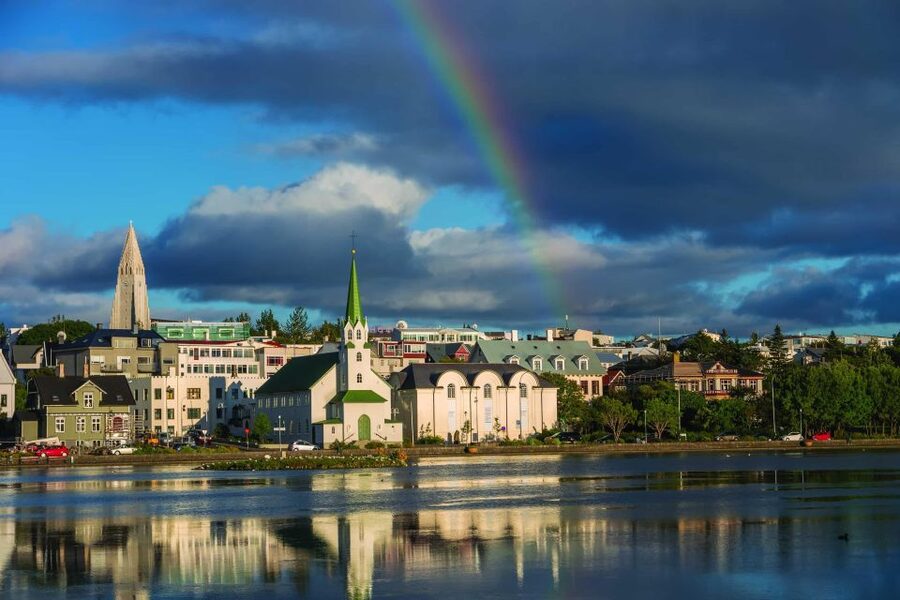
Reykjavik can look simple at first glance. It has low buildings, colorful walls, open streets, and a compact center. But the city’s building traditions reflect Iceland’s isolation, climate, limited timber supply, and changing ties with Denmark. That gives you more to notice than the usual postcard views.
The walk begins with the background needed to read the city properly. Early Icelandic homes were turf houses, known as tjörn or burstabær, partly built into the ground with grassy roofs. The earth and turf helped protect people from cold, wind, and snow.
Later, timber-framed houses with turf walls developed. These skálar used wooden gables and roofs covered with turf or wooden shingles. Since Iceland had few trees, building materials had to be used carefully. That practical concern helps explain why older Icelandic architecture often feels sturdy and compact rather than ornate.
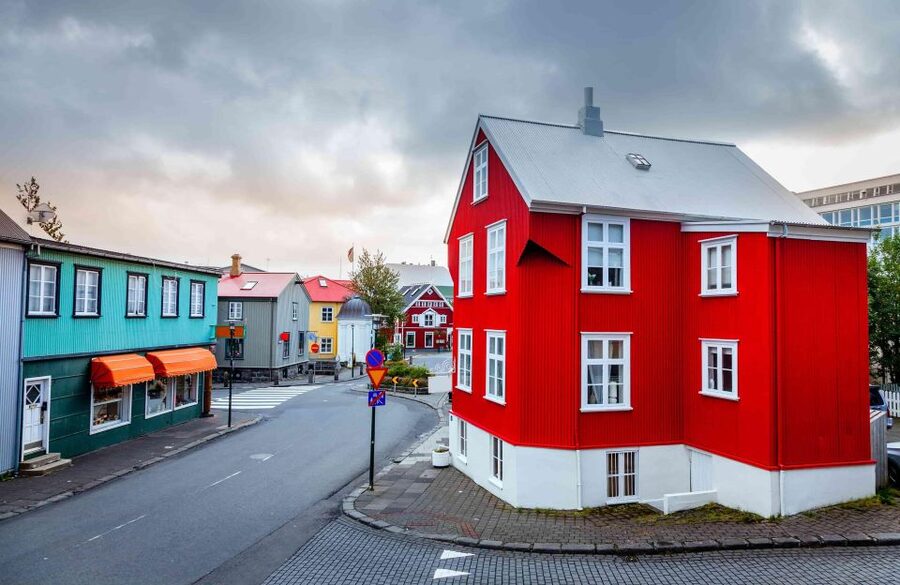
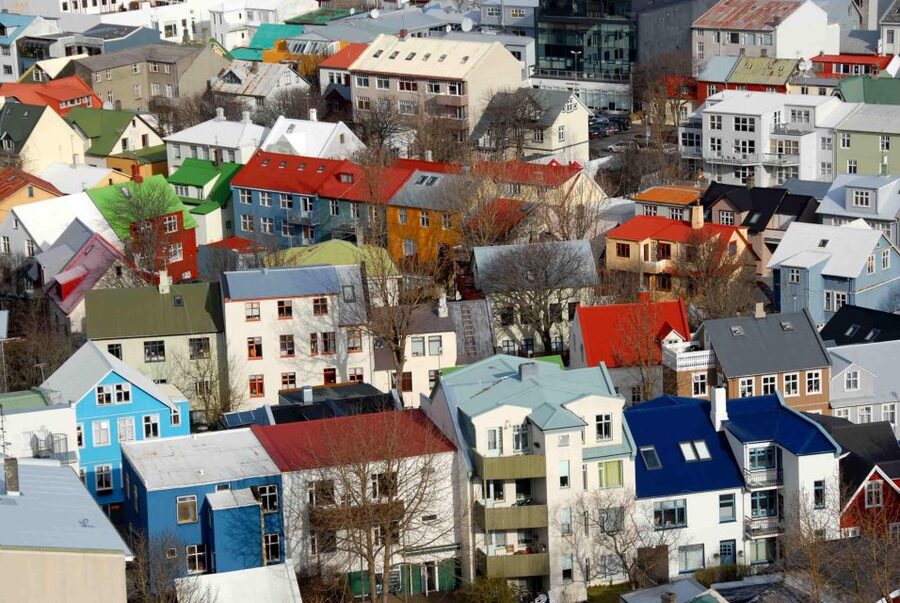
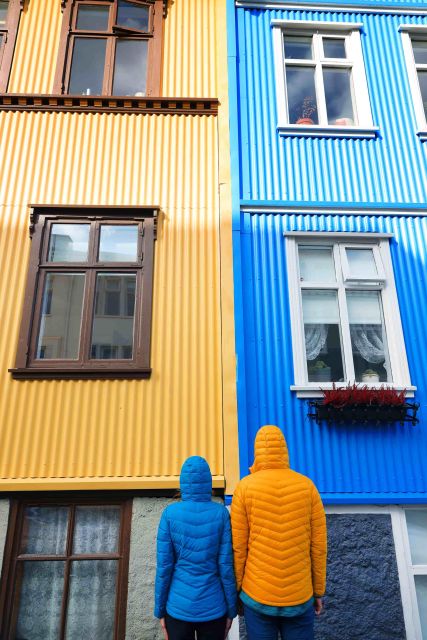
In the 19th century, towns grew and Danish design had more influence. Timber houses and concrete buildings became common. Many timber homes were painted in strong colors, giving parts of central Reykjavik the cheerful appearance you still see today.
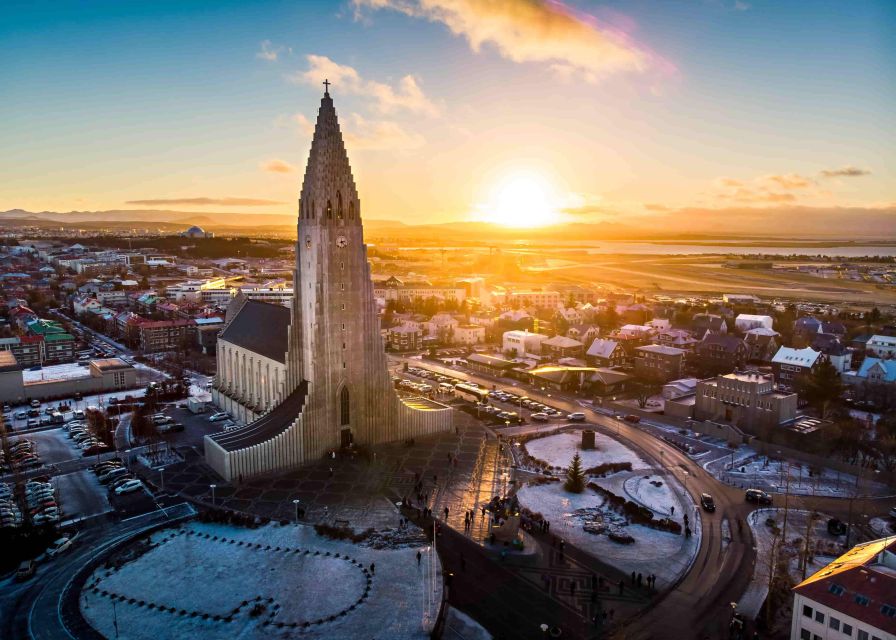
By the mid-20th century, modernism and functionalism changed the city again. Hallgrímskirkja represents this shift, with a tall, clean-lined form inspired by Icelandic nature. Contemporary Reykjavik then pushed further, mixing unusual design with newer sustainable ideas. Harpa, with its glass facade recalling basalt columns, is the clearest example on this route.
I like this structure because it gives you a way to compare buildings across time. You are not simply told that one place is old and another is new. You can ask why each building looks the way it does, what materials were available, and how Icelanders adapted their homes to the weather.
More architecture walks in the world:
- Lecce: Baroque Architecture and Underground Walking Tour
★ 4.6 · 1,248 reviews - Chicago in a Day: Food, History & Architecture Walking Tour
★ 5.0 · 1,153 reviews - Ramblas, Old Town, Gothic and Gaudi Architecture Walking Tour
★ 5.0 · 723 reviews
Starting at Hlöllabátar and Ingólfstorg
The meeting point is outside Hlöllabátar sandwich shop, facing Ingólfstorg Square and two tall stone pillars. CenterHotel Plaza is to your right, and the benches, tables, and covered ceiling make this a practical place to wait.
Look for a guide wearing a light blue jacket marked Your Friend in Reykjavik on the back. The company supplies a local guide for the private group, though no individual guide name is provided in the tour details. If you arrange a hotel pickup, it may be possible when your hotel is within walking distance of central Reykjavik.
Ingólfstorg is the first scheduled stop, with about 15 minutes of guiding. This is a useful opening because the square puts you right in the center of the city before the tour moves into its wider architectural story. You can settle into the walking pace, hear the first explanation of Reykjavik’s development, and ask your guide to focus on the design topics that interest you most.
Because the tour is private, you should have more freedom to ask about materials, building styles, or particular streets than you would on a fixed large-group walk. Still, it is worth remembering that the experience is built around architecture. If you want a broad history tour, food tour, or nightlife walk, this is not designed for that purpose.
Alþingi and the political center
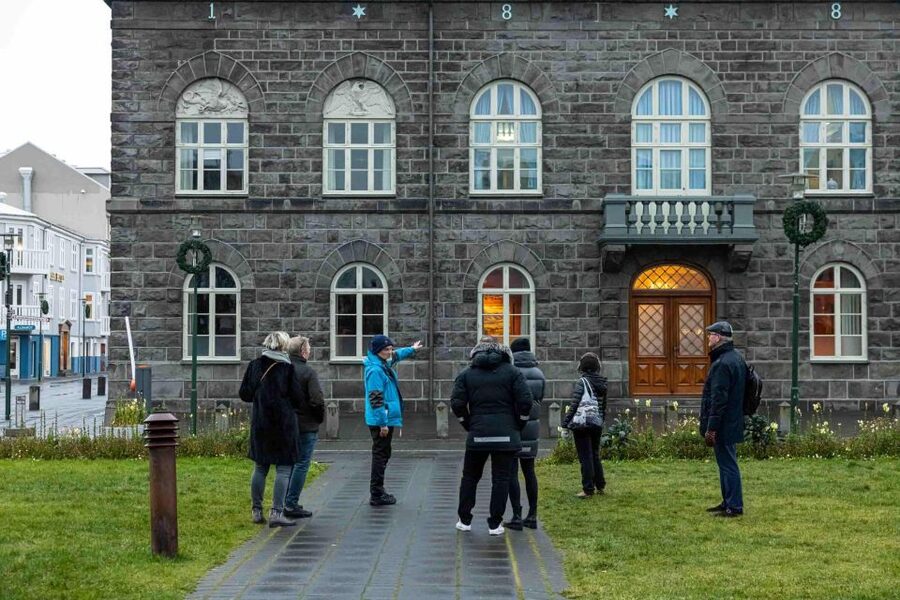
The route continues to Alþingi for a 30-minute guided stop and photo opportunity. This gives the tour a useful civic setting, since architecture here is tied to the institutions and public life of Iceland.
The stop is long enough for your guide to provide context rather than simply point out a building and move on. I would use this part of the tour to ask how public buildings differ from homes, how older and newer structures sit beside each other, and how Reykjavik’s center changed as the city became more urban.
The tour does not present one single architectural style as the correct Icelandic answer. Instead, it traces the changes from basic shelter to timber homes, concrete construction, modernism, and contemporary design. Alþingi fits into that wider discussion because the city center brings different periods together within a short walk.
This is also one of the better moments for photographs. The stop is specifically planned as a photo opportunity, so you can take pictures without feeling you are holding up a moving group.
Laugavegur’s colorful timber buildings
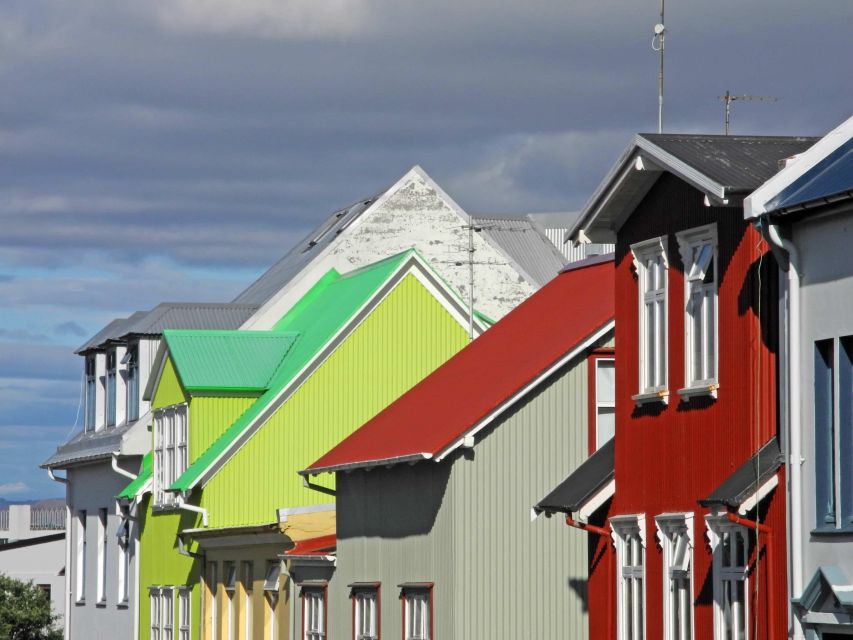
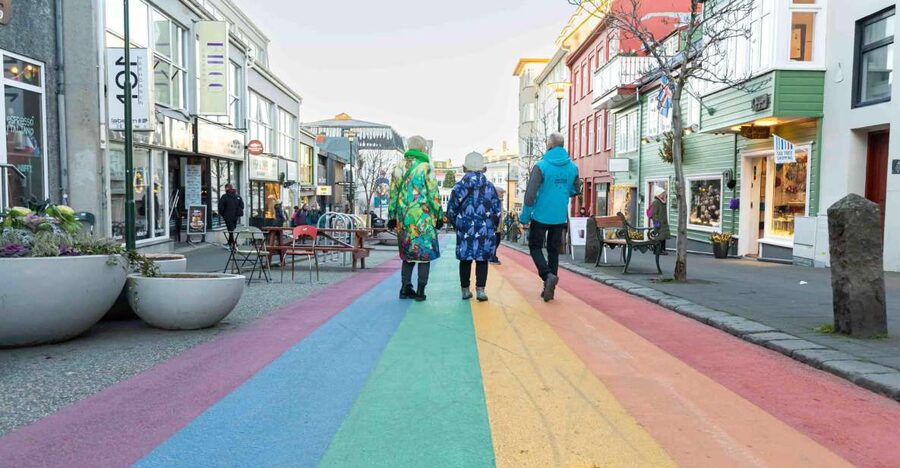
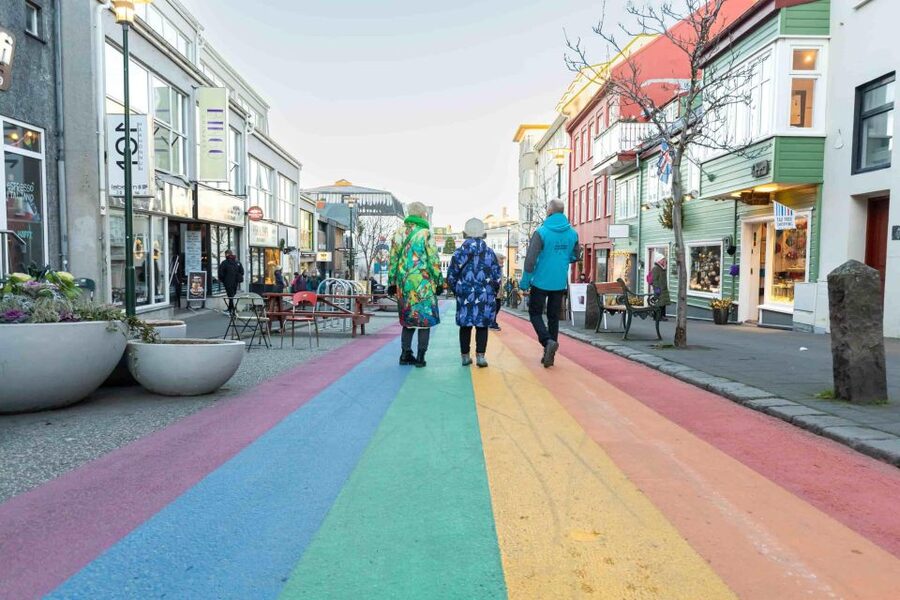
Laugavegur receives about 20 minutes for sightseeing and photos. It is one of the central streets where Reykjavik’s colorful timber-house tradition is especially useful to observe.
The bright paint is not just decoration. The rise of timber houses in the 19th century, along with Danish architectural influence, helped shape the look of the old center. Painted facades gave the growing town a lively appearance while using the materials that were available at the time.
I like this stop because it makes the architectural story easier to see at street level. A lecture about timber, turf, and concrete can feel abstract. On Laugavegur, you can compare colors, rooflines, wall materials, and the scale of the buildings as you walk.
The time here is fairly short, so do not expect a detailed visit inside a particular house. This is an outdoor sightseeing section. Dress for the weather and wear shoes that handle several hours on pavement comfortably.
More private architecture tours in the world:
- Best of Chicago: Architecture & Highlights City Private Tour
★ 5.0 · 94 reviews - Private Harajuku Omotesando Architecture Walking Tour
★ 5.0 · 67 reviews - Private Santa Barbara History and Architecture Walking Tour
★ 5.0 · 56 reviews - Private Barcelona Modernism and Gaudí Walking Tour
★ 4.7 · 54 reviews
Hallgrímskirkja and Icelandic modernism
Hallgrímskirkja gets 30 minutes for a visit, guiding, sightseeing, and photographs. It is one of the strongest stops for understanding how Icelandic nature influenced modern architecture.
The church’s tall form and clean lines reflect modernist design, while its shape draws on natural forms associated with Iceland. Its height also creates a powerful contrast with the low houses found elsewhere in the center. After seeing compact timber buildings and older construction, you get a clear example of a later era reaching upward and making a much larger visual statement.
The tour includes entry to Hallgrímskirkja, which adds real value. You are not limited to an exterior photo stop. Your guide can connect the interior visit with the broader story of Icelandic architecture and explain how the church fits into Reykjavik’s changing cityscape.
Thirty minutes is enough for a focused visit, but it is not a long independent church tour. If you hope to spend a great deal of time inside, taking your own photographs, or exploring every detail, you may want to return separately. The tour’s purpose is comparison and context, not an extended stop at one building.
Harpa’s glass facade and modern Reykjavik
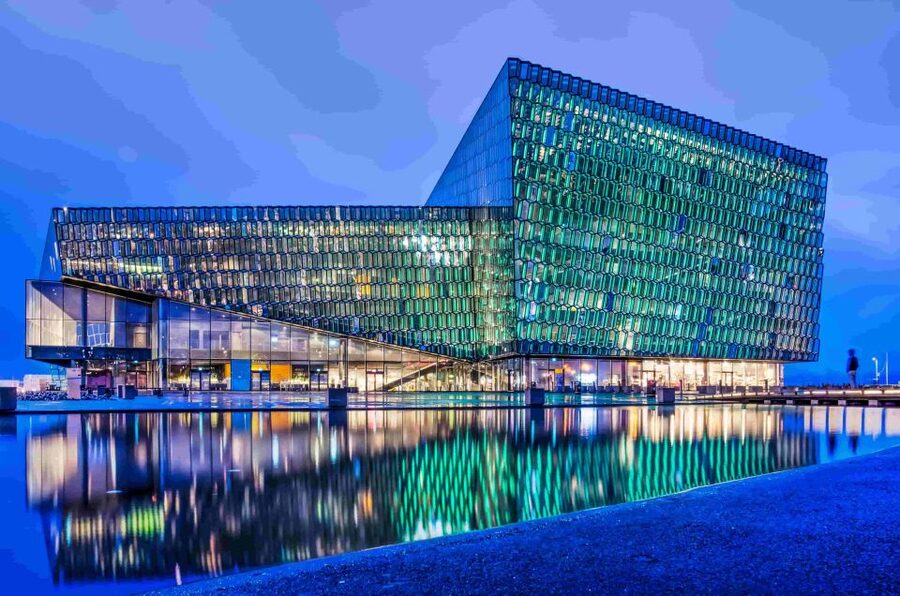
Harpa receives the longest stop, about 45 minutes. The program includes a visit, guiding, sightseeing, and photography, so this is the place where the tour spends the most time with contemporary design.
Harpa’s glass exterior recalls Iceland’s basalt columns. That connection between a modern building and a natural Icelandic form is central to the tour’s theme. You can compare its sharp geometric surfaces with the practical turf construction of earlier centuries and the painted timber homes of the old center.
The length of the stop matters. Contemporary architecture often needs more explanation than a quick photograph can provide. A guide can point out how the facade works visually, how its design relates to the surrounding city, and how recent Reykjavik architecture blends new ideas with Icelandic references.
I would expect Harpa to be especially appealing if you enjoy modern buildings, photography, or design details. If your main interest is medieval or traditional architecture, this stop may feel less essential, but it completes the story. Without Harpa, the route would end with modernism at Hallgrímskirkja. With it, you see Reykjavik’s move into current architectural experimentation.
What the private format changes
This is a private walking tour, not a standard large-group outing. That changes the feel of the experience more than the route itself. You follow the same central Reykjavik highlights, but you can direct questions toward the subjects you care about.
For example, you might ask your guide to spend more time on turf construction, Danish influence, modernist design, or the way natural forms appear in Icelandic buildings. You may also find it easier to pause for photographs or clarify a point without competing with a large crowd.
The guide languages are English, French, German, Icelandic, Italian, and Spanish. The supplied feedback specifically praises the guide’s preparation and the quality of the guiding, while one French-language comment also says the guide was excellent and the visit very interesting. Those are useful signs if the quality of the person leading the walk matters to you.
There is one caution. The same French-language feedback reports a poor experience with WhatsApp assistance and inaccurate information from that support service. I would rely on the confirmed tour details and meeting instructions, and contact the operator early if you need to clarify pickup or timing.
The drink break and the real value of $355
The price is $355 per person. That is expensive for a three-hour walk, even in Iceland, so the value depends heavily on how much you want a private architecture-focused experience.
The fee includes a glass of wine, beer, schnapps, or coffee. That is a pleasant extra, but it is not what justifies the price on its own. The main value comes from having a private guide, a focused subject, entry to Hallgrímskirkja, and a route that links several architectural periods in one compact outing.
For one person or a couple who want tailored guiding, the price may make sense. It is less appealing if you simply want to see the main Reykjavik sights quickly, since you can walk through the central area independently. It also may not suit you if your interest is mostly in shopping, restaurants, or general sightseeing.
The private setup becomes more useful when several people share the booking, although the price is listed per person and no group-size details are provided. Before booking, confirm the final cost for your party and ask how the private arrangement will work for your group.
The free cancellation policy allows cancellation up to 24 hours before the activity for a full refund. You can also reserve now and pay later, which helps if your Iceland plans are still shifting.
Weather, walking, and planning your day
This is an outdoor walking tour with several stops in central Reykjavik. Bring weather-appropriate clothing. Icelandic conditions can change quickly, and the tour does not become more enjoyable if you are cold, wet, or distracted by strong wind.
Wear comfortable walking shoes and layers. The route lasts three hours and includes time outside at squares, streets, and building exteriors. A covered meeting area is provided at the starting point, but much of the experience takes place outdoors.
The tour starts and ends at Hlöllabátar, near Ingólfstorg. That makes it easy to place before or after other central Reykjavik plans. You should allow enough time to reach the meeting point, especially if you are coming from outside the center and have not arranged a possible walking-distance hotel pickup.
The route is best treated as a compact city walk, not as a bus tour. You will see the city at street level and move between its main architectural points. If weather is poor, the outdoor portions may feel demanding, but the focused route means you are not spending the entire day outside.
Who will get the most from this walk
I would recommend this experience to you if architecture gives you a reason to slow down and look up. It suits people who want the story behind Reykjavik’s buildings, not just a list of landmarks.
It is also a good fit for:
- First-time visitors who want an organized introduction to central Reykjavik.
- Couples or families who prefer a private guide to a large group.
- Design students, photographers, and anyone interested in modern buildings.
- People who want Hallgrímskirkja and Harpa explained in relation to older Icelandic building traditions.
- Visitors who appreciate having guiding available in several languages.
I would think twice if you want a low-cost orientation walk, a long visit inside Hallgrímskirkja, or a tour centered on food and local life rather than buildings. The subject is narrow by design. That focus is the attraction, but it will not suit every itinerary.
Should you book the Reykjavik architecture walk?
Book it if you want to understand why Reykjavik looks the way it does. The route gives you a clear progression from turf shelters and scarce timber to colorful urban houses, modernist church design, and Harpa’s glass structure.
The strongest parts are the private format, the prepared local guiding, the visit inside Hallgrímskirkja, and the generous time at Harpa. The main question is the price. At $355 per person, you should be ready to pay for personal attention and a specialist subject, not simply for a walk through central Reykjavik.
If that sounds worthwhile, dress for the weather, meet the guide at Hlöllabátar, and use the private format to ask specific questions. If you are mainly seeking a quick look at the city’s famous sights, save the money and explore the center on your own.
FAQ
How long is the Reykjavik City and Architecture Walking Tour?
The tour lasts three hours.
How much does the tour cost?
The listed price is $355 per person.
Is this a private tour?
Yes. The experience is offered for a private group.
Where does the tour meet?
You meet outside Hlöllabátar sandwich shop, facing Ingólfstorg Square and the two tall stone pillars. CenterHotel Plaza is to your right.
Where does the tour finish?
The walk returns to Hlöllabátar, the starting point.
Which places are included?
The route includes Ingólfstorg, Alþingi, Laugavegur, Hallgrímskirkja, and Harpa.
Is entry to Hallgrímskirkja included?
Yes. The tour includes a visit to Hallgrímskirkja Church.
What languages can the guide speak?
Guiding is available in English, French, German, Icelandic, Italian, and Spanish.
Is a drink included?
Yes. You receive a glass of wine, beer, schnapps, or coffee.
What should I bring?
Bring weather-appropriate clothing. The tour is a walking experience, so comfortable shoes are also a sensible choice.
Can I cancel the tour?
You can cancel up to 24 hours in advance for a full refund. You can also reserve now and pay later.
Just added around the world
- Wilmington History and Architecture Tour★ 4.8 · 18 reviews
- Washington, DC: Georgetown Architecture Walking Tour★ 5.0 · 8 reviews
- New Orleans : Garden District Architecture Walking tour★ 4.8 · 5 reviews
- Washington DC: Dupont Circle & Embassy Row Architecture Tour★ 5.0 · 6 reviews
- Vicenza: discovering the city of Palladio by e-bike★ 5.0 · 4 reviews
- Vicenza: Palladian Architecture Private Walking Tour★ 3.3 · 3 reviews
- Walk & Discover KL’s Architectural and Heritage Gems★ 5.0 · 7 reviews
- Unveiling Brno: History, Culture & Architectural Delights★ 5.0 · 2 reviews
Walking Tours, compared.
The Official Art Deco Walking Tour by The Miami Design Preservation League
Read our review →
Barcelona: Gothic Quarter Ghosts and Legends Walking Tour
Read our review →
Barcelona: Old Town and Gothic Quarter Walking Tour
Read our review →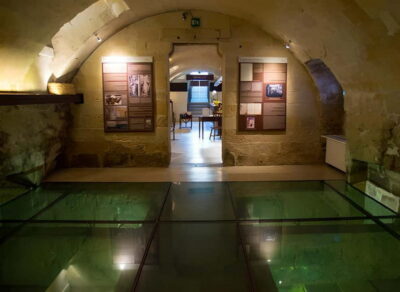
Lecce: Baroque Architecture and Underground Walking Tour
Read our review →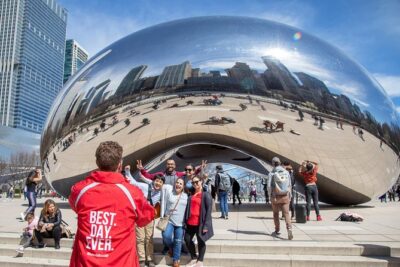
Chicago in a Day: Food, History & Architecture Walking Tour
Read our review →
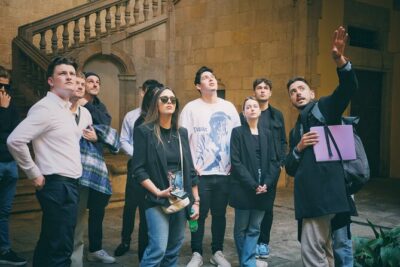
Ramblas, Old Town, Gothic and Gaudi Architecture Walking Tour
Read our review →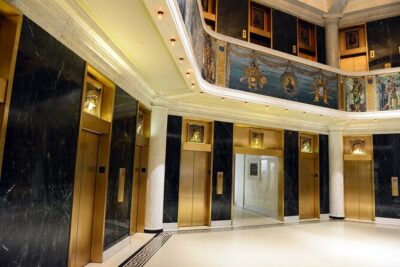
Chicago’s Secret Interiors Architectural Walking Tour
Read our review →Browse the lists this tour appears in