
Review · ARCHITECTURE TOURS
Coffee, History, and Architecture of the French Quarter
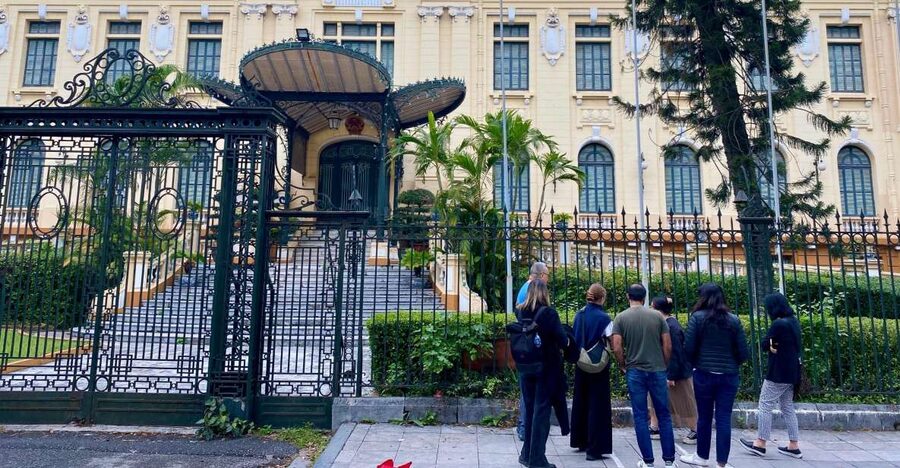
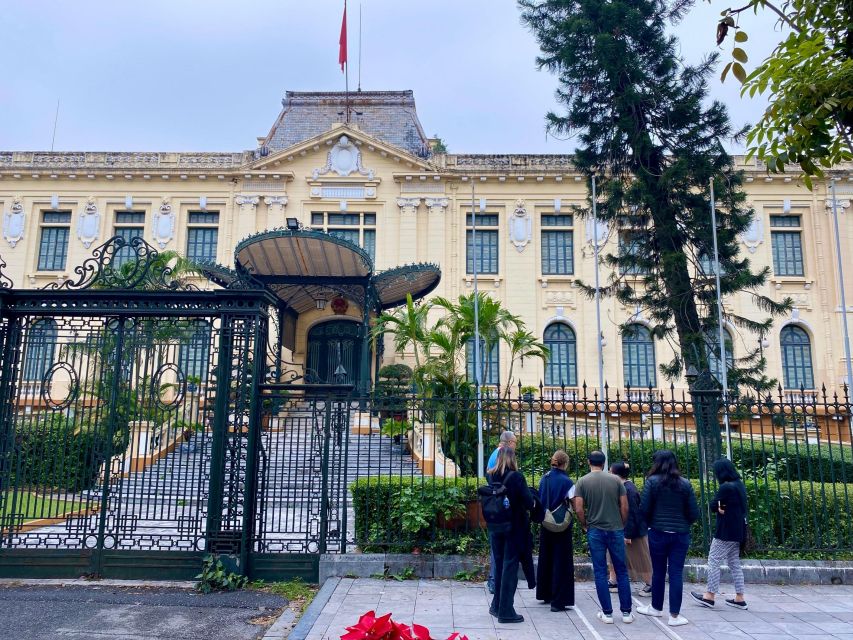
Hanoi’s French Quarter makes the most sense when you connect its grand buildings with the difficult story behind them. This 2.5-hour walk does that over Vietnamese coffee, street-level history, French-era architecture, and a final stop for Trang Tien ice cream.
I like the conversation-style guiding, especially with guides such as Mina and Dung, who explain complex events in clear English and welcome questions. I also like the thoughtful food stops: coffee in an old French villa, followed by famous local ice cream. The main consideration is the weather. You walk outdoors in Hanoi, rain or shine, and the heat can make sunscreen, a hat, and breathable clothes essential.
Key details at a glance
- Coffee in an old French villa: Begin with Vietnamese coffee or tea while getting a clear introduction to the country’s modern history.
- More than 15 sights: See St. Joseph’s Cathedral, the Opera House, Hoan Kiem Lake, the Metropole Hotel, Trang Tien Street, the Post Office, and other French Quarter landmarks.
- History without the lecture hall: Guides such as Mina use photos and conversation to explain French rule, Vietnamese society, and the Vietnam War.
- Two very Hanoi treats: Coffee and Trang Tien ice cream are included, giving the walk a local food angle.
- A relaxed pace: The route uses short stops of about 15 minutes, with a longer 30-minute café visit.
- Good value at $31: You pay for a live English-speaking guide, historical context, two refreshments, and a useful introduction to central Hanoi.
Why this walk helps you read Hanoi
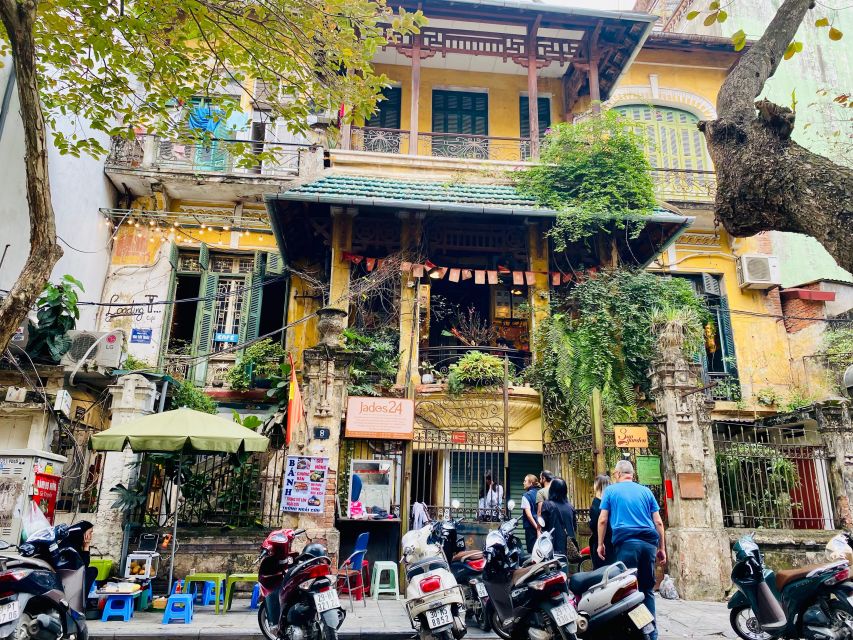
The French Quarter is not simply a collection of elegant yellow buildings. It is a record of power, trade, cultural change, resistance, and the way Vietnamese life adapted under foreign rule.
That is why I like the shape of this experience. You do not spend 2.5 hours staring at façades while memorizing dates. You begin with a broad explanation of Vietnamese history, then use buildings and streets as evidence. A cathedral can open a discussion about religion and colonial society. A hotel can lead to questions about elite life and foreign influence. A familiar ice cream shop can show how old commercial streets remain part of everyday Hanoi.
The guide-led format matters here. On your own, you can photograph the Opera House or walk around Hoan Kiem Lake. You will have a harder time understanding why those places matter, how the French Quarter differs from the Old Quarter, or how Vietnamese society changed during the colonial period.
Guides such as Mina are especially useful for visitors who like to ask questions. Her style, as described through the experience, is friendly, direct, and occasionally funny. Dung is also described as enthusiastic and warm. English is the tour language, and the guide uses historical photographs on a phone to make major events easier to picture.
A few more architecture tours around the world worth a look
- Turin: Art Nouveau Walking Tour with Coffee
★ 5.0 · 11 reviews - Turin, Art Nouveau walking tour and coffee break
★ 4.0 · 7 reviews - Coffee and Art Tour walking Gothic Quarter, Official Guide
★ 5.0 · 2 reviews
Starting beside St. Joseph’s Cathedral
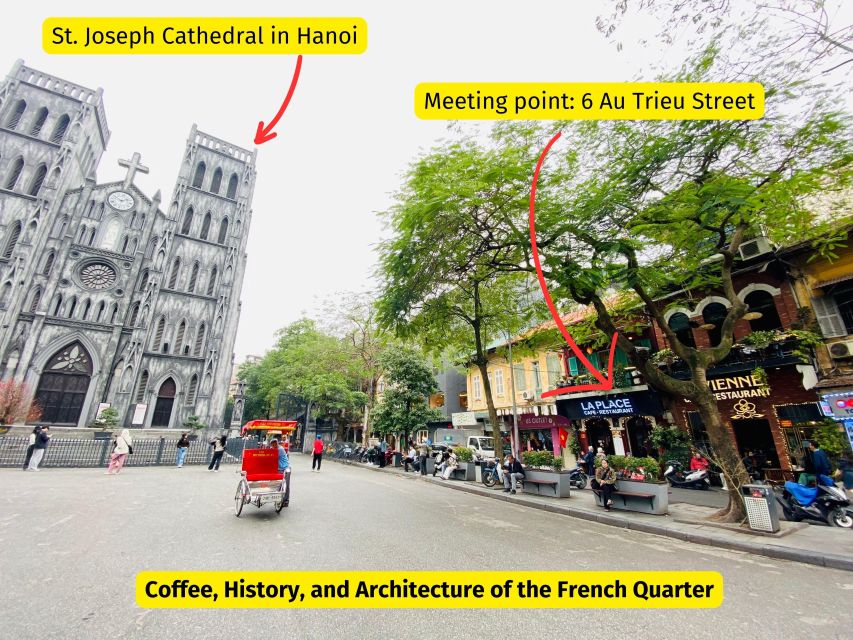
The meeting point is 6 Au Trieu Street, right beside St. Joseph’s Cathedral. That is a practical place to begin because the cathedral gives you an immediate visual clue about French influence in Hanoi.
The opening cathedral stop lasts about 15 minutes. You can expect a guided explanation rather than an interior visit being promised. The building provides a useful starting point for discussing the Catholic presence during French rule and the way European architectural ideas were placed into a Vietnamese city.
The location is also easy to recognize, but give yourself enough time to find the exact address. The walk begins in a central part of Hanoi, where streets can be busy and traffic is not always easy to cross.
From here, the guide sets the tone for the rest of the experience. You will hear about the good and bad sides of the colonial period, not just a polished account of French architecture. That balance is important. The buildings may look handsome, but the political system behind them was unequal and often harsh.
Coffee first, with history on the table
The coffee stop is one of the best ideas in the tour. Instead of waiting until the end for a token refreshment, you begin in a local café set inside an old French villa.
The café visit lasts about 30 minutes. You receive Vietnamese coffee or tea, and the experience specifically highlights egg coffee and coconut coffee in the descriptions of the tour. If you have never tried egg coffee, this is a pleasant way to do it in a setting tied to the subject of the walk.
The coffee is not just a break from walking. It gives the guide room to explain general Vietnamese history before moving into the French period. That broad frame helps you understand that French rule was one chapter in a much longer national story.
I particularly like this part for first-time visitors. Hanoi can feel like a flood of new sights, sounds, food, and historical references. Sitting down early gives you a chance to ask basic questions and get your bearings. It also means the guide can adjust the discussion to your interests. You might want more architecture, more war history, or more information about present-day life in Hanoi.
The café setting is likely quieter and more comfortable than a street corner, but you should still expect a walking tour, not a long café session. The coffee break is a central part of the opening, not the main event.
French Quarter streets and the city’s changing shape
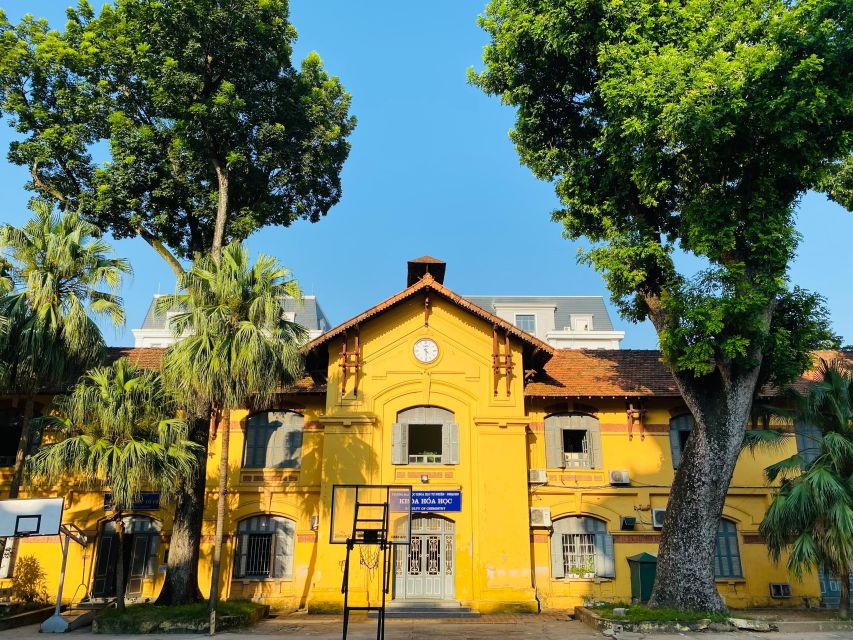
After coffee, the walk moves through the French Quarter. This section lasts about 15 minutes as a formal guided stop, but the wider route continues through several connected landmarks.
The guide explains how French planning and architecture changed this part of Hanoi. You will see how broad streets, institutional buildings, villas, hotels, churches, and public offices created a district that feels different from the older commercial lanes elsewhere in the city.
This is where the tour earns its price. Architecture is easy to admire but harder to interpret. A guide can point out what is French, what has been adapted locally, and what the buildings reveal about colonial priorities.
You will also hear about the impact of French rule on Vietnamese society. The treatment is not presented as a simple story of progress. The conversation includes the benefits and costs of the period, which gives the walk a more honest tone.
Bring comfortable shoes. The distance is manageable, but Hanoi’s pavements can be uneven, and you will spend much of the time standing while the guide talks. The route is described as easy going, but it is still an urban walk in a hot and sometimes wet city.
More history tours in the world:
- Chicago in a Day: Food, History & Architecture Walking Tour
★ 5.0 · 1,153 reviews - Kuala Lumpur: Batu Caves & Historic Buildings Tour
★ 4.7 · 539 reviews - Charleston’s Best Highlights: History, Culture & Architecture
★ 5.0 · 422 reviews - Palm Springs Modernism Architecture & History Bike Tour
★ 5.0 · 359 reviews
Hanoi Opera House and the public face of power
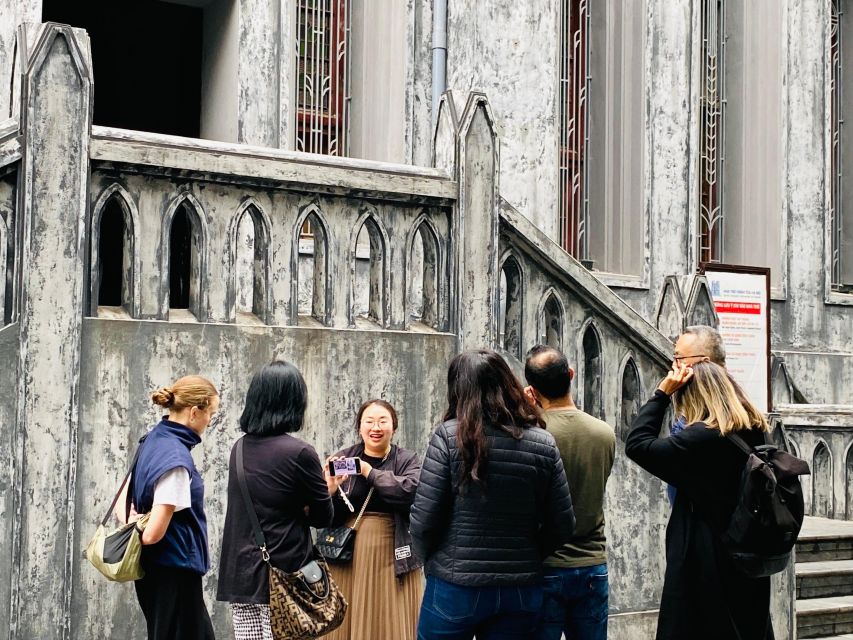
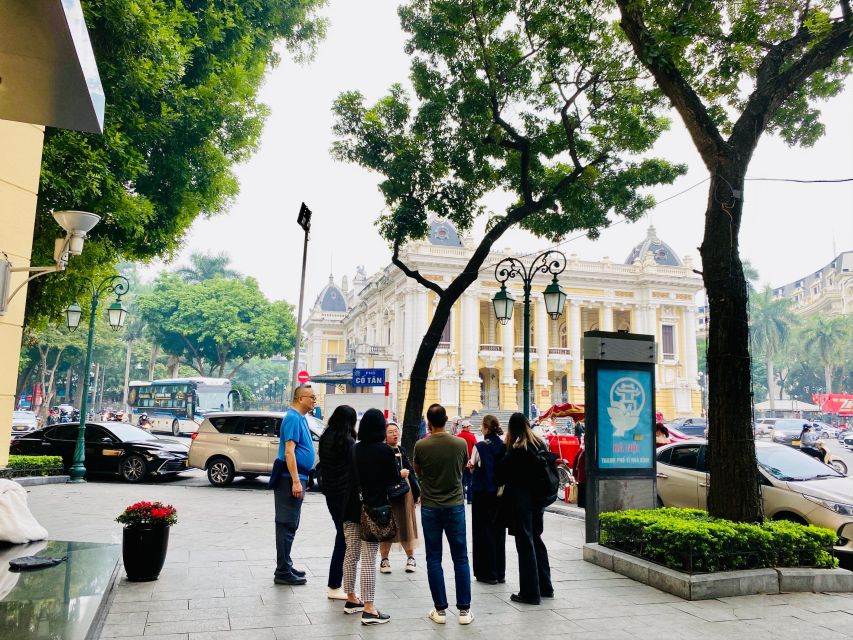
The Hanoi Opera House is one of the route’s major architectural stops. Its scale and formal design make it a clear example of how colonial rulers used public buildings to project status and authority.
The guided stop lasts about 15 minutes. You can expect the guide to connect the building with the wider French presence in Hanoi rather than treating it as an isolated photo stop.
The Opera House is also useful for understanding the contrast between official architecture and ordinary Vietnamese life. Grand buildings often tell you who had access to money, education, and political influence. That contrast gives the tour more substance than a simple parade of pretty façades.
The stop is especially helpful if you are interested in architecture but do not want a technical lecture. The guides focus on clear stories and visual details, and they encourage questions. You will likely get more from the building if you listen first and photograph second.
Hoan Kiem Lake and the city beyond colonial walls

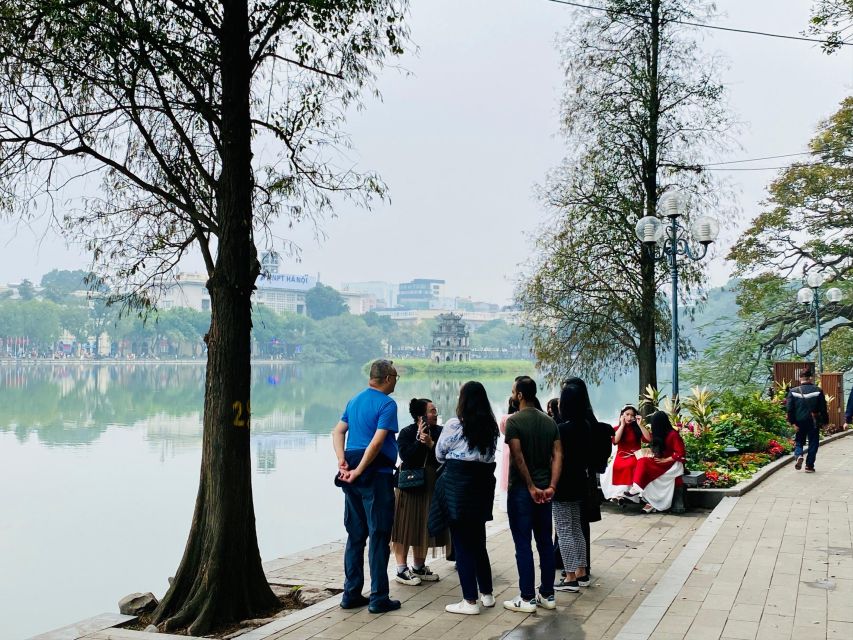
Hoan Kiem Lake gives the route a change of pace. After the formal buildings of the French Quarter, the lake brings you into one of Hanoi’s most familiar public spaces.
The guided visit is planned for about 15 minutes. Here, the conversation can widen beyond colonial architecture to the city’s daily rhythm, national identity, and major historical events.
The lake is valuable in this tour because it prevents the French Quarter from being treated as a sealed European district. Hanoi is not divided into neat historical boxes. Colonial streets, Vietnamese traditions, modern businesses, religious sites, and public gathering places overlap.
You will also have a chance to rest your eyes from buildings and streets. Depending on the time of day and weather, the lake area can be busy, so stay close to the guide and listen for meeting instructions.
The Metropole Hotel and the long shadow of war
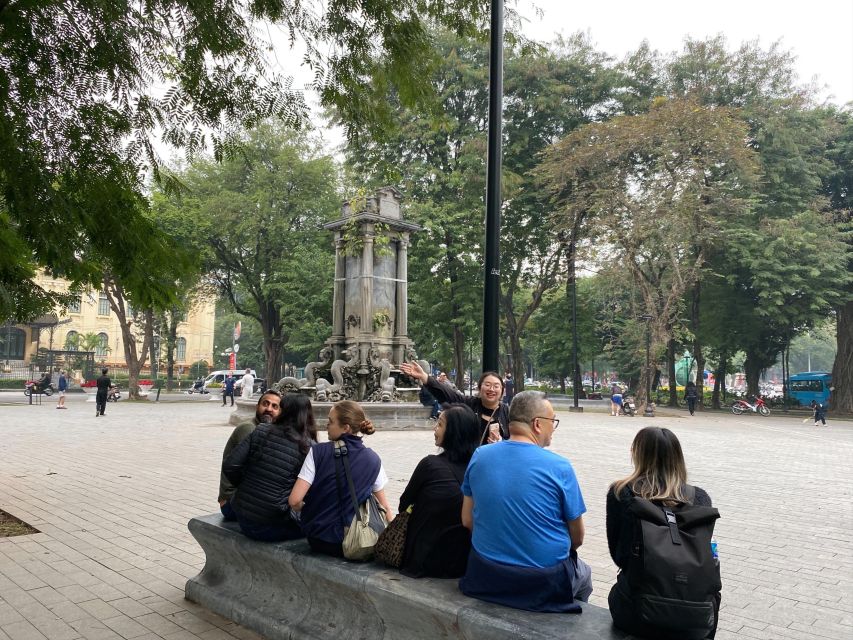
The Sofitel Legend Metropole Hanoi is another important stop. The hotel represents the polished side of French-era Hanoi and the continued use of colonial-era spaces by powerful institutions.
The guide also brings the Vietnam War into the wider story. This is one of the strongest reasons to choose this walk over a purely architectural tour. Hanoi’s buildings are not frozen in the colonial period. They continued through revolution, war, reunification, and modern tourism.
The tour uses photographs to help explain historical events. That is useful because images can make an abstract timeline easier to follow. You can look at a present-day building while seeing how the same place or city appeared during a very different period.
Do not expect a full military history course. The walk gives you a concise overview and leaves room for questions. If the war period interests you, this tour may also help you decide to visit another historical site, such as Hoa Lo Prison, during your time in Hanoi.
Trang Tien Street and the ice cream finish
Trang Tien is both a historic street and a working part of modern Hanoi. The stop helps show how the French Quarter is not only about official landmarks. Shops, food, traffic, and local routines continue alongside the old architecture.
The final treat is Trang Tien ice cream. It is included, and the parlor has seating and a restroom, making it a welcome pause after the walk.
I like this ending because it feels connected to local life rather than added as a generic dessert stop. Trang Tien ice cream is a familiar Hanoi institution, and trying it gives you a small taste of the city’s everyday culture. The ice cream also offers a practical chance to cool down.
If you have dietary needs, tell the guide early. One guide is specifically described as adapting parts of the experience to dietary needs and energy levels, but you should still ask what flavors or ingredients are available before ordering.
The stated finish is Hanoi University of Pharmacy, while the meeting information also describes the activity as ending back at the meeting point. Confirm the exact end point when you book, especially if you need to reach a hotel, restaurant, or later appointment.
What the $31 price really covers
At $31 per person, this is a fair price for a guided city walk. You receive about 2.5 hours with an English-speaking guide, a Vietnamese coffee or tea, and Trang Tien ice cream.
The value is strongest if you want context. Coffee and ice cream alone would cost very little, but they are not the main reason to book. You are paying for a guide who connects more than 15 sights and explains how French rule, Vietnamese society, architecture, and wartime history relate to one another.
The price is less compelling if you only want photographs of the Opera House and cathedral. You can see many of the buildings without a guide. The extra money makes sense when you want answers, historical explanation, and local suggestions for food and places to visit afterward.
The experience also offers free admission for people assisting guests with disabilities. The walk is outdoors and includes regular standing and walking, so ask the provider about your specific mobility needs before booking.
Who will enjoy this Hanoi walk
I would recommend this tour to first-time visitors who want a useful introduction to Hanoi beyond the standard photo stops. It suits people who enjoy history but prefer an informal discussion to a formal lecture.
It is also a good match for:
- Visitors interested in French colonial architecture and urban design
- Couples and families who want a gentle cultural activity
- Travelers who enjoy trying local coffee and traditional treats
- Anyone who wants to ask detailed questions about Vietnamese history
- Visitors deciding which museums or historic sites to explore next
- People who prefer a live guide to reading signs and guidebooks alone
The tour can work well for repeat visitors too. A local guide may show you small details and explain the city in ways you missed on your first visit.
It is less suitable if you dislike walking, hot weather, or frequent outdoor stops. It may also feel too introductory for someone seeking a specialist architecture tour or a full account of the Vietnam War. The guide can answer questions, but the route has to keep moving.
Practical advice before you go
Wear comfortable shoes, breathable clothing, sunscreen, and a hat. Hanoi weather can change quickly, and the experience runs rain or shine, so check the forecast the day before and carry an umbrella or raincoat if needed.
Start with an open mind about coffee. Egg coffee and coconut coffee are both highlighted, and the guide may use the café visit to explain Vietnamese coffee culture. If you do not drink coffee, tea is included as an alternative.
Use the early part of the walk to tell your guide what interests you. Mina is described as especially good at answering questions and tailoring the discussion, and the conversational format works best when you take part.
The booking terms are flexible: you can cancel up to 24 hours ahead for a full refund, and you can reserve now and pay later. Starting times vary, so check availability for the date you want.
Should you book it?
Book this walk if you want Hanoi’s French Quarter explained by a local guide rather than simply photographed. The combination of coffee in an old villa, colonial architecture, war history, Hoan Kiem Lake, and Trang Tien ice cream gives you a well-shaped introduction to the city.
I would especially choose it early in a Hanoi visit. The guide’s restaurant suggestions, historical explanations, and local perspective can help you plan the rest of your stay.
Skip it if you want a fast sightseeing circuit with little discussion, or if walking outdoors in uncertain weather sounds unpleasant. For most visitors who like history, food, and clear conversation, $31 is a sensible spend.
FAQ
How long does the French Quarter walking experience last?
The experience lasts 2.5 hours. Starting times vary, so check availability for your chosen date.
Where does the tour begin?
The guide waits at 6 Au Trieu Street, next to St. Joseph’s Cathedral in Hanoi.
What language is the tour conducted in?
The live tour is conducted in English.
Is coffee included?
Yes. You receive a cup of Vietnamese coffee or tea in a local café located in an old French villa. Egg coffee and coconut coffee are highlighted as possible coffee experiences.
Is Trang Tien ice cream included?
Yes. The tour includes ice cream at the famous Trang Tien ice cream parlor, which has seating and a restroom.
What sights are included?
The route includes St. Joseph’s Cathedral, the French Quarter, Hanoi Opera House, Hoan Kiem Lake, Sofitel Legend Metropole Hanoi, Trang Tien Street, Hanoi Post Office, and more than 15 notable sights in total.
Can I cancel the booking?
Yes. You can cancel up to 24 hours in advance for a full refund. Reserve now and pay later is also available.
Just added around the world
- Wilmington History and Architecture Tour★ 4.8 · 18 reviews
- Washington, DC: Georgetown Architecture Walking Tour★ 5.0 · 8 reviews
- New Orleans : Garden District Architecture Walking tour★ 4.8 · 5 reviews
- Washington DC: Dupont Circle & Embassy Row Architecture Tour★ 5.0 · 6 reviews
- Vicenza: discovering the city of Palladio by e-bike★ 5.0 · 4 reviews
- Vicenza: Palladian Architecture Private Walking Tour★ 3.3 · 3 reviews
- Walk & Discover KL’s Architectural and Heritage Gems★ 5.0 · 7 reviews
- Unveiling Brno: History, Culture & Architectural Delights★ 5.0 · 2 reviews
Historical Tours, compared.
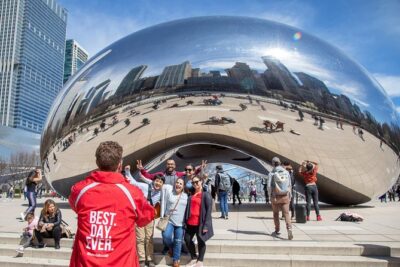
Chicago in a Day: Food, History & Architecture Walking Tour
Read our review →
Kuala Lumpur: Batu Caves & Historic Buildings Tour
Read our review →
Charleston’s Best Highlights: History, Culture & Architecture
Read our review →
Palm Springs Modernism Architecture & History Bike Tour
Read our review →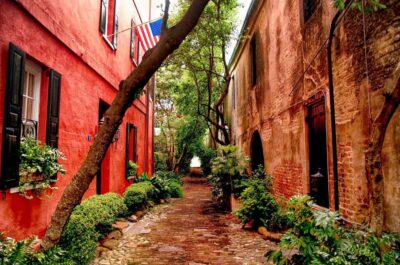
Charleston: History and Architecture Guided Walking Tour
Read our review →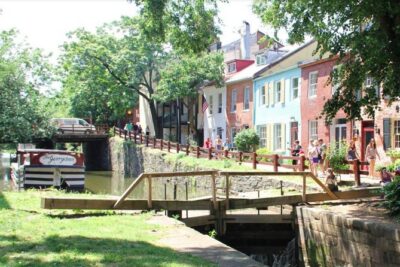
Historic Georgetown: History, Gossip, & Architecture Walking Tour
Read our review →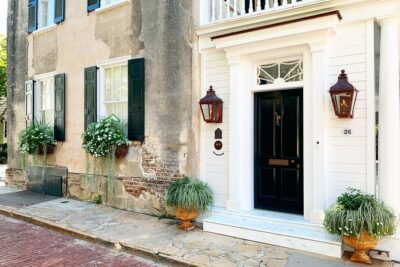
Charleston History, Homes, and Architecture Guided Walking Tour
Read our review →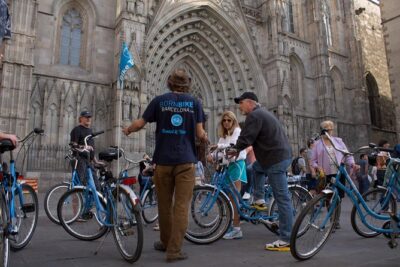
Browse the lists this tour appears in