
Review · ITALY
Turin: Art Nouveau Walking Tour with Coffee
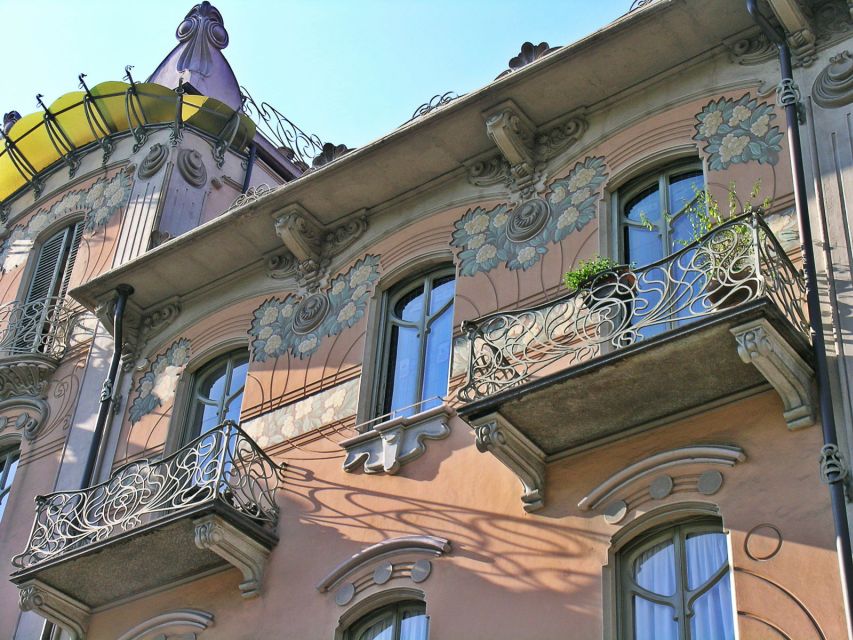
Turin’s Art Nouveau is best found away from the grand royal squares, on quiet streets lined with floral plasterwork, curved windows, iron balconies, and odd little details. This two-hour walking tour gives you a clear route through that lesser-seen side of the city, beginning at Principi d’Acaja Metro and ending with coffee in a period café.
I like the focused subject and the way the walk connects architecture with the society that produced it. I also like the small coffee stop, which turns a building tour into a proper Turin outing. The main drawback is price: at $93 per person, this is costly for a two-hour walk, especially if you are comfortable exploring façades on your own.
- The House of Dragons: See a striking blend of French neo-Gothic design and Turin Art Nouveau.
- Casa Fenoglio-Lafleur: Study floral friezes, wrought iron, and colorful glass in one of the city’s finest examples.
- Villino Raby: Admire Pietro Fenoglio’s work, including its bow-window and Smeriglio decorations.
- Chiesa di Gesù Nazareno: Find Art Nouveau touches within a tall neo-Gothic church.
- Traditional café break: Enjoy a quality coffee in a café built in the same style under discussion.
- Multilingual guiding: Tours are offered in English, Italian, French, and Spanish, with small groups available.
Why Turin’s Art Nouveau deserves two hours
Turin is often introduced through its royal buildings, broad avenues, and famous coffee culture. Those are good reasons to visit, but the city also has a strong Art Nouveau identity. In Italy, the style is often called Liberty, and here it appears on private homes, villas, churches, balconies, gates, and window frames.
I like this tour because it gives you a theme rather than a random string of attractive buildings. You are not simply asked to admire a façade. You learn to look for the curves, plant forms, colored glass, wrought iron, and mixtures of older European styles that make Turin’s version distinctive.
The walk also places the style at the turn of the 19th and 20th centuries, when Art Nouveau was particularly popular in the city. That timing matters. It helps you see these buildings not as isolated decorations, but as signs of changing taste and urban life.
The route is compact enough to fit into a morning or afternoon, yet it covers several different building types. You see private residences, a villa, and a church. That range gives the tour more substance than a quick stroll past one row of houses.
Meeting at Principi d’Acaja Metro
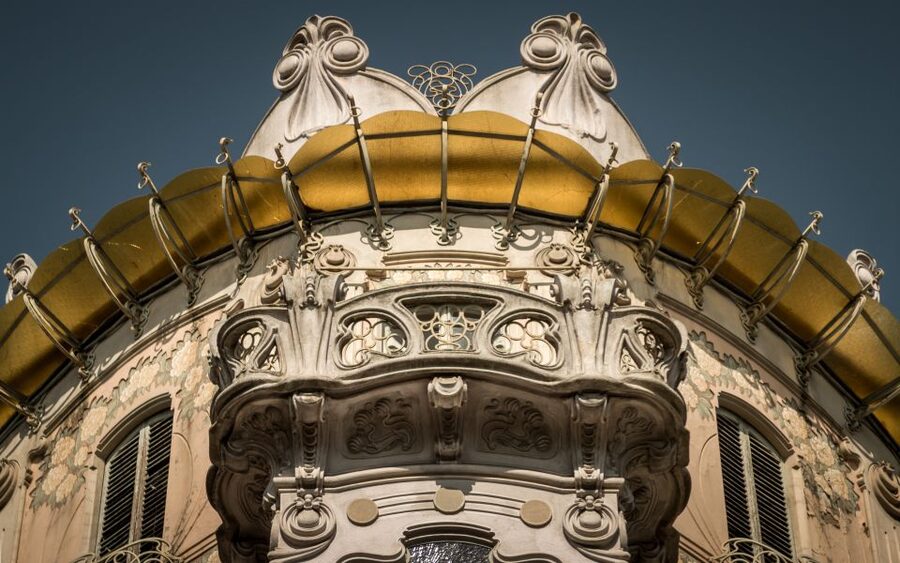
The tour begins in front of the Principi d’Acaja Metro station. This is a practical meeting point because you can reach it by public transport without arranging a hotel transfer. Hotel pickup and drop-off are not included, so you need to make your own way to the station.
Arrive with enough time to identify the guide and settle in. The meeting point is simple, but a Metro entrance can still be busy or have several possible exits. Check the booking details carefully for the exact meeting instructions and starting time.
The activity lasts two hours. That is long enough for an informed introduction and several stops, but short enough to combine with Turin’s museums, cafés, or central sights later in the day. I would place it early in your stay if architecture is a major interest. The walk can give you a better eye for details you might otherwise pass without noticing.
A live guide leads the tour in English, Italian, French, or Spanish. Past guides have included Marina and Laura, and the strongest praise has focused on clear explanations, strong subject knowledge, and an engaging way of speaking. Since guide assignments can vary, book in the language that lets you follow architectural and historical details comfortably.
More Art Nouveau tours in Italy:
- Turin, Art Nouveau walking tour and coffee break
★ 4.0 · 7 reviews - Art Nouveau Rome: Villa Torlonia & Coppedé Private Tour
★ 5.0 · 5 reviews - Riga: Old Town Walking Tour with Art Nouveau Highlights
★ 4.7 · 332 reviews
The House of Dragons and Turin’s decorative side
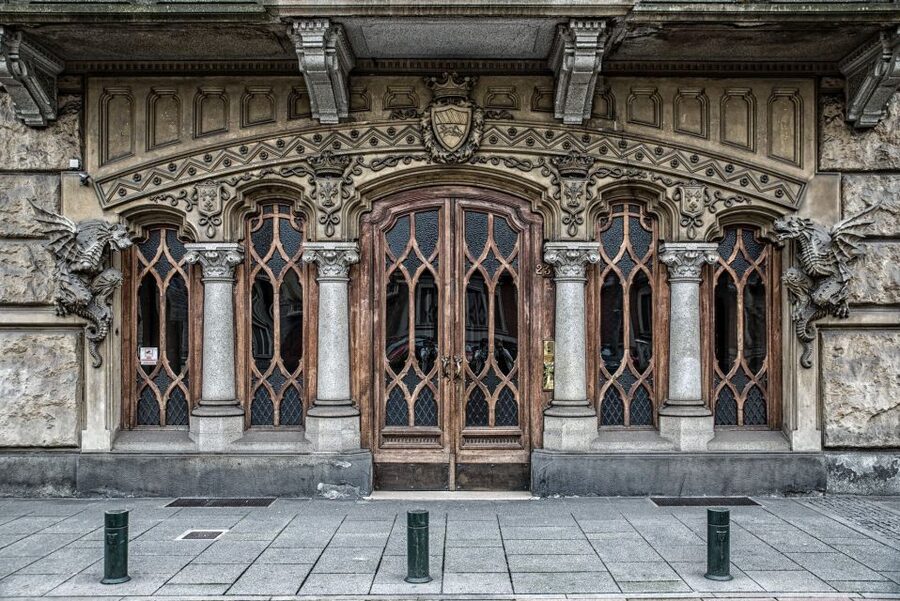
One of the first major sights is the House of Dragons, described as one of Turin’s most valuable examples of a blend between French neo-Gothic and Art Nouveau. The name alone hints at its more playful character. This is not a plain apartment façade with a few decorative lines added at the end. It represents the period’s taste for expressive design and unusual visual details.
The French neo-Gothic influence gives the building a more medieval flavor, while Art Nouveau brings the flowing, decorative quality associated with the period. That mixture is one of the useful lessons of the tour: Art Nouveau did not always appear in a pure, tidy form. Architects often combined it with older styles.
Your guide’s role matters here. From the street, you can see shapes and ornament, but the explanation helps you understand why those elements belong together. The tour is particularly useful if you enjoy architecture but do not have formal training. You can ask questions as the walk unfolds instead of trying to decode every façade from a guidebook.
Casa Fenoglio-Lafleur and the details worth slowing down for
Casa Fenoglio-Lafleur is likely to be one of the visual highlights. Its façade is covered with floral friezes, and the design includes wrought-iron balconies and polychrome glass. These are the details that reward a slower look.
The floral decoration shows Art Nouveau at its most immediately recognizable. Curving plant forms soften the building and create movement across the façade. The ironwork adds another layer, especially around the balconies, while the colored glass brings changing tones to the windows.
I would not rush this stop. Stand back first to see the whole building, then look closer at the iron and glass. A good guide can point out how the pieces work together and explain what makes the house more than simply an ornate residence.
This is also where the tour’s group size can make a real difference. A small group is easier to gather around a façade without blocking the pavement, and it gives you a better chance to hear the explanation. Small groups are available, though you should confirm the exact option when booking.
Villino Raby and the work of Pietro Fenoglio
The walk continues to Villino Raby, one of architect Pietro Fenoglio’s masterpieces. Fenoglio is central to Turin’s Art Nouveau story, and this building lets you see a more villa-like expression of his work.
The approach includes wrought-iron railings leading toward rooms with a large bow-window. The decorations are associated with the master Domenico Smeriglio. Those features make the building worth considering as a whole rather than as a single façade.
The bow-window gives the structure a rounded, projecting form, while the railings create a transition from street to interior. Even if you cannot enter the rooms, the exterior suggests how the period’s design reached beyond surface decoration. Windows, gates, balconies, and interior spaces were treated as parts of one visual idea.
This stop also gives the guide a chance to explain the people behind the buildings. That human element improves the walk. You remember Fenoglio and Smeriglio more easily than a list of anonymous addresses, and you begin to see Turin’s Art Nouveau as the work of particular designers with different skills.
More architecture walks in Italy:
- Lecce: Baroque Architecture and Underground Walking Tour
★ 4.6 · 1,248 reviews - Experience Florence’s Art and Architecture on a Walking Tour
★ 5.0 · 318 reviews - Guided Walking Tour of Rome: Top Sights & Baroque Treasures
★ 5.0 · 155 reviews - Palermo: Art and Architecture Walking Tour
★ 4.7 · 136 reviews
Chiesa di Gesù Nazareno, where styles meet again
The Chiesa di Gesù Nazareno was built at the start of the 20th century as part of a project by architect Giuseppe Gallo. Its main style is neo-Gothic, with Art Nouveau influences. Again, the interest lies in the combination rather than in a single label.
The church is dominated by a high bell tower, and its façade is richly decorated. Compared with the private houses, it gives you a larger and more formal example of how Art Nouveau ideas could be used in a religious building.
I find this kind of contrast useful on an architecture walk. A private home can show decorative freedom and personal taste. A church has a different purpose and a more public presence. Seeing both helps you understand how broadly the style was used in Turin at the beginning of the 20th century.
The tour description does not promise a full interior visit, so expect the church stop to focus on the exterior and its architectural setting. That is important if you are hoping for an extended church visit. This is a themed walking tour, not a church-inspection tour.
The coffee stop gives the tour a local rhythm
The final treat is coffee in a traditional café also built in the Art Nouveau style. Coffee is included, and this is more than a convenient pause. It keeps the tour connected to Turin’s café culture while continuing the architectural theme.
You get a chance to sit, talk, and look around a period setting after studying the buildings outside. The coffee break is expected to be a quality serving in a local café, with the review information specifically mentioning an espresso. The exact drink and café experience may depend on the arrangement that day, so do not book this as a full meal or tasting session.
I like this part because it gives the two hours a natural shape. The walk is not only facts and façades. You finish with a small everyday ritual in a place that fits the subject. It also makes the tour easier to recommend to a companion who enjoys food and atmosphere more than architectural terminology.
Still, keep expectations in proportion. One coffee is included, not a broad sampling of Turin’s café specialties. If you want a long café stop, a pastry, or several drinks, you will likely need to pay extra and allow more time afterward.
What the $93 price means
At $93 per person, this is a premium-priced walking tour. The cost is hard to justify if you only want a route map and a list of buildings. Many of the façades can be seen from public streets, and independent visitors can walk through the area without paying an admission fee.
The price makes more sense if you value a specialist explanation, a planned route, and the ability to ask questions. You are paying for the guide’s preparation and interpretation, not just for access to the buildings. The coffee is a pleasant addition, but it is not the main financial value.
The consistently high rating of 5 from 11 reviews supports the quality of the guiding, especially in terms of clear, engaging explanations. One person still felt the ticket cost was a little high, which is a fair warning. Strong feedback does not make a premium price inexpensive.
I would book it if you have limited time in Turin and want an organized introduction to Art Nouveau without doing research first. I would skip it if you are a keen independent walker, already know the buildings, or are trying to keep daily costs low.
Who should book this walk
This tour suits you best if you enjoy architecture, urban history, decorative arts, or unusual city neighborhoods. It is also a good choice if you want to see Turin from a different angle instead of spending your whole visit around the major central monuments.
You do not need to be an expert. The guide explains the subject in a way that can be both serious and accessible. Past guide feedback has praised the ability to make the topic lively and easy to follow, including guides named Marina and Laura.
The two-hour length works well for first-time visitors with a tight schedule. It also suits repeat visitors who have already seen the major sights and want a more specialized outing. Families with older children may enjoy the building names and decorative details, though the tour’s appeal will depend on their interest in architecture.
The activity is wheelchair accessible, an important practical point for many visitors. It remains a walking tour, so confirm the current route and meeting details if you have specific mobility needs.
Practical planning for the two-hour route
Wear comfortable shoes and plan for an outdoor walk between stops. The supplied information confirms a walking format, but it does not provide a precise distance or promise indoor access at every building. Dress for the weather and bring what you normally need for two hours outside.
The meeting point is in front of the Metro station, and there is no hotel transfer. Public transport makes arrival straightforward, but you should still check the exact starting time and language before leaving your accommodation.
Free cancellation is available up to 24 hours before the tour for a full refund. You can also reserve now and pay later, which helps if your Turin schedule is still shifting. Those terms are useful, but read the final booking conditions carefully before confirming.
English, Italian, French, and Spanish are available. Small groups can be selected when offered. If you care about a quieter walk or want more time for questions, that option is worth considering.
My verdict on Turin’s Art Nouveau walk
I recommend this tour to readers who want meaning behind the ornament. The House of Dragons, Casa Fenoglio-Lafleur, Villino Raby, and Chiesa di Gesù Nazareno create a strong sequence, and the coffee stop gives the outing a friendly finish.
The guide is the deciding factor. The best version of this tour will make the social and architectural setting easy to understand, not just point at balconies and stained glass. Past guides including Marina and Laura have been praised for clear, engaging presentations, so check the available language and group format when booking.
Book it if the $93 price fits your budget and you would rather have a specialist lead you than build your own route. Skip it if you mainly want photographs from the street or prefer spending that money on museums and meals. For an informed, compact look at a less obvious side of Turin, it is a well-focused choice.
FAQ
Where does the Turin Art Nouveau walking tour begin?
The meeting point is in front of the Principi d’Acaja Metro station in Turin.
How long does the tour last?
The walking tour lasts two hours.
What buildings are included?
The route includes the House of Dragons, Casa Fenoglio-Lafleur, Villino Raby, and Chiesa di Gesù Nazareno.
Is coffee included?
Yes. The tour includes a coffee break in a traditional café built in the Art Nouveau style.
Which languages are available?
The live tour guide can lead the experience in English, Italian, French, or Spanish.
Is the tour wheelchair accessible?
Yes, the activity is listed as wheelchair accessible.
Can I cancel the tour for a refund?
You can cancel up to 24 hours in advance for a full refund. Reserve now and pay later is also available.
More Coffee Experiences in Italy
- Coffee, History, and Architecture of the French Quarter
★ 4.9 · 71 reviews - Coffee and Art Tour walking Gothic Quarter, Official Guide
★ 5.0 · 2 reviews
Just added around Italy
- Vicenza: discovering the city of Palladio by e-bike★ 5.0 · 4 reviews
- Vicenza: Palladian Architecture Private Walking Tour★ 3.3 · 3 reviews
- Vatican: Exclusive Baroque Evening With Aperitivo & Dinner★ 3.1 · 2 reviews
- Venice Music Project – Baroque Autumn – Season 2025★ 4.5 · 7 reviews
- Walking tour in Venice with an architect★ 5.0 · 16 reviews
- Palladio. A wonderful live tale through time&soul, from Ve/Pd/Vr★ 5.0 · 7 reviews
- Turin, Art Nouveau walking tour and coffee break★ 4.0 · 7 reviews
- Private One Day Tour of Montalbano and the Baroque Ibleo★ 4.5 · 2 reviews
Art Nouveau Tours, compared.
Riga: Old Town Walking Tour with Art Nouveau Highlights
Read our review →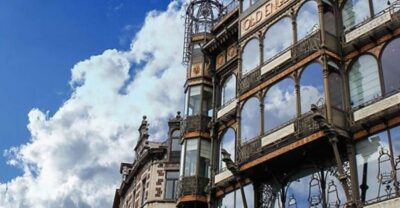
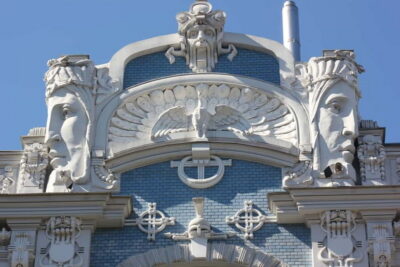
Riga: 2-Hour History of Art Nouveau Walking Tour
Read our review →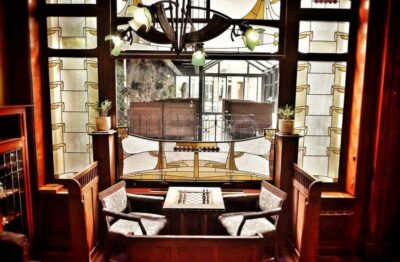
Brussels: Art Nouveau Pass – Entry to Three Locations
Read our review →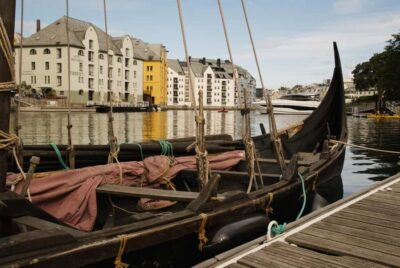
Small Group Tour in Ålesund: Art Nouveau, Sea Views & Insider Tips
Read our review →
Browse the lists this tour appears in