
Review · THE USA
Oklahoma City History and Architecture Walk Downtown
Oklahoma City’s story is written in its downtown buildings. In two hours, this walk takes you from a pioneer skyscraper to a haunted hotel, a former auto district, the Oklahoma City National Memorial, and one of the state’s finest Art Deco interiors. Guides Ryan and Jeffrey are known for their clear storytelling, humor, and willingness to answer questions.
I like the manageable two-hour route, which gives you a useful first look at downtown without eating up your whole day. I also like the mix of architecture and difficult history, especially the thoughtful visit to the memorial grounds. The main drawback is that the National Memorial Museum is not included, and hot weather can make a midday walk less pleasant.
Key points to know before you book
- Six downtown stops in two hours: The route covers hotels, parks, historic districts, the National Memorial, and a former bank.
- The buildings are the stars: You’ll see early skyscraper design, original hotel details, and striking Art Deco decoration.
- The memorial visit is included: You enter the outdoor memorial grounds, but museum admission costs extra.
- Guides Ryan and Jeffrey bring different energy: Both are praised for strong OKC history and architecture knowledge, with plenty of room for questions.
- The walk is easy to fit into a trip: It begins and ends at 120 North Robinson Avenue at 10:00 am.
- Plan for weather: The tour requires good conditions, and you should have a moderate level of fitness.
Why this walk is a smart introduction to Oklahoma City
At $35 per person, this tour is priced as a low-cost orientation rather than an all-day sightseeing package. That matters in Oklahoma City, where downtown sights are spread across several blocks and the stories behind the buildings are easy to miss if you simply walk past them.
You get a guide for about two hours, and admission is free at each scheduled stop. The strongest value comes from the context: why the Colcord Hotel mattered, how the Skirvin became famous, what Automobile Alley once did, and why the memorial’s design carries such weight.
I would book this near the start of a city break. It can help you decide which buildings deserve a second look and whether you want to return to the memorial museum. The route also gives you a useful sense of how downtown changed from an early commercial center into today’s mix of hotels, residences, restaurants, shops, and public spaces.
This is a walking tour, not a bus ride with quick photo stops. You need to stay on your feet and move between locations, though the route is described as manageable and takes about two hours. On a hot day, wear light clothing and bring water. One guide, Ryan, made a point of keeping the group in shade or inside historic hotels when possible, which is a practical touch in Oklahoma weather.
More architecture walks in the USA:
- The Official Art Deco Walking Tour by The Miami Design Preservation League
★ 5.0 · 1,580 reviews - Chicago in a Day: Food, History & Architecture Walking Tour
★ 5.0 · 1,153 reviews - Miami South Beach Art Deco Walking Tour
★ 5.0 · 1,039 reviews
The Colcord Hotel and OKC’s first skyscraper ambitions
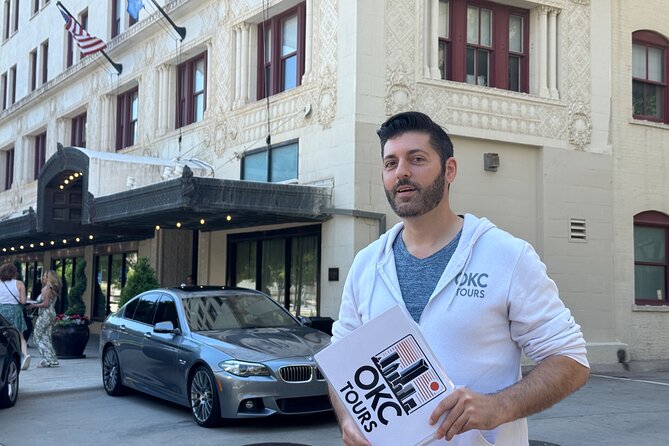
The walk starts at 120 North Robinson Avenue, near the Colcord Hotel, and begins with Oklahoma City’s early push into the skyscraper age. The Colcord is presented as the city’s pioneer skyscraper, with attention to how it was built and who was behind it.
That opening gives the tour a useful frame. Before the city’s grander buildings and polished Art Deco interiors, Oklahoma City needed commercial confidence and a vertical identity. The Colcord shows that early ambition in a compact form.
You spend about 15 minutes here, so do not expect a long architectural lecture or an interior tour of every floor. Instead, you get the backstory needed to read the building from the outside and understand its place in downtown development.
This is a good first stop because it starts with people and purpose rather than dates alone. You learn who built the structure and why it mattered, which makes the rest of the walk easier to follow.
The Skirvin Hotel, social drama, and ghost stories
The Skirvin Oklahoma City is the longest hotel stop, at about 20 minutes. Here, the focus shifts from construction and business to personalities, scandal, growth, and legend.
You hear about Mr. Skirvin and his socialite daughter, along with stories about the hotel’s expansion and its reputation for mysterious hauntings. The ghost stories are part of the fun, but the stop is not presented as a haunted-house stunt. The larger appeal is the way the hotel connects Oklahoma City’s social life with its architecture.
The lobby has been renovated, yet original details more than a century old remain visible. Your guide points them out so you can separate old fabric from new work. That is one reason this stop works well for people who enjoy historic hotels but do not want a formal architectural course.
The Skirvin also gives the tour some variety. After the Colcord’s focus on early construction, you get a more human story here, filled with ambition, family connections, changing tastes, and persistent local lore. Guides have been praised for making these stories easy to follow, and this is likely where a lively guide such as Ryan or Jeffrey can make a real difference.
Kerr-McGee Park and the land beneath downtown
Kerr-McGee Park is a brief five-minute stop, but it adds a useful civic layer to the tour. You learn about Robert S. Kerr and his contributions, along with what occupied this land before it became a park.
Do not expect an extended park visit. The point is to connect the open space beneath your feet with Oklahoma’s political and business past. A short stop like this can seem minor on paper, yet it helps explain how downtown property has been reused over time.
I appreciate that the walk does not focus only on ornate façades. Parks, civic figures, and former uses of land are part of the city’s story too. This stop is quick, so listen closely and ask questions if you want more detail.
More history tours in the USA:
- Charleston’s Best Highlights: History, Culture & Architecture
★ 5.0 · 422 reviews - Palm Springs Modernism Architecture & History Bike Tour
★ 5.0 · 359 reviews - Charleston: History and Architecture Guided Walking Tour
★ 4.8 · 349 reviews - Historic Georgetown: History, Gossip, & Architecture Walking Tour
★ 5.0 · 321 reviews
Automobile Alley, from car showrooms to modern nightlife
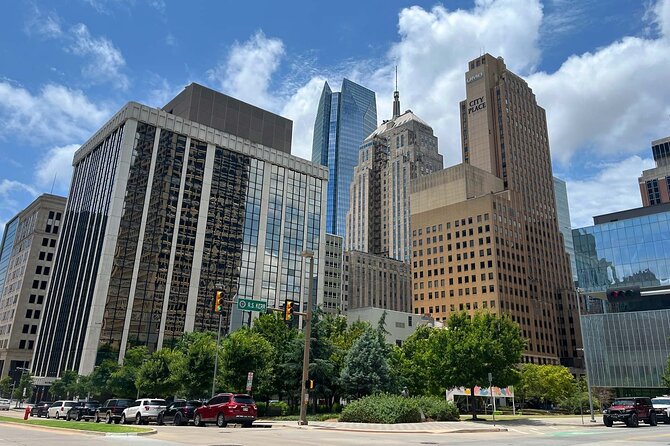
The route then passes the entrance to Automobile Alley, a district that once formed the center of Oklahoma City’s auto industry. The name gives away the broad theme, but the guide explains why this particular area became important about a century ago.
You also hear about what the district offers today, including its modern entertainment activity. That past-and-present contrast is one of the more useful parts of the walk. You are not just looking at old buildings and hearing that they are historic. You are learning how a commercial district changed function while keeping its identity.
This is a pass-by stop of about 10 minutes, so the tour does not promise a full exploration of every block. If Automobile Alley catches your interest, you may want to return later at your own pace. The guided visit gives you the background, then leaves room for a longer independent look.
The Oklahoma City National Memorial and the weight of the visit
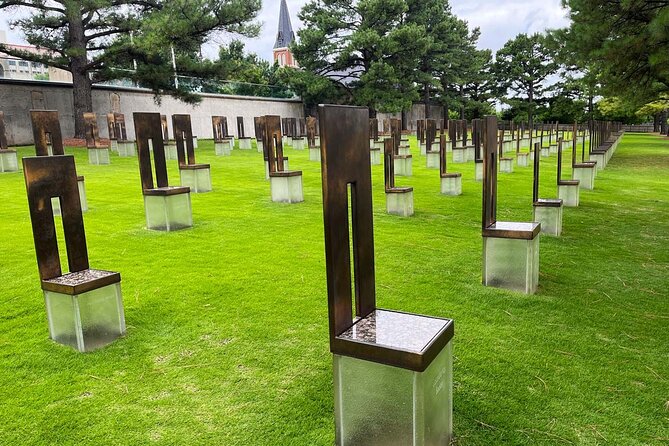
The memorial is the emotional center of the walk. You spend about 20 minutes in the manicured outdoor grounds, learning what happened on Oklahoma’s darkest day, how the memorial’s design works, and how the community responded.
This portion needs a different tone from the hotel stories and architectural anecdotes. The guide explains the meaning of the design elements rather than treating the site as a quick stop for photographs. The setting is carefully maintained, and the experience can feel quiet and reflective even within a walking tour.
The outdoor memorial admission is included, but the museum is not. That distinction matters when planning your day. If you want the fuller account of the bombing and its aftermath, you need to arrange a separate museum visit and allow more time beyond this tour.
I value the fact that the memorial is included in a route otherwise centered on buildings. It keeps Oklahoma City’s architectural story connected to the events that reshaped the city’s public memory. Several guides, including Jeffrey, have been praised for making the subject understandable without losing its seriousness.
You should also know that this stop may affect the pace of the day. The tour moves on, but it is not simply business as usual after the memorial. If you prefer to spend a long time reading every panel and reflecting alone, schedule a separate return visit.
Inside the First National Center’s Art Deco details
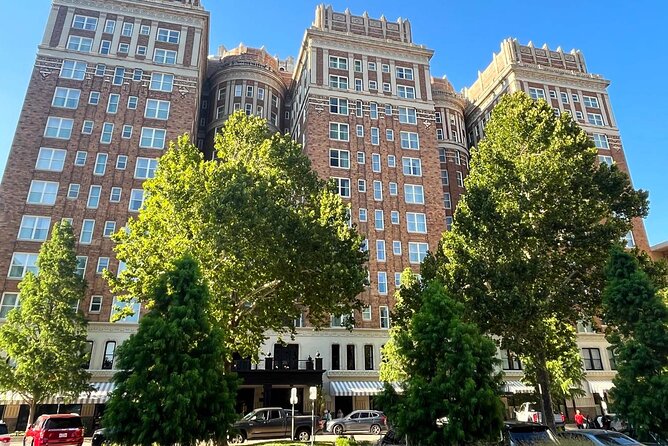
The final major stop is the First National Center, which may be the architectural high point of the route. The building was formerly a bank and is now a mixed-use property with a hotel, apartments, shops, and restaurants.
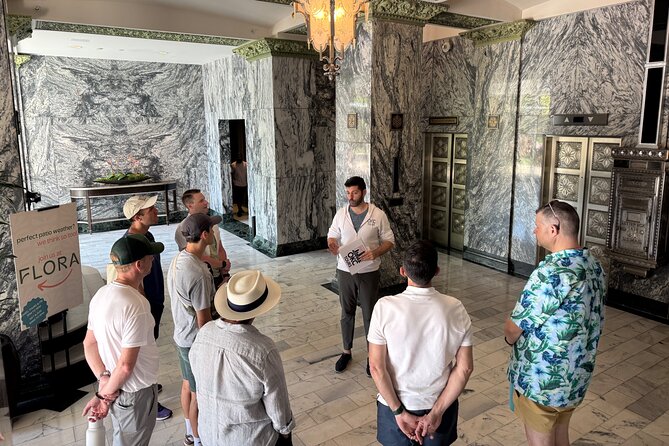
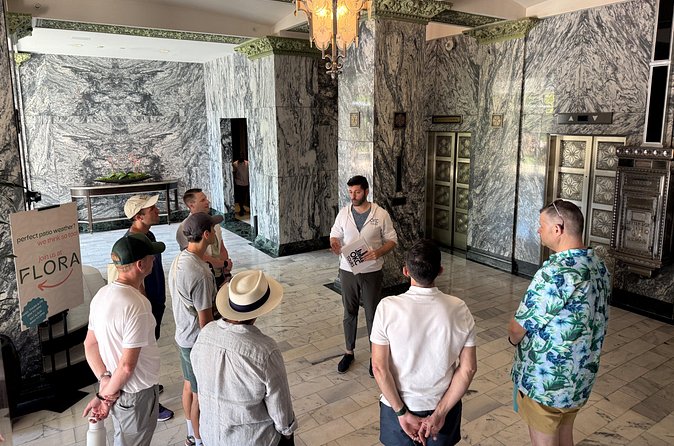
The guide takes you inside and points out Art Deco details in the interior as well as on the exterior. That interior access is important. Many city walks show you a façade, offer a date, and move on. Here, you get to see how the building’s design continues through the entrance and public spaces.
The First National Center also helps explain how historic buildings survive. It is not frozen as a museum. Its current mix of uses keeps the property active while preserving its grand character. You get a glimpse of how old commercial buildings can serve modern needs.
Allow about 15 minutes for this stop. The guide’s role is especially valuable here because decorative details can be easy to overlook. Look up, check the entrance areas, and listen for the explanation of how the former bank’s design expressed confidence and prosperity.
The guides and the feel of the walk
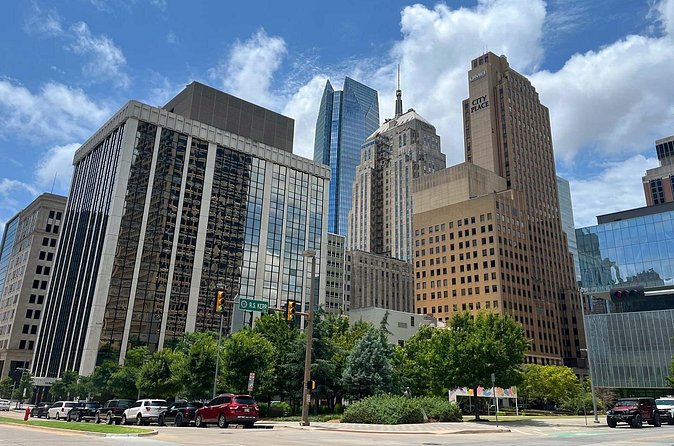
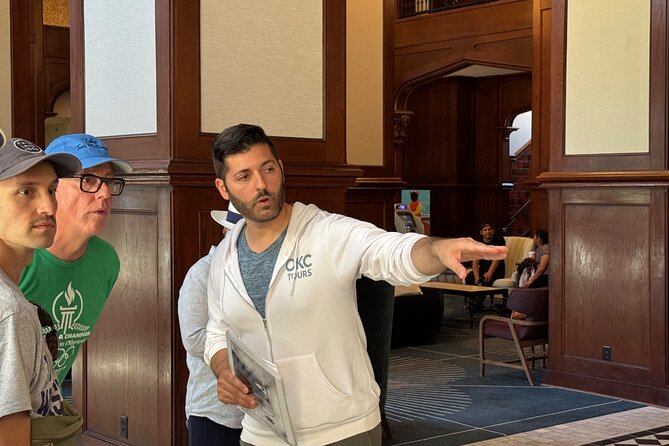
The guide can shape this experience more than any single building. Ryan is praised for answering questions, handling the city’s history with ease, and keeping people comfortable during a very hot day. Jeffrey is praised for his energy, humor, and ability to connect architecture with the city’s social story.
You may not get either guide on every date, so I would treat their names as examples of the company’s guiding style rather than a guarantee. In general, expect a guide who speaks about early Oklahoma City, downtown architecture, social life, and lesser-known details.
The best part of the format is the chance to ask questions. The pace is not described as rushed, and the guides make room for conversation. That helps if you want to know more about a building, a person, or what happened to a district after its original use faded.
The group can include up to 20 people. That is small enough for a more personal feel than a large sightseeing crowd, though it is not a private tour. If you want a quiet, self-directed walk, this format may feel too social. If you enjoy learning while moving through a city, the size should work well.
Price, timing, and practical planning
The $35 fee is reasonable for a two-hour guided introduction, especially since the route includes several historic interiors and the outdoor memorial grounds without separate admission charges. You are paying for interpretation and local storytelling rather than entry to a major attraction.
The tour starts at 10:00 am and returns to the original meeting point. That makes it easy to pair with an afternoon museum visit, lunch, or a second look at Automobile Alley. Since the route ends where it begins, you do not need to plan a complicated pickup.
A mobile ticket is provided, and confirmation arrives at booking. Service animals are allowed. You should have moderate physical fitness because this is a walking activity, not a seated tour.
The tour requires good weather. If poor conditions cancel it, you can receive a different date or a full refund. The same applies if the minimum number of participants is not met. For your own cancellation, cancel at least 24 hours before the start time for a full refund. Later cancellations and changes are not accepted.
The tour is often booked about 10 days ahead. That is not a strict rule, but it is a useful reason to reserve early if your schedule is fixed.
Who will get the most from this OKC walk
I would recommend this tour to first-time visitors who want a clear introduction to downtown without committing to a full day. It also suits anyone interested in architecture, historic hotels, urban change, or the story behind the Oklahoma City National Memorial.
It works well for couples, friends, and solo visitors who like asking questions. The two-hour length is also useful if you are adding it to a weekend itinerary and want a guided start before exploring independently.
You may want something else if you are mainly interested in the memorial museum, since admission is not included. You might also prefer a self-guided walk if you want to linger at each building, spend a long time inside the museum, or move at your own pace.
Heat is the practical concern. Oklahoma City can be very warm, and several sections take place outdoors. Choose comfortable shoes, carry water, and be ready for the guide to adjust the route toward shade or indoor spaces when possible.
Should you book the Oklahoma City History and Architecture Walk?
Book it if you want a well-paced introduction to downtown and value the stories behind the buildings. The strongest reasons are the range of stops, the access to historic hotel and bank interiors, the thoughtful memorial visit, and the chance to ask a guide direct questions.
The tour is not a substitute for the National Memorial Museum, and it will not satisfy anyone seeking a long, specialist architecture lecture. Still, at $35, it gives you a lot of useful context in two hours.
I would schedule it early in your Oklahoma City stay, then return to the places that deserve more time. For a first look at the city’s buildings, people, painful moments, and changing districts, this is a practical choice.
FAQ
How long is the Oklahoma City History and Architecture Walk?
The tour lasts approximately two hours.
Where does the tour start and end?
It starts at 120 N Robinson Avenue in Oklahoma City and ends back at the same meeting point.
What time does the tour begin?
The scheduled start time is 10:00 am.
Is admission to the Oklahoma City National Memorial Museum included?
No. The tour includes time in the outdoor memorial grounds, but museum admission is not included.
How many people can join the tour?
The activity has a maximum group size of 20 travelers.
Can I cancel for a full refund?
Yes. You can cancel at least 24 hours before the start time for a full refund. Changes or cancellations made less than 24 hours before the start time are not accepted for a refund.
Just added around the USA
- Wilmington History and Architecture Tour★ 4.8 · 18 reviews
- Washington, DC: Georgetown Architecture Walking Tour★ 5.0 · 8 reviews
- New Orleans : Garden District Architecture Walking tour★ 4.8 · 5 reviews
- Washington DC: Dupont Circle & Embassy Row Architecture Tour★ 5.0 · 6 reviews
- Tulsa: Art Deco Walking Tour of Tulsa★ 5.0 · 8 reviews
- Castle to Capitol: Museums of the National Mall Architecture Tour★ 4.5 · 9 reviews
- Private Colonial Williamsburg Architectural Tour★ 5.0 · 5 reviews
- Iconic Capitol Hill Architectural Walking Tour★ 5.0 · 21 reviews
Walking Tours, compared.
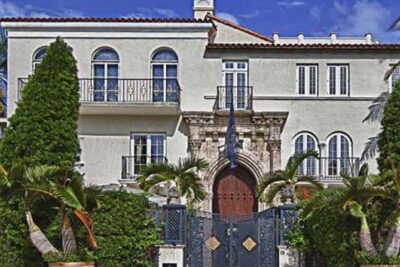
The Official Art Deco Walking Tour by The Miami Design Preservation League
Read our review →
Barcelona: Gothic Quarter Ghosts and Legends Walking Tour
Read our review →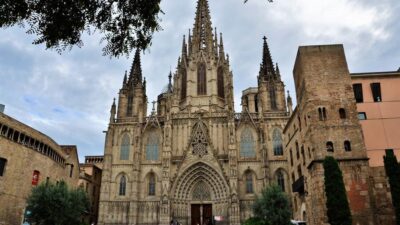
Barcelona: Old Town and Gothic Quarter Walking Tour
Read our review →
Lecce: Baroque Architecture and Underground Walking Tour
Read our review →
Chicago in a Day: Food, History & Architecture Walking Tour
Read our review →
Ramblas, Old Town, Gothic and Gaudi Architecture Walking Tour
Read our review →
Chicago’s Secret Interiors Architectural Walking Tour
Read our review →Browse the lists this tour appears in