
Review · LOS ANGELES
Downtown Los Angeles History and Architecture Walking Tour
Downtown Los Angeles reveals itself best on foot, one block at a time. This 2.5-hour walking tour links movie palaces, old banks, food halls, theaters, and commercial districts into one story about how LA grew, declined, and changed course.
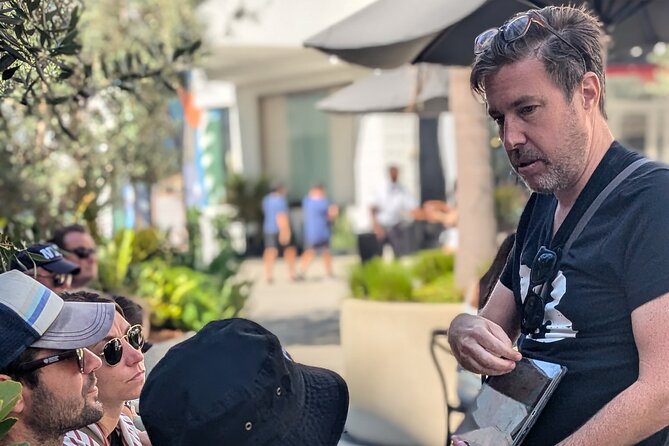
I like the guide’s use of historical photos and maps to show what once occupied today’s streets. I also like the small group, capped at 15 people, since it gives you room to ask about architecture, film, city planning, or current changes. The main drawback is simple: this is a long urban walk with few built-in chances to sit, rest, use a bathroom, or take photos at leisure.
Key points to know before you book
- Movie palaces and film history: Broadway’s theaters, the Million Dollar Theater, Los Angeles Theatre, and Tower Theatre connect Downtown LA to Hollywood’s early years.
- Architecture with a wider story: You’ll see Beaux-Arts, Art Deco, Spanish Renaissance Revival, and adaptive reuse rather than a technical lecture on building design.
- Small-group discussion: The maximum group size is 15, making it easier to ask questions and follow subjects that interest you.
- A local guide with an international view: Eloi is Belgian, lived in China for a decade, and has made Downtown LA his home for four years.
- About $35 per person: The price is fair if you value context, conversation, and access to places you might otherwise pass without noticing.
- Plan for steady walking: Wear comfortable shoes, bring water, and arrive ready for a city walk rather than a gentle sightseeing stroll.
Why Downtown LA works so well as a walking tour
Many visitors picture Los Angeles as a spread-out collection of neighborhoods linked by freeways. Downtown LA offers a different experience. Here, a few blocks bring together the city’s early commercial ambitions, its movie industry, immigrant communities, financial power, nightlife, retail trade, and attempts to reuse old buildings.
The tour does not treat architecture as a list of dates and styles. Instead, Eloi uses buildings to explain how the city changed. A theater becomes a way to discuss early cinema. A bank points to the aspirations of Italian immigrants. A food hall opens a conversation about migration and daily life.
That approach is one of the tour’s strengths. If you want a formal architecture class, this may feel too broad. If you want to understand why Downtown LA looks and feels so different from one block to the next, the story-driven format is a better fit.
Eloi’s background adds another useful angle. As a Belgian who spent ten years in China before settling in LA, he compares the city with places such as Lisbon, Hong Kong, Antwerp, Paris, Madrid, and Shanghai. Those comparisons help you see familiar LA structures in a fresh way without turning the tour into a lecture about Europe or Asia.
More architecture walks in the USA:
- The Official Art Deco Walking Tour by The Miami Design Preservation League
★ 5.0 · 1,580 reviews - Chicago in a Day: Food, History & Architecture Walking Tour
★ 5.0 · 1,153 reviews - Miami South Beach Art Deco Walking Tour
★ 5.0 · 1,039 reviews
Grand Central Market begins with everyday Los Angeles
The walk starts at Grand Central Market, at the parking garage on South Hill Street. The market dates to 1917 and brings together food traditions from Mexico, Japan, El Salvador, and Jewish Los Angeles, among others.
You get about 10 minutes here, enough to take in the food hall and understand why it matters. This is not just a convenient meeting point. It is a compact introduction to LA as a city shaped by many communities.
I would not plan on a full meal during the tour. Ten minutes passes quickly, and the group needs to keep moving. Instead, note what catches your eye and return later if you want to eat.
From here, the route moves toward Angels Flight, the short funicular that dates to 1901. Its scale makes it memorable. The railway once served Bunker Hill residents and now offers a small reminder of a very different Downtown.
The comparison with Lisbon’s funiculars or Hong Kong’s Peak Tram makes sense, though Angels Flight is much shorter. The important point is not the length of the ride. It is the way this small piece of infrastructure connects modern LA with its earlier hillsides and neighborhoods.
Pershing Square and Bunker Hill show a city being remade
Pershing Square gives the tour a chance to shift from individual buildings to public space. Once a major civic gathering place, it now raises questions about how cities design, manage, and protect open areas.
The discussion here is less about a single architectural masterpiece and more about urban life. You’ll consider what makes a square welcoming, who controls it, and how public places change as downtown property values rise.
That wider view is useful, but it also explains why some people may find the tour less architectural than expected. The guide often asks what a place means and how it functions, not just who designed it or when it was built.
The Bunker Hill steps carry a similar theme. The area shifted from a wealthy residential district to a center for culture and finance. The steps become a symbol of LA’s upward ambitions and its constant reinvention.
Expect to hear comparisons with Montmartre and Hong Kong’s Victoria Peak. These references help put Bunker Hill into a broader urban context, though the focus remains Downtown LA rather than a technical study of stair design.
Broadway’s theaters reveal the birth of moviegoing
The Historic Theater District is one of the tour’s biggest draws. Broadway contains the largest concentration of movie palaces in the world, and the route spends about 20 minutes exploring this remarkable stretch.
The theater buildings show a time when going to the movies meant entering an ornate public world. These were not plain screening rooms. Their decoration, scale, and ceremony helped turn cinema into a major social event.
The Million Dollar Theater was Sid Grauman’s first movie palace. Its grand design points to the close connection between architecture and the film business. Hollywood’s power did not grow through movies alone. It also grew through the buildings that made moviegoing feel special.
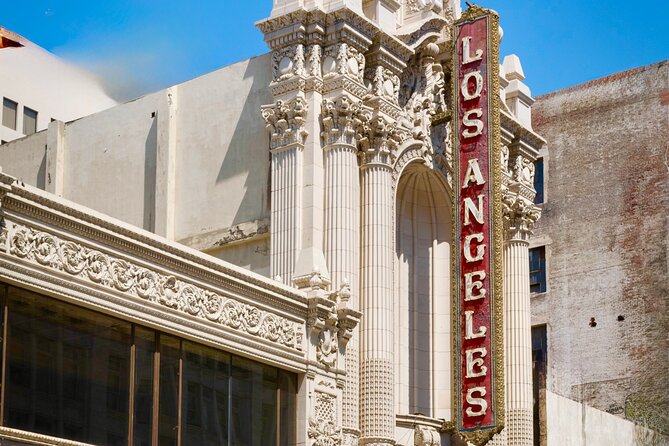
The tour then brings you to the Los Angeles Theatre, built in 1931 for the premiere of Charlie Chaplin’s City Lights. Its crystal chandeliers, gold details, marble stairs, and opera-house feel show the ambition of the movie palace era.
You should be aware that the tour schedule lists these as viewing stops rather than guaranteed full theater tours. Much of the experience comes from the exterior details, historical context, and the chance to understand how these venues fit together.
The group also passes the Arcade Building, completed in 1924. It once held studios and offices linked to LA’s growing radio industry. Its later mix of eateries and shops illustrates the city’s habit of giving old commercial spaces new uses.
That theme returns again and again. Downtown is not presented as a preserved museum district. It is a working area where old structures are adapted, neglected, restored, or given entirely new roles.
More history tours in the USA:
- Charleston’s Best Highlights: History, Culture & Architecture
★ 5.0 · 422 reviews - Palm Springs Modernism Architecture & History Bike Tour
★ 5.0 · 359 reviews - Charleston: History and Architecture Guided Walking Tour
★ 4.8 · 349 reviews - Historic Georgetown: History, Gossip, & Architecture Walking Tour
★ 5.0 · 321 reviews
The Bradbury Building turns architecture into movie magic
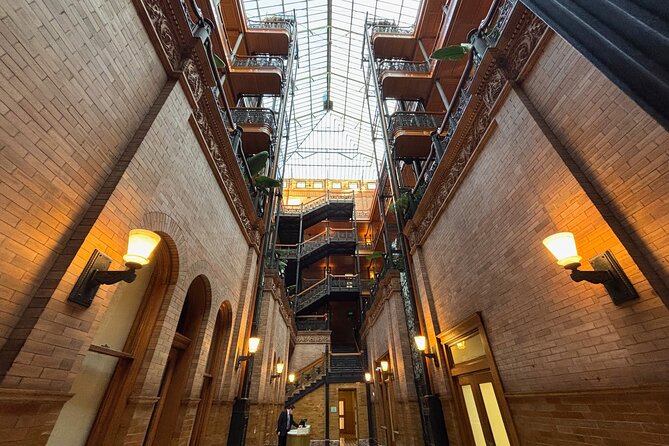
The Bradbury Building is one of the most recognizable stops. Its open atrium, iron staircases, and changing light create a striking interior space.
You may know it from Blade Runner, but the building matters even without its film connection. It shows how architecture can feel theatrical before a camera ever arrives. The building’s design makes movement, light, and vertical space part of the experience.
This is a good stop for anyone who likes the meeting point between real places and screen worlds. Eloi uses the building to discuss how LA’s architecture has shaped film and how film has shaped the way people imagine LA.
The stop is listed at about 10 minutes. That is enough for an introduction, but not enough for a slow architectural study. Bring your camera, but listen first. The best part is understanding why the space feels unusual.
Spring Street connects finance, immigration, and design
The Old Bank District once served as the West Coast’s financial center. Spring Street earned the nickname Wall Street of the West, and its Beaux-Arts buildings still reflect the confidence of that era.
Here, the tour examines more than decorative facades. You’ll hear about ambition, banking, commercial expansion, and the eventual change in Downtown’s fortunes.
The Continental Building, completed in 1904, represents LA’s early skyscraper period. Its Beaux-Arts exterior gives you a useful reference point before the route moves to later styles.
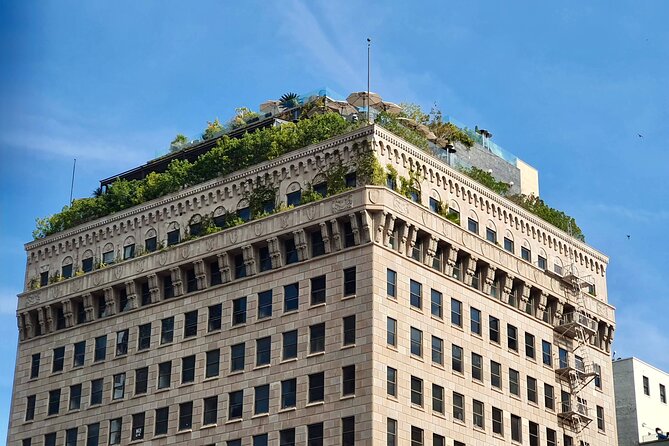
The El Dorado Lofts adds another layer. Built as a luxury hotel in 1913, it features an ornate terra cotta exterior with floral and geometric decoration. Its change from hotel to residential lofts reflects the larger cycle of Downtown buildings: built for one era, altered for another, and given a new role when the city changes.
These stops are especially valuable if you enjoy adaptive reuse. You may not get a long interior visit at every address, but you’ll learn to look for details that explain a building’s original purpose and later life.
The Last Bookstore offers a lighter, more modern pause
The Last Bookstore is a welcome change of pace. Opened in 2005, it combines books, records, local art, and playful interior design.
Its book tunnel and tall shelves make it one of the most photographed places on the route. Yet the stop is not only about taking pictures. The store represents a newer form of Downtown renewal, one built around culture, independent retail, and memorable spaces.
You get about 10 minutes here. That is enough to look around, though book lovers may wish for more time. If you know you’ll want to browse properly, return after the tour.
The stop also helps prevent the walk from becoming a procession of old facades. Downtown’s story includes new businesses and creative spaces as much as it includes banks and theaters.
Clifton’s and the Tower Theatre show adaptive reuse at its best
Clifton’s began as a cafeteria in 1931 and became known for offering free meals to people in need during the Great Depression. Its current design is famous for theatrical rooms, a large tree, forest-themed decoration, and hidden tiki bars.
The point here is not simply that the restaurant looks unusual. Clifton’s links hospitality, philanthropy, entertainment, and commercial reinvention. It shows how a business can become part of a city’s cultural memory.
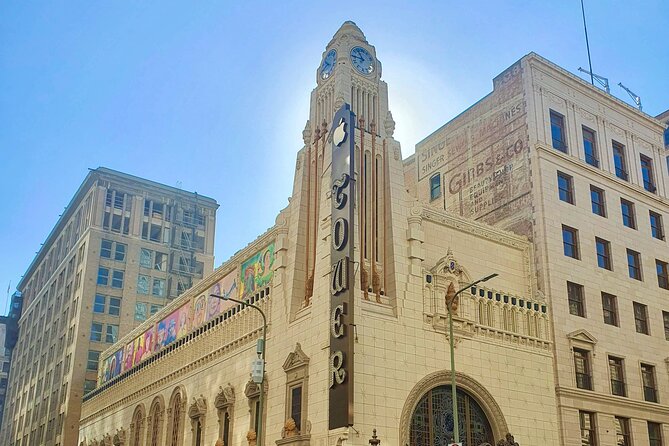
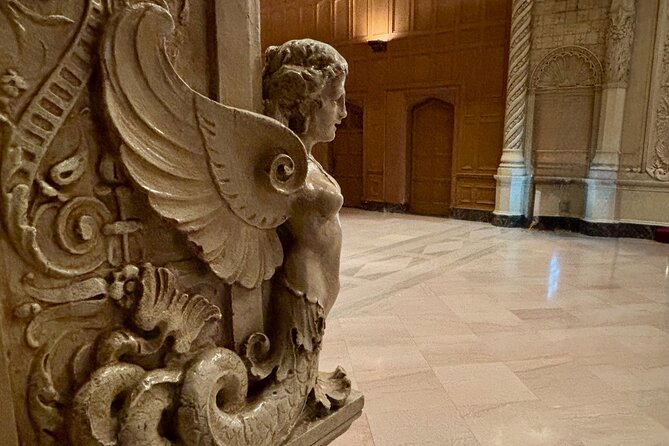
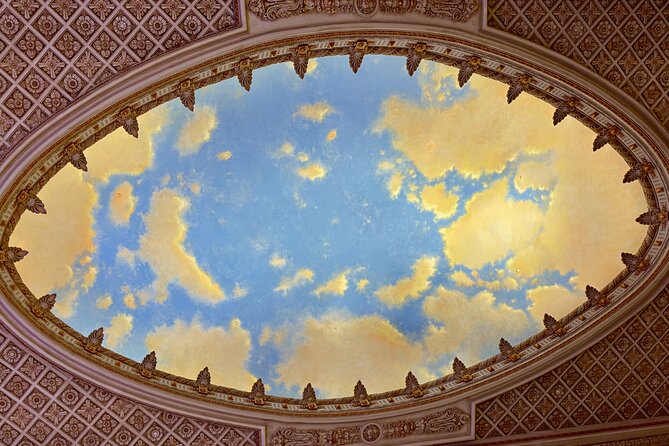
The Tower Theatre offers another strong example. Built in 1927, it was the first LA theater designed for talking pictures, including the debut of The Jazz Singer. Its Spanish Renaissance Revival style includes stained glass, carved details, and vaulted spaces.
The theater later appeared in David Lynch’s Mulholland Drive, including the memorable Silencio scene. Today, Apple uses the building as a flagship store.
That change is worth examining. The Tower Theatre has not remained frozen in its movie-palace era. Its current use preserves some of the historic character while introducing a very different retail purpose. If you care about how cities save old buildings without turning them into monuments, this is one of the clearest stops.
Jewelry, fashion, and Art Deco bring the route into the present
The Jewelry District covers 12 blocks and is the largest jewelry district in the United States. Its roots reach back to the 1920s, and the guide connects its role in LA with Antwerp’s place in the diamond trade.
This comparison works particularly well because Eloi is Belgian. The district is not treated as a row of glittering storefronts. You’ll hear about craftsmanship, trade, small business, and the people who keep the area working.
The nearby Fashion District broadens the picture. Textiles, clothing, and streetwear show another side of LA’s commercial energy. This part of Downtown may not have the polished appearance of a famous European shopping boulevard, but it offers a better look at how design businesses operate day to day.
The Eastern Columbia Lofts then brings you back to architecture. Its turquoise terra cotta tiles and clock tower make it one of the easiest buildings to recognize from the street. Completed in 1930, it captures the confidence and ornament of the Art Deco period.
The building’s celebrity associations add a bit of Hollywood sparkle, but the design is the main reason to pay attention. Look for the color, vertical emphasis, and decorative surface. You do not need a design degree to see why it photographs so well.
Hotel Per La provides a fitting final chapter
The walk ends at Hotel Per La, formerly the Bank of Italy building, on South Olive Street. The building dates from the 1920s and reflects the financial success and civic ambitions of the Italian immigrant community.
Its former bank identity matters. Financial buildings often tried to communicate trust, permanence, and prosperity through marble, ornament, and grand interiors. Hotel Per La now uses those historic elements in a boutique hotel setting.
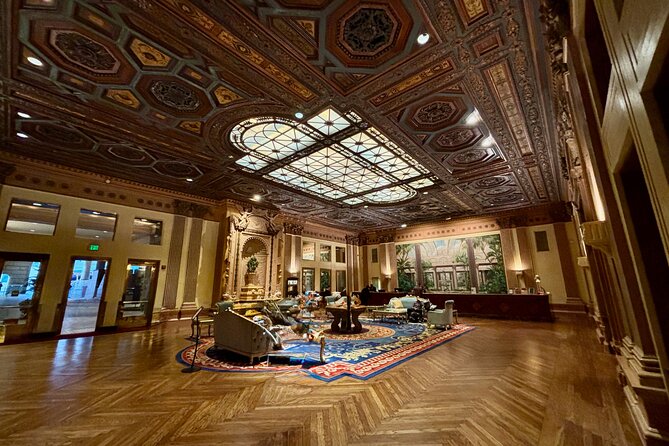
The restored gold ceiling, tall marble columns, rooftop pool, and art-filled spaces give the tour a polished ending. It is a useful final stop because the building combines preservation with a new purpose, much like the Tower Theatre and El Dorado Lofts.
The end point is one block from the 7th Street and Metro Center station, served by Metro lines A, B, D, and E. That makes it practical if you plan to continue around Los Angeles without returning to the starting point.
What the $35 price buys you
At $35 per person, this is reasonably priced for a small-group city walk lasting about two and a half hours. You are paying for a guide, research, interpretation, and a route that connects many parts of Downtown rather than simply pointing out a few famous buildings.
The value is strongest if you enjoy questions and context. Historical photos and maps help turn present-day streets into evidence of earlier eras. The small group also lets you ask about subjects such as film locations, public space, city planning, or building reuse.
The value is weaker if you want long interior visits, a formal architectural vocabulary lesson, or a relaxed pace. Parking is not included, and Downtown parking costs can add to the total. Public transportation is the smarter choice when practical.
The walk is offered in English. It requires a moderate level of physical fitness, and several people have found it long. Downtown streets can also be noisy, so you may occasionally need to move closer to the guide or ask for a point to be repeated.
Free cancellation is available up to 24 hours before the start time. Poor weather or failure to reach the minimum number of participants can lead to a new date or full refund.
Who should book this Downtown LA walk
I would choose this tour if you like film, architecture, and urban change in equal measure. It works for visitors who want more than the usual Hollywood story, and for longtime Angelenos who have passed these buildings without knowing what they once meant.
It is also a good fit for urban design and planning enthusiasts. The tour asks practical questions about public space, commercial decline, preservation, and reuse.
Families can join, but the content is better suited to adults and older children. A 14-year-old may follow it well, while younger children may need extra help staying engaged during the longer historical explanations.
I would skip it if you dislike walking in city centers or need frequent seated breaks. I would also choose another experience if your main goal is a detailed technical study of architecture. This tour uses buildings to tell the story of LA, rather than cataloguing every architect, material, and construction date.
Should you book it?
Book this walk if you want to understand why Downtown Los Angeles contains movie palaces, banks, markets, lofts, fashion businesses, and a major jewelry trade within a compact area. Eloi’s international background, historical images, and willingness to follow questions give the tour a personal feel.
The best reason to go is not one single landmark. It is the connection between them. You leave with a clearer sense of how LA became a financial center, a movie capital, a city in decline, and a place still trying new uses for old buildings.
Bring comfortable shoes, keep your expectations focused on interpretation rather than long building visits, and allow extra time after the tour for the Last Bookstore, Grand Central Market, or the surrounding streets. At $35, it is a solid choice for curious walkers who want Downtown LA to make more sense.
FAQ
How long does the Downtown Los Angeles walking tour last?
The tour lasts approximately 2 hours and 30 minutes.
How much does the tour cost?
The listed price is $35 per person. Group discounts are available.
Where does the tour begin and end?
It begins at the Grand Central Market Parking Garage, 308 S Hill Street. It ends at Hotel Per La, Autograph Collection, 649 S Olive Street.
How large is the tour group?
The maximum group size is 15 people.
Is the tour suitable for people with limited mobility?
The tour requires a moderate level of physical fitness and includes a substantial amount of walking. You should be prepared for limited opportunities to sit or rest during the route.
What happens if I need to cancel?
You can receive a full refund if you cancel at least 24 hours before the start time. Cancellations or changes made within 24 hours are not refunded. If poor weather or an insufficient number of participants cancels the tour, you will be offered another date or a full refund.
Just added around the USA
- Wilmington History and Architecture Tour★ 4.8 · 18 reviews
- Washington, DC: Georgetown Architecture Walking Tour★ 5.0 · 8 reviews
- New Orleans : Garden District Architecture Walking tour★ 4.8 · 5 reviews
- Washington DC: Dupont Circle & Embassy Row Architecture Tour★ 5.0 · 6 reviews
- Tulsa: Art Deco Walking Tour of Tulsa★ 5.0 · 8 reviews
- Castle to Capitol: Museums of the National Mall Architecture Tour★ 4.5 · 9 reviews
- Private Colonial Williamsburg Architectural Tour★ 5.0 · 5 reviews
- Iconic Capitol Hill Architectural Walking Tour★ 5.0 · 21 reviews
Walking Tours, compared.
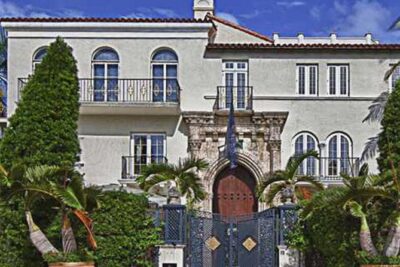
The Official Art Deco Walking Tour by The Miami Design Preservation League
Read our review →
Barcelona: Gothic Quarter Ghosts and Legends Walking Tour
Read our review →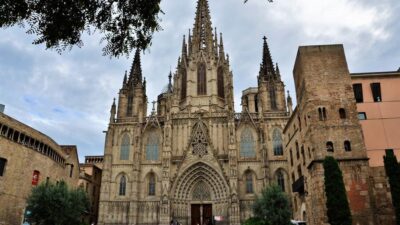
Barcelona: Old Town and Gothic Quarter Walking Tour
Read our review →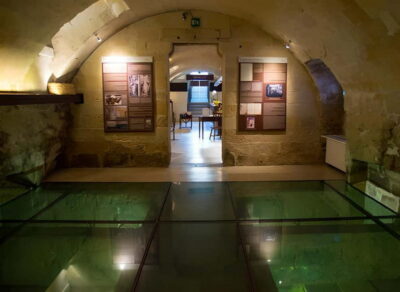
Lecce: Baroque Architecture and Underground Walking Tour
Read our review →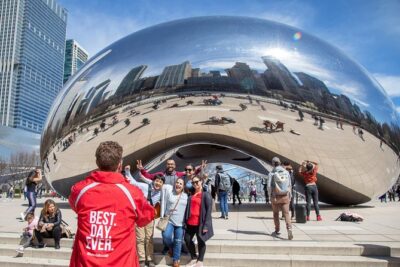
Chicago in a Day: Food, History & Architecture Walking Tour
Read our review →
Ramblas, Old Town, Gothic and Gaudi Architecture Walking Tour
Read our review →
Chicago’s Secret Interiors Architectural Walking Tour
Read our review →Browse the lists this tour appears in