
Review · BERLIN
Architectural Berlin: Private Tour with a Local Expert
Berlin’s architectural story makes more sense when you see its old and new buildings in one sweep. This private walk links Museum Island, the Reichstag, modern office design, and the tent-like Berlin Philharmonie, showing how the city rebuilt, changed, and kept parts of its past.
I like the private format, since you can steer the conversation toward politics, design, music, or Berlin’s wartime rebuilding. I also like the route’s strong contrast, from neoclassical art and a domed church to Norman Foster’s glass Reichstag dome and a bold concert hall.
The main caution is guide consistency. Georg was praised for being personable, interesting, and well prepared, while another booking involved a guide with little architecture knowledge who had not checked whether sites were open. At this price, the guide makes or breaks the experience.
Key details before you book
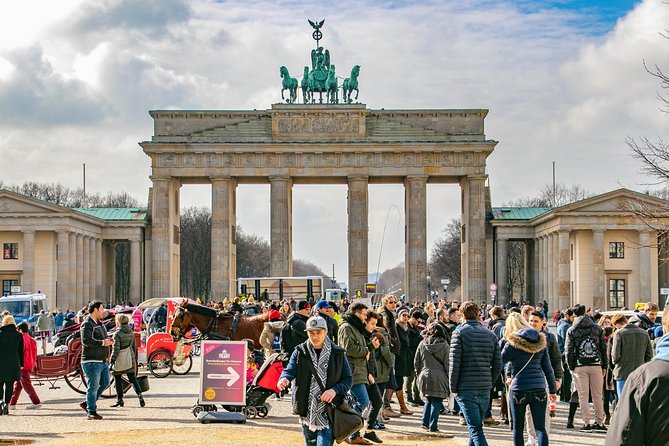
- Six architectural stops connect old and new Berlin: The walk moves from Museum Island and historic religious design to government buildings, offices, and the Philharmonie.
- A private group of up to two keeps the tour personal: You are not sharing the guide with a large crowd.
- The route can follow your interests and walking pace: You can ask for more focus on design, history, politics, or Berlin’s changing skyline.
- The TV Tower provides a useful skyline reference: Its role in shaping Berlin’s horizon is part of the discussion, even though it is not listed as a formal stop.
- The price is high for two hours: At $639.96 per group of up to two, this makes the most sense when personal attention matters more than low cost.
- No entry fees are included: Transportation, museums, and monument tickets cost extra if your route requires them.
Berlin’s architectural story in two focused hours
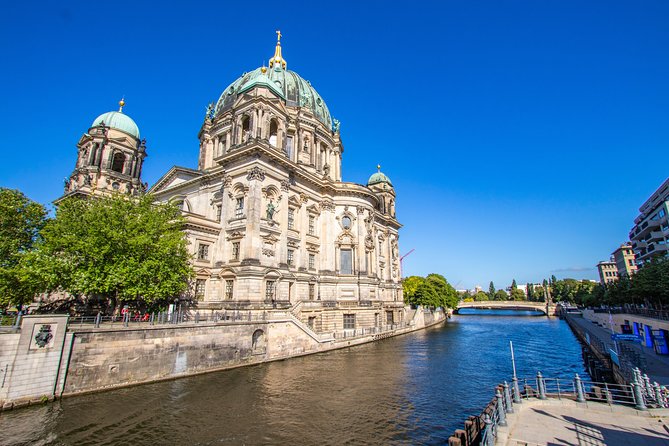
This experience is less about entering one major monument and more about reading the city as you walk through it. Berlin has no single architectural style. Its streets bring together royal-era buildings, wartime scars, socialist planning, post-reunification projects, and daring modern design.
That makes the private format useful. You can stop to ask why a building looks the way it does, how politics shaped it, or how a modern structure fits beside older neighbors. A large group would likely spend more time keeping together and less time talking through those connections.
The tour lasts about two hours. That is enough for a sharp introduction, but not enough for long interior visits at several sites. You should think of this as a guided architectural walk with exterior interpretation, not a full museum or monument tour.
The route starts at Bodestraße 1 on Museum Island and ends at Herbert-von-Karajan-Straße 1 by the Berlin Philharmonie. Since the route is private and can change with the weather, your exact sequence may differ.
More private architecture tours in Germany:
- Private Taxi Tour City East & West History and Architecture 3-4h
★ 5.0 · 42 reviews - Private walking Tour: Berlin Architecture Tour
★ 5.0 · 14 reviews - Lübeck: Private Historical and Architectural Walking Tour
★ 4.5 · 6 reviews
Starting on Museum Island with neoclassical design
The first stop is a gallery on Museum Island with neoclassical architecture and a collection focused on 19th-century art. Even if you do not enter, the building gives your guide a good way to explain Berlin’s taste for order, proportion, and grand public institutions.
This is a useful opening because Museum Island is not simply a group of museums. Its buildings were planned as a cultural center, and their exteriors make art feel like a civic project. You can look for the formal columns, balanced front, and measured design that mark neoclassical buildings.
The practical limitation is clear: museum entry is not included. If you want to see the collection inside, you will need a separate ticket, and two hours may not leave enough time for a proper visit. Ask your guide at the start if the building will be discussed from outside or if your interests justify adding an interior visit.
For anyone drawn to art museums, civic planning, or 19th-century design, this is a strong first stop. It gives the rest of the walk a visual starting point before the route shifts toward politics and contemporary architecture.
Seeing the domed church near Lustgarten
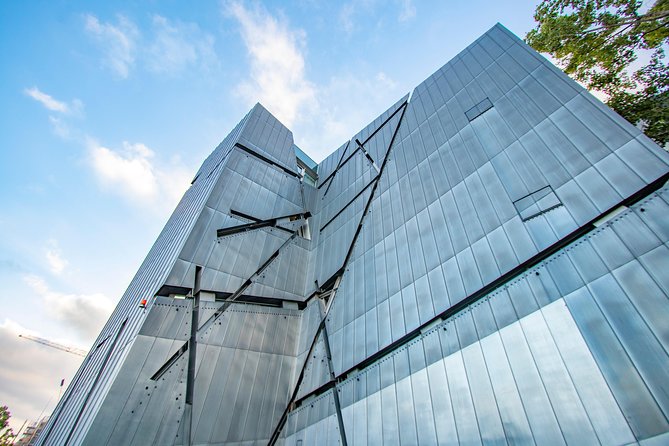
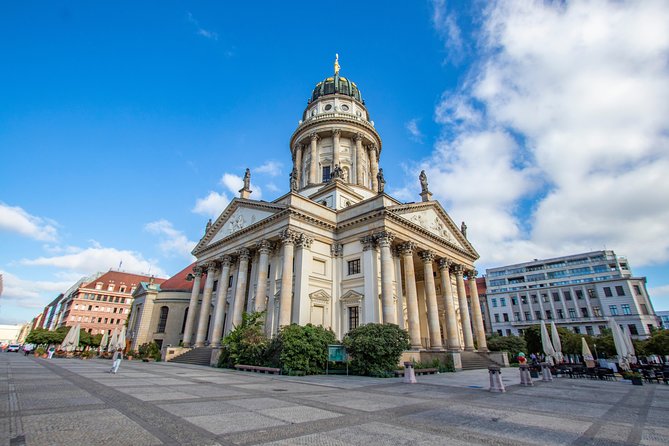
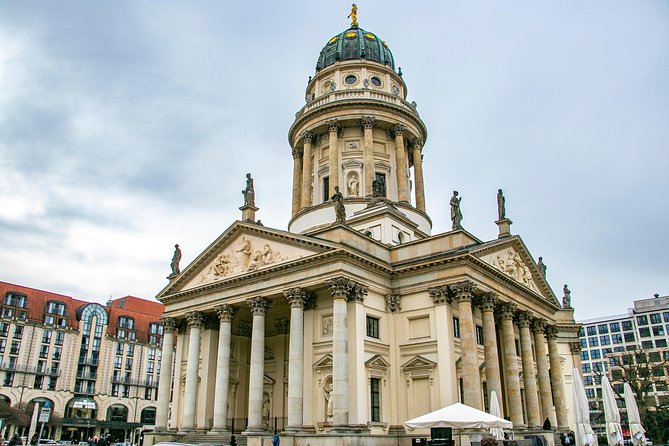
The next historic landmark is a large church near Lustgarten, recognizable by its Renaissance and Baroque details and its broad dome. Its scale makes it one of the most commanding buildings in central Berlin.
Here, you get a different kind of public architecture. The gallery presents culture and education, while the church expresses faith, ceremony, and power. The dome also changes how the building meets the surrounding open space, giving the area a strong center.
I would pay close attention to how the church relates to the park and nearby Museum Island buildings. Berlin’s architecture is often most interesting at the edges between structures, where different periods meet in one view.
Again, do not assume that an interior visit is part of the experience. Monument and museum admission are excluded, and the route may be adjusted around opening conditions. One practical concern raised by the booking information is that stops can change with weather, so ask about the plan if rain or cold is expected.
Reading modern Berlin through an eco-friendly office building
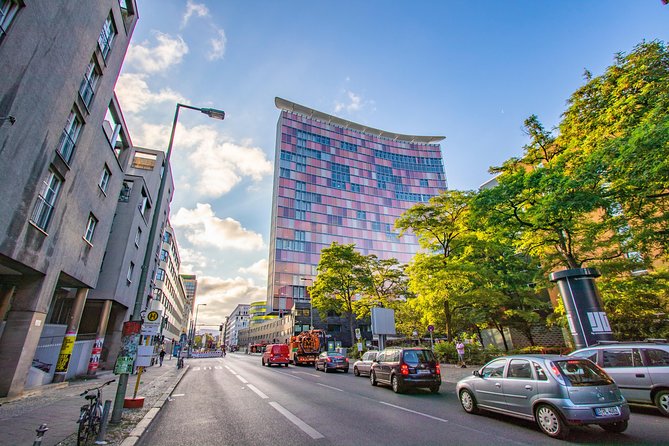
The route then shifts to a contemporary office building known for innovative and eco-friendly design. The exact building is not named in the supplied details, so you should not book this expecting a particular famous address unless the operator confirms it in advance.
That uncertainty is not automatically a problem. In fact, an ordinary working building can show you how Berlin’s newer districts function day to day. The point is to look at materials, energy ideas, shape, and the way a new structure responds to the city around it.
This stop also keeps the tour from becoming a parade of famous monuments. Berlin’s architectural identity is shaped by offices, public spaces, and practical redevelopment as much as by landmarks.
I would use this part of the walk to ask direct questions. What makes the building eco-friendly? Is the design meant to save energy, improve light, or reuse an older site? How does the building fit its neighbors? Since the tour is private, you can spend time on these questions instead of moving on when the guide’s script says so.
A few more architecture tours around Germany worth a look
- Munich 3-Hour Segway Tour: Nazi Munich & Royal Architecture
★ 4.9 · 194 reviews - Düsseldorf: Guided City Architecture Walking Tour
★ 4.6 · 61 reviews - Hidden Architectural Gems of Munich (Max. 16 guests)
★ 4.9 · 52 reviews - Potsdam: Guided Walking Tour of UNESCO Site and Architecture
★ 4.7 · 49 reviews
The Reichstag and Norman Foster’s glass dome
The Reichstag is the clearest meeting point between Berlin’s past and present. This historic building houses the German parliament, while its glass dome, designed by Norman Foster, adds a modern layer with a strong message of openness and public access.
The pairing is powerful. The older structure recalls Germany’s political past, while the glass dome represents transparency and a new relationship between government and the public. Your guide can help explain why the building looks both monumental and deliberately modern.
The Reichstag is also the stop most likely to attract visitors who are not architecture specialists. You do not need a technical background to appreciate the contrast between the heavy historic structure and the light, transparent dome above it.
Do not assume that a dome entry is included. Entry tickets for monuments and museums are excluded, and the experience is described as a walking tour rather than a reserved interior visit. If seeing the dome from inside matters to you, confirm access before booking and allow extra time beyond the two-hour walk.
This stop is especially useful if you want architecture tied to political ideas. The guide is not just pointing out windows and roofs. The building lets you discuss how design can express a country’s changing values.
A second modern building and Berlin’s mixed vocabulary
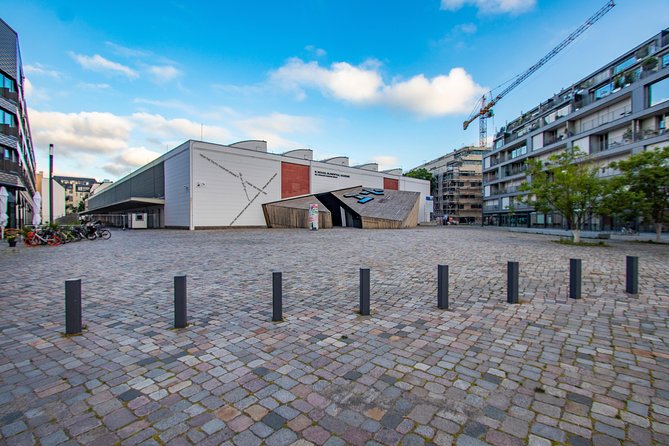
Another stop features a building that combines modern architecture with an older setting. Details about the structure are limited, but the purpose is clear: to show Berlin’s habit of placing new work beside historic surroundings rather than wiping the slate clean.
You may find this stop more interesting than a famous landmark because it raises a practical question. How should a new building behave in a city with so many protected or politically important sites?
Berlin does not always offer neat answers. Some modern buildings blend quietly into their surroundings, while others make a deliberate visual statement. A private guide can help you decide whether the contrast feels respectful, awkward, or inventive.
Because the exact building is not specified, I would ask for the planned address before the walk. That simple question can help you judge how much of the tour will be about major landmarks and how much will focus on lesser-known urban design.
Finishing at the Berlin Philharmonie
The final stop is the Berlin Philharmonie, one of the city’s best-known examples of modern architecture. Its tent-like form is immediately different from the formal buildings near Museum Island and the Reichstag.
The building is also known for its acoustics and for being home to the Berlin Philharmonic orchestra. That gives the tour a welcome change of subject. Architecture here is not only about appearance. The shape and interior design serve music, sound, audience sightlines, and performance.
The Philharmonie makes a fitting endpoint because it shows how modern design can become part of a city’s cultural identity. The route begins with buildings that frame art and public tradition, then ends with a structure designed around live music.
The end point is Herbert-von-Karajan-Straße 1. No performance ticket is included, so do not confuse the architectural stop with a concert booking. If you already plan to attend a concert, the tour could help you notice the building in a new way, but the tour itself is separate.
What the private format really gives you
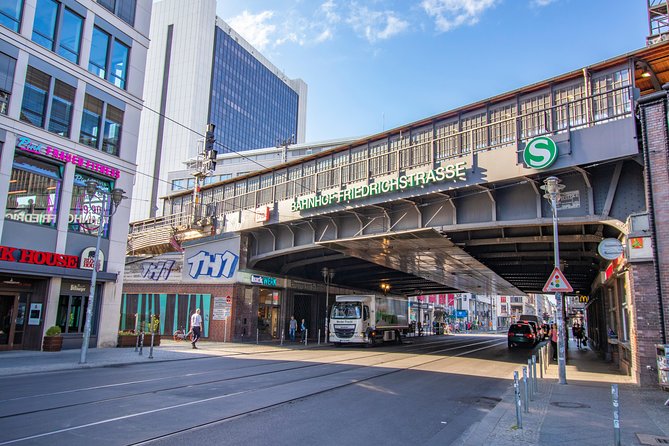
A private tour for up to two people is a major benefit if you like asking questions or changing direction. The guide can adjust the pace and tailor the conversation to your interests. You might focus on architectural form, Berlin’s political story, music halls, sustainable offices, or the city’s changing skyline.
The Berliner Fernsehturm, or TV Tower, also receives attention as a feature that shaped Berlin’s skyline. It is not listed as one of the six formal stops, so ask how it fits into your route. Its presence helps connect the walk to Berlin’s wider horizon, particularly the visual difference between older monuments and later city planning.
The tradeoff is price. At $639.96 for a group of up to two, the cost is about $320 per person if two people share it. For a short walk, that is a serious spend. You are paying for privacy, flexibility, and a local host rather than for admission to attractions.
I would choose this format if you want a tailored introduction on your first day, have a strong interest in architecture, or dislike large group tours. If you mainly want to see Berlin’s major buildings and take a few photographs, a standard city walk or self-guided route will likely offer better value.
Guide quality and how to protect your booking
The guide is the central variable here. Georg received especially warm praise for being interesting, personable, likable, and well prepared. Rüdiger was also praised for meeting his group directly and organizing an enjoyable, varied route, including creative areas and quieter, colder interiors.
At the same time, guide quality is not guaranteed to be uniform. One booking involved a pleasant guide who lacked architecture knowledge and had not checked whether the planned sites were open. That is a serious weakness for a tour built around buildings and access conditions.
You can reduce the risk by sending a short message before the tour. Ask who the guide will be, which buildings are planned, whether the walk is mainly exterior, and whether any site closures have changed the route. Since the itinerary adapts to your interests, tell the guide what you want before meeting.
A private tour should feel like a conversation, not a memorized list. If the guide can respond to your questions and explain why the buildings matter, the format works well. If the guide only points out names and dates, the high price becomes harder to justify.
Walking, weather, tickets, and timing
The tour is near public transportation, and most people can participate. Service animals are allowed. The route is on foot, and the pace can adapt to the group, but you should still mention mobility concerns before booking because the exact stops and conditions can change.
Wear shoes suitable for city walking. The supplied information notes that weather can alter the route, so rain or cold may affect the outdoor portions and the choice of stops. Some spaces may also feel cold, making a warm layer sensible.
Transportation tickets, museum tickets, and monument admission are not included. The meeting point is Bodestraße 1, and the tour ends at Herbert-von-Karajan-Straße 1. That start and finish are in different parts of central Berlin, so allow time afterward to continue your day from the Philharmonie.
The booking confirmation arrives at the time of booking. Free cancellation is available if you cancel at least 24 hours before the local start time. Changes or cancellations inside that window are not accepted for a refund.
Who should book this architectural walk?
I would recommend it most strongly to two people who want a private, flexible introduction to Berlin’s built environment and are willing to pay for personal attention. It also suits repeat visitors who have seen the standard sights and want to connect them through design, politics, and music.
It is less suitable if you need guaranteed access to the Reichstag dome, a museum collection, or the Philharmonie. Those admissions are not included, and the walk is too short to become a full interior tour of all six locations.
I would also be cautious if your interest is highly technical. The experience promises a local expert, but guide quality can vary. Confirm the guide’s background and the day’s route before committing to the premium price.
Should you book Architectural Berlin?
Book it if privacy and conversation matter more to you than low cost. The route offers a useful sweep of Berlin, from neoclassical art and a domed church to sustainable office design, the Reichstag, skyline questions, and the Berlin Philharmonie.
Skip it if you want a longer tour, guaranteed interiors, or a fixed list of famous buildings. The best version of this experience depends heavily on the assigned guide. Ask for a clear route in advance, request a guide with real architecture experience, and use the private format actively by naming the subjects you want to explore.
FAQ
How long does the Architectural Berlin tour last?
The tour lasts approximately two hours.
How many people can join the private tour?
The price covers a private group of up to two people. Only your group participates.
Where does the tour begin?
The meeting point is Bodestraße 1, 10178 Berlin, Germany.
Where does the tour end?
The tour ends at Herbert-von-Karajan-Straße 1, 10785 Berlin, Germany, near the Berlin Philharmonie.
Are museum, monument, and transportation tickets included?
No. Entry tickets for transportation, museums, and monuments are not included.
Can the route be adjusted?
Yes. The itinerary adapts to your interests and walking pace. Stops may also change because of weather conditions.
What is the cancellation policy?
You can cancel for a full refund up to 24 hours before the experience start time. Cancellations or changes made less than 24 hours before the start are not accepted for a refund.
Just added around Germany
- Beautiful Baroque Potsdam: A Self-Guided Audio Tour★ 4.5 · 4 reviews
- Munich Your Way: Private Tour with Architect & Guide★ 5.0 · 2 reviews
- Private Munich Tour for History Buffs with Architectural Gems and WWII sites★ 5.0 · 3 reviews
- Art Nouveau Meets Street Art in Munich (Max. 12 guests)★ 5.0 · 3 reviews
- Hidden Architectural Gems of Munich (Max. 16 guests)★ 5.0 · 2 reviews
- Architectural Frankfurt: Private Tour with a Local Expert★ 5.0 · 2 reviews
- Private Taxi Tour of City East History and Architecture 2-3h★ 5.0 · 2 reviews
- Berlin Architecture/River Spree Full Day Photography Tour★ 5.0 · 2 reviews
Berlin Architecture Tours, compared.
Private Taxi Tour City East & West History and Architecture 3-4h
Read our review →
Karl-Marx-Allee Tour: Life and Architecture in East Berlin
Read our review →
Berlin: Hansaviertel Modernist Architecture Tour
Read our review →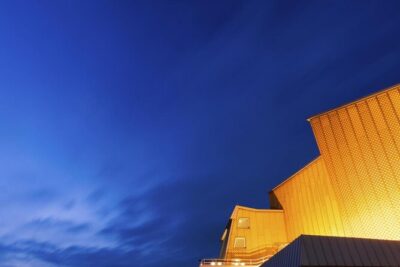

Berlin: Karl-Marx-Allee Tour of Life and Architecture in GDR
Read our review →
Berlin: Guided Architectural Walking Tour of Hansaviertel
Read our review →
Berlin Architecture/River Spree Full Day Photography Tour
Read our review →
Private Taxi Tour of City East History and Architecture 2-3h
Read our review →Browse the lists this tour appears in