
Review · BERLIN
Berlin: Guided Architectural Walking Tour of Hansaviertel
Hansaviertel tells one of Berlin’s clearest stories in a compact walk. Nearly destroyed in the Second World War, the district was rebuilt beside Tiergarten as a bold display of modern housing and public design. I like the way this tour links wartime destruction to postwar renewal, and I like that it covers work by major names such as Le Corbusier, Oskar Niemeyer, Alvar Aalto, and Walter Gropius.
The main drawback is simple: you walk for 2.5 hours, and the tour is offered in German. It is not suitable for wheelchair users, so check both the language and walking demands before booking.
Key points at a glance
- A rare concentration of modern architecture: See buildings connected with Le Corbusier, Oskar Niemeyer, Alvar Aalto, and Walter Gropius.
- A district rebuilt from near-total ruin: Learn how bombing changed Hansaviertel and shaped its postwar identity.
- A city walk beside Tiergarten: Hear Berlin traffic and everyday city sounds while moving through a residential district.
- Extra access can add real value: The experience may include views through the Hansa Library windows and entry to Kaiser Friedrich Memorial Church.
- A highly praised guide-led format: The German-speaking guides are described as punctual, funny, engaging, and very well informed.
- A modest price for a specialist walk: At $24 per person, the tour offers focused architectural context without the cost of a full-day activity.
Why Hansaviertel is worth your walking time
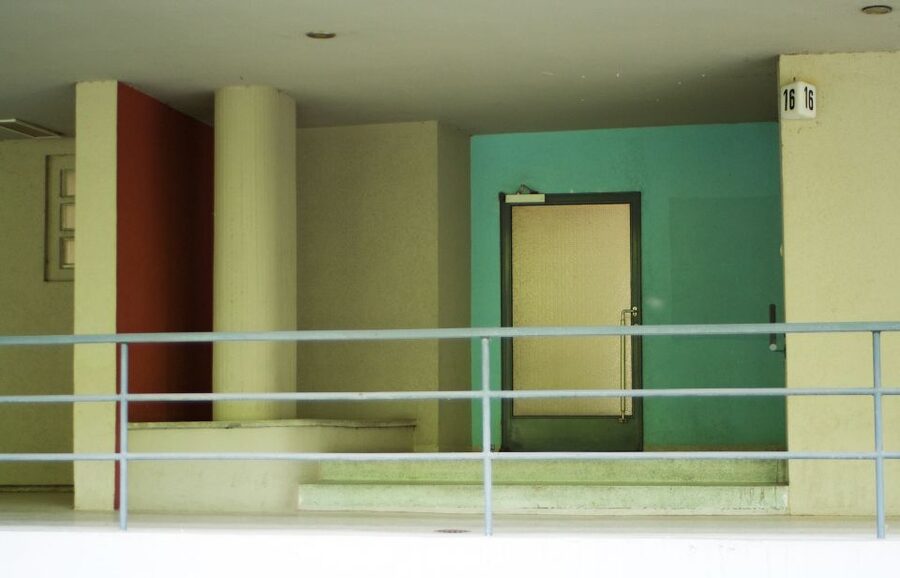
Hansaviertel is not Berlin’s usual postcard stop. You will not come here for a grand palace, a famous museum facade, or a single landmark that explains everything at a glance. The appeal is the district itself: streets, housing, public buildings, and open spaces shaped by a major rebuilding effort.
The area was nearly completely destroyed by bombing during the Second World War. That fact gives the walk weight. You are not simply looking at unusual apartment blocks. You are seeing the result of a decision about what a modern Berlin neighborhood should be after the old city had been badly damaged.
The district borders Tiergarten, so the setting combines ordinary city noise with greenery nearby. You can hear busy Berlin life as you walk, then shift your attention to the architecture around you. I like that contrast. It keeps the tour connected to present-day Berlin instead of turning the neighborhood into a frozen museum display.
Your guide explains the story as you move, which matters here. Modernist architecture can look plain if you only glance at it. With context, the spacing, shapes, and planning begin to make more sense.
More architecture walks in Germany:
- Düsseldorf: Guided City Architecture Walking Tour
★ 4.6 · 61 reviews - Potsdam: Guided Walking Tour of UNESCO Site and Architecture
★ 4.7 · 49 reviews - Private walking Tour: Berlin Architecture Tour
★ 5.0 · 14 reviews
Starting outside the Grips-Theater
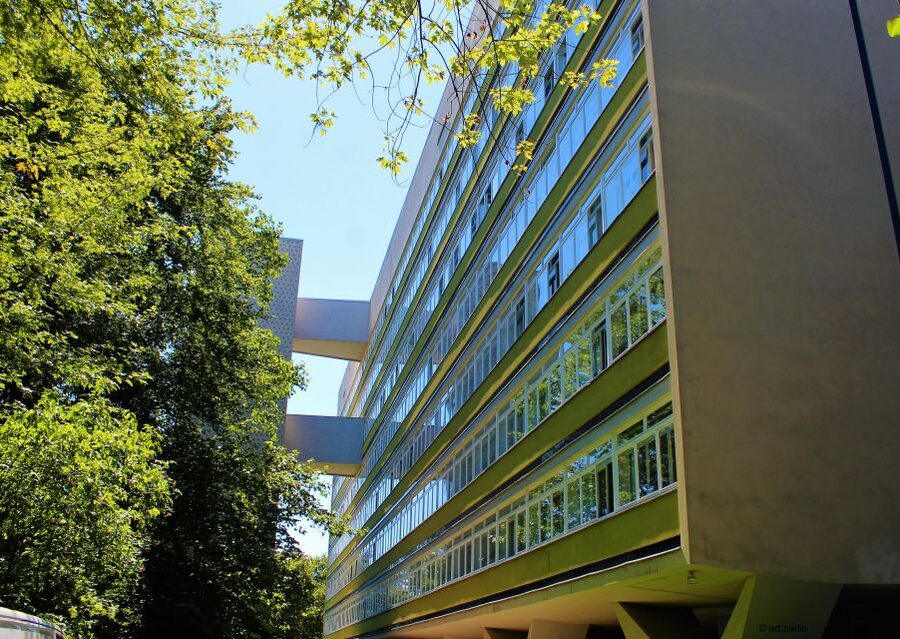
The meeting point is outside the main entrance of the Grips-Theater. This gives you a clear place to begin, though you should arrive with enough time to identify your guide before the group sets off.
The tour lasts 2.5 hours. That is long enough to build a proper story, but short enough to fit into a day of sightseeing. You will need comfortable shoes, water, clothing suited to the weather, and a camera if you want to record the buildings and details along the way.
The walking format is important. This is not a coach ride with quick photo stops. You move through the district at street level, where the scale of the buildings and their relationship to public space become easier to understand. The tradeoff is that bad weather or tired feet can affect your enjoyment.
The tour is conducted in German. If you understand German well, you can follow the explanations directly. If you do not, this is not the right choice unless you have confirmed that you can make good use of the language offered. No other language is listed.
From wartime ruin to a modern housing district
The central story is Hansaviertel’s rebuilding after the Second World War. The district’s near destruction created room for a new vision, and the result became a showcase for modern architecture.
Your guide explains how the area changed rather than simply pointing out buildings. That historical link is one of the strongest reasons to book. You learn why the district looks different from older Berlin neighborhoods and how its postwar construction reflects a period of confidence in new forms of housing and city planning.
I would pay close attention to the relationship between individual buildings and the surrounding streets. The value of this tour is not only the names attached to the architecture. It is also the chance to see how these buildings work as part of a neighborhood.
The walk should suit anyone who wants more than a quick list of famous architects. You get a story about damage, rebuilding, and design choices. Families with older children, architecture students, urban planners, and repeat Berlin visitors may find this especially useful.
Meeting the work of four major architects
Hansaviertel is linked with several major figures in twentieth-century architecture. The tour highlights work associated with Le Corbusier, Oskar Niemeyer, Alvar Aalto, and Walter Gropius.
You should not expect the same style from each architect. That variety is part of the point. A guided walk helps you compare different ideas instead of seeing modern architecture as one large category.
Le Corbusier’s name gives the district an immediate international connection. Niemeyer adds another important voice to the story, while Aalto and Gropius show how broad the architectural network was. The guide’s job is to place these names into the local setting, so you can understand why their work matters here.
The experience is strongest if you slow down and look beyond the headline names. Watch for the way buildings meet the street, how open areas are used, and how the district differs from older blocks elsewhere in Berlin. You may not remember every architectural term, but you will leave with a clearer sense of how postwar planners wanted people to live.
More guided tours in Germany:
- Lübeck: Architecture and Local Craft Private Guided Tour
★ 4.0 · 6 reviews - Beautiful Baroque Potsdam: A Self-Guided Audio Tour
★ 4.5 · 4 reviews - Munich Your Way: Private Tour with Architect & Guide
★ 5.0 · 2 reviews - Barcelona: Sagrada Familia Entry Ticket with Audio Guide
★ 4.6 · 105,312 reviews
The Hansa Library and Kaiser Friedrich Memorial Church
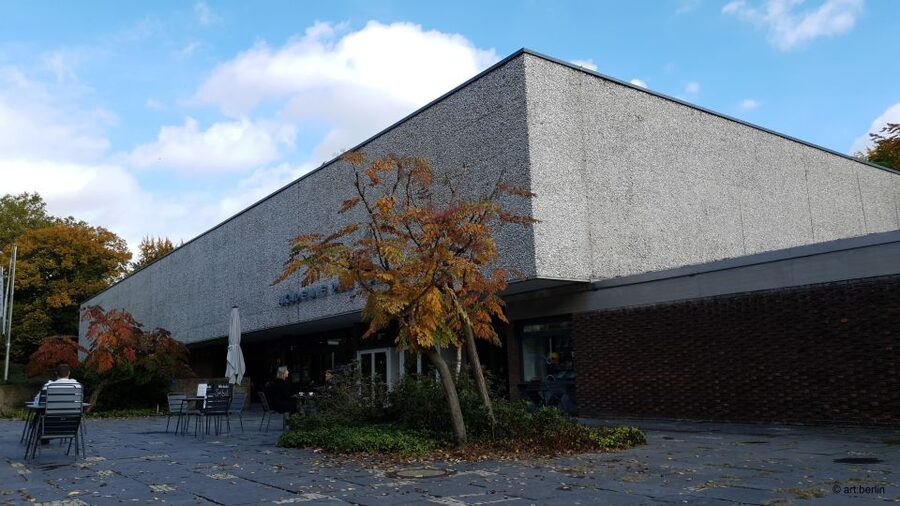
The walk can include extra details that make it more than an exterior architecture route. Specific highlights include views through the windows of the Hansa Library and access to Kaiser Friedrich Memorial Church.
These additions matter because they let you see Hansaviertel from inside as well as from the street. A library reveals how public life fits into the neighborhood, while a church adds a different layer to the district’s identity. The combination gives the walk more range than a simple tour of apartment buildings.
Access can depend on the conditions of the visit, so I would treat these as valuable possibilities rather than the sole reason to book. Still, they help explain how Hansaviertel functions as a lived district, not just an architectural display.
Bring your camera, but do not let photography replace the guide’s explanations. The most useful details may be the ones that do not show clearly in a picture: how residents use the area, why certain buildings were placed where they are, and how the neighborhood changed after the war.
What the guide adds to the buildings
A good architecture tour needs a guide who can make technical subjects clear. This experience is led in German, and the guide is one of its central strengths.
The German feedback attached to the tour repeatedly praises the guide as highly informed, sympathetic, competent, humorous, and punctual. One booking described the guide as absolute class, with a recommendation based on how much the group learned about Hansaviertel’s special history. Another highlighted extra information about present-day residents of the district.
That last detail is useful. Architecture can become too abstract when the focus stays on architects alone. Learning about the people who live in Hansaviertel today brings the district back to normal life. You are looking at homes, public spaces, and community buildings, not only design experiments from decades ago.
The guide also appears to add material beyond the basic route, including the library windows and church access. That suggests the experience can reward repeat visitors who want a more focused look at Berlin than a standard central-city walk provides.
Is $24 a fair price?
At $24 per person, this is a reasonable price for a 2.5-hour specialist tour. You are paying for a live guide, a focused subject, and access to a part of Berlin that many visitors would pass without understanding.
The value depends on your interest. If you only want famous central sights, the tour may feel too specific. Hansaviertel is a residential district, and its appeal comes from design history rather than a long list of major attractions.
For anyone interested in architecture, city planning, postwar Germany, or less familiar parts of Berlin, the price works well. A private architecture lecture or a full specialist day would cost far more. Here, you get a compact introduction with a strong local focus.
The flexible booking terms also reduce the risk. You can cancel up to 24 hours before the start for a full refund, and you can reserve now and pay later. Those policies do not change the tour itself, but they are helpful if your Berlin schedule is still taking shape.
Who will enjoy this walk most?
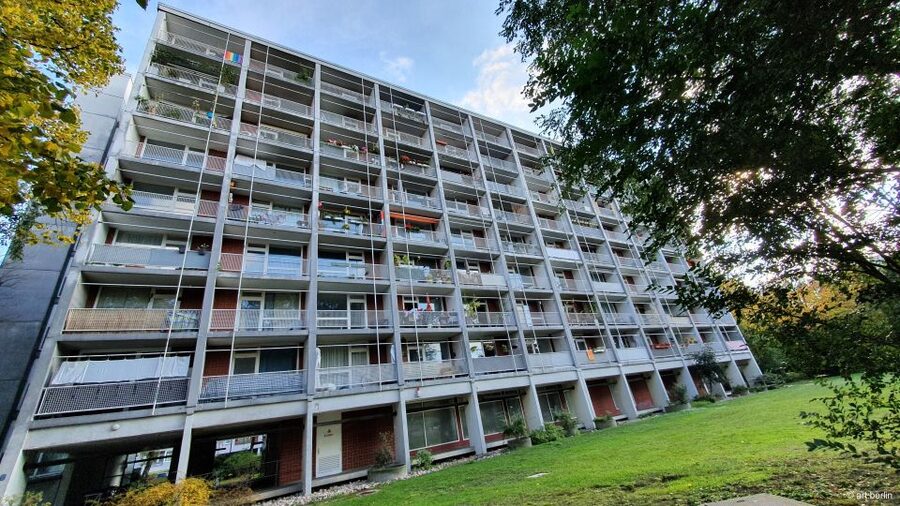
I would recommend it to you if you like understanding how a city was made, damaged, and remade. It is also a good pick if you have already seen Berlin’s central sights and want a quieter, more focused district.
You will get the most from the walk if you:
- Enjoy modern architecture and urban design
- Want a clear explanation of Hansaviertel’s wartime and postwar story
- Can comfortably walk for 2.5 hours
- Understand German well enough to follow a live tour
- Prefer local neighborhoods to a checklist of major monuments
- Like learning about both famous architects and current residents
The tour is less suitable if you need wheelchair access, have trouble walking for extended periods, or want a multilingual experience. The provided information lists German as the tour language and says the activity is not suitable for wheelchair users.
Practical advice before you go
Wear shoes you would choose for a long city walk, not shoes meant only for photographs. Bring water, a camera, and weather-appropriate clothing. Berlin weather can change quickly, and the tour takes place outdoors for much of its duration.
Arrive at the main entrance of the Grips-Theater with the meeting point in mind. Since the tour begins on foot, a late arrival could be harder to manage than on a bus or boat activity.
I would also leave some time afterward if you want to revisit a building or take photographs. The walk gives you a framework, but Hansaviertel rewards a second look once you know what to notice.
The rating is 4.9 from five reviews, and the praise is notably consistent. The strongest themes are the guide’s humor and expertise, the punctual start, the depth of the explanations, and the extra access to the library and church. With a small review sample, I would not treat the number as a guarantee, but the repeated comments point to a well-run, specialist experience.
Should you book the Hansaviertel architecture tour?
Book this tour if you want Berlin explained through its buildings and its recovery after wartime destruction. The combination of Hansaviertel’s unusual design, the Tiergarten setting, and a guide-led story gives you a useful look at a part of the city that is easy to overlook.
Skip it if your German is limited, long walks are difficult, or your main goal is Berlin’s biggest historic sights. For the right audience, though, $24 buys a thoughtful 2.5-hour walk, with some appealing extras and a clear focus on the people and ideas behind the architecture.
FAQ
Where does the Hansaviertel walking tour meet?
Meet your guide outside the main entrance of the Grips-Theater.
How long does the tour last?
The guided walking tour lasts 2.5 hours.
What language is the tour in?
The tour is conducted in German, with a live German-speaking guide.
What architects are connected with the tour?
The tour highlights architectural work associated with Le Corbusier, Oskar Niemeyer, Alvar Aalto, and Walter Gropius.
Is the tour suitable for wheelchair users?
No. The activity is listed as not suitable for wheelchair users and involves a lot of walking.
What should I bring?
Bring comfortable shoes, water, a camera, and clothing suitable for the weather.
Just added around Germany
- Beautiful Baroque Potsdam: A Self-Guided Audio Tour★ 4.5 · 4 reviews
- Munich Your Way: Private Tour with Architect & Guide★ 5.0 · 2 reviews
- Private Munich Tour for History Buffs with Architectural Gems and WWII sites★ 5.0 · 3 reviews
- Art Nouveau Meets Street Art in Munich (Max. 12 guests)★ 5.0 · 3 reviews
- Hidden Architectural Gems of Munich (Max. 16 guests)★ 5.0 · 2 reviews
- Architectural Frankfurt: Private Tour with a Local Expert★ 5.0 · 2 reviews
- Private Taxi Tour of City East History and Architecture 2-3h★ 5.0 · 2 reviews
- Architectural Berlin: Private Tour with a Local Expert★ 4.0 · 3 reviews
Walking Tours, compared.

The Official Art Deco Walking Tour by The Miami Design Preservation League
Read our review →
Barcelona: Gothic Quarter Ghosts and Legends Walking Tour
Read our review →
Barcelona: Old Town and Gothic Quarter Walking Tour
Read our review →
Lecce: Baroque Architecture and Underground Walking Tour
Read our review →
Chicago in a Day: Food, History & Architecture Walking Tour
Read our review →

Ramblas, Old Town, Gothic and Gaudi Architecture Walking Tour
Read our review →
Chicago’s Secret Interiors Architectural Walking Tour
Read our review →Browse the lists this tour appears in