
Review · GERMANY
Düsseldorf: Guided City Architecture Walking Tour
Düsseldorf’s best architecture is not confined to one grand square. This two-hour walk links Königsallee, the Old Town, and Ehrenhof, showing how Expressionism, postwar modernism, Brutalism, and new design sit close together. I like the focus on the stories behind familiar facades, especially the Kö-Bogen by Daniel Libeskind and the 96-meter Dreischeibenhaus.
I also like the strong historical range. You hear about international architects and local builders such as Wilhelm Kreis, Karl Friedrich Schinkel, Bernhard Pfau, and Helmut Hentrich, rather than simply being handed a list of pretty buildings. The main drawback is pace: there is a lot to cover, so you need to walk briskly and arrive ready to listen in German.
Key points to know before you book
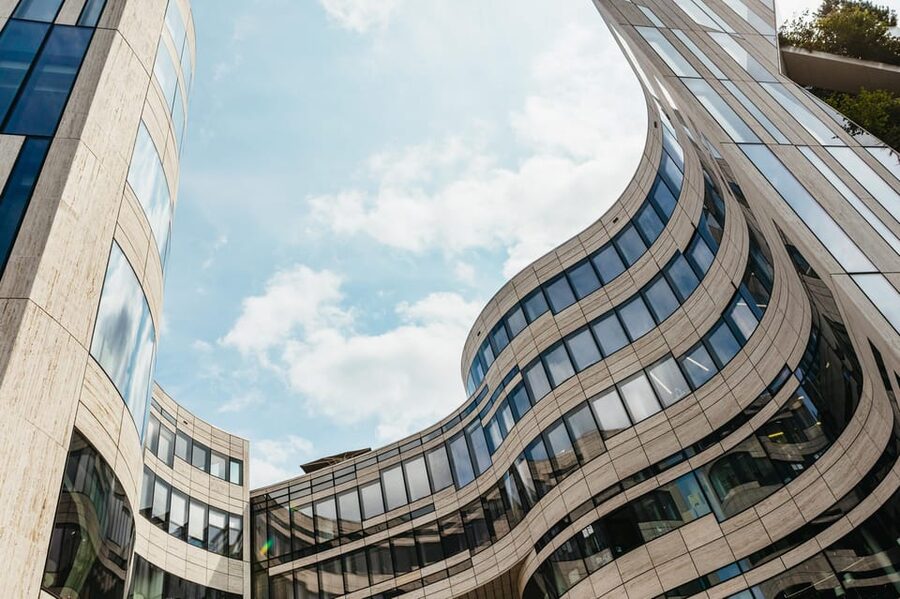
- Three distinct city areas: The route connects Königsallee, Düsseldorf’s Old Town, and the Ehrenhof cultural district.
- Modern icons included: You pass the Kö-Bogen, the Dreischeibenhaus, and the Schauspielhaus.
- Architecture across several eras: The guide places 1920s Expressionism beside Brutalism and newer international design.
- German-language tour: The live guide speaks German, so strong German skills will help you follow the details.
- City Museum entry included: Your ticket includes admission to the City Museum at Bergerallee 2.
- Good value at $23: For two hours with a guide and museum entry, the price is fair, especially for architecture fans.
Why this walk is more than a building checklist
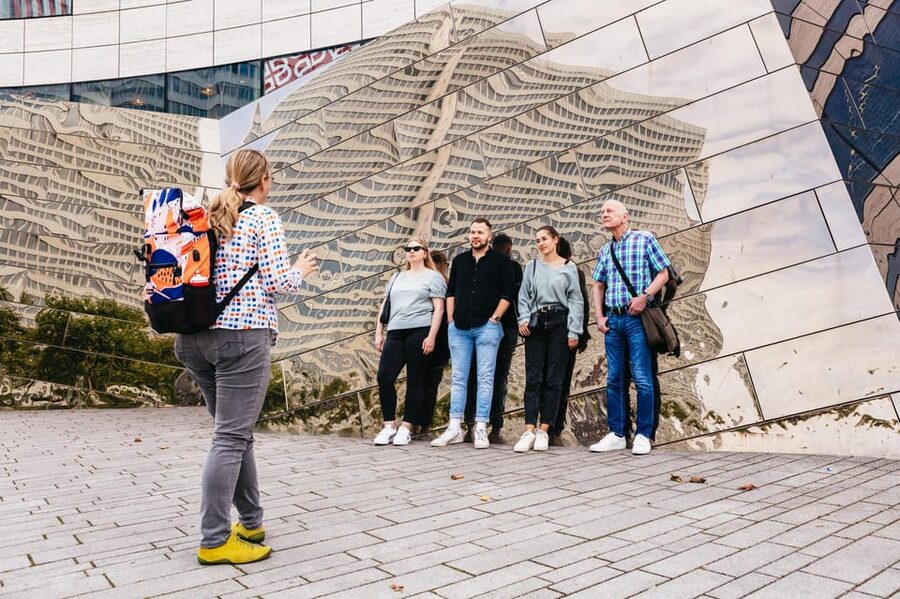
The appeal here is the connection between buildings. You are not simply stopping in front of one facade, taking a photo, and moving on. The route uses Düsseldorf’s central streets to show how the city changed as new ideas, new materials, and new political and commercial needs shaped its architecture.
That matters because Düsseldorf can look polished and prosperous at first glance. Its grand shopping street, rebuilt center, office towers, theaters, and museums can blur into one tidy urban scene. A guide helps separate the layers. You begin to notice the arguments built into the city: old versus new, decoration versus function, private wealth versus public space, and bold design versus the need to fit into an established street.
The tour also gives you a useful cast of names. Daniel Libeskind is the most obvious modern figure, but the route also gives attention to Wilhelm Kreis, Karl Friedrich Schinkel, Bernhard Pfau, and Helmut Hentrich. These names help you place Düsseldorf within German architectural history instead of treating it as a collection of isolated attractions.
The highly praised guides are a major part of the experience. Dietmar Schönhoff is specifically noted for combining architecture and city history with humor and anecdotes. That mix is important on a walking tour. Technical explanations can become dry quickly, while jokes without substance leave you with little to remember. The strongest version of this tour appears to offer both facts and personality.
More architecture walks in Germany:
- Potsdam: Guided Walking Tour of UNESCO Site and Architecture
★ 4.7 · 49 reviews - Private walking Tour: Berlin Architecture Tour
★ 5.0 · 14 reviews - Lübeck: Private Historical and Architectural Walking Tour
★ 4.5 · 6 reviews
Starting at Mannesmannufer and reaching Königsallee
The listed meeting point is Mannesmannufer 2, beside the Rhine area, though booking details also identify Alter Stahlhof and other possible starting locations. Check the exact point and time on your confirmation, since the route information gives three possible starting locations.
From the start, expect a city walk rather than a seated lecture. Wear comfortable shoes and keep your attention moving between the guide, the buildings, and the street around you. The tour lasts two hours, and one detailed assessment described it as a fast-moving march with a great deal of information packed into a short period.
The first major section leads toward Königsallee, Düsseldorf’s famous boulevard. This is a useful place to begin because it combines prestige, commerce, public space, and architectural display. The street is not just a shopping address. Its buildings show how a city presents wealth and modernity to the outside world.
You will have regular photo stops, but do not expect long periods devoted to one building. The format works best if you want a broad view of Düsseldorf’s architectural character. If you prefer a slow, highly technical examination of just two or three structures, this may feel rushed.
Königsallee and the new face of Düsseldorf
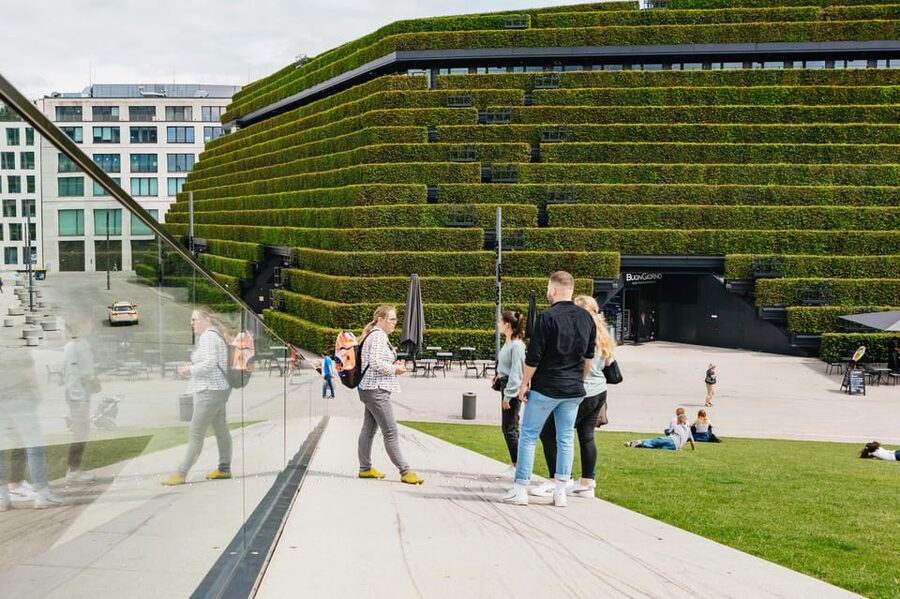
Königsallee is where the tour gives its clearest attention to recent architectural change. The focus includes the Kö-Bogen, designed by New York architect Daniel Libeskind. Its bold geometry and strong visual presence make it a natural talking point for a discussion of how a modern building can alter a central street.
The guide can help you look past the basic reaction of liking or disliking the design. You may consider how a major contemporary project changes movement through the city, how it relates to older buildings, and why international architects have such a strong role in Düsseldorf’s public image.
You then pass the Dreischeibenhaus, a 96-meter office tower, along with the Schauspielhaus. These buildings offer a sharp contrast in scale and purpose. One represents the vertical language of the corporate office, while the theater brings performance and public culture into the same architectural conversation.
This is one of the tour’s strongest sections for people interested in postwar design. Düsseldorf lets you see modern office architecture and major cultural buildings within a short walk. The guide’s job is to explain not only what these buildings look like, but why their forms and materials mattered when they were built.
You will not enter the Kö-Bogen, Dreischeibenhaus, or Schauspielhaus as part of the stated route. They are viewed from outside, so this portion is best for urban context and exterior design rather than interior architecture.
Through the Old Town, where older streets meet newer ideas
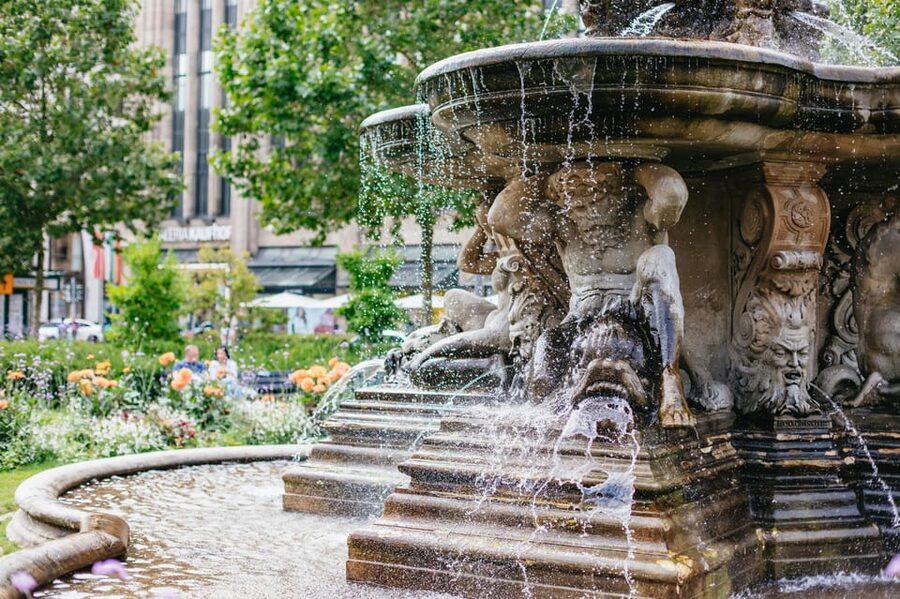
The route continues through Düsseldorf’s Altstadt. The Old Town is often treated mainly as an entertainment district, but an architecture-focused walk asks you to look at it differently. Here, the interest lies in how the historic center works as a setting for later construction and changing city life.
The guide discusses the stories behind well-known facades, including the people and decisions that shaped them. That approach can make familiar streets feel less obvious. You might begin to notice the relationship between narrow older buildings, public routes, commercial uses, and the larger structures that arrived later.
This is also where the tour’s balance can feel both useful and demanding. In two hours, the guide must cover several districts and many buildings. One detailed assessment praised the amount of information but suggested that a clearer timeline might help connect the people, decisions, and architectural periods.
I agree that this is the key tradeoff. You receive plenty of names, examples, and background, but you may need to sort some of it out afterward. Take a few notes if a particular architect or building catches your interest. The City Museum admission gives you a chance to continue that process independently.
More guided tours in Germany:
- Lübeck: Architecture and Local Craft Private Guided Tour
★ 4.0 · 6 reviews - Berlin: Guided Architectural Walking Tour of Hansaviertel
★ 4.9 · 5 reviews - Beautiful Baroque Potsdam: A Self-Guided Audio Tour
★ 4.5 · 4 reviews - Munich Your Way: Private Tour with Architect & Guide
★ 5.0 · 2 reviews
Ehrenhof and Düsseldorf’s architectural range
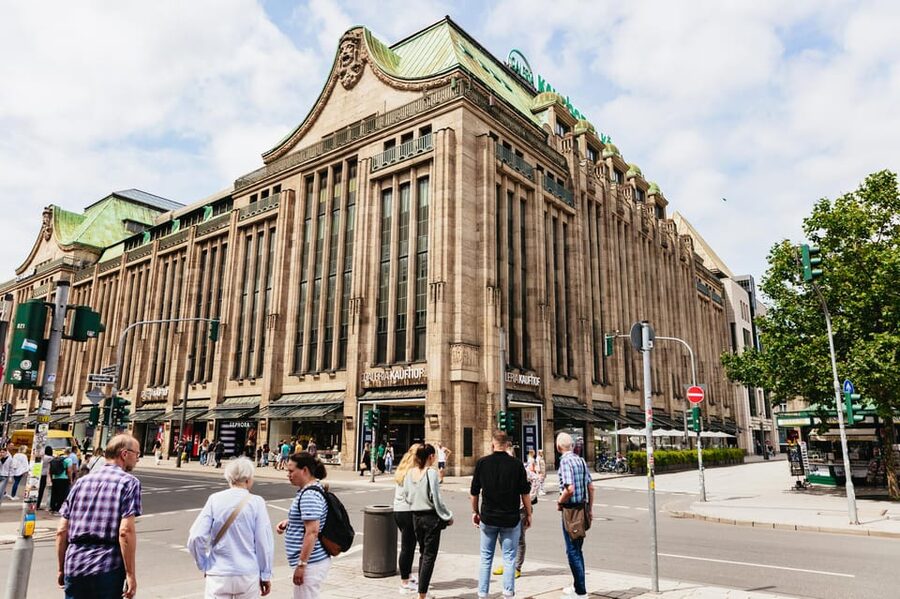
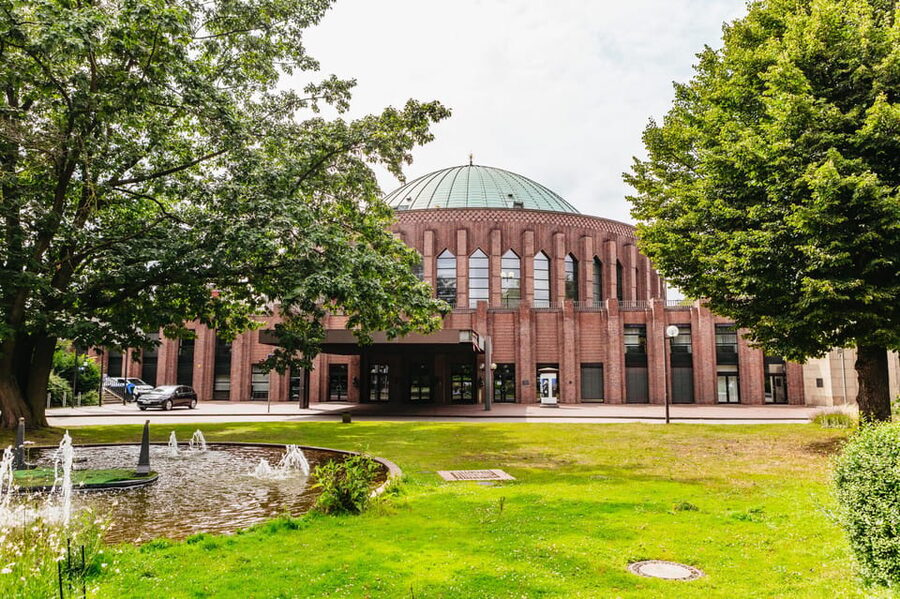
The final walk leads to Ehrenhof, a major cultural and architectural area of Düsseldorf. Ending here makes sense because it gives the tour a strong final setting rather than finishing on an ordinary commercial street.
Ehrenhof is especially valuable for understanding the city’s interest in planned cultural spaces and formal design. The tour connects this setting to architects such as Wilhelm Kreis and other figures who helped shape Düsseldorf’s public face. You also hear about examples of 1920s Expressionism and Brutalism, two styles that can seem unrelated until a guide places them within the city’s small central area.
That contrast is one of the experience’s most interesting ideas. Expressionism can be associated with expressive forms and visual energy, while Brutalism often relies on mass, structure, and exposed material. Seeing examples of both within a compact part of Düsseldorf shows how quickly architectural ideals can change.
The tour ends at Ehrenhof, with two listed drop-off points in the area. The endpoint is practical for continuing your day, though the information provided does not specify additional stops or transport connections after the walk. The included City Museum entry at Bergerallee 2 adds value, but confirm how and when you can use that admission if you plan your schedule tightly around the tour.
The guides and the German-only format
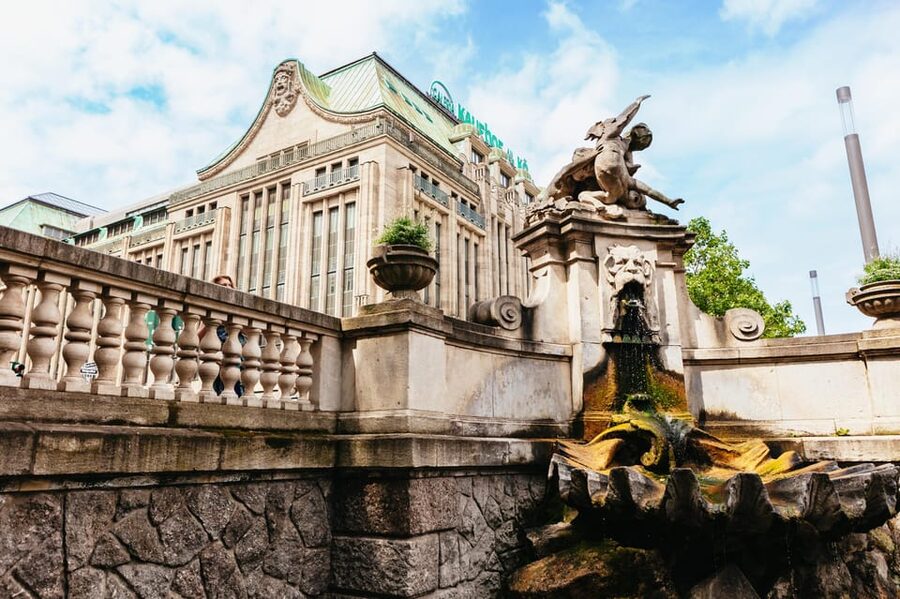
The guide can make or break an architecture walk. Here, Dietmar Schönhoff is specifically named in several strong comments for his broad background in Düsseldorf’s architecture and history, his humor, and his use of anecdotes. Another assessment praised the guide’s ability to answer questions and explain details at length.
That gives you a useful picture of the best possible experience: a serious subject presented in a relaxed way, with room for questions. It also explains why the tour has earned a 4.6 rating from 61 reviews, despite one serious cancellation problem and some reservations about the pace.
The tour is conducted in German. This is not a minor detail. Architecture terms, dates, names, and social context can be hard to follow if you only have basic German. If you understand German well, the language may be an advantage because the guide can explain subtle points without translation slowing the walk.
The tour is available as a shared group or private walk. No group size is specified, so you should not assume an especially small group unless the private option confirms that arrangement. A private booking could suit you if you want to ask many questions or set a slower pace, while the shared version should appeal to people who want a lower-cost introduction.
Is two hours enough for this route?
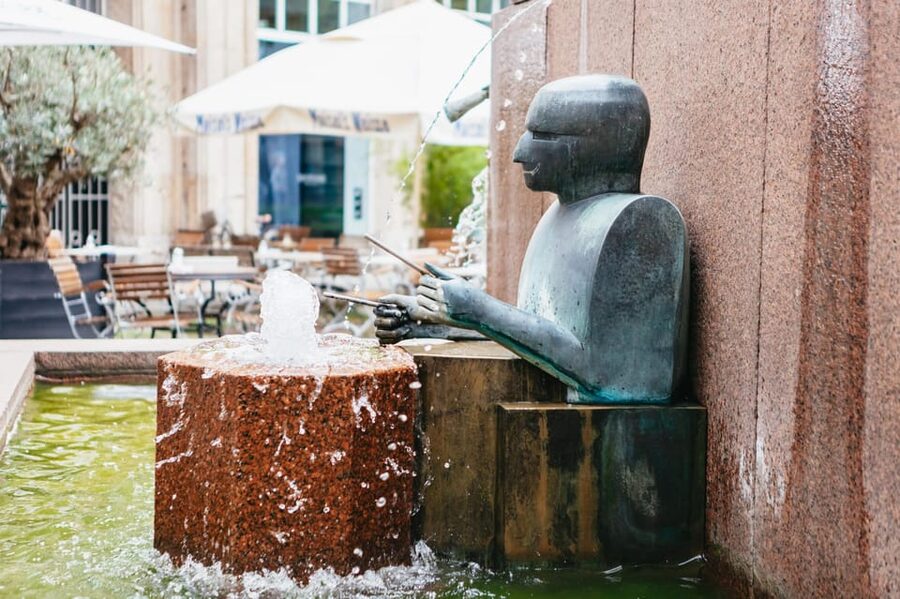
Two hours is enough for an overview, not a complete study of Düsseldorf’s architecture. You cover three important central areas and pass several major buildings, but the route cannot give every facade equal time.
The brisk pace is part of the value. You get a wide view of the city in one morning or afternoon, and you can return later to buildings that interest you most. It is also the reason I would not book this as a relaxed stroll. The walk includes many facts, several architectural periods, and a steady sequence of stops.
Plan to arrive ready to walk and listen. Comfortable footwear matters, and you should leave room in your attention for visual details. There are plenty of photo opportunities, but taking a long series of photos at every stop may make it harder to keep up.
For the best results, treat the tour as an orientation. Let the guide introduce the city’s major themes, then use the included museum entry and your own later walks to fill in the details.
What the $23 price gives you
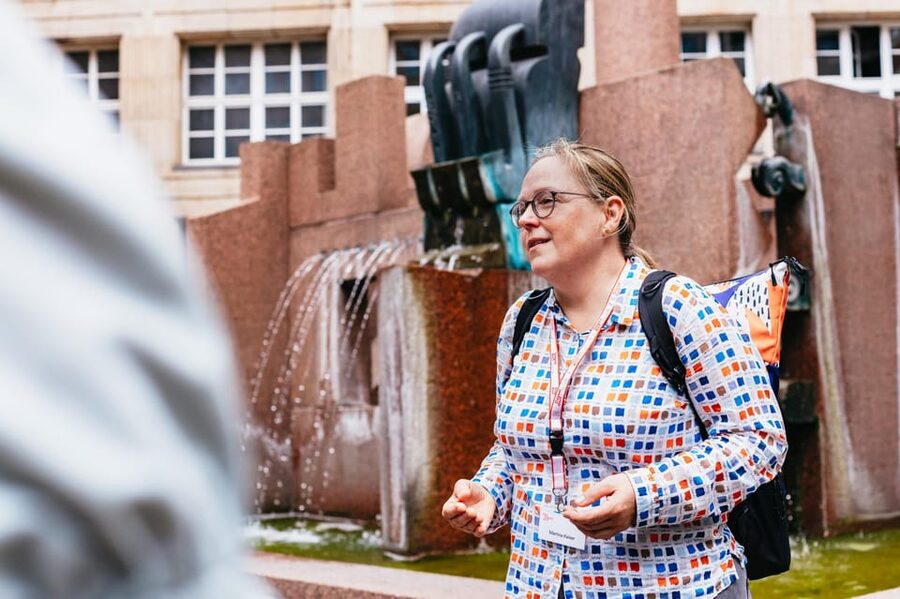
At $23 per person, the tour offers reasonable value. You receive a two-hour guided walk, a live German-speaking guide, and entry to the City Museum. You also get a route that links several parts of central Düsseldorf instead of focusing on a single attraction.
The value depends heavily on your interest in architecture. If you mainly want broad sightseeing and quick facts, the tour may feel more specialized than necessary. If you already know Düsseldorf or have noticed its buildings but never understood their background, the price is easier to justify.
The private option will likely cost more than the listed shared price, though the supplied details do not give a private-tour rate. For the $23 shared experience, the combination of expert commentary and museum admission is stronger than a simple orientation walk.
There was one serious service failure in the feedback: a scheduled tour did not take place because no guide arrived, and the cancellation message came later. That appears to be an isolated but important warning. Keep your booking confirmation, check messages before leaving, and avoid placing an essential connection immediately after the walk.
You can cancel for a full refund up to 24 hours before the start time, and the reserve-now, pay-later option lets you keep your plans flexible.
Who should book this Düsseldorf architecture walk?
I would recommend it most strongly to you if you:
- Can follow a German-language guide comfortably
- Like modern architecture, urban planning, or design history
- Want to see several central districts in one organized walk
- Prefer explanations and context over simple photo stops
- Have already seen Düsseldorf’s main streets and want a new way to read them
- Enjoy asking questions and comparing different architectural styles
It is also a good first activity for a returning visitor. One person who already knew Düsseldorf found that much of the material was still new, which is exactly the promise of a well-led architecture walk.
I would hesitate if you want a slow stroll, an English-language tour, or extended access inside the featured buildings. The route is exterior-focused, information-heavy, and conducted in German. You should also be comfortable with a brisk pace.
Should you book it?
Book this tour if you want to understand why Düsseldorf looks the way it does, not just identify its shopping streets and famous towers. The combination of Königsallee, the Old Town, and Ehrenhof gives you a useful cross-section of the city, while the attention to Libeskind, Expressionism, Brutalism, and local architects keeps the subject focused.
At $23, it is a fair buy for German-speaking architecture fans, especially with City Museum entry included. Go in with comfortable shoes, an appetite for facts, and realistic expectations about the pace. If Dietmar Schönhoff is leading your walk, you may get the ideal mix of technical explanation, city history, humor, and anecdotes. If you need English commentary or a gentle sightseeing stroll, choose a different tour.
FAQ
How long does the Düsseldorf architecture tour last?
The walking tour lasts two hours.
Where does the tour meet?
The primary meeting point is listed as Mannesmannufer 2. The booking information also gives Alter Stahlhof and Breite Str. 69 among possible starting locations, so check your confirmation for the exact meeting point.
Which parts of Düsseldorf does the route cover?
The route includes Königsallee, the Old Town, and Ehrenhof. It passes the Kö-Bogen, Dreischeibenhaus, and Schauspielhaus.
Is the tour offered in English?
No. The live tour guide speaks German, and the listed tour language is German.
Is the tour shared or private?
You can choose between a shared group walking tour and a private guided walking tour.
Does the price include museum admission?
Yes. Entry to the City Museum at Bergerallee 2 is included.
Can I cancel the booking for a refund?
Yes. You can cancel up to 24 hours before the tour for a full refund. The reserve-now, pay-later option is also available.
Just added around Germany
- Beautiful Baroque Potsdam: A Self-Guided Audio Tour★ 4.5 · 4 reviews
- Munich Your Way: Private Tour with Architect & Guide★ 5.0 · 2 reviews
- Private Munich Tour for History Buffs with Architectural Gems and WWII sites★ 5.0 · 3 reviews
- Hidden Architectural Gems of Munich (Max. 16 guests)★ 5.0 · 2 reviews
- Art Nouveau Meets Street Art in Munich (Max. 12 guests)★ 5.0 · 3 reviews
- Architectural Frankfurt: Private Tour with a Local Expert★ 5.0 · 2 reviews
- Private Taxi Tour of City East History and Architecture 2-3h★ 5.0 · 2 reviews
- Architectural Berlin: Private Tour with a Local Expert★ 4.0 · 3 reviews
Walking Tours, compared.
The Official Art Deco Walking Tour by The Miami Design Preservation League
Read our review →
Barcelona: Gothic Quarter Ghosts and Legends Walking Tour
Read our review →
Barcelona: Old Town and Gothic Quarter Walking Tour
Read our review →
Lecce: Baroque Architecture and Underground Walking Tour
Read our review →
Chicago in a Day: Food, History & Architecture Walking Tour
Read our review →
Ramblas, Old Town, Gothic and Gaudi Architecture Walking Tour
Read our review →
Chicago’s Secret Interiors Architectural Walking Tour
Read our review →Browse the lists this tour appears in