
Review · ITALY
Palermo: Art and Architecture Walking Tour
Palermo’s best sights make the most sense when you see them as pieces of one long story. This private walking tour links Phoenician, Roman, Byzantine, Arab-Norman, medieval, and modern Palermo, with the Palermo Cathedral and Cappella Palatina as its main prizes.
I like the small-group format, which lets your guide adjust the pace, explain details without shouting, and help with practical needs. I also like the mix of grand monuments and ordinary old streets, where stories about St. Rosalie and local customs bring the city to life. The main drawback is that entrance tickets cost extra, and the advertised timing can feel tight if you want a slow visit inside every monument.
Key points at a glance
- Private group for up to five people: A good setup for families, couples, or friends who want a more personal pace.
- Two major interiors: The Cappella Palatina and Palermo Cathedral give you the tour’s strongest architectural experiences.
- A useful city-center route: Fontana Pretoria, Quattro Canti, Teatro Massimo, and Teatro Politeama fit together naturally on foot.
- Guides can tailor the visit: Maria, Diana, Roberta, and Francesca are among the guides associated with this experience.
- Practical help for mixed-age groups: Guides can involve children and assist older adults, with one guide helping an elderly couple find seating and elevator access.
- Bring sun protection and light luggage: Palermo can be hot, and large bags and backpacks are not allowed inside the monuments.
Palermo’s long story, told on foot
I like this tour because it gives you a framework for Palermo before the city’s details begin to blur together. The guide traces the city from its Phoenician beginnings through the Roman Republic, Byzantine rule, the Arab-Norman period, and later centuries.
That broad timeline matters here. Palermo does not present one tidy architectural style. Its buildings reflect many rulers and faiths, often in the same street or even on the same structure.
You move through the historic center rather than viewing Palermo from a bus window. The walking route passes churches, squares, theaters, and old lanes, with the guide explaining why each place matters. You get the grand monuments, but you also hear about religious customs, local legends, and the character of the city itself.
The tour is described as lasting three hours, while the overall experience is also presented as a half-day visit. The scheduled stops add up to a little over three hours, so I would treat this as a focused walking tour rather than a leisurely full-day outing.
More architecture walks in Italy:
- Lecce: Baroque Architecture and Underground Walking Tour
★ 4.6 · 1,248 reviews - Experience Florence’s Art and Architecture on a Walking Tour
★ 5.0 · 318 reviews - Guided Walking Tour of Rome: Top Sights & Baroque Treasures
★ 5.0 · 155 reviews
Choosing your starting point
You may begin at Teatro Politeama Garibaldi or Villa Bonanno, depending on the option you book. Confirm the exact meeting point before setting out, since the starting location can vary.
Teatro Politeama Garibaldi gives you a useful introduction to Palermo’s grand civic architecture. From there, the route moves through the Politeama district toward Teatro Massimo and the older center.
Villa Bonanno places you closer to the Palazzo Reale and Cappella Palatina area. This can be handy if your priority is getting to the Arab-Norman monuments early in the walk.
The tour finishes back at the meeting point. There is no hotel pickup or drop-off, so you need to reach the starting place on your own.
The historic center and Palermo’s changing rulers
One early stop is simply Palermo itself, with time for a guided visit and photographs. That may sound broad, but it is one of the useful parts of the experience. Palermo’s historic center is not just a collection of isolated sights. Its streets show how different eras overlap.
Your guide can connect the monuments to the people who built, altered, or used them. The city’s story moves from ancient settlement to Roman power, Byzantine influence, Arab rule, Norman kings, and later European styles.
I would pay attention to transitions between the major stops. The walking spaces are where you begin to understand Palermo as a lived-in city rather than a row of museum pieces. The route may also include local streets and market areas, depending on the guide and the pace of your group.
Francesca, one of the guides associated with the experience, is especially noted for adding local streets, historical sites, small shop stops, and explanations of Palermo’s culture. Those additions can be valuable if you want more than a monument checklist.
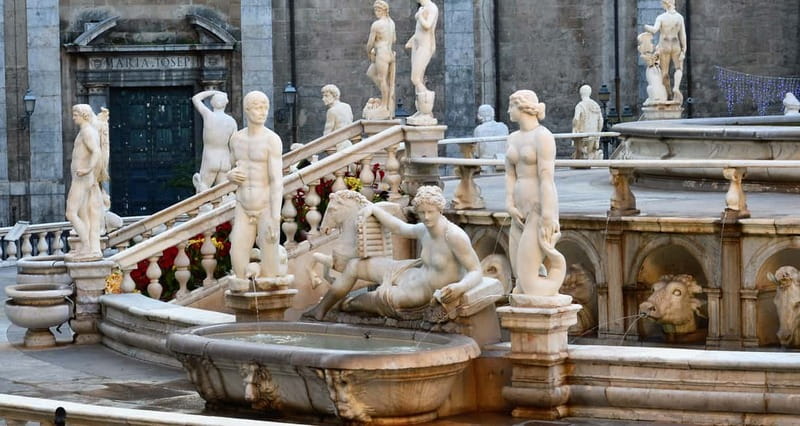
Fontana Pretoria and the city’s theatrical side
Fontana Pretoria gets about 15 minutes, mainly for a visit, explanation, and photographs. The fountain is one of Palermo’s most striking public spaces, with sculpted figures arranged around several levels.
This is a short stop, so you should not expect a long art lecture on every figure. Instead, the guide uses the fountain as a way into Palermo’s public life, artistic taste, and complicated relationship with grand display.
The fountain is also a good place to take in the scale of the surrounding buildings. Palermo often rewards a pause to look upward, since façades and balconies can reveal as much about the city as the main monument in front of you.
A few more architecture tours around Italy worth a look
- Caprarola: Villa Farnese, masterpiece of Renaissance architecture
★ 4.5 · 28 reviews - Best of Bologna in one day : Food, architecture, art and history
★ 5.0 · 27 reviews - City Walk with Architect: Private walking tour of Rome
★ 5.0 · 22 reviews - Private Tour: Venice Art and Architecture Walking Tour
★ 4.0 · 22 reviews
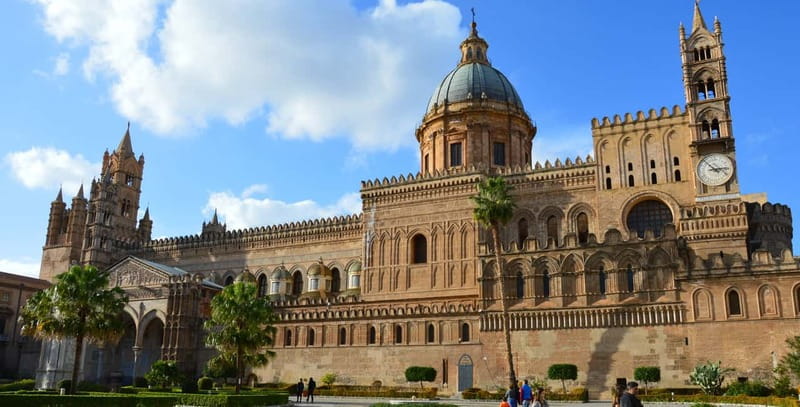
Palermo Cathedral, where styles collide
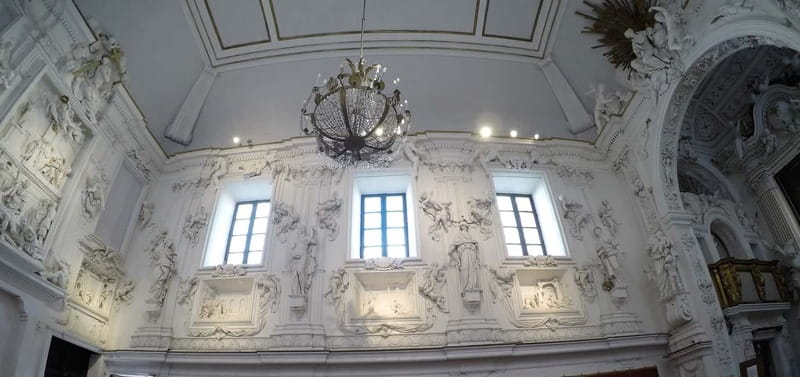
The cathedral receives the longest scheduled visit, about one hour. It is the architectural centerpiece of the walk and one of the places where a guide adds real value.
The exterior brings together Gothic, early Renaissance, and Baroque elements. Rather than seeing those styles as a jumble, your guide can explain how the building changed over time and why Palermo’s rulers and religious institutions kept reshaping it.
The cathedral is particularly useful for understanding the city’s layered identity. It is not a single-period building preserved in isolation. Its form reflects successive periods of power, taste, worship, and renovation.
Plan your clothing carefully. Shorts are not allowed, and appropriate dress is important for entering religious monuments. Comfortable shoes also matter, since the day combines outdoor walking with monument visits.
The cathedral can be meaningful for families as well. The guides are expected to involve children rather than speaking only to adults, which helps keep the visit from becoming a long stream of dates and names.
The Cappella Palatina and Arab-Norman Palermo
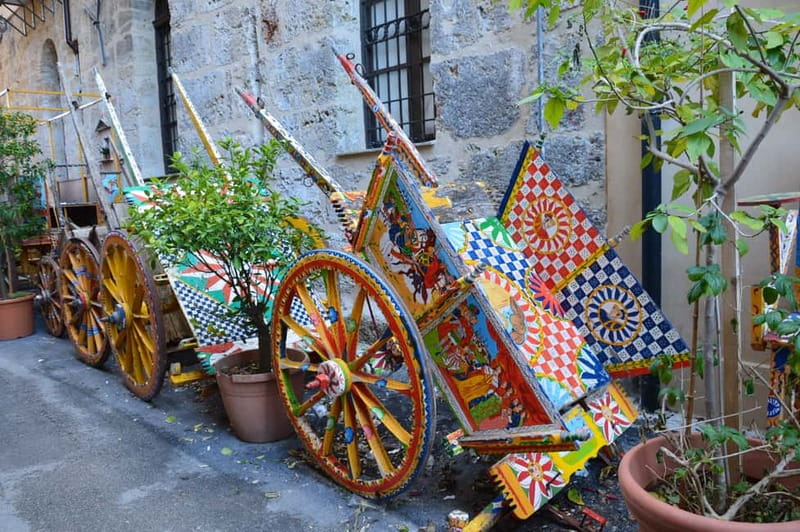
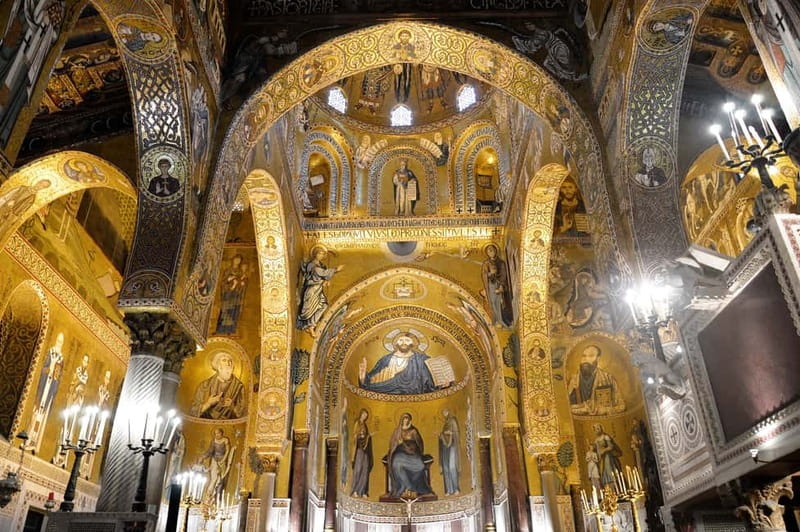
The Cappella Palatina, or Palatine Chapel, is one of the tour’s central attractions. Located in the Palazzo Reale, the 12th-century chapel offers a close look at the Arab-Norman period and the religious world of medieval Palermo.
This is where Palermo’s mixed cultural inheritance becomes especially clear. The chapel is tied to Norman rule, yet its decoration and artistic language reflect the wider Mediterranean world. The tour uses the site to explain religious rites as well as architecture.
I would confirm the exact entrance arrangements and cost before the tour begins. Monument tickets are not included in the tour price, and entrance fees are paid directly to the guide before departure.
The separate entrance used for the tour can help you avoid the ordinary long line, but skip-the-line access does not mean every part of the visit will be instant. The chapel is a major attraction, and timing can vary.
Backpacks and large bags are not allowed inside the monuments. Carry only what you need for the walk, especially if you plan to visit both the chapel and cathedral.
Quattro Canti and the shape of central Palermo
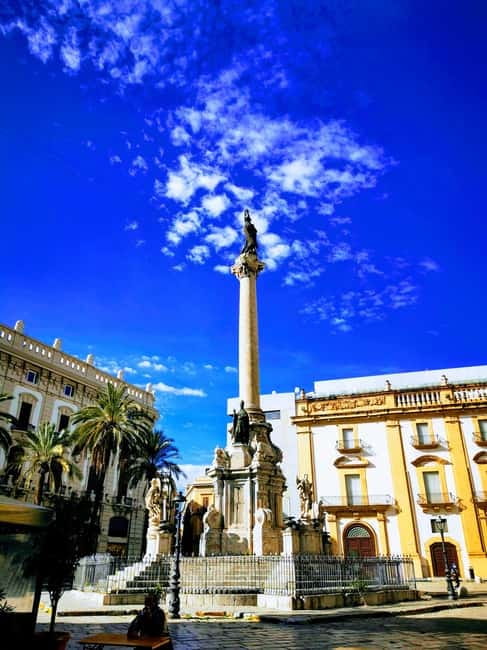
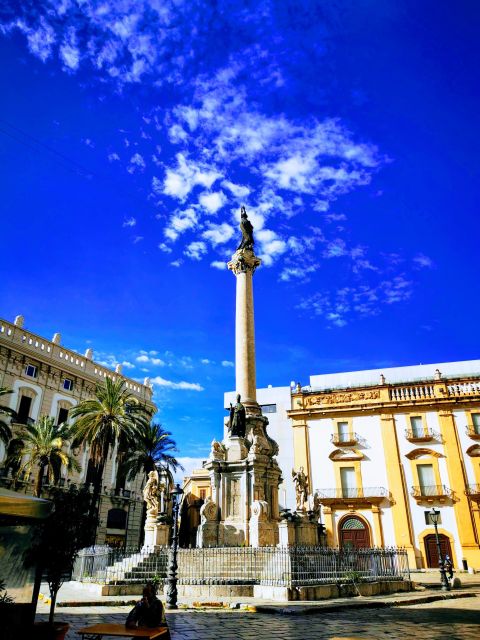
Quattro Canti receives about 30 minutes. This famous crossroads gives the route a strong sense of place because four curved Baroque façades frame the intersection.
Your guide can explain how the square was designed and how it relates to Palermo’s historic street plan. It is also a useful point for understanding how Palermo’s ceremonial spaces were built to impress people moving through the city.
The stop works well after the cathedral because you have already seen the city’s religious power. At Quattro Canti, the emphasis shifts toward urban design, public space, and the way Palermo presented itself to residents and rulers.
Photography is easy here, but the intersection can be active. Stay close to your guide and listen for instructions when moving between points.
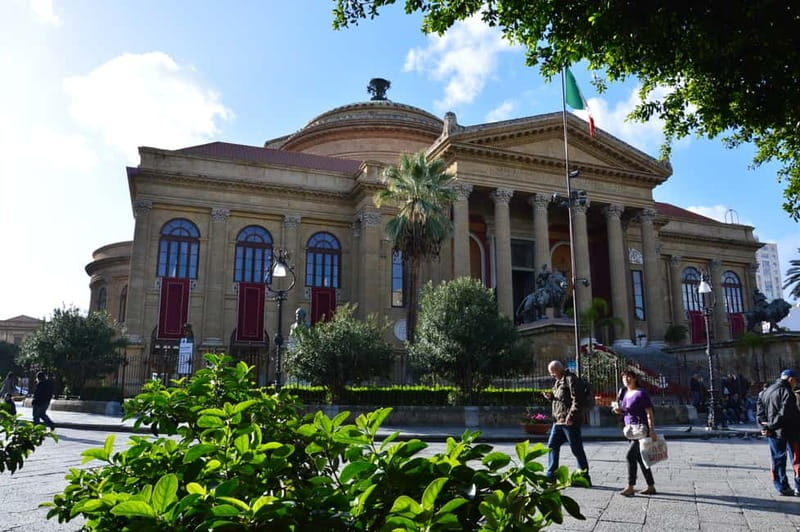
Teatro Massimo and Palermo’s grand opera tradition
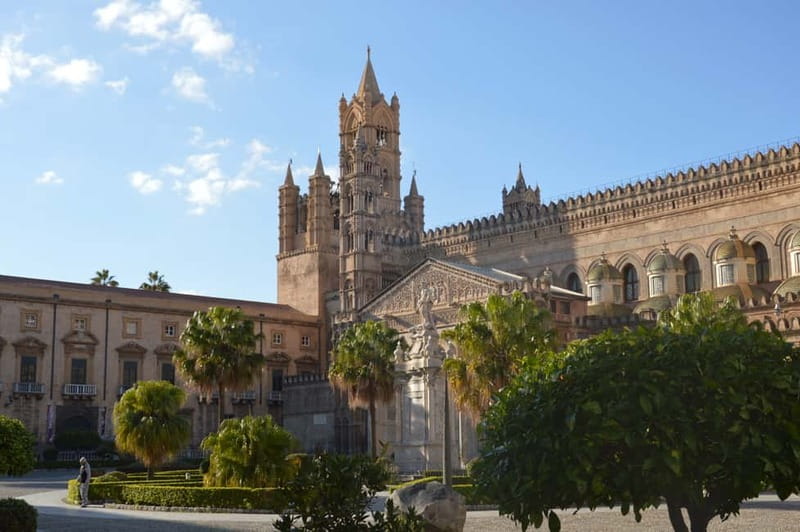
Teatro Massimo receives about 29 minutes. It is one of Europe’s largest opera houses and gives the tour a modern cultural counterpoint to the medieval and religious buildings.
The exterior alone is impressive, but the value of the stop comes from placing the theater in Palermo’s broader story. The city was not shaped only by kings, churches, and ancient streets. Opera, public performance, and civic ambition also played a major role.
The schedule calls this a guided visit and photo stop, but you should check exactly what interior access is available when booking. Entrance charges for monuments are not included, and the tour’s listed stops do not promise a full performance or extended backstage visit.
Teatro Massimo also helps explain why the tour begins or ends near Teatro Politeama Garibaldi. Together, the two theaters show Palermo’s taste for monumental public buildings from a later period.
A guide makes the difference
The experience is private, with space for up to five people. That is a strong arrangement if your group has different interests or walking speeds. You can ask more questions than you usually could on a large city tour, and the guide can adjust explanations for children or older family members.
Several guides associated with this experience have distinct strengths. Maria is described as personable and well prepared. Diana is noted for adjusting the walk to a group’s particular interests.
Roberta is especially useful when conditions are not ideal. During poor weather, she helped change the plan, navigate lines, and find elevator access and seating for elderly parents. That kind of practical help can matter as much as a polished talk.
Francesca is a good match for anyone who wants local context beyond the major buildings. Her approach includes historical sites, markets, side streets, cultural explanations, and occasional small shop stops.
Guide assignments can change, so you should not book on the assumption that one named guide is guaranteed. Still, the range of languages is helpful: English, Italian, French, Spanish, German, and Russian are available.
What the $317.20 price means
The price is $317.20 per group of up to five people. For a full group, that works out to roughly $63 per person before monument entrance fees. For two people, the per-person cost is much higher.
That makes the tour most appealing to a family or small group that values a private guide. A larger shared tour may cost less per person, but it will not offer the same control over pace, questions, or family needs.
The price includes the licensed guide, but not food, drinks, transportation, or entrance tickets. Set aside extra money for the Cappella Palatina, cathedral, and any other paid monument visit.
People entitled to free entrance still pay a €3 reservation fee per person. On the first Sunday of each month, monument entry is free, but a €3 fee per person remains due for booking and headsets.
The tour offers reserve-now, pay-later booking and free cancellation under the stated policy, but check the exact deadline shown for your booking. The information gives both 24-hour and 48-hour cancellation references, so I would rely on the terms attached to your selected date rather than assume one rule applies in every case.
Who will enjoy this Palermo walk
I would recommend it to first-time visitors who want a clear introduction to central Palermo without joining a large crowd. It also suits families, since the guide can adapt explanations and involve children.
It is a good choice for older adults when walking is manageable but frequent pauses, seating, or elevator access may be useful. Roberta’s handling of an older couple’s needs shows why a private format can be practical.
You should consider it if you care about architecture and want the differences between Gothic, Renaissance, Baroque, Arab, and Norman influences explained as you see them. It is less suitable if you want a slow, independent visit with lots of time inside each monument.
The route is wheelchair accessible, but you should still tell the provider about your needs in advance. Streets, entrances, and monument access can vary, and the guide needs to plan the pace properly.
Wear comfortable shoes. Also bring sunglasses, a hat, and sunscreen. Palermo’s streets and open squares can be bright and hot, and the walk offers little reason to carry a large daypack.
My verdict on the experience
Book this tour if you want Palermo’s major sights tied together by a real historical narrative, and if your group can make good use of a private guide. The strongest parts are the Cappella Palatina, Palermo Cathedral, and the guide’s ability to adjust the walk for children, older adults, weather, or special interests.
Think twice if the $317.20 group price feels high for a three-hour visit, especially since admission costs extra. You may get better value with five people who want the same experience, rather than one or two people who prefer to explore at their own pace.
For a small family group, this is a sensible way to meet Palermo: grand theaters, layered churches, lively squares, and old streets, all tied together without the usual large-group shuffle.
FAQ
How long does the Palermo Art and Architecture Walking Tour last?
The activity is listed as lasting three hours. The description also calls it a half-day tour, and the scheduled stops add up to a little over three hours, so check the exact timing when booking.
How much does the tour cost?
The price is $317.20 per group of up to five people. Entrance tickets, food, drinks, and transportation are not included.
Are monument entrance tickets included?
No. Monument entrance fees are paid directly to the guide before departure. People entitled to free admission still pay a €3 reservation fee per person.
Where does the tour start and finish?
The start may be at Teatro Politeama Garibaldi or Villa Bonanno, depending on the option booked. The activity finishes back at the meeting point.
Which languages are available?
The tour can be conducted in Russian, English, French, Italian, Spanish, or German.
Is the tour wheelchair accessible?
Yes, the tour is wheelchair accessible. You should provide any relevant details when booking so the guide can plan the route and access needs.
What should I bring, and what is not allowed?
Bring comfortable shoes, sunglasses, a sun hat, and sunscreen. Shorts, oversize luggage, and backpacks are not allowed inside the monuments.
Just added around Italy
- Vicenza: discovering the city of Palladio by e-bike★ 5.0 · 4 reviews
- Vicenza: Palladian Architecture Private Walking Tour★ 3.3 · 3 reviews
- Vatican: Exclusive Baroque Evening With Aperitivo & Dinner★ 3.1 · 2 reviews
- Turin: Art Nouveau Walking Tour with Coffee★ 5.0 · 11 reviews
- Venice Music Project – Baroque Autumn – Season 2025★ 4.5 · 7 reviews
- Walking tour in Venice with an architect★ 5.0 · 16 reviews
- Palladio. A wonderful live tale through time&soul, from Ve/Pd/Vr★ 5.0 · 7 reviews
- Turin, Art Nouveau walking tour and coffee break★ 4.0 · 7 reviews
Walking Tours, compared.
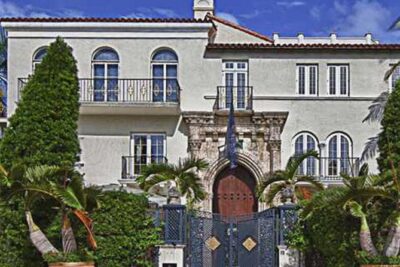
The Official Art Deco Walking Tour by The Miami Design Preservation League
Read our review →
Barcelona: Gothic Quarter Ghosts and Legends Walking Tour
Read our review →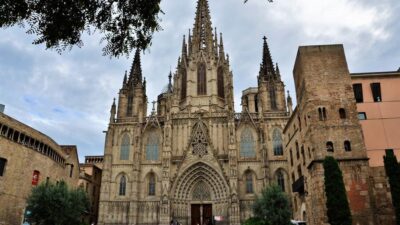
Barcelona: Old Town and Gothic Quarter Walking Tour
Read our review →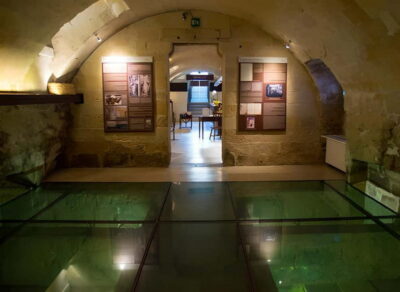
Lecce: Baroque Architecture and Underground Walking Tour
Read our review →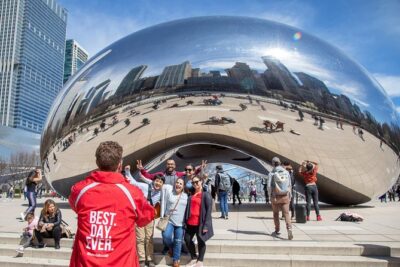
Chicago in a Day: Food, History & Architecture Walking Tour
Read our review →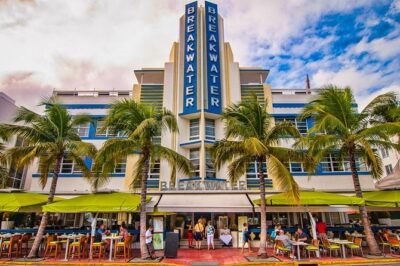
Ramblas, Old Town, Gothic and Gaudi Architecture Walking Tour
Read our review →
Chicago’s Secret Interiors Architectural Walking Tour
Read our review →Browse the lists this tour appears in