
Review · THE USA
Tulsa Art Deco and Architecture with Expert Guide Walking Tour
Tulsa’s Deco District makes a strong case for looking up. In two hours, you’ll trace the city’s oil-boom years through Neo-Gothic towers, zigzag Art Deco details, carved stone, and polished interiors. Guides such as Becky and Jeff bring the buildings to life with stories about Tulsa’s powerful oil men and its rapid growth.
I like the small maximum of 25 people, which keeps a downtown walk from feeling like a parade. I also like the chance to enter buildings that may be locked to the public, plus the easy pace and clear audio reported by people who took the tour. The main drawback is that this is still a walking tour with some stairs, and hot or rainy weather can affect the experience.
Key points at a glance
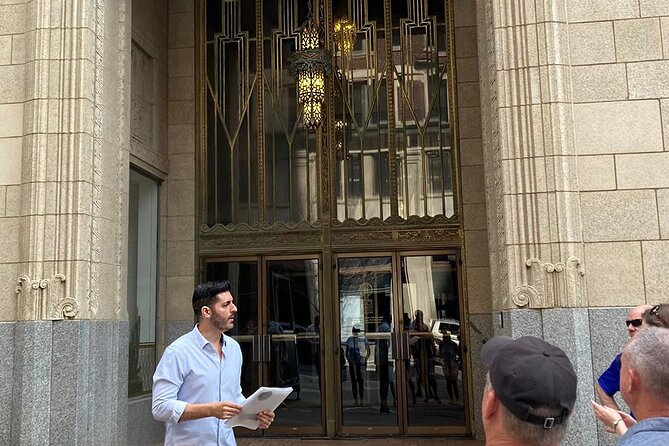
- A focused two-hour route: You stay in Tulsa’s historic Deco District rather than spending time on transport between sights.
- Nine notable buildings: The route discusses Atlas Life, Philtower, Tulsa Club, Southwestern Bell, ARCO, PSO, Pythian, Sinclair, and Philcade.
- More than Art Deco: You’ll also learn how Neo-Gothic and other design styles fit into Tulsa’s growth.
- Strong guide-led experience: Becky, Jeff, and Jeffrey are among the guides praised for clear storytelling, humor, and detailed knowledge of the buildings.
- Possible interior access: A guide may take you inside locked historic buildings, an opportunity you are unlikely to arrange on your own.
- Good value at $52: For a two-hour specialist tour with a capped group, the price is fair, especially if architecture is a main reason for visiting Tulsa.
Why Tulsa is such a good city for an Art Deco walk
Tulsa’s Art Deco story is tied to money, ambition, and speed. As oil wealth poured into the city, new offices, banks, hotels, and civic buildings rose downtown. The result is an unusually concentrated collection of early twentieth-century architecture for a city of Tulsa’s size.
The tour does not treat Art Deco as one single look. You’ll see how design changed over time, from older Neo-Gothic ideas to the clean lines, geometric patterns, and decorative surfaces associated with Art Deco. That sequence matters. Instead of simply photographing attractive façades, you begin to understand why one building looks different from the next.
I find this kind of walking tour more useful than a simple list of landmarks. The guide gives you a way to read the city. Look for vertical lines, repeated shapes, dramatic entrances, stone carving, and details high above street level that you would probably miss while walking alone.
The route also connects architecture with Tulsa’s oil economy. Stories about wealthy oil men give the buildings a human edge, though the emphasis remains on the city’s design and growth rather than on a broad tour of Tulsa.
More Art Deco tours in the USA:
- The Official Art Deco Walking Tour by The Miami Design Preservation League
★ 5.0 · 1,580 reviews - Miami South Beach Art Deco Walking Tour
★ 5.0 · 1,039 reviews - Miami Beach Food and Art Deco Walking Tour
★ 4.5 · 245 reviews
Starting at 511 South Boston Avenue
The tour begins at 511 S Boston Avenue, in the middle of the downtown area covered by the walk. It ends back at the same meeting point, so you do not need to arrange a second pickup or figure out where to reunite with your group.
That simple start and finish works well if you are fitting the tour between other downtown plans. You can devote two hours to the architecture, then continue exploring from the same general area. Since the activity is on foot, arrive ready to walk rather than expecting a vehicle-based sightseeing tour.
The group can include up to 25 people. That is not a private tour, but it is a reasonable limit for an urban walk. You should be able to hear the guide and ask questions without the experience becoming too crowded. Clear sound is especially important downtown, where traffic and other street noise can interfere with explanations.
The walk lasts about two hours. That is long enough to cover a useful set of buildings without turning into an exhausting half-day outing. You will want comfortable shoes, and you should be ready for some stairs.
Reading the Deco District building by building
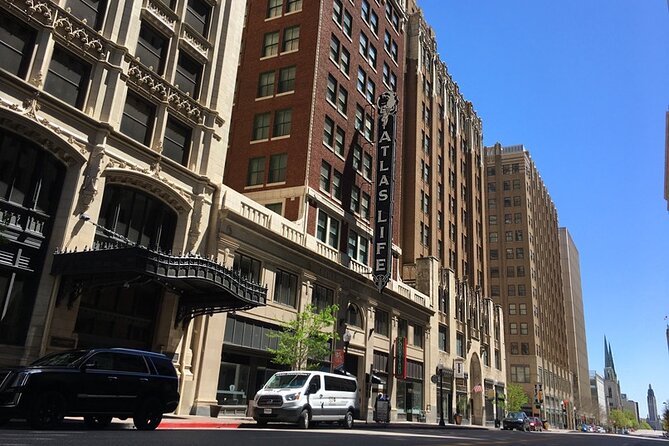
The buildings named for the route give you a good sense of the tour’s range. You are not stopping at just one famous tower. Instead, the guide uses several buildings to explain Tulsa’s changing styles and ambitions.
Atlas Life
The Atlas Life is one of the buildings discussed along the route. Here, the guide can place the building within Tulsa’s commercial growth and point out how decorative choices help express confidence and status.
You should pay attention to the details around the entrance and upper levels. On an architecture tour, the most interesting work is often above eye level. A guide helps you know where to look and explains why those details were worth the cost when Tulsa was expanding.
More architecture walks in the USA:
- Chicago in a Day: Food, History & Architecture Walking Tour
★ 5.0 · 1,153 reviews - Chicago’s Secret Interiors Architectural Walking Tour
★ 5.0 · 635 reviews - Chicago: Secret Interiors Architecture Walking Tour
★ 4.9 · 498 reviews - Charleston: History and Architecture Guided Walking Tour
★ 4.8 · 349 reviews
Philtower
The Philtower is one of the major landmarks on the walk. Its presence gives the tour a chance to discuss Tulsa’s oil-era wealth and the desire to build a skyline that could compete with larger American cities.
The building also helps show how height, decoration, and urban prestige worked together. You will not just hear that it is attractive. You will learn how its design fits into the wider development of the Deco District.
Tulsa Club
The Tulsa Club adds another layer to the story. Its name points to the social world surrounding the city’s business and oil wealth, while its architecture helps explain the era’s taste for grand, carefully designed spaces.
This is a good place to listen for the link between a building’s purpose and its appearance. A private club, office tower, telephone building, and utility company headquarters did not all need to communicate the same thing. Their designs reflect different roles in a growing city.
Southwestern Bell
The Southwestern Bell building shows how essential services also took part in the architectural competition downtown. Telephone companies needed practical offices, but their buildings could still project strength and modernity.
I like stops such as this because they keep the tour from becoming a parade of luxury landmarks. They show how architecture shaped everyday business life, not only the headquarters of wealthy individuals.
ARCO and PSO
ARCO and PSO add to the oil and power story that runs through Tulsa. Their inclusion helps connect the city’s architecture to the industries that drove its expansion.
You will hear about the people and companies behind the buildings, then see how that ambition was translated into stone, metal, glass, and decorative patterns. The guide’s job is particularly useful here because company names alone do not explain what you are looking at.
Pythian
The Pythian is another opportunity to compare styles and purposes. As you move through the route, the guide places each building in chronological order and explains how Tulsa developed as its population and economy grew.
That timeline is one of the tour’s strongest features. You get a clearer sense of transition rather than seeing disconnected buildings. Even if you are not an architecture specialist, the changes become easier to spot as the walk continues.
Sinclair
The Sinclair building brings another piece of the oil-era story into view. It helps explain why so many downtown structures were built with a strong visual identity. These were not anonymous boxes. They were statements about permanence, money, and Tulsa’s future.
The tour is at its best when the guide balances such business history with specific design details. You get both the story behind the building and the tools to appreciate its façade.
Philcade
The Philcade rounds out the route with another important Art Deco stop. It gives you a chance to compare decorative treatment across the district and see how similar ideas were adapted from one building to another.
You will likely want to keep your camera ready, but do not let photography distract you from the guide. Much of the value here comes from knowing what you are seeing, including details that may look like simple decoration until their purpose and period are explained.
Why the interiors can be the highlight
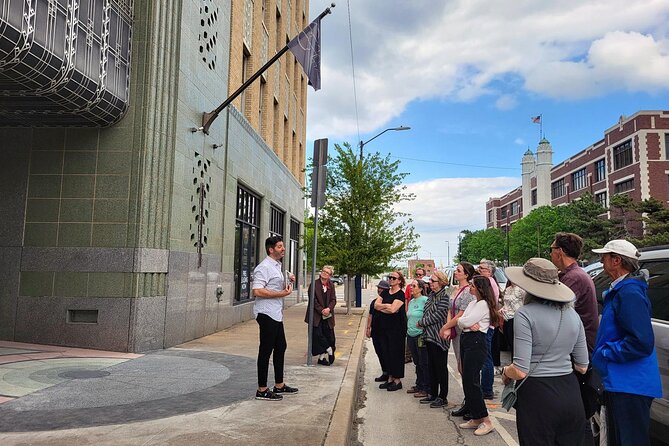
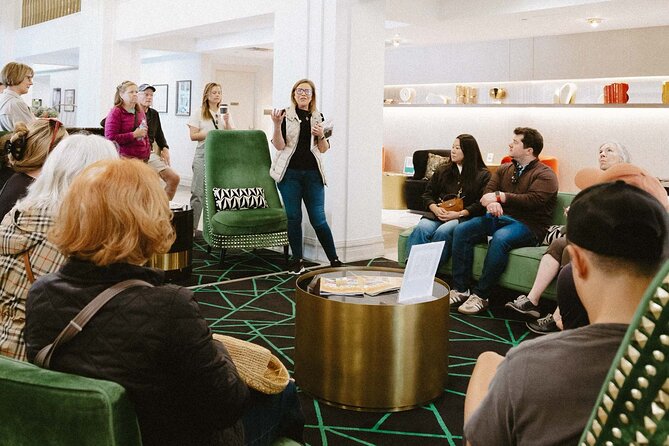
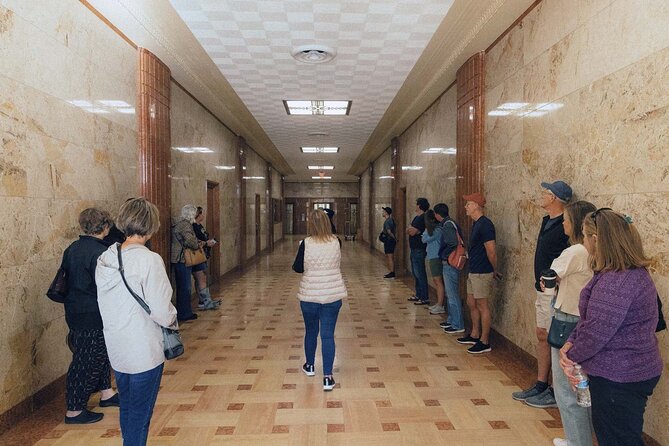
The exterior façades are the backbone of the tour, but interior access may be the most memorable surprise. A guide has taken groups inside locked buildings that you might not enter on your own.
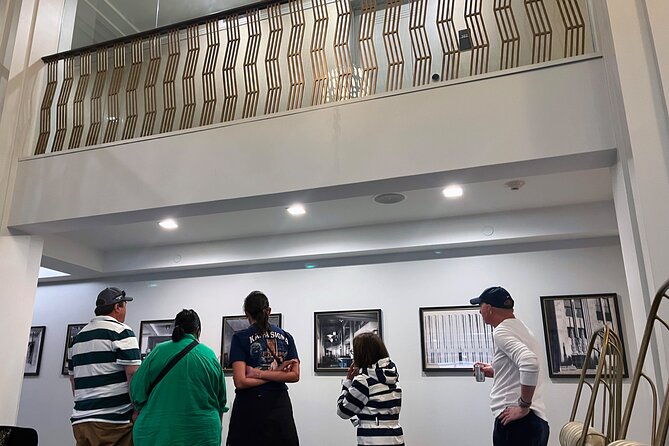
That does not mean every interior is guaranteed on every departure. Access can depend on the day and the building. Still, the possibility gives this tour an advantage over a self-guided walk. You may see lobbies, artwork, stairways, or decorative details that are impossible to view from the sidewalk.
The interiors also help you understand the original design more clearly. A façade can look impressive, but the lobby often reveals how the architects wanted people to feel when they entered. If you care about materials, ornament, and period atmosphere, listen closely when the guide offers an interior stop.
There are some stairs, so this is not a completely flat, effortless stroll. The tour information says most people can participate, and service animals are allowed, but you should consider your own comfort with walking and stairs before booking.
The guide makes the difference
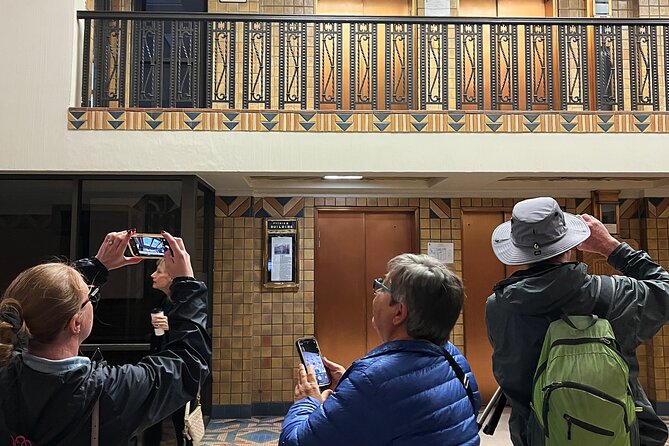
This is a guide-led experience, not an audio tour. The quality of the storytelling matters, and the named guides associated with the experience include Becky, Jeff, and Jeffrey.
Becky has been praised for her warmth and the way she makes the tour feel special without losing the historical detail. Jeff has been described as well prepared, funny, and open to back-and-forth questions. Jeffrey has also been praised for explaining the different parts of the Art Deco movement and adapting the route to conditions such as shade.
Those details tell you what to expect from the best version of the tour: a guide who does more than recite dates. You can ask questions, compare buildings, and get help spotting design features. The experience is especially useful if you want the story behind Tulsa rather than a quick photo stop.
A good guide also controls the pace. The walk has been described as easy and manageable, with enough time to look at the buildings without racing from one address to the next. On a sunny Tulsa afternoon, staying in the shade when possible can make a real difference.
Is $52 a fair price?
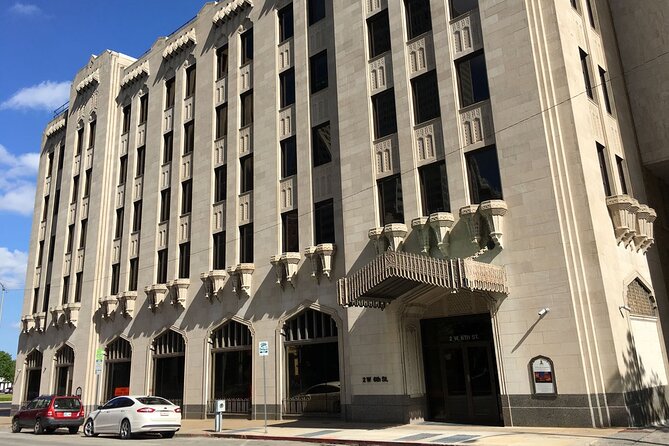
At $52 per person, this is not the cheapest way to spend two hours downtown. You can walk past many of these buildings for free. The question is what you want from the visit.
If you already know Art Deco architecture well and mainly want photographs, a self-guided walk may be enough. You can see the exteriors without paying an admission fee.
If you want context, the price is easier to justify. You are paying for an expert guide, a planned route, explanations of several architectural styles, stories about Tulsa’s oil economy, and the possibility of entering buildings that are not normally open during a casual walk. The group size of up to 25 also gives the tour a more personal feel than a large city sightseeing group.
For a couple, family, or solo visitor who has set aside an afternoon for downtown Tulsa, I consider it a fair specialist tour price. It is particularly good value if the guide provides interior access and you ask questions rather than simply following along.
Who should book this Tulsa walking tour?
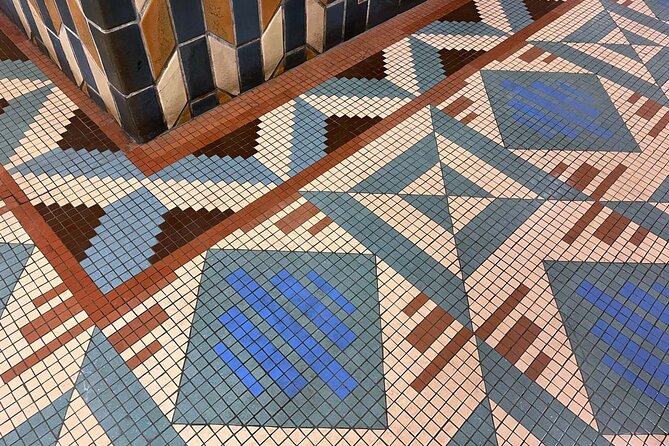
You should book it if architecture is a major part of your trip, or if you want a clear introduction to Tulsa’s downtown without spending hours researching buildings yourself.
It also suits:
- First-time visitors who want a focused look at central Tulsa
- Art Deco fans who enjoy comparing façades and interior details
- Families with older children who can manage a two-hour walk and stairs
- Solo visitors who want an informative activity with an easy social setting
- Couples looking for a calm afternoon activity with plenty to photograph
- Anyone curious about the connection between oil wealth and city design
You may want to skip it if you dislike guided walks, have difficulty with stairs, or would rather explore at your own speed. You should also think about the weather. This experience requires good weather, and heat or rain can reduce your enjoyment even if the route itself is manageable.
The tour is offered in English and uses a mobile ticket. Confirmation arrives at booking, which makes it easy to add to a planned Tulsa itinerary. If your schedule changes, free cancellation is available up to 24 hours before the start time. Cancellations made later are not refunded, and changes inside that period are not accepted.
My call: book it for the stories, not just the façades
I recommend this tour if you want Tulsa’s buildings to make sense. The district is free to walk, but the guide adds the chronology, oil-era personalities, design vocabulary, and possible interior access that turn a downtown stroll into a proper architectural outing.
The best reason to book is the combination of clear storytelling and unusual access. The main caution is practical: plan for stairs, outdoor walking, and weather. If those suit you, two hours and $52 can give you a strong, focused introduction to one of Tulsa’s most distinctive parts.
FAQ
How long is the Tulsa Art Deco and Architecture walking tour?
The tour lasts approximately two hours.
Where does the tour begin?
It begins at 511 S Boston Ave, Tulsa, Oklahoma 74103.
Where does the tour end?
The activity ends back at the meeting point.
What language is the tour offered in?
The tour is offered in English.
How many people can join the tour?
The maximum group size is 25 people.
Are admission fees to the buildings included?
The walking tour itself has no separate admission ticket listed. The experience includes an expert guided walking tour, and a guide may provide access to some locked buildings, but interior access is not stated as guaranteed for every departure.
What happens if the weather is poor?
The tour requires good weather. If it is canceled because of poor weather, you will be offered a different date or a full refund. You can also cancel for a full refund up to 24 hours before the start time.
Just added around the USA
- Wilmington History and Architecture Tour★ 4.8 · 18 reviews
- Washington, DC: Georgetown Architecture Walking Tour★ 5.0 · 8 reviews
- New Orleans : Garden District Architecture Walking tour★ 4.8 · 5 reviews
- Washington DC: Dupont Circle & Embassy Row Architecture Tour★ 5.0 · 6 reviews
- Tulsa: Art Deco Walking Tour of Tulsa★ 5.0 · 8 reviews
- Castle to Capitol: Museums of the National Mall Architecture Tour★ 4.5 · 9 reviews
- Private Colonial Williamsburg Architectural Tour★ 5.0 · 5 reviews
- Iconic Capitol Hill Architectural Walking Tour★ 5.0 · 21 reviews
Art Deco Tours, compared.
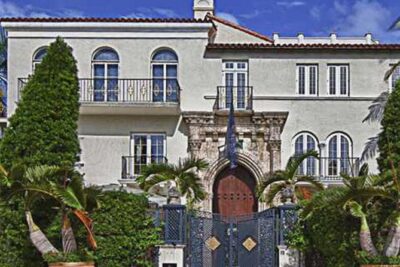
The Official Art Deco Walking Tour by The Miami Design Preservation League
Read our review →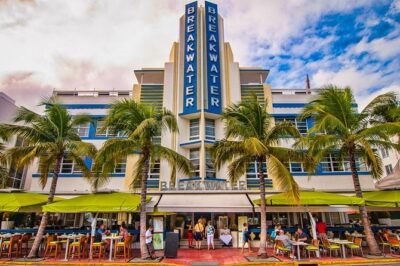
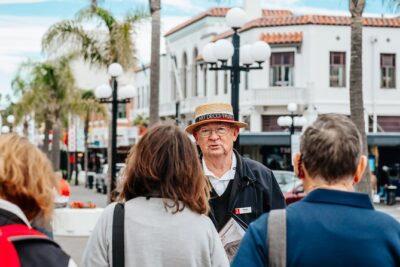
Guided 10am Morning Art Deco Walk From Napier Art Deco Trust
Read our review →
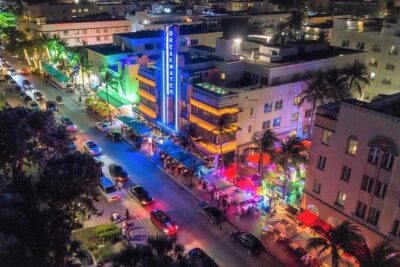
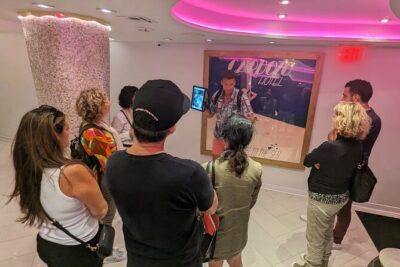
Award-winning Art Deco & Neon Lights Walking Tour in Miami Beach
Read our review →
Browse the lists this tour appears in