Review · ARCHITECTURE TOURS
São Paulo: Private 4-Hour Architecture Tour
São Paulo’s buildings tell the city’s story in quick, sharp changes: colonial construction, European-inspired facades, Art Deco, modernism, hard-edged brutalism, and daring contemporary work. This private four-hour tour helps you see those layers without wasting time crossing the city on your own.
I like the custom route, especially for travelers who already know they want modern architecture or the work of Lina Bo Bardi and Paulo Mendes da Rocha. I also like the private vehicle and hotel pickup, which make it practical in a huge city. The main drawback is the price: $290 for a group of up to one is a serious cost for four hours, and the exact buildings visited depend on your guide and interests.
Key points to know before booking
- The tour moves through several architectural eras: Expect colonial, Neoclassical, Eclectic, Art Nouveau, Art Deco, Neocolonial, Modernist, Brutalist, and contemporary examples.
- Your route can reflect your interests: Danilo adapted one tour toward modern architecture, while Doris tailored another around personal preferences.
- The guides bring different strengths: Doris is praised for lively explanations, Danilo for precise historical detail, and Bruno for punctual guiding and driving.
- A private vehicle saves time: Hotel pickup and drop-off are included for hotels in central São Paulo.
- It works best for architecture-minded adults: Children under five are not accepted, and children up to age ten need a special seat arranged ahead of time.
- You need to plan for the sun: Bring comfortable shoes, sunglasses, a sun hat, and a camera. Food and drinks are not included.
Why São Paulo works so well as an architecture tour
São Paulo is not a city with one neat architectural identity. It grew through many periods, and the result is a city where older buildings and severe modern concrete often appear within the same broad urban setting.
That variety gives this tour its purpose. You are not simply checking off famous buildings. You are learning to compare materials, shapes, decoration, and ideas about public life. Colonial buildings made from organic materials point to the city’s earliest construction traditions. Later European styles reflect the strong influence of the nineteenth century. Modernist and Brutalist buildings show how Brazilian architects reshaped those imported ideas into something more local.
The four-hour format is useful because São Paulo is large and spread out. A walking-only tour would limit the number of areas you could reach. Here, the private vehicle links different parts of the city, while your guide explains what you are seeing along the way.
I would not book this as a general sightseeing tour if architecture is low on your list. The appeal comes from looking closely at buildings and understanding the people and ideas behind them. If that sounds like your kind of city exploration, the format gives you a strong introduction.
More private architecture tours in the world:
- Best of Chicago: Architecture & Highlights City Private Tour
★ 5.0 · 94 reviews - Private Harajuku Omotesando Architecture Walking Tour
★ 5.0 · 67 reviews - Private Santa Barbara History and Architecture Walking Tour
★ 5.0 · 56 reviews
Starting with São Paulo’s earliest buildings
The route can begin with the foundations of São Paulo and its original constructions. One particularly effective approach is to start with the oldest building traditions, then move forward in time. That chronology helps you understand later architecture instead of seeing each building as an isolated object.
The colonial examples are important because they show how local materials and practical needs shaped early construction. These buildings are a useful counterpoint to the polished stone, concrete, glass, and steel associated with later periods.
From there, you can expect the route to introduce Neoclassical and Eclectic styles. The Neoclassical period brought formal balance and references to European architecture. Eclectic buildings mixed several influences, creating facades that can feel more decorative and theatrical than the clean lines favored by later architects.
Art Nouveau and Art Deco add another turn in the story. Art Nouveau is associated with flowing lines and decorative detail, while Art Deco tends toward geometry, symmetry, and a more streamlined look. Seeing both within the same city makes it easier to recognize how quickly architectural taste changed.
The exact stops are not specified in advance, so you should ask your guide at the start what early buildings are planned. This is not a weakness in a private tour. It gives you a chance to say how much historic architecture you want before the route moves toward twentieth-century work.
Reading the city through Ramos de Azevedo
Ramos de Azevedo is one of the major names connected with São Paulo’s architectural growth. His work belongs to the period when the city was developing formal institutions and adopting strong European influences.
A guide can use his projects to explain how architecture reflected São Paulo’s growing ambitions. This part of the tour is not only about facade styles. It is also about how public buildings helped give the expanding city a new visual order.
You will get more from this section if you ask questions about materials and purpose. Was a building designed mainly to impress, to educate, to house government work, or to serve a public institution? Those questions turn a sightseeing drive into a lesson in how cities express power and identity.
Because this is a private outing, you can spend more time on a period that catches your attention. If you prefer decorative historic buildings, say so. If you would rather move quickly toward twentieth-century design, your guide can adjust the balance.
Modernism with Niemeyer, Artigas, and Lina Bo Bardi
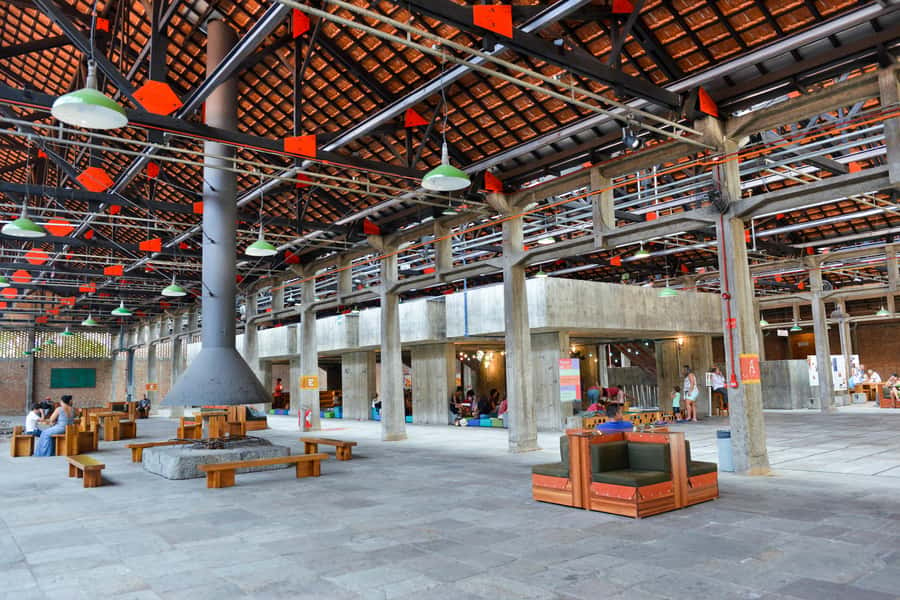
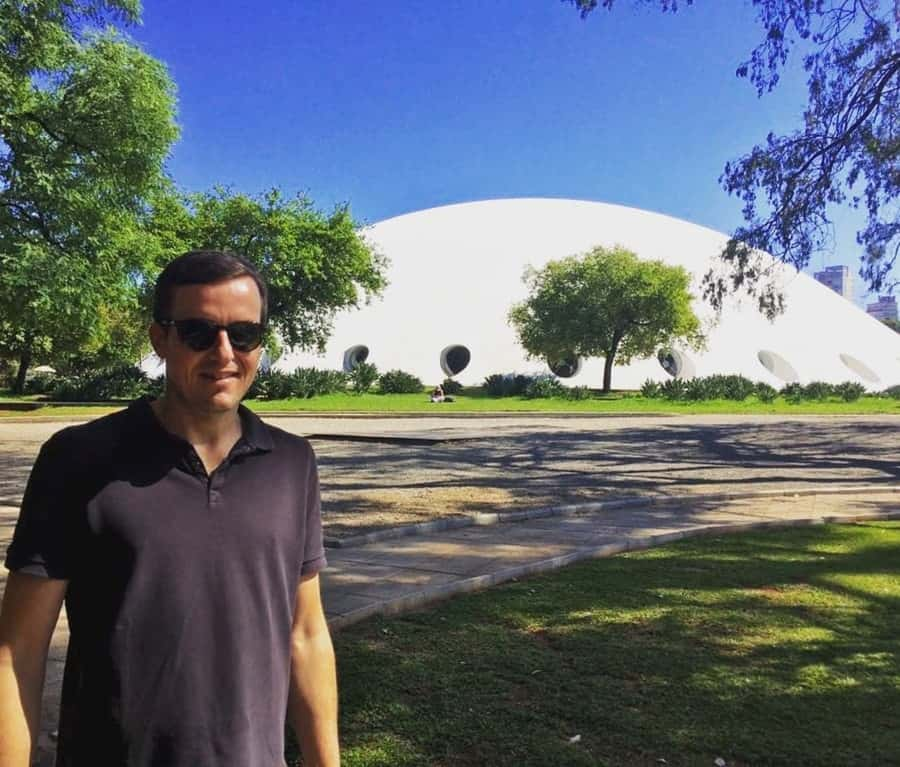
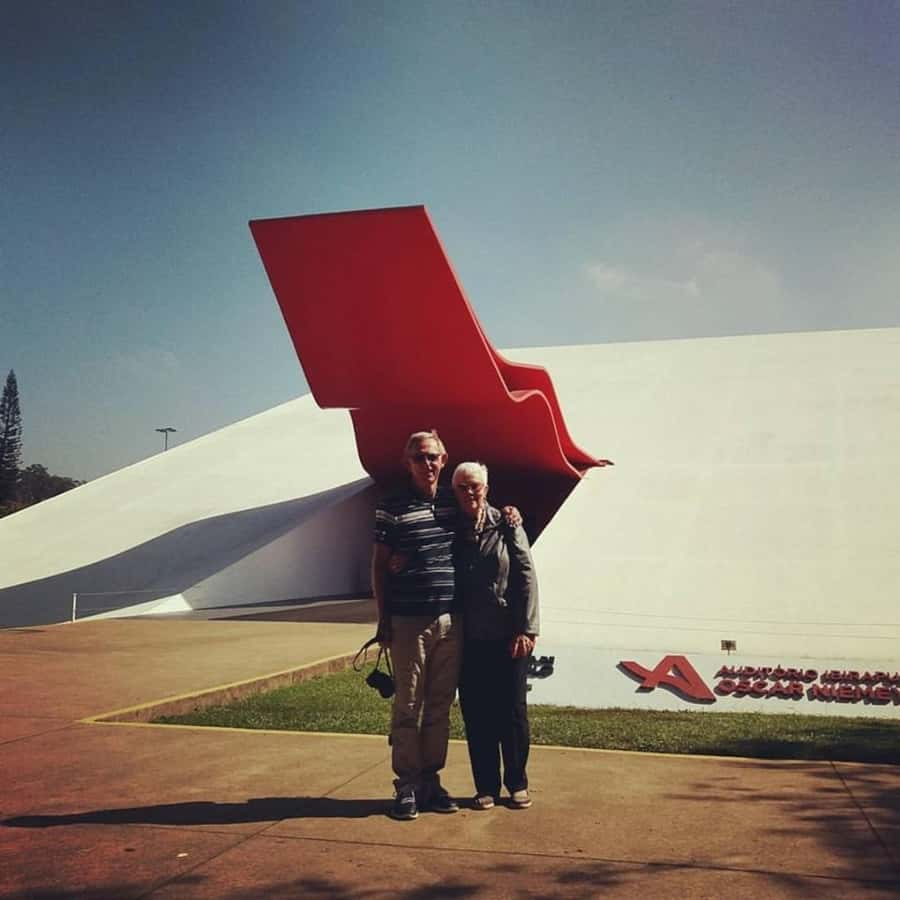
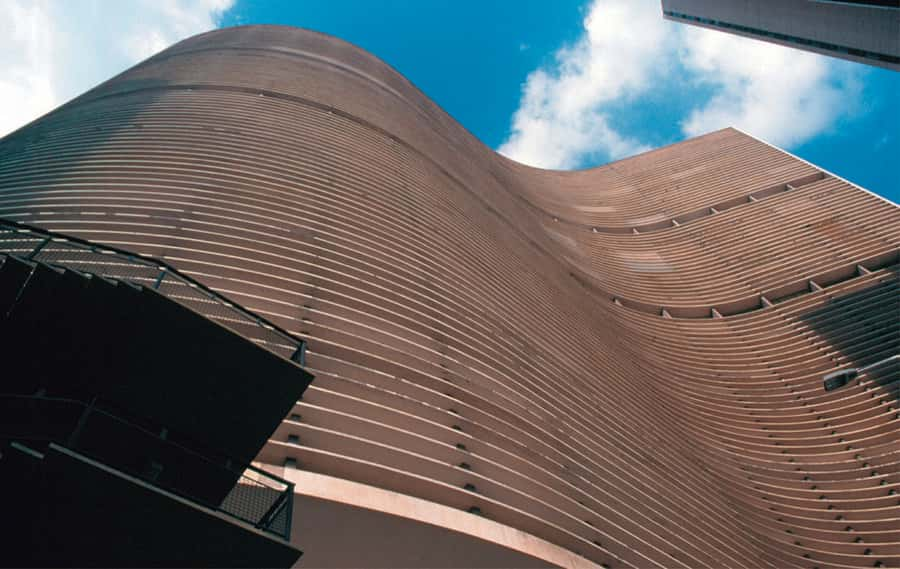
The modernist section is likely to be the heart of the tour for many visitors. Oscar Niemeyer, Vilanova Artigas, and Lina Bo Bardi each offer a different way to think about Brazilian architecture.
Niemeyer is known for expressive forms and for showing how concrete could appear light, fluid, and sculptural. Artigas represents another important direction, with architecture tied to structure, function, and the organization of shared space. Lina Bo Bardi brought a direct, human approach to design, often treating public buildings as places for people rather than merely impressive objects.
Your guide can help you compare these architects instead of placing them into one broad modernist category. That is valuable because Brazilian modernism is not a single look. It includes different attitudes toward curves, raw materials, social use, and the relationship between a building and the street.
Doris is a guide worth requesting if she is available. She has led tours that begin with São Paulo’s early construction and move forward in chronological order. That structure makes sense for first-time architecture visitors, and she is also able to change the route around your interests.
The private format matters here. You can stop to ask why a building matters, how an architect’s ideas changed over time, or how a project fits into São Paulo’s wider development. On a large shared tour, those questions may be harder to fit in.
A few more architecture tours around the world worth a look
- Chicago Architecture River Cruise
★ 5.0 · 15,756 reviews - Chicago River 90-Minute Architecture Tour
★ 4.5 · 9,629 reviews - Chicago River: 1.5-Hour Guided Architecture Cruise
★ 4.8 · 8,046 reviews - Chicago Architecture Center River Cruise aboard First Lady
★ 5.0 · 5,536 reviews
Brutalism and São Paulo’s hard concrete language
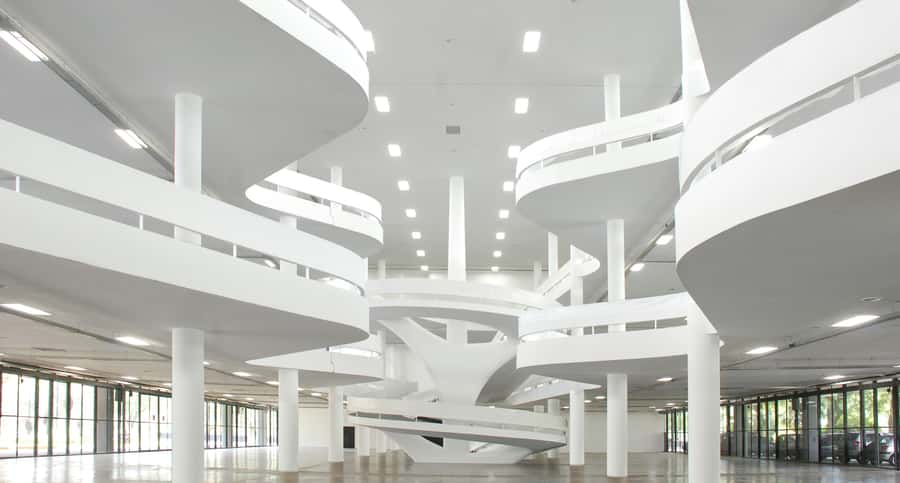
São Paulo is an especially rewarding place for anyone interested in Brutalism. This style uses strong forms, exposed or emphatic concrete, and a direct approach to structure. It can look severe, but it often raises useful questions about public space and how people move through a building.
Paulo Mendes da Rocha is one of the key names to watch for. His work can help you see how a building may be both forceful and practical. Vilanova Artigas also belongs in this conversation, particularly when your guide explains the relationship between structure, circulation, and communal space.
Do not expect every Brutalist building to be beautiful in the conventional sense. Some are rough, imposing, or difficult to read at first. That is part of the point. The guide’s explanation helps you notice the choices behind the concrete rather than judging a building only by its surface.
Danilo is a good match if contemporary and modern architecture is your priority. One route was adapted toward those subjects, with detailed explanations of current urbanism and newer design. When booking, make your interests clear so the guide can give this period enough time.
Contemporary São Paulo and the changing city
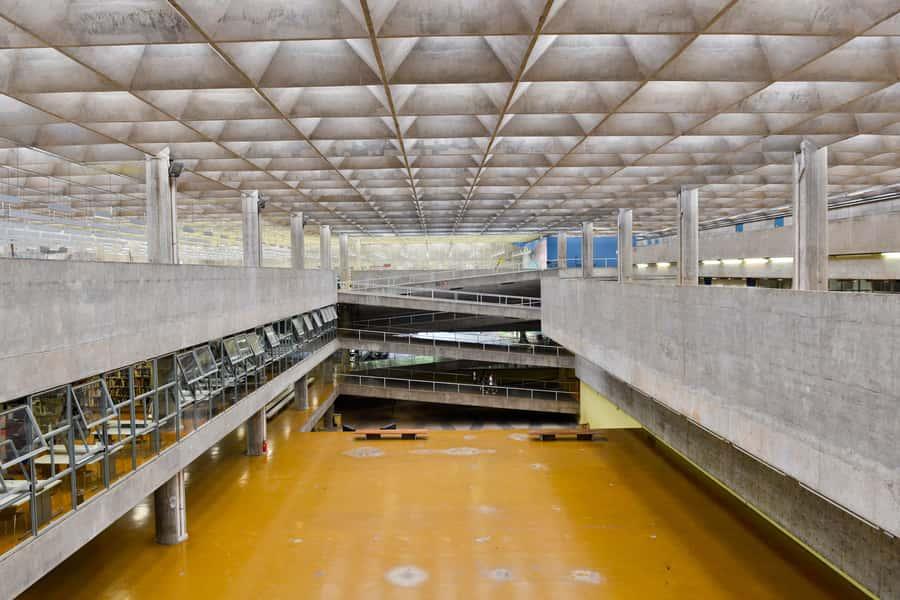
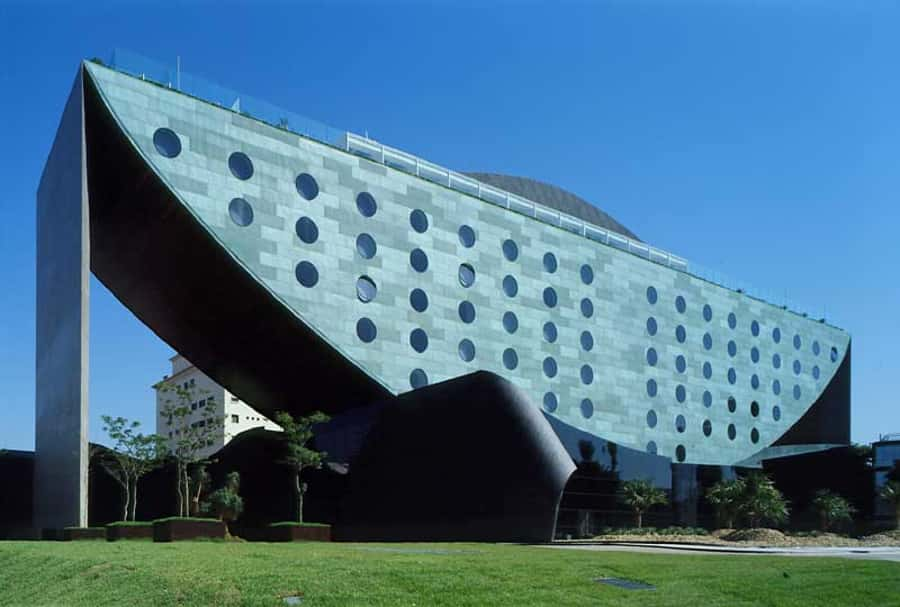
The final part of the route can bring you to contemporary architecture and more recent ideas about how São Paulo should look and work. Architects named for this period include Ruy Ohtake and Isay Weinfeld, along with many others.
This section gives you a chance to compare current design with the earlier periods covered during the tour. You may see a return to smooth curves, carefully controlled surfaces, bold colors, or restrained materials. The important point is not simply that the buildings look new. It is how newer architects respond to the city’s scale, density, and older architectural layers.
If your main interest is present-day urbanism, tell your guide before setting off. Danilo’s route shows how useful that request can be. A private tour does not need to divide its time evenly among every style. You can ask for more contemporary work and less colonial or Neoclassical detail.
This flexibility is one of the strongest reasons to choose this experience over a fixed group itinerary. You are paying for access to a guide who can shape the discussion around what you actually want to see.
Guides who shape the experience
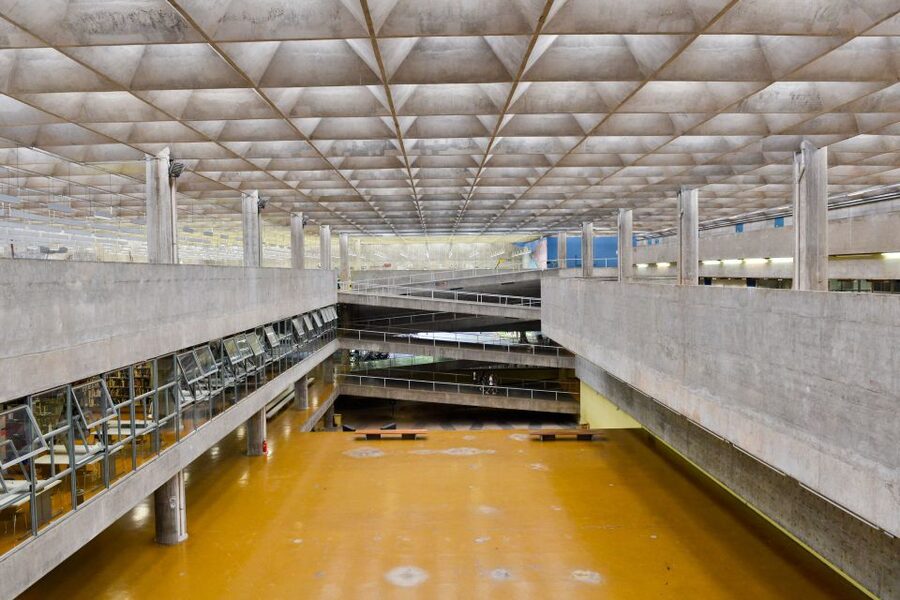
The quality of this tour rests heavily on the guide. The available feedback points to several strong options, but each seems to bring a slightly different approach.
Doris is described as passionate, entertaining, and able to take visitors to favorite places they would not have found alone. Her strength appears to be connecting facts with a personal sense of the city. She also speaks Spanish, English, and Portuguese through the tour service, so you can select the language that works best for your group.
Danilo is a good fit for precise historical explanations and modern architecture. He is also noted for adapting the route rather than sticking rigidly to one plan.
Bruno combines guiding and driving. He is praised for punctuality, detailed explanations, helpful service, and returning guests to their hotel on time. That combination matters when you want a smooth four-hour outing without managing directions or transport yourself.
The names are useful when you book, but guide availability may vary. I would send a short note stating your favorite architects and periods. Mention Lina Bo Bardi, Paulo Mendes da Rocha, Brutalism, contemporary urbanism, or colonial buildings rather than simply saying you like architecture.
What the private vehicle adds
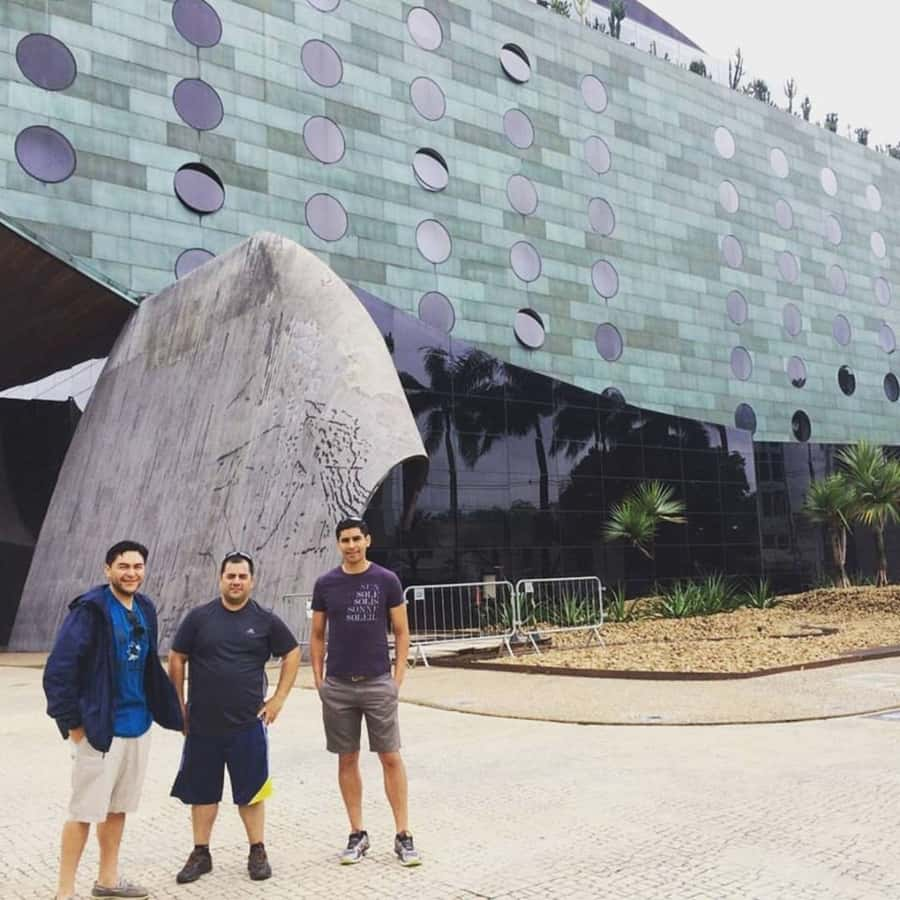
São Paulo is not a compact old town where every major sight sits around one plaza. A private vehicle lets you cover more ground and keeps the four-hour schedule realistic.
Hotel pickup and drop-off are included for hotels in central São Paulo. That removes the need to arrange a meeting point or work out how to reach the first stop. It also makes the tour easier to fit into a short stay.
The vehicle is not just a comfort feature. It changes what the tour can accomplish. You can compare styles from different parts of the city instead of spending much of the morning walking between nearby examples.
The tradeoff is that some of the experience happens from the vehicle or during short stops. If you want long periods inside buildings, check what your guide plans before departure. The supplied details focus on viewing and explaining architecture, not on admission to interiors or meals.
The tour is wheelchair accessible, but you should still mention any specific mobility needs when booking. The route includes transportation, but the information does not specify the accessibility of every building or stop.
Price, timing, and who gets good value
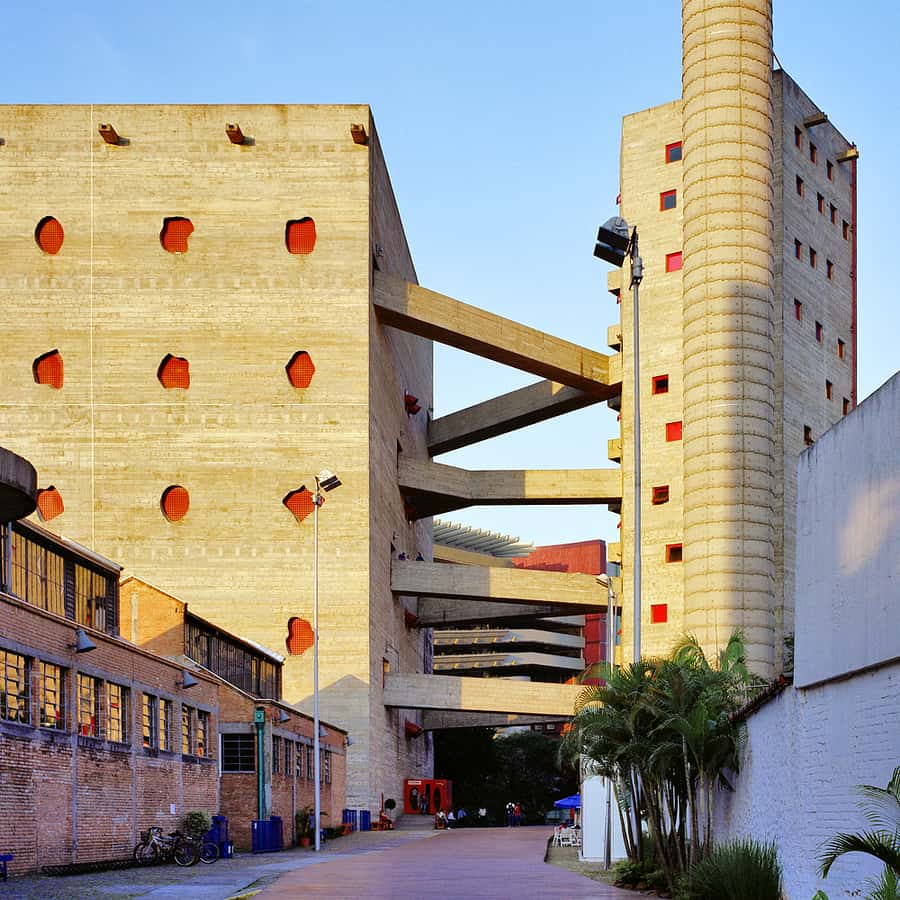
The listed price is $290 for a private group of up to one person. That is expensive compared with a standard shared city tour, but the comparison is not quite equal. You are paying for a private guide, private vehicle, hotel pickup and drop-off, and the ability to shape the route around your interests.
The value improves if you have limited time in São Paulo, care strongly about architecture, or are traveling with a very specific wish list. It is also useful if you want explanations in English, Spanish, or Portuguese and prefer not to manage transport between distant areas.
The value is weaker if you mainly want general city highlights or if you are comfortable using public transportation and exploring on your own. Four hours goes quickly, and the price does not include food or drinks.
The tour is flexible about booking. You can reserve and pay later, and cancellation is allowed up to 24 hours in advance for a full refund. Check available starting times before you commit, since the exact schedule is not fixed in the information provided.
Wear comfortable shoes even though the vehicle does much of the work. You will likely get in and out several times, and older streets or building approaches may not be perfectly smooth. Sunglasses, a sun hat, and a camera are sensible additions.
Age limits and practical family details
Children under five are not suitable for this activity. Children up to ten need special seats, and you must tell the provider in advance if a child is included in the reservation. Without that notice, the tour cannot provide the required seat.
The no-pets and no-smoking rules are straightforward. Unaccompanied minors are not allowed, so a responsible adult must be part of the group.
For most adults, the tour is easy to plan. The main preparation is choosing the right emphasis. Think about the buildings and architects you want to understand, then share that list with the guide before the vehicle leaves.
Should you book this São Paulo architecture tour?
Book it if you want to understand how São Paulo developed through architecture, not just photograph a few famous facades. The mix of styles is unusually broad, and the private vehicle makes it possible to cover more ground in four hours.
I would especially recommend it to architecture students, design professionals, urbanism fans, and curious first-time visitors who want a sharper sense of the city. Doris is a strong choice for a chronological introduction and personal route, Danilo for modern and contemporary work, and Bruno for a punctual guide-driver combination.
Skip it if the $290 price feels too high for a short tour, if architecture is not a main interest, or if you prefer to spend a full day inside museums and attractions. For the right audience, though, this is a focused and flexible way to read São Paulo through its buildings.
FAQ
How long is the São Paulo architecture tour?
The tour lasts four hours.
What architectural styles can I see?
The tour covers Colonial, Neoclassical, Eclectic, Art Nouveau, Art Deco, Neocolonial, Modernist, Brutalist, and contemporary architecture.
Which architects are discussed?
The tour can include Ramos de Azevedo, Oscar Niemeyer, Paulo Mendes da Rocha, Vilanova Artigas, Lina Bo Bardi, Ruy Ohtake, Isay Weinfeld, and other architects connected with São Paulo.
Is hotel pickup included?
Yes. Pickup and drop-off are included for hotels in central São Paulo.
What languages are available?
The live guide is available in English, Spanish, and Portuguese.
Is this a private tour?
Yes. It is offered as a private group experience.
Is the tour wheelchair accessible?
Yes, the activity is listed as wheelchair accessible.
Can children join the tour?
Children under five are not suitable for the tour. Children up to ten need a special transport seat, and you must notify the provider in advance if children are included.
Just added around the world
- Wilmington History and Architecture Tour★ 4.8 · 18 reviews
- Washington, DC: Georgetown Architecture Walking Tour★ 5.0 · 8 reviews
- New Orleans : Garden District Architecture Walking tour★ 4.8 · 5 reviews
- Washington DC: Dupont Circle & Embassy Row Architecture Tour★ 5.0 · 6 reviews
- Vicenza: discovering the city of Palladio by e-bike★ 5.0 · 4 reviews
- Vicenza: Palladian Architecture Private Walking Tour★ 3.3 · 3 reviews
- Walk & Discover KL’s Architectural and Heritage Gems★ 5.0 · 7 reviews
- Unveiling Brno: History, Culture & Architectural Delights★ 5.0 · 2 reviews
Private, compared.
Sagrada Familia & Gaudi Tour Private or Small Group with Tickets
Read our review →
Barcelona: Sagrada Familia, Park Guell & Tapas Private Tour
Read our review →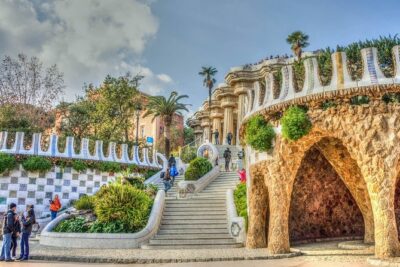
Park Guell and Sagrada Familia Private Tour with Hotel pick-up
Read our review →
Barcelona 1.5h Private Old Town, Gothic & Ramblas Walking Tour
Read our review →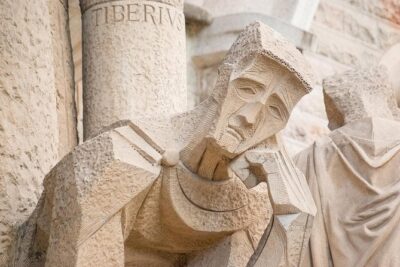
Sagrada Familia Evening Private Tour with Expert Guide
Read our review →

Sagrada Familia & Montserrat Private Tour with Hotel pick-up
Read our review →