
Review · COPENHAGEN
Copenhagen Architecture and Sustainability Tour with local Guide
Copenhagen’s best sustainability ideas make more sense from a bicycle seat. This three-hour ride links harbor bridges, shared housing, flood-control parks, reclaimed nature, and old industrial districts that you could not sensibly cover on foot. Blox and Cykelslangen show how the city gives public space back to people, while Amager Fælled and Enghave Park reveal the less polished side of urban planning.
I like the small group of no more than 15 and the chance to see modern Copenhagen beyond the usual royal squares. I also like the practical setup: a bike is included, the guide leads you through city streets, and helmets are available at no charge. The main catch is the amount of riding, about 11 kilometers between stops, so you need a moderate fitness level and decent weather.
- 11 kilometers of cycling connects 12 stops across Copenhagen.
- Blox, Lille Langebro, and Cykelslangen explain the city’s changing harbor.
- Tietgen Residence Hall shows how architecture can support shared community life.
- Enghave Park works as a public park and a rainwater-control project.
- Small groups capped at 15 make it easier to hear the guide and ask questions.
- Guides such as Jörn and Julia bring a clear focus on recent city development and architecture.
A bike tour built around Copenhagen’s next chapter
This is not a greatest-hits ride to the Little Mermaid, Nyhavn, and Amalienborg. It is a look at how Copenhagen has changed in recent decades, with sustainability treated as a practical city issue rather than a slogan.
You will pedal from the meeting point at Vester Voldgade 2 through several parts of the city. The route includes public buildings, bridges, housing, parks, a concert hall, a former church, and the Meatpacking District. The stops are short, usually 5 to 15 minutes, so expect focused explanations rather than long visits inside buildings.
The guide is central to the experience. The strongest feedback highlights Jörn for explaining recent urban development clearly and Julia for making the tour both informative and lively. Guide quality can vary by departure, but the design of the route gives any good guide plenty to work with.
What the $72.57 price buys you
At $72.57 per person, this is not the cheapest way to rent a bicycle in Copenhagen. You are paying for the bike, route planning, a local guide, and three hours of organized riding across a wide area.
That price makes more sense if you want context. Renting a bike alone gets you from place to place, but it will not explain why a harbor bridge matters, how a former moat became a city park, or why a student residence is designed around shared rooms. The tour packs a lot of ground into one morning or afternoon without requiring you to plan the route yourself.
The value is strongest for a first visit or a short stay. You cover modern districts and projects that are spread across Copenhagen, then you can return later to the places that interest you most. It is less appealing if you already have your own bicycle, know the city well, and prefer to stop for long periods at each site.
Bikes and toilets at the shop are included. Phone holders and baskets cost 49 DKK each. Upgrades are available in advance: an e-bike costs 249 DKK, a cargo or tandem bike costs 449 DKK, an e-cargo bike costs 649 DKK, and a child seat costs 119 DKK. Children’s bikes come in different sizes, but you should contact the provider to confirm availability.
More guided tours in the world:
- Chicago River: 1.5-Hour Guided Architecture Cruise
★ 4.8 · 8,046 reviews - Charleston: History and Architecture Guided Walking Tour
★ 4.8 · 349 reviews - Vienna: Spanish Riding School Guided Architectural Tour
★ 4.8 · 333 reviews
Blox and Lille Langebro: Copenhagen turns toward the harbor
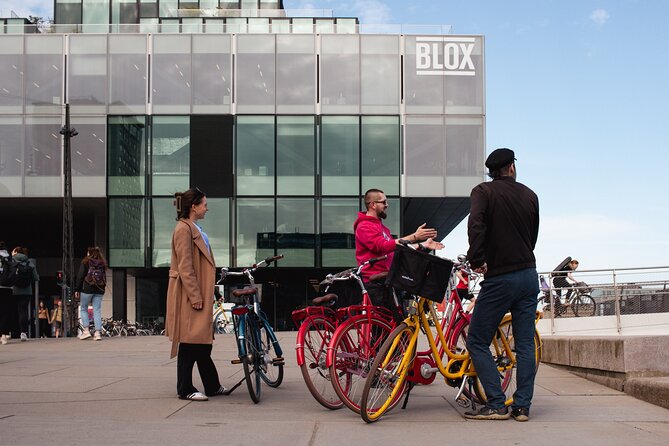
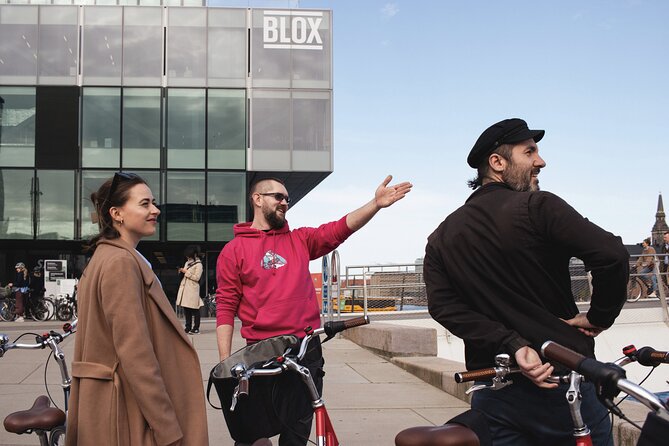
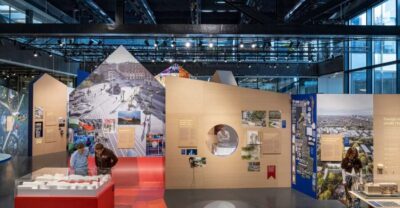
The tour begins with Blox, a mixed-use building near the waterfront. Its design addresses sustainability in technical and social ways, and the Danish Architecture Center is its most prominent occupant. If you want to know what exhibitions are currently on, check the center before your ride, since the tour itself allows only about 10 minutes here and does not include admission.
Blox is useful as an opening stop because it frames the whole ride. You are looking at a building designed not only as an object, but as part of a city district. The guide can connect its public functions to Copenhagen’s wider push to make the harbor a place for everyday life.
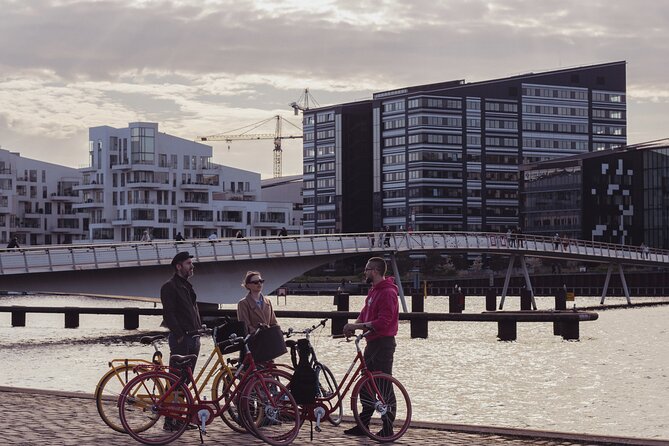
A short ride brings you to Lille Langebro, a bridge for pedestrians and cyclists. It is one of several new crossings that help replace the old image of Copenhagen’s harbor as a working zone reserved for ships and industry.
You will spend only about five minutes here. That is enough to understand the bridge’s role, but not enough for an extended architectural study. The waterfront can also be crowded during the summer, especially around the inner harbor. If you dislike busy public spaces, this early section may feel less relaxed than the later stops.
Islands Brygge and the social side of city design
At Havnebadet Islands Brygge, the guide explains how the harbor bath changed Copenhagen’s relationship with its water. When it opened in 2003, it helped turn the harbor from an industrial edge into a place for recreation.
The stop lasts about 10 minutes. The point is not simply to look at a swimming facility. It is to see how a city can make a once-neglected waterfront part of normal public life. The harbor bath also gives you a useful contrast with the bridges: one improves movement, the other encourages people to stay.
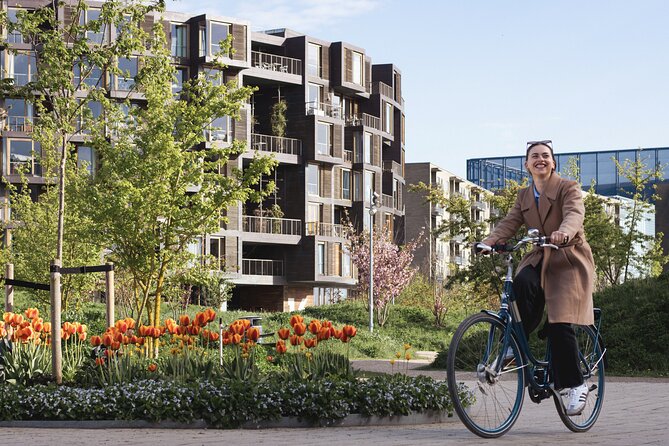
The Tietgen Residence Hall shifts the discussion from public space to private life. The building houses 400 people and is designed to balance personal independence with a shared community. Rooms are small and include washrooms, while living rooms, kitchens, and other amenities are shared by some or all residents.
This is one of the tour’s most useful stops because it puts social sustainability into concrete terms. You see how the size of a private room can be offset by generous common areas. The visit lasts around 10 minutes, so the guide’s explanation matters more than a slow architectural inspection.
You should not expect to enter every building on the route. The focus is on exterior design, planning choices, and the way each place functions in the city.
DR Koncerthuset and the wide-open ground of Amager Fælled
DR Koncerthuset brings a different kind of public building into the route. It contains an 1,800-seat concert hall, home to the Royal Symphony Orchestra, along with smaller stages and recording studios.
The stop lasts about 10 minutes. It gives the ride a cultural angle and shows how a major performance building fits into the wider story of Copenhagen’s recent development. Even if you are not attending a concert, the building helps break up the series of bridges, housing projects, and parks.
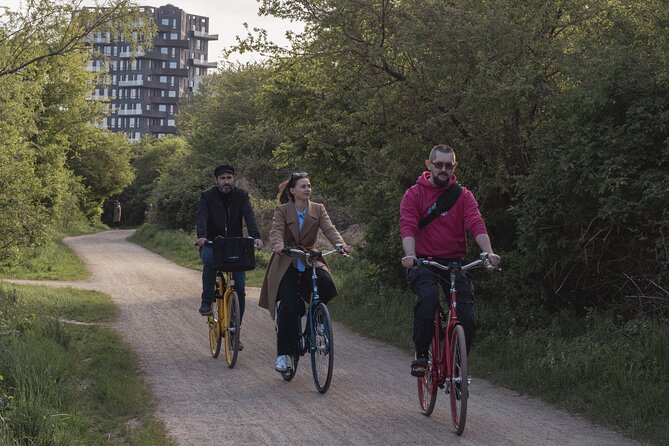
The route then reaches Amager Fælled, where the tone changes. This open area was used by the military from the 1700s until the 1950s as a training ground and shooting range. It later served as a garbage dump, a history reflected in the old local joke that Amager was lorteøen, or shit island.
Today, Amager Fælled is a rare patch of relatively untouched nature within Copenhagen, although much of the ground is artificially reclaimed land. That contradiction makes it an especially interesting stop. You are not being shown a spotless green success story. You are seeing how a difficult piece of land acquired new value over time.
The stop lasts about 15 minutes, the longest pause on the route. It still is not a nature walk. You will have a short look and explanation before cycling onward, but the change from dense urban streets to open ground is welcome.
A few more architecture tours around the world worth a look
- Chicago Architecture River Cruise
★ 5.0 · 15,756 reviews - Chicago River 90-Minute Architecture Tour
★ 4.5 · 9,629 reviews - Chicago Architecture Center River Cruise aboard First Lady
★ 5.0 · 5,536 reviews - Chicago: Architecture River Cruise Skip-the-Ticket Line
★ 4.8 · 4,325 reviews
Cykelslangen: a clear lesson in bike-first planning
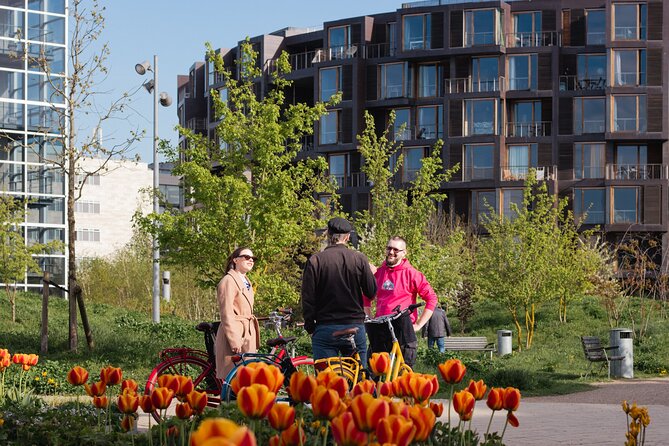
Cykelslangen is one of the most memorable parts of the ride. Together with Bryggebroen, it was among the first harbor crossings built exclusively for cyclists.
The design solves a simple problem: bikes need a direct route, not a winding detour designed around cars and pedestrians. Riding across it lets you feel the practical effect of bike-first planning instead of merely hearing about it.
The stop takes about 10 minutes, with additional time spent riding from place to place. Your guide can point out how the bridge connects different parts of the harbor and why dedicated crossings matter in a city where cycling is a normal form of transport.
This section also shows why the bicycle format works better than a walking tour. You cover enough distance to compare several districts, yet you are moving at a speed that lets you notice how paths, bridges, and public spaces connect.
Enghave Park and the city’s answer to heavy rain
Enghave Park was created in the late 1920s on former allotment gardens. Its original design is neoclassical, with a bandstand, playground, sports fields, hills, and formal paths.
Between 2017 and 2019, the park was completely redesigned. Its new role includes helping control torrential rain in Copenhagen. The park remains a place for play and recreation, but it also works as part of the city’s drainage system.
This is a strong example of the tour’s approach. Sustainability is not presented as a separate eco-zone. It is built into a familiar public park, where stormwater control must coexist with sports, leisure, and daily city life.
You will spend about 10 minutes here. That is enough to understand the main idea, but you will not have time to explore every corner of the park. If flood control and urban engineering interest you, listen closely to the guide’s explanation and consider returning independently.
Absalon and the Meatpacking District
Folkehuset Absalon occupies a former church that was converted into a privately run community center. The stop is brief, about five minutes, but it adds another example of reuse.
The building shows how an older structure can take on a new public role without being treated only as a historic shell. Here, the focus is on community use rather than a grand architectural statement.
The Meatpacking District, known as Kødbyen, takes you into Copenhagen’s industrial past. The city planned it to create more sanitary and healthier conditions for the meat trade as Copenhagen grew. It expanded through several building phases, leaving a visible record of industrial architecture from the 19th and 20th centuries.
You will spend about 10 minutes here. The district has a different feel from the newer harbor projects, and that contrast is important. Copenhagen’s present-day planning did not replace everything old. In many places, the city adapted older structures and found new uses for them.
Israel’s Square and Ørstedsparken: markets, walls, and water
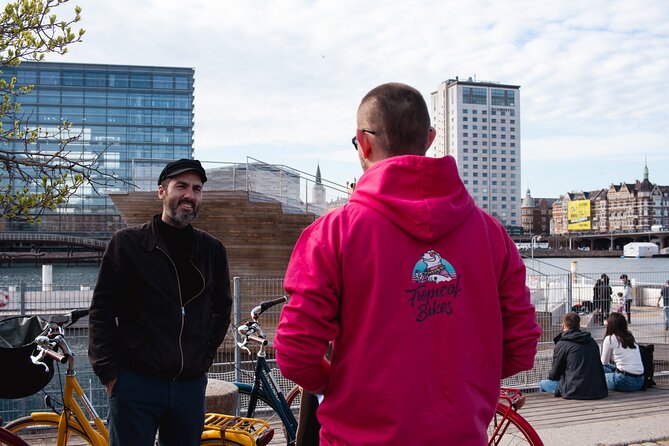
Israel’s Square, beside Torvehallerne, is now a meeting point for food lovers. Its past is less polished. A farmer’s market occupied the area from the 1890s until the 1950s, after which the space became a huge parking lot.
The current square reflects another shift in city priorities, away from giving every central space to cars and back toward public use. You get about 10 minutes here, enough to connect the market, the square, and the broader question of what central land should do.
The last major stop is Ørstedsparken, an early example of urban reuse. It was once part of Copenhagen’s defenses outside the city walls. After the walls were removed, the area became a park, with sections of the old moat retained as a lake.
Its hills and crooked paths give it a more informal feel than Enghave Park’s neoclassical layout. The stop rounds out the tour by showing that sustainability can mean reusing old infrastructure, not just building new green technology.
The pace, bikes, and practical demands
The tour lasts about three hours, including roughly 11 kilometers of cycling between stops. The listed stop times add up to less than the full duration, so much of the experience is spent riding through Copenhagen.
That pace suits you if you want to cover ground efficiently. It may feel rushed if your ideal tour means lingering at each building, taking many photographs, or going inside attractions. This is a moving overview with selected pauses, not a series of museum visits.
A moderate fitness level is required. Copenhagen is bike-friendly, but you still need to feel comfortable riding in city traffic and staying with a group. A free helmet is available on request. An e-bike upgrade may be worth considering if you are concerned about stamina, though it must be reserved in advance.
The tour is offered in English and uses a mobile ticket. It starts and ends at Vester Voldgade 2, near public transportation. The group limit of 15 is a real advantage: large enough for a social outing, small enough for the guide to keep the group together and answer questions.
The experience requires good weather. If poor weather cancels the ride, you are offered another date or a full refund. You can cancel for a full refund up to 24 hours before the start time. The same 24-hour cutoff applies to changes.
Should you book this Copenhagen architecture ride?
Book it if you want to understand Copenhagen as a working city rather than a postcard. You will see how bridges, housing, parks, old industrial buildings, and public facilities fit into a long shift toward cycling, shared space, reuse, and climate planning.
I would especially recommend it for first-time visitors, architecture fans, urban-planning students, and anyone with only a few days in the city. It is also a good choice if you want a guide to explain what you are seeing instead of simply renting a bike and guessing.
Think twice if you dislike riding for several hours, want indoor attractions, or prefer a slow walking tour with long stops. Summer crowds around the inner harbor can also reduce the calm of the opening section.
For most active visitors, the $72.57 cost is fair because it combines equipment, local guidance, and a route that would take real effort to design alone. The best reason to book is not one landmark. It is the clear picture you gain of how Copenhagen is trying to make daily city life cleaner, more social, and easier to navigate by bike.
FAQ
How long does the Copenhagen architecture and sustainability tour last?
The tour lasts approximately three hours, including the cycling between stops.
How far do you cycle?
You cycle roughly 11 kilometers between the stops.
Where does the tour start?
The meeting point is Vester Voldgade 2, 1552 København, Denmark.
Where does the tour end?
The activity ends back at the same meeting point.
Is a bicycle included?
Yes. Use of a bicycle is included in the tour price.
Are helmets available?
Free bicycle helmets are available upon request.
Is the tour offered in English?
Yes. The tour is offered in English.
How large is the group?
The group is limited to a maximum of 15 people.
Can children use a bicycle?
Children’s bikes in different sizes are available, but you should contact the provider to confirm availability.
What happens if the weather is poor?
The tour requires good weather. If it is canceled because of poor weather, you are offered a different date or a full refund.
Just added around the world
- Wilmington History and Architecture Tour★ 4.8 · 18 reviews
- Washington, DC: Georgetown Architecture Walking Tour★ 5.0 · 8 reviews
- New Orleans : Garden District Architecture Walking tour★ 4.8 · 5 reviews
- Washington DC: Dupont Circle & Embassy Row Architecture Tour★ 5.0 · 6 reviews
- Vicenza: discovering the city of Palladio by e-bike★ 5.0 · 4 reviews
- Vicenza: Palladian Architecture Private Walking Tour★ 3.3 · 3 reviews
- Walk & Discover KL’s Architectural and Heritage Gems★ 5.0 · 7 reviews
- Unveiling Brno: History, Culture & Architectural Delights★ 5.0 · 2 reviews
Copenhagen Architecture Tours, compared.
Copenhagen: Danish Architecture Center Entrance Ticket
Read our review →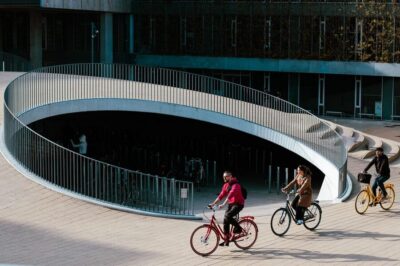
Copenhagen: Guided Architecture and Sustainability Tour
Read our review →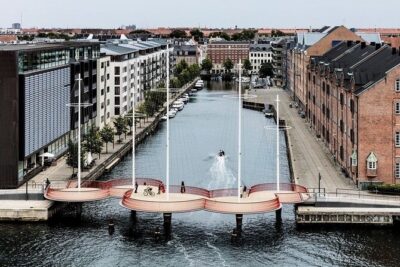
Copenhagen City, Old Town, Nyhavn, Architecture Walking Tour
Read our review →Copenhagen City, Old Town, Nyhavn, Architecture Walking Tour
Read our review →
Copenhagen: Danish Design and Architecture Walking Tour
Read our review →Browse the lists this tour appears in