
Review · NEW YORK CITY
Chelsea Architecture and Art Tour with Award Winning NYC Guide
Chelsea is where New York’s old industrial bones meet its newest art and architecture. This two-hour walk takes you from the Whitney Museum and Meatpacking District toward the High Line, with stops to discuss buildings by Frank Gehry, Jean Nouvel, Zaha Hadid, and other major architects. I like the way the tour connects striking new structures with older Chelsea homes and converted industrial spaces. I also like the chance to step into one or two important gallery exhibitions from September through June.
The small group, capped at 10 people, should make it easier to ask questions. Guide Merrily is a licensed New York City guide and a member of AICA USA, and the tour’s strongest praise centers on her clear, professional answers. The main drawback is that the walk takes place almost entirely outdoors, rain or shine, and the exact meeting point is confirmed only one week before departure.
Key details at a glance
- Frank Gehry, Jean Nouvel, and Zaha Hadid: See major contemporary buildings while learning how their designs fit into Chelsea and the Meatpacking District.
- The High Line from street level and nearby: Follow the story of the former rail line, its park conversion, and its public sculpture program.
- Chelsea’s gallery district: From September through June, the route may include one or two important current exhibitions.
- A compact two-hour format: The tour covers several subjects without taking up most of your day.
- A maximum of 10 people: The small group suits anyone who prefers questions and conversation over a large crowd.
- $49 with free cancellation up to 24 hours ahead: The price is reasonable for a specialist-led walk, especially if the gallery stops operate on your date.
Why this walk works for art and architecture fans
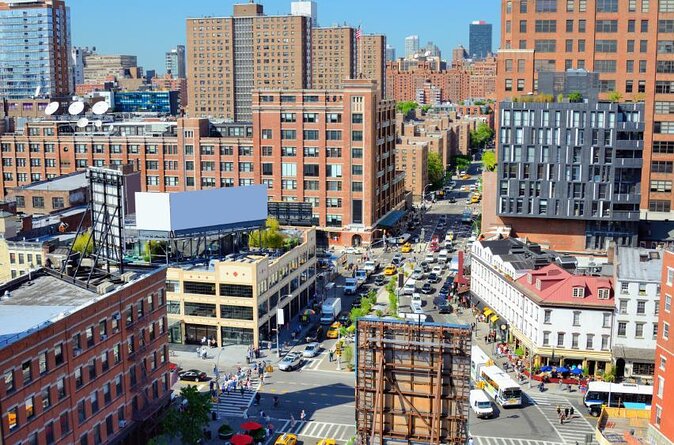
Many New York sightseeing walks treat buildings as background scenery. This one makes them the subject. You move through a part of Manhattan where a former industrial district, a major public park, new apartment buildings, museums, galleries, and handsome older structures all sit within a fairly compact area.
That mix gives the tour more range than a simple museum visit. You are not only looking at finished works inside a gallery. You are also considering how architecture changes the way a neighborhood feels, how public art works outdoors, and how Chelsea has shifted over time.
I especially like the connection between the architecture and the area’s cultural life. Frank Gehry, Jean Nouvel, and Zaha Hadid each brought a different visual language to New York. Seeing examples of their work in the same general area gives you a useful basis for comparison, even if you are not an architecture specialist.
The tour is also designed for a broad audience. You do not need a degree in art history or a working knowledge of modern architecture. The guide explains what you are seeing while giving you a larger sense of Manhattan’s changing identity.
More guided tours in New York City:
- Barcelona: Sagrada Familia Entry Ticket with Audio Guide
★ 4.6 · 105,312 reviews - Fast Track Sagrada Familia Guided Tour
★ 4.5 · 8,795 reviews - Chicago River: 1.5-Hour Guided Architecture Cruise
★ 4.8 · 8,046 reviews
Starting near the Whitney Museum
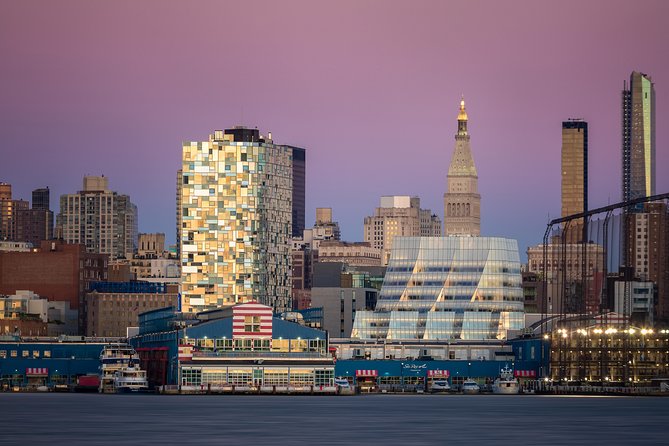
The walk begins in Lower Manhattan, in the 10014 ZIP code, around the Meatpacking District and the Whitney Museum of American Art. The precise meeting point is confirmed by email one week before the tour, so you should check that message instead of relying only on the general Lower Manhattan address.
The Whitney is an apt starting point. Its presence helps frame the area as a center for American art, while its building provides an immediate point of discussion for modern museum design. The tour does not list museum admission as part of the price, and the stop is shown with no admission ticket charge for the walking experience. If entering the museum is important to you, confirm the arrangement before booking rather than assuming your $49 includes an indoor museum visit.
From here, the guide places the surrounding streets in context. The Meatpacking District is not presented only as a fashionable address. You will hear about its earlier role and the changes that brought galleries, restaurants, design spaces, and new construction into the area.
That context matters. A building can look impressive on its own, but it becomes more interesting when you understand what occupied the site before it and why the neighborhood changed. The walk’s focus on both the past and present helps prevent Chelsea from becoming just a photo stop.
Comparing New York’s star architects
The architectural portion is one of the clearest reasons to book this experience. You see contemporary work linked to Frank Gehry, Jean Nouvel, Zaha Hadid, and other internationally known architects.
The guide’s job here is not simply to point at unusual shapes. You can expect a discussion of how these buildings relate to the streets around them and how their materials, forms, and scale affect the neighborhood. That is useful because modern architecture can be hard to read at first glance. A sharp explanation can turn a strange facade into a series of choices you can understand.
Gehry, Nouvel, and Hadid are not interchangeable names. Their work has different visual qualities, and seeing examples in one walk gives you a chance to compare them directly. You might pay attention to lines, curves, surface treatments, windows, and the way each building meets the pavement.
The tour also keeps the older architecture in view. Chelsea has 19th-century residences and buildings that add a different rhythm to the streets. This contrast is important. New York’s architectural story is not only about the latest bold structure. It is also about what survives beside it and how old and new buildings share limited urban space.
If you enjoy taking photographs, you should find plenty to notice. Still, the point is not just collecting dramatic pictures. The best value comes from learning what makes the buildings distinctive and why they matter in this particular part of Manhattan.
Walking beside the High Line
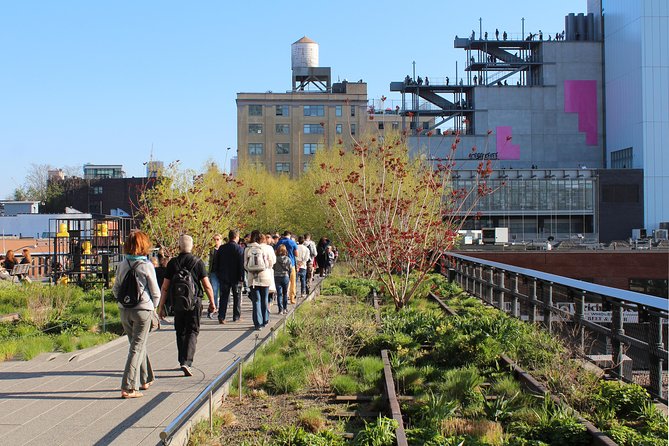
The route heads north on and near the High Line. This former rail line is now a raised public park, and the tour explains how that change affected Chelsea.
The High Line offers a useful case study in city planning. It is both a place to walk and a piece of infrastructure with a past life. The guide discusses its history and the public sculpture program, giving you two ways to view the park: as a practical urban project and as an outdoor cultural setting.
Because the walk takes place on and near the High Line, you should expect changing views of the park and its surroundings rather than a long, dedicated High Line visit. The route’s purpose is to connect the park to the neighborhood’s buildings, galleries, and older streets.
The public sculpture is another strong feature. Outdoor art changes how people move through a space, and the High Line provides an unusual setting for that work. You can consider how a sculpture looks against the city, how it interrupts a walking route, and how temporary or changing art keeps a familiar place from feeling fixed.
The High Line is popular, so the route may not feel quiet or private. That is part of the setting. If you want a calm, empty walk, this may not be the best fit. If you want to understand why the park matters to Chelsea, its activity becomes part of the experience.
A few more architecture tours around New York City worth a look
- Manhattan Architecture Yacht Cruise
★ 5.0 · 1,395 reviews - NYC: Around Manhattan Official NYC Architecture Cruise
★ 4.8 · 402 reviews - Art Deco and Architecture Midtown Landmarks Tour
★ 5.0 · 142 reviews - Tribeca Architecture And History Walking Tour
★ 5.0 · 141 reviews
Chelsea’s galleries from September through June
Chelsea is New York’s largest art gallery district, and the tour may include one or two important exhibitions during the art season from September through June. These visits are included without an additional admission charge listed for the tour.
This seasonal element gives the walk a welcome sense of discovery. Instead of discussing galleries only from the sidewalk, you may enter a beautifully repurposed building or a newer gallery space and see what is currently being shown. The exhibitions change, so the indoor portion will vary depending on the date.
That flexibility is both a benefit and a limitation. You are not booking a guaranteed exhibition by a named artist. You are booking the chance to see one or two significant current shows selected for the route. If you want a fixed museum collection or a precise list of artists, choose a museum tour instead.
For someone new to Chelsea’s gallery scene, this can be a good introduction. Galleries can feel intimidating if you are unsure which doors to enter or which shows matter. Having a guide explain the exhibition and the building can make the district easier to approach on your own later.
The art season also affects the tour’s value. From September through June, the possibility of gallery visits adds an indoor cultural stop to an otherwise outdoor walk. In July and August, you should expect the architecture, High Line, public sculpture, and neighborhood history to carry more of the experience.
What the small group adds
The tour accepts no more than 10 people. That limit is important on a walk built around details. A guide can point out a building or sculpture, but the experience works better when you can hear the explanation and ask a follow-up question.
The small size also suits the material. Architecture and art often raise questions that do not have one simple answer. You may want to ask why a building was designed in a certain way, how a neighborhood changed, or what makes one gallery exhibition more important than another.
Merrily is named as one of the guides, and the strongest praise focuses on her professional answers and comfortable manner. That combination matters. A guide can know a lot but still make a walking tour feel stiff. Here, the available feedback points to an approachable guide who handles questions well.
Because the guide is licensed by New York City’s Department of Consumer Affairs and belongs to AICA USA, the tour has a clear professional and art-focused foundation. Those credentials do not guarantee that every subject will match your taste, but they do signal a guide with relevant training and experience.
Timing, walking conditions, and practical comfort
The tour begins at 11 a.m. and lasts about two hours. That timing fits neatly into a morning or afternoon in Manhattan. You could schedule it before lunch, continue exploring Chelsea afterward, or use it as an introduction before visiting galleries or museums on your own.
The route ends near 10th Avenue in the mid-20s. Since the start is in Lower Manhattan and the finish is farther north, you should expect a one-way walk rather than a return to the starting point. That is convenient if you plan to continue around Chelsea, but less convenient if you leave a bag or other item near the starting area.
Tours operate rain or shine and are almost entirely outdoors. Wear shoes suited to a city walk, bring weather protection, and check the forecast before you leave. The supplied details do not give a precise distance or step count, so anyone who needs that information should ask the provider before booking.
The route is near public transportation, which makes it easier to reach and easier to leave from the end. The tour allows service animals, and most people can participate. The most important practical issue is weather, not special equipment.
The exact starting location arrives by email one week before the tour. Keep an eye out for that message. Lower Manhattan and the Meatpacking District cover enough ground that a general address may not be sufficient for a stress-free arrival.
Is $49 a fair price?
At $49 per person, the tour is reasonably priced for a two-hour walk led by a licensed guide with an art and architecture focus. You are paying for interpretation, not transportation or a long list of paid admissions.
The price becomes more attractive if your tour includes one or two gallery exhibitions during the September to June season. Since the galleries are free to enter on this experience, you can see more without adding ticket costs. The value is less about the number of stops and more about getting a useful explanation of what you are seeing.
The tour does not include a meal, transportation, or a stated Whitney admission ticket. You should budget separately for anything you want to do after the walk. That is not a flaw, but it keeps the price in perspective.
For comparison, a self-guided walk costs less in cash but requires you to research the architects, neighborhood changes, High Line history, and current gallery shows yourself. If you value a clear narrative and the chance to ask questions, $49 is a fair trade.
Free cancellation up to 24 hours before the 11 a.m. start gives you some flexibility. Cancel later than that and the payment is not refunded, so do not wait until the last minute if the forecast looks poor.
Who should book this Chelsea walk?
I would recommend it to you if you want art and architecture explained together rather than treated as separate subjects. It suits first-time visitors who want a strong introduction to Chelsea, as well as repeat New York visitors who have walked the High Line but never considered the buildings and galleries around it in much detail.
It is also a good choice for people who prefer a small, conversational group. A maximum of 10 participants gives the guide room to respond to questions, and the focus on current exhibitions adds variety during the main art season.
You may want a different experience if you need a fully indoor activity, a guaranteed museum entry, or a fixed exhibition schedule. The tour is weather-dependent in practice because it is almost entirely outside, even though it runs in all conditions.
Art specialists may find the route rewarding, but you should check how much depth you want. Two hours can introduce a neighborhood and several major ideas, but it cannot cover every gallery, building, or architectural debate in Chelsea.
Should you book it?
Book this tour if you want to understand how the Whitney, the High Line, Chelsea’s galleries, older buildings, and bold new architecture fit together. The best reasons are the small group, the chance of gallery visits from September through June, and Merrily’s reported ability to answer questions in a clear, professional way.
Skip it if your priority is spending two hours inside the Whitney or taking a quiet walk with no fixed schedule. For everyone else, $49 buys a focused look at one of Manhattan’s most interesting art and architecture districts, with enough neighborhood context to make your later exploring more rewarding.
FAQ
How long does the Chelsea Architecture and Art Tour last?
The tour lasts approximately two hours.
What time does the tour begin?
The tour starts at 11 a.m.
Where does the tour begin and end?
It starts in Lower Manhattan, New York, in the 10014 ZIP code. It ends near 10th Avenue in the mid-20s. The exact starting location is confirmed by email one week before the tour.
Is the Whitney Museum admission included?
The tour information lists the Whitney Museum as a stop and shows no admission ticket charge for the walking experience. It does not state that a museum admission ticket is included, so confirm the entry arrangement before booking.
Does the tour visit art galleries?
From September through June, the tour may include one or two important current exhibitions in Chelsea galleries. The specific exhibitions are not fixed in advance in the supplied details.
Can I cancel for a full refund?
Yes. You can cancel for a full refund if you do so at least 24 hours before the experience start time. Cancellations or changes made less than 24 hours before the start are not refunded or accepted.
Just added around New York City
- Race to the Sky: NYC Architecture Tour With SUMMIT One Ticket★ 5.0 · 3 reviews
- New York Upper West Side Art and Architecture Tour★ 5.0 · 4 reviews
- Private Flatiron Food, History and Architecture Tour★ 5.0 · 8 reviews
- New York Upper East Side Art and Architecture Tour★ 5.0 · 3 reviews
- Custom Private New York Architecture, Art and City Tour★ 5.0 · 3 reviews
- Chelsea and the High Line NYC Architecture Walking Tour★ 5.0 · 6 reviews
- Midtown North NYC Architecture Walking Tour★ 5.0 · 28 reviews
- New York Midtown South Art and Architecture Tour★ 5.0 · 2 reviews
New York City Architecture Tours, compared.
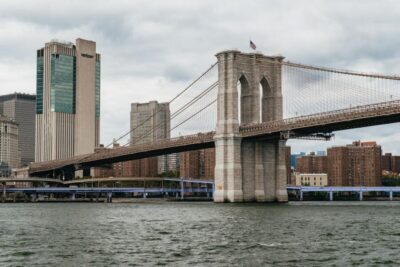
NYC: Around Manhattan Official NYC Architecture Cruise
Read our review →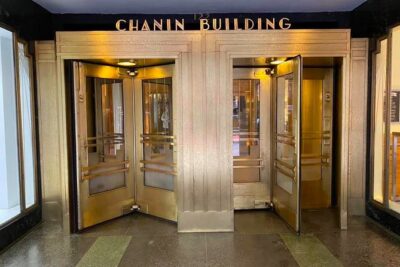
Art Deco and Architecture Midtown Landmarks Tour
Read our review →

New York City The Official Rockefeller Center Tour
Read our review →
New York City: Art Deco and Architecture Landmarks Tour
Read our review →
New York City: Flatiron Food, History, and Architecture Tour
Read our review →Browse the lists this tour appears in