
Review · NEW YORK CITY
New York City: Flatiron Food, History, and Architecture Tour
Flatiron’s best feature is how much New York you get in a small area. In three hours, you move from Eataly’s Italian food hall to Madison Square Park, the Flatiron Building, Union Square, and several local food stops, with architecture and neighborhood stories tying it all together. The food is the hook, but the city context is the real meal.
I like the small group of no more than 10, which gives the guide room to answer questions and keep the walk personal. I also like that the tastings add up to enough food for lunch, rather than leaving you hunting for a meal the moment the tour ends. Guides such as Justin have used an iPad slide presentation to make the history easier to follow.
The main consideration is that the tour includes several tasting stops, but only four food tastings are formally included, and the exact serving size or order can vary. Adult drinks and souvenirs cost extra, so this is best viewed as a guided food walk with a meal-sized sample menu, not a full restaurant crawl.
Key points at a glance
- Eataly starts the tour with Roman-style pizza and an introduction to the building and its Italian food market.
- Madison Square Park offers the signature Flatiron Building photo stop, plus a lesson in the district’s architecture.
- Zucker’s Bagels serves a modern take on the Reuben, giving you a New York classic in a less expected form.
- Honeybrains and Devocion add a modern food angle, with brain-food ideas and a coffee sample.
- Union Square Greenmarket connects food with local environmental work through the Lower Eastside Ecology Center.
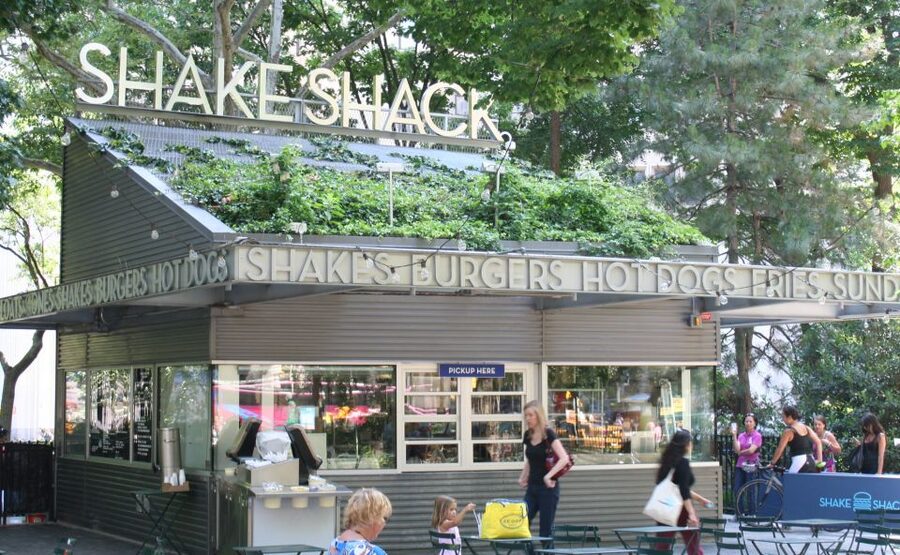
- Bread’s Bakery finishes the walk with award-winning pastries, and the total distance is less than a mile.
Why Flatiron makes such a good food walk

Flatiron is a smart choice for this kind of tour because the food, architecture, and public spaces sit close together. You are not spending half the morning in a van or racing between far-flung addresses. The route covers less than a mile, though you should still wear comfortable shoes because you will be on your feet for three hours.
The neighborhood also gives the guide plenty to talk about. Madison Square Park and the Flatiron Building provide the classic New York views, while Eataly, Zucker’s, Honeybrains, Devocion, and Bread’s Bakery show how the district eats today. That mix keeps the tour from becoming either a pure restaurant sampler or a dry architecture lecture.
The experience usually runs in the morning, which works well for two reasons. You can treat the tastings as lunch, and you still have most of the day left for museums, observation decks, shopping, or another part of Manhattan. If you prefer a late breakfast, eat lightly first.
A few more architecture tours around New York City worth a look
- Private Flatiron Food, History and Architecture Tour
★ 5.0 · 8 reviews - Barcelona Gothic Quarter Tapas & Taverns Food & Wine Tour
★ 5.0 · 1,470 reviews - Chicago in a Day: Food, History & Architecture Walking Tour
★ 5.0 · 1,153 reviews
Meeting your guide beside Eataly
The meeting point is very specific: look for the freestanding gold clock across from Eataly at 200 Fifth Avenue, between 23rd and 24th Streets. It is across from the Eataly Gelato entrance, beneath the large black awning, near the entrance to the 200 Fifth Avenue office building.
Arrive five to 10 minutes early. The clock is a better landmark than simply saying Eataly, since the building has several entrances and plenty of foot traffic around it.
The tour is conducted in English. Justin appears often as the guide, and past tours have also been led by Jesse and Kate. Justin has been praised for using an iPad slide presentation during the history portion, a useful touch when the guide wants to show earlier views or architectural details instead of relying only on verbal descriptions.
With a maximum of 10 people, you should be able to hear the guide and ask questions without shouting. That group size also matters inside food stops, where a large crowd can make ordering and tasting awkward.
Roman-style pizza and the Eataly introduction
The first food stop is Eataly, the large Italian food emporium associated with Mario Batali in the supplied tour details. You begin with a slice of Roman-style pizza, then learn about the building before exploring the market.
Roman-style pizza is a good opening taste because it differs from the thin, foldable New York slice many visitors expect. The thicker, airy style gives you a clear sense that this tour is not simply checking off familiar New York foods. It starts with an Italian influence that has become part of the city’s modern food culture.
Eataly itself can feel like a food destination rather than a single shop. The guide’s explanation gives the place some context before you wander through its market areas. That matters because a large food hall can otherwise become a blur of counters, products, and people.
Do not expect unlimited time to browse or shop. The goal is a guided tasting and neighborhood walk, not an open-ended market visit. If you see something you want to buy, remember that souvenirs are not included and purchases are your responsibility.
Madison Square Park and the Flatiron Building
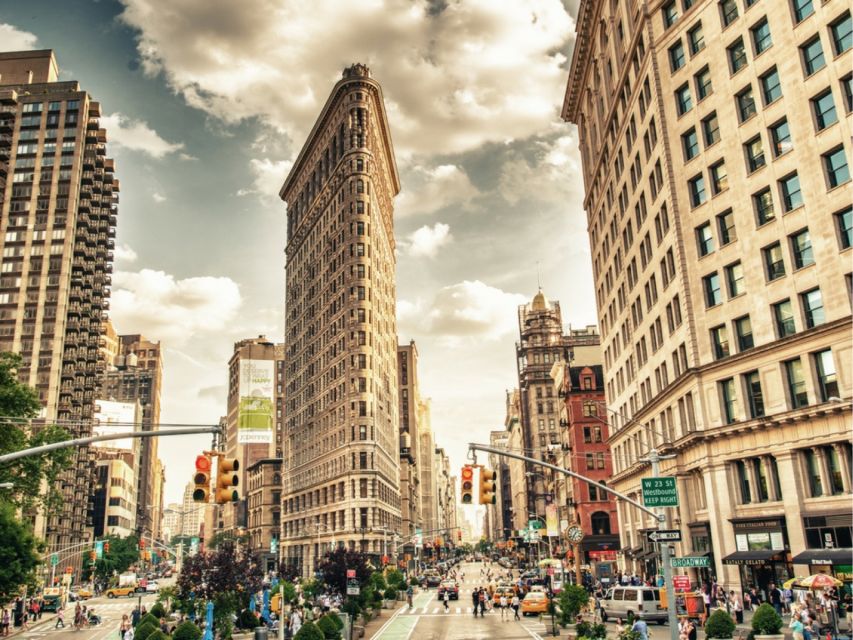
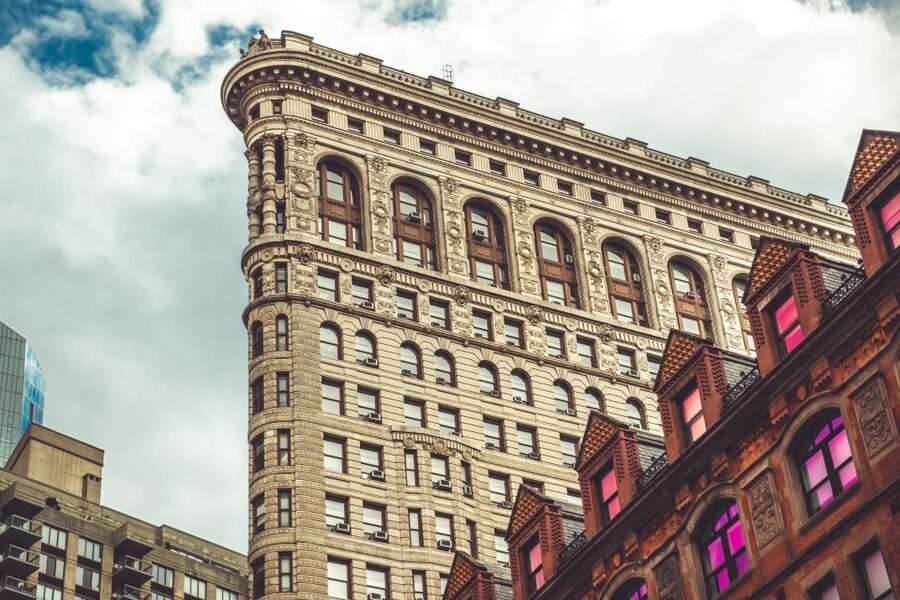
After Eataly, the route heads toward Madison Square Park. This is the main architectural pause, and it gives you time to take photographs of the Flatiron Building while the guide explains its place in the district.
The Flatiron Building is the visual centerpiece of the walk. Its narrow triangular form makes it one of New York’s most recognizable buildings, but a photo stop becomes more useful when you understand the surrounding streets and the reasons the area developed the way it did. Guides such as Justin have focused strongly on local architecture, which suits this part of the tour.
This section is not a separate museum visit, and you are not promised interior access. Think of it as an outdoor lesson with time for pictures. If you like city design, old commercial buildings, and stories about how neighborhoods change, this may be the strongest non-food portion of the morning.
Madison Square Park also provides a welcome pause between tastings. You are still walking, but the route is leisurely rather than a forced march. The tour information says the total walk is less than a mile, though standing at several stops can make comfortable shoes just as important as the distance suggests.
Same city, a completely different century:
- Manhattan Architecture Yacht Cruise
★ 5.0 · 1,395 reviews - NYC: Around Manhattan Official NYC Architecture Cruise
★ 4.8 · 402 reviews - Art Deco and Architecture Midtown Landmarks Tour
★ 5.0 · 142 reviews - Tribeca Architecture And History Walking Tour
★ 5.0 · 141 reviews
Zucker’s Bagels and the Reuben with a New York accent
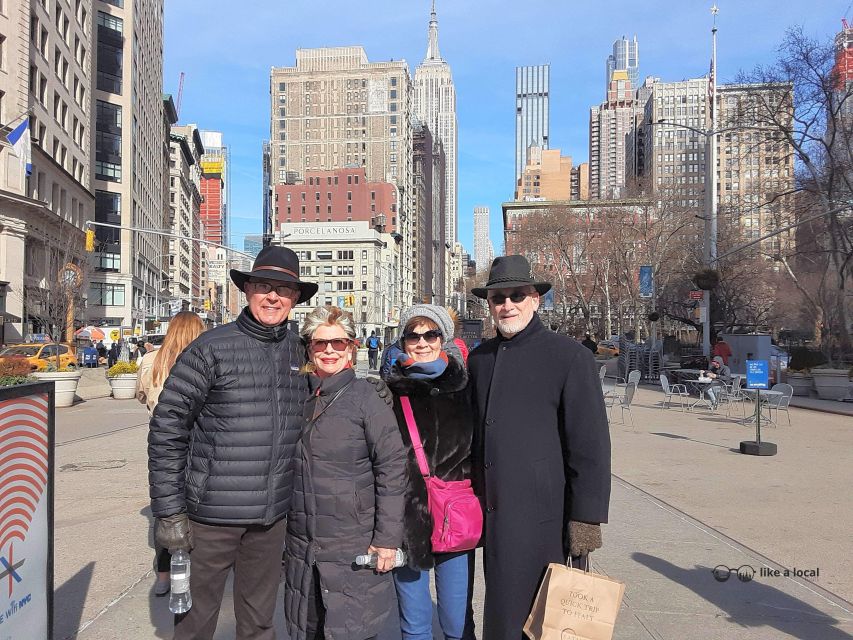
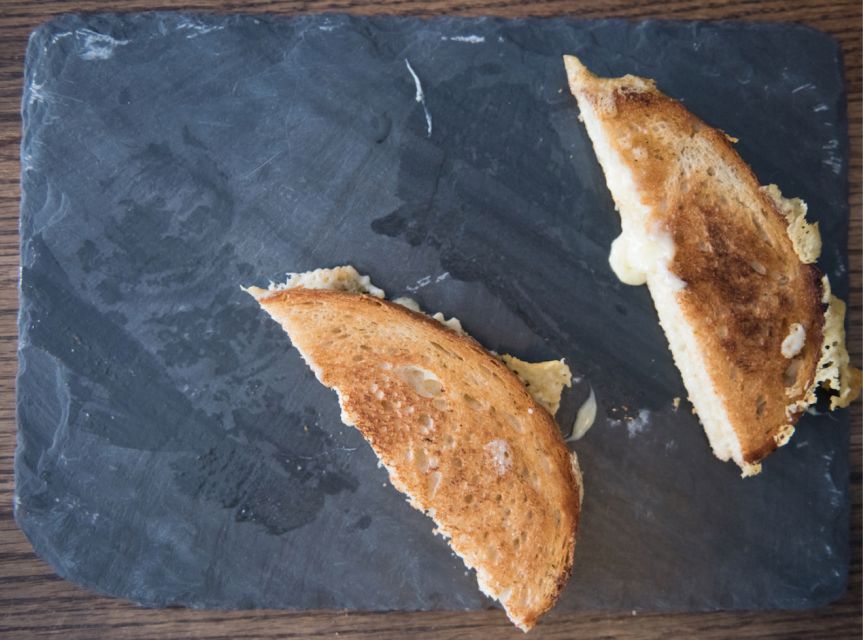
The next notable bite comes at Zucker’s Bagels, where you taste a modern version of the classic Reuben sandwich. It combines the idea of a deli staple with a bagel, giving you something recognizably New York but not quite the standard sandwich format.
This is the kind of stop that makes the tour more useful than a list of famous eateries. You are not just eating a bagel and moving on. The guide can place the food within the city’s broader tradition of Jewish deli cooking and modern twists on familiar dishes, while you get a substantial savory sample.
Portions are meant to build toward lunch. The exact size of a tasting is not specified, so do not assume you will receive a full Reuben sandwich. The food program is described as four tastings overall, with enough food for lunch, and the route also includes several sample stops. If you have a large appetite, a small breakfast beforehand is sensible.
Honeybrains, Devocion, and the modern food stops
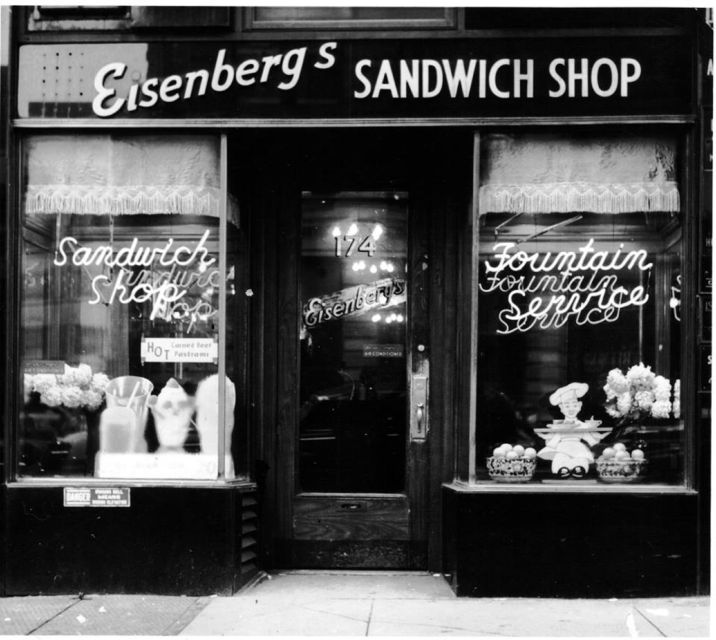
Honeybrains introduces the idea of brain food, a newer approach to eating that focuses on foods linked with mental energy and well-being. This stop gives the tour a present-day counterpoint to the older architecture and traditional Reuben.
The point is less about a single iconic New York dish and more about how city food habits keep changing. Some people will find this contrast especially interesting. Others may prefer the pizza, bagel, and pastry stops, since Honeybrains is a concept-driven visit rather than a classic landmark.
You also receive a coffee sample from Devocion. Coffee is a natural late-tour stop, especially on a morning walk, and it adds a drink to a route otherwise built around solid food. Adult beverages are not included, so do not count on wine, beer, or cocktails as part of the package. You can purchase drinks along the way if available at the stops.
The supplied details name four included food tastings, while the route describes pizza, the Reuben-inspired bagel, Honeybrains, coffee, and Bread’s Bakery. That wording suggests the guide may treat some stops as samples, demonstrations, or part of the included tasting total. If the exact food count matters to you, ask when booking how the four tastings are divided.
Union Square Greenmarket and the Lower Eastside Ecology Center
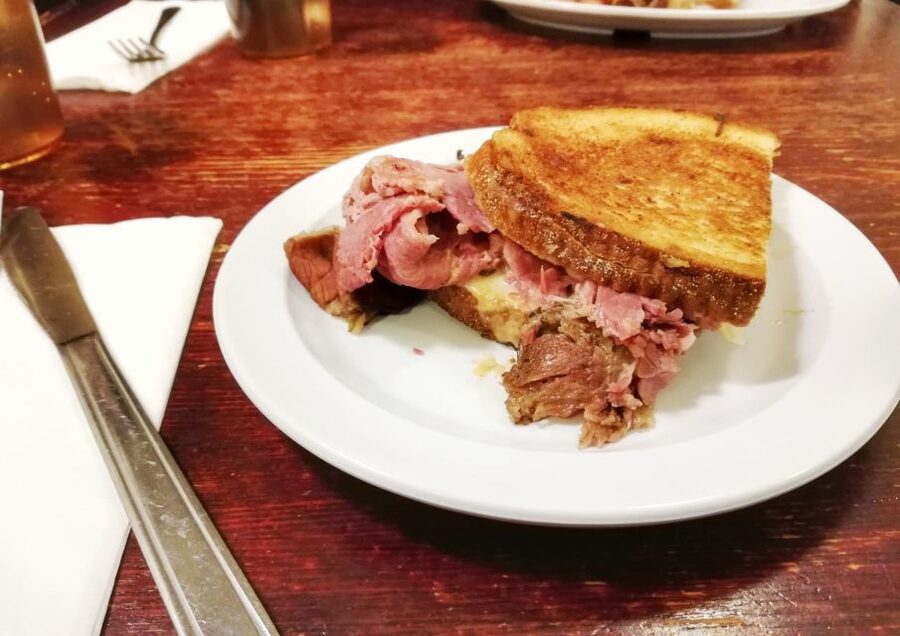
The walk continues to Union Square, one of the city’s key public gathering places. Here, the guide discusses the work of the Lower Eastside Ecology Center at the Greenmarket.
This adds a useful social and environmental layer to the tour. You are not only consuming food; you are also hearing about the systems and community work connected with local markets. That helps explain why Union Square belongs on a food itinerary even when the main attraction is not a restaurant.
The Greenmarket portion is a stroll, not a separate cooking class or market shopping session. You should not expect a full market tour with every vendor explained. Its value is in the connection between local produce, public space, and neighborhood life.
Bread’s Bakery brings the walk to a sweet finish
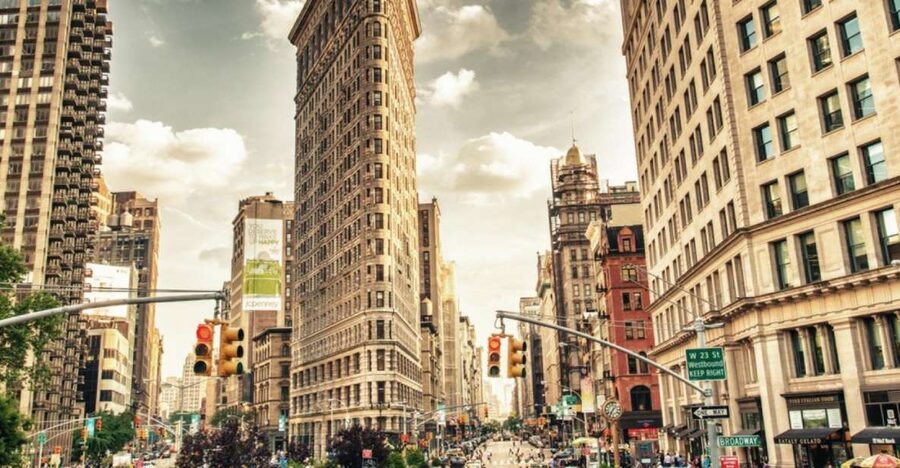
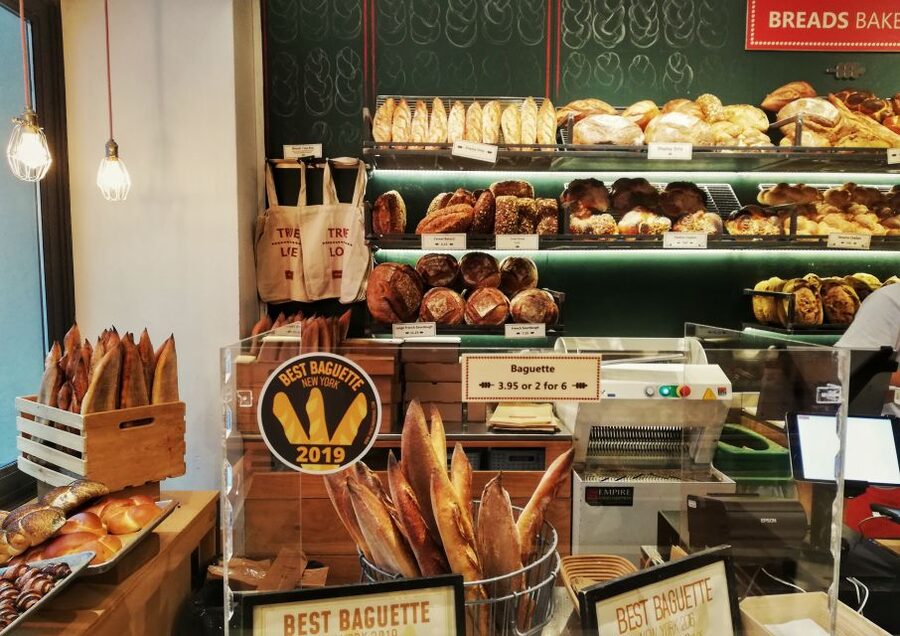
The final stop is Bread’s Bakery, a local favorite known for award-winning baked goods. Pastries make a fitting finish because they provide a clear change from the pizza and savory bagel earlier in the route.
This is also a practical ending. You can finish with coffee and something sweet, then continue your day without feeling that the tour stopped in the middle of a meal. If you want to buy additional pastries, those purchases are not included in the tour price.
The final stop gives the experience a pleasant arc: Italian pizza, New York deli flavors, newer ideas about food, coffee, a public market, and baked goods. It is not a deep study of one cuisine. Instead, it shows how several food traditions share a few compact Manhattan blocks.
What $88 gets you
At $88 per person, this is not the cheapest way to eat in New York. You could buy pizza, a bagel, coffee, and pastry on your own for less. The value comes from combining food with a guide, architecture, neighborhood history, and a planned route that takes less than a mile.
I would consider the price reasonable if you want structure and context. You are paying for four included food tastings, plenty of water, a three-hour guided experience, and a small group capped at 10. The guide also saves you from working out which stops fit together and how to connect Eataly, Madison Square Park, and Union Square on foot.
The value is weaker if you mainly want large restaurant portions or a long list of tastings. Adult drinks are extra, and souvenirs are not included. The tour is most satisfying when you care about the stories behind the food and want a relaxed introduction to Flatiron.
Free cancellation is available up to 24 hours before the start time, and you can reserve now and pay later. Those options help if your Manhattan plans are still shifting.
Who will enjoy this tour most
I would recommend this walk to first-time New York visitors who want more than a landmark photo. It gives you a compact introduction to two well-known neighborhoods without demanding a full day.
It also suits repeat visitors who have seen the major sights but have not spent much time in Flatiron or Union Square. Donna’s experience was especially telling: after the tour, she had a new appreciation for the neighborhood and its places to eat.
Food-focused visitors will appreciate the range, from Roman-style pizza to a Reuben-inspired bagel and pastries. Architecture fans will like the Madison Square Park section and the chance to hear local building stories from a guide who pays attention to design.
Families and mixed-interest groups may also find the format useful. One person can focus on food, another on architecture, and another on city history. The shorter walking distance helps, and the activity is wheelchair accessible, though you should still confirm any personal mobility needs when booking.
You should advise the provider of dietary restrictions at the time of booking. The supplied information does not spell out substitutions, so do not assume every tasting can be changed.
Who should choose another experience
Skip this tour if you want a private guide, a large number of restaurants, or a full day built around food. The group is small, but it is still a shared tour, and the route follows a set three-hour plan.
It may also disappoint you if you want famous New York institutions only. Eataly, Zucker’s Bagels, Devocion, Honeybrains, and Bread’s Bakery offer a mix of established and modern food ideas, but the tour is not limited to old-school deli or pizzeria traditions.
Finally, do not book it as a substitute for an observation deck or major museum. The Flatiron Building is viewed from outside, and the tour’s main reward is the combination of tasting and storytelling at street level.
Should you book the Flatiron food tour?
Book it if you want a small, manageable introduction to Flatiron and Union Square and you value a guide who can connect food with buildings and local history. The strongest parts are the compact route, the meal-sized tastings, the Flatiron Building photo stop, and the personal feel of a group limited to 10.
Justin’s iPad presentation and strong architecture focus may appeal to you if visual history helps you understand a city. Jesse and Kate have also led the experience, and the consistently warm descriptions of the guides point to attentive hosting as a major part of the morning.
At $88, the tour makes sense when you want the city explained as you eat. If you only want the lowest-cost lunch or the biggest portions, spend the money on restaurants instead. For a first look at Flatiron, with food doing the guiding and history filling in the gaps, this is a well-balanced choice.
FAQ
How long is the Flatiron food tour?
The tour lasts three hours and is usually available in the morning.
How far do you walk?
You walk less than a mile, though you should wear comfortable shoes because the experience includes several stops and time on your feet.
Where does the tour meet?
Meet five to 10 minutes early by the freestanding gold clock across from Eataly at 200 Fifth Avenue, between 23rd and 24th Streets.
How do I identify the meeting point?
The clock is across from the Eataly Gelato entrance, beneath the large black awning, near the entrance to the 200 Fifth Avenue office building.
What food is included?
The tour includes four food tastings and plenty of water. The route includes Roman-style pizza at Eataly, a Reuben-inspired bagel at Zucker’s, a Honeybrains stop, a Devocion coffee sample, and pastries at Bread’s Bakery.
Is the food enough for lunch?
The experience is described as including enough food for lunch. Exact tasting sizes are not specified.
Are drinks included?
Plenty of water is included. Adult beverages are not included, but you can purchase them along the way.
What language is the tour conducted in?
The live tour guide speaks English.
Is the tour wheelchair accessible?
Yes, the activity is listed as wheelchair accessible.
Can I cancel for a refund?
You can cancel up to 24 hours in advance for a full refund. You can also reserve now and pay later.
More History Tours in New York City
- Tribeca Architecture And History Walking Tour
★ 5.0 · 141 reviews - TriBeCa Architecture & History Walking Tour
★ 5.0 · 37 reviews - The Story Behind NY’s Evolving Skyline An Architectural Journey Through History
★ 5.0 · 18 reviews - Chelsea Galleries and High Line; Art, Architecture and History
★ 5.0 · 14 reviews
Just added around New York City
- Race to the Sky: NYC Architecture Tour With SUMMIT One Ticket★ 5.0 · 3 reviews
- New York Upper West Side Art and Architecture Tour★ 5.0 · 4 reviews
- Private Flatiron Food, History and Architecture Tour★ 5.0 · 8 reviews
- New York Upper East Side Art and Architecture Tour★ 5.0 · 3 reviews
- Custom Private New York Architecture, Art and City Tour★ 5.0 · 3 reviews
- Chelsea and the High Line NYC Architecture Walking Tour★ 5.0 · 6 reviews
- Midtown North NYC Architecture Walking Tour★ 5.0 · 28 reviews
- New York Midtown South Art and Architecture Tour★ 5.0 · 2 reviews
Historical Tours, compared.
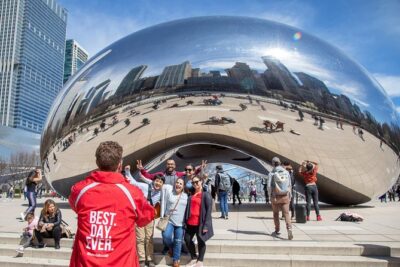
Chicago in a Day: Food, History & Architecture Walking Tour
Read our review →
Kuala Lumpur: Batu Caves & Historic Buildings Tour
Read our review →
Charleston’s Best Highlights: History, Culture & Architecture
Read our review →
Palm Springs Modernism Architecture & History Bike Tour
Read our review →
Charleston: History and Architecture Guided Walking Tour
Read our review →
Historic Georgetown: History, Gossip, & Architecture Walking Tour
Read our review →
Charleston History, Homes, and Architecture Guided Walking Tour
Read our review →
Browse the lists this tour appears in