
Review · NEW YORK CITY
Manhattan Architecture Yacht Cruise
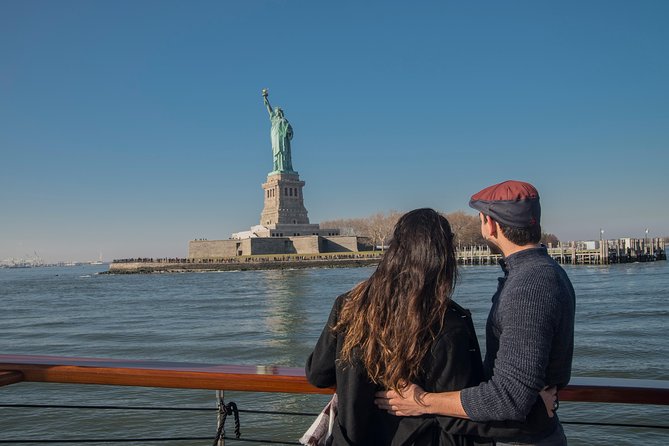
New York’s skyline makes more sense from the water. On this 2-hour-45-minute yacht cruise, you circle Manhattan, pass under all 18 connecting bridges when conditions allow, and hear an AIA New York guide explain why the city looks the way it does. The boat gets close to the Statue of Liberty, Chrysler Building, Woolworth Building, One World Trade Center, Roosevelt Island, and the George Washington Bridge.
I like two things especially. First, the 1920s-style yacht gives the trip a pleasant sense of occasion without turning it into a flashy party boat ride. Second, the narration has real substance. Guides such as John, Jenny, Ginny, and Doug have been praised for making architecture, city planning, neighborhood history, and waterfront changes easy to follow.
The main catch is simple: this is a heavily narrated tour, not a casual harbor cruise. You need to keep conversation low so everyone can hear, and children under 12 are not permitted. Weather can also affect the views, with rain, spray, fogged glass, or dirty winter windows making outdoor photography less reliable.
Key points at a glance
- A full island circuit by water: The route takes in Manhattan’s Hudson and East River waterfronts, with views unavailable from street level.
- A real architecture focus: An AIA New York guide explains buildings, bridges, neighborhoods, foundations, and waterfront development.
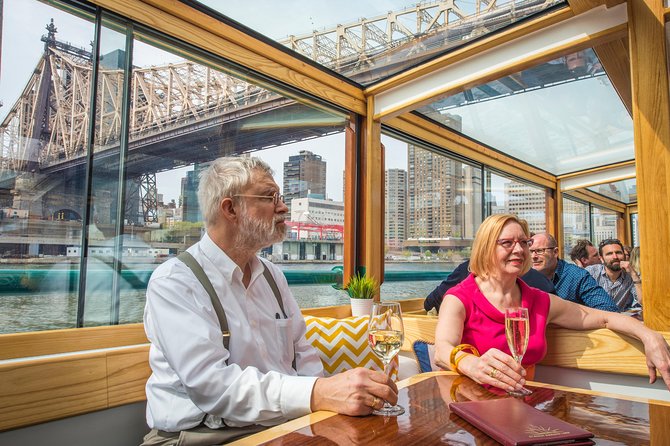
- A graceful vintage boat: The 1920s-style yacht has cushioned seating, indoor shelter, an observation cabin, open bow space, restrooms, and assigned tables.
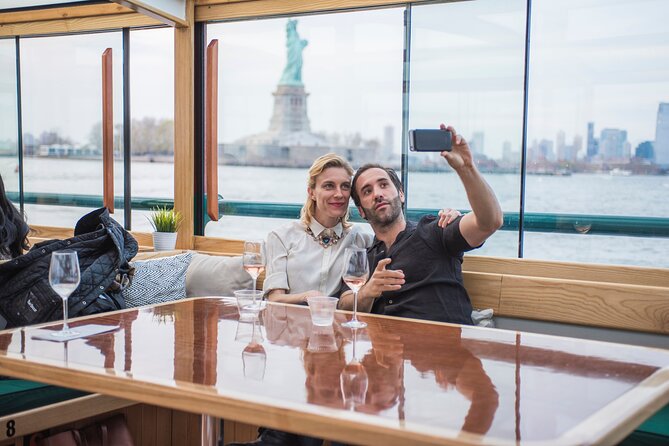
- One drink is included: Choose a beer, glass of wine, or soft drink, with food and other drinks available for purchase.
- Strong photo opportunities: The Statue of Liberty, Ellis Island, bridges, Chrysler Building, and One World Trade Center are seen from useful water-level angles.
- A few important limits: Children under 12 are not allowed, full circumnavigation is not guaranteed, and accessibility varies by boat.
Why seeing Manhattan from a yacht changes the city
From a sidewalk, Manhattan can feel like a wall of tall buildings. From the water, you see how the island is put together. Towers rise behind older warehouses, parks interrupt the shoreline, bridges connect different boroughs, and whole neighborhoods reveal their shape at once.
That wider view is the best reason to book this cruise. You are not simply checking off famous buildings. You are watching the city’s growth from the edge inward. The financial district looks dense and vertical. The Lower East Side gives way to newer waterfront construction. The Upper West Side feels more residential, while the East River opens views toward Roosevelt Island, Queens, and Brooklyn.
I also like the pace. Two hours and 45 minutes is long enough to circle the island and hear a serious amount of commentary, but the boat gives you a seat and a break from New York’s hard pavement. This can be a smart choice after several days of walking, especially if you still want to keep sightseeing.
The route is not designed for silence. The guide speaks throughout much of the cruise, and the company asks passengers to keep conversations at a reasonable level. If you prefer music, drinks, and a short scenic ride, choose a different harbor outing. If you want context, this format works well.
A few more architecture tours around New York City worth a look
- Chicago River Architecture Tour Aboard a Historic Yacht
★ 5.0 · 45 reviews - Barcelona Guided Sagrada Familia Tour & Sailing Experience
★ 4.9 · 25 reviews - Sailing Experience, Sagrada Familia & Park Guell
★ 4.3 · 5 reviews
Boarding at Pier 62 and settling into the yacht
The cruise begins at Classic Harbor Line’s Pier 62 at Chelsea Piers. After boarding, you are shown to an assigned table. At booking, you can choose between private section seating and communal seating, an important distinction for a long cruise.
The boat has an old-style interior, cushioned bench seats, tables, a bar, restrooms, an observation cabin, and open areas toward the bow. Indoor seating is a major advantage in cold or wet weather. Several departures have remained comfortable inside even when the wind chill was near 10 degrees.
For the best views, move outside when conditions allow. The open bow provides cleaner sightlines and better photographs, but you will be exposed to wind and spray. The indoor windows protect you from the weather, though rain and winter spray can fog or dirty them. On a cold day, I would dress for the deck and use the cabin as a warm retreat rather than depend on one spot for the entire cruise.
The crew has been praised for friendly and careful service. If you need help boarding or have a mobility concern, contact the operator before the cruise and tell the staff at check-in. One passenger using a wheelchair received assistance, but accessibility differs by boat, and a leg brace or other seating need should be discussed in advance rather than left to chance.
Lower Manhattan, the Woolworth Building, and the harbor entrance
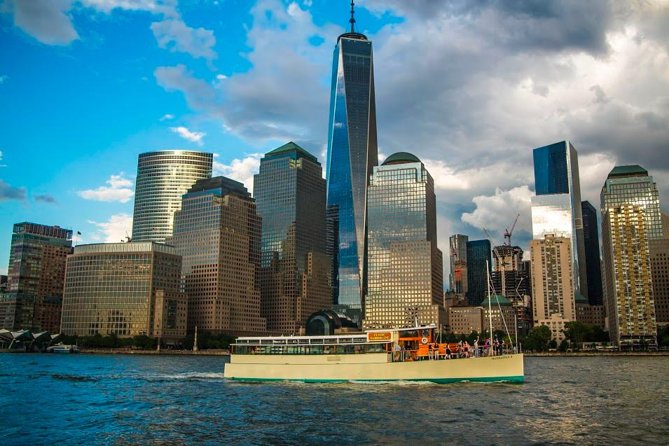
The early part of the route focuses on the Financial District. From the water, Lower Manhattan’s famous towers are easier to compare. You can see how older commercial buildings sit beside newer high-rises and how the southern tip of the island has been shaped by trade, transport, and redevelopment.
The Woolworth Building is one of the highlights. Its detailed early skyscraper design is much easier to appreciate from a distance than when you are standing directly below it. The guide places the building within the city’s architectural story instead of treating it as just another photograph.
The route then brings you near the Statue of Liberty and Ellis Island. This is one of the cruise’s best visual moments. You get a close water-level view, with the statue framed against the harbor rather than surrounded by fences, tour groups, and security lines.
You are not visiting the Statue of Liberty on this cruise, so this does not replace an island visit. It does give you a strong view without the ferry logistics. For many people, that is enough, especially if the goal is to see the statue as part of the harbor setting.
All 18 bridges, from the Brooklyn Bridge to the George Washington Bridge
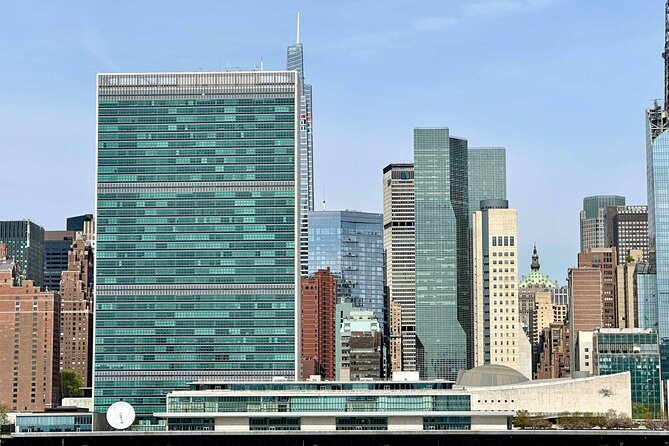
The bridge portion gives the cruise its sense of movement. When the route is fully open, the yacht passes under all 18 bridges connecting Manhattan with nearby boroughs and New Jersey. The Brooklyn, Manhattan, and Williamsburg Bridges are the most recognizable, but the less famous crossings help show how closely Manhattan is tied to the surrounding city.
Passing below a bridge is more useful than viewing it from a distant lookout. You see the underside, the support structure, the traffic above, and the changing angles of the cables. It also gives the guide a chance to discuss how transportation shaped the island.
The route continues north along the East River, with views toward the Chrysler Building and Roosevelt Island. The Chrysler Building is particularly striking from the water because its crown can be seen above a changing line of riverfront buildings. Roosevelt Island offers another useful perspective. Instead of seeing it only as a narrow strip on a map, you can judge its position between Manhattan and Queens.
One caution matters here. A full circumnavigation is not guaranteed. The Spuyten Duyvil train bridge occasionally cannot open, and river closures can happen for other reasons. If that occurs, the boat doubles back and continues explaining the waterfront, but there is no refund simply because the complete circuit was not possible.
Same city, a completely different century:
- NYC: Around Manhattan Official NYC Architecture Cruise
★ 4.8 · 402 reviews - Art Deco and Architecture Midtown Landmarks Tour
★ 5.0 · 142 reviews - Tribeca Architecture And History Walking Tour
★ 5.0 · 141 reviews - New York City The Official Rockefeller Center Tour
★ 4.5 · 119 reviews
The Lower East Side and changing waterfront neighborhoods
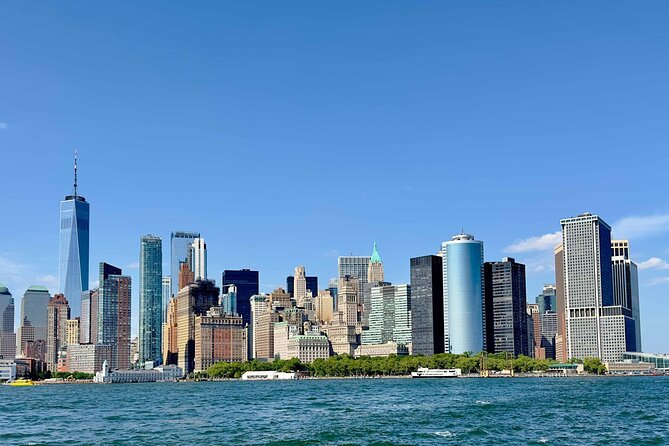
As the yacht continues, the guide turns attention to the Lower East Side and other East River districts. This part of the cruise is less about one famous monument and more about how neighborhoods meet the shoreline.
From the boat, you can compare older blocks with new residential construction and see waterfront parks, colleges, municipal facilities, and redeveloped sections that are easy to miss from inland streets. The commentary also covers the foundations of the island and the practical problems of building along the water.
This is where the AIA connection matters. The narration is not only a list of dates and architects. At its best, it explains scale, materials, purpose, and the relationship between buildings and their surroundings. The strongest guides also take questions and expand on subjects that may not be part of the planned commentary.
The quality of the presentation depends partly on the individual guide. Several hosts have been praised for clear and engaging delivery, while one account found the material fairly basic unless passengers asked questions. I would come prepared with a few things you want explained, such as why certain towers were built, how the shoreline changed, or which neighborhoods are seeing the most new construction.
Upper West Side and the northern turn
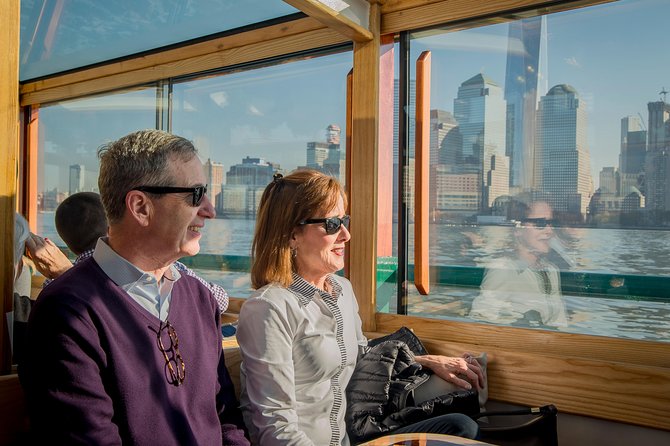
Along the Upper West Side, the focus shifts to historic sites, residential architecture, and newer waterfront buildings. This section is less dramatic than the Statue of Liberty or the bridges, but it rewards attention. From the Hudson, you see the relationship between the riverfront and the broad residential grid inland.
The boat then reaches the northern part of Manhattan and passes under the George Washington Bridge, the major connection between Manhattan and New Jersey. The bridge is a powerful sight from below, especially when the yacht gets close enough for you to see the engineering above rather than just the span in the distance.
The northern turn also shows why this is more than a standard skyline cruise. You are following the island’s full perimeter, including sections most visitors never reach by boat. The route makes Manhattan feel like an island with working edges, not only a collection of central attractions.
What to eat, drink, and expect onboard
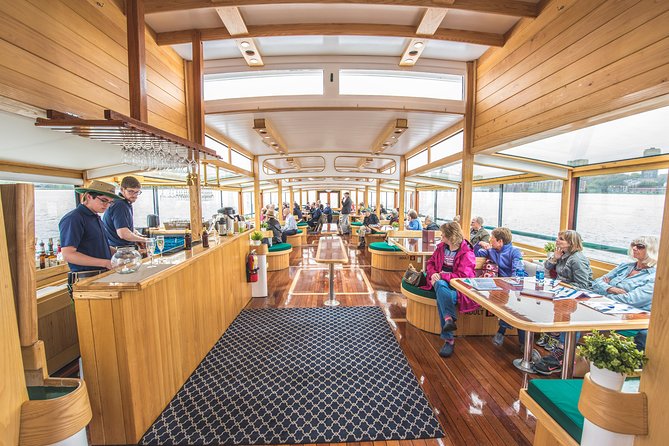
One beer, glass of wine, or soft drink is included in the ticket. This is a modest benefit, but it suits the relaxed pace and gives the cruise a little polish. Mixed drinks and additional beverages cost extra, and food selections are available for purchase.
The food menu is limited, and some onboard items may feel expensive. I would bring a light snack if you need something more substantial, while respecting the request to keep outside food modest. Do not plan this as a full meal unless you have confirmed what is available for your departure.
The assigned table system makes the long ride more comfortable, but seating choice affects how easily you can look outside. Private section seating is worth considering if you want more control over your view or need extra room. With communal seating, other passengers may move between the tables and the bow, and a poorly placed seat can make it harder to see.
The boat is capped at 80 people, so this is a smaller experience than the large sightseeing vessels that dominate New York Harbor. That helps the guide reach the room and keeps the setting more personal, though it also means you should not expect unlimited space at the best outdoor viewing points.
Weather, photography, and the best way to use the boat
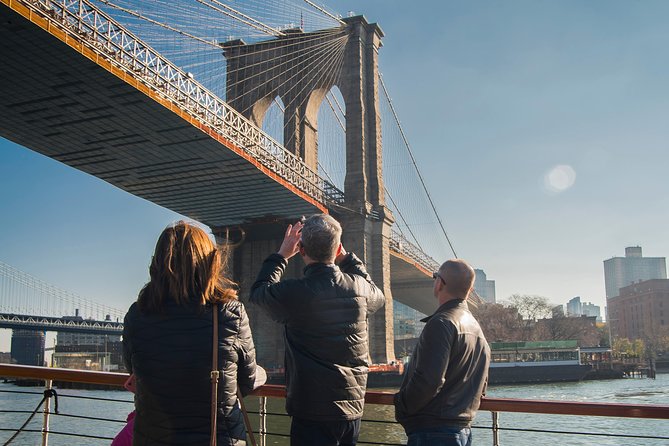
The cruise operates in conditions that can vary sharply from the dock. A sunny day gives you the clearest skyline and best outdoor photographs. A cold or wet day does not automatically ruin the trip because the cabin is heated, but it can reduce the quality of photographs through wet or fogged windows.
Winter has a specific drawback. Wind-driven spray and freezing temperatures can make window cleaning difficult between departures. If photography is your top priority, check the forecast and bring clothing that lets you spend time outside.
I would treat the cruise as a listening experience first and a photo trip second. The best images may come during short periods on the bow rather than from your table. Keep your camera ready for the Statue of Liberty, the bridges, Chrysler Building, Roosevelt Island, and the George Washington Bridge, but do not spend the full cruise staring at a screen.
Some Friday departures use a special theme focused on climate change, resiliency, sustainable architecture, and the future of New York City. If that subject interests you, ask the operator which Friday departures use that format.
Who will get the most from this cruise
This is a strong match for adults who like buildings, city planning, New York history, and guided sightseeing with plenty of explanation. It also suits couples looking for a quiet shared experience, locals who want a new way to understand the city, and anyone who needs a break from walking without giving up sightseeing.
Architecture students, real estate professionals, and people with an interest in urban development will likely find the commentary especially useful. The tour can also work for families with older teenagers who can sit through a long, content-heavy presentation.
It is not a good fit for children under 12, passengers who want a lively party atmosphere, or anyone who dislikes extended narration. You should also reconsider it if you need fully predictable accessibility or cannot tolerate a long period of assigned seating without confirming arrangements first.
At $113.23 per person, the ticket is not cheap. The value comes from the combination of a nearly three-hour route, a smaller vintage-style boat, a professional architecture guide, assigned seating, indoor shelter, restrooms, and a drink. Compared with a basic harbor cruise, you are paying for instruction and the complete route, not only transportation and skyline views.
Should you book the Manhattan Architecture Yacht Cruise?
Book it if you want to understand New York rather than simply photograph it. The full island route, close bridge passages, AIA narration, and comfortable yacht make this one of the better choices for a serious city overview from the water.
Skip it if your priority is a short, informal ride, a full meal, or guaranteed sunshine and perfect photographs. Before booking, choose seating carefully, contact the operator about mobility needs, and accept that the Spuyten Duyvil bridge or river closures can prevent a complete circuit.
For the right audience, this is a calm, useful way to connect Manhattan’s buildings, neighborhoods, bridges, and harbor into one long view.
FAQ
How long is the Manhattan Architecture Yacht Cruise?
The cruise lasts approximately 2 hours and 45 minutes.
Where does the cruise begin and end?
It begins and ends at Classic Harbor Line, Pier 62 at Chelsea Piers, New York, NY 10011.
What is included with the ticket?
Your ticket includes narration by a member of the American Institute of Architects New York Chapter, assigned table seating, and one complimentary beer, glass of wine, or soft drink.
Are children allowed on the cruise?
Children under 12 are not permitted because this is a heavily narrated tour experience.
Is a full circumnavigation of Manhattan guaranteed?
No. The Spuyten Duyvil train bridge may be unable to open, and river closures can also affect the route. If the boat cannot complete the circuit, it will double back and continue with waterfront commentary.
Can I cancel for a full refund?
You can cancel at least 24 hours before the start time for a full refund. Cancellations or changes made less than 24 hours before departure are not accepted, and weather or minimum-participant cancellations may result in a new date or full refund.
Just added around New York City
- Race to the Sky: NYC Architecture Tour With SUMMIT One Ticket★ 5.0 · 3 reviews
- New York Upper West Side Art and Architecture Tour★ 5.0 · 4 reviews
- Private Flatiron Food, History and Architecture Tour★ 5.0 · 8 reviews
- New York Upper East Side Art and Architecture Tour★ 5.0 · 3 reviews
- Custom Private New York Architecture, Art and City Tour★ 5.0 · 3 reviews
- Chelsea and the High Line NYC Architecture Walking Tour★ 5.0 · 6 reviews
- Midtown North NYC Architecture Walking Tour★ 5.0 · 28 reviews
- New York Midtown South Art and Architecture Tour★ 5.0 · 2 reviews
Sailing, compared.
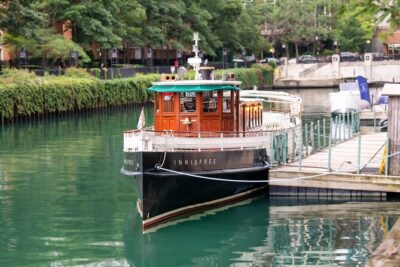
Chicago River Architecture Tour Aboard a Historic Yacht
Read our review →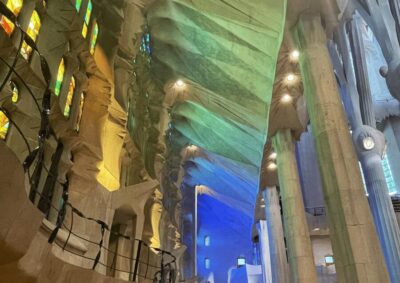
Barcelona Guided Sagrada Familia Tour & Sailing Experience
Read our review →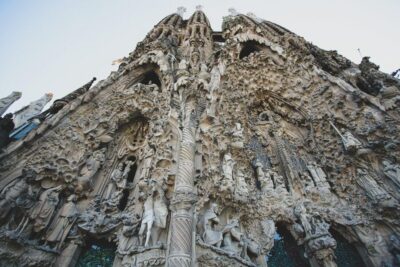
Sailing Experience, Sagrada Familia & Park Guell
Read our review →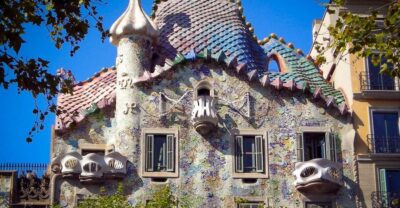
Barcelona: Sailing Trip, Sagrada Familia, and Casa Batlló
Read our review →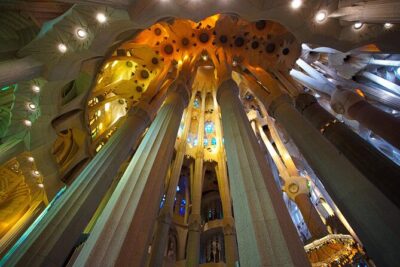
Browse the lists this tour appears in