
Review · NEW YORK CITY
Manhattan Architecture & Urban Design Walk
Manhattan makes more sense when you stop looking only at famous towers and start asking why the streets, buildings, and public spaces fit together. On this 2.5-hour walk, David uses the city itself as his classroom, linking architecture with zoning, development, and the practical problems of building New York.
I like the small group of up to 10 and the way each stop adds another piece to the story. I also like the chance to look beyond postcard landmarks, including lesser-known buildings by major architects and the everyday structures most people hurry past. The main consideration is that the route changes by neighborhood, so you will want to check your meeting point and prepare for a weather-dependent walk.
Key points at a glance
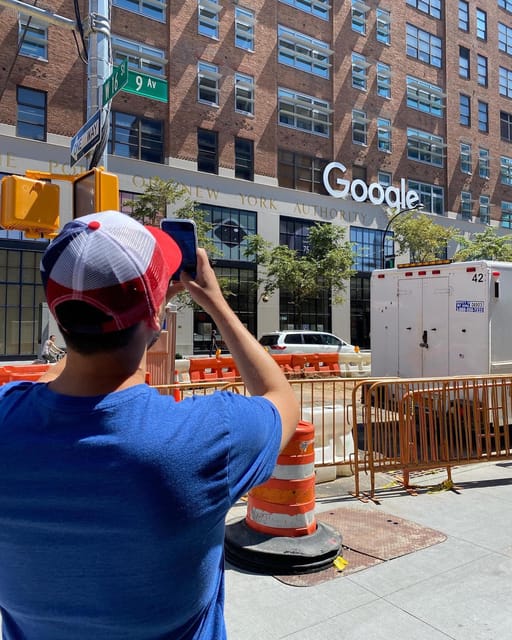
- Three possible Manhattan routes: Choose among Chelsea and the Meatpacking District, the Lower East Side and SoHo, or the Financial District.
- A practical look at city building: Learn how zoning, maps, building types, and development decisions shape Manhattan.
- David leads the walk: He has guided in New York since 2018 and studied urban design at Parsons School of Design.
- Small-group attention: With no more than 10 participants, the walk should feel more personal than a large sightseeing outing.
- One 15-minute break: You can stop indoors for a snack or drink, with regular restroom opportunities along the way.
- Good for curious adults: The tour is not suitable for children under 16, and it is conducted in English.
Why this walk changes the way you see Manhattan
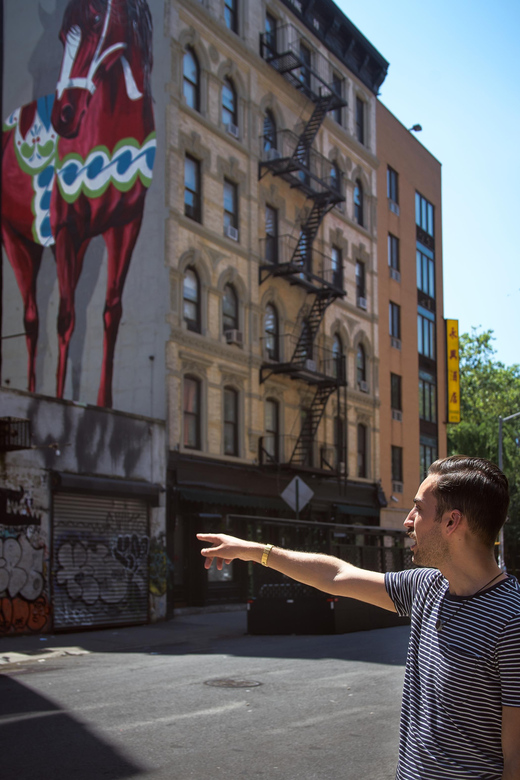
Most sightseeing tours teach you what a building is called. This one is more interested in why it is there, how it got approved, and how it relates to the street around it.
That difference matters in Manhattan. A block can contain a late 19th-century structure, a newer glass addition, a public plaza, and a narrow passage shaped by zoning rules. At street level, these pieces can seem random. David’s approach gives you a framework for reading them.
The walk covers building typologies, a useful term for the different kinds of structures that make up a city. You look at how homes, commercial buildings, public spaces, and other forms developed over time, and how each type affected the others.
You also get an introduction to urban planning. This is not a lecture in a classroom. The sidewalks, façades, corners, maps, and public spaces provide the examples. That makes the subject easier to follow, especially if you are interested in design but do not have a technical background.
More architecture walks in New York City:
- Tribeca Architecture And History Walking Tour
★ 5.0 · 141 reviews - TriBeCa Architecture & History Walking Tour
★ 5.0 · 37 reviews - Midtown Manhattan Art and Architecture Walking Tour
★ 5.0 · 32 reviews
Chelsea and the Meatpacking District route
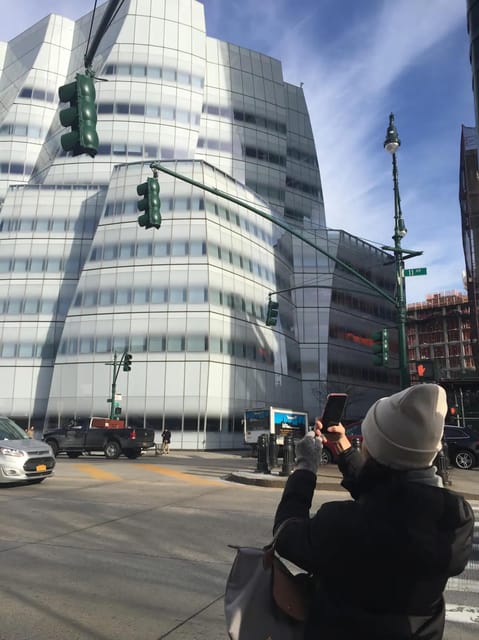
The Chelsea and Meatpacking District route is the only route tied to the stated meeting location, so check your booking details carefully if you choose it. The area offers a useful setting for the tour’s main themes because its streets show layers of change and different building uses close together.
Here, you can expect the discussion to move between architecture and planning rather than treating them as separate subjects. A building’s shape may reflect its original purpose, a later change in use, nearby public space, or rules controlling what could be built.
The route also fits the tour’s interest in buildings that are easy to overlook. You may find yourself studying an ordinary-looking structure, a street edge, or a public area instead of simply stopping at a famous landmark. That is part of the appeal. You begin to notice details that usually disappear into the background.
The route is not described as a museum-style visit with regular indoor admissions. It is a street-based walk, with the possibility of stepping inside for a snack or beverage along the way. That keeps the focus on the city in use, though it also means you should be ready to spend much of the 2.5 hours outdoors.
Lower East Side and SoHo route
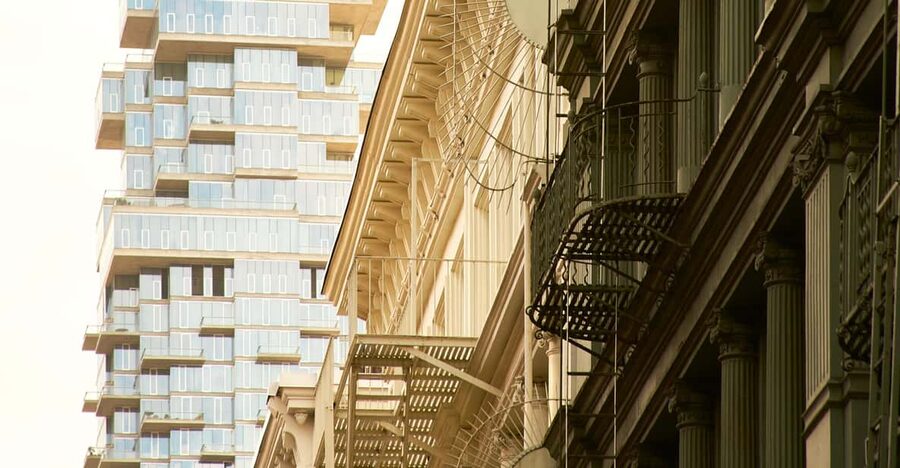
The Lower East Side and SoHo option brings the same topics into a different part of Manhattan. The point is not to compare neighborhoods as a simple ranking exercise. Each area gives David a different set of buildings, street patterns, and development questions to explain.
You will study how older structures and newer projects relate to one another, how public spaces affect the buildings around them, and how the city manages change. The route is especially useful if you want more than a standard neighborhood stroll but do not want a technical architecture seminar.
SoHo and the Lower East Side also make a good setting for discussing zoning, mapping, and development. New York’s growth can look uncontrolled from the sidewalk, yet it is shaped by many decisions and restrictions. David explains how a building becomes built in New York and offers navigational tricks for understanding the city’s layout.
Do not expect a long list of famous addresses. The experience is built around connected themes, and each stop is meant to add to the previous one. That structure should help you leave with a clearer way to read the city rather than a notebook full of names you may forget.
The Financial District route
The Financial District provides another version of the same lesson. Its buildings and streets allow the tour to examine how architecture, commerce, public space, and development interact.
The route’s specific stops are not listed in advance, so you should book it for the subject rather than for a promised checklist of landmarks. That is both a strength and a limitation. You get a flexible way to examine the district, but you cannot plan around a specific building unless David confirms it before the walk.
The Financial District can be a good choice if you want to see Manhattan through its built form rather than through a standard history tour. You will consider how structures and streets guide movement, how buildings of different eras sit together, and how the city’s rules affect what appears above and around you.
All three routes cover the same four main topics. The neighborhood changes, but the basic lesson remains consistent: New York is not simply a collection of striking buildings. It is a system of building types, rules, streets, maps, and human choices.
A few more architecture tours around New York City worth a look
- Manhattan Architecture Yacht Cruise
★ 5.0 · 1,395 reviews - NYC: Around Manhattan Official NYC Architecture Cruise
★ 4.8 · 402 reviews - Art Deco and Architecture Midtown Landmarks Tour
★ 5.0 · 142 reviews - 3 Hour Midtown Manhattan Architectural Tour
★ 5.0 · 81 reviews
Four ideas that build from stop to stop
The tour is arranged so that each stop adds a new idea. That is more useful than hearing disconnected facts because you can apply the same questions to the rest of your visit.
Building typologies come first. You learn to recognize how structures work and why their forms matter. This can include overlooked buildings and public spaces, with attention to how they have influenced each other from the late 19th century through today.
Next comes Urban Planning 101. David connects architecture to the street and to larger decisions about how neighborhoods function. If you have ever wondered why one block feels open and another feels compressed, this part gives you tools for asking better questions.
The third topic is zoning, mapping, and development. You learn how New York’s controlled chaos is organized and how a project moves from an idea toward construction. The mapping element also promises practical navigation tips, which can make Manhattan less confusing during the rest of your trip.
The final theme is star-chitecture, a playful look at lesser-known work by top architects. You are not limited to the best-known skyline icons. The focus shifts to buildings that may not be famous but still reveal strong design ideas.
What David brings to the experience
David has been giving tours in New York since 2018. His background includes work with architecture firms and public relations agencies focused on architecture, hospitality, design, and real estate development.
He studied urban design at Parsons School of Design and is based in New York City. That combination matters because the tour is not just about visual style. It connects design with development, communication, and the way people experience a neighborhood.
The format also leaves room for personal attention. A group capped at 10 is small enough for questions without the stop-and-start feel of a large coach tour. A previous participant rated the experience highly and singled out David’s ability to make the walk interesting and varied while keeping it apart from crowded sightseeing programs.
That praise points to the tour’s best use. Book it if you want to understand how New York works, not simply collect another set of photos.
The 15-minute break and walking conditions
Halfway through the walk, you get 15 minutes of free time. You may have the opportunity to step indoors for a snack or drink, and there are plenty of chances to use a restroom.
Food and drinks are not included, so bring money or plan to buy something during the break. The pause is also useful for your feet and attention span. Architecture walks can become tiring when every stop demands concentration, and a short reset helps.
Dress for the weather. Summer heat can make a city walk uncomfortable, so bring plenty of water. For poor weather, stay alert the day before because the tour may be cancelled or rescheduled.
The activity is listed as wheelchair accessible, which is important for anyone planning around mobility needs. Still, because the experience takes place on city streets and the exact route varies, you may want to confirm current route details before booking.
Is $70 a fair price?
At $70 per person, this is not the cheapest way to spend a morning or afternoon in Manhattan. You are paying for a focused, small-group walk rather than a general introduction to New York.
The value depends on your interests. If you enjoy architecture, urban planning, design, or real estate development, the price is easier to justify because the tour gives you a way to interpret the city for the rest of your trip. The small group also matters. A maximum of 10 people allows the guide to give more attention than a large public walking tour normally can.
If you only want famous sights and quick historical facts, this may feel too specialized. The route does not promise major indoor attractions, a meal, or a long list of landmark buildings. Its value is in the explanation and the way the themes build across the walk.
The free cancellation period, up to 24 hours before the activity, gives you some flexibility. You can also reserve and pay later, which is useful when you are arranging several activities during a New York stay.
Who should book this walk?
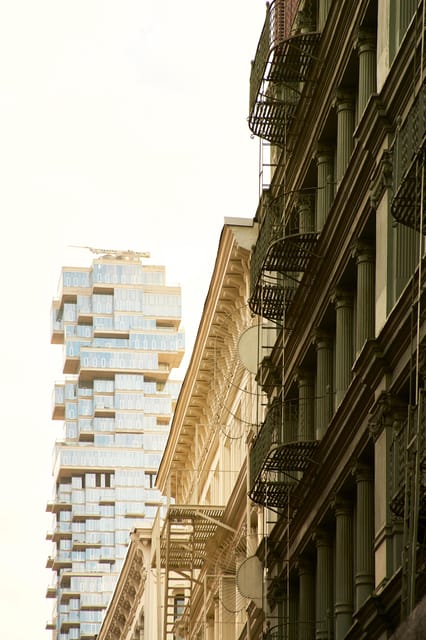
I would recommend it to adults and older teenagers who already have some interest in how cities work. It is especially suitable if you have visited New York before and want a fresh angle beyond the usual observation decks, museums, and neighborhood tours.
It also works well early in a trip. Once you understand a little about zoning, building types, and street planning, you may notice more during later walks around Manhattan. The tour can act as a set of reading tools for the city.
The age limit matters. Children under 16 are not permitted, so families with younger children will need another activity. The subject matter is also more thoughtful than playful, even though David includes fun facts about New York’s early days.
You should be comfortable walking for 2.5 hours, with much of the experience outdoors. Bring water, wear weather-appropriate clothing, and avoid treating the tour as a fixed list of buildings. The exact route and meeting point depend on the neighborhood you select.
Should you book the Manhattan Architecture and Urban Design Walk?
Book it if you want a small, focused, alternative Manhattan experience and enjoy asking why the city looks the way it does. David’s urban design background, the limited group size, and the four-part structure give the walk more purpose than a casual stroll.
Choose the route that best fits your interests and schedule, then confirm the meeting point because the listed Chelsea location does not apply to the Lower East Side, SoHo, or Financial District routes. At $70, it is best value for curious adults who want to understand New York’s buildings and planning decisions, not just photograph them.
FAQ
How long does the Manhattan Architecture and Urban Design Walk last?
The walk lasts 2.5 hours. Starting times vary, so check availability when choosing your date.
Which neighborhoods can the tour visit?
The available routes are Chelsea and the Meatpacking District, the Lower East Side and SoHo, or the Financial District. The same main topics are covered on each route.
Who guides the tour?
David leads the walk. He has been giving tours in New York since 2018 and studied urban design at Parsons School of Design.
Is the tour conducted in English?
Yes. English is the stated tour language.
How many people are in the group?
The tour is limited to 10 participants, making it a small-group activity.
Is the walk wheelchair accessible?
Yes, the activity is listed as wheelchair accessible.
Can I cancel the tour or pay later?
You can cancel up to 24 hours in advance for a full refund. You can also reserve your place and pay later.
Just added around New York City
- Race to the Sky: NYC Architecture Tour With SUMMIT One Ticket★ 5.0 · 3 reviews
- New York Upper West Side Art and Architecture Tour★ 5.0 · 4 reviews
- Private Flatiron Food, History and Architecture Tour★ 5.0 · 8 reviews
- New York Upper East Side Art and Architecture Tour★ 5.0 · 3 reviews
- Custom Private New York Architecture, Art and City Tour★ 5.0 · 3 reviews
- Chelsea and the High Line NYC Architecture Walking Tour★ 5.0 · 6 reviews
- Midtown North NYC Architecture Walking Tour★ 5.0 · 28 reviews
- New York Midtown South Art and Architecture Tour★ 5.0 · 2 reviews
Walking Tours, compared.

The Official Art Deco Walking Tour by The Miami Design Preservation League
Read our review →
Barcelona: Gothic Quarter Ghosts and Legends Walking Tour
Read our review →
Barcelona: Old Town and Gothic Quarter Walking Tour
Read our review →
Lecce: Baroque Architecture and Underground Walking Tour
Read our review →
Chicago in a Day: Food, History & Architecture Walking Tour
Read our review →

Ramblas, Old Town, Gothic and Gaudi Architecture Walking Tour
Read our review →
Chicago’s Secret Interiors Architectural Walking Tour
Read our review →Browse the lists this tour appears in