
Review · INDIA
Kanchipuram: Temple Architecture & Silk Weaving from Chennai
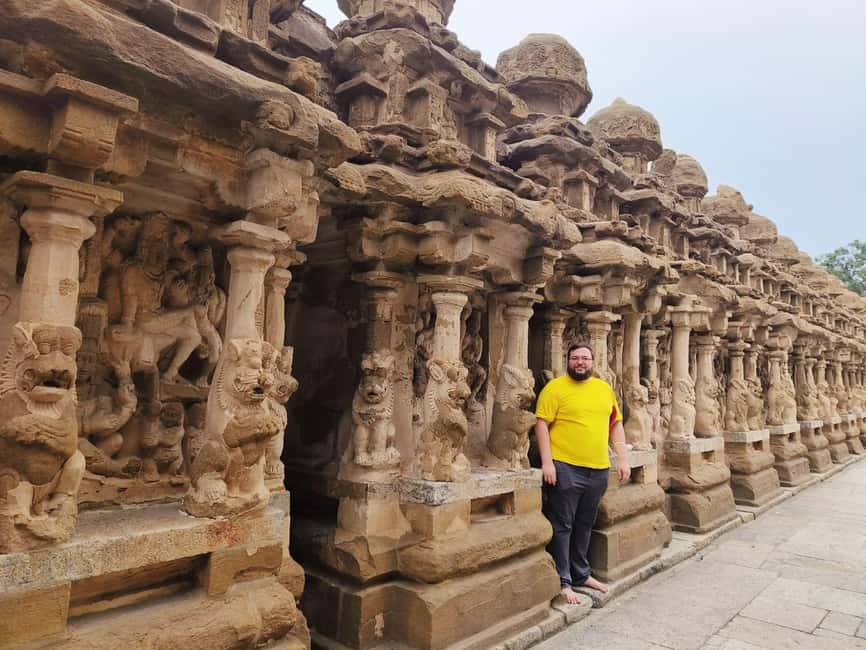
Kanchipuram gives you two very different ways to understand Tamil culture in one day: stone temples built around 600 AD and silk sarees still made by hand today. The trip links the old Pallava capital with the working community that depends on its temples, weaving, shops, and stalls.
I like the private car and hotel pickup, since Chennai traffic and the road to Kanchipuram can make a full day tiring on your own. I also like the chance to meet a weaver rather than simply browse finished sarees in a shop. The main drawback is the pace: eight hours includes the drive, three hours of guided touring, lunch, and the return to Chennai, so this is an introduction rather than a slow study of every temple.
Key points to know before booking
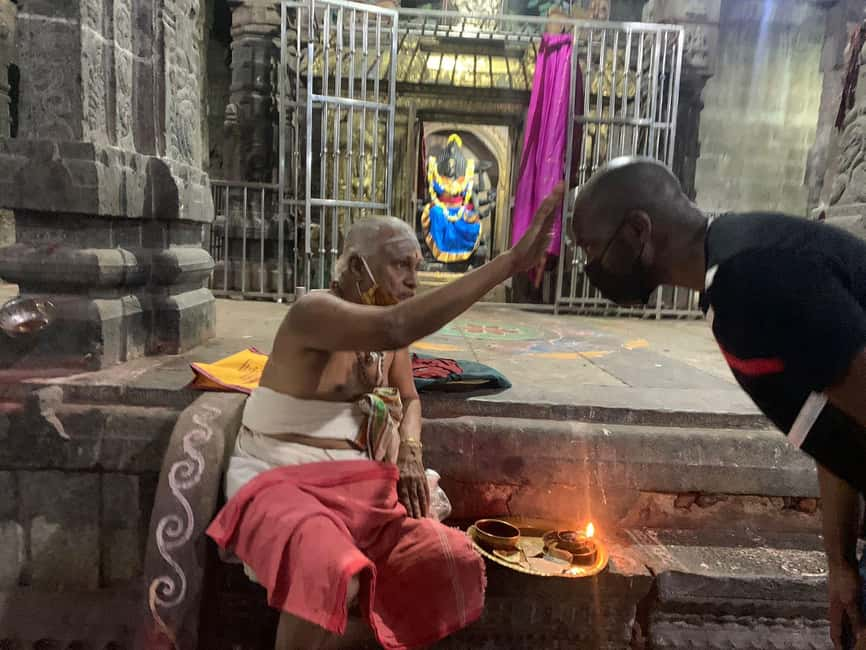
- Two major temple visits: See Ekambareswarar and Kailasanathar, with attention to Pallava architecture and the change from rock-cut work to stone temples.
- A working silk tradition: Meet a Kanchipuram weaver and learn how pure mulberry silk becomes a six to nine-yard saree.
- Private transport from Chennai: Hotel pickup and drop-off come in an air-conditioned car, with an English-speaking guide.
- A local livelihood connection: The tour explains how temple activity, prayer-goods stalls, small shops, and silk weaving support Kanchipuram families.
- Vegetarian lunch included: A South Indian vegetarian meal is part of the day, while extra food or drinks cost more.
- Strong guide feedback: Kannan received special praise for making the temples easier to understand and helping one visitor leave with a much clearer sense of their meaning.
Why Kanchipuram makes a worthwhile day trip from Chennai
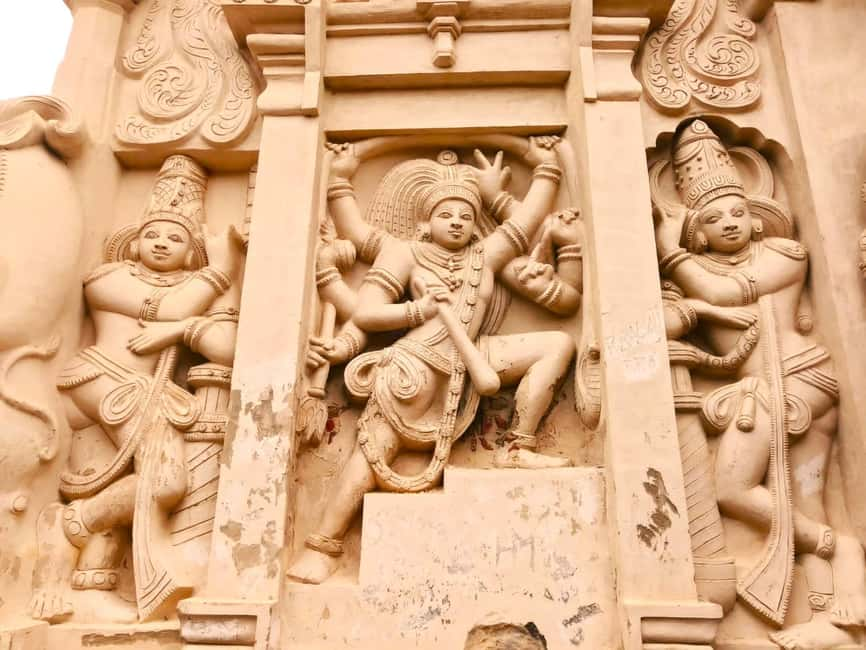
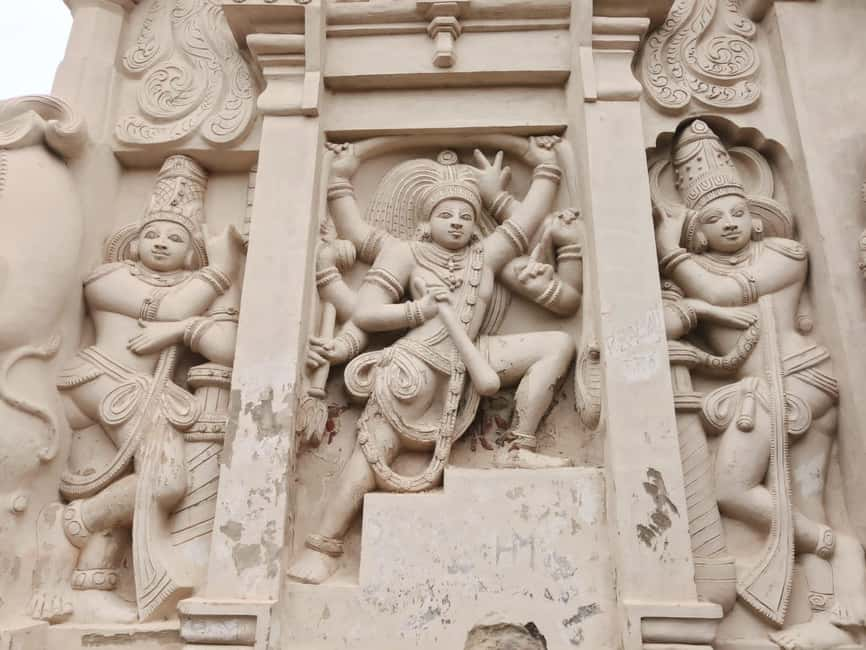
Kanchipuram is not simply a stop for photographs. It was the capital of the medieval South Indian Pallava kingdom, and its temples help you see an important change in South Indian building methods. The Pallavas helped move temple construction from rock-cut architecture toward temples built from cut stone.
That change is easier to appreciate with a guide beside you. You can look at carved pillars and sculpted surfaces on your own, but the architectural story gives those details a purpose. The tour is designed to explain what you are seeing instead of leaving you to wander through large temple compounds without context.
The town also has a living connection to its religious buildings. Local people sell prayer-related goods, operate small shops, and rely on temple activity for income. Silk weaving is another key source of work, with more than 5,000 families connected to the trade. That combination gives the day more range than a standard monument visit.
You are not only moving between two old buildings. You are seeing how architecture, worship, commerce, and craft continue to shape daily life in the same town.
A few more architecture tours around India worth a look
- British Architecture Walk, an immersive walking tour in Chennai
★ 5.0 · 60 reviews - The Hipster Chandigarh Architecture History Tour
★ 5.0 · 54 reviews - Mumbai heritage walk- Story of Gothic and Art Deco buildings
★ 5.0 · 33 reviews
The road from Chennai to Kanchipuram
Your day begins with pickup in the lobby of your Chennai hotel. Transport is in an air-conditioned car, and the group is private. That arrangement matters in Tamil Nadu, where heat, road conditions, and city traffic can make an open-ended independent day trip less comfortable.
The journey is part of the eight-hour schedule, although the exact driving time is not provided. You should expect the day to feel full, especially once the return drive is included. Comfortable shoes, water, and a camera are sensible choices. You will spend time on your feet, and the temples require you to remove your footwear before entering.
A private vehicle also gives you a little more control than a large group tour. You can ask the guide to explain a carving, clarify a temple custom, or slow down briefly when something catches your attention. The format is best for people who prefer direct access to a guide rather than a crowd moving behind a flag.
Ekambareswarar Temple and the scale of sacred architecture
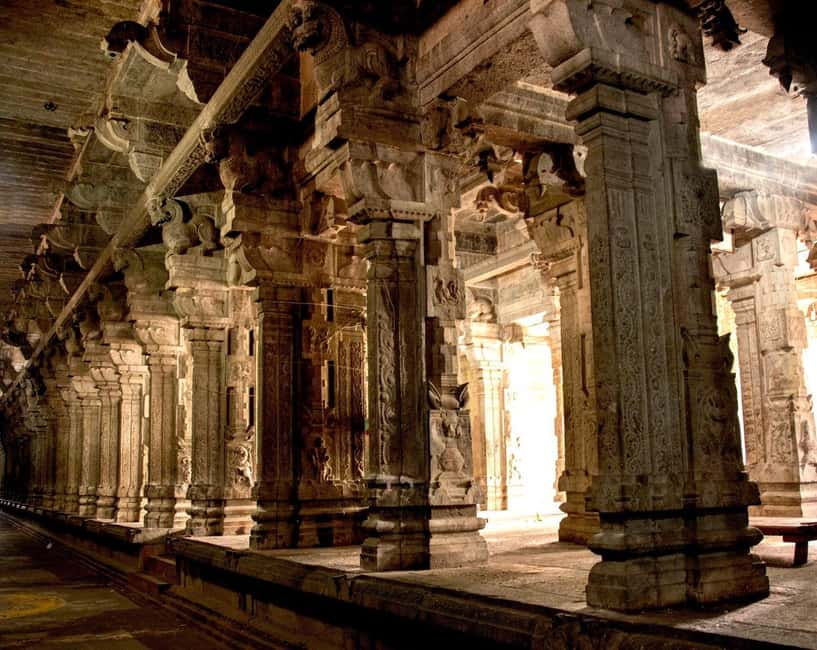
Ekambareswarar is one of the two main temple visits. The focus here is not just on worship but also on the history and architecture connected with the Pallava period. The tour presents the temple as part of Kanchipuram’s larger development from rock-cut work to substantial stone temples.
Expect a visit that combines explanation with visual detail. Look at how the temple is built, how its spaces are arranged, and how carved stone creates an atmosphere that is very different from a modern building. Your guide can help connect those details to the wider Pallava style.
Temple visits also require some practical respect. You must remove your footwear before entering, and your clothing must cover your knees and shoulders. These rules are simple, but they are important. Wear clothing that lets you enter without needing to improvise, and choose shoes that come off easily.
Flash photography is not allowed. Bring your camera, but plan to use it without flash and follow any instructions given at the temple. The tour data does not promise access to every interior area, ceremony, or shrine, so treat the visit as a guided architectural and cultural stop rather than a guaranteed special religious event.
Kailasanathar Temple and the Pallava story
Kailasanathar is the second major temple on the route. Together with Ekambareswarar, it helps make the architectural explanation more complete. You see two places within the same town, then hear how the Pallavas shaped the transition toward stone temple construction around 600 AD.
This is where a live guide adds real value. A strong explanation can help you notice the difference between decorative detail and structural design. It can also give you a clearer sense of why Kanchipuram matters beyond its reputation as a silk center.
Guide Kannan received the strongest individual praise in the available feedback. One visitor credited him with making the temples far more meaningful through his clear explanations. That does not guarantee that every tour will feel identical, but it tells you what to expect from the best version of this experience: less passive sightseeing, more help understanding what is in front of you.
The three-hour guided portion covers Kanchipuram’s temple and cultural stops. That is enough time for a useful overview, but not enough for an exhaustive examination of every architectural feature. If you are a serious student of Pallava art, you may want a longer specialist visit. If you want a well-shaped introduction from Chennai, the timing is more practical.
Same city, a completely different century:
- Delhi Hidden Gems: Mehrauli, Lodhi Art & Sunder Nursery
★ 5.0 · 108 reviews - Jaipur City Heritage and Architecture Tour
★ 5.0 · 32 reviews - Le Corbusier’s Chandigarh : A Complete Architecture Tour
★ 4.7 · 25 reviews - Day trip from Bangalore to Lepakshi for Temple architecture & paintings
★ 5.0 · 15 reviews
Meeting a Kanchipuram silk weaver
The silk visit is the most personal part of the day. You meet a weaver and learn how Kanchipuram sarees are made, rather than seeing only the finished product in a showroom.
These sarees are cultural icons in South India. They usually measure six to nine yards and are worn by women for auspicious occasions such as weddings and birthdays. The material is pure mulberry silk thread, and many local weavers still use handlooms.
That last detail changes how you look at the price of a saree. The finished cloth represents material, time, design, and skilled handwork. Even if you are not planning to buy one, seeing the process helps you understand why Kanchipuram silk has such a strong place in regional life.
The information provided does not promise a shopping session or specify that a purchase is required. That is useful for cautious visitors. You can approach the stop as a craft lesson first. If you are interested in buying, ask the guide about the process and the products available, but do not assume that a particular style, color, or price will be offered.
The weaving visit also connects directly with local livelihoods. More than 5,000 families are involved in the silk business, and the tour company says it supports the community by training and employing local guides and procuring local goods. That does not turn a short visit into a full economic study, but it gives you a more grounded view of the craft.
You see the saree not as a decorative souvenir but as part of a working trade that supports families across Kanchipuram.
Lunch and the shape of the eight-hour day
A South Indian vegetarian lunch is included. For many people, this is a useful part of the package. You do not need to arrange another meal while moving between the temples and weaving visit, and the food fits the regional setting.
Any food ordered beyond the included meal is not covered. Keep that in mind if you want extra drinks, snacks, or additional dishes. The supplied details do not specify the restaurant, menu, or exact lunch time, so do not book this expecting a particular dining venue.
The stated schedule allows one hour for lunch. The temple and cultural touring receives three hours, while the rest of the eight-hour experience covers the journey from Chennai and back. That balance gives you a clear sense of the tour’s purpose: a broad cultural day, not a slow culinary or archaeological expedition.
If you like having every hour planned, this structure will feel reassuring. If you prefer long unscheduled breaks, the fixed pace may feel tight.
What the $109 price includes
At $109 per person, the value depends on how you would otherwise arrange the day. The price includes hotel pickup and drop-off, an air-conditioned car, an English-speaking guide, entrance charges, and South Indian vegetarian lunch.
Those inclusions remove several common expenses. You do not need to hire separate transport, organize temple tickets, find a local guide in Kanchipuram, or plan lunch from scratch. A private group also means you are paying for a more personal setup rather than joining an unspecified large coach group.
The price is easier to justify if you value interpretation. The temples themselves are only part of the experience. The guide explains Pallava architecture, places the temples in Kanchipuram’s history, and introduces you to silk weaving and local work.
The value is less clear if you mainly want a vehicle and a quick look at two temples. In that case, the eight-hour commitment and per-person cost may feel high. You are paying for a structured cultural experience with a guide, not just transport.
There are also no hidden promises about every possible extra. Food beyond lunch is excluded, and the tour does not list shopping credit or additional activities. That clarity helps you budget, especially if you are tempted by silk or local goods.
Who will enjoy this private temple and craft tour
I would recommend this day to you if you want a clear introduction to Kanchipuram without arranging several separate services. It suits first-time visitors to Tamil Nadu who want architecture, local craft, and food in one outing.
It is also a good fit if you like asking questions. The private format gives the guide room to respond to your interests, and the temple visits offer plenty of material for discussion. You do not need specialist knowledge of South Indian architecture to benefit from the explanations.
The tour is less suitable if you use a wheelchair or have back problems. The activity specifically lists both as unsuitable, and the temple visits involve walking and removing footwear. It is also not ideal if you need a fully accessible itinerary or find it difficult to stand and walk during a guided visit.
Families and couples may appreciate the flexibility of a private group, although the information provided does not state a minimum age or child policy. Dress with temple rules in mind, bring water, and expect a full day rather than a relaxed half-day outing.
Practical tips for a smoother temple visit
Wear clothing that covers your knees and shoulders from the start. You can avoid wasting time changing or wondering if your outfit is acceptable at the entrance.
Choose shoes that are easy to remove and put back on. You will need to leave footwear outside the temples, so complicated laces or boots are inconvenient.
Bring a camera, but do not use flash photography. Carry water as well, since the day includes temple touring and travel, and the included lunch does not cover every drink or snack you may want.
Keep an open mind about the weaving visit. You may be most interested in architecture, but the saree-making stop shows how Kanchipuram’s cultural identity continues through work, not only through monuments.
Finally, leave some room in your attention for the guide. The most highly praised feature of the experience was not a vehicle or a meal. It was the way Kannan explained the temples and helped turn carved stone into a story you could understand.
Should you book this Kanchipuram day trip?
Book it if you want a private, guided introduction to Kanchipuram from Chennai, with transport, temple entry, lunch, and a close look at silk weaving included. The combination is thoughtful: Pallava architecture in the morning, a living craft tradition, and a meal that keeps the day simple.
You should think twice if you want extensive time at each temple, a wheelchair-friendly experience, or a flexible schedule with long stops. The day is compact, and the return to Chennai makes it a full outing.
For most visitors interested in Tamil history and everyday culture, the $109 price is reasonable because it covers the parts that are hardest to arrange well on your own. The strongest reason to book is the guide-led context, especially if your guide is as effective as Kannan was for the highly praised temple visit.
FAQ
How long does the Kanchipuram experience last?
The experience lasts 8 hours, including travel from Chennai, the guided visit in Kanchipuram, lunch, and the return to Chennai.
What temples are included?
The tour visits Ekambareswarar Temple and Kailasanathar Temple, with explanations of their history and Pallava architectural style.
Is transport from Chennai included?
Yes. Hotel pickup and drop-off are included, with transport in an air-conditioned car.
Is lunch included?
Yes. A South Indian vegetarian lunch is included. Food ordered beyond the included meal is not covered.
What language is the tour conducted in?
The live tour guide speaks English.
What should I wear and bring?
Wear clothing that covers your knees and shoulders, since you must meet the temple dress code. Bring comfortable shoes, water, and a camera. Footwear must be removed inside the temples, and flash photography is not allowed.
Just added around India
- Victorian Gothic Heritage Quarter and Art Deco Walking Tour★ 4.9 · 14 reviews
- New Delhi: Mughal’s architecture tour with transfers★ 4.0 · 7 reviews
- Victorian Gothic Heritage Quarter and Art Deco Walking Tour★ 4.5 · 13 reviews
- 2 day tour from Mumbai to architectural wonder of Mandu★ 5.0 · 2 reviews
- Goa Walking tour: History, Culture, Art and architecture★ 4.5 · 2 reviews
- British Architecture Walk in Chennai by Wonder tours★ 5.0 · 10 reviews
- South India Tour- Temple Architecture and Backwaters★ 5.0 · 7 reviews
- Day trip from Bangalore to Lepakshi for Temple architecture & paintings★ 5.0 · 15 reviews
India Architecture Tours, compared.
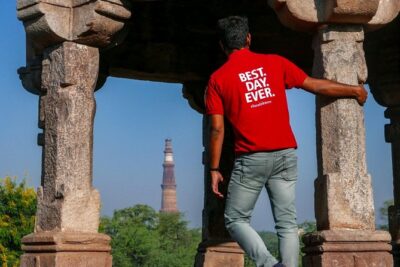
Delhi Hidden Gems: Mehrauli, Lodhi Art & Sunder Nursery
Read our review →
British Architecture Walk, an immersive walking tour in Chennai
Read our review →
The Hipster Chandigarh Architecture History Tour
Read our review →
Mumbai heritage walk- Story of Gothic and Art Deco buildings
Read our review →
Le Corbusier’s Chandigarh : A Complete Architecture Tour
Read our review →
Day trip from Bangalore to Lepakshi for Temple architecture & paintings
Read our review →
Victorian Gothic Heritage Quarter and Art Deco Walking Tour
Read our review →Browse the lists this tour appears in