
Review · THE USA
Tulsa: Art Deco Walking Tour of Tulsa
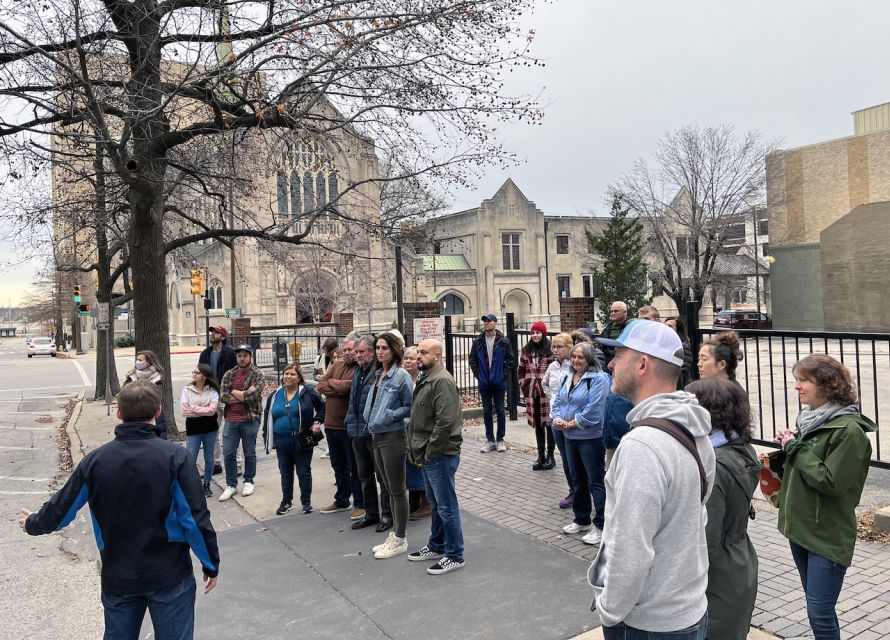
Tulsa’s downtown is one of the best places in the United States to see Art Deco architecture in a compact area. This two-hour walk explains how the style developed, what came before it, and why Tulsa became a showcase for geometric forms, decorative detail, and cultural influences. I like the clear historical focus and the chance to begin inside the Philcade Building, itself part of Tulsa’s architectural story. I also like that the tour stays on foot, so you can notice details that pass too quickly from a car.
The main consideration is the price: $54 per person is fair if you care about buildings and context, but it may feel high if you only want a quick look at downtown facades. The walk is also in English and lasts two hours, so you should be ready to spend that time outdoors and on your feet.
Key points to know before you go
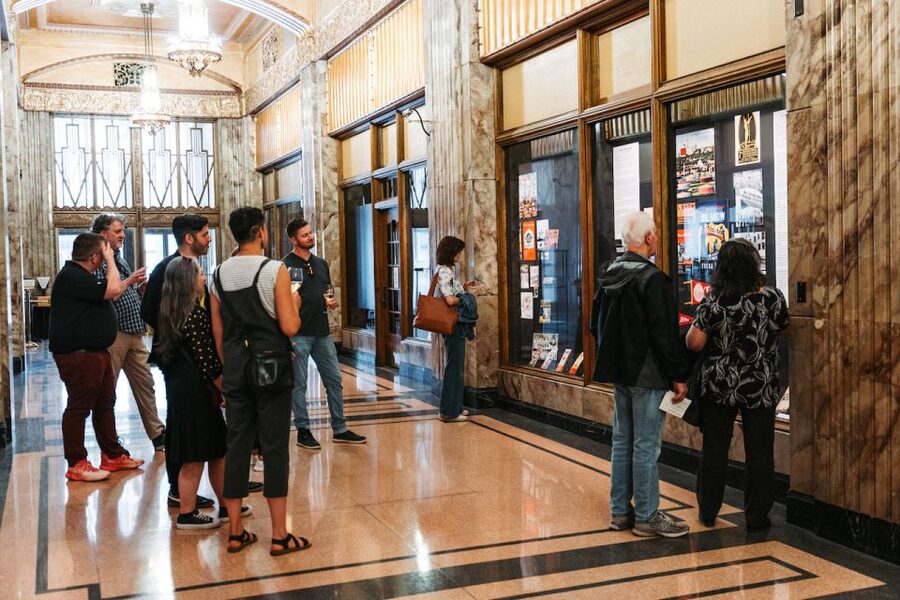
- The Philcade Building is both the meeting point and an early taste of Tulsa’s design history.
- The tour explains the styles before Art Deco, helping you see the change rather than simply labeling buildings.
- Geometry, ornament, and cultural influence are central themes, not just photo stops.
- Jeffrey has led the tour with humor, warmth, and clear explanations, according to the experiences shared after the walk.
- Two hours gives you a useful city introduction without taking up an entire morning or afternoon.
- Free weekend street parking makes the meeting point easier for drivers, while food, drinks, and hotel transport are not included.
Why Tulsa makes a fine Art Deco city
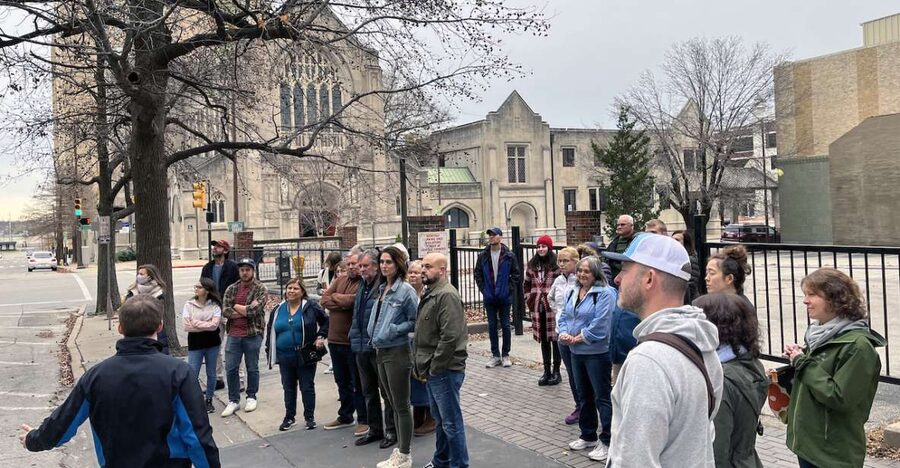
Many people associate Art Deco with New York, Miami, or Los Angeles. Tulsa deserves a place in that conversation. The city’s downtown buildings show the style in a setting shaped by early twentieth-century growth, commercial ambition, and the oil economy.
You do not need a background in architecture to enjoy the walk. A good guide gives you a visual checklist: repeated lines, stepped forms, strong symmetry, stylized decoration, and a taste for polished surfaces and bold patterns. Once those features are pointed out, you start seeing them from one building to the next.
I especially value the tour’s attention to what came before Art Deco. That historical bridge matters. If a guide simply points at a decorative facade and calls it Art Deco, you may remember the label but miss the idea. By looking at earlier styles first, you can understand why Art Deco felt modern, streamlined, and fresh in its own time.
The tour also treats the buildings as products of culture, not isolated works of art. The decorative choices reflect the period’s interest in travel, technology, industry, and international design. The supplied details describe cultural influences shaping Tulsa’s skyline, so you can expect the conversation to reach beyond dates and building names.
More Art Deco tours in the USA:
- The Official Art Deco Walking Tour by The Miami Design Preservation League
★ 5.0 · 1,580 reviews - Miami South Beach Art Deco Walking Tour
★ 5.0 · 1,039 reviews - Miami Beach Food and Art Deco Walking Tour
★ 4.5 · 245 reviews
Meeting at the Philcade Building on South Boston Avenue
Your starting point is the street-facing tour office at 511 South Boston Avenue, next to Topeca Coffee in the Philcade Building. This is a practical meeting place because it is easy to identify from the sidewalk and puts you right in the middle of downtown’s architectural setting.
Arrive with enough time to find the office without rushing. Topeca Coffee gives you a useful landmark, but food and drinks are not part of the tour, so plan any coffee stop separately. The meeting point also lets you begin noticing the building’s own details before the guide says a word.
For drivers, street parking is free on weekends. That is a helpful cost break in a downtown setting. Weekday parking information is not provided, so you should check signs and local rules rather than assume the same arrangement applies every day.
The tour does not include hotel pickup or drop-off. You need to make your own way to South Boston Avenue, which is simple enough for visitors already staying or sightseeing in central Tulsa, but worth factoring into your schedule if you are based outside downtown.
How the two-hour walk unfolds
The exact building-by-building route is not specified, and that is useful to keep in mind when setting expectations. You are booking a guided look at Tulsa’s Art Deco heritage rather than a fixed list of named interiors or attractions.
The walk begins with an explanation of Art Deco’s origins and the design styles that came before it. This opening gives the rest of the route a framework. Instead of seeing a row of handsome buildings as one blur of decoration, you learn to compare shapes, materials, patterns, and periods.
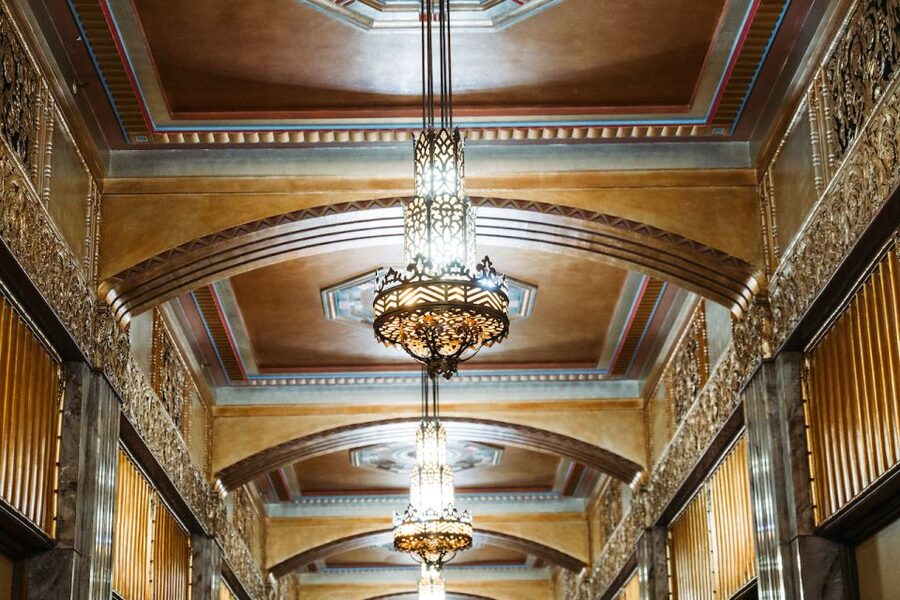
As you move through the city streets, the guide points out architectural details that are easy to miss at street level. You might find yourself looking upward at upper stories, studying repeated motifs around an entrance, or noticing how a building uses symmetry to create a strong visual effect. The promise here is not access to every interior. It is a closer reading of the downtown buildings visible along the walk.
The guide also connects design to Tulsa’s development. That context helps explain why the city has such a concentrated collection of period architecture. You are not just learning how a building looks. You are considering who commissioned it, what message its decoration sent, and how a growing city wanted to present itself.
The final part of the walk brings the ideas together. By then, you should have a better sense of Art Deco as a design language rather than a decorative buzzword. You can leave with a sharper eye for geometric shapes, stylized detail, and the relationship between a building’s public image and the city around it.
Jeffrey and the value of a live guide
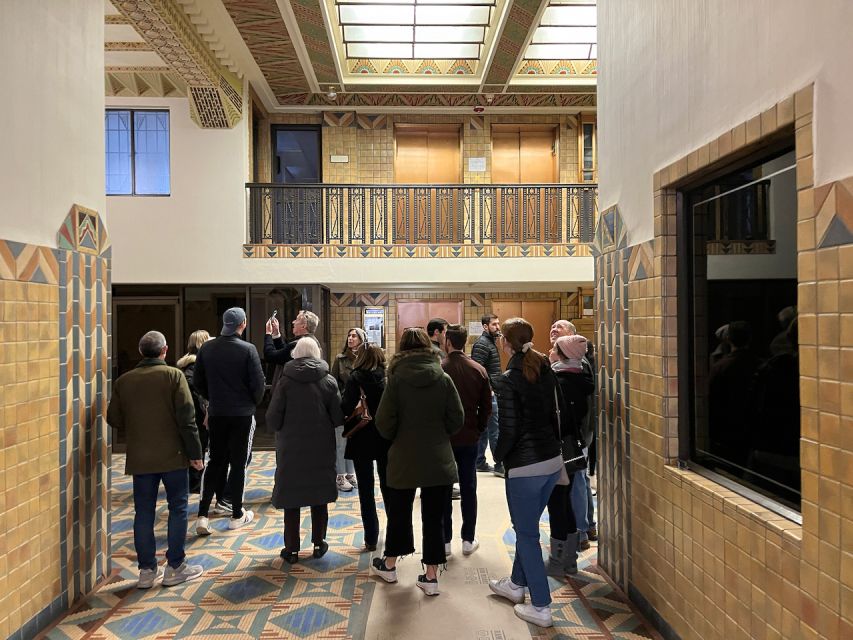
The guide can make or break an architecture walk. Tulsa Tours uses a live English-speaking guide, and Jeffrey is specifically praised for making the experience informative, humorous, and welcoming. Another comment describes the guide as enthusiastic and well prepared, while additional feedback highlights an engaging style.
That matters because architecture can become dry when it is reduced to dates and vocabulary. Humor helps keep the pace moving, and hospitality makes it easier to ask questions or admit that you cannot tell one style from another. I would choose a live walk like this over a self-guided phone route if you want interpretation rather than a set of facts.
The guide’s role is also important because Art Deco details are not always obvious. A building may look simply old or ornate until someone explains its geometry, decorative system, or connection to earlier styles. Good commentary turns a downtown walk into a lesson in how to look.
You should still keep your expectations measured. The available information does not promise a particular guide on every date, a private group, or entry to a set number of buildings. Jeffrey appears in the feedback, but the booking details only guarantee a live guide in English. If a particular guide matters to you, ask Tulsa Tours before booking.
More architecture walks in the USA:
- Chicago in a Day: Food, History & Architecture Walking Tour
★ 5.0 · 1,153 reviews - Chicago’s Secret Interiors Architectural Walking Tour
★ 5.0 · 635 reviews - Chicago: Secret Interiors Architecture Walking Tour
★ 4.9 · 498 reviews - Charleston: History and Architecture Guided Walking Tour
★ 4.8 · 349 reviews
What you will learn about Art Deco design
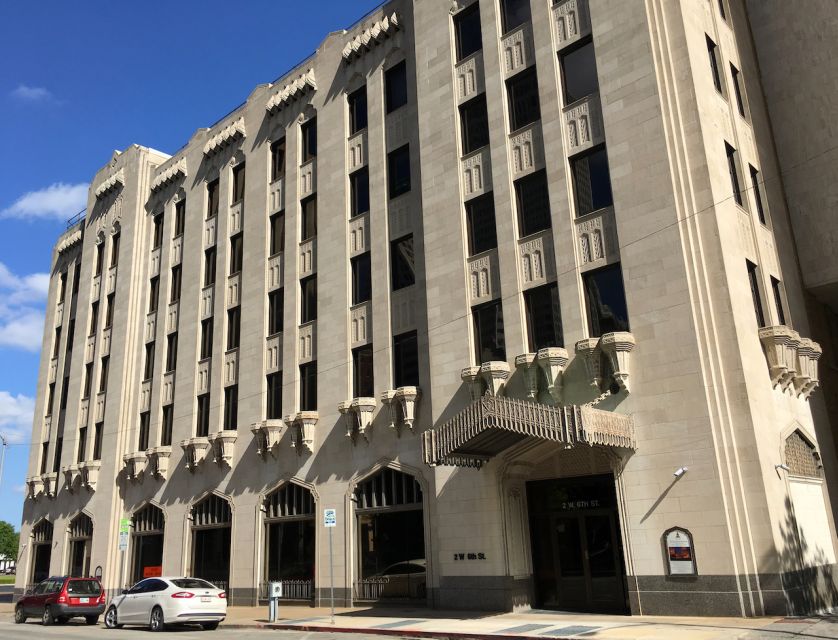
The tour focuses on the elements that give Art Deco its visual punch. You can expect attention to bold geometric shapes, intricate decoration, and the ways different cultural influences entered the style.
Geometry is often the easiest feature to spot. Look for strong vertical lines, stepped patterns, repeated forms, and carefully balanced facades. These choices can make a building feel taller, faster, or more modern than its neighbors.
Ornament is just as important. Art Deco decoration is not random clutter. Details are arranged with intent, often around entrances, windows, corners, and rooflines. The guide helps you understand how those small features support the building’s larger design.
The historical comparison is one of the tour’s strongest features. Learning about earlier styles gives you a point of reference. You can see how Art Deco moved away from some older decorative habits while still keeping a love of craftsmanship and display.
Cultural influence adds another layer. The tour description points to influences that shaped Tulsa’s skyline, so you should expect an explanation of how ideas from beyond Oklahoma affected local architecture. That makes the walk more than a study of one city. It shows how international trends can take on a local character.
Is $54 a good value?
At $54 per person, this is not the cheapest way to spend two hours in downtown Tulsa. You can walk past buildings on your own for free. The question is what you want from the time.
If you already recognize Art Deco features and mainly want photographs, the price may be difficult to justify. A self-guided stroll could give you the basic visual experience, especially if you are comfortable researching the buildings before or after your visit.
I see better value if you want the city’s architecture explained in context. The fee pays for a live guide, a planned route, and the ability to ask questions as details appear. You also get a short introduction to Tulsa’s history and the people and forces that shaped its downtown image.
The two-hour length helps the value. It is long enough to build a real understanding but short enough to fit around other plans. You are not committing to a full-day program, and the focus remains tight.
The strongest value comes for first-time visitors, architecture fans, and anyone who likes to understand a city through its buildings. If your interest is only casual, consider the cost alongside the fact that food, drinks, transportation, and hotel pickup are separate.
Who should book this Tulsa walk?
I would recommend this experience to anyone who enjoys city history, historic buildings, photography, or design. It also suits visitors who want a calm, focused activity instead of another broad sightseeing tour.
It is a good choice for a first visit to Tulsa because it gives you a sense of downtown in a limited amount of time. The guide’s comments about the city and the people who shaped it can add context to the rest of your stay.
Architecture students and serious Art Deco fans may enjoy the chance to examine Tulsa’s examples in person. The tour may be less satisfying if you need detailed technical information, guaranteed interior access, or a specialist lecture at an advanced academic level. Those features are not promised.
You should also think about the walking format. The tour is described as a walking experience lasting two hours, so comfortable shoes are sensible. Specific accessibility details are not provided. If you have mobility concerns, contact Tulsa Tours before reserving so you can confirm whether the route suits you.
Practical timing and booking advice
The duration is two hours, but starting times vary, so check availability for your chosen date. That makes the walk easy to pair with a meal, museum visit, or other downtown plan once you know the departure time.
You can reserve now and pay later, which helps if you are still arranging your Tulsa schedule. Cancellation is free up to 24 hours in advance for a full refund. Those terms reduce the risk of booking before every detail of your trip is settled.
The tour is offered in English. If you need another language, this experience is not presented as a multilingual option.
Plan to bring water and weather-appropriate clothing, since food and drinks are not included and the experience takes place on city streets. These are simple preparations, but they help you focus on the buildings instead of the heat, cold, or a rushed search for refreshments.
My call: book it if buildings are part of your travel story
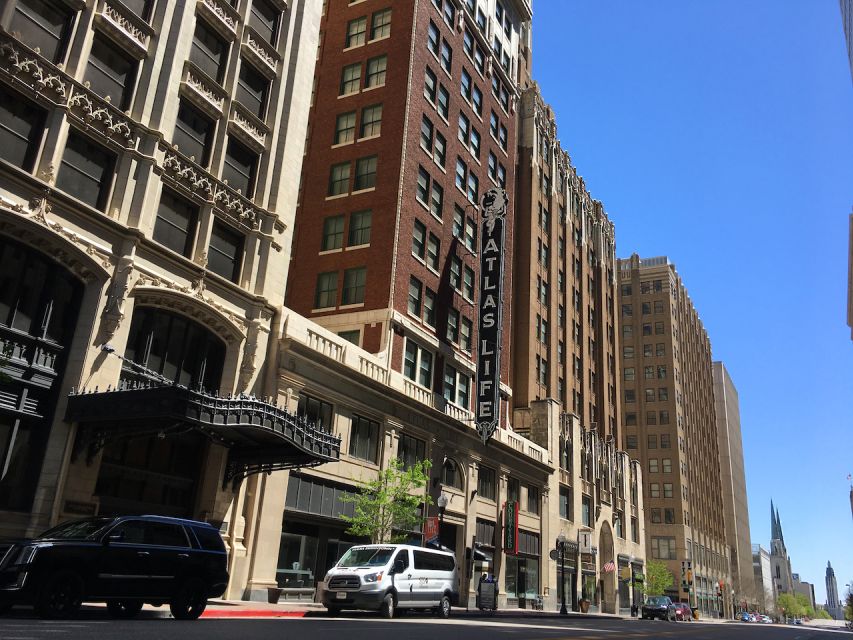
I would book this tour if you want more than a quick look at Tulsa’s downtown architecture. The combination of Art Deco design, the styles that came before it, and the city’s cultural development gives the walk real substance.
The strongest reasons to go are the focused two-hour format, the central meeting point, and the guide’s reported ability to explain the subject with humor and warmth. Jeffrey’s presence has been singled out in the feedback, but the tour is sold with a live English-speaking guide rather than a guarantee of one specific person.
Skip it if you are trying to keep costs near zero, dislike walking, or want a tour built around interiors and a fixed list of famous buildings. For everyone else, $54 is a reasonable price for a guided introduction to one of Tulsa’s most distinctive qualities. You will leave with a better eye for Art Deco and a clearer sense of how architecture can tell a city’s story.
FAQ
Where does the Art Deco walking tour meet?
The meeting point is the street-facing tour office at 511 South Boston Avenue, next to Topeca Coffee in the Philcade Building.
How long does the tour last?
The tour lasts two hours.
What language is the tour offered in?
The live tour guide speaks English.
Is hotel pickup and drop-off included?
No. You need to travel to and from the meeting point yourself.
Are food and drinks included?
No. Food and drinks are not included in the tour price.
Is parking available near the meeting point?
Street parking is free on weekends. The information provided does not specify weekday parking arrangements.
Can I cancel for a full refund?
Yes. You can cancel up to 24 hours in advance for a full refund.
Can I reserve now and pay later?
Yes. You can reserve your place and pay later to keep your plans flexible.
Just added around the USA
- Wilmington History and Architecture Tour★ 4.8 · 18 reviews
- Washington, DC: Georgetown Architecture Walking Tour★ 5.0 · 8 reviews
- New Orleans : Garden District Architecture Walking tour★ 4.8 · 5 reviews
- Washington DC: Dupont Circle & Embassy Row Architecture Tour★ 5.0 · 6 reviews
- Castle to Capitol: Museums of the National Mall Architecture Tour★ 4.5 · 9 reviews
- Private Colonial Williamsburg Architectural Tour★ 5.0 · 5 reviews
- Iconic Capitol Hill Architectural Walking Tour★ 5.0 · 21 reviews
- Monuments and Memorials Architectural Walking Tour★ 5.0 · 17 reviews
Art Deco Tours, compared.
The Official Art Deco Walking Tour by The Miami Design Preservation League
Read our review →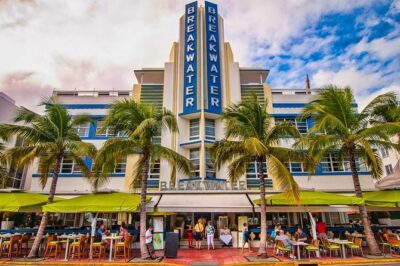
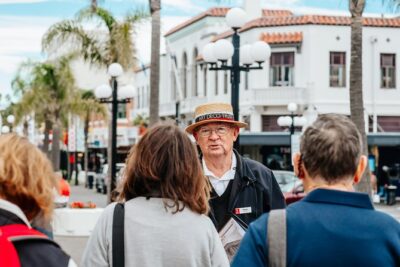
Guided 10am Morning Art Deco Walk From Napier Art Deco Trust
Read our review →
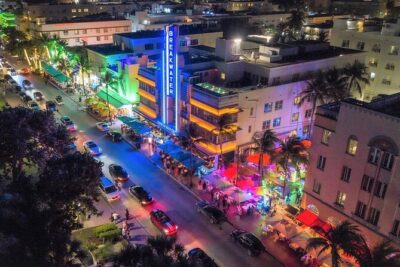
Award-winning Art Deco & Neon Lights Walking Tour in Miami Beach
Read our review →
Browse the lists this tour appears in