
Review · THE USA
Salem Merchants and Mansions Guided Architecture Walking Tour
Salem’s most interesting story is not confined to witch trials. This walking tour uses old houses, churches, wharves, and public spaces to explain how merchants turned a modest port into one of New England’s wealthiest towns. I like that the tour gives you a fuller Salem, not just the spooky one.
I especially like the stop-by-stop look at changing architecture, from 17th-century First Period houses to Georgian, Greek Revival, and Second Empire buildings. I also like the way guides such as Topher, Seán, and Henry connect buildings to trade, religion, city planning, and even Hocus Pocus without letting pop culture take over.
The main drawback is practical: this is an outdoor tour with long periods of standing, no public restrooms along the route, and groups of up to 40 people. You will also walk in rain or shine, and you do not enter the buildings.
Key points at a glance
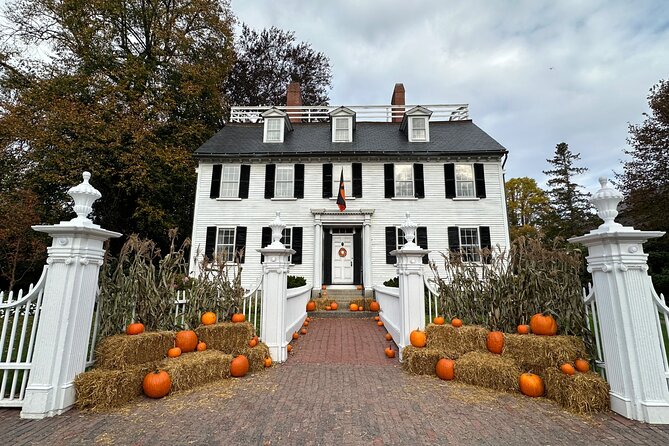
- A useful first look at Salem: The route links the waterfront, historic homes, Salem Common, churches, museums, and downtown landmarks.
- Architecture with a reason: You learn how changes in house styles reflect growing merchant wealth and changing city life.
- More than witch lore: The tour gives serious attention to maritime trade, religion, urban planning, and local wealth.
- Guides with different strengths: Topher, Seán, and Henry have been praised for lively storytelling, dry humor, and strong subject knowledge.
- A manageable walking length: Plan on about 90 minutes to two hours, with frequent stops but no building interiors.
- Good value for history-minded visitors: At $36, the tour costs less than many museum-based activities while providing an organized introduction to several parts of Salem.
Salem through buildings, not just witch stories
The Salem Merchants and Mansions Guided Architecture Walking Tour is a useful corrective to the city’s most famous image. Witch trials and haunted folklore are part of Salem, but they are only one chapter. This walk points you toward the port, the merchant houses, the churches, and the public spaces that reveal how the city actually grew.
You begin at Salem Old Town Hall in Derby Square at 11 a.m. From there, the route works through the waterfront and central streets before finishing at the Bewitched sculpture. The walk lasts roughly one and a half to two hours, depending on the pace and group.
I like this format for a first visit. You get an organized map of the city in your head, then you can return to the buildings or museums that interest you most. The tour is also a good choice if you have only part of a day in Salem and want more context than you would get from wandering alone.
The guides are central to the experience. Topher, Seán, and Henry are named as guides associated with the tour, and each has been praised for making architecture clear and entertaining. The strongest descriptions emphasize storytelling, humor, and the ability to hold the attention of families and teenagers. That matters here because architectural terms can become dry if they are not tied to real people and real money.
More architecture walks in the USA:
- The Official Art Deco Walking Tour by The Miami Design Preservation League
★ 5.0 · 1,580 reviews - Chicago in a Day: Food, History & Architecture Walking Tour
★ 5.0 · 1,153 reviews - Miami South Beach Art Deco Walking Tour
★ 5.0 · 1,039 reviews
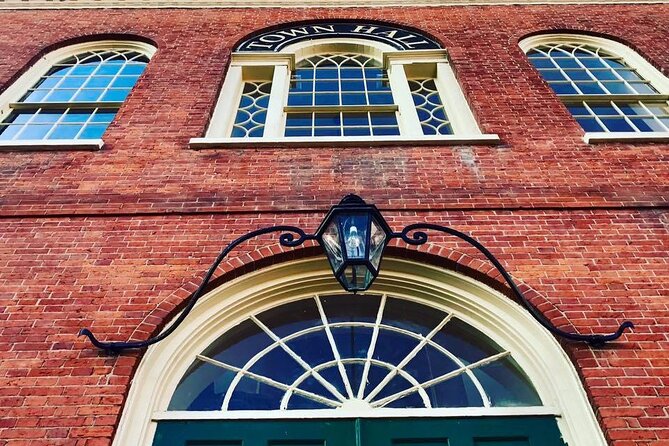
Derby Square and Salem Old Town Hall
The meeting point is 32 Derby Square, beside Salem Old Town Hall. The building provides a fitting opening because the tour starts in the middle of Salem’s civic and commercial core rather than at a single spooky attraction.
The first stop is brief, about five minutes, but it establishes the tone. You begin by looking at the city as a built place. Instead of treating architecture as decoration, the guide asks what a building tells you about power, money, public life, and the people who used it.
From here, you continue through Salem for another short orientation stop. This early section is simple, but it helps you understand the route before the longer waterfront explanations begin.
Admission to Old Town Hall is not included, and the tour does not take you inside buildings. You are paying for the guide’s interpretation from the street, not an interior tour.
The Custom House and Salem’s maritime fortune
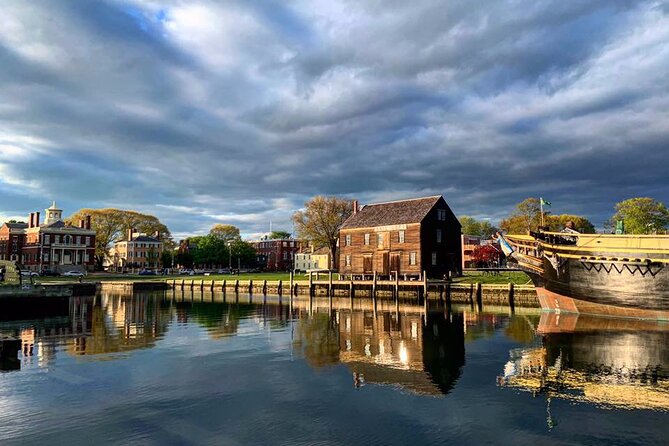
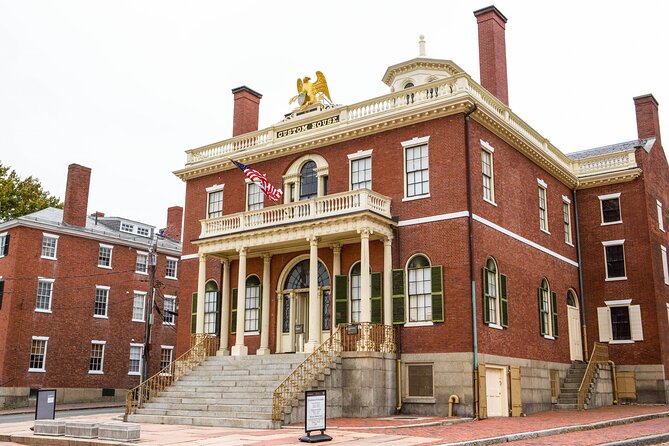
At the Custom House, the walk turns toward Salem’s trading past. This is one of the most useful stops because it explains why so many impressive homes appeared in the city.
The guide discusses Salem’s spice trade and the city’s motto, including why that motto exists. You also learn where the old shipbuilding yard was located, near the Adirondack chairs at the far end of the open space. These details help you picture the waterfront as a working port rather than a quiet historic district.
From near Derby Wharf, the guide points out the mansions visible across the area. The view connects the harbor to the houses. Those large homes were not random displays of good taste. They reflected the profits, status, and ambitions of merchants whose business depended on ships and international trade.
This is the kind of context I value in a walking tour. You are not simply told that a house is old or attractive. You are shown how the waterfront economy helped shape the city’s streets and buildings.
The Custom House stop lasts about ten minutes. It is outdoors, and admission is not included. Wear shoes that are comfortable on Salem’s sidewalks and open waterfront areas.
Derby House and the arrival of Georgian style
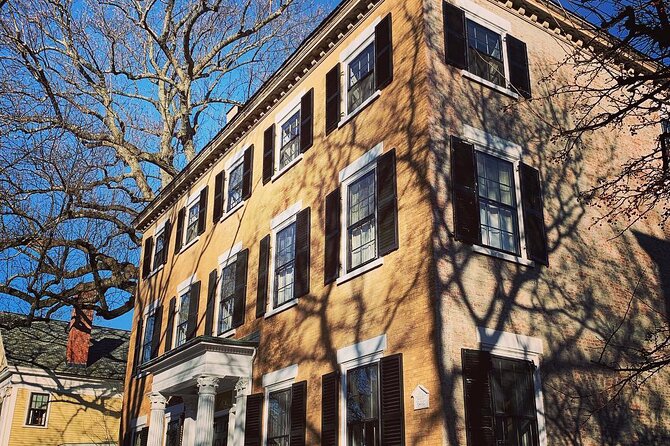
The Derby House gives the guide a clear example of Georgian architecture. The discussion shows how a relatively simple-looking building can express the growing wealth and authority of Salem’s merchants.
Georgian design is often associated with balance, order, and controlled decoration. On this tour, the style is placed in its economic setting. The house becomes evidence of a rising merchant class and of New England’s expanding commercial power.
This is where the tour’s title makes sense. The mansions are not treated as isolated trophies. They are part of a story about who could afford them, how their owners wanted to be seen, and how Salem changed as trade prospered.
You spend about ten minutes here. The building is discussed from outside, so the tour works best for you if you enjoy looking closely at façades, proportions, entrances, windows, and overall design. If you want to see historic interiors, you will need to arrange separate admissions elsewhere.
More guided tours in the USA:
- Chicago River: 1.5-Hour Guided Architecture Cruise
★ 4.8 · 8,046 reviews - Charleston: History and Architecture Guided Walking Tour
★ 4.8 · 349 reviews - Charleston History, Homes, and Architecture Guided Walking Tour
★ 5.0 · 267 reviews - Chicago River: Guided Sunset Cocktail & Architecture Tour
★ 4.6 · 203 reviews
Narbonne House and the way old homes changed
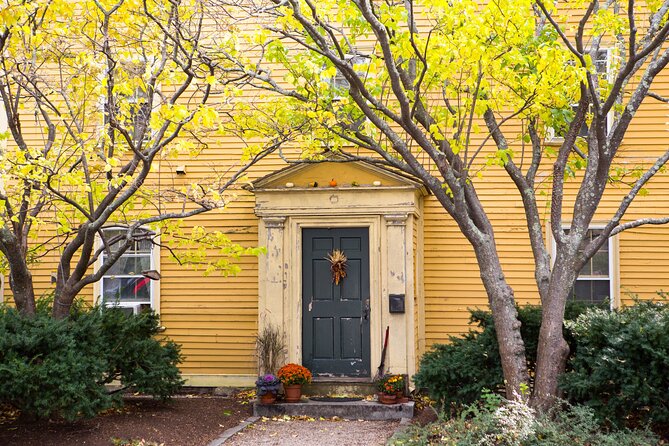
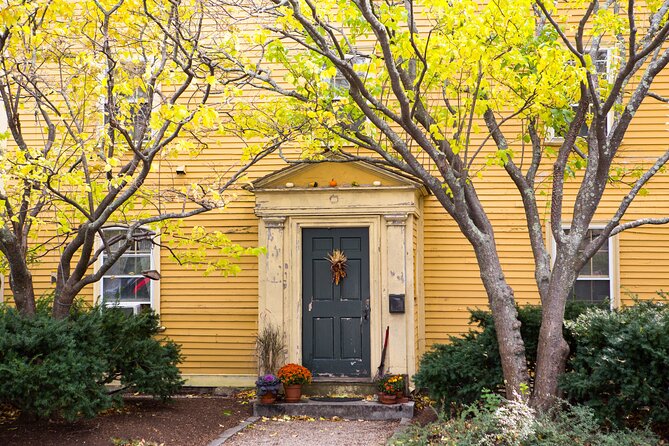
Narbonne House offers a different lesson. Rather than focusing only on grand merchant wealth, the guide uses it to show how 17th-century First Period architecture could be expanded and modified over time.
That is an important point. Old houses rarely appeared in their final form all at once. Families added rooms, changed layouts, and adapted buildings as their needs and fortunes shifted. Narbonne House helps you see architecture as a record of use rather than a frozen object.
The ten-minute stop gives you a chance to compare early construction with the more formal Georgian style discussed at Derby House. The contrast makes the period changes easier to understand. You can follow Salem’s development through materials, shape, scale, and additions.
The Daniels House Historic Site follows with a shorter five-minute discussion. Together, these stops broaden the tour beyond mansions. You see how different types of homes fit into the city’s long development.
Salem Common and the city’s changing social center
Salem Common is one of the most revealing parts of the route. The guide explains how this area changed from marshy pools and unusable ground in the 17th and early 18th centuries into a manicured pleasure park in the 19th century.
That shift says a great deal about urban life. Public space became more ordered and attractive as Salem’s population, wealth, and ideas about leisure changed. The Common later helped draw a fashionable district, including large Greek Revival and Second Empire buildings.
The guide also points out the old school used as a Hocus Pocus filming location. This is a nice pop-culture touch, especially for families, but it does not replace the broader story. You learn how the Common became part of Salem’s final period of major mansion building and social display.
This stop lasts about ten minutes and is one of the few listed points with admission included, though the tour remains outdoors. The open setting may also make this section feel less cramped than stops along narrow streets.
Nearby, the Hawthorne Hotel receives a brief five-minute architecture discussion. The hotel helps extend the story into a later period, showing that Salem’s important buildings were not limited to colonial houses.
Peabody Essex Museum, Church Street, and Saint Peter’s
The route then moves toward the Peabody Essex Museum, where the guide discusses the variety of historic collection homes connected with the museum. You do not enter the museum on this walk, and admission is not included.
Even from the street, this area is useful because it brings several architectural periods into one part of Salem. It also helps you understand how preservation works in a city with many layers of development. If you plan to visit the museum separately, this stop can help you look at its buildings with more purpose.
Church Street provides another short architecture discussion. The five-minute stop is brief, but it keeps the focus on the street pattern and building character rather than turning the tour into a parade of isolated landmarks.
Saint Peter’s Episcopal Church receives about ten minutes. Here the guide discusses Salem’s distinctive religious heritage. Religion is an important addition to the tour because the city’s architecture was shaped not only by trade and private wealth, but also by competing congregations and public religious life.
This section is especially helpful if you want to understand Salem as a real community rather than a collection of tourist attractions. Churches, houses, civic buildings, and commercial spaces all show different parts of the city’s identity.
Witch City Mall and the Bewitched finale
The last portion includes Witch City Mall and the Bewitched statue of Elizabeth Montgomery. The mall receives a short architecture discussion, while the statue receives about five minutes of interpretation before the tour ends.
Finishing at the Bewitched sculpture gives the walk a light final note. It acknowledges Salem’s modern tourism image without allowing that image to dominate the experience. By this point, you have already covered maritime trade, domestic architecture, public parks, religious life, and urban growth.
The end point is the Bewitched sculpture in Salem. Because the tour finishes downtown, you can continue exploring on foot after the guide departs. The route is also near public transportation, which is useful if you are not staying close to the starting point.
What $36 buys you
The price is $36 per person. I consider that fair if you want a structured introduction to Salem and prefer learning from a guide rather than reading plaques as you go.
The value comes from the connections. You are not paying simply to be shown a house. You are getting an explanation of how the Custom House relates to merchant wealth, how the Common relates to urban change, and how house styles reflect different periods of Salem’s growth.
The tour also covers a good range of locations in under two hours. You see the waterfront, historic homes, Salem Common, a hotel, museum-related buildings, a church, downtown streets, and a well-known statue. That makes it a practical orientation tour.
The limits are clear. There are no interior visits, cemetery visits, or included museum admissions. If you want to see rooms, furnishings, or exhibits, you will need separate tickets. For a visitor who mainly wants architecture and storytelling from the street, the price makes sense. For someone seeking access to historic interiors, it may feel less complete.
Who will enjoy this Salem walk
I would choose this tour for a first visit, especially if you want Salem beyond witch lore. It suits people interested in architecture, maritime trade, city planning, religious history, and the daily life of wealthy and working families.
Families can also find plenty to hold their attention. The Hocus Pocus reference and Bewitched statue give younger visitors recognizable landmarks, while the guide’s storytelling adds more substance for adults. A published rating of 5 out of 5 from 19 ratings, with all recommending the experience, supports the impression that guide quality is a major strength.
The tour is dog friendly, and service animals are allowed. Children must be accompanied by a ticketed adult. Most people can participate, but the experience is not recommended if you cannot stand for long periods.
The group may reach 40 people. That is not a tiny private walk, so you should expect a shared experience rather than a quiet conversation with the guide. A larger group can also make it harder to hear at busy corners, though the guides are clearly the main reason people book this walk.
Practical advice before you go
Wear comfortable shoes. The tour runs rain or shine, and there is no weather cancellation. Dress for the conditions, especially if the forecast calls for rain, cold, or strong sun.
Plan around the lack of public restrooms on the route. Use facilities before meeting at Derby Square because none are provided during the walk.
Arrive ready to stand and listen outdoors. The stops are short to moderate, with several discussions lasting ten minutes. You will want to stay near the guide so you can hear the architectural details and stories.
The tour is offered in English and includes a licensed guide plus an architectural guide to Salem. Confirmation is provided when you book. Free cancellation is available if you cancel at least 24 hours before the 11 a.m. start time. Cancellations made inside that window are not refunded.
Should you book the Merchants and Mansions tour?
Book it if you want Salem explained through its buildings rather than reduced to witch trials and spooky stories. The best parts are the links between trade and mansions, old homes and family needs, public parks and social change, plus the personable guiding style associated with Topher, Seán, and Henry.
Skip it if you need interior access, dislike standing outdoors, or want a small private group. For everyone else, $36 buys a well-organized introduction to Salem’s architecture and civic story. I would take it early in a Salem visit, then use the route as a guide for deciding which houses, museums, and waterfront sites deserve a closer look.
FAQ
Where does the tour start?
The tour starts at Salem Old Town Hall, at 32 Derby Square, Salem, Massachusetts 01970.
What time does the tour begin?
The stated start time is 11:00 a.m.
Where does the tour end?
The walk ends at the Bewitched sculpture of Elizabeth Montgomery in Salem.
How long does the tour last?
The tour lasts approximately one hour and 30 minutes to two hours.
How much does the tour cost?
The price is $36 per person.
Is the tour offered in English?
Yes. The tour is offered in English.
Are museum or building admissions included?
The tour does not enter buildings or cemeteries. Some listed stops have free admission, but admissions marked as not included are not covered by the tour price.
Does the tour operate in bad weather?
Yes. The tour runs rain or shine and does not cancel because of weather. You should dress appropriately and wear comfortable shoes.
Are dogs allowed?
Yes. The tour is dog friendly, and service animals are allowed.
How large can the group be?
The maximum group size is 40 people.
Are public restrooms available along the route?
No. There are no public restrooms on the tour route, so plan accordingly before the walk begins.
Can children join the tour?
Yes. Children can participate, but they must be accompanied by a ticketed adult.
Can I cancel for a refund?
You can receive a full refund if you cancel at least 24 hours before the experience begins. Cancellations or changes made less than 24 hours before the start time are not accepted for a refund.
Just added around the USA
- Wilmington History and Architecture Tour★ 4.8 · 18 reviews
- Washington, DC: Georgetown Architecture Walking Tour★ 5.0 · 8 reviews
- New Orleans : Garden District Architecture Walking tour★ 4.8 · 5 reviews
- Washington DC: Dupont Circle & Embassy Row Architecture Tour★ 5.0 · 6 reviews
- Tulsa: Art Deco Walking Tour of Tulsa★ 5.0 · 8 reviews
- Castle to Capitol: Museums of the National Mall Architecture Tour★ 4.5 · 9 reviews
- Private Colonial Williamsburg Architectural Tour★ 5.0 · 5 reviews
- Iconic Capitol Hill Architectural Walking Tour★ 5.0 · 21 reviews
Walking Tours, compared.
The Official Art Deco Walking Tour by The Miami Design Preservation League
Read our review →
Barcelona: Gothic Quarter Ghosts and Legends Walking Tour
Read our review →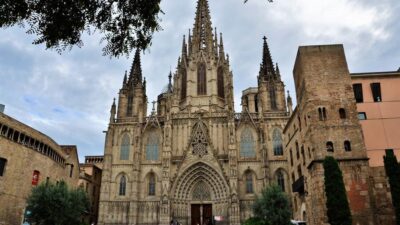
Barcelona: Old Town and Gothic Quarter Walking Tour
Read our review →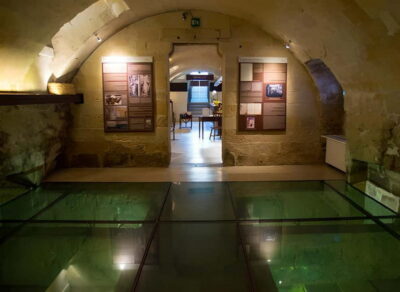
Lecce: Baroque Architecture and Underground Walking Tour
Read our review →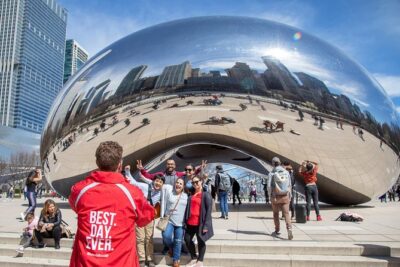
Chicago in a Day: Food, History & Architecture Walking Tour
Read our review →
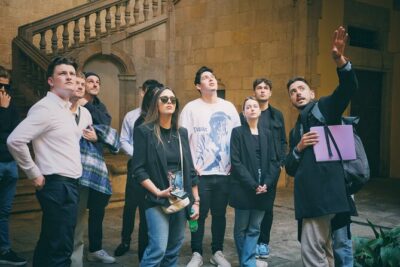
Ramblas, Old Town, Gothic and Gaudi Architecture Walking Tour
Read our review →
Chicago’s Secret Interiors Architectural Walking Tour
Read our review →Browse the lists this tour appears in