
Review · ARCHITECTURE TOURS
Melbourne Art Deco Architecture Tour
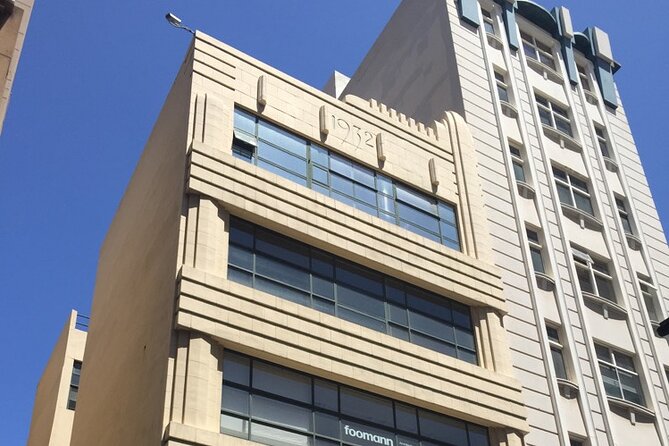
Melbourne’s Art Deco story begins with a citywide celebration. The 1934 Centenary of Melbourne helped spark a building boom, and the central city still shows the results in patterned facades, terracotta tiles, and bold designs shaped by Spanish, Egyptian, and Mayan influences. This tour teaches you to look up and notice them.
I like the small group of no more than 10, which gives you room to ask questions and lets the guide adjust the talk to your interests. I also like the 10am start: you get a focused two-hour walk, then still have most of the day for the MCG, museums, shopping, or lunch. The main drawback is simple: you need a moderate level of fitness, and two hours on city streets may not suit anyone who prefers a seated tour.
Key points to know before booking
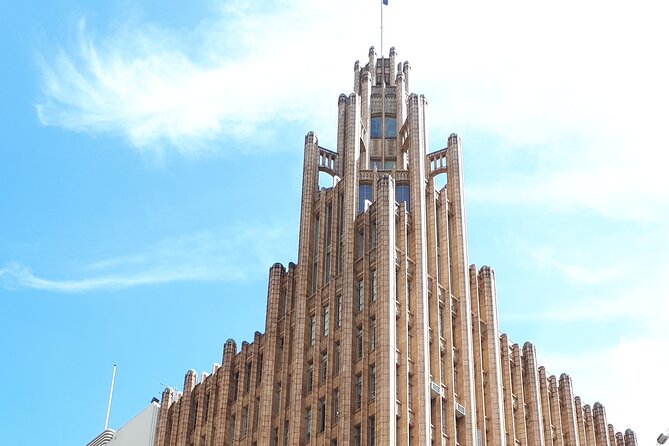
- Start at the Manchester Unity Building: Meet at 220 Collins Street at 10am, then return to the same place.
- See Melbourne’s Art Deco landmarks: The route includes the Manchester Unity Building and Majorca Building.
- Learn to read the style: Your guide points out terracotta self-cleaning tiles, geometric patterns, and details shaped by world design.
- Keep the afternoon free: The morning schedule works well with a museum visit, sporting event, or further city exploring.
- Expect a personal tour: Groups are capped at 10, and guides such as San, John, and Catherine have been praised for adapting to questions.
- Plan for an outdoor walk: Food, drinks, and hotel pickup are not included, so arrange those yourself.
Why Melbourne’s 1934 building boom matters
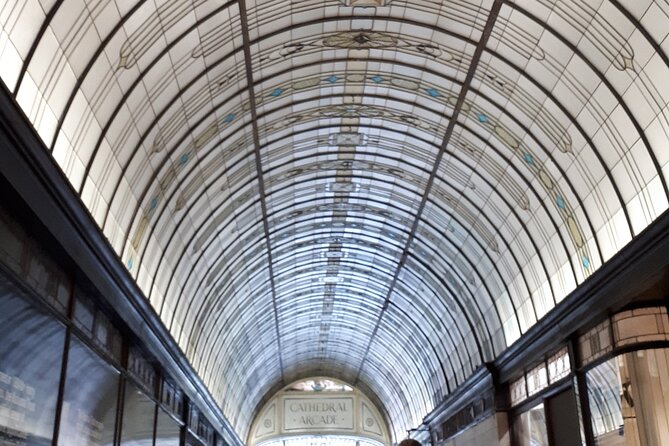
Art Deco is easy to miss when you are hurrying through Melbourne’s central business district. You may notice a striking entrance or a patterned facade, but without some context, the buildings can look like a collection of unrelated old offices.
This walk gives those details a shared story. Melbourne’s centenary in 1934 helped trigger a period of construction and renewal. That timing matters because Art Deco was not just a decorative choice. It reflected a changing city and a wider fascination with modern design, new materials, speed, geometry, and international styles.
Your guide explains how different cultures shaped the look. Spanish, Egyptian, Mayan, and other design influences appear in the forms and surface decoration. You are not simply shown a building and given its name. You learn what to look for, then begin spotting similar touches elsewhere in the city.
That is the lasting value of the tour. Once you understand the visual language, you can keep reading Melbourne’s streets after the walk ends.
More Art Deco tours in the world:
- Art Deco and Architecture Midtown Landmarks Tour
★ 5.0 · 142 reviews - Chicago Architecture Walking Tour: Incredible Art Deco Interiors
★ 5.0 · 85 reviews - Tulsa Art Deco and Architecture with Expert Guide Walking Tour
★ 5.0 · 77 reviews
Meeting at the Manchester Unity Building
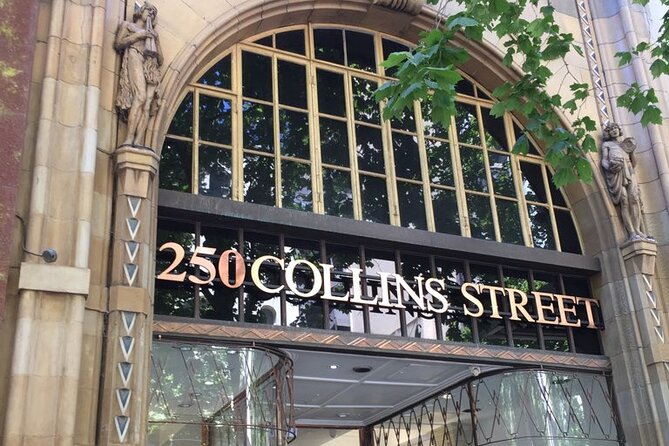
The tour begins at 10am outside the Manchester Unity Building at 220 Collins Street. This is both a practical meeting point and a fitting place to start, since the building is one of the central examples discussed during the walk.
Arrive ready to walk rather than expecting a formal indoor lecture. The tour moves through the city centre, with explanations given along the way. You may spend time looking at facades, entrances, upper levels, and decorative details that are easy to miss from street level.
A useful tip is to wear comfortable shoes and keep your schedule flexible for the full two hours. The walk is not described as strenuous, but the activity does require a moderate level of fitness. You will be on your feet and moving through city streets.
The start point is near public transport, which makes it fairly easy to reach without hotel pickup. Since no pickup is provided, you need to make your own way to Collins Street.
Learning to spot Art Deco details
One of the strongest parts of the experience is the practical lesson in how to recognize Art Deco. The style can be broad, and a quick list of dates or building names would not help much. Instead, the guide draws your attention to visible features.
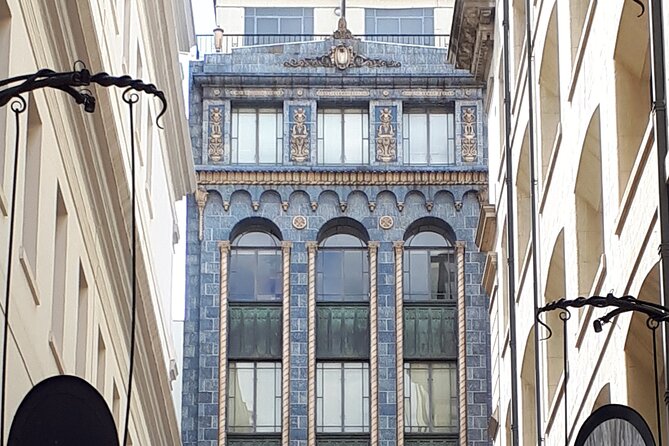
Look for distinctive patterning, clean shapes, and decorative surfaces. The tour also explains the use of terracotta self-cleaning tiles, a detail that adds a useful material connection to the design story. These are the sorts of features you might walk past without noticing, especially when your eyes are focused on shopfronts or traffic.
The guide also helps connect the buildings to international design. Spanish, Egyptian, Mayan, and other influences affected the period’s architecture. That mix gives Melbourne’s examples more variety than a single style label might suggest.
I value this kind of explanation because it gives you a tool rather than a pile of facts. After the tour, you can test yourself on other buildings in the CBD. The city becomes easier to read, and you may find yourself looking above eye level more often.
The Manchester Unity and Majorca buildings
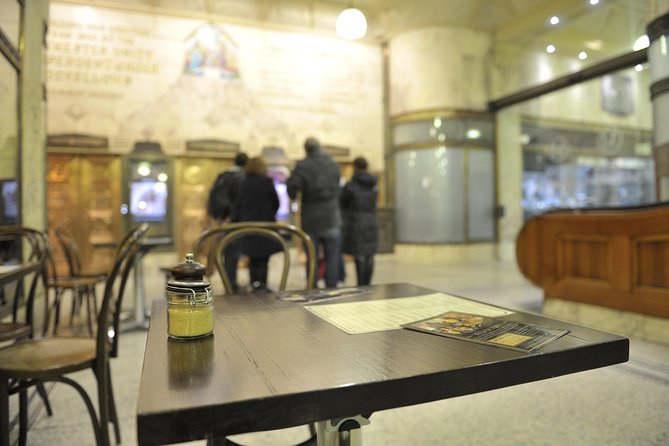
The Manchester Unity Building is the first named example on the route and an important anchor for the tour. Starting here lets the guide introduce the period, explain the 1934 centenary connection, and show how Art Deco ideas appear in a major Melbourne building.
The Majorca Building is another key stop. Together, these buildings give you a chance to compare different expressions of the style rather than treating Art Deco as one fixed formula.
The exact amount of time at each location may depend on the group and the guide’s approach. That flexibility is useful in a small group. If you are interested in materials, decorative motifs, or the effect of overseas design, you can ask for more detail. If you are mainly interested in Melbourne’s social and building history, you can steer the conversation that way.
Several guides have been singled out for making this part personal. San is described as enthusiastic about Melbourne and willing to help with onward directions. John has been praised for taking time to explain the city centre carefully. Catherine is noted for giving a clear sense of how many Melbourne buildings use Art Deco ideas.
Those names matter less than the pattern they suggest: the guide is an active part of the experience, not just someone leading you from one address to the next.
A few more architecture tours around the world worth a look
- Chicago Architecture River Cruise
★ 5.0 · 15,756 reviews - Chicago River 90-Minute Architecture Tour
★ 4.5 · 9,629 reviews - Chicago River: 1.5-Hour Guided Architecture Cruise
★ 4.8 · 8,046 reviews - Chicago Architecture Center River Cruise aboard First Lady
★ 5.0 · 5,536 reviews
A small group changes the feel
The maximum group size is 10. That is small enough for the guide to hear questions without the walk turning into a private tour price-wise.
A small group also helps when you are examining details on a busy city street. You are less likely to be standing at the back of a large crowd, and the guide can respond when someone asks about a particular feature or building.
The tour has also worked well for people who already live in Melbourne and want to see their own city differently. That is a useful clue. You do not need to be an architecture specialist, and you do not need to be new to Melbourne to get value from the walk.
The experience is especially suited to art and design fans, history-minded visitors, and anyone who enjoys city walks with a clear theme. It also works for a Saturday morning outing with friends. The subject is specific, but the guide’s explanations make it accessible to people who are simply curious.
The guides and their teaching style

The available feedback points to three guides by name: San, John, and Catherine. Their strengths are slightly different.
San is described as enthusiastic and attentive to questions. He has also helped a participant find the tram needed for a later visit to the MCG. That does not mean onward assistance is guaranteed, but it suggests you can ask practical questions at the end if you need to continue across Melbourne.
John is praised for giving a careful explanation of the CBD’s Art Deco buildings. His approach appears well suited to you if you want the city’s buildings placed in a clear historical setting.
Catherine is noted for explaining how widespread Art Deco is in Melbourne. Her tour also included going inside some buildings, which can add another layer to the experience. Access inside buildings can depend on circumstances, so you should not treat every interior visit as guaranteed.
The common advantage is the chance to speak directly with the guide. A private tour is possible only if the group happens to be very small, so you should not book expecting one. Still, the 10-person limit gives the experience a more relaxed feel than a large city walk.
How much value do you get for $64.55?
At $64.55 per person, this is not the cheapest way to spend two hours in Melbourne. You are paying for a specialist subject, a local guide, and a small group rather than for entry to a major attraction.
The value improves if you want more than a general orientation walk. The guide teaches you how to identify materials, shapes, and cultural influences, then applies those ideas to notable CBD buildings. That sort of instruction can stay with you for the rest of your visit.
The price also makes more sense if architecture is a main interest. If you only want a quick introduction to Melbourne, a general city walk may cover more ground and cost less. This experience has a narrow focus, and that focus is its strength only if the subject appeals to you.
You should also remember that food and drinks are not included. The tour finishes back at the meeting point, so you can choose your own cafe or lunch afterward. That gives you freedom, but you should allow extra money and time if you want to continue the morning with food.
Why the 10am schedule works well

The start time is one of the tour’s practical advantages. A 10am meeting gives you a calm morning beginning without taking up the whole day.
When the walk ends around noon, you can build the rest of your plans around central Melbourne. The morning leaves time for a museum, shopping, a meal, or an activity farther from the CBD. One participant continued toward the MCG, and the guide helped with the tram connection.
This timing is also useful if you are staying in Melbourne for only a short visit. You get a clear introduction to one part of the city, then have the afternoon available for other major sights.
The trade-off is that there is only one stated start time. If you prefer a late afternoon walk or want to avoid a fixed morning appointment, this may not fit your schedule.
What to expect physically and practically
You should plan for a genuine walking tour, not a hop-on, hop-off outing. The route takes place in the city centre, and the tour ends where it begins.
Wear shoes suited to two hours on foot. The stated fitness requirement is moderate, so you do not need to be an athlete, but you should be comfortable walking and standing for the duration.
The activity is available with a mobile ticket, and confirmation is provided when you book. It operates near public transport, but hotel pickup is not included.
The tour has a minimum number of participants. If that number is not reached, the operator may cancel after confirmation and offer either an alternative or a full refund. For your own planning, avoid placing an unchangeable afternoon commitment immediately after the tour.
You can cancel for a full refund if you do so at least 24 hours before the local start time. Changes or cancellations inside that window are not accepted for a refund.
Who should book this Art Deco walk?
I would choose this tour if you enjoy buildings, design, and city stories that sit just below the surface. It is a good fit if you want a more focused experience than a standard Melbourne orientation walk.
It also suits repeat visitors and locals. The central city can feel familiar until someone points out the details above the shopfronts. The tour gives you a reason to slow down and look carefully.
You should think twice if you dislike walking, want a broad survey of Melbourne attractions, or need a fully indoor activity. The experience is concentrated on Art Deco architecture, and its appeal depends on your interest in seeing buildings as design objects and historical evidence.
The 13-year minimum age also makes it unsuitable for younger children. Older children and teenagers who like design or city history may enjoy it, but the subject is presented as an architecture walk rather than a family entertainment program.
Should you book it?
Book it if Melbourne’s buildings interest you and you want a guide who can explain what you are seeing in plain terms. The two-hour length, small group, named CBD landmarks, and 10am start make it easy to add to a larger Melbourne itinerary.
I would be especially inclined to book if this is your first visit and you want a fresh way to understand the city centre, or if you live locally and have never looked closely at its Art Deco details. Skip it if the price feels high for a walking tour or if you prefer broad sightseeing over a specialist subject.
For the right reader, this is a useful city walk: focused, manageable, and full of details you can continue spotting long after the guide says goodbye.
FAQ
Where does the Melbourne Art Deco Architecture Tour start?
It starts at the Manchester Unity Building, 220 Collins Street, Melbourne VIC 3000.
What time does the tour begin?
The tour starts at 10:00am.
How long does the experience last?
It lasts approximately two hours.
Where does the tour finish?
The activity ends back at the Manchester Unity Building meeting point.
What buildings are included?
The tour includes the Manchester Unity Building and the Majorca Building, along with other Art Deco examples in Melbourne’s city centre.
How many people can join the tour?
The maximum group size is 10 people.
What is the minimum age?
The minimum age is 13.
Is hotel pickup included?
No. You need to make your own way to the Manchester Unity Building.
Are food and drinks included?
No. Food and drinks are not included in the tour price.
Can I cancel for a full refund?
Yes. You can cancel at least 24 hours before the local start time for a full refund. Cancellations or changes made less than 24 hours before the start are not accepted for a refund.
Just added around the world
- Wilmington History and Architecture Tour★ 4.8 · 18 reviews
- Washington, DC: Georgetown Architecture Walking Tour★ 5.0 · 8 reviews
- New Orleans : Garden District Architecture Walking tour★ 4.8 · 5 reviews
- Washington DC: Dupont Circle & Embassy Row Architecture Tour★ 5.0 · 6 reviews
- Vicenza: discovering the city of Palladio by e-bike★ 5.0 · 4 reviews
- Vicenza: Palladian Architecture Private Walking Tour★ 3.3 · 3 reviews
- Walk & Discover KL’s Architectural and Heritage Gems★ 5.0 · 7 reviews
- Unveiling Brno: History, Culture & Architectural Delights★ 5.0 · 2 reviews
Art Deco Tours, compared.
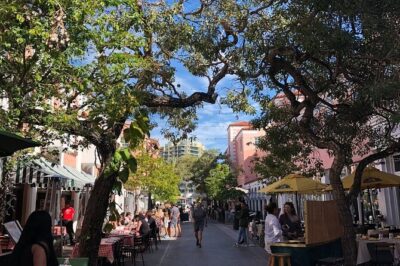
The Official Art Deco Walking Tour by The Miami Design Preservation League
Read our review →
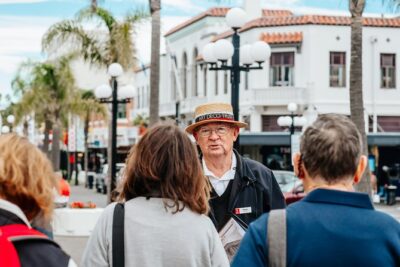
Guided 10am Morning Art Deco Walk From Napier Art Deco Trust
Read our review →
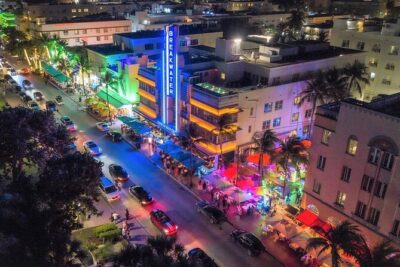
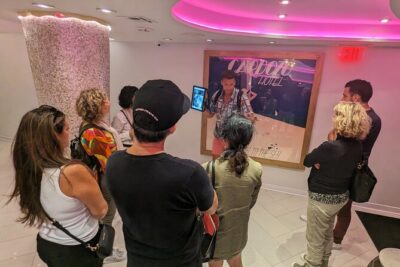
Award-winning Art Deco & Neon Lights Walking Tour in Miami Beach
Read our review →
Browse the lists this tour appears in