Review · ARCHITECTURE TOURS
La Paz: Andean Architecture Tour in El Alto
El Alto’s cholets are not quiet, reserved houses. They are huge, colorful statements built from Andean ideas, modern money, and a taste for dramatic design. This tour takes you beyond La Paz’s usual sights, up through the city by cable car, and into one of these remarkable mansions. I like the inside access and the chance to see how the decoration continues beyond the facade. I also like the way guides such as Denise, Chris, and Remberto connect the buildings to local customs, business, and family life.
The main drawback is practical: this is a three-hour walking tour at high altitude, with changing weather and no hotel pickup. The $25 price feels fair if you value a good guide and the cable-car ride, though it may feel high if you are the only person in the group or mainly want quick photo stops.
Key points to know before booking
- Cholets are the main event: See El Alto’s extravagant Andean mansions and enter one to view its interior design.
- The purple cable car begins the journey: Meet beside the Morado station and travel upward through several parts of the city.
- The cultural explanation matters: Learn how wealth, parties, Andean symbols, and modern architecture come together in the buildings.
- Guides are a major strength: Denise, Amara, Jose, Chris, Remberto, and Daniel have led highly praised tours, with particular praise for clear English and strong local insight.
- Expect walking at altitude: Take your time, wear comfortable shoes, and tell the guide if you need a rest.
- Keep your gear light: Large bags and luggage are not allowed, and a rain jacket is a smart choice in La Paz’s changeable weather.
Why El Alto’s cholets are worth seeing
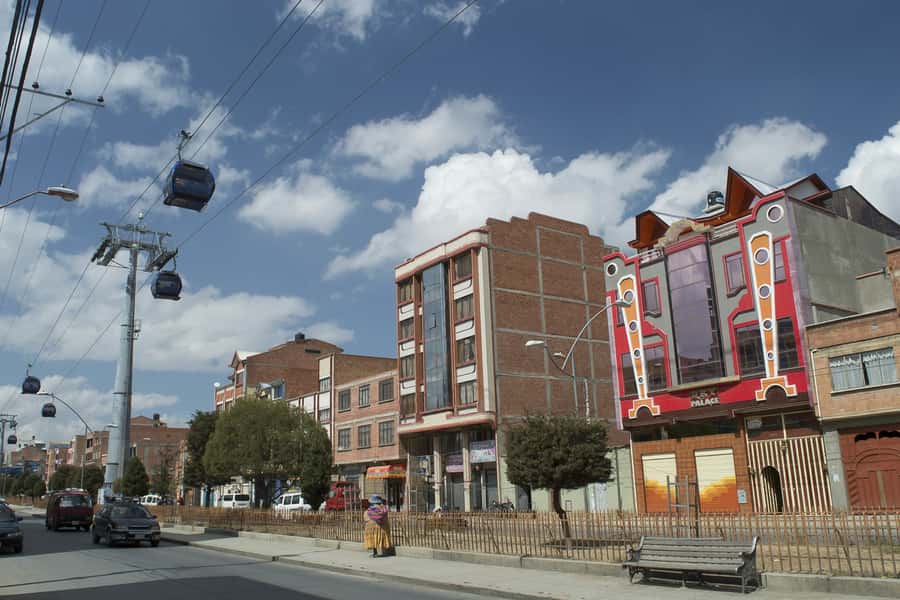
El Alto sits above La Paz and has a very different feel from the colonial center below. The city is known for its high plateau setting, newer urban growth, and strong Aymara identity. The cholet is one of its most striking visual expressions.
These buildings combine a home, a business space, and rooms for large celebrations. Their owners use them to show success, but the design is not simply about copying European luxury. The shapes and colors draw on Andean ideas, local textiles, geometric patterns, and symbols connected with regional culture.
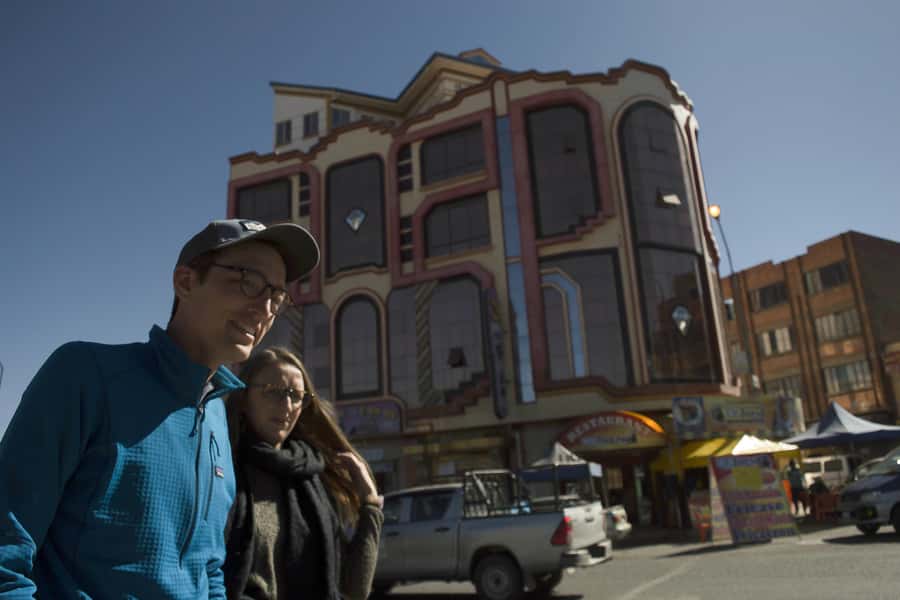
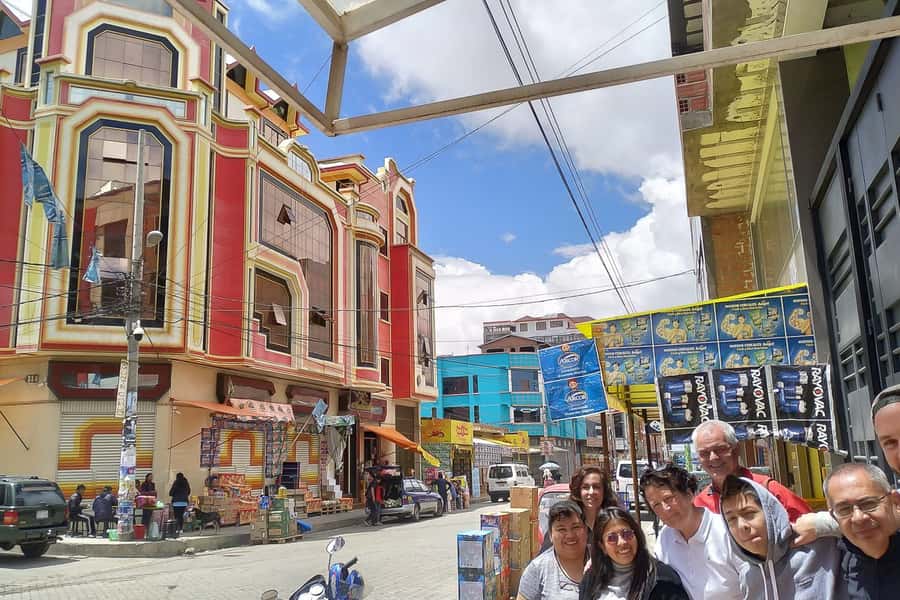
From the street, a cholet can look almost theatrical. Bright colors, bold angles, reflective surfaces, and unusual geometric forms compete for attention. Some look like futuristic palaces. Others bring together patterns and shapes that recall traditional Andean art while using concrete, glass, and modern construction.
I find the buildings most interesting when the guide explains what they mean to the people who built them. Without that context, it is easy to see only colorful facades. With it, you begin to understand the cholet as a sign of social mobility, cultural pride, and a family’s place in the community.
The tour also introduces the role of architect Freddy Mamani, whose work helped popularize this style. The exact buildings you see can vary, but the guide uses them to explain how this form of architecture developed and why it matters in El Alto today.
A few more architecture tours around the world worth a look
- Chicago Architecture River Cruise
★ 5.0 · 15,756 reviews - Chicago River 90-Minute Architecture Tour
★ 4.5 · 9,629 reviews - Chicago River: 1.5-Hour Guided Architecture Cruise
★ 4.8 · 8,046 reviews
Starting at the Michelline cafe and purple station
Your meeting point is at the doors of the Michelline cafe, next to the entrance to the purple cable-car station in central La Paz. Look for the guide wearing a red cap.
This is a useful meeting point because it is tied to a clear public transport landmark. Still, give yourself enough time to locate the cafe and station entrance. The tour does not include hotel pickup, so you are responsible for reaching the center of La Paz.
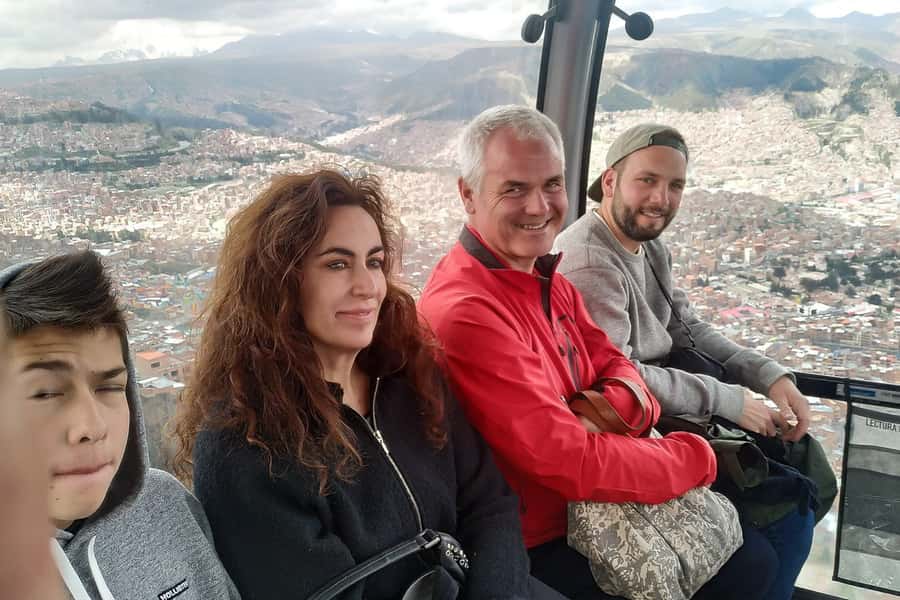
The purple line, known locally as the Morado line, carries you upward toward El Alto. The ride is more than simple transport. It gives you a quick visual introduction to how La Paz and El Alto connect, with the city spreading across steep slopes and the high plateau opening out above it.
You will ride with the guide and use the cable car to reach different parts of the route. Cable-car travel also saves you from spending the whole tour on congested roads, though you should still expect walking once you leave the stations.
Seeing La Paz and El Alto from the cable car
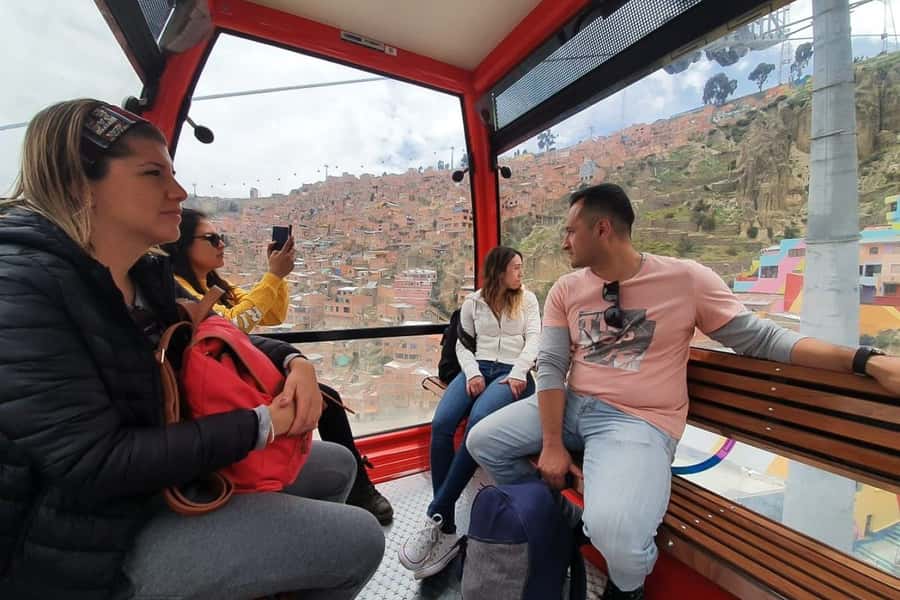
The cable car is one of the best parts of the outing because it lets you understand the relationship between the two cities from above. Instead of seeing only one street at a time, you can watch the urban form change as the route climbs.
From the cabins, you may see dense neighborhoods, broad stretches of high-altitude development, and the sharp contrast between La Paz’s deep valley and El Alto’s open plateau. The views are especially useful early in the tour, before you begin studying the buildings at street level.
The guide also uses the ride to explain the city and the surrounding area. Jose was especially praised for giving useful insight into La Paz and El Alto, while Remberto helped visitors understand how to use the teleferico and connect the ride with the architecture ahead.
Do not expect a long sightseeing ride with uninterrupted views. The cable car is part of a moving tour, and the group must continue according to the planned route. But it gives the experience a strong sense of place that a taxi ride would not.
Walking among El Alto’s colorful mansions
Once in El Alto, the tour becomes a walking experience. You will move through an area that is not part of most standard La Paz itineraries, looking at cholets from the street and hearing how they fit into local life.
This is where comfortable shoes matter. The tour lasts three hours, and high altitude can make a moderate walk feel harder than expected. You do not need to rush. The guide can adjust the pace when you need a break, but you should speak up rather than quietly pushing through discomfort.
The buildings are worth viewing from several angles. A facade can reveal one idea from straight on and another when you notice the upper levels, balconies, windows, or color patterns. The style can look playful, even kitsch, but the scale and cost of the buildings show that they are serious investments.
The architecture also reflects the social role of the cholet. These are not merely private residences. The buildings may include spaces for parties and other large gatherings, allowing owners to display their success in a very public way.
The tour’s value comes from linking these design choices to local traditions. The guide explains the relationship between wealth and celebration, the importance of family and community, and the way older Andean references appear in modern construction.
Same city, a completely different century:
- Chicago Architecture Center River Cruise aboard First Lady
★ 5.0 · 5,536 reviews - Chicago: Architecture River Cruise Skip-the-Ticket Line
★ 4.8 · 4,325 reviews - Chicago River 45-Minute Architecture Tour from Magnificent Mile
★ 4.5 · 2,924 reviews - Barcelona: Sant Pau Recinte Modernista Entry Ticket
★ 4.6 · 2,567 reviews
Going inside a cholet
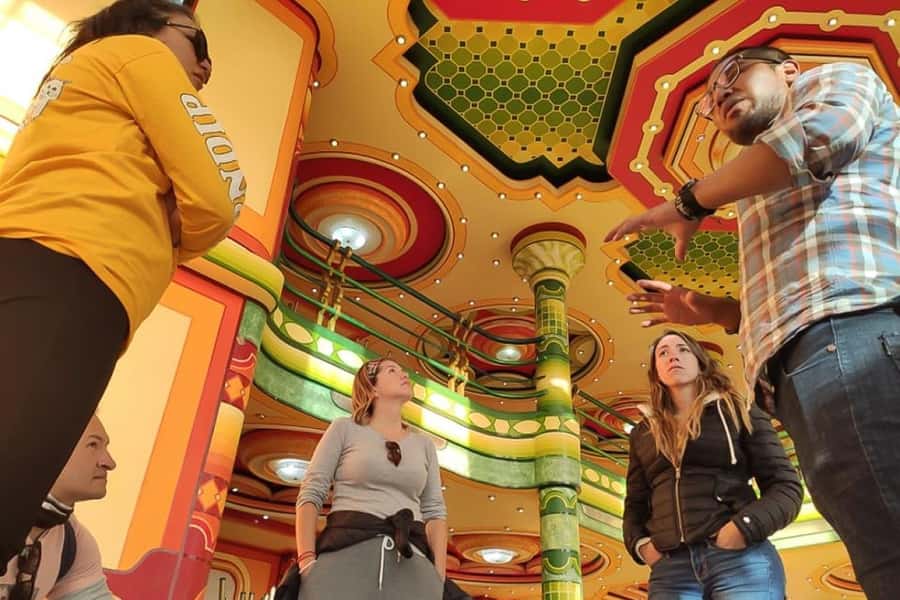
The chance to enter one cholet is the key feature that separates this experience from a simple architecture walk. From the sidewalk, you can admire the outside. Inside, you see how the same design language carries through the building.
Expect colorful decoration and bold interior choices rather than restrained, minimalist rooms. The details show that the building is meant to create an atmosphere, not just provide shelter. The interior can help you understand why the facade is so elaborate: the outside is an invitation to a larger world of celebration and display.
The access is also valuable because these buildings are part of ordinary local life, not museum pieces created for tourists. You are seeing a living architectural style in its own setting. The exact interior you visit can vary, and the tour does not promise a specific named building, but entering one gives the guide a useful place to explain the design in more detail.
If you care about architecture or urban planning, ask questions. Maria found the tour detailed enough for a serious interest in those subjects, and Denise was praised for explaining both the buildings and El Alto in depth. That suggests you can get more from the tour than a list of photo stops.
What the guides add to the experience
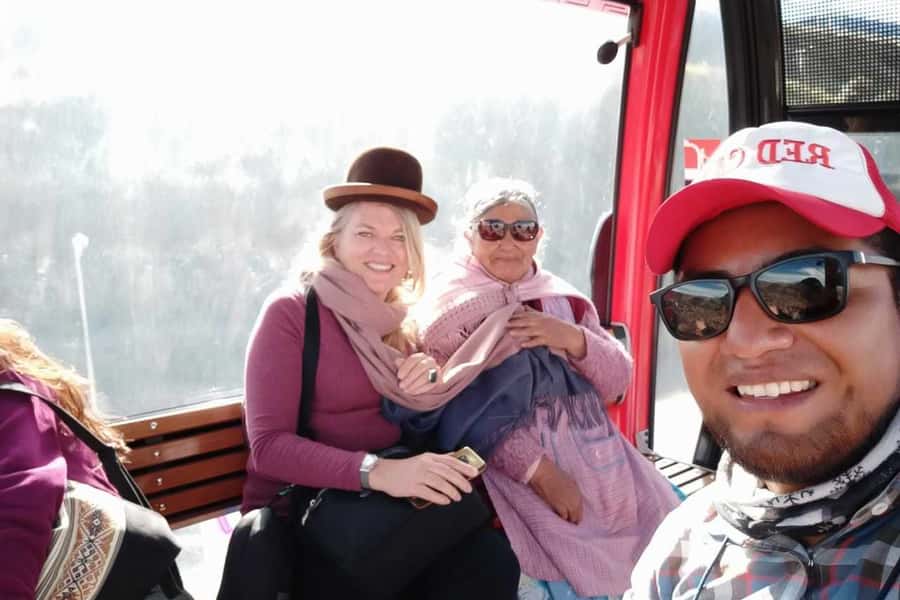
The guide can make or break a walking tour, especially in a place where the sights need explanation. This experience uses bilingual guides in English and Spanish, and several names have earned particularly strong praise.
Denise has led the tour for visitors who wanted clear English and detailed answers. She was described as friendly, informed, and able to explain both the cholets and the wider city. Amara was also praised for explaining the history and traditions connected with the buildings.
Jose is a good name to look for if you want broader discussion of La Paz and El Alto. Chris was praised for answering questions about the city and giving useful local context. Remberto has a reputation for sharing many facts about his city and explaining how to use the cable car. Daniel was described as friendly and well prepared.
Guide assignments can change, so you should not book on the assumption that one specific person will lead your departure. Still, the range of positive comments points to a central strength: the tour is not dependent only on what you see. The explanations give the architecture meaning.
Your own questions can shape the experience. Ask about Freddy Mamani, the role of parties in the buildings, the mix of Andean and modern forms, or how owners use the spaces. A guide who can discuss those subjects will make the three hours feel much fuller.
Snacks, transport, and the $25 price
The tour costs $25 per person and includes transportation, the bilingual guide, and local snacks. In practice, the transportation refers to the planned movement during the tour, including the cable-car portion. Hotel pickup and drop-off are not included.
For me, the price is reasonable if the group gets a strong guide and you value the combination of transport, cultural explanation, and interior access. The cable car provides a useful way to reach El Alto, and the guide saves you from trying to identify the buildings and interpret them alone.
The value is less clear if you are traveling alone and end up as the only participant. One person who took the tour felt it was overpriced in that situation, even though the guide and conversation made the day worthwhile. A private-feeling tour can be a benefit, but the per-person cost may feel less attractive when there is no larger group sharing the guide’s time.
The included snack is a small extra rather than a reason to book. You are paying mainly for access and interpretation. If you want to see cholets properly, understand their cultural role, and use the cable car without sorting out the route yourself, the cost compares well with a basic sightseeing outing.
Altitude, clothing, and daily comfort
La Paz and El Alto are at high altitude, and this tour involves walking. If you have just arrived in Bolivia, allow yourself time to adjust before choosing a three-hour outing. Walk slowly, drink according to your normal needs, and tell the guide when you need to rest.
Wear shoes with good support. The streets and walking route require more than casual footwear, and comfortable shoes will help you focus on the buildings rather than your feet.
The weather can change quickly. A rain jacket is strongly recommended, even if the morning begins bright and dry. Bring layers so you can adjust as the temperature and wind shift.
Do not bring luggage or a large bag. The tour is not recommended for people with limited mobility, and the combination of walking, altitude, and cable-car stations can make it difficult for anyone who needs step-free access or frequent assistance.
The free-cancellation policy allows you to cancel up to 24 hours before the tour for a full refund. You can also reserve now and pay later, which is useful if your La Paz plans are still shifting.
Who should take this tour
I would choose this tour if you want to see a side of La Paz that goes beyond the main historic sights. It suits people interested in architecture, local culture, photography, urban growth, and contemporary Andean identity.
It is also a good choice for anyone who wants a structured way to visit El Alto. The route, cable car, and guide remove much of the uncertainty involved in planning an independent visit, while the walking format keeps you close to the buildings.
You may want to skip it if you dislike walking, struggle at altitude, or prefer a polished sightseeing route with hotel pickup. It is not a museum tour, and the experience depends on being comfortable outdoors in changing weather.
The tour also works best when you are willing to listen and ask questions. The cholets are visually powerful, but the cultural explanation is what turns a colorful building into a meaningful stop.
Should you book the El Alto cholet tour?
Book it if you want an unusual, locally focused experience and are prepared for high-altitude walking. The combination of cable-car views, street-level architecture, entry into a cholet, and strong bilingual guiding gives you much more than a quick photo excursion.
I would especially recommend it to anyone curious about Freddy Mamani’s influence, Andean design, or the way new wealth is expressed through family and community spaces. At $25, it is a solid value when the group size is reasonable and the guide is able to provide the detailed cultural and architectural explanation this route deserves.
Skip it if you need hotel pickup, have limited mobility, or want a relaxed ride with very little walking. For the right visitor, though, this is one of the more memorable ways to understand El Alto beyond its dramatic views.
FAQ
Where does the tour meet?
Meet at the doors to the Michelline cafe, next to the entrance to the purple cable-car station in central La Paz, called Estacion Teleferico Morado. The guide will wear a red cap.
How long does the tour last?
The tour lasts three hours.
What languages are available?
The tour is available in English and Spanish with a live bilingual guide.
Is transportation included?
Yes. Transportation is included, including the planned cable-car travel during the tour. Hotel pickup and drop-off are not included.
Can I enter a cholet?
Yes. The tour includes the opportunity to enter one cholet and view its colorful interior design.
What should I bring?
Bring comfortable shoes and weather-appropriate clothing. A rain jacket is recommended because the weather in La Paz can change quickly.
Is the tour suitable for people with limited mobility?
No. The tour is not recommended for people with mobility impairments because it is a walking tour at high altitude.
Just added around the world
- Wilmington History and Architecture Tour★ 4.8 · 18 reviews
- Washington, DC: Georgetown Architecture Walking Tour★ 5.0 · 8 reviews
- New Orleans : Garden District Architecture Walking tour★ 4.8 · 5 reviews
- Washington DC: Dupont Circle & Embassy Row Architecture Tour★ 5.0 · 6 reviews
- Walk & Discover KL’s Architectural and Heritage Gems★ 5.0 · 7 reviews
- Vicenza: discovering the city of Palladio by e-bike★ 5.0 · 4 reviews
- Vicenza: Palladian Architecture Private Walking Tour★ 3.3 · 3 reviews
- Unveiling Brno: History, Culture & Architectural Delights★ 5.0 · 2 reviews
Architecture Tours, compared.
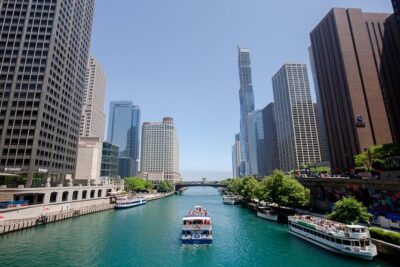

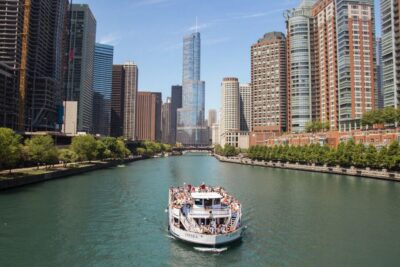
Chicago River: 1.5-Hour Guided Architecture Cruise
Read our review →
Chicago Architecture Center River Cruise aboard First Lady
Read our review →
Chicago: Architecture River Cruise Skip-the-Ticket Line
Read our review →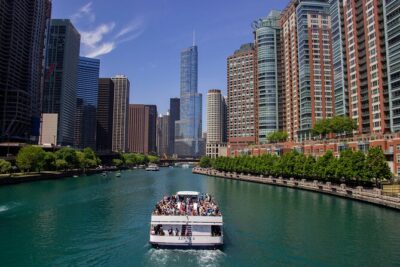
Chicago River 45-Minute Architecture Tour from Magnificent Mile
Read our review →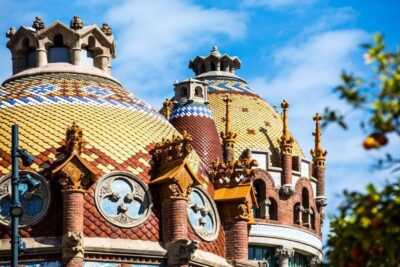
Barcelona: Sant Pau Recinte Modernista Entry Ticket
Read our review →