
Review · THE USA
Honolulu: Liljestrand House Architectural Tour
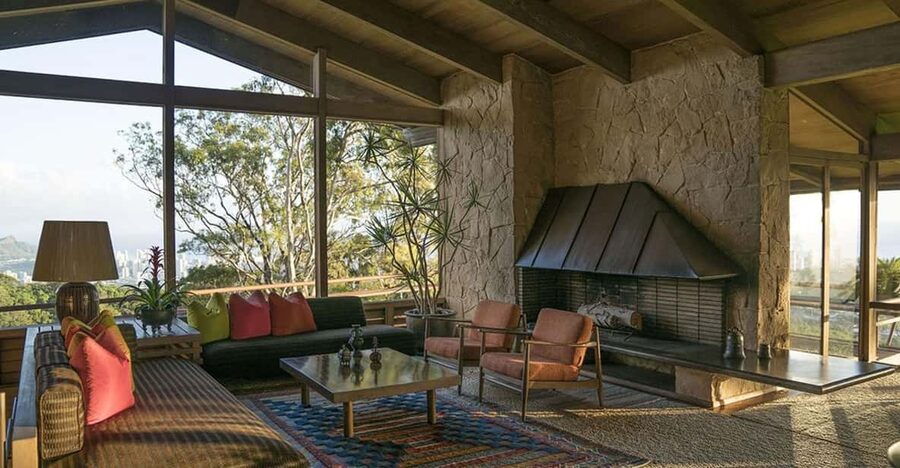
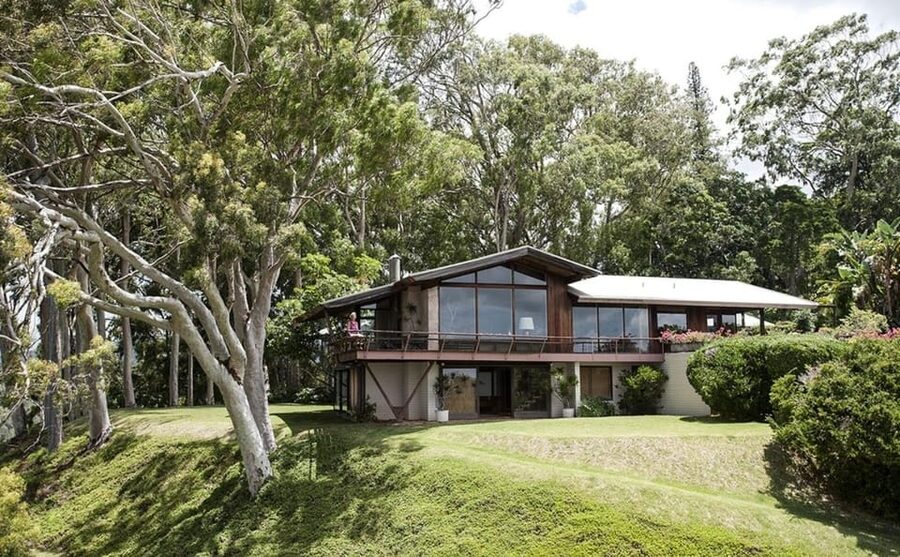
The Liljestrand House gives you something rare in Honolulu: a close look at a private mid-century home kept much as its designers intended. Vladimir Ossipoff’s view management is the star, with the house arranged to connect daily life, light, and the Hawaiian setting. I like the original furnishings and artwork, and I like that your admission helps the Liljestrand Foundation care for the property. The one catch is practical: the house has no air-conditioning and can feel hot in summer and fall.
I also like the small group, capped at 10 people, which gives you room to look closely and ask questions. On one tour, Perry brought unusual personal insight because he had lived on the mountain and knew Ossipoff. You must remove your shoes to protect the fragile wood floors, and the tour is not suitable for children under 10.
Key details of the Liljestrand House tour
- A preserved Ossipoff residence: See one of Honolulu’s celebrated examples of Hawaiian modern architecture.
- A 90-minute guided visit: Follow the house’s design and family story with an English-speaking guide.
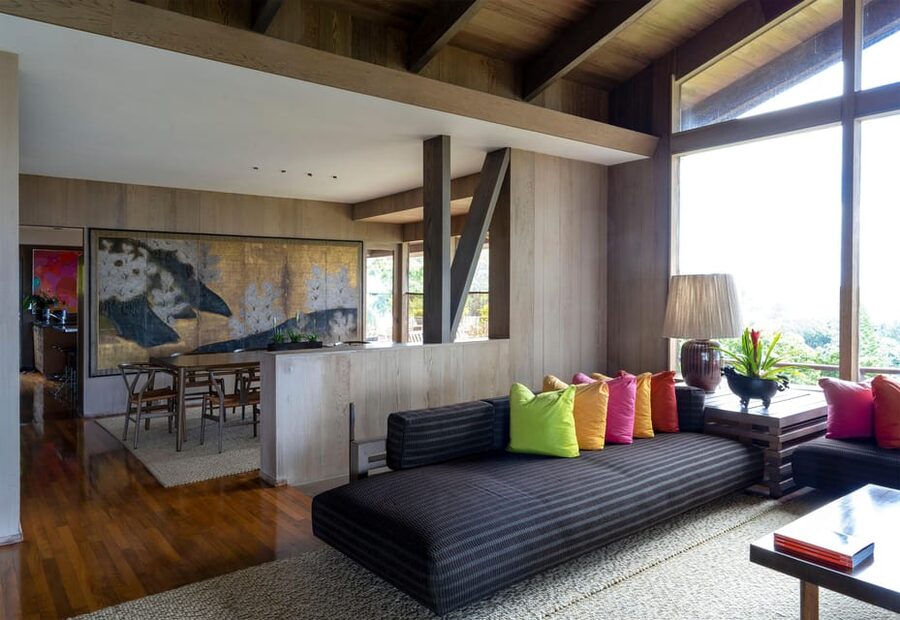
- Original interiors: Furnishings and artworks remain part of the visual story.
- Small groups of 10 or fewer: The setting suits close looking and questions.
- A personal connection to the architect: Guide Perry has shared insight from knowing Vladimir Ossipoff.
- A preservation-minded purchase: Your $78 admission supports the foundation caring for the house.
Why this house matters in Honolulu
Most architecture tours ask you to admire a building from the outside. Here, you enter a preserved home and see how its ideas work at human scale. That changes the visit. Instead of only hearing about mid-century design, you can study the relationship between rooms, materials, furnishings, art, and views as one complete plan.
The house is linked to Vladimir Ossipoff, a major figure in Hawaiian modern architecture. The tour focuses on his design principles, especially his skill at framing views and using natural materials. These are not abstract points to memorize. You can look around and consider where the house directs your eye, how its materials shape the mood, and how the interior feels connected to its setting.
I find this kind of visit more rewarding than a quick photo stop because the design reveals itself slowly. A building can look simple at first glance. With a guide explaining the choices behind that simplicity, you begin to notice proportion, sightlines, surfaces, and the way original objects help complete the rooms.
The Liljestrand family story adds another layer. You are not simply entering an architect’s showcase. You are seeing a home tied to the lives of the family who lived there and to their long friendship with Ossipoff. That personal link gives the architecture a human center.
A few more architecture tours around the USA worth a look
- Chicago Architecture River Cruise
★ 5.0 · 15,756 reviews - Chicago River 90-Minute Architecture Tour
★ 4.5 · 9,629 reviews - Chicago River: 1.5-Hour Guided Architecture Cruise
★ 4.8 · 8,046 reviews
What happens during the 90-minute visit
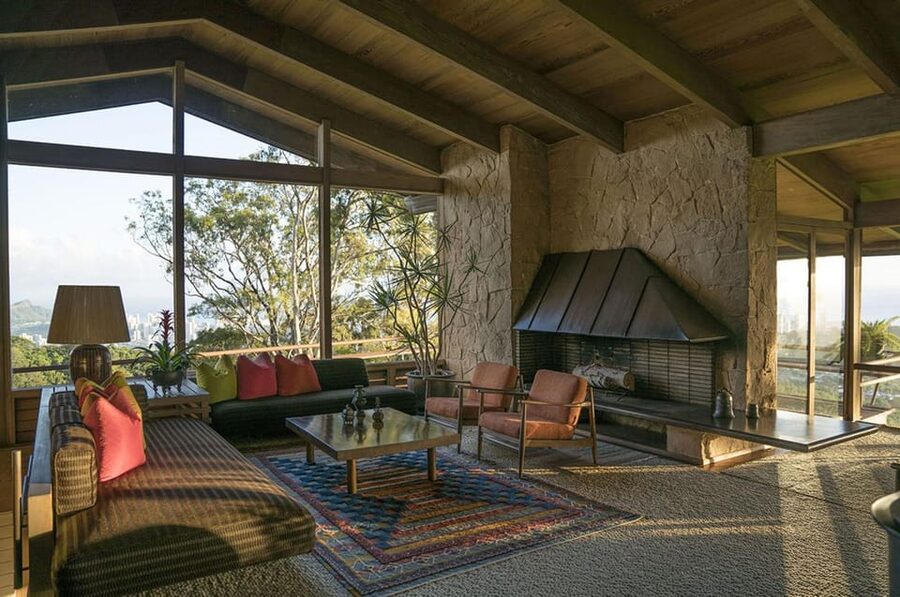
The visit is built around the house itself, rather than a long list of separate stops. You spend roughly an hour and a half moving through the preserved residence with a live English-speaking guide. The guide explains the building, its design ideas, the Liljestrand family, and the role of the foundation in protecting the property.
At the beginning, expect the practical shoe rule to shape the visit. You remove your shoes because the wood floors are fragile. This is worth knowing before you arrive, especially if you prefer easy slip-on footwear. Smoking and vaping are not allowed, and backpacks, large bags, tripods, extension poles, and selfie-sticks must stay out.
Once inside, the focus turns to the house’s design. The guide helps you read the rooms as Ossipoff intended. Pay attention to how views are handled, rather than assuming the best part of the tour is one grand vista. The design principle is more subtle: the placement of openings, rooms, and furnishings helps shape what you see and when you see it.
Natural materials are another key part of the explanation. You can consider how they affect the feeling of the rooms and how they fit the Hawaiian setting. The point is not simply that the materials look attractive. They form part of Ossipoff’s larger approach to making a home feel tied to its place.
The house’s original furnishings and artworks make the discussion concrete. Rather than viewing empty rooms and trying to imagine their former use, you see design choices working together. Furniture, art, and architecture share the same conversation. I would take time here and resist the urge to rush from room to room.
The tour also explores the Liljestrand family’s connection with Ossipoff. That story helps explain why this property survived as a carefully preserved example of his work. The house feels less like a staged display and more like a record of a family, an architect, and a friendship that shaped the home.
Reading Ossipoff’s view management
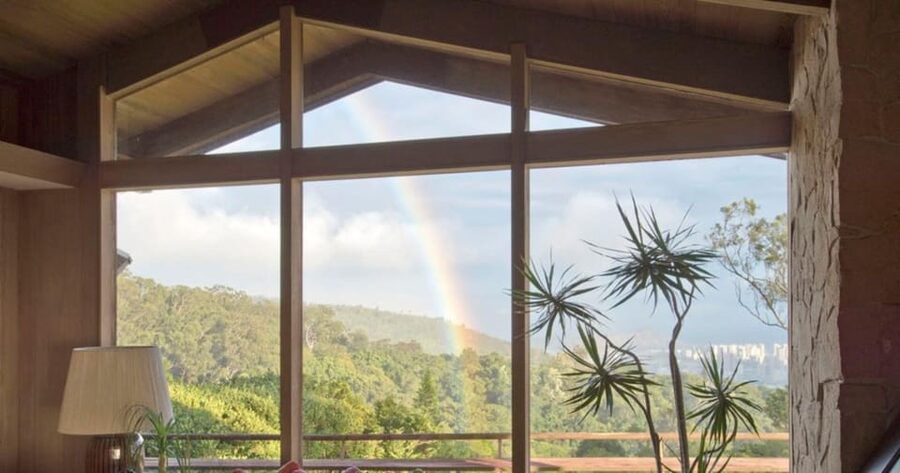
The phrase view management may sound technical, but it describes one of the most enjoyable parts of the tour. Ossipoff did not simply place a house in a scenic location and let the surroundings do all the work. He controlled how the setting entered the home.
As you move through the rooms, notice which views are emphasized and which are held back. A framed outlook can make a room feel open, while a more limited sightline can create privacy or focus attention on the interior. The guide’s job is to show you those decisions so you can see the house as a sequence of carefully planned moments.
This is where a small group helps. With no more than 10 people, you are less likely to feel lost in a crowd while trying to examine a doorway, window, piece of furniture, or artwork. You also have a better chance to ask why a certain design decision matters.
Perry’s personal connection makes this part especially memorable. He lived on the mountain and knew Ossipoff, so his understanding reaches beyond a standard account of dates and style. That does not guarantee he will lead your specific tour, but his presence shows the kind of firsthand perspective that can make architectural history feel close and specific.
Original furniture, art, and the family story
The house earns much of its character from what remains inside. Original furnishings and artworks are not background decoration. They help show how the spaces were meant to be used and how the family’s life fit within Ossipoff’s design.
I like that the tour treats these objects as part of the architecture rather than as isolated collectibles. A chair, table, or artwork can affect the way you read a room. The placement of those items can show scale, movement, and the balance between practical living and careful design.
The family story also keeps the visit from becoming too formal. You are learning about a real household, not just a style label. The enduring friendship between the Liljestrand family and Ossipoff gives the home a sense of continuity. It helps explain why the property matters beyond its appearance.
The result is a visit with two tracks. One is architectural: materials, views, spaces, and design principles. The other is personal: the people who commissioned, lived in, and cared for the house. If you enjoy both design and human stories, the combination gives the 90 minutes plenty of substance.
Same city, a completely different century:
- Chicago Architecture Center River Cruise aboard First Lady
★ 5.0 · 5,536 reviews - Chicago: Architecture River Cruise Skip-the-Ticket Line
★ 4.8 · 4,325 reviews - Chicago River 45-Minute Architecture Tour from Magnificent Mile
★ 4.5 · 2,924 reviews - Chicago Lake and River Architecture Tour
★ 4.5 · 2,308 reviews
The honest drawbacks: heat, shoes, and age limits
The main comfort issue is the lack of air-conditioning. The house can be quite hot during summer and fall months. That matters because this is a 90-minute indoor tour, and you may spend much of the time standing while listening and looking.
I would plan for warm conditions rather than treating the house like a cool museum. Light clothing and water before or after the tour are sensible choices, though the supplied information does not specify refreshment facilities. If heat affects your comfort, consider booking for a cooler time of year or checking the available starting times carefully.
The floor-protection rule is reasonable, but it changes what you wear. You need to remove your shoes, so comfortable footwear that comes off easily will make the process simpler. The ban on backpacks and large bags also means you should arrive with a light load.
The tour is not suitable for children under 10. Families with older children can decide based on their interest in architecture and their comfort with a quiet, guided house visit. This is not a hands-on attraction or a fast-moving sightseeing stop. It rewards patience and attention.
Is $78 a fair price?
At $78 per person, this is not a budget sightseeing activity. You are paying for a 90-minute guided visit to a preserved private house, not for a full-day program or a series of attractions. The value depends on how much you care about architecture, design, historic homes, and access to a property that is not an ordinary public stop.
I think the price makes sense for the right audience. You receive entrance to the Liljestrand House and a live guide, while your purchase supports the Liljestrand Foundation’s preservation work. That last point matters because the house requires careful care, especially with fragile wood floors and original contents.
The small group adds value, too. A group limited to 10 gives the visit a more personal scale than a large bus tour. You can look closely and ask questions without competing with dozens of people.
Still, I would not recommend this as a general Honolulu activity for everyone. If you want beaches, food, or sweeping outdoor scenery, $78 may feel high for a house tour. If you are already interested in Ossipoff, mid-century design, or well-preserved interiors, the cost is easier to justify.
Who will enjoy this tour most?
I would put this near the top of the list for people who enjoy architecture, historic homes, interior design, and the story behind a place. It also suits visitors who prefer a focused cultural activity over a large attraction with crowds and a tight schedule.
The tour works especially well for:
- People curious about Hawaiian modern architecture
- Fans of Vladimir Ossipoff’s work
- Visitors who enjoy original furnishings and artwork
- Design students, architects, and preservation supporters
- Adults and older children who can stay engaged for 90 minutes
- Anyone who values small-group cultural visits
You do not need to be an architecture specialist. The guide explains the principles in the house itself, and the family story gives you an accessible way into the subject. Still, you should have some interest in looking closely. If you would rather keep moving or spend your time outdoors, this may not be your best choice.
Simple preparation for a better visit
Check the starting time before booking, since the 90-minute tour has set availability. Allow enough time to arrive ready to remove your shoes and leave prohibited items behind. Backpacks, large bags, tripods, extension poles, and selfie-sticks are not permitted.
Wear shoes that are easy to remove and replace. Since the floors are fragile, follow the house rules carefully and avoid treating the rooms like a typical photo location. The ban on smoking and vaping applies during the visit.
Think about weather and season. Because there is no air-conditioning and the house can be hot in summer and fall, you may prefer a cooler part of the year. The supplied details do not identify a best time of day, so checking available departures is the practical move.
Cancellation is flexible enough for normal trip planning: you can cancel up to three days in advance for a full refund. That gives you some protection if your Honolulu schedule changes.
Should you book the Liljestrand House tour?
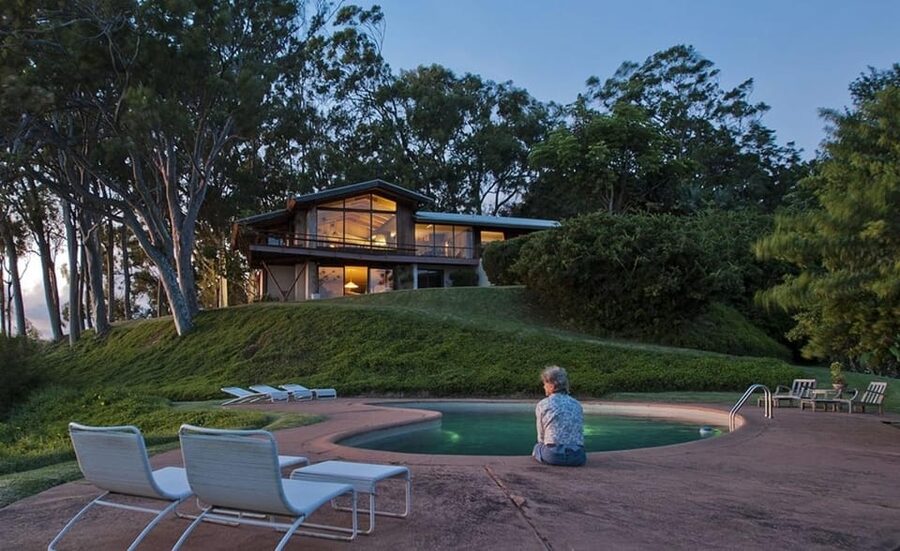
Book it if you want a close, thoughtful look at Hawaiian modern architecture and you value the care required to preserve an original home. The combination of Ossipoff’s design ideas, the Liljestrand family story, original furnishings, and a group of no more than 10 makes this more personal than a standard architecture talk.
I would especially seek it out if Perry is listed as your guide or leading a scheduled visit, since his connection with Ossipoff adds a rare personal angle. Just prepare for a warm house, bare feet on protected floors, and a quiet 90-minute format.
Skip it if you are looking for a cheap, casual stop, if you have children under 10, or if indoor heat will make the visit uncomfortable. For design-minded visitors, though, the $78 fee supports a meaningful preservation effort and gives you access to one of Honolulu’s most carefully maintained examples of mid-century residential design.
FAQ
How long is the Liljestrand House tour?
The tour lasts 90 minutes.
What language is the tour in?
The live guided tour is in English.
How many people are in each group?
The group is limited to 10 participants.
What is included in the price?
Admission to the Liljestrand House and a tour guide are included.
Do I need to remove my shoes?
Yes. Visitors must remove their shoes because the wood floors are fragile.
Are backpacks and large bags allowed?
No. Backpacks, large bags, tripods, extension poles, and selfie-sticks are not permitted.
Is the house air-conditioned?
No. The house is not air-conditioned and can sometimes be hot during summer and fall.
Can children join the tour?
The tour is not suitable for children under 10.
Just added around the USA
- Wilmington History and Architecture Tour★ 4.8 · 18 reviews
- Washington, DC: Georgetown Architecture Walking Tour★ 5.0 · 8 reviews
- New Orleans : Garden District Architecture Walking tour★ 4.8 · 5 reviews
- Washington DC: Dupont Circle & Embassy Row Architecture Tour★ 5.0 · 6 reviews
- Tulsa: Art Deco Walking Tour of Tulsa★ 5.0 · 8 reviews
- Castle to Capitol: Museums of the National Mall Architecture Tour★ 4.5 · 9 reviews
- Private Colonial Williamsburg Architectural Tour★ 5.0 · 5 reviews
- Iconic Capitol Hill Architectural Walking Tour★ 5.0 · 21 reviews
the USA Architecture Tours, compared.


Chicago River: 1.5-Hour Guided Architecture Cruise
Read our review →
Chicago Architecture Center River Cruise aboard First Lady
Read our review →
Chicago: Architecture River Cruise Skip-the-Ticket Line
Read our review →
Chicago River 45-Minute Architecture Tour from Magnificent Mile
Read our review →

Chicago: 1.5-Hour Lake and River Architecture Cruise
Read our review →Browse the lists this tour appears in