
Review · ARCHITECTURE TOURS
Helsinki: Architecture Walking Tour with Expert
Helsinki packs an astonishing range of architecture into a walkable city center. In three hours, you move from Engel’s neoclassical Senate Square to Saarinen’s grand railway station and Alvar Aalto’s modern interiors, with Art Nouveau, Nordic classicism, functionalism, and contemporary design along the way. I especially like the way guide Emek connects buildings to Finnish life and politics, rather than treating them as isolated façades.
I also like the small group of no more than six, which gives the tour a personal feel and lets Emek adjust the talk to your interests. The walk covers about 3 to 4 miles, so you get a useful orientation to central Helsinki as well as an architecture lesson. The main drawback is simple: this is a long outdoor walk, and Helsinki’s weather can be severe, particularly in winter.
Key points
- A compact tour of many architectural periods: See neoclassical, Gothic Revival, Art Nouveau, Jugendstil, Nordic classicism, modernism, functionalism, and contemporary design.
- A guide who links buildings to society: Emek brings in Finnish history, politics, culture, climate, and everyday life.
- Small groups of up to six people: The format allows the pace and level of detail to suit the group.
- Important interiors as well as façades: The route can include places such as the National Library, Central Railway Station, Pohjola Insurance Building, and Aalto-designed buildings.
- A useful first-day activity: The tour gives you a framework for understanding Helsinki before you explore more of the city.
- A real walking commitment: Expect 5 to 6 kilometers in all weather, with comfortable shoes and proper clothing essential.
Why Helsinki works so well for an architecture walk
Helsinki is unusually rewarding for a city architecture tour because its central districts show clear changes from one period to the next. You do not need to travel across the whole metropolitan area to see major shifts in taste, technology, national identity, and urban planning.
The city’s buildings also tell the story of Finland itself. Neoclassical architecture reflects the development of Helsinki as a capital. National Romantic and Jugendstil designs draw on northern nature, folklore, and the search for a distinct Finnish identity. Later modernist and functionalist buildings favor clean lines, light, practical spaces, and a close relationship between design and daily use.
I like this kind of tour because it gives you a way to read the city after the walk is over. Once you understand what to look for, a plain-looking façade may reveal careful proportions, a political message, or a response to Finland’s climate.
The tour is led in English by Emek, who has been praised for combining architecture with Finnish history, culture, art, politics, and local life. That broad approach matters. You are not simply memorizing names and dates. You are learning why Helsinki looks the way it does.
More architecture walks in the world:
- Lecce: Baroque Architecture and Underground Walking Tour
★ 4.6 · 1,248 reviews - Chicago in a Day: Food, History & Architecture Walking Tour
★ 5.0 · 1,153 reviews - Ramblas, Old Town, Gothic and Gaudi Architecture Walking Tour
★ 5.0 · 723 reviews
Senate Square and Engel’s neoclassical Helsinki
Senate Square is the natural place to begin understanding central Helsinki. The broad square is framed by buildings in a disciplined neoclassical style, giving the city a formal capital-city center.
Carl Ludvig Engel shaped much of this area, and his work helps explain Helsinki’s early nineteenth-century character. The emphasis is on symmetry, pale façades, columns, and orderly composition. The effect is grand without being overwhelming, and the open space makes it easy to see how the buildings relate to one another.
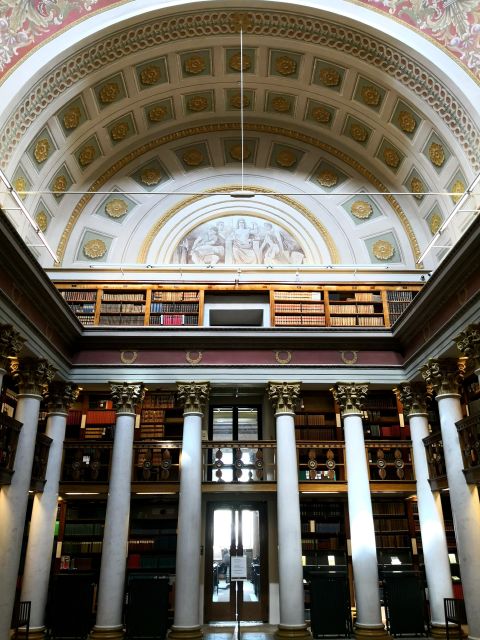
The National Library of Finland is one of the key stops in this part of the walk. Its importance is not only architectural. It also connects to Finland’s intellectual and cultural development, making it a useful place for Emek to explain how buildings can reflect the growth of a nation.
You may have time to appreciate parts of the interiors during the walk. That is a real advantage. Exterior architecture is easy to photograph, but interior spaces often reveal how a building was meant to function. The National Library is particularly valuable in that respect because its rooms give you a stronger sense of the building’s purpose and design than a quick look from the street.
Senate Square can be busy, and the openness of the space offers little shelter in bad weather. Still, it is an excellent opening chapter. You can see how Helsinki first presents itself as a planned capital, then compare that orderly style with the more expressive buildings later on.
From Gothic Revival and Jugendstil to Finnish identity
The next part of the walk broadens the picture. Helsinki is known for neoclassical buildings, but its architectural character becomes more distinctive when you begin noticing Gothic Revival, Art Nouveau, and Jugendstil details.
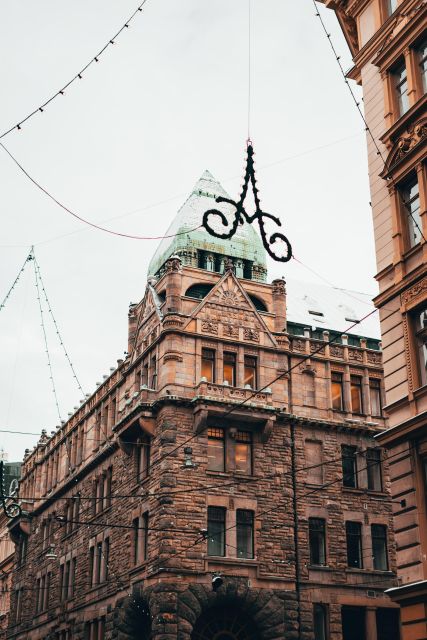
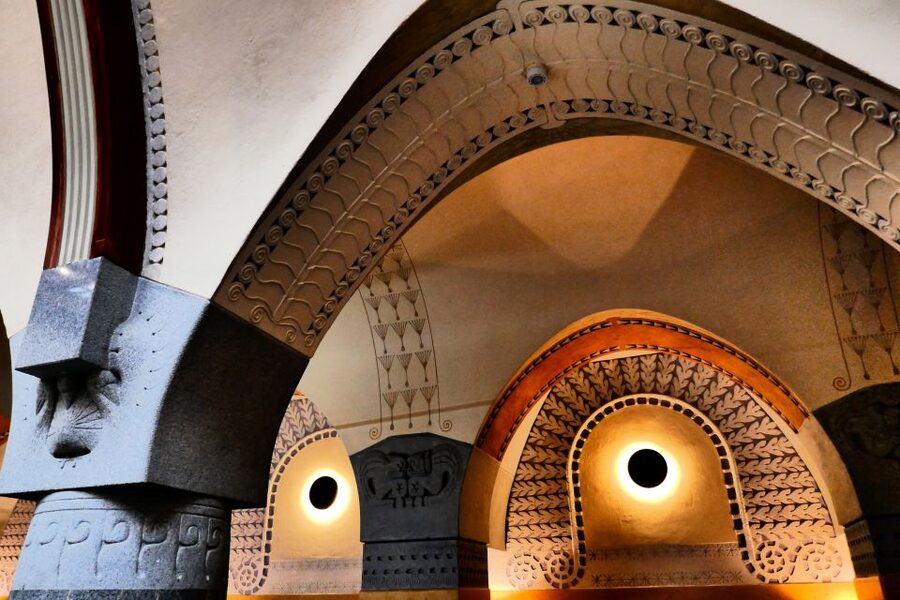
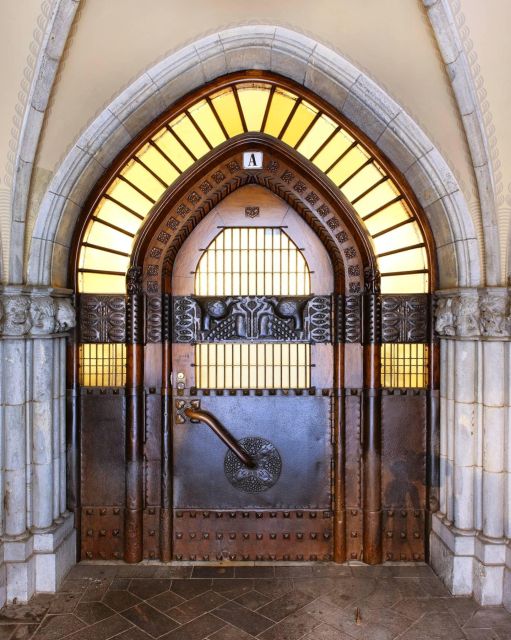
Jugendstil is especially important in Helsinki. Look for natural forms, heavy stonework, curved lines, decorative details, and façades that feel more local and expressive than the formal buildings around Senate Square. The style is often linked with the wider search for Finnish identity at a time when national culture was becoming more important.
JugendHall is one of the named stops. The building gives you a chance to consider how public architecture can carry both artistic ideas and social meaning. Nearby examples help show that Helsinki’s older buildings are not all variations on one theme. Some are formal and restrained, while others feel dramatic, textured, and rooted in northern surroundings.
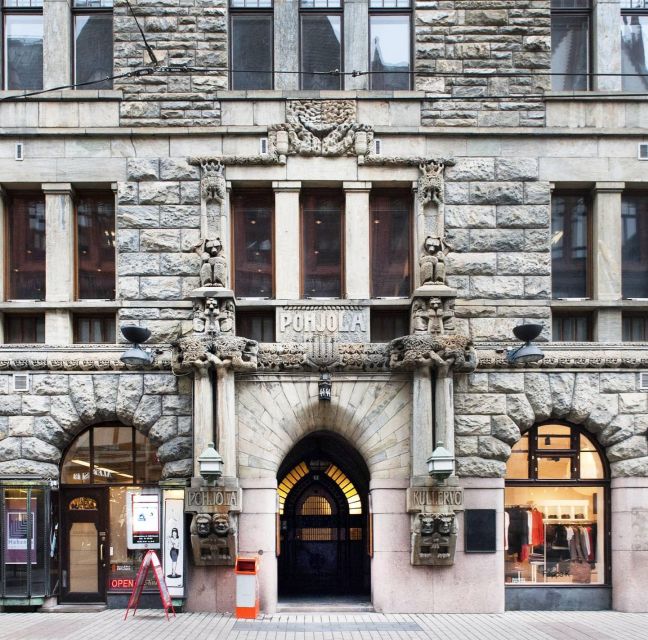
The Pohjola Insurance Building is another strong stop. It is associated with the National Romantic side of Finnish architecture and is a good example of a building that asks to be examined closely rather than simply admired from a distance. Decorative stone details and imaginative design make it one of the places where a guide adds real value.
Without explanation, you might walk past these buildings and notice only that they look old or decorative. With Emek’s commentary, you can connect the design choices to Finnish culture, politics, and ideas about national character. That context is one of the strongest reasons to choose a specialist architecture walk instead of a basic city orientation.
Saarinen’s railway station and architecture made public

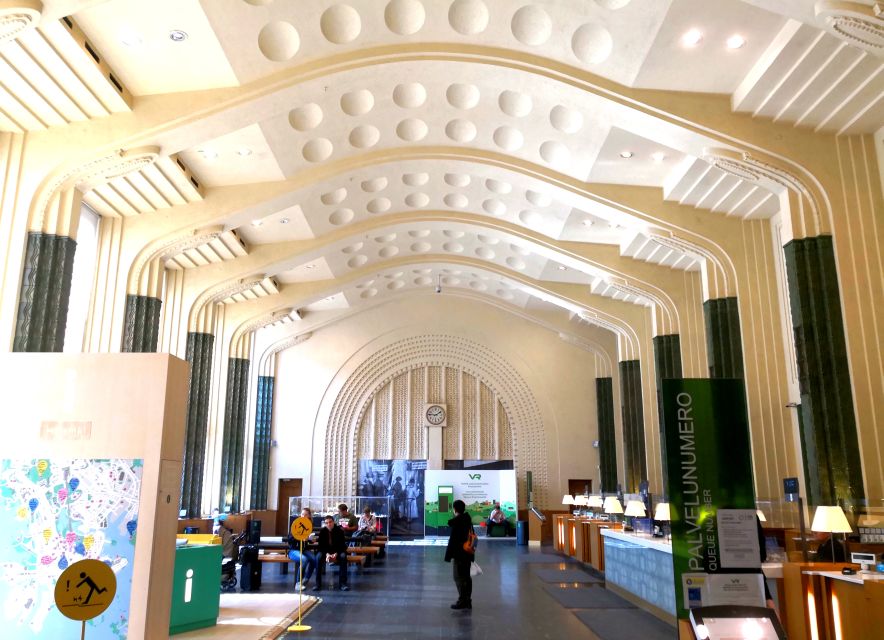
Helsinki Central Railway Station shows a different side of the city. It is a major public building, so the design had to manage crowds, movement, function, and ceremony all at once.
The station is linked with Eliel Saarinen, one of Finland’s best-known architects. Its exterior has a powerful presence, while the interior and public areas help you see how architecture can guide people through a busy building. This is not just a monument to admire. It is infrastructure that still plays an active role in city life.
I find railway stations particularly useful on architecture tours because you can test the architect’s ideas against actual use. Are the entrances clear? Does the building feel welcoming? How do its scale and materials affect your experience? At the station, you can consider those questions while also learning about Saarinen’s place in Finnish architecture.
The stop also helps bridge the gap between historic architecture and modern Helsinki. The railway station is grand, but it is not only ceremonial. It was designed for a practical purpose, and that practical side becomes increasingly important as the tour moves toward modernism and functionalism.
Because the station is a working public space, you should expect activity and movement around you. It may not offer the calm atmosphere of the National Library, but that is part of its value. You are seeing architecture in use.
A few more architecture tours around the world worth a look
- Chicago Architecture River Cruise
★ 5.0 · 15,756 reviews - Chicago River 90-Minute Architecture Tour
★ 4.5 · 9,629 reviews - Chicago River: 1.5-Hour Guided Architecture Cruise
★ 4.8 · 8,046 reviews - Chicago Architecture Center River Cruise aboard First Lady
★ 5.0 · 5,536 reviews
Aalto, the Academic Bookstore, and practical modernism
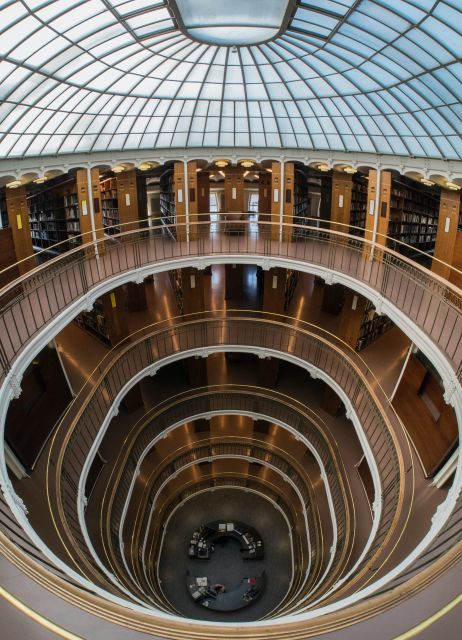
Alvar Aalto is central to any serious introduction to Finnish architecture, and this tour includes places connected with his work. The Academic Bookstore is one of the most appealing stops because it shows how modern design can shape an everyday public interior.
Aalto’s work is often associated with warm materials, careful lighting, human scale, and a practical understanding of how people use space. The Academic Bookstore lets you see those ideas in a setting that is still part of ordinary city life. You do not need to enter a museum to encounter major architecture. You can find it in a place where people browse, meet, and work.
This is where Emek’s explanations can help you notice details you might otherwise miss. A modern building may appear simple at first glance, but simplicity often requires careful control of proportion, light, materials, and movement.
The tour may also include other Aalto-designed buildings in the center. The exact balance of stops can depend on the group and the conditions, but the aim is to show how Aalto’s approach fits into the wider story of Helsinki. He did not design in isolation. His work belongs to a Finnish tradition that values practical solutions, natural light, and a strong relationship between people and their surroundings.
If you already know Aalto’s work, you will likely appreciate the chance to connect individual buildings. If you are new to him, this section gives you a clear starting point without turning the walk into a technical lecture.
Oodi and Helsinki’s contemporary public face
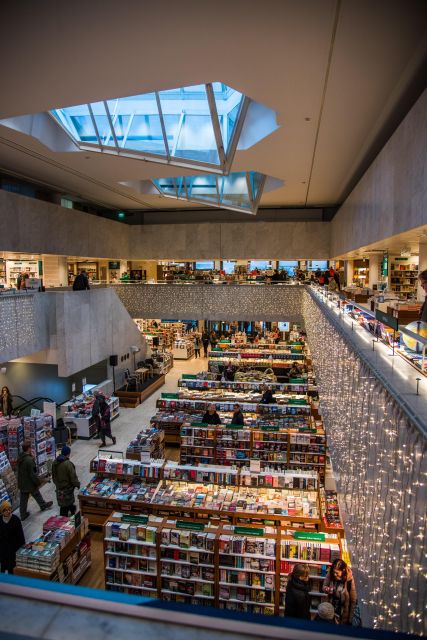
The new public library Oodi brings the tour into present-day Helsinki. Its inclusion is important because the city’s architecture is not frozen in the nineteenth or early twentieth century.
Oodi shows how a public building can be designed as a shared civic space. It represents a modern idea of the library as more than a place for books. The building’s contemporary form and public purpose give Emek another way to explain how Finnish society approaches education, access, community space, and design.
The contrast with Senate Square is especially useful. At the beginning of the walk, you see a formal capital shaped by neoclassical planning. At Oodi, you encounter a newer vision of public life, with architecture intended to feel open, useful, and welcoming.
This comparison is one of the tour’s best features. You are not simply collecting architectural styles. You are watching Helsinki change its idea of what an important public building should do.
Oodi can also be a practical place to pause during a long walk, depending on the route and timing. Still, do not assume the tour is a leisurely indoor visit. Much of the experience takes place outside, and the full route requires steady walking.
What the three-hour pace feels like
Three hours is enough time to cover a substantial part of central Helsinki without turning the walk into a rushed checklist. The route covers about 5 to 6 kilometers, so you should expect a steady pace rather than long periods sitting in one place.
The small group changes the feel of the tour. With a limit of six participants, you can usually hear the guide more easily and ask questions without interrupting a large crowd. Emek has adjusted explanations to suit the group, including the participants’ interests and prior knowledge. That makes the experience useful for both architecture beginners and people who already recognize names such as Engel, Saarinen, and Aalto.
The pacing has also worked well for older participants, but you should be honest about your walking ability. The distance is not extreme, yet three to four miles on city streets can feel tiring, especially in cold, wet, or icy conditions.
Winter deserves special attention. Tours operate all year, including in very cold weather. One winter tour took place at minus 20 degrees Celsius, and another was adapted to spend as much time indoors as possible during severe cold. That flexibility is encouraging, but you still need warm clothing, proper footwear, and realistic expectations.
Price, meeting point, and what you receive
The cost is $70 per person. For a three-hour private-feeling experience in a group limited to six, that is a reasonable price if architecture is a major interest or if you want a strong introduction to Helsinki.
You are paying for an expert English-speaking guide rather than transport, meals, or admission to a collection of attractions. The value comes from interpretation: understanding why buildings look the way they do, how Finnish history shaped design, and where to look for details.
The meeting point is the corner of Aleksanterinkatu and Kluuvikatu, outside the Nanso Clothing Store at Aleksanterinkatu 9B. The guide waits there, so arrive ready to begin outdoors.
Wear comfortable shoes. Bring weather-appropriate clothing, because the walk operates in rain, snow, and cold. The tour includes an expert guide, but other extras are not listed, so plan for your own food, drinks, and personal expenses.
You can cancel up to 24 hours before the start for a full refund, and the reserve-now, pay-later option gives you some flexibility while planning your Helsinki stay.
Who will enjoy this Helsinki architecture tour
I would choose this tour for several kinds of visitors:
- First-time visitors who want a clear introduction to central Helsinki.
- Architecture fans interested in Engel, Saarinen, Aalto, Jugendstil, modernism, and functionalism.
- History-minded visitors who prefer buildings explained through politics, culture, and national identity.
- Small-group travelers who dislike large walking tours and want room for questions.
- Repeat visitors who have seen the main sights but want to understand the city at a more detailed level.
It is less suitable if you want a short, low-effort sightseeing loop or if you dislike spending several hours outdoors. It is also not the best choice for anyone expecting a museum-style tour with lots of indoor time.
Book it early in your stay if possible. The tour can give you a useful mental map, point out buildings you may want to revisit, and make later walks through Helsinki more rewarding.
Should you book it?
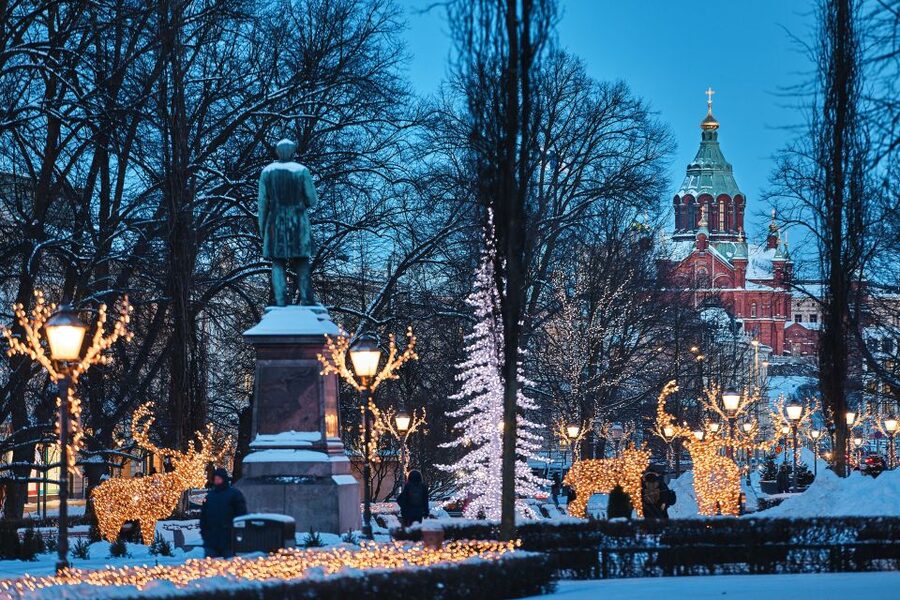
Book this tour if you want Helsinki’s buildings to make sense rather than simply look attractive. Emek’s strength is the connection between architecture, Finnish life, history, politics, and culture, and the small group gives the experience a personal tone.
The main decision is your tolerance for walking and weather. If you can manage 5 to 6 kilometers and dress properly, the $70 price is fair for three hours of focused guidance and access to a wide range of central Helsinki architecture. If you want a gentle introduction with little outdoor exposure, choose something shorter or more indoor-based instead.
FAQ
How long is the Helsinki architecture walking tour?
The tour lasts three hours.
How far will I walk?
You should be prepared to walk about 3 to 4 miles, or 5 to 6 kilometers.
What architectural styles will I see?
The tour covers neoclassical, Gothic Revival, Art Nouveau, Jugendstil, Nordic classicism, modernism, functionalism, and contemporary architecture.
Which buildings are included?
Named stops include Senate Square, the National Library of Finland, Central Railway Station, Oodi public library, JugendHall, the Pohjola Insurance Building, the Academic Bookstore, and other central Helsinki buildings.
Who leads the tour?
The tour is led in English by Emek, an expert guide who discusses architecture along with Finnish history, culture, politics, and daily life.
How large is the group?
The group is limited to six participants.
Where does the tour meet?
The meeting point is outside the Nanso Clothing Store at Aleksanterinkatu 9B, on the corner of Aleksanterinkatu and Kluuvikatu.
Does the tour operate in winter and rainy weather?
Yes. Tours operate all year, rain or shine.
What should I bring?
Bring comfortable shoes and clothing suitable for the weather. You should be ready for several hours of walking outdoors.
Just added around the world
- Wilmington History and Architecture Tour★ 4.8 · 18 reviews
- Washington, DC: Georgetown Architecture Walking Tour★ 5.0 · 8 reviews
- New Orleans : Garden District Architecture Walking tour★ 4.8 · 5 reviews
- Washington DC: Dupont Circle & Embassy Row Architecture Tour★ 5.0 · 6 reviews
- Vicenza: discovering the city of Palladio by e-bike★ 5.0 · 4 reviews
- Vicenza: Palladian Architecture Private Walking Tour★ 3.3 · 3 reviews
- Walk & Discover KL’s Architectural and Heritage Gems★ 5.0 · 7 reviews
- Unveiling Brno: History, Culture & Architectural Delights★ 5.0 · 2 reviews
Walking Tours, compared.

The Official Art Deco Walking Tour by The Miami Design Preservation League
Read our review →
Barcelona: Gothic Quarter Ghosts and Legends Walking Tour
Read our review →
Barcelona: Old Town and Gothic Quarter Walking Tour
Read our review →
Lecce: Baroque Architecture and Underground Walking Tour
Read our review →
Chicago in a Day: Food, History & Architecture Walking Tour
Read our review →

Ramblas, Old Town, Gothic and Gaudi Architecture Walking Tour
Read our review →
Chicago’s Secret Interiors Architectural Walking Tour
Read our review →Browse the lists this tour appears in