Review · ARCHITECTURE TOURS
An Architect’s Tour of Downtown Santiago
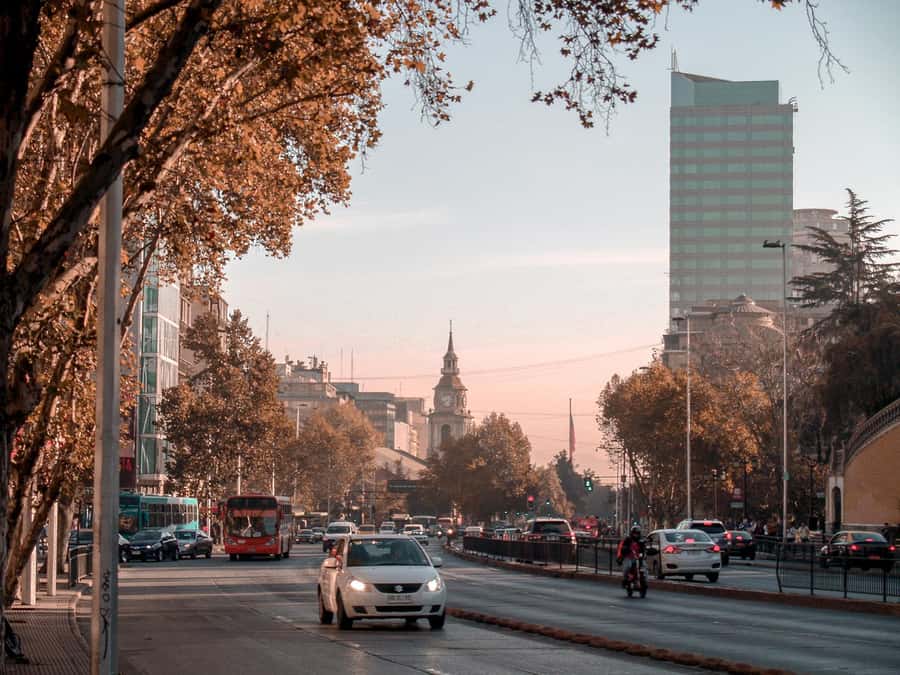
Santiago’s buildings tell the story of Chile’s political turns, social changes, earthquakes, and changing tastes. Architect Diego Inzunza leads this three-hour walk from Plaza Baquedano to La Moneda, explaining why the city looks as it does rather than simply pointing out old facades.
I like the small group, limited to eight, and the freedom to stop for questions or photographs. I also like the route’s range: Barrio Lastarria, Cerro Santa Lucia, Iglesia San Francisco, Paris-Londres, and the Universidad Catolica de Chile give you several different views of Santiago in one morning or afternoon.
The main consideration is simple: this is a walking tour, not a quick sightseeing loop. You need comfortable shoes and enough interest in architecture, history, or politics to stay engaged for three hours. Children under 10 cannot join.
Key points at a glance
- A local architect leads the walk: Diego Inzunza studied architecture, graduated in 2016, and has worked as an architect and guide for more than six years.
- The route connects buildings to events: You learn how Chilean political and social changes affected architectural design.
- Eight people is the limit: The small group makes it easier to ask questions, linger with a camera, and shape the conversation.
- It crosses several central districts: The walk links Plaza Baquedano, Lastarria, Santa Lucia, San Francisco, Paris-Londres, and La Moneda.
- English and Spanish are available: Diego lived in the United States for 10 years and speaks fluent English.
- The finish is central: The tour ends at the presidential palace, with public and private transport nearby.
Why an architect changes the way you see Santiago
Many city walks give you dates, names, and a few memorable stories. This one uses architecture as the organizing idea. That means you are not just told that a building is old or important. You are encouraged to notice its style, materials, proportions, setting, and reason for being there.
That approach is useful in Santiago because the city reflects several layers of Chilean life. Buildings and public spaces can show changes in power, religion, education, wealth, and national identity. Diego explains those links in plain language, so you do not need to know architectural terms before you arrive.
I especially like the chance to ask about details that catch your eye. If you want to spend longer photographing a doorway, compare two building styles, or ask why a neighborhood has a particular feel, the format allows that conversation. The route has been refined over more than five years, and planned stops can include coffee, restrooms, banking, or money exchange when needed.
The current rating is 5 out of 5 from seven ratings. That is a small sample, so I would not treat it as statistical proof. Still, the consistent praise points to the same strengths: Diego’s command of his subject, his passion, his friendly manner, and his ability to connect architecture with Chilean history and politics.
A few more architecture tours around the world worth a look
- Chicago Architecture River Cruise
★ 5.0 · 15,756 reviews - Chicago River 90-Minute Architecture Tour
★ 4.5 · 9,629 reviews - Chicago River: 1.5-Hour Guided Architecture Cruise
★ 4.8 · 8,046 reviews
Starting at Plaza Baquedano
The walk begins at Plaza Baquedano, beside Teatro Universidad de Chile, with the listed starting address at Av. Providencia 43. This is a useful place to begin because it is one of Santiago’s major intersections and a natural meeting point between different parts of the central city.
Do not expect a long introductory lecture before moving. The value of starting here is that Diego can place the rest of the walk in context. Plaza Baquedano sits at the meeting point of major neighborhoods and public routes, so it gives you an immediate sense of how central Santiago fits together.
This opening also sets the tone for the tour. You are looking at the city as a built record of change. Political events, public institutions, cultural life, and neighborhood growth all appear through the spaces you pass.
The meeting instructions deserve a careful look when you book, since both Plaza Baquedano next to Teatro Universidad de Chile and Av. Providencia 43 appear in the activity details. Confirm the exact meeting spot and starting time before setting out.
Barrio Lastarria and the cultural side of central Santiago
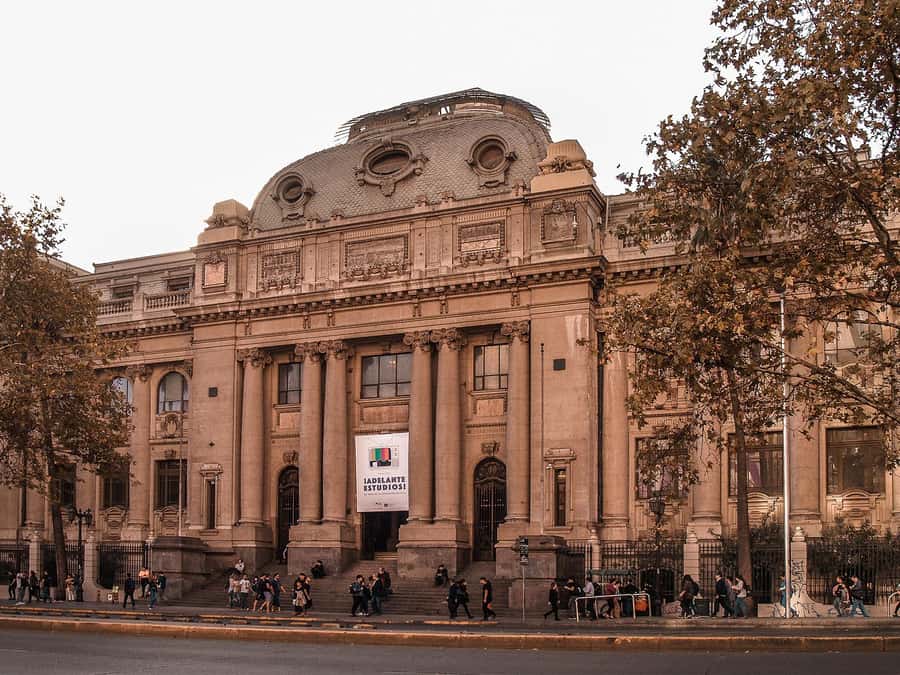
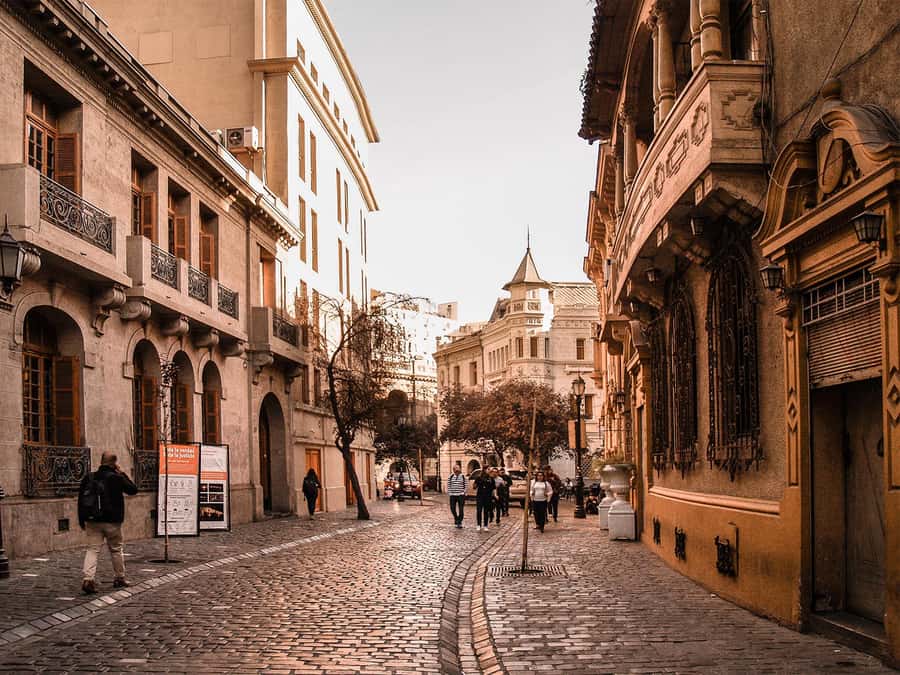
Barrio Lastarria is one of the early neighborhood stops. Its value here is not only its atmosphere or collection of attractive streets. Diego uses the area to explain how architecture works at a neighborhood scale, where individual buildings form a larger urban character.
You can expect to look at facades, street arrangements, and the relationship between older structures and later changes. The walk gives you time to ask how a building’s appearance reflects its original purpose or the period when it was built.
Lastarria is also a good place for photography. The group is small, and the guide allows time for pictures, so you do not have to choose between keeping up and looking carefully. If you take many photos, remember that three hours can pass quickly, and extra stops may reduce time elsewhere.
This part should suit you if you like a city’s everyday details. It is less about checking off one grand monument and more about understanding how a neighborhood gains its identity through design.
Universidad Catolica de Chile and the role of institutions
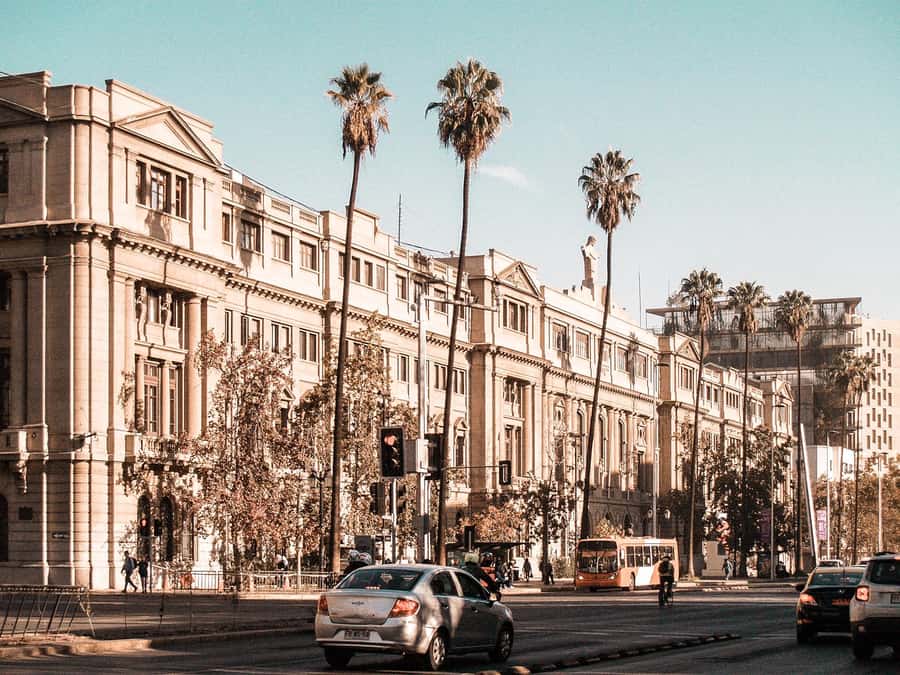
The route includes the Universidad Catolica de Chile, bringing education and public life into the discussion. Institutional buildings matter because they show how a city presents learning, authority, and civic purpose.
Here, you will hear about architectural choices and the reasons behind them. Diego’s training helps him explain the design itself, while his wider focus places the university in Chile’s social and political story.
That combination is one of the strongest reasons to choose this walk over a standard central-city stroll. You are not asked to admire a building simply because it is old or imposing. You are given a way to read it.
The tour is also conversational. You can ask about a feature you find curious, and the guide can spend more time on a place if the group wants to photograph or examine it. With no more than eight people, that kind of exchange should be easier than on a large bus or crowded walking tour.
Same city, a completely different century:
- Chicago Architecture Center River Cruise aboard First Lady
★ 5.0 · 5,536 reviews - Chicago: Architecture River Cruise Skip-the-Ticket Line
★ 4.8 · 4,325 reviews - Chicago River 45-Minute Architecture Tour from Magnificent Mile
★ 4.5 · 2,924 reviews - Barcelona: Sant Pau Recinte Modernista Entry Ticket
★ 4.6 · 2,567 reviews
Cerro Santa Lucia, a change in scale
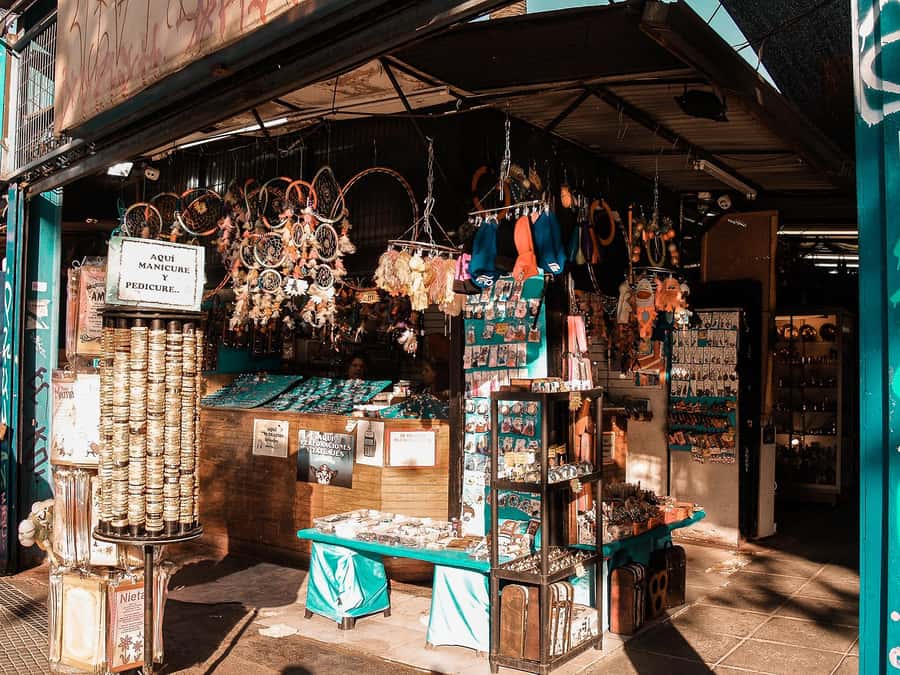
Cerro Santa Lucia brings a different kind of setting into the route. Instead of focusing only on streets and facades, the walk includes a prominent central landmark with its own architectural and civic role.
The stop helps you compare Santiago’s built spaces from a wider point of view. You can consider how a major city landmark relates to surrounding streets, neighborhoods, and public buildings. Diego’s architectural approach makes that comparison part of the story.
The supplied information confirms that the route is wheelchair accessible, but it does not describe every surface, incline, stair, or access point at each stop. If you use a wheelchair, contact the provider before booking so you can confirm how the full route is handled on your chosen day.
You should also wear comfortable shoes. The distance, city streets, and three-hour schedule make footwear more important than looking dressed up. Jewelry is not allowed, so leave it behind.
Iglesia San Francisco and older Santiago
Iglesia San Francisco adds religious architecture and an older layer of the city. A church is more than a pretty stop on a photo walk. Its form, materials, placement, and continued importance can show how religion shaped the growth of Santiago.
This is where an architect’s training can add useful detail. Diego can explain what you are looking at and how the building fits into the city’s development. You do not need prior architectural study. The tour is designed for curious visitors, not specialists.
I like that the route includes several different building types rather than repeating the same kind of stop. A university, church, neighborhood, hill, and government center allow you to compare how different institutions express themselves through design.
The pace may feel slow if your main goal is to cover as many attractions as possible. That is the tradeoff. You get explanation and discussion, but you will not spend three hours racing through every central Santiago sight.
Paris-Londres and the city’s changing identity
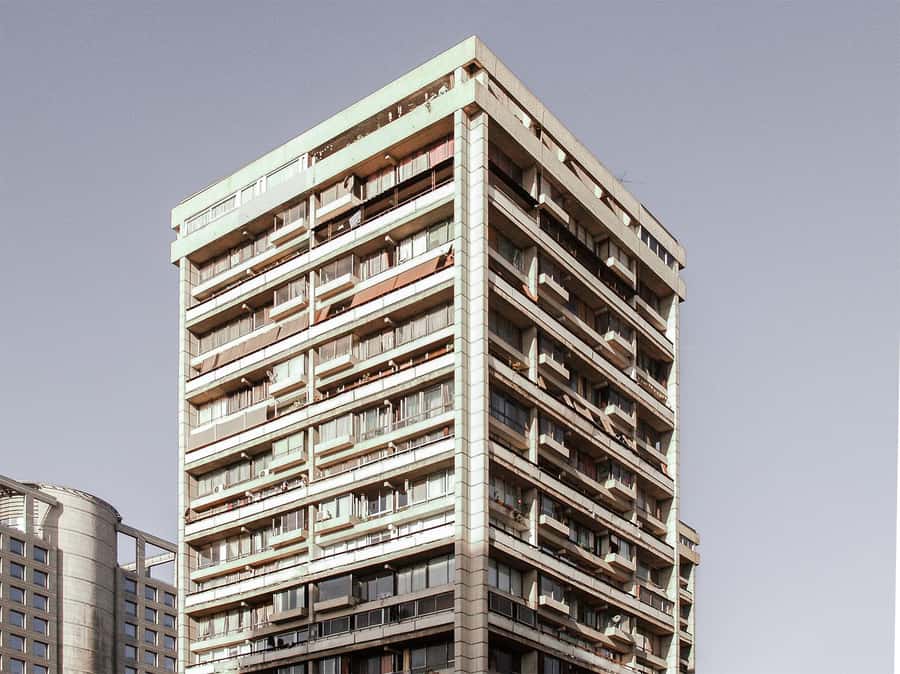
The Paris-Londres neighborhood brings another distinct urban setting into the walk. Its name alone hints at an outward-looking city, and the streets provide a chance to discuss how architectural styles and local identity can intersect.
Diego uses places like this to connect design with wider periods of social and political change. The emphasis is not on memorizing a list of dates. It is on seeing how a city’s values and pressures can appear in its buildings.
This is also a good portion of the tour for people who enjoy details. You might find yourself comparing window shapes, street widths, decorative elements, or the way buildings meet the sidewalk. Those observations become more meaningful once someone explains what to notice.
Souvenir buying is possible at several points along the route. That can be convenient if you want a small reminder of Santiago, but it is not the purpose of the tour. Bring spending money only if you want to make purchases.
Finishing at La Moneda
The walk ends at La Moneda, Chile’s presidential palace and the center of the country’s government. It is a fitting finish because the tour has been building toward the connection between architecture and national life.
By this point, you have looked at neighborhoods, institutions, religious buildings, and public spaces. La Moneda gives those themes a political focus. Diego explains how the design and setting of the civic center relate to Chile’s development and periods of political and social change.
Ending here also makes practical sense. The tour does not include a ride back to your hotel or starting point, but public and private transportation are only steps away. You can continue exploring central Santiago, find a ride, or head back on your own without being left in an isolated area.
Plan your day around the finish rather than treating it as a return trip. If you have an afternoon reservation in another part of Santiago, allow time for transport after the walk.
What the three hours feel like
This is a guided conversation as much as a sightseeing walk. Diego explains architectural styles, the reasons behind building aesthetics, and the events that shaped the city. You can ask questions throughout rather than saving them for a short question period at the end.
His background is useful for English-speaking visitors. Diego graduated with a degree in architecture in 2016, has worked as an architect and guide for more than six years, and lived in the United States for 10 years. The tour runs in English or Spanish.
The strongest praise focuses on his ability to make the subject engaging. That matters because architecture can become dry when it is reduced to technical language. Here, the aim is to connect design with real human choices and public events.
Coffee and restroom stops can be included along the way. The exact timing is flexible, so do not treat the break as a separate café visit with a fixed menu or length. It is there to keep the walk comfortable and practical.
Is $59 a fair price?
At $59 per person, this costs more than a basic free walking tour, but it offers a more specialized subject and a maximum group of eight. The price makes the most sense if you value access to a trained local architect and want a focused explanation of Santiago rather than a general introduction.
You are paying for three hours of guiding, conversation, route planning, and local interpretation. You also get the chance to shape the walk with questions and photography. That is better value for you if you enjoy learning how a city works.
The price may feel high if you want only a quick list of famous sights or prefer to explore at your own pace. In that case, you could walk between many of these central areas independently. You would miss the architectural links and historical framing, though.
The small group improves the value. A limit of eight gives you a better chance to hear clearly, ask follow-up questions, and avoid the anonymous feel of a large group. For architecture students, photographers, history fans, and first-time visitors who like context, $59 is easier to justify.
Who should book this Santiago walk?
I would choose this tour if you like history, architecture, politics, or learning why a city looks the way it does. It is also a strong first-day activity because it introduces several central districts and ends at La Moneda, giving you a useful mental map of downtown Santiago.
It suits adults and older children who can manage a three-hour walk and enjoy a sustained conversation. Children under 10 are not allowed, so families with younger children need another plan.
You do not need architectural training. Curiosity is enough. Bring comfortable shoes, leave jewelry at home, and arrive ready to look closely rather than rush from landmark to landmark.
Free cancellation is available up to 24 hours before the tour for a full refund, and you can reserve while paying later. Those policies help if your Santiago schedule is still changing, but the real decision is about pace and subject. Book it if you want buildings explained in their political and social setting. Skip it if you want a fast, attraction-heavy outing with little walking.
FAQ
Where does the tour begin?
The meeting point is Plaza Baquedano, next to Teatro Universidad de Chile. The activity details also list Av. Providencia 43, so confirm the precise meeting instructions before arrival.
Where does the tour end?
The walk ends at La Moneda, Chile’s presidential palace and civic center.
How long does the tour last?
The guided walking experience lasts three hours.
What languages are available?
The live tour is offered in English and Spanish.
Who guides the tour?
The guide is Chilean architect Diego Inzunza. He graduated in 2016, has worked as an architect and guide for more than six years, and lived in the United States for 10 years.
How large is the group?
The tour is limited to eight participants.
Do I need architectural experience?
No. The tour does not require previous architectural knowledge or special equipment.
Is the tour wheelchair accessible?
Yes, the activity is listed as wheelchair accessible. Since the route includes several locations, contact the provider if you need details about access at specific stops.
What should I bring?
Bring comfortable shoes. Jewelry is not allowed. You may also want money if you plan to buy souvenirs or need a coffee, banking, or money exchange stop along the way.
Just added around the world
- Wilmington History and Architecture Tour★ 4.8 · 18 reviews
- Washington, DC: Georgetown Architecture Walking Tour★ 5.0 · 8 reviews
- New Orleans : Garden District Architecture Walking tour★ 4.8 · 5 reviews
- Washington DC: Dupont Circle & Embassy Row Architecture Tour★ 5.0 · 6 reviews
- Vicenza: Palladian Architecture Private Walking Tour★ 3.3 · 3 reviews
- Walk & Discover KL’s Architectural and Heritage Gems★ 5.0 · 7 reviews
- Vicenza: discovering the city of Palladio by e-bike★ 5.0 · 4 reviews
- Unveiling Brno: History, Culture & Architectural Delights★ 5.0 · 2 reviews
Architecture Tours, compared.
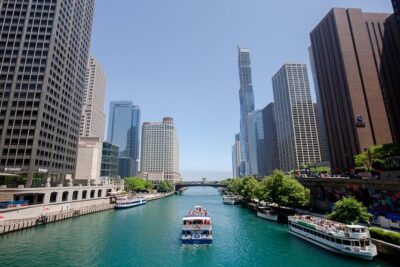
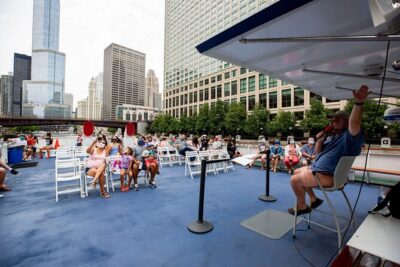
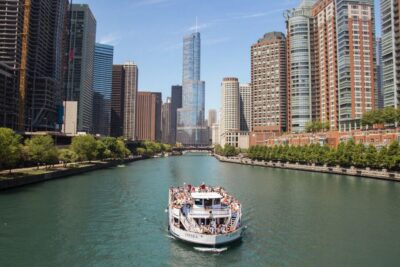
Chicago River: 1.5-Hour Guided Architecture Cruise
Read our review →
Chicago Architecture Center River Cruise aboard First Lady
Read our review →
Chicago: Architecture River Cruise Skip-the-Ticket Line
Read our review →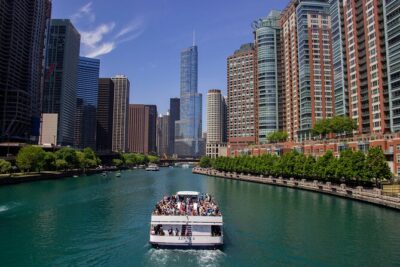
Chicago River 45-Minute Architecture Tour from Magnificent Mile
Read our review →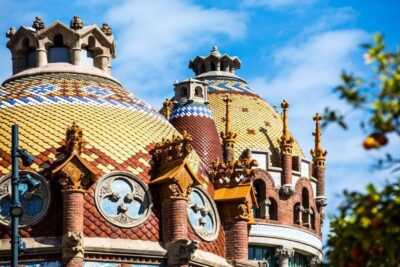
Barcelona: Sant Pau Recinte Modernista Entry Ticket
Read our review →