
Review · MEXICO
Puebla Architecture Walking Tour
Puebla’s old center packs an astonishing range of architecture into a walkable three-hour route. You’ll begin at the main square, enter the grand Cathedral, then move through gilded Baroque interiors, candy shops, craft stalls, artist quarters, and the crooked lanes of Sapos alley.
I like the private-group format, which gives you room to ask questions and lets the guide adjust the pace. I also like the crossword puzzle: it turns the architectural details into a small game rather than a stream of dates and names. The main drawback is simple: $59 per person is a fair price only if you care about architecture and guided context. If you prefer to wander alone, the same downtown sights can be seen without paying for a guide.
Key points to know before booking
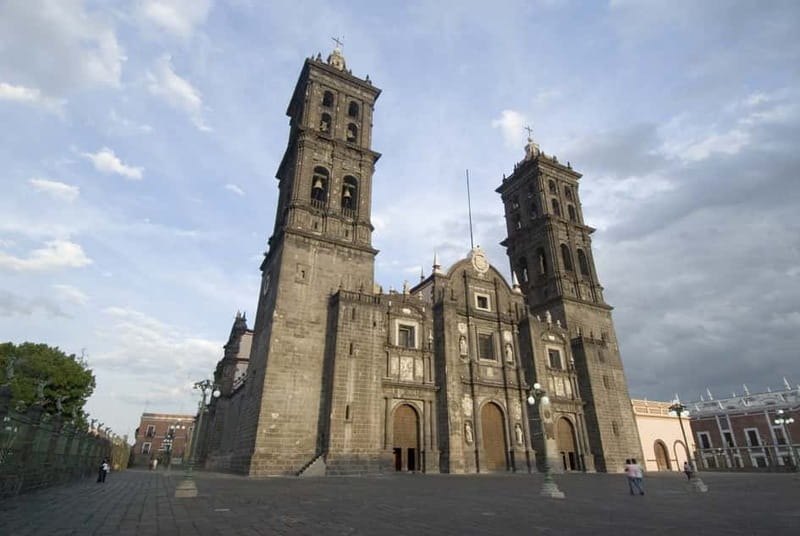
- Puebla’s Cathedral anchors the route: See a temple more than 300 years in the making, with the highest towers on the continent.
- Rosario Chapel is the visual high point: Its gilded stucco makes it one of Puebla’s clearest examples of Mexican Baroque design.
- The route covers more than churches: You’ll visit candy street, Sapos alley, artist neighborhoods, and the Parián handcraft market.
- A crossword keeps you involved: Use facts from the guide to complete a puzzle as you walk through the historic center.
- The tour is private and bilingual: You can book in Spanish or English, with a guide and entrance fees included.
- Plan for a central meeting point: Meet at the Tip Tours & DMC booth inside the visitor center at Av. Juan de Palafox y Mendoza 14, Portal Hidalgo.
Why Puebla works so well on foot
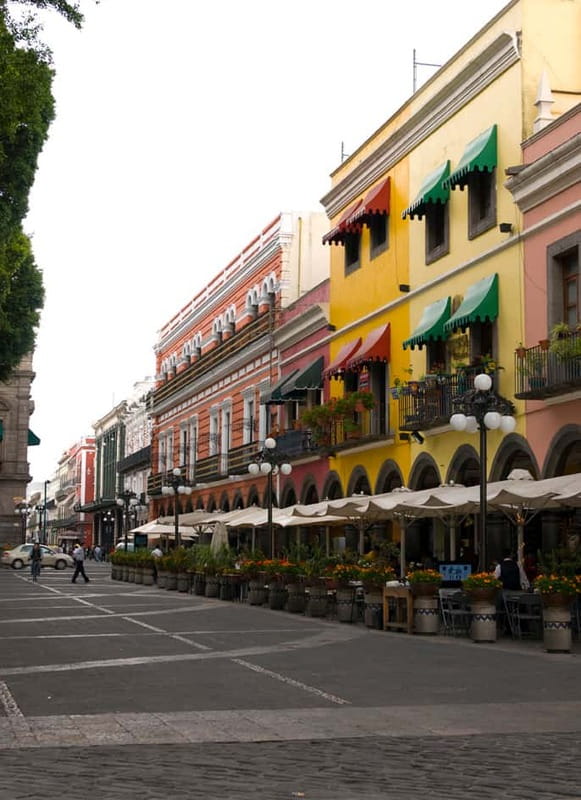
Puebla’s historic center is best understood at walking speed. Facades reveal details that are easy to miss from a vehicle: tile patterns, carved doorways, church ornament, balconies, and the way different building styles sit beside one another.
This tour gives those details a framework. Instead of simply crossing the main square and taking photographs, you’ll learn why the city is known for its architecture and why its historic center received UNESCO recognition. The stated catalogue includes more than 5,000 buildings, a useful reminder that Puebla’s appeal is not limited to one famous church.
You will not see all 5,000 buildings in three hours. That is not a flaw. The value lies in learning how to read the city, then using that knowledge during the rest of your stay. Once a guide points out the differences between architectural styles and decorative methods, an ordinary street corner becomes easier to understand.
The walking format also keeps the day focused. There is no hotel pickup or transportation included, so you must reach the meeting point on your own. For anyone already staying near central Puebla, that is a minor task. If your accommodation is farther away, allow extra time before the tour begins.
More architecture walks in the world:
- Lecce: Baroque Architecture and Underground Walking Tour
★ 4.6 · 1,248 reviews - Chicago in a Day: Food, History & Architecture Walking Tour
★ 5.0 · 1,153 reviews - Ramblas, Old Town, Gothic and Gaudi Architecture Walking Tour
★ 5.0 · 723 reviews
Starting at Puebla’s main square
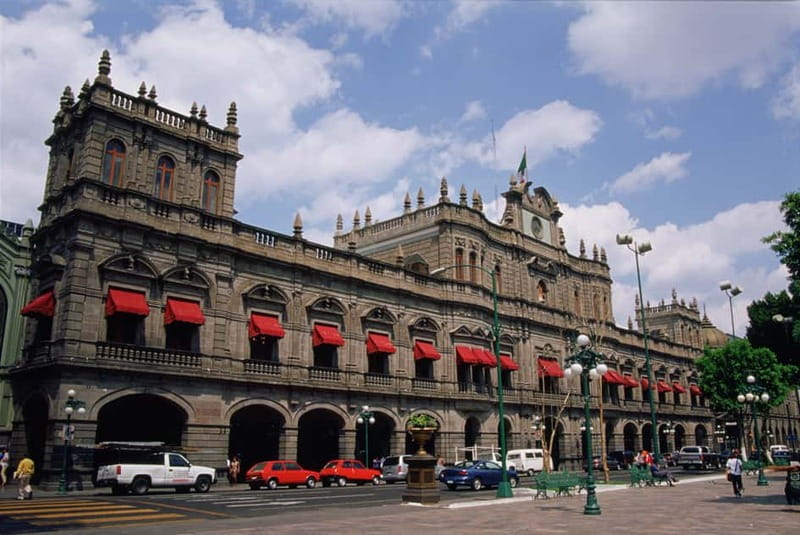
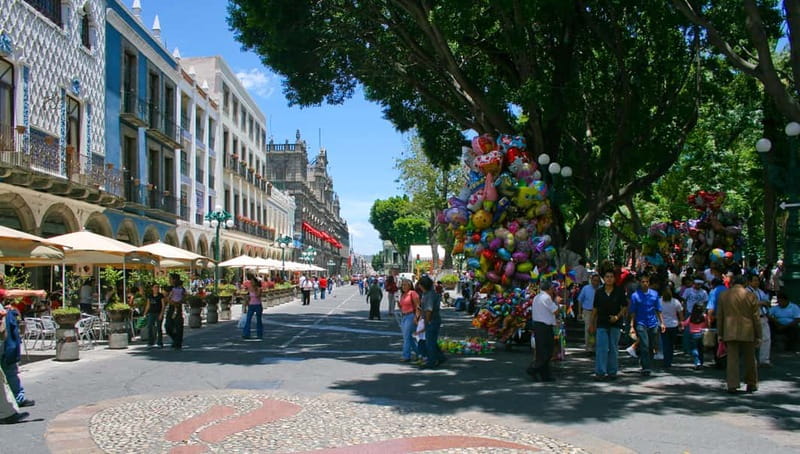
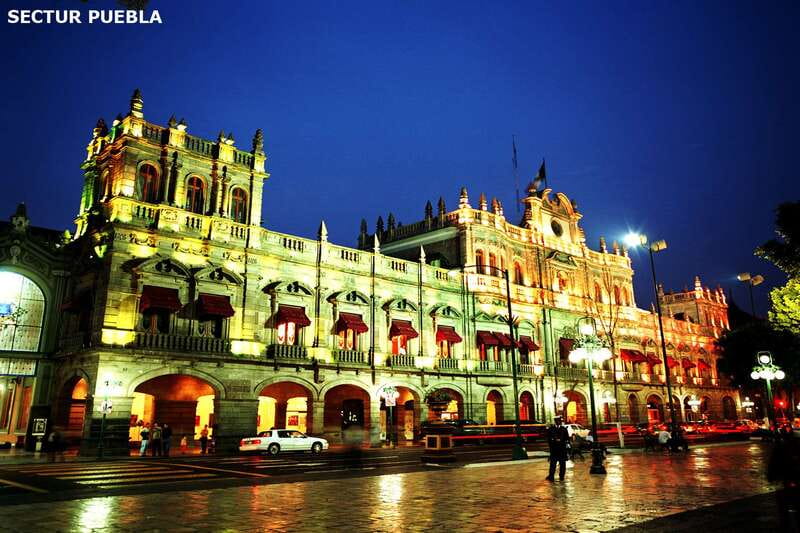
The walk begins at Puebla’s main square, a sensible place to get your bearings. This central setting introduces the city’s formal side before the route moves into smaller streets and more specialized neighborhoods.
Your guide will provide the historical background needed for the later stops. The tour is offered in English and Spanish, and the private format should suit you if you want to ask about particular buildings, religious art, or local design without feeling rushed by a large group.
The crossword is an unusual touch. You complete it with information gathered during the walk, so it rewards attention to the guide’s explanations. It may appeal especially to families, older children, or anyone who likes a clear goal while sightseeing. If you are not interested in puzzles, it is easy to treat it as an optional memory aid rather than the center of the experience.
The main square is also a useful reference point if you plan to explore on your own afterward. Since the tour ends in the same broad historic-center area, you can continue to shops, churches, restaurants, or museums nearby, though the exact ending point is not specified.
Entering the Cathedral after 300 years of work
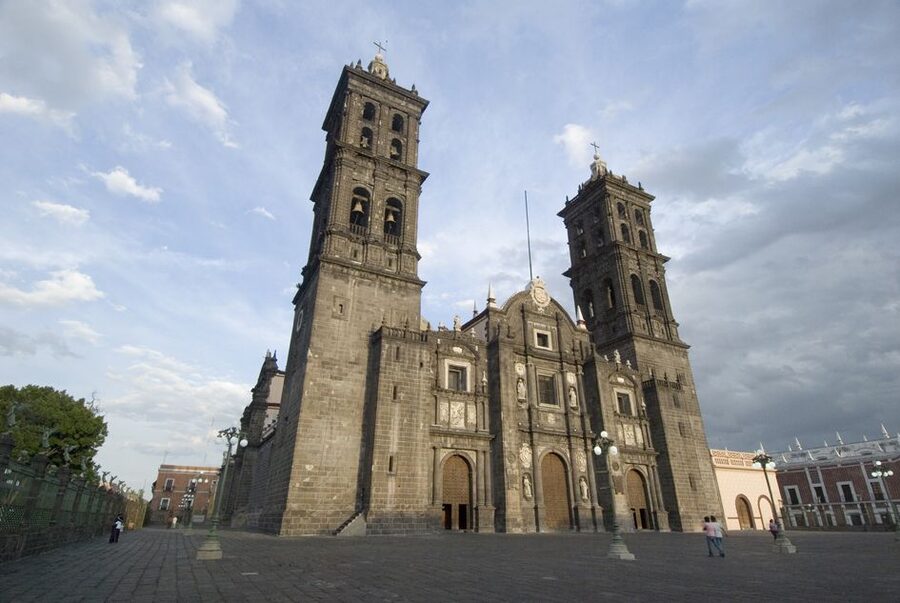
The Cathedral is the tour’s major architectural stop. Construction took more than 300 years, and that long building period helps explain why the structure carries such weight. You are not seeing a small neighborhood church. This is one of Puebla’s defining landmarks, with towers described as the highest on the continent.
Inside, the guide will focus on the temple’s cultural, sculptural, and pictorial heritage. That matters because the exterior alone cannot explain the Cathedral’s importance. You’ll have a chance to look beyond the scale of the building and consider the art and religious decoration held within it.
A guided visit is especially useful here. Large churches can blur together when you only take in the size, the altar, and the ceiling. A good explanation gives you something specific to watch for, and the crossword encourages you to listen for those details.
The Cathedral may also be the most demanding stop for anyone hoping to inspect everything closely. Three hours covers several major locations, so you should expect an overview rather than an expert study of every artwork. If your main interest is religious art, you may want to return independently after the walk and spend more time inside.
The gilded Baroque drama of Rosario Chapel
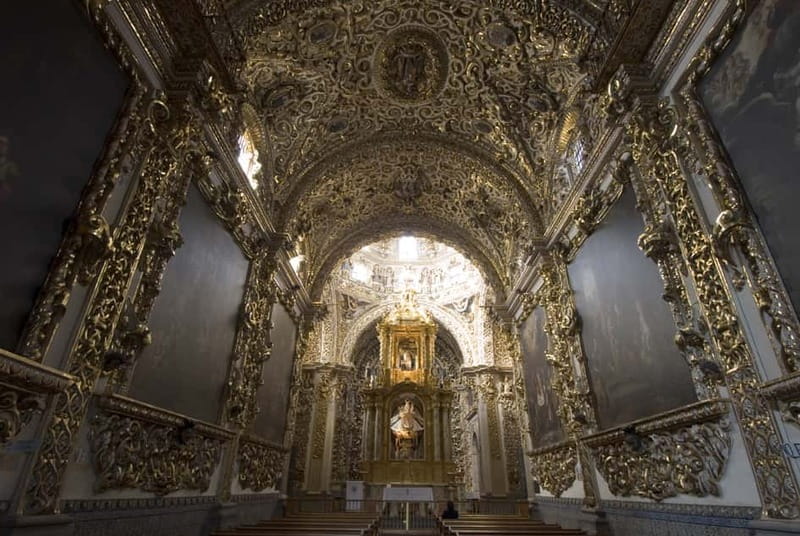
Rosario Chapel offers a different experience from the Cathedral. It is known for gilded stucco and is presented as a powerful example of Mexican Baroque architecture. The chapel was once regarded as the eighth Wonder of the World, a grand old claim that reflects how strongly its decoration impressed earlier generations.
This is likely the most visually intense part of the route. Gilded surfaces can make a small interior feel almost overwhelming, and the chapel gives the guide a chance to explain how ornament, sculpture, and religious imagery work together.
I like the contrast between the Cathedral and Rosario Chapel. The Cathedral gives you monumental scale and centuries of construction. Rosario Chapel gives you concentrated decoration. Seeing both in one morning helps you understand that Puebla’s architecture is not one single style.
You should be ready for a stop that rewards patience. Look up, look toward the walls, and notice how much decoration is packed into the space. If you hurry through for a quick photograph, you will miss the point. The guide’s explanation is part of the visit, not an extra added around it.
A few more architecture tours around the world worth a look
- Chicago Architecture River Cruise
★ 5.0 · 15,756 reviews - Chicago River 90-Minute Architecture Tour
★ 4.5 · 9,629 reviews - Chicago River: 1.5-Hour Guided Architecture Cruise
★ 4.8 · 8,046 reviews - Chicago Architecture Center River Cruise aboard First Lady
★ 5.0 · 5,536 reviews
Candy street and Puebla’s sweeter side

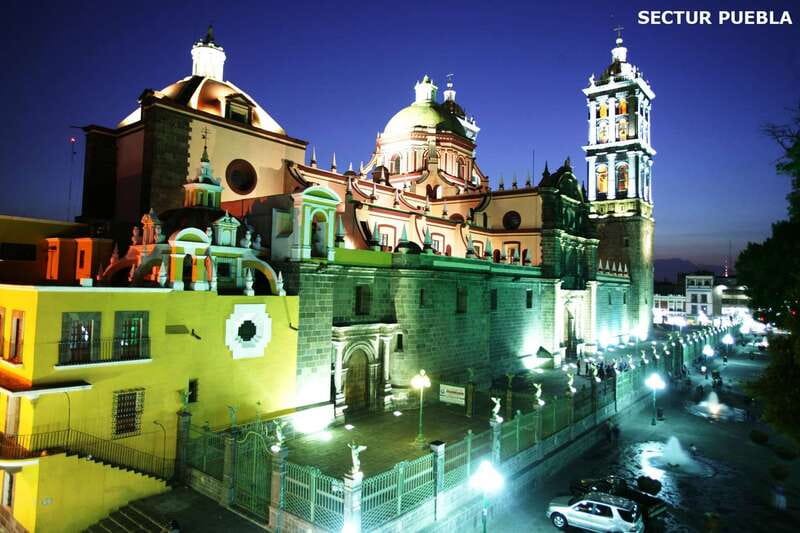
The route then leaves the major religious buildings and heads toward Puebla’s famous candy street. This change of mood is welcome. After the formal interiors of the Cathedral and Rosario Chapel, the street offers a more everyday side of the city.
The tour description does not specify tastings or included purchases, so do not book this walk expecting food samples. Instead, think of candy street as a cultural and commercial stop, one that shows how local identity appears in ordinary shops and streets as well as in monumental buildings.
This part also helps break up the architecture lesson. Three hours is long enough for a steady walk, and the variety of stops keeps the route from becoming a church-only circuit. You can ask the guide about what you see, then return later if you want to buy something independently.
The candy street may be more useful to you as a pointer than as a major attraction. It identifies an area worth revisiting, especially if you want a small local souvenir or a taste of Puebla after the tour. Specific products and prices are not provided, so keep those plans flexible.
Artist neighborhoods and the narrow lanes of Sapos alley
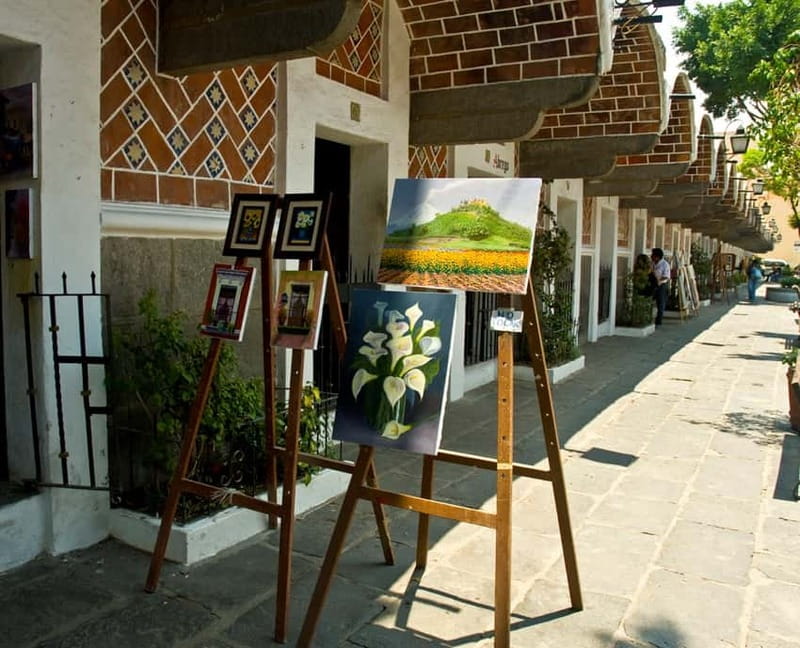
Puebla’s artist neighborhoods add another layer to the walk. Here, the setting shifts away from official monuments and toward areas associated with local creative life. The information provided does not promise studio visits or demonstrations, so you should expect to explore the streets rather than take part in a workshop.
Sapos alley gives the route a distinct change of scale. Its intricate lanes contrast with the open main square and the broad presence of the Cathedral. This is the kind of place where walking matters: you notice the turns, the building fronts, and the small details that would vanish during a drive.
I would pay attention to how the guide connects these neighborhoods with the wider historic center. Puebla’s appeal comes from the way major landmarks and smaller streets fit together. The famous sites bring you to the city, but the side lanes help you understand how the center feels as a place where people live, shop, make things, and pass through.
Do not expect every stop to offer the same visual impact. The Cathedral and Rosario Chapel provide the biggest architectural moments. The artist areas and Sapos alley are valuable because they broaden the picture and give the walk a more human scale.
The Parián handcraft market
The Parián handcraft market is another practical stop, especially if you want to browse local crafts after learning about Puebla’s built environment. The market is included as part of the walking route, and its presence keeps the tour connected to present-day shopping and making.
The description does not state which products are sold, how long you will spend there, or whether purchases are included, so treat this as an orientation visit. You can look around, note items that interest you, and return later if you need more time.
This is also where the tour’s mix of architecture and daily life pays off. A market is not just a place to buy objects. It shows how the historic center still functions as a public area rather than a collection of preserved facades.
If you are hoping for a long shopping session, three hours may not leave much room for it. The market is one stop among several, not the main purpose of the outing. Keep your wallet and schedule ready for a brief look, then decide if you want to come back on your own.
What $59 buys you
At $59 per person, the tour sits in the paid walking-tour range rather than the bargain category. The price includes a live guide and entrance fees to the sites visited. It does not include transport from your hotel or insurance.
For me, the price makes the most sense when you want structure, explanations, and private attention. Paying for entry fees separately, finding the churches, and piecing together the architectural story on your own may cost less, but it also requires more preparation. The tour saves you that work and places the main sights into one route.
The private-group arrangement is the key value. You are not paying only to follow a flag through downtown. You can ask questions, request clarification in English or Spanish, and use the guide’s knowledge to connect the Cathedral, chapel, side streets, and market.
Still, you should be honest about your interests. If your goal is simply to photograph the Cathedral and shop at Parián, $59 may feel high. If you enjoy architecture, religious art, and local history, the fee is easier to justify because the guide turns separate stops into one coherent lesson.
Guides, language, and the feel of the experience
The tour can be conducted in English or Spanish. Named guides associated with past departures include Ronnie and Guadalupe. Ronnie was praised for clear communication and a pleasant manner, while Guadalupe was noted for strong command of the subject and an enjoyable tour.
Those details point to the qualities you should want here: clear explanations, patience with questions, and the ability to make a large amount of information manageable. The most favorable feedback focused on the guides’ communication, warmth, and command of Puebla’s history.
Because this is a private group, your experience will depend partly on the guide assigned to your date. The provider is Tip Tours & DMC. You can expect a live guide, but the supplied information does not promise that Ronnie or Guadalupe will lead every departure.
The tour is listed as wheelchair accessible. That is useful, though the route includes historic streets and narrow areas such as Sapos alley. If you use a wheelchair, it is sensible to confirm route conditions and access details with the provider before booking, since the general accessibility statement does not describe every surface or interior.
Who should book this Puebla walk
I would recommend this tour to first-time visitors who want a strong introduction to Puebla’s historic center. It also suits you if you like architecture but do not want to spend hours reading guidebooks before entering each building.
Families may appreciate the crossword. It gives children something specific to watch for, while adults can focus on the architecture and history. The private format is also helpful for mixed groups with different interests, since questions and pacing can be handled more easily.
English-speaking visitors should find the language option useful, and Spanish speakers can take the tour in Spanish. The route also works well for anyone staying centrally, since the meeting point is at Portal Hidalgo and no hotel transportation is provided.
I would think twice if you dislike walking, want a food-focused experience, or prefer unplanned wandering. Candy street does not mean a tasting tour, and the Parián market is not presented as an extended shopping visit. This is an architecture and history walk with several cultural side stops.
Practical details before you reserve
Meet at Av. Juan de Palafox y Mendoza 14, Portal Hidalgo, at the visitor center. Look for the Tip Tours & DMC booth. You must make the reservation at least 24 hours before the tour date.
The walk lasts three hours, and starting times depend on availability. Wear comfortable shoes and allow enough time to reach the meeting point, since your own transportation is not included. The tour does include entrance fees for the sites visited, but insurance is not included.
You can reserve now and pay later, which helps if your Puebla schedule is still changing. Cancellation is free up to 24 hours before the tour for a full refund. Those terms are useful, but they do not replace checking the selected date and starting time before you finalize the booking.
Should you book the Puebla Architecture Walking Tour?
Book it if you want Puebla explained rather than merely photographed. The Cathedral, Rosario Chapel, candy street, Sapos alley, artist neighborhoods, and Parián market create a varied route, while the crossword gives the three-hour walk a little extra purpose.
At $59, it is not the cheapest way to see central Puebla. The fee earns its keep through the private guide, included entrance fees, bilingual service, and the context connecting more than one kind of place. I would choose it for a first visit, a family outing, or a small group with real interest in architecture.
Skip it if you want a slow shopping morning, a food tour, or complete independence. For everyone else, this is a focused introduction to Puebla’s grand churches and everyday streets, with enough variety to make the city feel like more than a series of postcard views.
FAQ
How long is the Puebla Architecture Walking Tour?
The tour lasts three hours.
How much does the tour cost?
The price is $59 per person.
Where does the tour meet?
Meet at Av. Juan de Palafox y Mendoza 14, Portal Hidalgo, at the visitor center. Find the Tip Tours & DMC booth.
What languages are available?
The live guide is available in English or Spanish.
Is this a private tour?
Yes. The experience is offered for a private group.
Are entrance fees included?
Yes. Entrance fees to the sites visited are included.
Is hotel transportation included?
No. Transportation from your hotel to the meeting point is not included.
Is the tour wheelchair accessible?
Yes, the activity is listed as wheelchair accessible.
What is the cancellation policy?
You can cancel up to 24 hours before the tour for a full refund. Reservations must be made at least 24 hours before the tour date.
Just added around the world
- Wilmington History and Architecture Tour★ 4.8 · 18 reviews
- Washington, DC: Georgetown Architecture Walking Tour★ 5.0 · 8 reviews
- New Orleans : Garden District Architecture Walking tour★ 4.8 · 5 reviews
- Washington DC: Dupont Circle & Embassy Row Architecture Tour★ 5.0 · 6 reviews
- Vicenza: discovering the city of Palladio by e-bike★ 5.0 · 4 reviews
- Vicenza: Palladian Architecture Private Walking Tour★ 3.3 · 3 reviews
- Walk & Discover KL’s Architectural and Heritage Gems★ 5.0 · 7 reviews
- Unveiling Brno: History, Culture & Architectural Delights★ 5.0 · 2 reviews
Walking Tours, compared.
The Official Art Deco Walking Tour by The Miami Design Preservation League
Read our review →
Barcelona: Gothic Quarter Ghosts and Legends Walking Tour
Read our review →
Barcelona: Old Town and Gothic Quarter Walking Tour
Read our review →
Lecce: Baroque Architecture and Underground Walking Tour
Read our review →
Chicago in a Day: Food, History & Architecture Walking Tour
Read our review →
Ramblas, Old Town, Gothic and Gaudi Architecture Walking Tour
Read our review →
Chicago’s Secret Interiors Architectural Walking Tour
Read our review →Browse the lists this tour appears in