
Review · CHICAGO
Chicago: Evolution of the Skyscraper Walking Tour
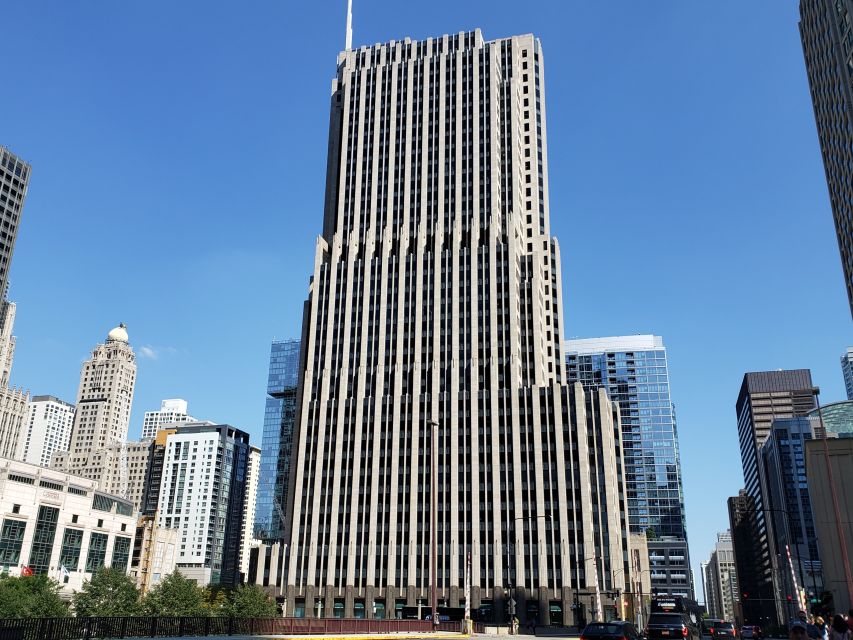
Chicago’s skyscraper story is easiest to understand when you walk through it in order. This 90-minute tour links the river, the Great Chicago Fire, Michigan Avenue, and modern downtown through buildings such as the Page Brothers Building, Old Dearborn Bank, the Chicago Motor Club, the Carbide and Carbon Building, and NBC Tower.
I like the clear timeline and the way the tour connects architecture with the people and commercial forces that shaped the city. I also like that your ticket includes the Chicago Architecture Center exhibits, giving you a useful visual introduction before or after the walk. The main drawback is that this is a brisk outdoor tour with no weather refund, so you need to be ready for rain, wind, and city pavement.
Key points to know before you book
- A chronological route: Buildings are discussed in the order they were built, making Chicago’s architectural changes easy to follow.
- A compact downtown walk: The route covers a few blocks around the Chicago River, Michigan Avenue, and the Chicago Architecture Center.
- A strong story about technology: You’ll see how new engineering allowed architects to build taller and respond to changing styles.
- A guide trained by the Chicago Architecture Center: The tour is led in English by a certified local guide. Mitch led at least one recent tour.
- Exhibit admission included: Plan time to visit the center’s new exhibits before or after the walk.
- Rain or shine: Bring suitable clothing, and do not arrive with luggage or a large bag.
Why Chicago’s skyline makes more sense on foot
Chicago can feel like a museum of tall buildings, but a skyline view alone does not explain how the city developed. From street level, you can see the details that disappear from a boat or distant viewpoint: entrances, materials, ornament, setbacks, window patterns, and the way newer buildings fit among older ones.
This tour gives you a simple question to carry from stop to stop: What problem were architects solving at this moment in Chicago’s history? Early commercial buildings needed to support a growing city near the river. After the Great Chicago Fire, rebuilding called for new methods and new confidence. Later towers reflected changing business needs, popular styles, and increasingly bold engineering.
That order matters. Instead of hearing a loose collection of building facts, you follow a story that moves from the city’s beginnings beside the Chicago River toward its role as a major commercial and cultural center. I find that especially useful if this is your first architecture tour in Chicago.
The walk also works well after a river cruise. A boat gives you the big skyline picture. This route brings you close to individual buildings and lets you ask questions. One earlier participant described the walk as covering a modest area around the architecture center, while another found the route extended around the river and Michigan Avenue. Expect a compact downtown walk, but the exact distance may vary with the guide and route.
More skyscraper tours in Chicago:
- Chicago Premium Driving Tour with River Boat Cruise and Sky Deck
★ 4.5 · 165 reviews - Chicago Walking Tour: Art Deco Skyscrapers Loop
★ 5.0 · 138 reviews - Chicago Walking Tour: Historic Skyscrapers
★ 5.0 · 67 reviews
Starting at the Chicago Architecture Center
The meeting point is inside the Chicago Architecture Center at 111 E. Wacker Drive. This is more than a place to gather. Admission to the center’s new exhibits is included, so arrive with enough time to look around if the tour schedule allows.
The center’s miniature model of the Chicago Loop has been singled out as a worthwhile part of the visit. It can help you get your bearings before heading outside, especially if downtown Chicago is new to you. Looking at the city in miniature also gives you a useful sense of how tightly its buildings sit together and how the river cuts through the central area.
The center includes a bookstore and gift shop as well. That may appeal to you if you want to continue studying Chicago architecture after the walk, though the tour itself is the main event.
Do not treat the meeting point as a luggage depot. Secure storage for luggage and strollers is not available, and large bags are not allowed on the tour. Leave bulky items at your hotel or another suitable storage location before arriving.
The Chicago River and the city’s first growth
The opening part of the story centers on the Chicago River. The river helped the young city grow by linking local commerce with wider transportation routes. It is the natural place to begin a tour about Chicago’s buildings because the city’s early development and later commercial success are tied to this central waterway.
Your guide explains how the city changed from a river-based settlement into a place that required larger offices, banks, stores, and public buildings. You are not simply looking at old facades. You are seeing how demand for more space pushed architects and engineers to rethink the shape and structure of downtown.
The river section also gives you an early sense of the tour’s method. Buildings are treated as evidence. Their design reflects the era when they were built, the work they housed, and the technology available at the time.
Because this is a walking tour rather than a boat cruise, your view is close and selective. You will not get a full skyline panorama from every point. In exchange, you can focus on specific structures and hear how they fit into the city’s development.
The Great Chicago Fire and the push to rebuild
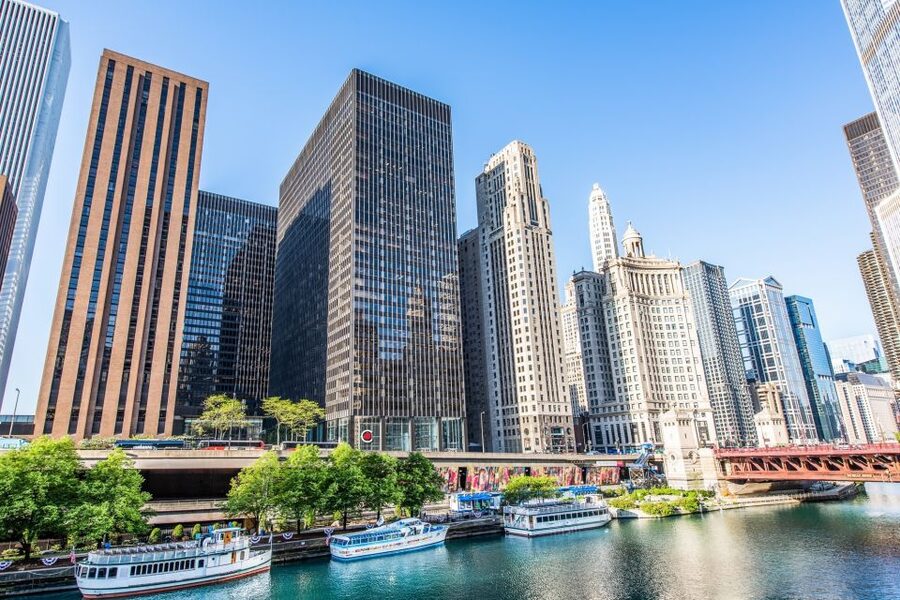
The Great Chicago Fire is a key turning point. The tour uses the fire and the city’s rebuilding as a bridge between early Chicago and the modern downtown you see today.
The important point is not only that the city had to be rebuilt. Rebuilding created pressure to use better materials, stronger construction methods, and more efficient designs. Chicago became a testing ground for buildings that could rise higher and support a larger commercial center.
Your guide connects this recovery to the changing appearance of downtown. Architectural styles did not change in isolation. They responded to fashion, available materials, business needs, and engineering breakthroughs. That makes the tour useful even if you are not normally interested in technical architecture.
The walk’s chronological structure is especially helpful here. You can see the city’s growth as a sequence of decisions rather than as one sudden leap into skyscraper construction. Each building adds another step to the story.
More architecture walks in Chicago:
- Chicago in a Day: Food, History & Architecture Walking Tour
★ 5.0 · 1,153 reviews - Chicago’s Secret Interiors Architectural Walking Tour
★ 5.0 · 635 reviews - Chicago: Secret Interiors Architecture Walking Tour
★ 4.9 · 498 reviews - Chicago Architecture Walking Tour: Incredible Art Deco Interiors
★ 5.0 · 85 reviews
Page Brothers Building and Old Dearborn Bank
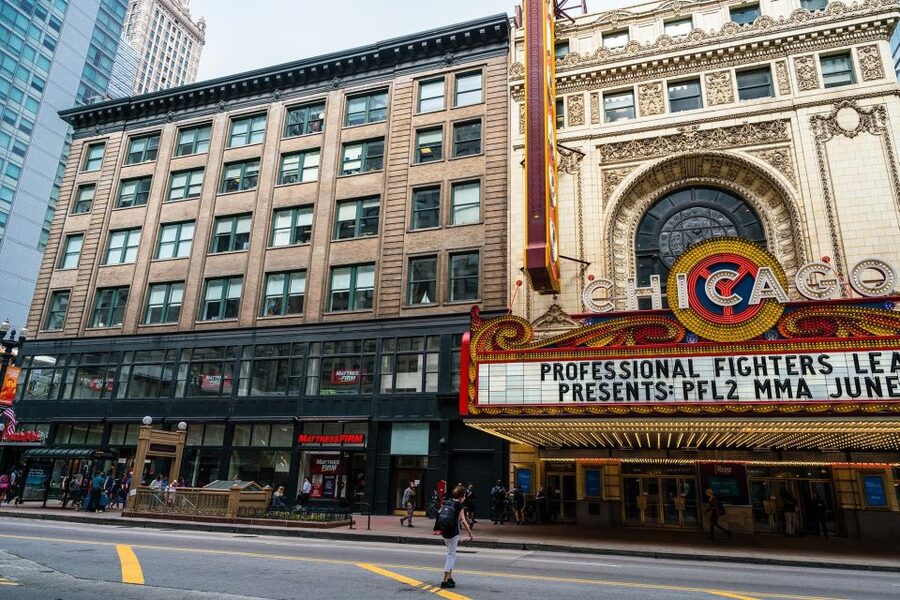
The Page Brothers Building and Old Dearborn Bank are among the early landmarks used to explain Chicago’s development. Their place in the route gives you a close look at the city’s commercial growth and at the architectural language of an earlier period.
These stops are valuable because they set a baseline. Later towers can seem remarkable on their own, but their importance becomes clearer when you first see the smaller-scale buildings and earlier commercial forms that came before them.
At the Page Brothers Building, listen for how the building’s design reflects the period in which it was made. At Old Dearborn Bank, the focus turns toward finance and the institutions that helped Chicago become a commercial hub. The exact emphasis depends on your guide, but the larger point is consistent: architecture reveals what the city valued and how it worked.
Do not expect long interior visits at every stop. The tour is built around the street experience and exterior interpretation. You will spend most of the 90 minutes walking, looking up, and moving between buildings.
The Chicago Motor Club and changing ideas about modern life
The Chicago Motor Club adds another layer to the story. Its name points to a different kind of city and a different era, one shaped by the growing importance of cars, travel, and modern business.
This stop helps broaden the tour beyond banks and office buildings. Chicago’s architecture also reflected new habits and new industries. The building’s design can be read as part of that shift, showing how architects adapted to the tastes and needs of their time.
I like this part of the route because it keeps the tour from becoming a parade of famous facades. You are asked to notice how a building connects with a broader cultural change. That connection between architecture and people was one of the strongest features of the tour for one participant, who found the historical narrative especially compelling.
The route remains manageable, but you should wear comfortable shoes. Downtown sidewalks can be busy, and the tour is paced as a walking experience rather than a series of long seated talks.
Carbide and Carbon Building: style becomes part of the story
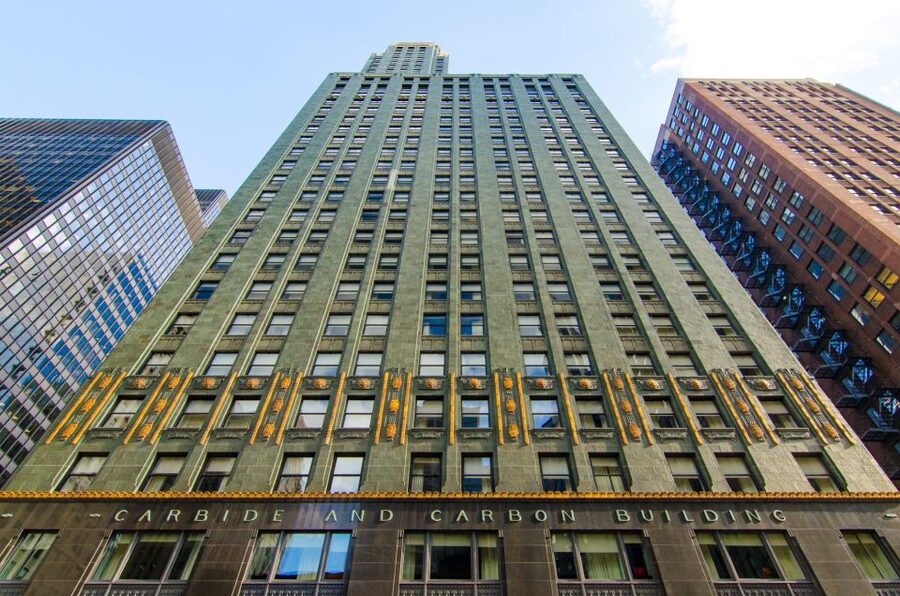
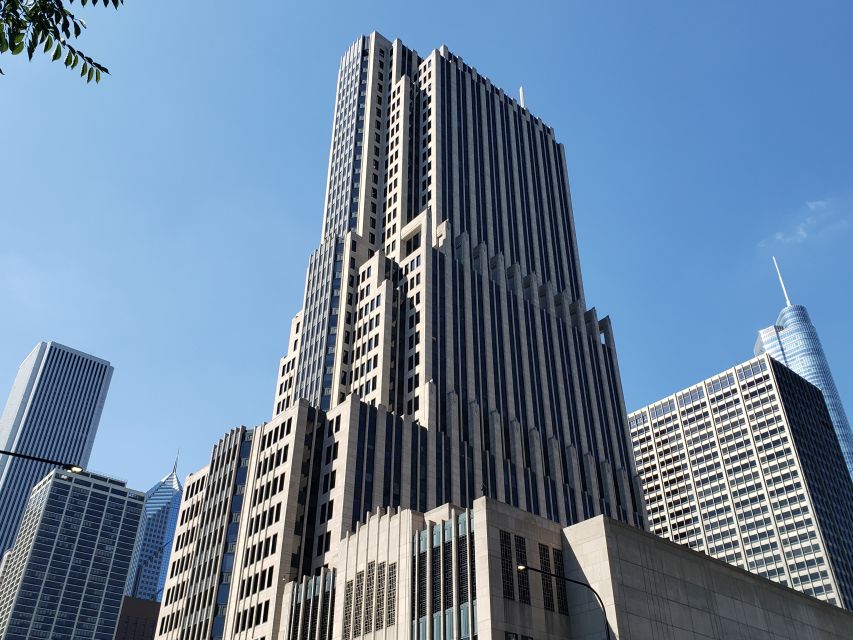
The Carbide and Carbon Building shows how strongly architectural fashion could shape a skyscraper. Its distinctive design gives the guide a chance to discuss a period when tall buildings were not only engineering projects but also public statements.
At this point in the tour, you can compare the building with earlier stops and see how the visual language of Chicago changed. Materials, decoration, color, and massing all tell you something about the era. The building’s unique appearance makes it an easy reference point when your guide explains how architects responded to popular styles.
This is also where the tour’s balance of technology and design works well. A taller building needs a sound structure, but it also needs an identity. Chicago’s towers were built for business, yet their appearance could signal ambition, luxury, modernity, or civic confidence.
You may find yourself looking at other buildings along the route with more attention after this stop. That is one of the practical benefits of a guided architecture walk. It gives you a vocabulary for seeing details you might otherwise pass without noticing.
NBC Tower and the route toward modern Chicago
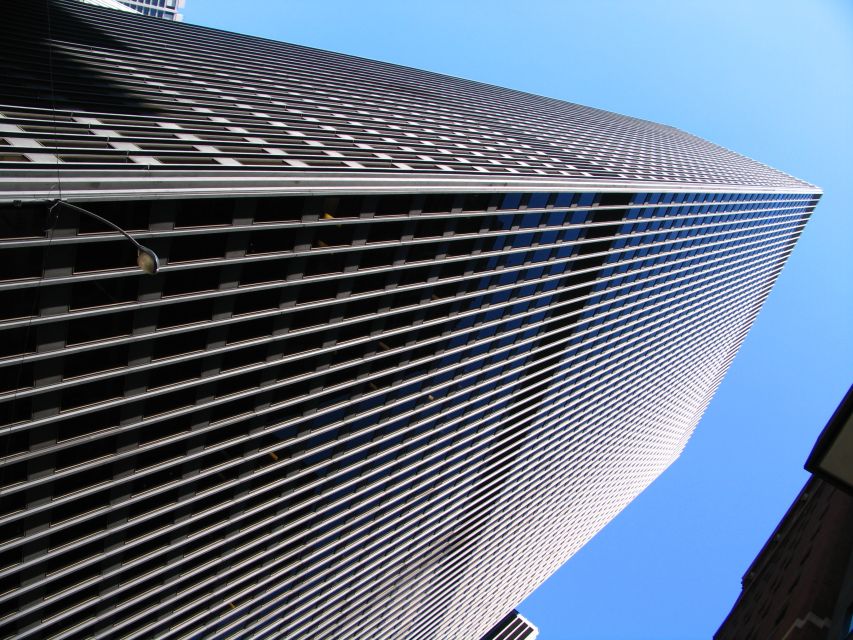
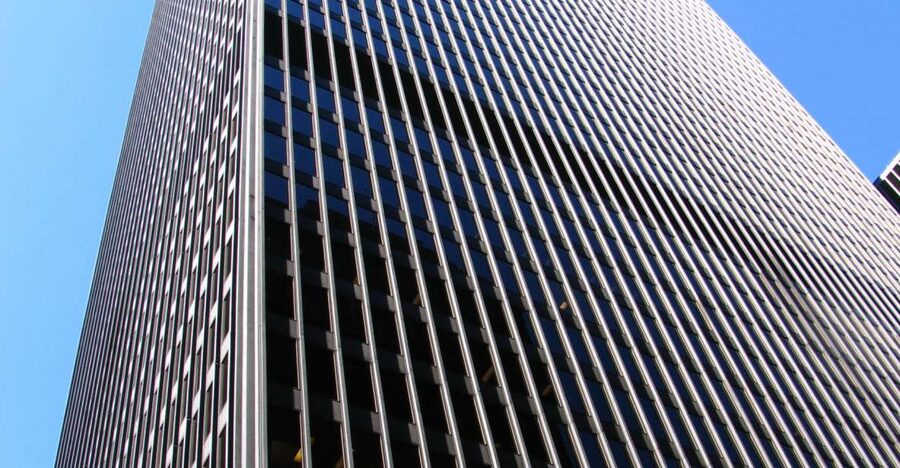
NBC Tower represents a later point in the city’s architectural story. By the time you reach it, the tour has moved through several generations of building design and construction.
The contrast with earlier buildings helps explain how downtown kept changing while retaining visible links to its past. New towers did not erase the older city. They joined it, sometimes by echoing older forms and sometimes by showing a very different idea of what a skyscraper should be.
The tour uses NBC Tower and other later buildings to bring the timeline toward the present. You will see that Chicago architecture is not one fixed style. It is a record of changing technology, business, fashion, and public life.
The building stops named here are only part of the walk. The full route includes additional structures, and the guide chooses the details that best connect them. Do not expect an exhaustive survey of every important building in the Loop. Think of this as a strong introduction that gives you a framework for exploring more on your own.
What makes the guide important
The quality of a walking architecture tour depends heavily on the person leading it. This experience uses certified guides trained by the Chicago Architecture Center, the city’s leading authority on architecture.
Mitch led one recent tour and was praised for presenting a detailed history while walking through the river and Michigan Avenue area. The useful detail here is not simply the guide’s name. It is that the tour leaves room for questions and links individual buildings to a larger account of Chicago.
The best approach is to arrive ready to ask about what catches your eye. If you notice a material, window pattern, entrance, or upper facade that interests you, ask about it. The walk is more rewarding when you treat the guide as a local interpreter rather than as a voice delivering a fixed list of dates.
The tour is offered in English only. If you want a technical explanation of structural systems, architectural styles, or the role of a particular building, ask directly. The 90-minute format gives you a useful amount of context without turning the outing into a full-day study course.
Is the $35 price good value?
The listed price is $35 per group up to one, which is an unusual way to display the cost. Check the booking details carefully for your party and selected time before paying.
For the price, the value comes from three parts: a 90-minute guided walk, a certified Chicago Architecture Center guide, and admission to the center’s exhibits. If you already plan to visit the center, including the exhibits makes the tour more appealing.
The experience also supports the Chicago Architecture Center’s education and community programs. Ticket income helps fund projects such as Girls Build!, Teen Fellows, the Newhouse Architecture + Design Competition, and free programming such as Open House Chicago. That does not replace the need for a good tour, but it gives your purchase a useful local purpose.
I would compare this cost with the price of a river cruise rather than with a simple self-guided walk. You are paying for interpretation, a planned chronological route, and the chance to ask questions. If you prefer to move at your own pace and read building plaques, you can explore downtown for less. If you want the city’s architectural story explained as you walk, the price is reasonable.
Weather, timing, and practical preparation
The tour lasts 90 minutes and runs rain or shine. There are no refunds due to weather, so check the forecast and dress for conditions. A face mask or protective covering is listed among the items to bring.
Wear shoes suitable for city walking and bring only what you need. Pets are not allowed, though service animals are welcome. Large bags, luggage, and strollers cannot be accommodated, and no secure storage is available.
Free cancellation is available up to 24 hours in advance for a full refund. You can also reserve now and pay later, which helps if your downtown plans are still shifting.
The route starts inside the architecture center, not at a hotel. Hotel pickup and drop-off are not included. Give yourself time to find 111 E. Wacker Drive, check in, and visit the exhibits if you want to do so before the walk.
Who should book this Chicago architecture walk?
I recommend this tour if you want a clear introduction to Chicago’s buildings and do not want to sort out the story by yourself. It suits first-time visitors, architecture fans, history-minded visitors, and anyone who has already seen the skyline from a boat and wants a closer look at street level.
It is also a good choice if you enjoy asking questions. The walk covers enough ground and history to give you context, but it remains short enough to fit into a busy Chicago day.
I would choose something else if you dislike outdoor walks, need luggage or stroller storage, or want a detailed interior tour of each building. The experience is focused on a chronological overview, exterior observation, and the development of Chicago’s architecture.
Should you book it?
Book this tour if you want Chicago’s skyscrapers explained as part of one connected story. The strongest reasons are the building-by-building timeline, the guide training from the Chicago Architecture Center, and the included exhibit admission.
Skip it if you need weather flexibility or prefer independent sightseeing. For everyone else, the 90-minute format offers a smart first look at Chicago’s architecture, with enough specific buildings and historical context to improve the rest of your time downtown.
FAQ
Where does the Chicago skyscraper walking tour meet?
The tour meets inside the Chicago Architecture Center at 111 E. Wacker Drive, Chicago, Illinois 60601.
How long does the tour last?
The walking tour lasts 90 minutes.
What language is the tour offered in?
The live tour is offered in English.
Is admission to the Chicago Architecture Center included?
Yes. The ticket includes admission to the center’s new exhibits.
Which buildings are included on the route?
The tour includes buildings such as the Page Brothers Building, Old Dearborn Bank, the Chicago Motor Club, the Carbide and Carbon Building, and NBC Tower, along with other architecturally significant structures.
Does the tour run in bad weather?
Yes. Tours depart rain or shine, and refunds are not provided due to weather.
Can I bring luggage or a stroller?
No. The tour cannot provide secure storage for luggage or strollers, and large bags are not allowed.
Can I cancel for a refund?
Yes. You can cancel up to 24 hours in advance for a full refund. You can also reserve now and pay later.
Just added around Chicago
- Private Chicago Architecture Tour★ 5.0 · 5 reviews
- Chicago Luxury Minibus City Tour and Architecture River Cruise★ 4.5 · 8 reviews
- Private Frank Lloyd Wright Architectural Tour by Luxury Vehicle★ 3.5 · 7 reviews
- Small Group History And Architecture Walking Tour of Chicago★ 4.5 · 8 reviews
- Private Chicago Architecture Walking Tour★ 5.0 · 6 reviews
- Chicago History and Architecture Walking Tour with Boat Cruise★ 4.5 · 10 reviews
- Chicago’s Modern Skyscrapers Guided Walking Tour★ 5.0 · 6 reviews
- Chicago Walking Tour: See Inside Art Deco Masterpieces★ 4.9 · 8 reviews
Skyscraper Tours, compared.
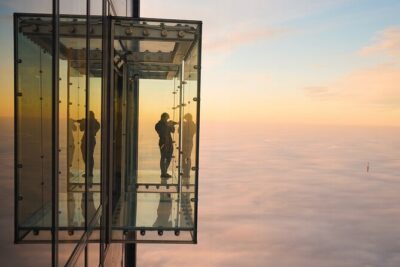
Chicago Premium Driving Tour with River Boat Cruise and Sky Deck
Read our review →
Chicago Walking Tour: Art Deco Skyscrapers Loop
Read our review →
Florence Skyline from the Top of Brunelleschi’s Dome
Read our review →
Chicago Walking Tour: Art Deco Skyscrapers Riverfront
Read our review →
Walking Tour: Chicago’s Loop – Home of the Modern Skyscraper
Read our review →

3-Hour Shanghai Bund Swift Tour with River Cruise or Skyscraper
Read our review →Browse the lists this tour appears in