

Review · COPENHAGEN
Copenhagen: Danish Design and Architecture Walking Tour
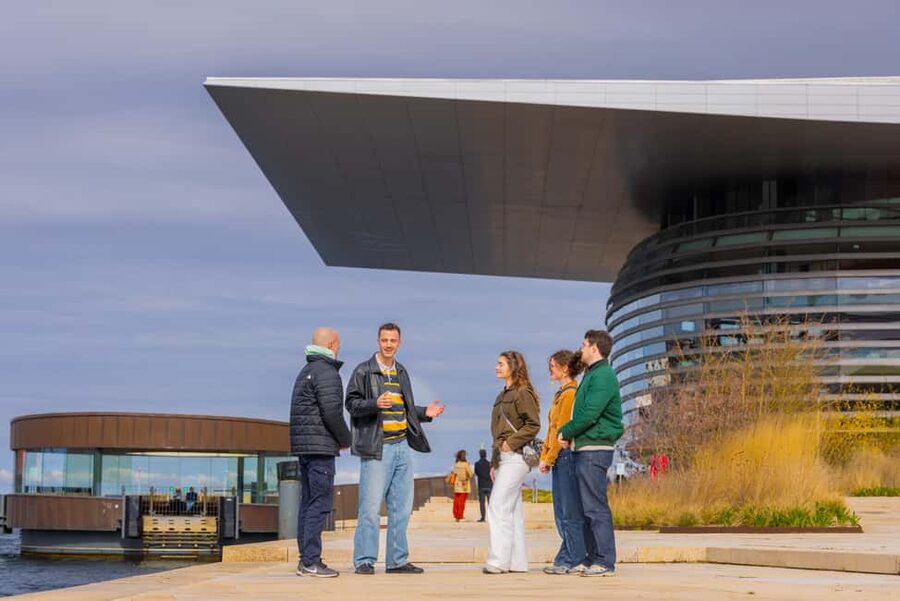
Copenhagen’s design story becomes much clearer when you walk through it. This tour links the Opera House, harborfront, Nyhavn, Rosenborg Castle, and Design Museum Denmark, showing how old buildings and modern ideas share the same city.
I like the hands-on look at three iconic Danish design objects, since it takes the subject beyond façades and into the chairs, tools, and household items you use every day. I also like the route itself: you get architecture, royal history, public gardens, and harbor views in one compact outing.
The main drawback is the timing and mobility information. The activity is described as lasting two hours in one place and about two and a half hours elsewhere, while the route includes several walking sections. It is also marked wheelchair accessible but separately described as unsuitable for wheelchair users and people with mobility impairments, so ask for clarification before booking.
Key points at a glance
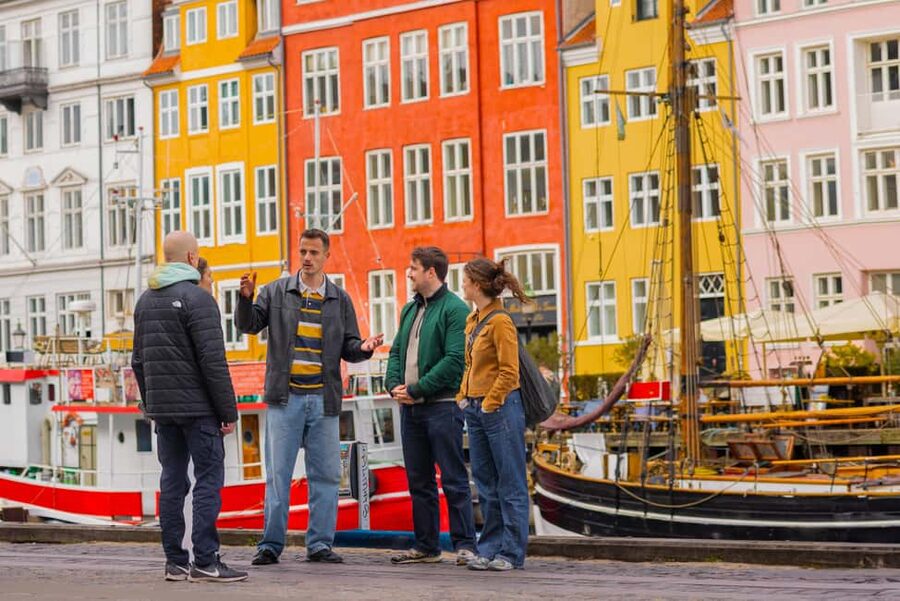
- Starts on Holmen: Meet at the Royal Danish Academy, Architecture, Design and Conservation, a fitting place to begin a design-focused walk.
- Architecture meets daily life: The guide explains not only buildings, but also the Danish ideas behind everyday objects.
- A useful mix of city sights: The route combines the Opera House, Inderhavnsbroen, Nyhavn, Rosenborg Castle, the King’s Garden, and Design Museum Denmark.
- Includes hands-on design: You will examine three iconic Danish design objects rather than only listening to a lecture.
- English guidance: Linnea led one highly praised outing, and the experience is offered in English.
- Good weather matters: Comfortable shoes and weather-ready clothing will make a real difference on this outdoor-heavy route.
Starting at the Royal Danish Academy on Holmen

The meeting point is the Royal Danish Academy, Architecture, Design and Conservation on Holmen. That choice gives the walk a clear purpose from the first minute. You are not simply meeting near a random landmark. You begin at an institution tied directly to the subjects you will discuss.
Arrive 10 minutes early. You will want time to find the entrance, settle in, and meet the English-speaking guide without rushing. Bring a camera if architectural details interest you, but your most useful equipment will be comfortable shoes and a jacket suited to Copenhagen weather.
The tour is designed for people curious about the spaces they occupy and the objects they handle every day. You do not need to be an architect. The value comes from learning a simple way to look: What purpose does this object serve? How does light move through a room? Why does a building feel calm, welcoming, or imposing?
That approach helps keep the outing practical. Instead of treating Danish design as a list of famous names, the guide connects it to function, beauty, light, and space.
More architecture walks in the world:
- Lecce: Baroque Architecture and Underground Walking Tour
★ 4.6 · 1,248 reviews - Chicago in a Day: Food, History & Architecture Walking Tour
★ 5.0 · 1,153 reviews - Ramblas, Old Town, Gothic and Gaudi Architecture Walking Tour
★ 5.0 · 723 reviews
Copenhagen Opera House and the drama of light
The Copenhagen Opera House receives about 20 minutes. The stop focuses on the relationship between light and space, one of the clearest ways to understand modern Danish architecture.
You can expect the guide to direct your attention to the building as a complete composition rather than just a photograph. Look at how the structure meets the harbor, how open areas frame views, and how the building’s scale affects your sense of place. The subject is not only what the Opera House looks like from outside. It is how architecture guides movement and creates a mood.
Twenty minutes is enough for an explanation and photographs, but not for a detailed architectural study. If you want to inspect every line and surface, you may feel hurried. That is the tradeoff of a walking tour that covers several major stops in one afternoon.
Still, this is a strong early stop because it gives you a working vocabulary for the rest of the route. After discussing light and space here, you can apply those ideas to the older buildings and public places that follow.
Crossing Inderhavnsbroen toward the old harbor

The walk across Inderhavnsbroen takes about 15 minutes. This is not just a connector between two points. It gives you a chance to see how Copenhagen joins separate districts and how infrastructure can become part of the city experience.
A bridge also changes your viewpoint. From the water, you can consider the harborfront as a meeting point for historic buildings, newer construction, pedestrians, and daily city activity. The tour’s larger point becomes easier to grasp here: Danish design is not limited to museums or designer furniture. It also appears in the way people move through public space.
This portion is weather dependent in the most basic sense. Wind and rain can make a short bridge crossing feel longer, so dress for conditions rather than for the calendar. The route includes enough time outdoors that a thin jacket, waterproof layer, or warm sweater may matter more than you expect.
Nyhavn beyond the postcard
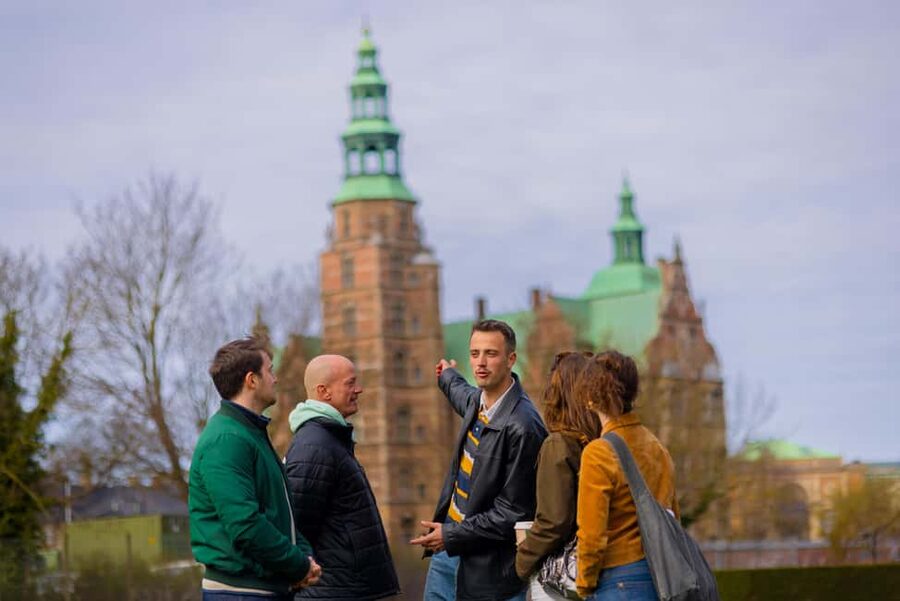
The walk reaches Nyhavn for around 20 minutes. Most people recognize the colorful harborfront, but this tour asks you to look past the familiar view.
The useful question here is how traditional architecture fits into a modern capital. Nyhavn lets you consider the scale, façades, waterfront edge, and long-standing character of a historic area alongside Copenhagen’s newer architecture. The guide can help you see how preservation and current city life share the same space.
This stop has strong photo appeal, but the tour is not built around taking endless pictures. Twenty minutes gives you time to look, listen, and take a few photographs before moving on. If Nyhavn is high on your personal sightseeing list, plan to return later for a slower visit.
I like this part of the route because it prevents the design discussion from becoming too modern or too technical. Copenhagen’s visual identity is shaped by both old and new buildings. Seeing them in one walk gives the subject useful context.
A few more architecture tours around the world worth a look
- Chicago Architecture River Cruise
★ 5.0 · 15,756 reviews - Chicago River 90-Minute Architecture Tour
★ 4.5 · 9,629 reviews - Chicago River: 1.5-Hour Guided Architecture Cruise
★ 4.8 · 8,046 reviews - Chicago Architecture Center River Cruise aboard First Lady
★ 5.0 · 5,536 reviews
Rosenborg Castle and the King’s Garden

The stop at Rosenborg Castle lasts about 15 minutes, followed by about 25 minutes in the King’s Garden. Together, these locations bring royal architecture and public space into the discussion.
At Rosenborg, the focus is not listed as an interior visit. You should therefore expect an outside look and an explanation rather than a full castle tour. The castle adds a historical layer to the walk, letting you compare earlier architectural choices with the cleaner lines and newer materials discussed at the Opera House.
The King’s Garden gives you more room to think about the relationship between buildings and open space. A building does not exist alone. Paths, lawns, sightlines, trees, and public access all affect how you experience it. The garden stop is long enough to slow the pace and give your feet a break.
This section also makes the route more varied. You are not moving from one façade to another without pause. You get a castle, a garden, and a chance to consider how public places support everyday city life.
Because the schedule is compact, do not expect a full guided tour of Rosenborg Castle or an in-depth garden history lesson. The purpose is comparison and observation. If you want detailed royal history or admission to the castle, you would need a separate visit, and entrance fees are not included.
Three Danish design objects you can examine

One of the experience’s most useful features is a hands-on look at three iconic Danish design objects. The supplied information does not name them, so you should not book this expecting a particular chair, lamp, or household item.
What matters is the method. You are encouraged to think about objects as carefully as buildings. A well-designed item may be easy to use, pleasant to look at, durable, and restrained in its materials. The guide’s job is to connect those qualities to Danish design philosophy.
This makes the walk suitable for people who are not especially interested in architecture. You may care more about furniture, products, interiors, or practical objects than about building façades. The hands-on element gives you a way into the subject.
I also appreciate that this feature makes the tour more active. You are not only standing in front of buildings while someone talks. You get a direct way to consider scale, touch, purpose, and visual appeal.
Ending at Design Museum Denmark
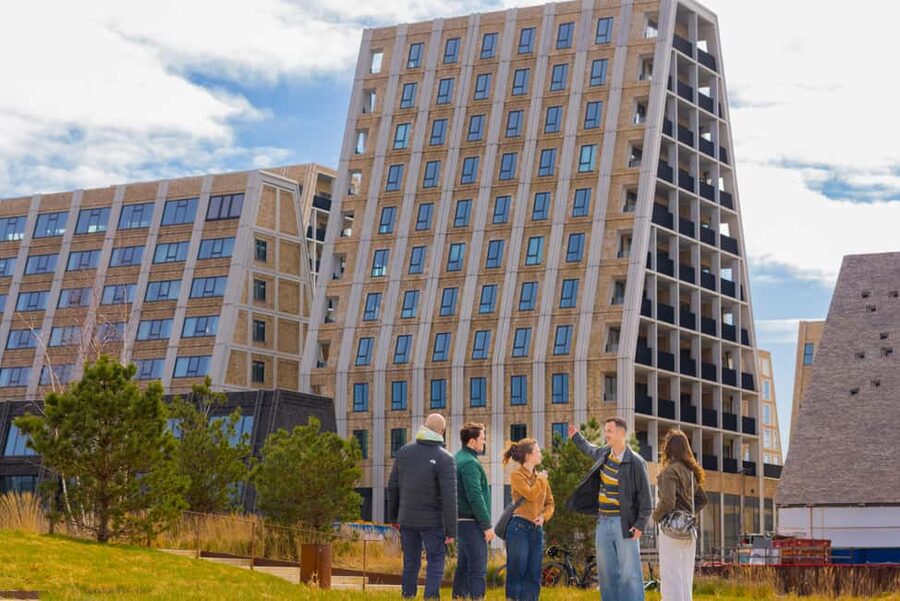
The tour finishes at Design Museum Denmark, after about 15 minutes of free time. This is a sensible endpoint because the museum extends the themes introduced outdoors.
The walk gives you a framework for understanding Danish design. The museum can then provide more examples, periods, and objects if you choose to continue on your own. However, admission is not included, so the tour ending does not mean you automatically receive entry.
That distinction matters when planning your day. If you want to visit the museum’s galleries, allow extra time and budget for a separate ticket. If you only want the guided walk, you can finish at the museum and continue with another Copenhagen plan.
Ending here also makes the experience easy to combine with other sightseeing. You finish in a central cultural area rather than returning to Holmen, which means you should plan your onward route before the tour begins.
What the guide adds to the walk
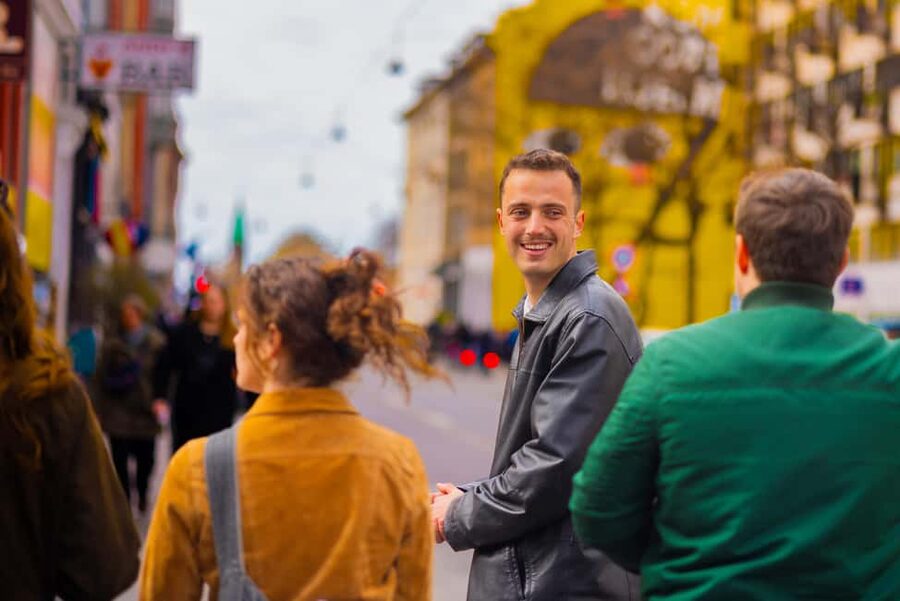
The guide is the reason this experience is more than a self-guided city stroll. The guide explains the principles behind what you see, then helps you connect architecture with ordinary life.
Linnea is named as one of the guides, and the feedback about her points to a strong mix of Danish architectural history, lesser-known details, and carefully chosen art and design examples from different centuries. Another outing was described as a pleasant afternoon with a friendly, well-informed guide.
Those details suggest a conversational approach rather than a dry academic lecture. Still, guide style can vary, and the activity is offered in English only. If you prefer a highly technical architectural seminar, the two to two and a half-hour format may feel introductory. If you want a clear, approachable way to understand Copenhagen, it should fit well.
The strongest part of the guide’s role is interpretation. Anyone can point out Nyhavn or Rosenborg Castle. The guide helps you notice why those places matter to a larger Danish design story.
Is $63 a fair price?
At $63 per person, this is not the cheapest way to see Copenhagen’s main sights. You are paying for a guided route, interpretation, and a hands-on design component, not admission to a series of attractions.
I consider the price reasonable if you want structure and explanation. In a short visit, the route covers several different subjects without requiring you to plan connections between them. You get modern architecture, a bridge, a historic harbor, a royal castle, a public garden, and a design museum endpoint.
The value is weaker if you mainly want quick photographs or already know Danish design well. You will still pass attractive sights, but much of the benefit depends on listening closely and asking questions.
Remember to budget separately for food, drinks, transport to Holmen, and any admission you choose to purchase. No attraction entrance fees are included. That is not unusual for a walking tour, but it affects the final cost.
Timing, walking, and practical limits
The experience is described as lasting two hours in the booking information and approximately two and a half hours in the detailed description. The listed stop times also add up to more than two hours when walking and transitions are included.
For planning purposes, I would allow two and a half hours and avoid booking a tight appointment immediately afterward. Check the available starting time before you commit, since the exact schedule can affect your plans.
The tour involves outdoor walking between multiple locations. Wear shoes you can walk in comfortably, and dress for changing weather. Bring a camera if you like architecture, but do not forget that a waterproof layer may be more useful than extra photography gear.
The accessibility information needs special attention. The activity is marked wheelchair accessible in one place, yet it is also described as unsuitable for wheelchair users and people with mobility impairments. Since the route includes bridges, city streets, and several walking sections, contact the provider before booking if accessibility is important to you. Do not rely on the general accessibility label alone.
Smoking is not allowed during the activity.
Who will enjoy this Copenhagen walk?
I would choose this tour if you want to understand Copenhagen rather than simply check off landmarks. It suits first-time visitors who like design, architecture, public spaces, or city planning and want a guide to connect the pieces.
It is also a good fit for anyone who enjoys learning through comparison. You will see modern and historic buildings, grand and ordinary spaces, and architecture alongside smaller design objects.
You may want a different plan if your main goal is entering Rosenborg Castle, spending a long time at Nyhavn, or visiting Design Museum Denmark in depth. The tour offers context at each place, but it does not include attraction admission or extended time inside them.
People with mobility concerns should confirm the route directly before reserving. The walk is also less appealing if rain, cold, or wind would spoil an outdoor afternoon for you.
Should you book it?
Book this Copenhagen walk if you want an efficient introduction to Danish design with a human guide, a varied route, and practical ideas you can use during the rest of your visit. The best reasons to go are the connections between modern architecture, historic buildings, public gardens, and everyday objects.
Skip it if you prefer independent sightseeing, need long visits at each attraction, or want a fully indoor activity. Before paying, confirm the tour’s exact duration and the accessibility arrangements. If those details work for you, $63 buys more than a walk past famous buildings. It gives you a way to see Copenhagen with sharper eyes.
FAQ
Where does the tour start?
The tour starts at Det Kongelige Akademi, Architecture, Design and Conservation, on Holmen in Copenhagen.
Where does the tour finish?
It finishes at Designmuseum Danmark, also known as Design Museum Denmark.
How long does the experience last?
The activity information gives a duration of two hours, while the detailed description says approximately two and a half hours. Check the available starting time and allow up to two and a half hours for planning.
What language is the tour offered in?
The live guided tour is offered in English.
Is transportation included?
No. Transportation to and from the meeting point is not included.
Are attraction entrance fees included?
No. Entrance fees to attractions are not included. Food and drinks are also separate.
What should I bring?
Bring comfortable walking shoes, a camera if you want to photograph the architecture, and clothing suited to the weather.
Can wheelchair users join?
The information is conflicting. The activity is marked wheelchair accessible but is also described as unsuitable for wheelchair users and people with mobility impairments. Contact the provider before booking to confirm whether the specific route meets your needs.
Just added around the world
- Wilmington History and Architecture Tour★ 4.8 · 18 reviews
- Washington, DC: Georgetown Architecture Walking Tour★ 5.0 · 8 reviews
- New Orleans : Garden District Architecture Walking tour★ 4.8 · 5 reviews
- Washington DC: Dupont Circle & Embassy Row Architecture Tour★ 5.0 · 6 reviews
- Vicenza: discovering the city of Palladio by e-bike★ 5.0 · 4 reviews
- Vicenza: Palladian Architecture Private Walking Tour★ 3.3 · 3 reviews
- Walk & Discover KL’s Architectural and Heritage Gems★ 5.0 · 7 reviews
- Unveiling Brno: History, Culture & Architectural Delights★ 5.0 · 2 reviews
Walking Tours, compared.

The Official Art Deco Walking Tour by The Miami Design Preservation League
Read our review →
Barcelona: Gothic Quarter Ghosts and Legends Walking Tour
Read our review →
Barcelona: Old Town and Gothic Quarter Walking Tour
Read our review →
Lecce: Baroque Architecture and Underground Walking Tour
Read our review →
Chicago in a Day: Food, History & Architecture Walking Tour
Read our review →

Ramblas, Old Town, Gothic and Gaudi Architecture Walking Tour
Read our review →
Chicago’s Secret Interiors Architectural Walking Tour
Read our review →Browse the lists this tour appears in